Month: December 2025

  • Mobile Commerce Optimization Tips

    Mobile Commerce Optimization Tips

    Mobile commerce has transformed the way people shop online. With most users browsing, comparing, and purchasing products directly from their smartphones, optimizing your ecommerce store for mobile is no longer optional. A seamless mobile experience can significantly improve engagement, conversions, and customer loyalty. Below are essential mobile commerce optimization tips to help your business succeed in a mobile-first world.

    Design with a Mobile-First Approach

    Mobile optimization starts with design. Your website should be built for small screens before being adapted for desktops.

    Use Responsive Web Design

    A responsive design ensures your website automatically adjusts to different screen sizes and devices. This improves usability and helps maintain consistent branding across platforms.

    Simplify Layout and Navigation

    Mobile users prefer clean, uncluttered layouts. Use clear menus, visible icons, and minimal text to help users find products quickly without excessive scrolling or zooming.

    Improve Mobile Page Speed

    Page speed plays a critical role in mobile commerce success. Slow-loading pages lead to higher bounce rates and lost sales.

    Optimize Images and Media

    Compress images and videos without sacrificing quality. Large files can drastically slow down mobile load times.

    Reduce Unnecessary Scripts

    Limit heavy plugins, animations, and third-party scripts. A lightweight website loads faster and provides a smoother mobile experience.

    Enhance Mobile Checkout Experience

    A complicated checkout process is one of the biggest reasons for cart abandonment on mobile devices.

    Enable Guest Checkout

    Forcing users to create an account increases friction. Guest checkout allows faster purchases and improves conversion rates.

    Use Mobile-Friendly Forms

    Minimize the number of form fields and enable autofill options. Larger input fields and clear labels make typing easier on mobile screens.

    Offer Multiple Payment Options

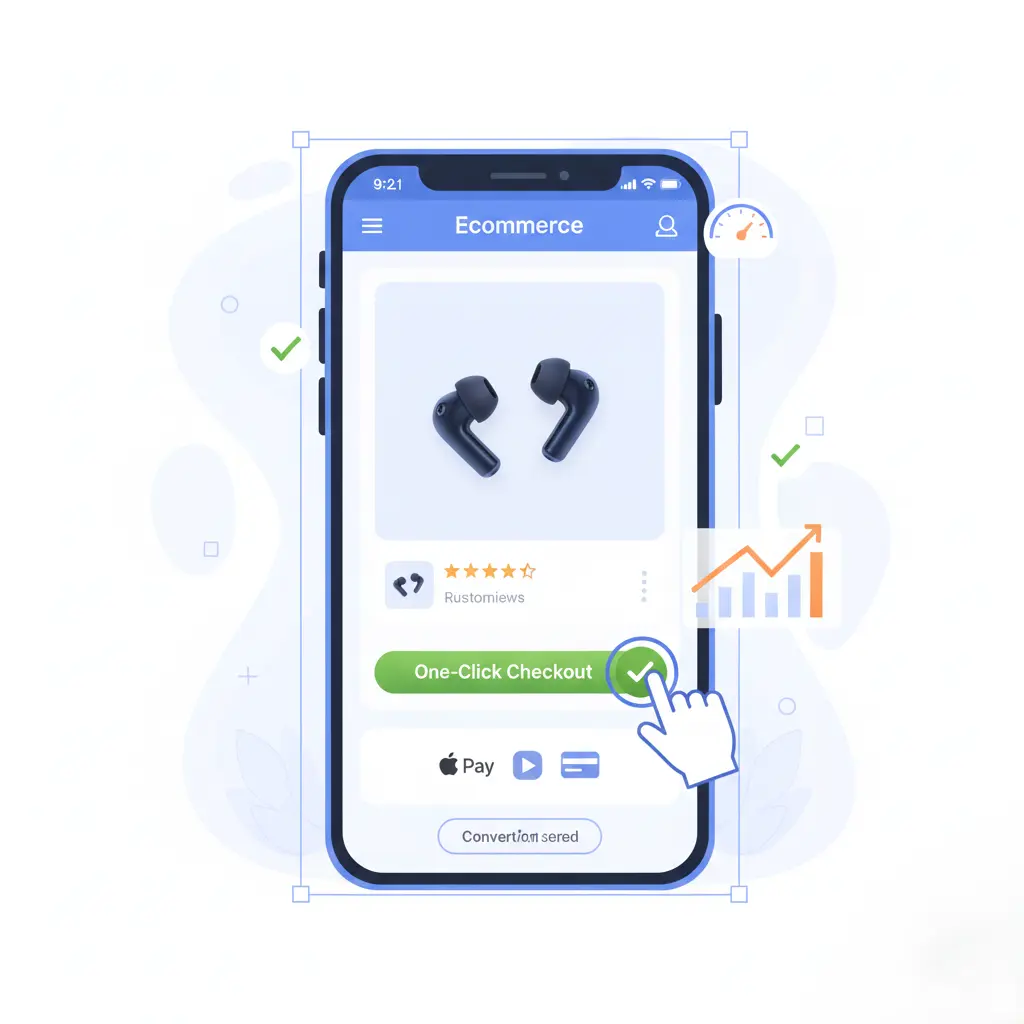
    Support popular mobile payment methods such as digital wallets and one-tap payments to make checkout faster and more convenient.

    Optimize Product Pages for Mobile Users

    Your product pages should be designed to quickly communicate value and encourage action.

    Clear Product Images and Videos

    Use high-quality images that load quickly and allow zooming. Short product videos can also help users better understand the product.

    Concise Product Descriptions

    Mobile users scan rather than read. Use bullet points, short paragraphs, and clear headings to highlight key features and benefits.

    Strong Call-to-Action Buttons

    Make “Add to Cart” and “Buy Now” buttons large, visible, and easy to tap. Place them where users can easily reach with one hand.

    Leverage Mobile SEO and Search Features

    Search plays a major role in mobile shopping behavior.

    Optimize for Local and Mobile Search

    Use mobile-friendly keywords, local SEO strategies, and structured data to improve visibility in mobile search results.

    Implement Voice Search Optimization

    As voice search usage grows, optimizing for conversational and question-based queries can give your mobile commerce site a competitive edge.

    Use Personalization and Mobile Marketing Tools

    Personalization enhances user experience and drives repeat purchases.

    Personalized Recommendations

    Show relevant products based on browsing history, location, or past purchases to increase engagement and average order value.

    Mobile Push Notifications

    Use push notifications to share offers, cart reminders, and updates, but keep them relevant and non-intrusive to avoid user fatigue.

    Test, Analyze, and Continuously Improve

    Mobile optimization is an ongoing process.

    Track Mobile Performance Metrics

    Monitor metrics such as mobile conversion rate, bounce rate, page load time, and cart abandonment to identify problem areas.

    Conduct A/B Testing

    Test different layouts, buttons, checkout flows, and content variations to see what performs best for mobile users.

    Conclusion

    Implementing the right mobile commerce optimization tips can dramatically improve your ecommerce performance. By focusing on mobile-first design, faster load times, simplified checkout, and personalized experiences, businesses can meet the expectations of today’s mobile shoppers. As mobile commerce continues to grow, brands that prioritize user-friendly mobile experiences will gain a clear competitive advantage and drive long-term success.

  • Google Ads vs Facebook Ads for Ecommerce

    Google Ads vs Facebook Ads for Ecommerce

    For ecommerce businesses, paid advertising is one of the fastest ways to drive traffic, generate sales, and scale revenue. Two of the most powerful platforms dominate this space: Google Ads and Facebook Ads. While both are highly effective, they work in very different ways. Understanding the strengths, differences, and best use cases of Google Ads vs Facebook Ads for ecommerce can help you choose the right platform or combine both for maximum results.

    What Is Google Ads for Ecommerce?

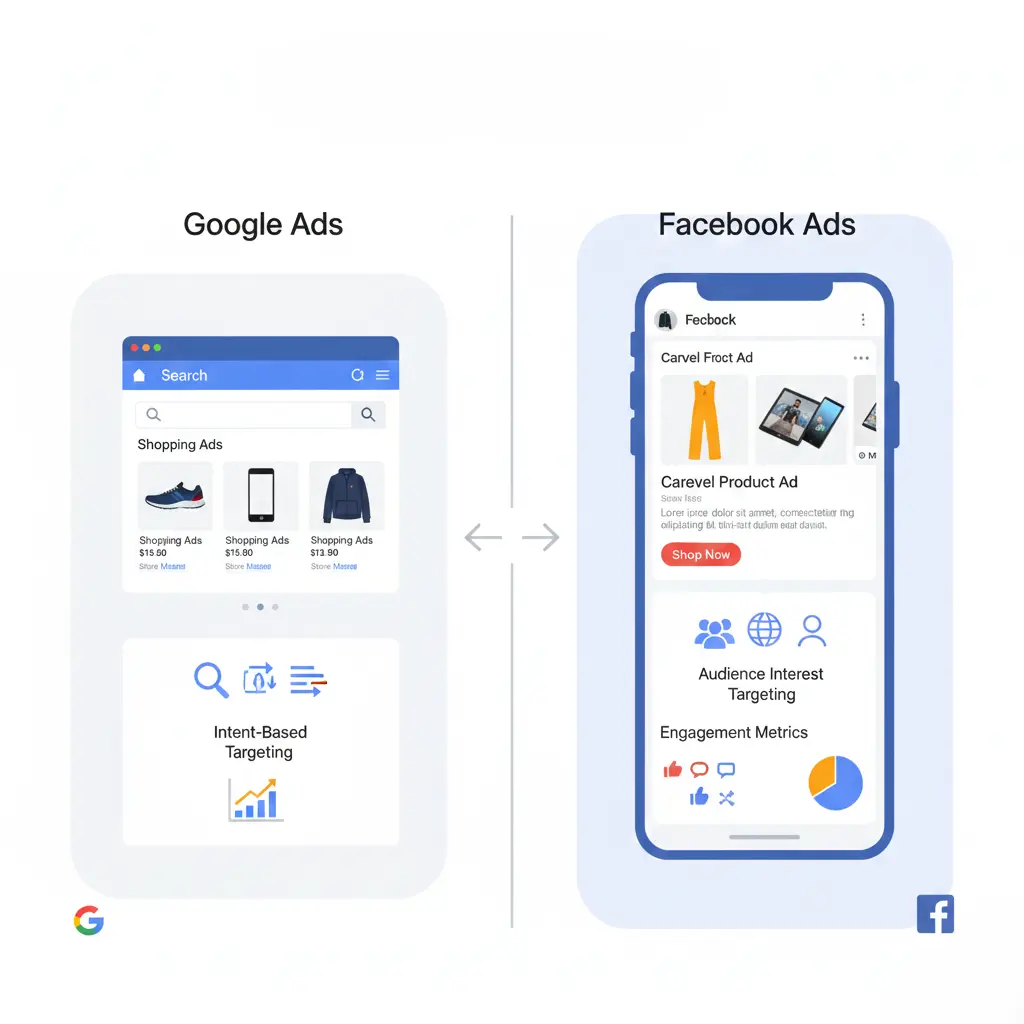
    Google Ads focuses on intent-based advertising. It allows ecommerce brands to show ads to users who are actively searching for products or solutions.

    Key Google Ads Formats for Ecommerce

    Search Ads

    These ads appear at the top of Google search results when users search for product-related keywords. They are highly effective for capturing high-intent shoppers.

    Shopping Ads

    Google Shopping Ads display product images, prices, brand names, and reviews directly in search results, making them ideal for ecommerce conversions.

    Display and YouTube Ads

    These ads help with brand awareness and retargeting by reaching users across websites and video platforms.

    What Are Facebook Ads for Ecommerce?

    Facebook Ads focus on discovery-based advertising. They help ecommerce brands reach users based on interests, behaviors, and demographics, even if they are not actively searching for a product.

    Key Facebook Ad Formats for Ecommerce

    Image and Video Ads

    Visually engaging ads that appear in Facebook and Instagram feeds, Stories, and Reels.

    Carousel Ads

    Allow brands to showcase multiple products or features in a single ad, ideal for ecommerce catalogs.

    Dynamic Product Ads

    Automatically show relevant products to users who have visited your website or viewed specific items.

    Google Ads vs Facebook Ads for Ecommerce: Key Differences

    Understanding how these platforms differ is essential for making the right advertising decision.

    User Intent vs User Interest

    Google Ads targets users with high purchase intent. When someone searches for “buy running shoes online,” they are already close to making a purchase. Facebook Ads, on the other hand, target users based on interests and behavior, helping brands create demand rather than capture it.

    Cost and Competition

    Google Ads often have higher cost-per-click, especially in competitive ecommerce niches. However, the traffic tends to convert better due to strong intent. Facebook Ads usually offer lower costs and wider reach but may require more nurturing before conversion.

    Ad Creatives and Content Style

    Facebook Ads rely heavily on strong visuals, storytelling, and emotional appeal. Google Ads, especially Search and Shopping campaigns, focus more on relevance, keywords, pricing, and product details.

    Which Platform Is Better for Ecommerce?

    There is no single winner in the Google Ads vs Facebook Ads for ecommerce debate—it depends on your business goals.

    When Google Ads Is the Better Choice

    Google Ads is ideal if you want to:

    • Capture ready-to-buy customers
    • Promote specific products with clear demand
    • Drive fast and measurable sales
    • Compete on product quality, price, and availability

    When Facebook Ads Is the Better Choice

    Facebook Ads works best if you want to:

    • Build brand awareness
    • Launch new or innovative products
    • Retarget website visitors
    • Create demand through visual storytelling

    Why Ecommerce Brands Should Use Both

    The most successful ecommerce brands combine Google Ads and Facebook Ads into a single strategy.

    Full-Funnel Ecommerce Marketing

    Facebook Ads are excellent for top-of-funnel awareness and engagement, while Google Ads are powerful for bottom-of-funnel conversions. Together, they create a complete customer journey from discovery to purchase.

    Better Retargeting and Scaling

    You can use Facebook Ads to retarget users who engaged with your brand and Google Ads to capture them when they search again, increasing conversion rates and return on ad spend.

    Conclusion

    When comparing Google Ads vs Facebook Ads for ecommerce, the real advantage comes from understanding how each platform works and using them strategically. Google Ads excels at capturing high-intent shoppers, while Facebook Ads shines at discovery, branding, and retargeting. By aligning each platform with the right goals, ecommerce businesses can drive consistent traffic, boost conversions, and scale profitably in a competitive digital marketplace.

  • Video Marketing Ideas for Ecommerce Products That Drive Sales

    Video Marketing Ideas for Ecommerce Products That Drive Sales

    Video marketing ideas for ecommerce products have become essential for brands looking to increase engagement, build trust, and boost conversions. With shorter attention spans and growing competition, videos help customers understand products faster and make confident buying decisions. In this blog, you’ll discover proven video marketing ideas for ecommerce products that can help you attract, engage, and convert more customers.

    Why Video Marketing for Ecommerce Products Is Important

    Video content allows shoppers to see products in action rather than imagining how they work. Effective video marketing for ecommerce products can:
    Increase conversion rates and average order value
    Reduce product return rates
    Improve customer trust and brand credibility
    Enhance SEO and time on site

    When done right, ecommerce videos create an emotional connection that static images and text cannot.

    Product Demo Videos

    Show How the Product Works

    Product demonstration videos are one of the most effective video marketing ideas for ecommerce products. These videos show real use cases, features, and benefits in a clear and engaging way. Focus on:
    Key features and unique selling points
    Step-by-step usage
    Real-life scenarios

    Demo videos help customers visualize ownership, which directly influences purchase decisions.

    Customer Testimonial Videos

    Build Trust with Social Proof

    Customer testimonial videos are powerful because they show real people sharing real experiences. These video marketing ideas for ecommerce products work well because:
    They reduce buyer hesitation
    They increase credibility and authenticity
    They answer common customer objections

    Encourage customers to talk about how your product solved a problem and improved their life.

    Unboxing Videos

    Create Excitement Around Your Product

    Unboxing videos are popular video marketing ideas for ecommerce products that tap into curiosity and anticipation. These videos highlight:
    Packaging quality
    First impressions
    Included accessories or bonuses

    Unboxing videos help set expectations and create a premium feel around your brand.

    Behind-the-Scenes Videos

    Humanize Your Ecommerce Brand

    Behind-the-scenes videos show the people and processes behind your products. These video marketing ideas for ecommerce products can include:
    Product manufacturing or sourcing
    Quality control processes
    Team introductions

    This content builds transparency and emotional connection, which strengthens brand loyalty.

    Educational and How-To Videos

    Help Customers Get More Value

    Educational videos position your brand as an authority. These video marketing ideas for ecommerce products focus on:
    Tips and best practices
    Maintenance or care instructions
    Creative ways to use the product

    By helping customers succeed with your product, you increase satisfaction and repeat purchases.

    Short-Form Social Media Videos

    Capture Attention Quickly

    Short-form videos are ideal for platforms like Instagram Reels, TikTok, and YouTube Shorts. These video marketing ideas for ecommerce products work best when they:
    Highlight one key benefit
    Use trends or challenges
    Include clear calls to action

    Short videos are highly shareable and drive traffic back to your ecommerce store.

    Comparison Videos

    Help Shoppers Make Decisions

    Comparison videos directly address buyer uncertainty. These video marketing ideas for ecommerce products compare:
    Your product vs competitors
    Different versions of your own products
    Price vs value considerations

    Honest comparisons build trust and reduce friction in the buying process.

    User-Generated Content Videos

    Leverage Your Customers as Creators

    User-generated content is one of the most authentic video marketing ideas for ecommerce products. Encourage customers to share:
    Product reviews
    Usage clips
    Creative product hacks

    UGC videos perform well on social media and can be repurposed across your marketing channels.

    Live Video Shopping

    Drive Real-Time Engagement

    Live video shopping combines entertainment and ecommerce. These video marketing ideas for ecommerce products allow you to:
    Show products live
    Answer customer questions instantly
    Offer limited-time promotions

    Live videos create urgency and increase conversion rates.

    Turning Video Ideas into Sales

    The success of video marketing ideas for ecommerce products depends on consistency, quality, and distribution. Optimize videos for SEO with keyword-rich titles and descriptions, add them to product pages, and promote them across social platforms. When strategically implemented, video marketing can significantly increase visibility, trust, and revenue for your ecommerce business.

  • Customer Lifetime Value (CLV) for Ecommerce Explained

    Customer Lifetime Value (CLV) for Ecommerce Explained

    Customer Lifetime Value (CLV) for ecommerce is one of the most important metrics for measuring long-term business success. Instead of focusing only on individual purchases, CLV helps ecommerce brands understand how much revenue a customer generates over their entire relationship with the business. In this guide, we explain Customer Lifetime Value (CLV) for ecommerce, why it matters, and how to increase it sustainably.

    What Is Customer Lifetime Value (CLV) for Ecommerce?

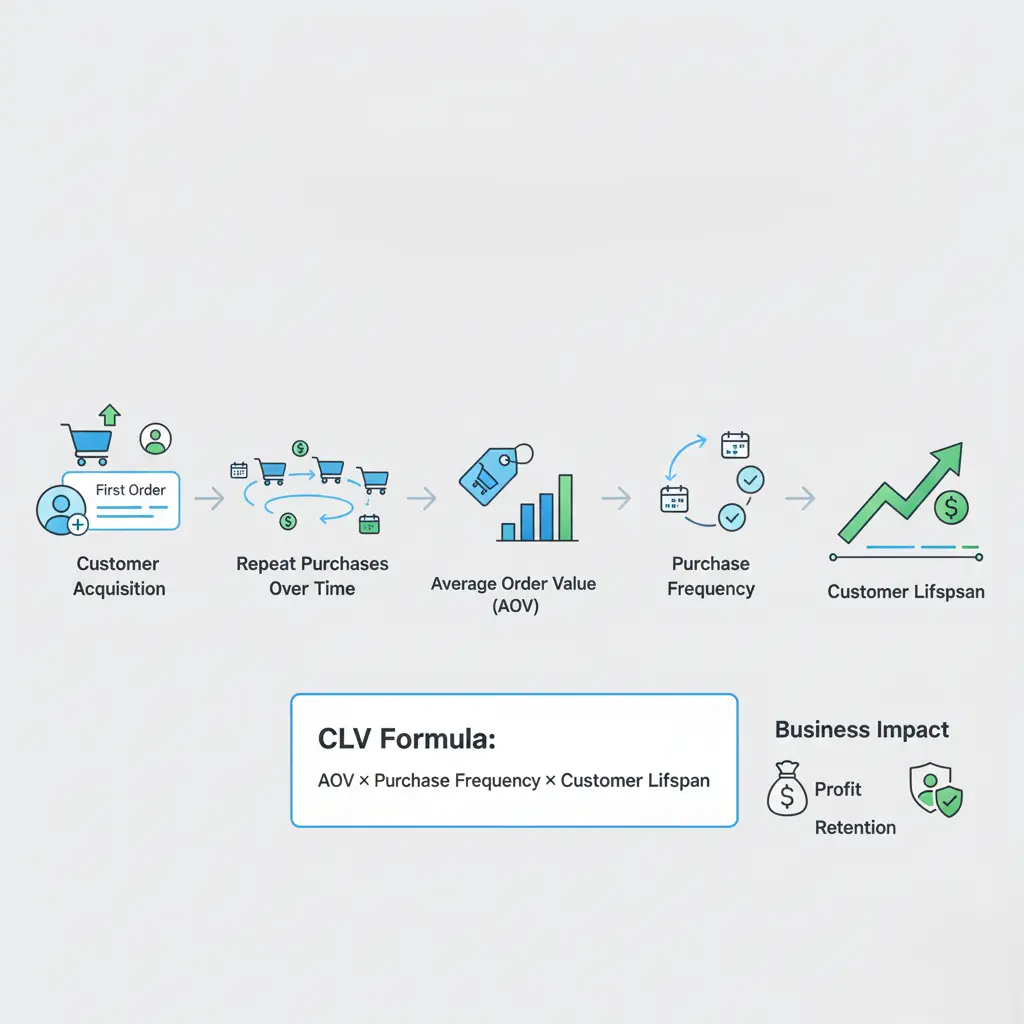
    Customer Lifetime Value (CLV) for ecommerce refers to the total revenue a business can expect from a customer throughout their entire buying journey. It takes into account purchase frequency, average order value, and customer lifespan. A higher CLV means customers are more loyal, spend more, and contribute to consistent revenue growth.

    Why Customer Lifetime Value (CLV) Is Important for Ecommerce

    Understanding Customer Lifetime Value (CLV) for ecommerce helps businesses make smarter marketing and operational decisions. CLV allows you to:
    Identify high-value customer segments
    Optimize customer acquisition costs
    Improve retention and loyalty strategies
    Forecast long-term revenue more accurately

    When CLV is higher than customer acquisition cost, your ecommerce business becomes more profitable and scalable.

    How to Calculate Customer Lifetime Value (CLV) for Ecommerce

    Basic CLV Formula

    A simple way to calculate Customer Lifetime Value (CLV) for ecommerce is:

    Average Order Value × Purchase Frequency × Customer Lifespan

    This formula gives a clear estimate of how much a customer is worth over time. More advanced models may include profit margins, churn rate, and discount rates for greater accuracy.

    Key Factors That Affect Customer Lifetime Value (CLV)

    Average Order Value

    Increasing average order value directly boosts Customer Lifetime Value (CLV) for ecommerce. Bundles, upsells, and cross-sells encourage customers to spend more per transaction.

    Purchase Frequency

    Customers who buy more often have a higher CLV. Loyalty programs, email marketing, and personalized offers can increase purchase frequency and strengthen customer relationships.

    Customer Retention Rate

    Retention plays a critical role in Customer Lifetime Value (CLV) for ecommerce. Retaining existing customers is usually more cost-effective than acquiring new ones, and even small improvements in retention can significantly increase CLV.

    How to Increase Customer Lifetime Value (CLV) for Ecommerce

    Personalize the Customer Experience

    Personalization is one of the most effective ways to improve Customer Lifetime Value (CLV) for ecommerce. Use customer data to recommend products, send tailored emails, and create personalized shopping experiences.

    Improve Customer Support

    Excellent customer service builds trust and loyalty. Fast responses, easy returns, and proactive communication encourage repeat purchases and increase CLV over time.

    Implement Loyalty Programs

    Loyalty programs reward repeat purchases and increase engagement. Points, discounts, and exclusive offers motivate customers to keep coming back, raising Customer Lifetime Value (CLV) for ecommerce.

    Use Email and SMS Marketing

    Email and SMS campaigns help nurture customer relationships. Regular communication keeps your brand top-of-mind and promotes repeat purchases, directly impacting CLV.

    CLV vs Customer Acquisition Cost (CAC)

    Finding the Right Balance

    A healthy ecommerce business maintains a strong ratio between Customer Lifetime Value (CLV) and Customer Acquisition Cost (CAC). Ideally, CLV should be at least three times higher than CAC. This balance ensures sustainable growth and efficient marketing spend.

    Measuring and Tracking Customer Lifetime Value (CLV)

    Make CLV an Ongoing Metric

    Customer Lifetime Value (CLV) for ecommerce should not be a one-time calculation. Regularly tracking CLV helps you:
    Monitor the impact of retention strategies
    Adjust marketing budgets
    Identify high-performing channels
    Improve customer segmentation

    Turning CLV Insights into Growth

    Understanding Customer Lifetime Value (CLV) for ecommerce enables brands to shift from short-term sales thinking to long-term relationship building. By focusing on retention, personalization, and customer experience, ecommerce businesses can increase profitability, reduce churn, and create loyal customer communities.

  • eCommerce Automation Tools You Should Be Using

    eCommerce Automation Tools You Should Be Using

    In today’s competitive digital marketplace, eCommerce automation tools are no longer optional — they are essential. Automation helps online businesses save time, reduce errors, improve customer experience, and scale faster. From marketing to inventory management, the right tools can transform how your store operates. This guide explores the eCommerce automation tools you should be using to stay ahead.

    What Is eCommerce Automation?

    eCommerce automation refers to using software and technology to handle repetitive tasks without manual effort. These tasks include order processing, email marketing, inventory updates, customer support, and analytics reporting.

    Benefits of eCommerce Automation

    Time Efficiency – Automate repetitive tasks and focus on growth
    Improved Accuracy – Reduce human errors in orders and inventory
    Better Customer Experience – Faster responses and personalized communication
    Scalability – Handle higher order volumes without increasing workload

    Marketing Automation Tools for eCommerce

    Marketing automation plays a major role in driving traffic and conversions.

    Email Marketing Automation

    Email automation tools allow you to send personalized messages based on customer behavior such as abandoned carts, product views, and purchase history.

    Key Features to Look For
    Automated welcome emails
    Abandoned cart recovery
    Post-purchase follow-ups
    Customer segmentation

    These tools help increase conversion rates and customer retention without manual effort.

    Social Media Automation

    Social media automation tools schedule posts, manage multiple platforms, and track engagement from a single dashboard.

    Why It Matters
    Consistent posting improves brand visibility
    Automated scheduling saves time
    Analytics help refine social media strategy

    Sales and Order Management Automation

    Efficient order processing is critical for any successful online store.

    Order Processing Automation

    Order automation tools automatically process orders, send confirmations, generate invoices, and update order statuses.

    Key Advantages
    Faster order fulfillment
    Reduced processing errors
    Improved customer satisfaction

    Payment and Billing Automation

    Automated billing tools manage invoices, subscriptions, refunds, and payment reminders. This is especially important for subscription-based eCommerce businesses.

    Inventory and Supply Chain Automation Tools

    Managing inventory manually can lead to stockouts or overstocking.

    Inventory Management Automation

    Inventory automation tools track stock levels in real time, update quantities across channels, and send low-stock alerts.

    Why Inventory Automation Is Essential
    Prevents overselling
    Improves cash flow
    Supports multi-channel selling

    Supplier and Fulfillment Automation

    Automation tools can sync with suppliers and fulfillment centers to ensure faster shipping and accurate stock updates.

    Customer Support Automation Tools

    Customer service directly impacts brand trust and loyalty.

    Chatbots and Live Chat Automation

    AI-powered chatbots handle common customer queries 24/7, such as order status, returns, and shipping details.

    Benefits of Customer Support Automation
    Instant responses
    Reduced support workload
    Improved customer satisfaction

    Helpdesk Automation

    Helpdesk tools automate ticket assignment, follow-ups, and issue tracking, ensuring no customer request goes unanswered.

    Analytics and Reporting Automation

    Data-driven decisions are crucial for eCommerce success.

    eCommerce Analytics Automation

    Analytics automation tools collect and visualize data from sales, traffic, marketing, and customer behavior.

    Key Metrics to Track
    Conversion rates
    Customer lifetime value
    Cart abandonment rate
    Revenue by channel

    Automated reports save time and provide actionable insights.

    Best Practices for Using eCommerce Automation Tools

    Start by automating repetitive, time-consuming tasks. Choose tools that integrate seamlessly with your eCommerce platform and other software. Avoid over-automation that removes the human touch from customer interactions.

    Focus on Smart Automation

    The goal is not to replace people, but to enhance productivity and consistency while improving the customer journey.

    Final Thoughts

    Using the right eCommerce automation tools can dramatically improve efficiency, accuracy, and scalability. From marketing automation and inventory management to customer support and analytics, automation empowers businesses to grow without added complexity. In a fast-moving eCommerce landscape, automation is the key to staying competitive and profitable.