
Month: December 2025

  • How to Build a Dropshipping Store

    How to Build a Dropshipping Store

    Building a dropshipping store is one of the most popular ways for beginners to start an online business with low investment and minimal risk. You don’t need to buy inventory, manage a warehouse, or ship products yourself. Instead, your supplier sends items directly to your customers while you focus on marketing, branding, and customer experience. If you want to start your own ecommerce journey, this guide will show you how to build a dropshipping store step by step.

    What Is Dropshipping?

    Dropshipping is a business model where you sell products online without holding inventory. When someone orders from your store, you forward the request to your supplier, who ships the product to your customer. This makes dropshipping a low-cost and beginner-friendly business option.

    Why Dropshipping Is a Great Business Model

    Low Investment

    You only pay for products after customers buy them. No need for bulk purchases.

    No Inventory or Shipping Hassle

    Your supplier handles packing, stocking, and delivery.

    Flexible and Scalable

    Start small and grow as your sales increase. You can operate your store from anywhere.

    Wide Product Options

    Sell items in niches like beauty, electronics, fashion, home decor, fitness, and more.

    Step 1: Choose a Profitable Niche

    Your dropshipping niche determines the success of your store. Choose a niche that is:

    • In high demand
    • Not overly competitive
    • Easy to market
    • Profitable

    How to Pick the Right Niche

    • Look for trending products
    • Check social media demand
    • Research competition on platforms like Amazon, Etsy, or AliExpress
    • Avoid fragile or complicated items

    Some popular dropshipping niches include pet products, phone accessories, eco-friendly items, and skincare gadgets.

    Step 2: Research Your Competitors

    Before building your store, identify key competitors.

    What to Analyze

    • Their pricing strategy
    • Best-selling products
    • Marketing tactics
    • Customer reviews
    • Shipping times

    Tools like Google Trends, SimilarWeb, and ad libraries help you understand which products perform well.

    Step 3: Find Reliable Dropshipping Suppliers

    Your supplier plays a major role in your store’s reputation.

    Where to Find Suppliers

    • AliExpress
    • CJDropshipping
    • Spocket
    • SaleHoo
    • Oberlo alternatives

    Qualities of a Good Supplier

    • Fast shipping
    • High-quality products
    • Responsive customer service
    • Positive reviews
    • Clear pricing

    Building a relationship with your supplier helps ensure smoother operations.

    Step 4: Pick the Right Ecommerce Platform

    Choose a platform to build and manage your dropshipping store.

    Popular Platforms

    • Shopify (most beginner-friendly)
    • WooCommerce (for WordPress users)
    • Wix (simple and customizable)
    • BigCommerce

    Shopify is the top choice because it integrates easily with dropshipping apps.

    Step 5: Create Your Online Store

    Key Steps to Set Up Your Store

    1. Choose a domain name related to your niche
    2. Select a clean, mobile-friendly theme
    3. Add your logo and brand colors
    4. Organize your product categories
    5. Add essential pages like:
      • About Us
      • Contact
      • Privacy Policy
      • Shipping Policy
      • Return Policy

    A professional, trustworthy store increases conversions.

    Step 6: Add Products to Your Store

    Import products from your supplier using tools like:

    • DSers
    • Spocket
    • Zendrop

    Optimize Your Product Listings

    Your listing should include:

    • Clear titles
    • High-quality images
    • Engaging descriptions
    • Benefits-focused details
    • Pricing and offers

    Use keywords like best dropshipping products, trending niche items, and online store essentials for SEO.

    Step 7: Set Up Payment Methods

    Offer multiple payment options to avoid losing customers.

    Common Payment Methods

    • Credit/Debit cards
    • PayPal
    • Stripe
    • Razorpay (India)
    • Apple Pay / Google Pay

    Secure and flexible payment gateways increase trust.

    Step 8: Create a Strong Marketing Strategy

    Now it’s time to drive traffic to your store.

    Top Dropshipping Marketing Methods

    • Facebook & Instagram Ads – Fastest way to get sales
    • TikTok Organics – Viral short videos
    • Influencer Marketing – Partner with micro-influencers
    • SEO Blogs – Attract long-term organic traffic
    • Email Marketing – Convert visitors into customers

    A strong marketing plan is essential because dropshipping is competitive.

    Step 9: Optimize Your Store for Conversions

    Make it easy for customers to buy.

    Conversion Boosting Tips

    • Use clear CTAs
    • Add customer reviews
    • Show trust badges
    • Offer limited-time deals
    • Provide free shipping threshold
    • Maintain fast loading speeds

    Small improvements can significantly increase your sales.

    Step 10: Test, Analyze, and Scale Your Business

    Start by testing 2–3 products. Track results using tools like:

    • Google Analytics
    • Facebook Ads Manager
    • Shopify Analytics

    How to Scale Your Dropshipping Store

    • Increase ad budget
    • Expand product lines
    • Create bundles
    • Work with influencers
    • Improve customer experience

    Scaling is easier once you find your winning products.

    Common Mistakes to Avoid

    1. Choosing Too Broad a Niche

    Focus on a specific audience.

    2. Selling Low-Quality Items

    Quality issues lead to refunds and bad reviews.

    3. Ignoring Branding

    A unique brand stands out among competitors.

    4. Slow Shipping Times

    Customers expect fast delivery—choose suppliers wisely.

    5. Not Investing in Marketing

    Marketing is the backbone of a successful dropshipping business.

    Conclusion

    Learning how to build a dropshipping store is easier than most people think. With the right niche, reliable suppliers, a strong marketing plan, and consistent optimization, you can build a profitable online business even as a beginner. Dropshipping lets you start small, test products without risk, and eventually scale into a full-time income.
  • Latest Trends in Cross-Border eCommerce

    Latest Trends in Cross-Border eCommerce

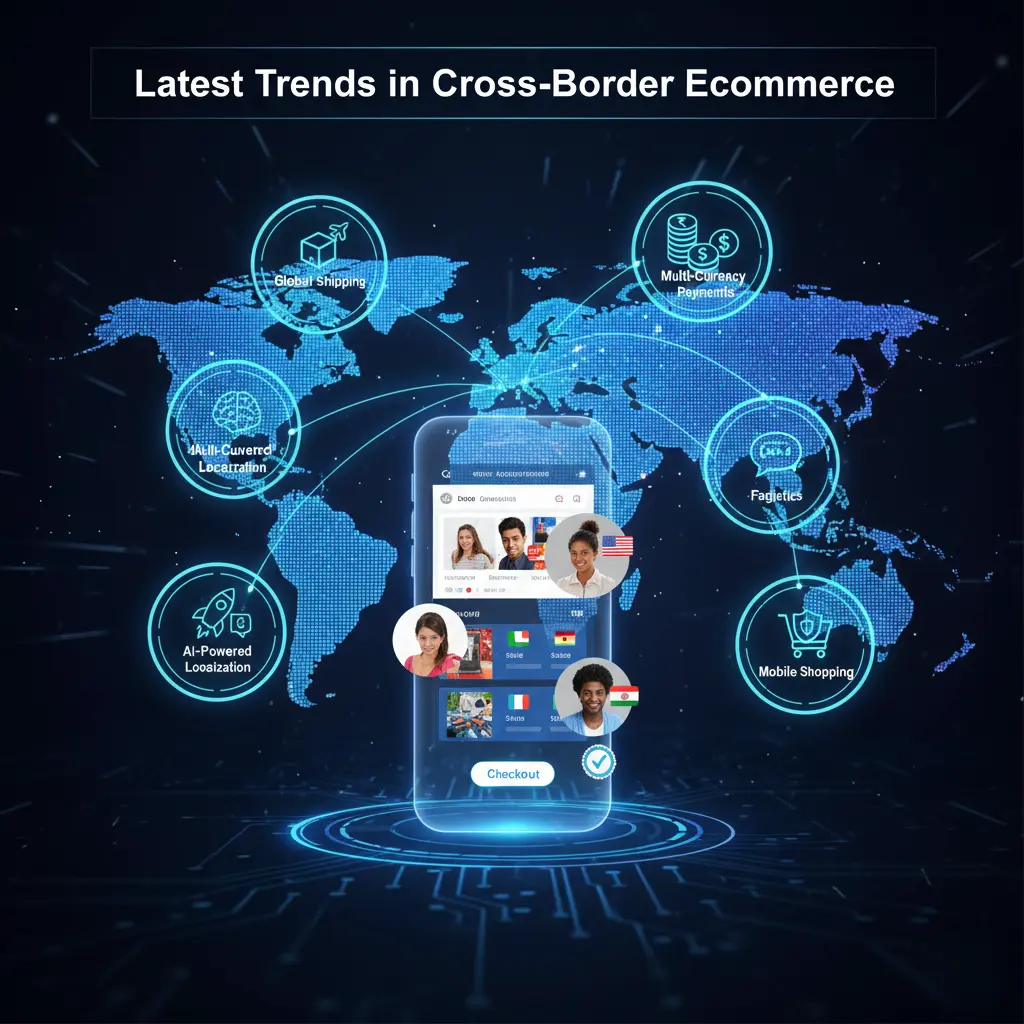
    The rapid growth of global online shopping is reshaping how brands sell internationally. Businesses of all sizes are expanding beyond local markets to tap into global demand, and understanding the latest trends in cross-border eCommerce is essential for staying competitive. From evolving payment methods to improved logistics, new technologies are creating more opportunities than ever for merchants and consumers worldwide.

    The Rise of Global Online Marketplaces

    One of the major cross-border eCommerce trends is the dominance of online marketplaces. Platforms like Amazon, Alibaba, eBay, and regional hubs such as Lazada and Shopee allow businesses to reach millions of consumers instantly. These marketplaces offer trust, convenience, and built-in logistics, making them a powerful channel for cross-border expansion.

    Why Marketplaces Matter

    Marketplaces simplify international selling with pre-built infrastructures. They handle areas like payment processing, customer service, and compliance, allowing brands to focus on product quality. This trend is expected to grow as platforms continue to strengthen their global presence.

    Growth of Mobile Commerce

    Mobile shopping continues to accelerate, especially in regions like Asia, Latin America, and Africa. Consumers increasingly prefer buying products directly through mobile apps and social platforms. This shift makes mobile-friendly cross-border eCommerce a necessity for brands aiming to compete globally.

    Mobile Optimization is Non-Negotiable

    A seamless mobile experience with optimized pages, faster loading times, and easy checkout processes can significantly increase conversion rates. Businesses that prioritize mobile-first experiences will stay ahead of competitors.

    Demand for Localized Experiences

    A major driver behind the latest trends in cross-border eCommerce is personalization. Shoppers want localized experiences that feel familiar and trustworthy. This includes local languages, currencies, payment options, and cultural preferences.

    Importance of Localization

    Brands that fail to localize often struggle with customer trust and conversions. Implementing localized product descriptions, customer support, and pricing can dramatically improve user experience and boost sales across global markets.

    Expansion of Flexible Payment Methods

    Cross-border buyers prefer different payment methods depending on their region. Offering diverse payment options such as digital wallets, local credit cards, bank transfers, and Buy Now Pay Later services is crucial.

    Popular Payment Methods Worldwide

    Digital wallets like Alipay, WeChat Pay, and PayPal continue to dominate in certain regions. In emerging markets, cash-on-delivery and mobile money solutions are still preferred. Supporting these methods improves trust and increases purchase rates.

    Growth of Social Commerce

    Social media is evolving into a powerful driver of international sales. Platforms like Instagram, TikTok, and Facebook offer built-in shopping features, enabling brands to sell directly to global audiences.

    Influencer Marketing Boosts Trust

    Influencer partnerships help brands establish credibility across borders. Consumers are more likely to purchase from brands endorsed by trusted local influencers.

    Improved Global Logistics and Fulfillment

    Logistics has always been a challenge in cross-border trade, but infrastructure and fulfilment networks are rapidly improving. Modern warehouses, optimized shipping routes, and cross-border fulfillment programs are making deliveries faster and more reliable.

    Faster Delivery is Now an Expectation

    Consumers expect quick shipping regardless of where the product originates. To remain competitive, companies are partnering with global logistics providers and utilizing regional warehouses to reduce delivery times.

    Rise of AI and Automation

    Artificial intelligence is transforming how businesses manage cross-border operations. AI tools improve inventory management, automate customer service, predict demand, and personalize product recommendations.

    AI Improves Scalability

    Automation helps reduce manual work, enabling businesses to scale faster while minimizing errors. AI-driven strategies also enhance the cross-border shopping experience by offering hyper-personalized interactions.

    Sustainability Becomes a Priority

    Consumers are paying attention to how products are sourced, packaged, and delivered. Sustainability is emerging as one of the most important cross-border eCommerce trends as environmentally conscious shoppers demand greener practices.

    Eco-Friendly Packaging and Shipping

    Brands are reducing plastic use, adopting recyclable materials, and partnering with eco-friendly shipping providers to meet environmental expectations from global consumers.

    Regulatory Compliance Gains Importance

    As cross-border eCommerce grows, so do compliance requirements. Different regions have distinct regulations related to taxes, data privacy, customs, and product standards.

    Staying Ahead of Regulations

    Businesses must stay updated on changing rules, especially in markets like the EU, the US, and China. Failing to comply can result in delays, penalties, or lost shipments.

    Personalized Shopping Powered by Data

    Data-driven marketing helps brands customize their offers for different customer segments across various countries. By analyzing user behavior, businesses can provide targeted recommendations, localized promotions, and dynamic pricing.

    Enhancing Conversion Rates

    Personalized content increases customer satisfaction and significantly boosts cross-border conversions, making it a crucial trend for internationally active brands.

    Rise of Direct-to-Consumer (DTC) Global Selling

    Many brands are bypassing marketplaces and choosing to sell directly to consumers through their own websites. This approach gives businesses more control over branding, customer relationships, and pricing.

    DTC Offers Higher Profit Margins

    By going direct, brands avoid marketplace fees and can create unique global shopping experiences tailored to different customer segments.

    Conclusion

    The latest trends in cross-border eCommerce highlight a shift toward convenience, personalization, and global accessibility. As technology evolves and consumers become more comfortable purchasing internationally, opportunities for brands to expand are greater than ever. Businesses that embrace localization, mobile optimization, AI-driven insights, and diversified payment methods will be best positioned to succeed in the global eCommerce landscape.

  • Starting a Print-on-Demand Business

    Starting a Print-on-Demand Business

    If you want to launch an online business with low risk, minimal upfront costs, and unlimited creative potential, starting a print-on-demand business is one of the best options today. The print-on-demand (POD) model allows you to sell custom products without holding inventory, managing production, or handling shipping. Whether you’re a designer, entrepreneur, influencer, or side-hustler, POD offers a scalable path to building a profitable brand.

    Below is a complete guide to help you understand how to get started, what tools you need, and how to succeed in today’s competitive POD landscape.

    What Is a Print-on-Demand Business?

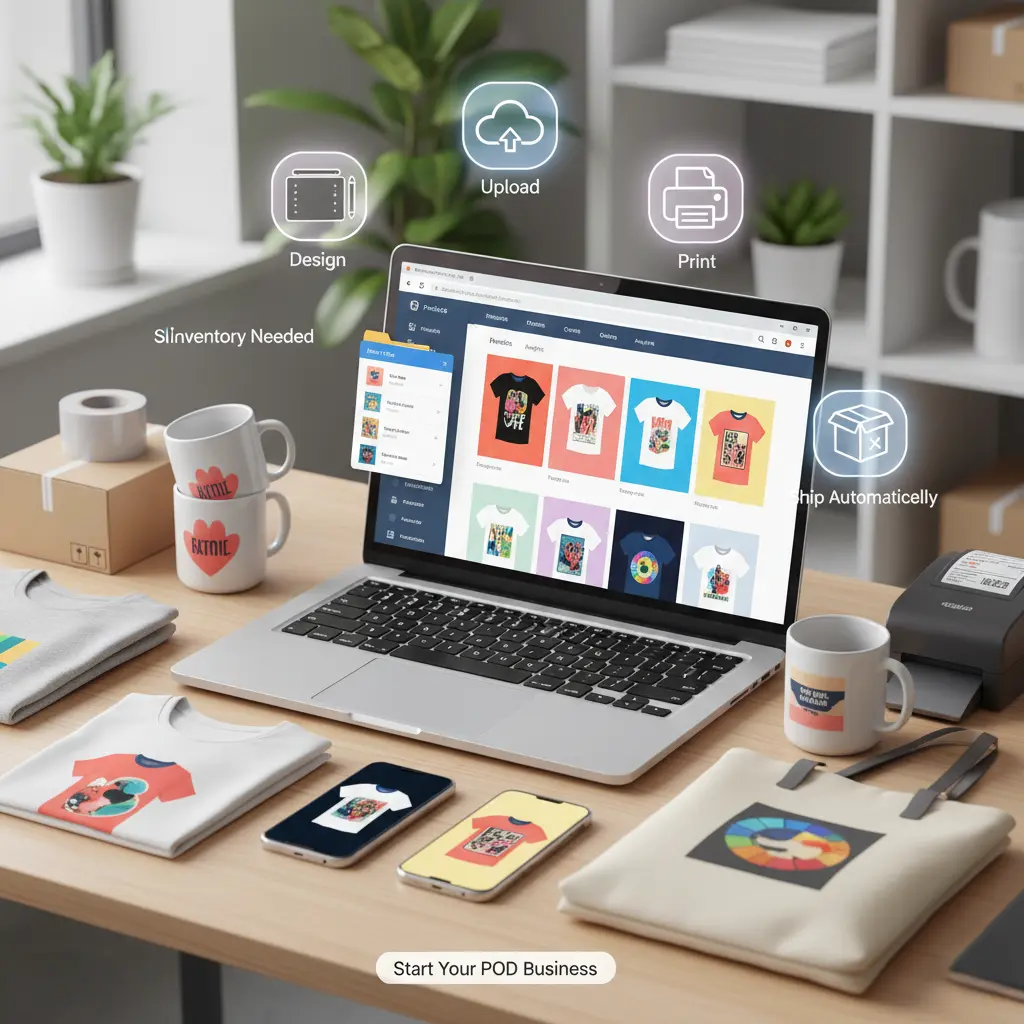
    A print-on-demand business uses a fulfillment partner to print and ship products only after a customer places an order. Unlike traditional retail, you don’t need to buy stock in advance. This eliminates upfront costs, reduces risk, and makes it easier for new entrepreneurs to launch their own online stores.

    How the Print-on-Demand Model Works

    1. You design a product such as a t-shirt, mug, hoodie, or phone case.
    2. A customer purchases it from your online store.
    3. Your POD supplier prints and ships the item directly to the buyer.
    4. You earn the profit margin between your sale price and the production cost.

    Benefits of Starting a Print-on-Demand Business

    Starting a print-on-demand business offers many advantages for creators and entrepreneurs.

    Low Startup Costs

    There’s no need to invest in inventory or equipment. You only pay for products when customers order them.

    Unlimited Creativity

    You can design and sell hundreds of unique products in different niches, styles, and trends. The flexibility to test multiple markets makes POD ideal for creative experimentation.

    Easy to Scale

    As your business grows, production and fulfillment stay automated. This allows you to scale sales without increasing workload.

    Minimal Risk

    Since you’re not stocking products, you don’t face losses from unsold inventory. You can test new designs with zero financial risk.

    Choosing the Right Print-on-Demand Platform

    Choosing the right platform is a key part of starting a print-on-demand business. Your POD supplier influences product quality, shipping times, and pricing.

    Popular POD Platforms

    • Printful: High-quality products and global fulfillment centers
    • Printify: Large supplier network and competitive pricing
    • Gelato: Eco-friendly, global manufacturing
    • Teespring/Spring: Great for creators and social sellers
    • Redbubble: Marketplace with built-in organic traffic

    Consider product range, shipping costs, print quality, and integration options before choosing your partner.

    Selecting Your Niche

    Choosing a niche is one of the most important steps in starting a print-on-demand business. Selling to everyone means selling to no one. The best approach is selecting a focused niche with a passionate audience.

    How to Choose a Strong Niche

    • Look for groups with shared interests (pets, fitness, gaming, hobbies).
    • Analyze trending topics on social media and online communities.
    • Target niches with emotional connections or humor.
    • Avoid overly saturated categories unless you offer something unique.

    Creating Winning Designs

    Your designs determine your success. Even the best marketing won’t save weak or generic artwork.

    Tips for Creating High-Quality Designs

    • Use simple, bold concepts that look great from a distance.
    • Follow current design trends and seasonal styles.
    • Test variations of designs to see which performs best.
    • Hire freelance designers if you’re not confident in your skills.

    Setting Up Your Online Store

    You can sell on your own website or on large marketplaces when starting a print-on-demand business.

    Best Store Platforms

    • Shopify: Most popular and powerful for POD businesses
    • Etsy: Great for handmade and artistic POD products
    • WooCommerce: Flexible for WordPress sites
    • Amazon Merch: Huge traffic but high competition

    For beginners, Shopify + Printful or Etsy + Printify are great combinations.

    Pricing Your Products

    Your pricing should cover production costs, shipping, and your profit margin.

    Pricing Tips

    • Research competitors within your niche.
    • Add value through branding to justify higher pricing.
    • Keep shipping costs transparent for customers.
    • Aim for a profit margin between 20%–40%.

    Promoting Your POD Business

    Marketing is where your business truly grows. Without promotion, even great designs will go unnoticed.

    Effective Marketing Strategies

    • Social Media Marketing: Instagram, TikTok, Pinterest
    • Influencer Partnerships: Great for niche audiences
    • Paid Advertising: Facebook Ads, Google Shopping
    • SEO Optimization: Target keywords related to your niche
    • Email Marketing: Build customer loyalty and repeat sales

    Consistency is key. Post regularly, engage with your audience, and continually test new campaigns.

    Providing Excellent Customer Service

    Strong customer support helps build brand trust and repeat buyers. Even though your POD supplier handles shipping, you remain responsible for communication.

    Customer Service Best Practices

    • Respond quickly to customer questions
    • Resolve issues with empathy and professionalism
    • Provide clear shipping updates
    • Offer hassle-free returns when possible

    Analyzing Performance and Scaling

    Once your business starts growing, it’s time to analyze what works and scale effectively.

    How to Scale Your POD Business

    • Identify your best-selling designs and create variations
    • Expand winning designs to new products
    • Explore new niches after mastering one
    • Increase your ad budget for proven campaigns
    • Improve branding and packaging for premium positioning

    Scaling smartly ensures long-term growth without overwhelming your workflow.

    Final Thoughts

    Starting a print-on-demand business is one of the easiest and most cost-effective ways to enter the world of eCommerce. With the right niche, quality designs, strong marketing, and reliable POD partners, anyone can build a profitable online store. The key is to stay creative, test consistently, and adapt to market trends.

  • Creators vs Brands Who Will Lead Product Discovery in the Future of Ecommerce

    Creators vs Brands Who Will Lead Product Discovery in the Future of Ecommerce

    The landscape of ecommerce is evolving faster than ever, and one of the biggest shifts happening today is in product discovery—how consumers find, trust, and purchase new products. For years, brands dominated the discovery pathway through traditional advertising, influencer partnerships, and polished marketing campaigns. But a new era has emerged where creators—individual content makers, micro-influencers, streamers, and niche community leaders—are shaping purchase decisions in a far more authentic and powerful way. As 2026 approaches, the question becomes clear: Creators vs. brands—who will truly lead product discovery? This blog explores the forces reshaping discovery, how creators are disrupting traditional marketing, and what the future holds for both sides.

    Why Product Discovery Has Experienced a Major Shift

    Consumers today want more than well-designed ads or brand promises. They want trust, relatability, transparency, and real experiences. Social media platforms, creator-driven content, livestream shopping, niche communities, and user-generated reviews have made it easier for shoppers to discover products from individuals they trust more than corporate brands. As a result, creators hold immense influence over how consumers decide what to buy.

    This shift didn’t happen overnight. It emerged from years of declining trust in traditional advertising, the rise of social commerce, and the explosive growth of platforms like TikTok, YouTube, and Instagram. As algorithms prioritize real experiences and storytelling, creators have become the new gatekeepers of product discovery.

    The Power of Creators in Shaping Consumer Purchasing Decisions

    Creators have something brands often struggle to build: authentic relationships. Their influence comes from personal storytelling, consistent engagement, and the ability to present products in natural, relatable ways. When a creator shares a product, it feels like a recommendation from a friend rather than a sales pitch.

    Authenticity Beats Traditional Advertising

    Consumers today can recognize scripted ads instantly. Their attention gravitates toward creators who share honest reviews, pros and cons, and real-life demonstrations. Because creators communicate naturally and without corporate jargon, shoppers feel more confident in their recommendations. This authenticity gives creators an edge in product discovery, especially for younger audiences who distrust traditional advertising.

    Creators Understand Community Psychology

    Brand campaigns often target broad demographics, but creators build communities based on shared passions—beauty, gaming, tech, fashion, wellness, home décor, or niche hobbies. Their audience trusts them because of shared interests. When creators introduce a product, it resonates deeply because it fits the community’s needs. This targeted approach makes discovery faster, more natural, and more effective than many traditional brand strategies.

    Storytelling Drives Emotional Connection

    Creators excel at storytelling—showing how a product fits into daily life, solves a problem, or enhances a routine. They create trends organically, turning simple recommendations into viral movements. Brands rarely spark trends alone; creators ignite them through relatable narratives and consistent content.

    How Brands Are Fighting to Stay Relevant in Product Discovery

    Brands are not stepping back—they’re evolving, investing in advanced marketing technology, AI-driven personalization, and deeper community building. While creators currently hold an advantage, brands still have powerful tools at their disposal.

    Strong Branding and Ownership of Customer Experience

    Brands control the shopping experience from beginning to end. They can build loyalty programs, email flows, premium packaging, strong return policies, and customer support systems that creators cannot replicate. This gives brands a unique ability to retain customers even if creators lead them to discover the product.

    Advanced Data, AI, and Personalization Tools

    Brands are investing in AI-powered recommendations, dynamic ads, predictive analytics, and personalized user journeys. These innovations allow them to deliver tailored discovery experiences across their websites and apps. While creators introduce customers to products, brands can use AI to maintain engagement and drive repeat purchases.

    Strategic Partnerships With Creators

    Rather than competing, brands increasingly partner with creators to boost discovery. Co-branded products, creator-led campaigns, livestream events, and affiliate programs amplify reach and trust. The result is a hybrid discovery ecosystem where creators play the front-facing role while brands provide infrastructure and credibility.

    The Rise of Community Commerce and User-Driven Discovery

    A major trend shaping the future is community commerce, where online communities—not brands—collectively influence purchase decisions. From Reddit threads to TikTok “for you” pages to niche Facebook groups, communities are becoming powerful engines of product discovery.

    Micro-Influencers and Nano-Creators Are Driving Niche Discovery

    Smaller creators, who often have fewer than 10,000 followers, generate higher engagement and stronger trust. Their recommendations feel more personal and less commercial. As a result, niche communities will increasingly define which products gain traction and which don’t.

    User-Generated Content (UGC) Has Become the New Advertising

    Shoppers search for real photos, unboxing videos, and everyday reviews before they trust a brand. UGC has become a form of social proof that drives conversion more than brand campaigns. Platforms like TikTok amplify UGC quickly, pushing certain products into viral fame.

    Will Creators Completely Replace Brands in Product Discovery?

    The answer is not a simple yes or no. Instead, the future of ecommerce will be shaped by a blend of creator influence and brand credibility, each playing a distinct role.

    Creators Will Lead Awareness and Initial Discovery

    Creators will continue shaping trends, sharing authentic experiences, and introducing products to their communities. Their ability to capture attention and create viral moments ensures they stay at the top of the discovery funnel. This is especially true for beauty, fashion, tech, home goods, and wellness categories.

    Brands Will Lead Trust, Consistency, and Long-Term Loyalty

    Once a consumer discovers a product through a creator, the brand must reinforce trust with quality, reliability, customer support, and consistent communication. Brands win loyalty through service, not just discovery. They will continue owning the shopping journey and post-purchase experience.

    Collaboration Will Dominate the Future

    Rather than competing, creators and brands will operate together. Co-creation, affiliate programs, creator-led product lines, and long-term partnerships will become industry standards. The brands that thrive will be those that empower creators to lead discovery while maintaining a strong, customer-focused identity.

    Final Thoughts Who Will Lead Product Discovery in the Future?

    Creators have undoubtedly become the most influential voices in product discovery. Their authenticity, storytelling, and ability to connect with communities put them ahead of traditional brand-led marketing. However, brands still hold critical roles in customer trust, product quality, and long-term loyalty.

    The future of ecommerce isn’t creators versus brands—it’s creators with brands. Those who embrace collaboration, authenticity, and community-driven marketing will lead product discovery in 2026 and beyond.

  • Digital Identity & Blockchain Verification in Ecommerce A Future-Ready Transformation

    Digital Identity & Blockchain Verification in Ecommerce A Future-Ready Transformation

    Digital identity has become one of the most influential elements shaping the future of ecommerce. As online shopping grows and fraud becomes more sophisticated, retailers are turning toward advanced verification technologies to protect customers, secure transactions, and create trust. One of the most powerful innovations powering this transformation is blockchain verification, a system that ensures data authenticity, transparency, and security like never before. Understanding how digital identity and blockchain verification in ecommerce work is essential for businesses preparing for the next era of online retail. This blog explores how blockchain-based identity systems are changing ecommerce in 2025 and beyond.

    What Is Digital Identity in Ecommerce?

    Digital identity refers to the online information that identifies a user, including their name, email, payment credentials, address, biometrics, and transaction history. Every online shopper leaves a digital footprint, and ecommerce platforms use these details to authenticate purchases, personalize shopping experiences, and prevent fraud. But traditional identity systems often rely on centralized databases, which are vulnerable to hacking and data breaches. This is where blockchain technology introduces a groundbreaking shift, creating decentralized identity solutions that offer higher security and user control.

    How Blockchain Verification Enhances Online Security

    Blockchain verification uses cryptography and distributed ledger technology to authenticate identity-related data. Instead of storing information on a single central server, blockchain spreads encrypted data across a network of computers. This decentralization eliminates single points of failure and makes it difficult for hackers to manipulate or steal sensitive data. For ecommerce brands, blockchain-based verification helps ensure that every user, transaction, and digital asset can be independently validated without relying on third-party intermediaries. This leads to stronger trust between retailers and consumers and significantly reduces identity fraud.

    Benefits of Digital Identity and Blockchain Verification in Ecommerce

    Higher Security for Customers and Retailers

    One of the biggest advantages of blockchain verification in ecommerce is enhanced security. Because blockchain data cannot be altered without network consensus, identity theft becomes far more difficult. Customers no longer need to worry about their personal information being stored in vulnerable databases, and retailers can reduce losses associated with fraudulent transactions. Blockchain also supports advanced authentication methods such as biometrics, multi-factor verification, and zero-knowledge proofs, making ecommerce platforms safer and more trustworthy.

    Faster, More Reliable Verification Processes

    Traditional verification methods—such as SMS codes, email confirmations, or third-party authentication—can introduce friction into the shopping experience. Blockchain simplifies verification by enabling instant identity checks without depending on external systems. This results in smoother onboarding, quicker checkout processes, and fewer abandoned carts. For customers, this can significantly improve convenience, while retailers can increase conversion rates.

    Reduced Fraud and Chargebacks

    Fraudulent purchases and chargebacks are major concerns for ecommerce businesses. Blockchain verification minimizes the risk by ensuring that transactions are conducted only by verified users with authenticated identities. Because blockchain transactions leave an immutable trail, disputes are easier to resolve and fraudulent activities are easier to trace. Retailers gain greater control over their transactions, while customers enjoy safer shopping experiences.

    User-Controlled Identity Ownership

    One of the most revolutionary concepts in blockchain-based digital identity is self-sovereign identity (SSI). Instead of companies controlling customer data, blockchain allows users to manage and share only the information necessary for a transaction. This gives consumers greater privacy and reduces the likelihood of large-scale data breaches. Customers can verify their age, address, or identity using encrypted credentials without revealing unnecessary personal details.

    How Ecommerce Companies Are Using Blockchain for Verification

    Secure Customer Onboarding

    Blockchain identity systems make it possible for ecommerce platforms to verify new users instantly. Instead of collecting large amounts of personal data, retailers can request digital identity tokens stored on a blockchain. This speeds up registration and reduces risks associated with data handling.

    Blockchain-Verified Payments

    Payments are more secure when linked to blockchain-based digital identities. Ecommerce stores can integrate decentralized identity verification into checkout systems to authenticate users without exposing their financial information. This enhances trust in payment gateways and reduces fraud.

    Supply Chain Verification

    Blockchain verification does not only apply to customer identity—it can also authenticate products. Ecommerce stores can use blockchain to verify product origins, track shipments, and prove authenticity. This is especially valuable for luxury goods, pharmaceuticals, electronics, and sustainable products. When customers can see the verified history of a product, trust increases and counterfeit risks decrease.

    The Role of AI in Enhancing Blockchain-Based Digital Identity

    Artificial intelligence is becoming a powerful companion to blockchain verification. AI can analyze customer behavior, detect anomalies, and assist in risk assessment. When combined with blockchain’s immutable data structure, AI makes ecommerce verification smarter and more adaptive. For example, AI can quickly identify unusual purchasing patterns, while blockchain ensures the identity information is secure and reliable. Together, AI and blockchain create a seamless verification ecosystem for future ecommerce stores.

    Challenges of Implementing Blockchain Verification in Ecommerce

    Despite its advantages, blockchain identity systems still face challenges. One issue is adoption—many ecommerce platforms still rely on traditional databases and may find it costly or complex to transition to blockchain technology. Scalability is another concern, as blockchain networks must handle large transaction volumes efficiently. Additionally, regulatory compliance varies across countries, requiring ecommerce brands to navigate diverse digital identity laws. However, as blockchain tools mature and become more user-friendly, these challenges are expected to decrease significantly.

    What the Future Holds for Digital Identity in Ecommerce

    The future of ecommerce will rely heavily on secure, frictionless, and user-controlled identity systems. Blockchain verification is expected to become a standard feature for online retailers by 2026 and beyond. As decentralized identity solutions gain acceptance, customers will enjoy greater privacy, quicker onboarding, and safer transactions. Businesses will benefit from reduced fraud, enhanced trust, and improved operational efficiency. Ultimately, digital identity and blockchain verification in ecommerce will shape a new era of transparency, security, and customer empowerment.

    Final Thoughts on Blockchain Verification in Ecommerce

    Digital identity and blockchain verification are redefining how ecommerce operates. With rising cybersecurity threats and growing customer expectations, retailers must adopt advanced verification systems to stay competitive. Blockchain offers the perfect combination of decentralization, security, and trust—making it an ideal solution for the future of online shopping. Ecommerce businesses that embrace blockchain early will gain a significant edge in customer trust, operational efficiency, and long-term growth.