Month: December 2025

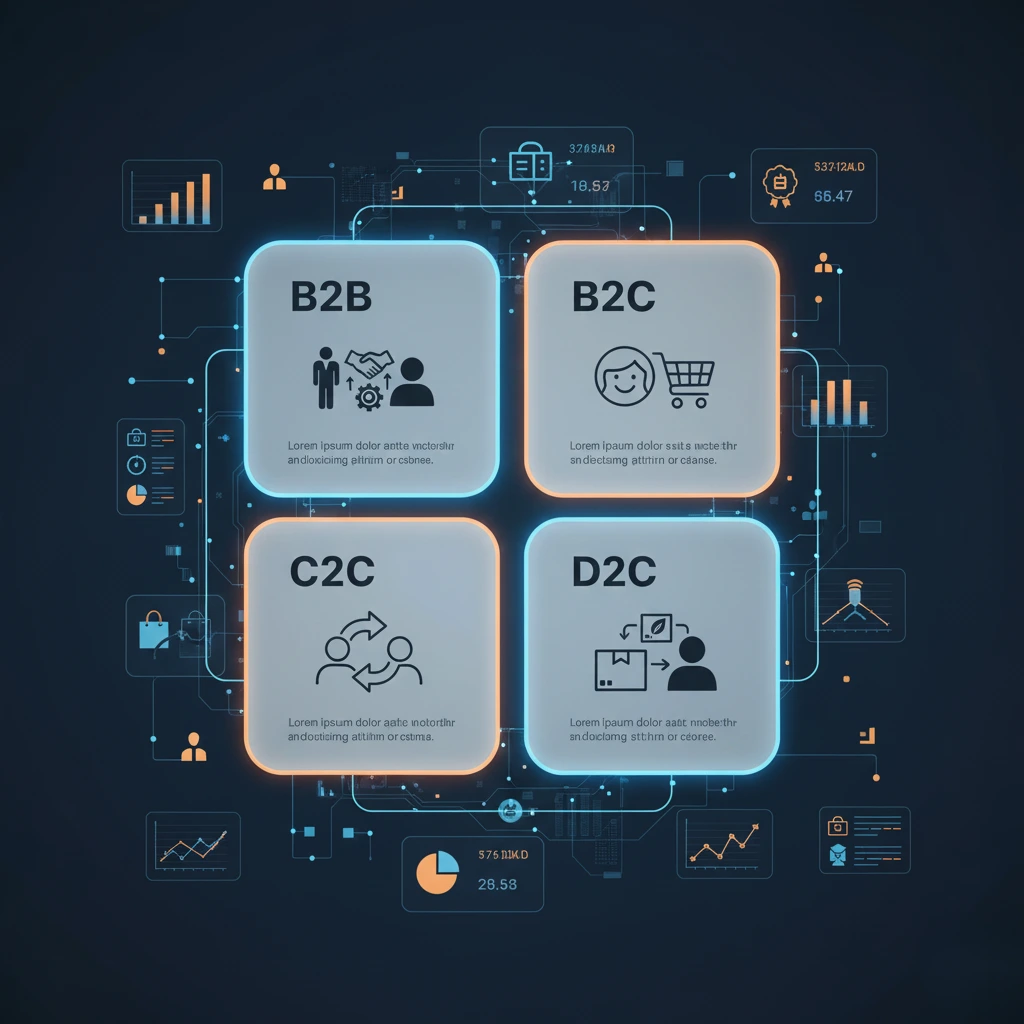
  • Types of eCommerce Business Models B2B B2C C2C D2C

    Types of eCommerce Business Models B2B B2C C2C D2C

    The world of eCommerce continues to grow rapidly, and understanding the different eCommerce business models is essential for anyone starting or scaling an online business. Whether you’re launching a startup or expanding an existing brand, knowing how each model works can help you choose the right path for your goals. The four most common types are B2B, B2C, C2C, and D2C. Each model has unique advantages, challenges, and opportunities for growth.

    What Are eCommerce Business Models

    An eCommerce business model explains how a company sells products or services online, who it sells to, and how it makes money. These models define the relationship between the buyer and the seller. Understanding them helps you make smart decisions around marketing, pricing, logistics, and customer experience. Let’s explore the main types in detail.

    B2B Business to Business

    B2B eCommerce involves transactions between two businesses. In this model, one company sells products or services to another company rather than directly to the end consumer. Examples include wholesalers, manufacturers, and service providers selling software, equipment, or bulk items to other companies.

    Key Features of B2B eCommerce

    • Larger order values because businesses often buy in bulk
    • Longer decision-making process since multiple stakeholders are involved
    • Strong focus on long-term relationships and repeat purchasing
    • Custom pricing and negotiation based on order size or contract terms

    Many B2B companies use platforms like Alibaba, Uline, or industry-specific portals to handle orders efficiently. As digital transformation grows, more B2B transactions are moving online to streamline the buying process.

    B2C Business to Consumer

    B2C eCommerce is the most common and widely recognized model. In this type, businesses sell products directly to individual consumers through online stores or marketplaces. Popular examples include Amazon, Walmart, ASOS, and countless Shopify brands.

    Key Features of B2C eCommerce

    • Shorter buying cycles because consumers make faster decisions
    • Focus on user experience, branding, and emotional purchase triggers
    • Competitive pricing and fast delivery expectations
    • Marketing relies heavily on SEO, social media, and paid ads

    B2C is ideal for entrepreneurs who want to sell directly to everyday shoppers. It offers huge market potential but also higher competition.

    C2C Consumer to Consumer

    C2C eCommerce allows individuals to sell products or services to other individuals. The platform does not own the products but provides a space where buyers and sellers can connect. Well-known C2C platforms include eBay, Facebook Marketplace, OLX, Etsy, and Poshmark.

    Key Features of C2C eCommerce

    • Sellers are typically individuals, not businesses
    • Platforms earn money through listing fees, transaction fees, or commissions
    • Ideal for reselling used items, handmade products, or collectibles
    • Builds trust through ratings, reviews, and secure payment systems

    C2C continues to grow as the resale economy and sustainability trends become more popular.

    D2C Direct to Consumer

    D2C eCommerce is a modern model where brands sell their products directly to consumers without relying on traditional retailers, distributors, or wholesalers. This approach has skyrocketed with the rise of social media and online branding. Popular D2C brands include Warby Parker, Glossier, Gymshark, and Allbirds.

    Key Features of D2C eCommerce

    • Full control over branding, pricing, and customer experience
    • Higher profit margins because middlemen are removed
    • Strong reliance on digital marketing, influencer partnerships, and content creation
    • Direct access to customer data for personalized marketing

    D2C gives brands complete ownership of their customer relationships, making it an attractive model for new-age entrepreneurs.

    Choosing the Right eCommerce Model for Your Business

    Selecting the right eCommerce business model depends on your target audience, product type, and long-term goals. If you want to supply products to other companies, B2B is the best fit. If you want to sell directly to regular shoppers, B2C is ideal. If you prefer running a marketplace-style business, C2C is the way to go. For brands seeking complete independence and stronger customer connections, D2C is highly effective.

    Final Thoughts

    Understanding the different eCommerce business models helps you create a solid foundation for your online business. Whether you choose B2B, B2C, C2C, or D2C, each model offers valuable opportunities in today’s digital economy. By choosing the right approach and aligning it with your marketing, operations, and customer experience strategies, you can build a sustainable and successful eCommerce business.


  • How to Ensure an Efficient Ecommerce Shipping & Delivery Solution

    How to Ensure an Efficient Ecommerce Shipping & Delivery Solution

    An efficient ecommerce shipping and delivery solution is essential for online businesses in today’s competitive market. Consumers expect fast delivery, accurate tracking, and reliable customer service, which makes it crucial for ecommerce brands to optimize every stage of their shipping process. A well-managed system not only enhances customer satisfaction but also improves profitability and drives long-term growth. Below are the key strategies to ensure a seamless and efficient ecommerce shipping operation.

    Optimize Your Order Fulfillment Process

    A strong shipping system begins with an efficient order fulfillment process. When orders are processed quickly and accurately, delivery becomes smoother and more predictable.

    Automate Order Processing

    Using automation tools helps reduce human errors and speeds up order handling. Automated systems can sort orders, verify inventory levels, and generate packing slips—ensuring fast and consistent fulfillment.

    Improve Warehouse Operations

    Efficient warehouse management is crucial for timely shipping. Implement warehouse management systems (WMS), organized picking routes, and real-time inventory updates. These improvements help reduce delays and streamline packing and dispatch.

    Choose Reliable Shipping Partners

    Selecting trusted shipping carriers is one of the most important factors in achieving an efficient ecommerce delivery system.

    Compare Shipping Rates and Services

    Evaluate carriers based on delivery speed, cost, reliability, and coverage. Offering multiple delivery options—such as express, standard, and economy—gives customers flexibility and improves satisfaction.

    Negotiate Better Rates

    Shipping cost plays a major role in profitability. Negotiate discounted rates with carriers or use shipping aggregators to access lower prices without compromising delivery quality.

    Offer Multiple Delivery Options

    Modern customers expect choices. Providing several delivery options increases conversion rates and enhances the buying experience.

    Same-Day and Next-Day Delivery

    Fast delivery options are becoming common in ecommerce. Offering same-day delivery or next-day delivery helps you stay competitive and attract more customers.

    Pickup Points and Locker Systems

    Not all customers want home delivery. Offering pickup points, locker deliveries, or in-store pickup reduces failed deliveries and boosts convenience.

    Use Advanced Tracking and Notifications

    Transparent, real-time tracking is now a standard feature in ecommerce shipping.

    Real-Time Order Tracking

    Implement real-time tracking systems that allow customers to monitor their package at every stage. This reduces customer inquiries and builds trust.

    Proactive Delivery Notifications

    Send regular shipping updates via SMS, email, or app notifications. This helps customers stay informed and minimizes delivery-related anxiety.

    Ensure Efficient Packaging

    Smart packaging plays a critical role in speeding up the shipping process and reducing costs.

    Use the Right Packaging Materials

    Choose durable, lightweight, and eco-friendly packaging. This reduces shipping cost and prevents product damage, ensuring a smooth customer experience.

    Optimize Packaging Sizes

    Avoid oversized boxes or excessive material. Right-sized packaging increases efficiency and reduces carrier fees.

    Streamline Last-Mile Delivery

    Last-mile delivery is often the most expensive and time-consuming part of the shipping process.

    Partner with Local Couriers

    Local courier services can help ensure quicker last-mile delivery within specific regions. They are often more flexible and affordable for local shipments.

    Use Route Optimization Tools

    Advanced routing software helps carriers deliver packages faster and reduces fuel costs. This improves delivery accuracy and overall efficiency.

    Implement a Strong Returns Management System

    A seamless returns process is essential for customer satisfaction and brand loyalty.

    Simplify Returns

    Offer easy return options such as prepaid labels and drop-off locations. A customer-friendly reverse logistics system boosts trust and encourages repeat purchases.

    Analyze Return Patterns

    Study return data to identify frequent issues—such as damaged items or incorrect sizes—and fix them to reduce future returns.

    Enhance Customer Communication

    Clear communication builds trust and plays a vital role in the delivery experience.

    Provide Accurate Delivery Estimates

    Customers appreciate transparency. Offer precise delivery timelines and update them if delays occur.

    Offer Responsive Support

    A strong customer support team can quickly resolve issues related to shipping delays, missing items, or tracking confusion.

    Leverage Technology for Efficiency

    Technology is the backbone of an efficient ecommerce shipping solution.

    Integrate Your Systems

    Integrate your ecommerce platform, inventory system, WMS, and shipping software. This eliminates manual work and ensures all data flows seamlessly.

    Use AI and Analytics

    Artificial intelligence helps predict order volumes, optimize packaging, improve delivery routes, and analyze shipping performance—making your processes smarter and faster.

    Conclusion Ensuring an Efficient Ecommerce Shipping System

    Achieving an efficient ecommerce shipping and delivery solution requires a combination of smart planning, strong partnerships, and modern technology. By optimizing fulfillment, offering flexible delivery options, investing in tracking tools, and focusing on customer satisfaction, ecommerce brands can reduce costs, enhance performance, and deliver exceptional experiences. A streamlined shipping system improves your business reputation and ensures long-term success in the competitive ecommerce world.

  • Logistics & Supply Chain Trends to Watch in 2026

    Logistics & Supply Chain Trends to Watch in 2026

    The world of logistics and supply chain management is rapidly evolving, driven by new technologies, shifting consumer expectations, and global disruptions. As we move deeper into 2026, businesses must stay ahead of emerging trends to remain competitive, efficient, and resilient. This guide explores the most important supply chain trends shaping 2026 and how companies can adapt to succeed.

    The Rise of AI-Driven Supply Chains

    Artificial intelligence continues to revolutionize the industry. In 2026, AI in supply chain is no longer optional—it is a competitive necessity.

    AI for Predictive Analytics

    Predictive analytics powered by AI helps businesses anticipate demand, reduce stockouts, and optimize inventory. Companies now rely on AI forecasting tools to identify patterns, prevent disruptions, and streamline decision-making.

    Automated Warehousing

    2026 sees widespread adoption of warehouse automation, including smart robots, automated picking systems, and AI-powered inventory tracking. Automation reduces labor costs, increases accuracy, and boosts overall efficiency.

    Increased Focus on Supply Chain Resilience

    The last few years proved that resilience is essential. In 2026, companies invest heavily in supply chain resilience to counter global uncertainties.

    Multi-Sourcing Strategies

    Businesses are shifting from dependence on single suppliers to multi-sourcing to minimize risks. This approach provides more flexibility and safeguards against disruptions caused by geopolitical issues or sudden shortages.

    Nearshoring and Reshoring

    To improve responsiveness, many companies now adopt nearshoring and reshoring strategies. These practices reduce lead times, improve quality control, and strengthen regional supply networks.

    Sustainability Becomes a Core Priority

    Consumers and regulators are pressuring companies to adopt greener practices. In 2026, sustainable logistics becomes a major competitive advantage.

    Eco-Friendly Transportation

    Companies are investing in electric trucks, biofuel fleets, and low-emission shipping options to reduce carbon footprints. More cities now support charging networks that make electric freight transport easier and more scalable.

    Green Warehousing

    Energy-efficient warehouses, solar-powered facilities, and waste-reduction initiatives are now industry standards. Businesses with strong ESG strategies gain trust and long-term customer loyalty.

    Digital Twins Transform Operations

    One of the most significant innovations in 2026 is the use of digital twins in supply chain management.

    Real-Time Simulation

    Digital twins allow companies to create a virtual replica of their supply chain. This enables real-time monitoring, scenario testing, and optimization—leading to better performance and lower operational costs.

    Enhanced Risk Management

    With digital twins, businesses can assess risks, simulate disruptions, and improve their crisis response plan. This technology has become essential in industries like manufacturing, pharmaceuticals, and automotive.

    The Growth of Autonomous Logistics

    Automation is advancing beyond warehouses into transport and deliveries.

    Self-Driving Freight Trucks

    Autonomous trucks are becoming more common on long-haul routes in 2026. They improve safety, reduce human error, and increase delivery efficiency.

    Drone Deliveries

    Retailers and logistics providers are expanding drone delivery systems for last-mile logistics. This trend boosts speed, cuts delivery costs, and supports eco-friendly operations.

    Blockchain Ensures Transparency

    Blockchain technology has evolved from a buzzword to a practical tool for improving visibility and transparency.

    Secure Data Sharing

    Blockchain in logistics ensures accurate, tamper-proof data sharing across suppliers, carriers, and partners. This helps in reducing fraud and improving traceability.

    Smart Contracts

    Smart contracts automate transactions, accelerate payments, and reduce paperwork—making supply chain operations more efficient.

    E-Commerce Logistics Continues to Expand

    With the ongoing growth of online shopping, e-commerce logistics remains a major trend in 2026.

    Faster Last-Mile Delivery

    Consumers expect lightning-fast delivery. Companies now rely on micro-fulfillment centers, AI-driven routing, and local distribution hubs to speed up last-mile operations.

    Returns Management Optimization

    Brands invest in reverse logistics systems to simplify and streamline returns. Efficient returns management improves customer satisfaction and reduces losses.

    Hyper-Personalized Supply Chains

    Thanks to advanced data analytics, companies can now create personalized supply chain experiences tailored to customer preferences.

    Customized Delivery Options

    Options like real-time delivery tracking, flexible delivery windows, and personalized packaging create a better customer experience.

    Data-Driven Customer Insights

    Businesses collect and analyze behavioral data to predict shopping trends and adjust supply strategies accordingly.

    Cybersecurity Becomes Critical

    With digital transformation comes increased vulnerability. In 2026, robust supply chain cybersecurity is essential.

    Protecting Digital Infrastructure

    Companies strengthen cyber defenses with advanced encryption, AI-powered threat detection, and secure cloud systems.

    Preventing Data Breaches

    Cyberattacks can shut down operations. Strong cyber-resilience strategies ensure business continuity and protect sensitive supply data.

    Conclusion Logistics & Supply Chain Trends in 2026

    The logistics and supply chain landscape in 2026 is shaped by AI automation, sustainability, digital transformation, and resilience. Businesses that embrace these trends will gain a competitive edge, improve operational efficiency, and build stronger customer relationships. Staying ahead of these innovations ensures a future-ready supply chain that can withstand challenges and capitalize on new opportunities.

  • Shipping Solutions for Small Businesses

    Shipping Solutions for Small Businesses

    Finding the right shipping solutions for small businesses is essential for delivering orders on time, reducing costs, and keeping customers happy. As online shopping continues to grow, small businesses must choose reliable, affordable, and efficient shipping methods to stay competitive. From courier selection to packaging strategies, the right shipping setup can significantly improve overall business performance.

    Why Shipping Matters for Small Businesses

    Fast and reliable shipping is more important than ever. Customers expect quick delivery, fair prices, and real-time tracking. By choosing the right small business shipping solutions, companies can streamline operations, reduce expenses, and build long-term customer trust.

    Key Benefits of Strong Shipping Processes

    • Lower operational costs
    • Faster delivery times
    • Improved customer satisfaction
    • Better brand reputation
    • More repeat purchases

    Top Shipping Solutions for Small Businesses

    Small businesses can use a variety of tools, carriers, and systems to simplify shipping. Below are the best options to consider.

    Use Affordable Shipping Carriers

    Choosing the right carrier can significantly impact cost and delivery speed. Small businesses often rely on:

    Local Couriers

    Great for same-day or next-day local deliveries at affordable rates.

    National Carriers

    Services like UPS, FedEx, and USPS offer discounted small business rates.

    International Shipping Providers

    Ideal for businesses shipping overseas, offering customs support and global tracking.

    Use a Shipping Software Platform

    Shipping management software helps automate the entire shipping process, from label creation to tracking. These tools integrate with e-commerce platforms like Shopify, WooCommerce, and Amazon.

    Benefits of Shipping Software

    • Automated label printing
    • Real-time order syncing
    • Discounted carrier rates
    • Centralized tracking dashboard
    • Reduced manual errors

    Popular options include ShipStation, Shippo, EasyShip, and Ordoro.

    Offer Multiple Shipping Options

    Customers appreciate flexibility. Providing a few different shipping choices boosts satisfaction and conversions.

    Common Shipping Options

    • Standard shipping
    • Express or 2-day delivery
    • Free shipping for orders over a certain amount
    • Local pickup or delivery

    Providing choices also helps customers control their budget and delivery timeline.

    Use Smart Packaging Solutions

    The right packaging helps reduce costs and protect products during transit.

    Packaging Tips for Small Businesses

    • Use lightweight materials to reduce shipping costs
    • Choose the correct box size to avoid dimensional weight fees
    • Buy packaging in bulk for lower prices
    • Use eco-friendly packaging to appeal to sustainability-conscious buyers

    Track Shipments in Real Time

    Real-time tracking improves customer confidence and reduces the number of support inquiries.

    Benefits of Real-Time Tracking

    • Fewer customer complaints
    • Clear visibility for both buyers and sellers
    • Faster issue resolution

    Most shipping platforms offer automatic email or SMS updates for each shipment.

    Use Flat-Rate Shipping

    Flat-rate shipping can simplify costs and improve budgeting—especially for small businesses shipping heavy or irregular items.

    Advantages of Flat-Rate Shipping

    • Fixed pricing regardless of weight (up to a limit)
    • No complicated calculations
    • Easy for customers to understand

    Improve Returns Management

    A smooth return process builds trust and encourages buyers to shop again.

    Smart Return Solutions

    • Prepaid return labels
    • Clear return policy
    • Automated return requests
    • Easy drop-off locations

    A strong return system reduces stress for both customers and business owners.

    Negotiate Better Rates with Carriers

    Small businesses can often negotiate discounts—especially if shipping volume grows.

    Tips for Negotiating Shipping Rates

    • Track monthly shipping volume
    • Bundle all shipping with one preferred carrier
    • Ask for seasonal or bulk discounts

    Even small savings per package add up significantly over time.

    Use a Warehouse or Fulfillment Center

    As your business scales, partnering with a fulfillment center can help manage large order volumes.

    Fulfillment Center Benefits

    • Faster nationwide delivery
    • Reduced shipping costs
    • Professional packaging
    • More time to focus on business growth

    Fulfillment centers use advanced systems to optimize storage, packing, and shipping.

    Offer Free Shipping Strategically

    Free shipping encourages customers to complete purchases, but small businesses must use it wisely.

    How to Offer Free Shipping Without Losing Money

    • Set a minimum order value
    • Increase product margins slightly
    • Offer free shipping on lightweight items only
    • Create limited-time free shipping promotions

    Final Thoughts

    Finding the right shipping solutions for small businesses is crucial for long-term success. By choosing reliable carriers, using efficient shipping software, offering flexible delivery options, and optimizing packaging, small businesses can reduce costs and enhance customer satisfaction. Whether you are just starting or scaling your operations, smart shipping strategies will help your brand stand out and deliver a seamless customer experience.

  • What Are the Benefits of a WMS?

    What Are the Benefits of a WMS?

    A Warehouse Management System (WMS) has become essential for businesses that handle storage, distribution, and inventory operations. As customer expectations rise and supply chains grow more complex, companies need faster, more accurate, and highly efficient warehouse processes. A WMS helps automate workflows, reduce errors, and improve overall warehouse performance. Below are the key benefits of a WMS and why every modern business should consider implementing one.

    Improved Inventory Accuracy

    One of the most valuable advantages of a WMS is its ability to deliver real-time inventory visibility. With automated tracking, barcode scanning, and updated stock levels, businesses can avoid common issues like overstocking, stockouts, or misplaced items.

    Key Inventory Benefits

    • Accurate stock counts
    • Reduced manual errors
    • Real-time visibility across all locations
    • Better forecasting and demand planning

    Increased Warehouse Efficiency

    A WMS optimizes warehouse workflows by streamlining picking, packing, and shipping processes. With smart automation, workers spend less time searching for products and more time completing tasks efficiently.

    How a WMS Improves Efficiency

    • Optimized picking routes
    • Reduced operational delays
    • Improved order fulfillment speed
    • Automated task assignment

    Enhanced Order Accuracy

    A WMS ensures that customers receive the right items in the right quantity every time. This leads to fewer returns, higher customer satisfaction, and stronger brand reliability.

    Order Accuracy Benefits

    • Error-free picking and packing
    • Accurate shipment labeling
    • Reduced customer complaints

    Reduced Operational Costs

    By minimizing errors, automating manual tasks, and improving workflow efficiency, a Warehouse Management System helps lower overall operating costs.

    Cost Reduction Areas

    • Less labor required for manual checks
    • Lower return and rework costs
    • Reduced inventory carrying expenses
    • Optimized use of warehouse space

    Better Space Utilization

    A WMS analyzes warehouse layout and storage patterns to ensure efficient use of available space.

    Space Optimization Benefits

    • Optimized slotting strategies
    • Better organization of fast-moving and slow-moving items
    • Reduced storage waste
    • Improved product accessibility

    Enhanced Labor Productivity

    A WMS helps warehouse managers assign the right tasks to the right employees at the right time.

    Labor Productivity Improvements

    • Efficient task prioritization
    • Reduced travel time inside the warehouse
    • Real-time performance tracking
    • Increased employee output

    Real-Time Data and Reporting

    Smart decision-making requires accurate data. A WMS provides real-time analytics, dashboards, and customizable reports that reveal performance trends and bottlenecks.

    Insights Provided

    • Inventory turnover rates
    • Order accuracy metrics
    • Employee performance
    • Operational cost tracking

    Improved Customer Satisfaction

    When businesses deliver orders faster and more accurately, customers are happier. A WMS plays a major role in achieving this.

    Customer Benefits

    • Faster order delivery
    • Fewer mistakes and returns
    • Transparent tracking
    • More reliable service

    Better Supply Chain Visibility

    A WMS integrates with ERP, transportation management, and e-commerce systems, providing end-to-end visibility across the supply chain.

    Supply Chain Advantages

    • Real-time inventory status
    • Smooth coordination between departments
    • Faster response to market changes

    Increased Scalability

    As your business grows, a WMS grows with you. Whether you expand to multiple warehouses or handle higher order volumes, a scalable WMS adapts without disrupting operations.

    Scalability Benefits

    • Supports new locations
    • Handles seasonal peaks
    • More flexible warehouse operations

    Enhanced Compliance and Traceability

    Industries such as food, pharmaceuticals, and electronics require strict tracking and traceability. A WMS helps meet regulatory requirements effortlessly.

    Compliance Benefits

    • Batch and lot tracking
    • Expiration date management
    • Complete audit trails
    • Accurate recall management

    Final Thoughts

    A Warehouse Management System (WMS) is more than just a software tool—it’s a powerful solution that improves accuracy, efficiency, and profitability across the entire warehouse operation. From optimizing inventory and labor to reducing costs and boosting customer satisfaction, the benefits of a WMS make it an essential investment for any modern supply chain.