Month: January 2026

  • Using Influencer Marketing to Grow Your Online Store

    Using Influencer Marketing to Grow Your Online Store

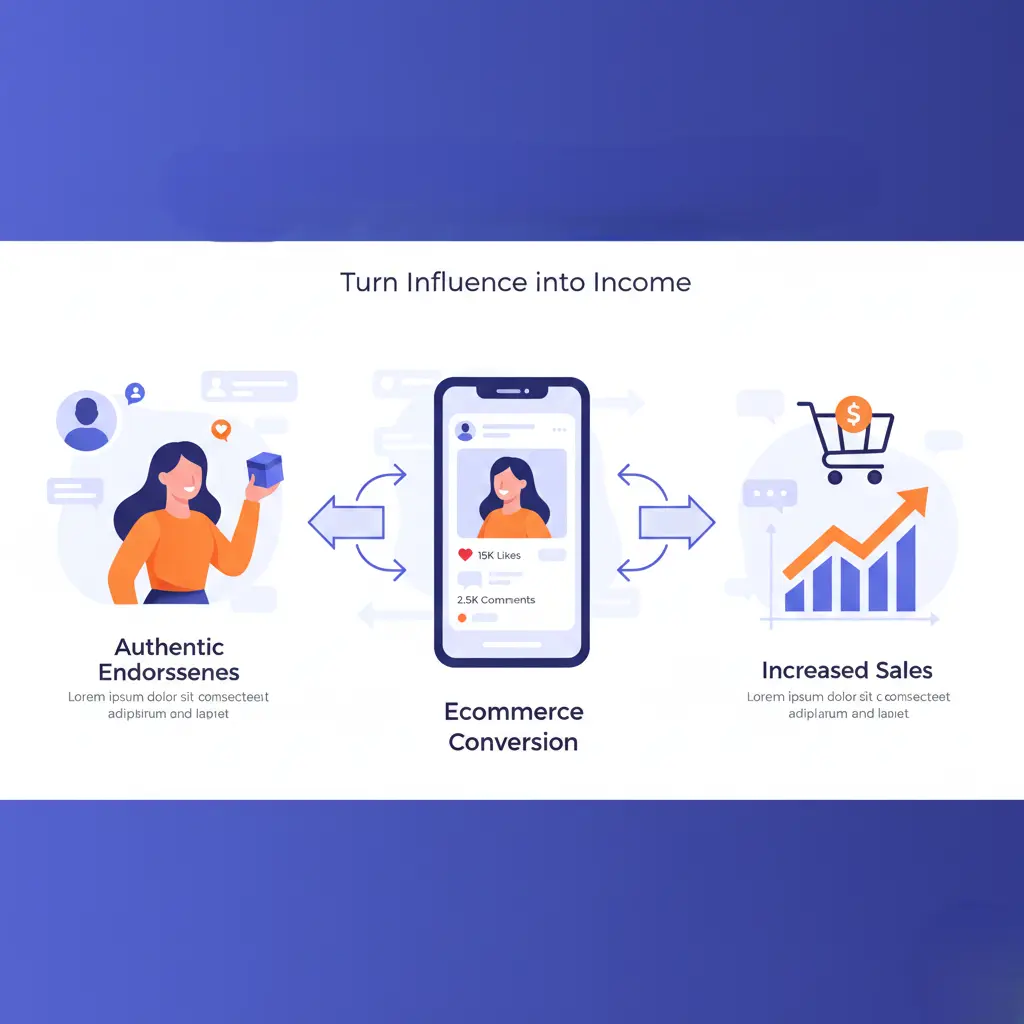
    Influencer marketing has become one of the most effective strategies for online retailers looking to increase visibility, build trust, and boost sales. By leveraging the reach and credibility of influencers, brands can connect with highly engaged audiences in a way that feels authentic and personal. If you want to grow your online store, influencer marketing can be a game-changer when implemented strategically.

    What Is Influencer Marketing?

    Influencer marketing involves partnering with individuals who have a significant following on social media or other online platforms to promote products or services. These influencers have the power to shape opinions, influence purchase decisions, and increase brand awareness.

    In the context of ecommerce, using influencer marketing can help you grow your online store by reaching audiences who are already interested in your niche or product category.

    Benefits of Influencer Marketing for Your Online Store

    1. Builds Trust and Credibility – People trust recommendations from influencers they follow more than traditional ads. A genuine endorsement can enhance your brand’s credibility and help you grow your online store.
    2. Expands Reach – Influencers provide access to audiences that your brand may not be able to reach on its own, increasing exposure and potential customer base.
    3. Drives Conversions – Influencer campaigns often result in higher engagement and conversions, especially when the content includes product demonstrations, reviews, or tutorials. This directly helps you grow your online store.
    4. Improves SEO and Social Presence – Collaborations can generate backlinks, user-generated content, and social signals that strengthen your online presence and help you grow your online store.

    How to Use Influencer Marketing to Grow Your Online Store

    1. Identify the Right Influencers

    Choosing influencers who align with your brand values, target audience, and niche is crucial. Micro-influencers with smaller, highly engaged audiences can often deliver better ROI than large influencers with passive followers. Partnering with the right influencer can accelerate your efforts to grow your online store.

    2. Set Clear Goals

    Decide what you want to achieve with influencer marketing. Goals can include increasing brand awareness, driving traffic to your online store, boosting sales, or collecting user-generated content. Clear goals help measure campaign success.

    3. Create Authentic Campaigns

    Authenticity is key in influencer marketing. Allow influencers creative freedom to present your product naturally. Sponsored content should feel genuine rather than forced to resonate with audiences and encourage purchases, which is essential to grow your online store.

    4. Offer Incentives and Track Performance

    Provide influencers with discount codes, affiliate links, or exclusive offers for their followers. Tracking clicks, sales, and engagement helps determine ROI and refine future campaigns.

    5. Build Long-Term Relationships

    Rather than one-off promotions, consider building long-term partnerships with influencers. Continuous collaboration strengthens trust with audiences and turns influencers into brand ambassadors who consistently support your online store.

    Conclusion

    Influencer marketing is a powerful strategy to grow your online store. By selecting the right influencers, creating authentic campaigns, and measuring performance, you can increase brand awareness, drive traffic, and boost sales. With thoughtful planning and consistent execution, influencer marketing can become a cornerstone of your online store’s growth strategy.

  • Top Ecommerce Trends to Watch in 2026

    Top Ecommerce Trends to Watch in 2026

    The ecommerce landscape continues to transform rapidly, with new technologies and consumer behaviors reshaping how businesses operate online. As competition intensifies and customer expectations evolve, staying ahead means understanding the top ecommerce trends that will drive growth and innovation in 2026. Whether you’re an online retailer, marketer, or entrepreneur, these trends offer valuable insights to help you stay competitive and adapt your strategy.

    1. AI‑Powered Personalization Will Dominate

    Artificial intelligence (AI) is revolutionizing ecommerce by enabling ultra‑personalized shopping experiences. In 2026, more brands will use AI to analyze customer behavior and deliver customized product recommendations, tailored content, and dynamic pricing. AI will help retailers not only boost conversions but also build stronger relationships by offering experiences that feel relevant and unique to every shopper.

    2. Social Commerce Continues to Surge

    Social media platforms have become powerful ecommerce channels. In 2026, social commerce trends will expand as platforms like Instagram, TikTok, and Pinterest enhance in‑app shopping features, livestream buying events, and shoppable content. Brands that integrate social selling into their strategy will benefit from high‑engagement audiences and seamless purchase journeys.

    3. Voice and Conversational Commerce Grow

    Voice search and conversational commerce will become more prominent in 2026. With smart speakers, virtual assistants, and chatbots becoming mainstream, consumers increasingly expect fast and intuitive interactions. Retailers embracing voice‑activated shopping and automated conversational support will improve customer experience and reduce friction in the purchase process.

    4. Sustainability and Ethical Shopping Matter More

    Eco‑friendly practices are no longer optional — they’re expected. In 2026, consumer demand for sustainable products and transparent supply chains will shape purchasing decisions. Ecommerce brands that prioritize sustainability — from eco‑friendly packaging to carbon‑neutral shipping — will earn trust and loyalty from conscious consumers.

    5. AR and Virtual Try‑On Enhances Online Shopping

    Augmented reality (AR) will continue to change how customers experience products online. Virtual try‑on tools for fashion, beauty, and home decor help shoppers visualize products in real contexts before buying. By 2026, AR features will be more accessible and widely adopted, reducing returns and increasing customer satisfaction.

    6. Faster and Smarter Delivery Options

    Delivery expectations keep rising. Same‑day and ultra‑fast delivery options will become more prevalent in 2026, especially in urban markets. Ecommerce brands that invest in smart logistics, flexible shipping choices, and localized fulfillment centers will meet customer demand for speed and convenience.

    7. Subscription Models Expand

    Subscription services remain a powerful trend in ecommerce. From curated boxes to recurring replenishment of essentials, subscription models create predictable revenue and foster customer loyalty. In 2026, we’ll see more brands experimenting with creative subscription offers that deepen engagement and lifetime value.

    8. Data Privacy and Security Are Non‑Negotiable

    With growing concerns around data privacy, ecommerce companies must prioritize secure practices and transparent policies. Compliance with regulations like GDPR and new privacy standards will be crucial for building customer trust. Data protection will no longer be just an IT concern but a core brand value.

    9. Mobile‑First Ecommerce Is Essential

    As mobile shopping continues to dominate, ecommerce businesses must prioritize mobile‑friendly websites and apps. In 2026, mobile optimization — including fast‑loading pages, simplified checkout, and mobile wallets — will be key to capturing and converting on‑the‑go consumers.

    Conclusion

    The top ecommerce trends in 2026 reflect a future shaped by innovation, personalization, and customer expectations. By embracing AI, social and conversational commerce, sustainability, immersive technology, and fast delivery, online retailers can position themselves for success in a competitive market. Stay informed and agile — the ecommerce journey ahead is full of opportunity.

  • 5 Things You Need to Know About SCA

    5 Things You Need to Know About SCA

    Strong Customer Authentication, or SCA, is a key requirement in the world of digital payments, designed to make online transactions safer and reduce fraud. If you run an online business or handle e-commerce payments, understanding SCA is critical. Here are 5 essential things you need to know about SCA and how it impacts your business.

    1. What is SCA

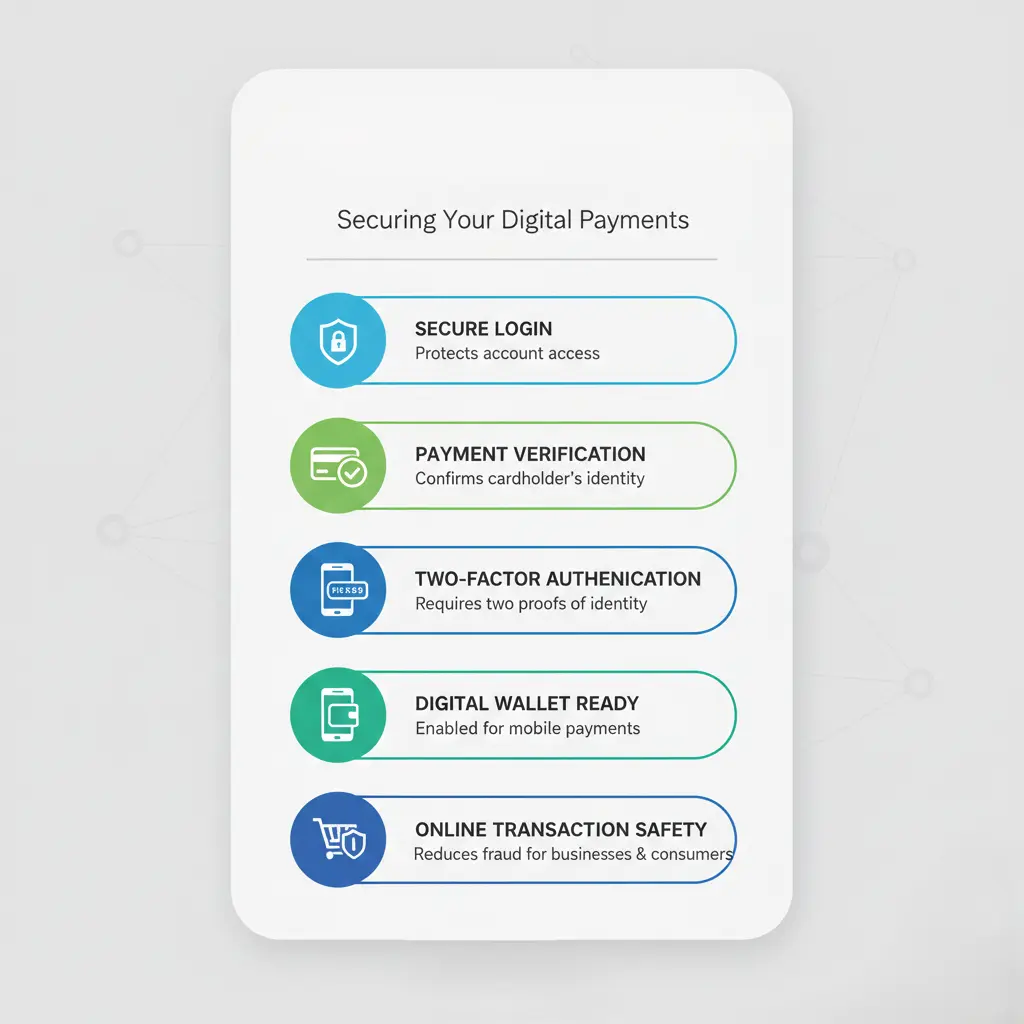
    SCA is a regulation introduced under the European Union’s Payment Services Directive 2 (PSD2). It requires payment service providers to authenticate online transactions using at least two independent factors from the following categories: something the customer knows (like a password), something the customer has (like a phone or hardware token), or something the customer is (like a fingerprint or facial recognition). This multi-factor authentication helps reduce unauthorized transactions and increase trust in online payments.

    2. When SCA Applies

    SCA applies to most electronic payments within the European Economic Area (EEA). This includes credit card payments, online banking transactions, and mobile payments. Some transactions, like recurring payments of the same amount to the same merchant or low-value transactions, may be exempt from SCA, but businesses should check the rules carefully to remain compliant.

    3. Impact on Online Businesses

    For online merchants, SCA changes the checkout experience. Payment flows now require customers to verify their identity, which can introduce friction if not implemented properly. Businesses need to ensure that their payment gateways and platforms are SCA-compliant, or risk failed transactions, lost revenue, and penalties. Many modern payment providers, including Stripe and PayPal, have built-in solutions to handle SCA automatically.

    4. Benefits of SCA

    While SCA may seem like an extra step for customers, it provides clear benefits. Strong authentication significantly reduces fraud and chargebacks, increases customer trust, and protects both businesses and consumers. Implementing SCA properly can actually improve conversion rates by providing a safer and more reliable payment experience.

    5. How to Prepare for SCA

    To comply with SCA, businesses should review their payment flows, work with payment providers that support SCA, and educate their customers about the authentication process. Testing checkout experiences, using exemptions where applicable, and staying up-to-date with PSD2 guidance are essential steps. Proper preparation ensures a smooth transition and minimizes disruptions to revenue.

    Final Thoughts

    SCA is more than just a regulatory requirement; it’s an important step toward safer online commerce. By understanding when SCA applies, how it affects transactions, and how to prepare for it, businesses can protect their customers and maintain trust. Compliance with SCA not only helps prevent fraud but also strengthens the overall e-commerce experience.

  • Stripe: Driving the New Era of E-Commerce

    Stripe: Driving the New Era of E-Commerce

    Stripe is transforming how online businesses accept payments and scale globally. In today’s fast-moving digital economy, seamless transactions, security, and flexibility are critical for success. Modern online stores need payment solutions that are reliable, developer-friendly, and built for growth, and that is exactly what Stripe delivers.

    The Evolution of E-Commerce Payments

    E-commerce has evolved far beyond simple online checkouts. Customers now expect fast payments, multiple currency options, digital wallets, and secure experiences across devices. Traditional payment systems often struggle to keep up with these demands, creating friction that can lead to abandoned carts and lost revenue. This shift has opened the door for innovative payment technology that supports global commerce at scale, and Stripe is at the forefront of this change.

    How Modern Payment Infrastructure Supports Growth

    With Stripe, businesses gain access to a powerful payment infrastructure designed for startups, enterprises, and global brands alike. Online merchants can accept credit cards, digital wallets, and local payment methods from customers around the world. This flexibility allows businesses to expand into new markets without rebuilding their payment systems from scratch.

    Developer-Friendly and Scalable Technology

    The Stripe platform is known for its robust APIs and clear documentation, making integration simple for development teams. Companies can customize their checkout experience, automate billing, and manage subscriptions with ease. As businesses grow, the technology scales smoothly, supporting higher transaction volumes without compromising performance or security.

    Security and Compliance at the Core

    Using Stripe allows businesses to meet strict security and compliance standards. Built-in fraud detection, encryption, and compliance with global regulations help protect both merchants and customers. This focus on security builds trust, which is essential for long-term success in e-commerce.

    Empowering the Subscription Economy

    Recurring revenue models are a major part of modern online business. Subscription services, SaaS platforms, and membership-based websites rely on reliable recurring billing systems. As e-commerce grows, Stripe continues to support these models with automated invoicing, flexible pricing structures, and detailed analytics that help businesses understand customer behaviour.

    Enhancing the Global Customer Experience

    A successful e-commerce strategy is centered on the customer experience. Fast checkouts, localized payment options, and transparent pricing all contribute to higher conversion rates. Payment platforms that support multiple currencies and languages help businesses reach international audiences while maintaining a smooth user journey.

    The Future of Online Commerce

    Stripe is shaping the future of digital payments by enabling innovation across industries. From small online stores to global marketplaces, businesses are building faster, smarter, and more customer-focused e-commerce experiences. As online shopping continues to expand worldwide, modern payment solutions like Stripe will remain a key driver of sustainable growth and digital transformation.

  • Influencer Marketing for Ecommerce Brands

    Influencer Marketing for Ecommerce Brands

    Influencer marketing for e-commerce brands has become one of the most effective strategies to drive traffic, build trust, and increase online sales. With consumers relying more on recommendations from people they trust, influencers help ecommerce businesses connect with their target audience in an authentic and measurable way.

    What Is Influencer Marketing in Ecommerce

    Influencer marketing involves partnering with content creators who have an engaged following on platforms such as Instagram, TikTok, YouTube, and blogs. These influencers promote products through reviews, tutorials, unboxings, and social media posts.

    Why Influencer Marketing Works for Ecommerce Brands

    Shoppers trust real people more than traditional ads. Influencers provide social proof, showcase real product usage, and help brands reach niche audiences. This leads to higher engagement, better conversion rates, and stronger brand awareness for ecommerce businesses.

    Types of Influencers Ecommerce Brands Can Use

    Choosing the right influencer is key to a successful ecommerce influencer marketing strategy.

    Micro-Influencers for Higher Engagement

    Micro-influencers typically have smaller but highly engaged audiences. They are cost-effective and often generate better trust and interaction, making them ideal for small and mid-sized ecommerce brands.

    Macro and Celebrity Influencers for Brand Reach

    Macro-influencers and celebrities offer massive exposure. While they require a higher budget, they are effective for product launches and campaigns focused on brand visibility and awareness.

    How to Build an Effective Influencer Marketing Strategy

    A structured approach ensures long-term success.

    Identify the Right Influencers

    Focus on influencers whose audience aligns with your target market. Look at engagement rates, content quality, and audience demographics. Relevance is more important than follower count for ecommerce influencer success.

    Set Clear Campaign Goals

    Define your objectives, such as increasing website traffic, boosting sales, or growing social media followers. Clear goals help measure ROI from influencer marketing and guide campaign execution.

    Best Practices for Influencer Content

    Authentic content performs better than scripted promotions.

    Encourage Creative Freedom

    Allow influencers to present your products in their own voice. Authentic storytelling builds trust and improves ecommerce conversion rates.

    Use Multiple Content Formats

    Product reviews, tutorials, unboxing videos, and live streams provide diverse content that engages different segments of your audience. This improves content visibility across platforms.

    Track Performance and Optimize Campaigns

    Measuring results is essential for scaling influencer efforts.

    Monitor Key Metrics

    Track metrics such as click-through rates, conversions, sales, and engagement. Use unique links or discount codes to accurately measure influencer marketing performance.

    Build Long-Term Influencer Relationships

    Ongoing partnerships create consistency and trust. Long-term collaborations help strengthen brand loyalty and provide sustainable growth for ecommerce brands.

    SEO and Influencer Marketing Benefits

    Influencer marketing also supports ecommerce SEO strategies. Influencer blogs, social mentions, and backlinks increase brand visibility and drive referral traffic. This improves domain authority and organic search performance.

    Increase Trust and Social Proof

    Consistent influencer mentions build credibility and reinforce your brand’s reputation. This leads to higher customer confidence and improved purchasing decisions.

    Final Thoughts on Influencer Marketing for Ecommerce Brands

    Influencer marketing for ecommerce brands is a powerful growth channel when done correctly. By partnering with the right influencers, creating authentic content, and tracking performance, ecommerce businesses can drive sustainable sales growth. With strong execution, influencer marketing enhances brand trust, customer engagement, and long-term revenue in a competitive digital marketplace.