
Day: February 12, 2026

  • Chatbots for Supply Chain Communication: Revolutionizing Logistics with AI

    Chatbots for Supply Chain Communication: Revolutionizing Logistics with AI

    In today’s fast-paced logistics environment, efficiency and real-time communication are crucial for a smooth supply chain. Companies are increasingly turning to chatbots for supply chain communication to streamline operations, reduce errors, and enhance collaboration across suppliers, manufacturers, and distributors. Leveraging artificial intelligence (AI), these chatbots provide instant support, automate routine tasks, and ensure the right information reaches the right people at the right time.

    What Are Chatbots for Supply Chain Communication?

    Chatbots for supply chain communication are AI-powered virtual assistants designed to facilitate interactions within supply chain networks. They can handle queries about inventory levels, order status, shipment tracking, and delivery schedules without human intervention. Unlike traditional communication methods like emails or phone calls, chatbots provide instant responses and operate 24/7, which is essential for global logistics operations.

    By integrating with enterprise resource planning (ERP) systems, warehouse management software, and shipment tracking platforms, these chatbots enable real-time updates, reducing delays caused by miscommunication or manual processes.

    Benefits of Chatbots in Supply Chains

    1. Improved Communication: Chatbots ensure that all stakeholders—from suppliers to logistics teams—receive consistent, accurate information. This reduces miscommunication and prevents delays.
    2. Faster Response Times: Routine questions about order status, inventory, or delivery schedules can be answered instantly, freeing up human staff for higher-value tasks.
    3. Cost Savings: By automating repetitive tasks, companies save on labor costs while improving efficiency.
    4. 24/7 Availability: Chatbots operate around the clock, making them ideal for global supply chains that span multiple time zones.
    5. Data-Driven Insights: Chatbots collect and analyze interactions, providing valuable insights into bottlenecks, frequently asked questions, and workflow optimization opportunities.

    Use Cases of Chatbots for Supply Chain Communication

    Real-Time Order Tracking

    Customers and internal teams can receive instant updates on shipments through chatbots. By querying the chatbot, users get accurate information about delivery timelines, inventory levels, and potential delays without waiting for a human operator.

    Supplier Collaboration

    Chatbots streamline supplier communication by automatically sending reminders for order confirmations, shipment schedules, and production updates. This reduces the risk of missed deadlines and ensures smooth coordination across the supply chain.

    Warehouse Operations

    In warehouse environments, chatbots integrated with inventory management systems can alert teams about stock shortages, replenishment needs, or incoming shipments. This ensures that warehouses operate efficiently and avoid costly stockouts.

    Customer Service Support

    AI chatbots can handle routine customer queries regarding product availability, shipping updates, or returns. This allows human customer service representatives to focus on more complex issues, improving overall satisfaction.

    Why AI-Powered Supply Chain Chatbots Are Essential

    The modern supply chain is becoming increasingly complex, involving multiple stakeholders, global operations, and fluctuating demands. AI-powered supply chain assistants help companies stay agile by automating communication, providing accurate real-time data, and predicting potential disruptions before they become critical.

    Additionally, chatbots support proactive decision-making. For instance, if a shipment is delayed, the chatbot can automatically notify relevant teams, suggest alternative routes, or trigger adjustments in inventory planning. This level of automation helps businesses maintain continuity and meet customer expectations.

    Future of Chatbots in Supply Chain

    As AI and natural language processing (NLP) technologies advance, chatbots for supply chain communication will become even smarter. Future systems will not only provide real-time updates but also offer predictive analytics, suggest process improvements, and seamlessly integrate with IoT devices for enhanced visibility.

    We can expect chatbots to play a central role in fully automated, digital supply chains where human intervention is minimal but oversight and strategic planning remain essential. Companies that adopt these solutions early will gain a competitive edge by improving efficiency, reducing costs, and enhancing supply chain resilience.

    Conclusion

    Chatbots for supply chain communication are transforming the logistics industry. By automating routine communication, providing real-time updates, and integrating with AI-powered systems, these tools improve efficiency, reduce errors, and enhance collaboration across the supply chain. As businesses continue to embrace digital transformation, chatbots will become indispensable for maintaining seamless, responsive, and intelligent logistics operations.

    Investing in AI chatbots for supply chain communication is no longer just an option—it’s a strategic necessity for companies aiming to optimize their supply chains and deliver exceptional customer experiences.
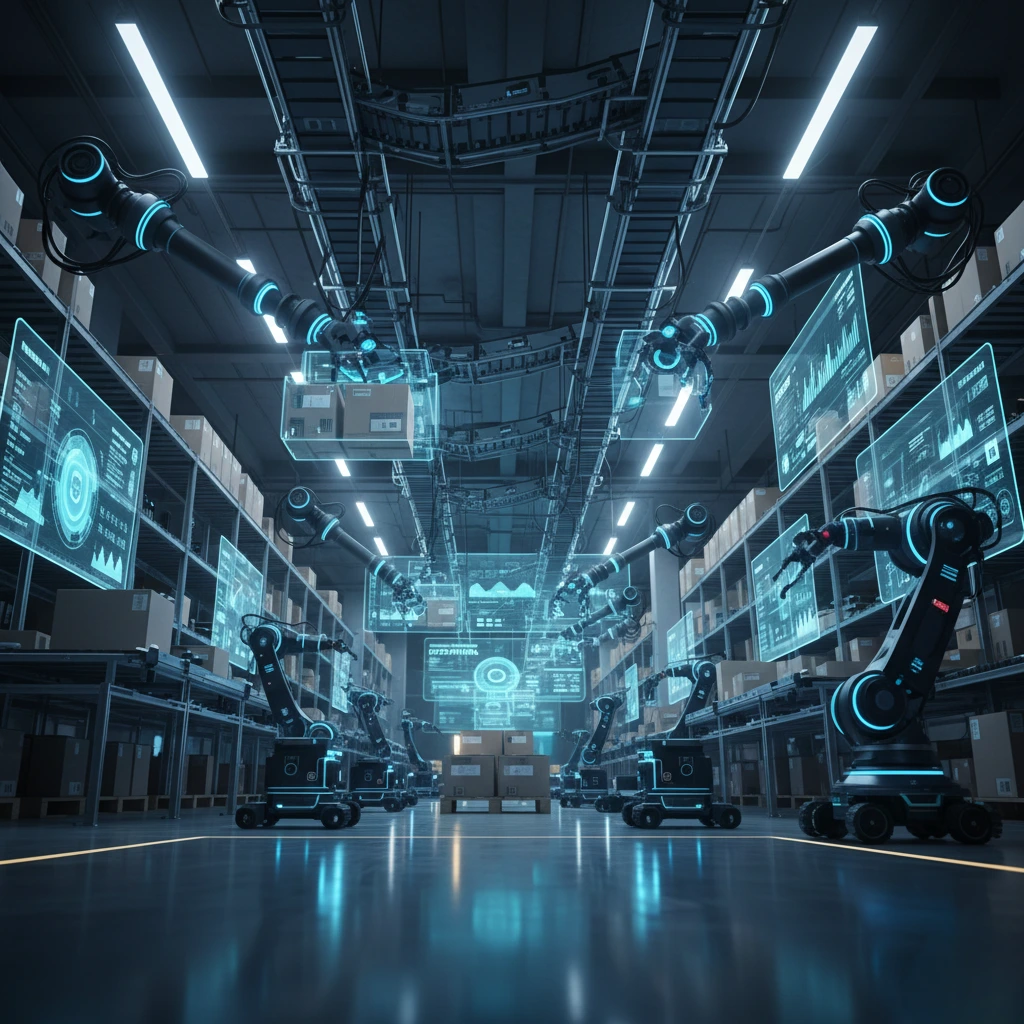
  • How Automated Warehouses Are Changing the Game

    How Automated Warehouses Are Changing the Game

    The logistics industry is undergoing a major transformation. With the rise of e-commerce, faster delivery expectations, and complex inventory demands, businesses are turning to automated warehouses to streamline operations and stay competitive. These high-tech facilities leverage robotics, AI, and intelligent systems to optimize every aspect of storage, picking, and shipping, reshaping the way goods move from suppliers to customers.

    What Are Automated Warehouses?

    Automated warehouses are facilities that use technology to perform traditional manual tasks, such as picking, packing, sorting, and inventory management. By incorporating advanced robotics, conveyor systems, and software solutions, these warehouses minimize human error, improve efficiency, and reduce labor costs. Unlike conventional warehouses, automated systems operate 24/7 with consistent speed and precision.

    The backbone of this revolution is robotics in logistics, which enables machines to handle repetitive tasks such as moving pallets, picking individual items, or stacking products. When paired with warehouse management software, the system can track inventory in real time, optimize storage space, and even predict demand patterns.

    The Role of Robotic Picking

    One of the most impactful technologies in automated warehouses is robotic picking. These systems use robotic arms or mobile robots equipped with sensors and AI algorithms to locate, select, and transport items. Robotic picking reduces errors, increases speed, and allows warehouses to handle a larger variety of products, from small electronics to bulky household items.

    For example, in e-commerce fulfillment, robots can pick multiple SKUs simultaneously, reducing the time it takes to prepare orders. This capability is especially crucial for automated fulfillment centers, where speed and accuracy directly affect customer satisfaction.

    Benefits of Automated Warehouses

    1. Increased Efficiency: Automated systems process orders faster than humans, reducing order cycle times and boosting throughput.
    2. Accuracy and Reliability: Robotics in logistics drastically reduces picking and packing errors, ensuring customers receive the right products.
    3. Cost Savings: While initial investments are high, businesses save on labor costs, reduce waste, and improve inventory management.
    4. Scalability: Automated warehouses can easily adapt to seasonal spikes or rapid growth without significant operational changes.
    5. Data-Driven Insights: Integrated systems provide real-time analytics, helping managers make smarter decisions about inventory, layout, and workflow.

    Real-World Applications

    Many leading companies have already embraced automated warehouses to gain a competitive edge. Amazon, for instance, uses a combination of robotic picking, conveyor belts, and automated guided vehicles to handle millions of orders daily. Similarly, companies in the food, electronics, and retail sectors use automated fulfillment centers to reduce turnaround times and improve accuracy.

    Robotics in logistics is not limited to picking. Robots can transport pallets, handle heavy loads, and even perform quality checks. This multi-functional approach ensures every step of the supply chain is optimized, reducing delays and increasing overall productivity.

    Future of Automated Warehouses

    The future of automated warehouses looks promising. As AI, machine learning, and robotics continue to advance, these facilities will become even smarter and more efficient. We can expect fully autonomous warehouses where human intervention is minimal, except for supervision and maintenance. Integration with drones, autonomous vehicles, and IoT devices will further enhance inventory visibility and order fulfillment capabilities.

    Moreover, automated fulfillment centers will expand beyond traditional retail and e-commerce into industries such as healthcare, pharmaceuticals, and manufacturing. Robotics in logistics will enable these sectors to handle sensitive or high-value items safely and efficiently, setting new standards for speed and accuracy.

    Conclusion

    Automated warehouses are more than just a trend—they are the future of supply chain management. By leveraging robotics, AI, and intelligent software, these facilities optimize efficiency, accuracy, and scalability while reducing operational costs. With robotics in logistics transforming how products are stored, picked, and shipped, businesses adopting automated systems are positioning themselves for long-term success.

    Investing in automated fulfillment centers is no longer optional; it’s essential for companies aiming to meet modern customer expectations and thrive in a competitive market. As technology continues to evolve, the line between traditional warehouses and fully autonomous operations will blur, creating a smarter, faster, and more resilient supply chain.