Day: February 25, 2026

  • Reverse Logistics and Returns Management Guide

    Reverse Logistics and Returns Management Guide

    In today’s competitive online marketplace, managing product returns efficiently is just as important as delivering orders quickly. Reverse Logistics plays a critical role in helping businesses recover value, reduce waste, and maintain customer satisfaction. A well-structured approach ensures that returned products are handled smoothly without disrupting overall operations.

    What Is Reverse Logistics?

    Reverse Logistics refers to the process of moving goods from customers back to the seller or manufacturer for return, repair, refurbishment, recycling, or disposal. Unlike traditional supply chains that focus on delivering products outward, this system manages the backward flow of goods.

    With online shopping continuing to grow through platforms like Shopify and Amazon, returns have become a standard part of doing business. Companies must create structured workflows to manage increasing return volumes without affecting profitability.

    Why Reverse Logistics Matters

    An optimized Reverse Logistics strategy reduces financial losses and enhances brand reputation. Poorly managed returns can increase operational costs, tie up inventory, and frustrate customers. On the other hand, an efficient system improves trust and encourages repeat purchases.

    Customers today expect easy returns. A complicated or unclear ecommerce returns policy can discourage future sales. Businesses that prioritize convenience build long-term loyalty and stand out in crowded markets.

    Building an Effective Returns Processing System

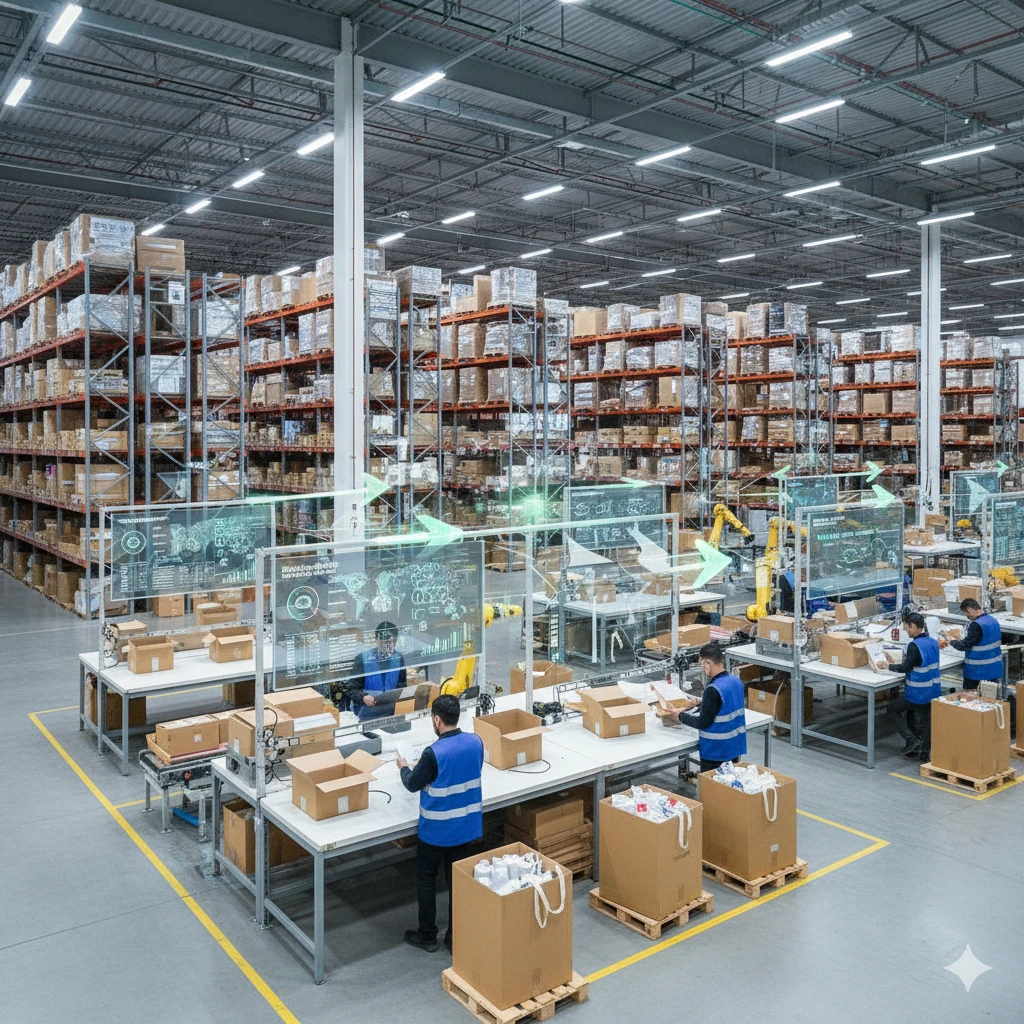
    A strong returns processing system is the backbone of efficient returns management. It ensures products are tracked, inspected, categorized, and either restocked or disposed of appropriately.

    Step 1: Return Authorization

    The process begins when a customer initiates a return request. Automated approval workflows simplify this step. A digital returns portal reduces manual work and speeds up communication.

    Step 2: Inspection and Sorting

    Once items arrive at the warehouse, they must be inspected carefully. Products are typically categorized into resellable, repairable, or non-resellable groups. Clear inspection guidelines reduce delays and errors.

    Step 3: Restocking or Disposal

    Resellable items should be returned to inventory quickly. Efficient Reverse Logistics ensures that valuable stock is not left idle. Damaged goods may be refurbished, recycled, or responsibly discarded.

    Creating a Customer-Friendly Ecommerce Returns Policy

    An ecommerce returns policy defines the rules and expectations for returns. Transparency is essential. Customers want clear instructions on timelines, refund methods, and product conditions.

    Keep It Simple and Clear

    Use straightforward language to explain eligibility, time limits, and refund procedures. Avoid hidden conditions that create confusion.

    Offer Flexible Options

    Providing store credit, exchanges, or refunds increases customer satisfaction. Flexibility strengthens brand trust and reduces friction.

    Highlight the Policy Before Purchase

    Display your ecommerce returns policy prominently on product pages and during checkout. Customers are more likely to buy when they feel protected.

    Technology’s Role in Reverse Logistics

    Modern software solutions make Reverse Logistics more efficient and data-driven. Automation tools track return reasons, identify recurring issues, and provide valuable insights into product quality.

    Integrated inventory systems update stock levels in real time. This prevents overselling and improves operational accuracy. Analytics also help identify patterns, such as frequent size-related returns, allowing businesses to improve product descriptions and reduce future returns.

    Warehouse automation further accelerates inspection and restocking. Barcode scanning and digital tracking systems minimize manual errors and speed up processing times.

    Cost Control in Reverse Logistics

    Managing costs is a major challenge in Reverse Logistics. Shipping fees, labor, inspection, and repackaging expenses can quickly add up.

    To reduce costs:

    Optimize packaging to prevent damage during initial delivery.
    Use prepaid return labels with negotiated carrier rates.
    Analyze return data to identify preventable issues.
    Encourage exchanges instead of refunds when possible.

    By continuously evaluating return data, businesses can refine product descriptions, sizing charts, and quality control measures to lower return rates.

    Sustainability and Environmental Impact

    Reverse Logistics also supports sustainability goals. Returned products can be refurbished or recycled instead of sent to landfills. Eco-friendly practices not only reduce waste but also appeal to environmentally conscious customers.

    Brands that implement green return initiatives often strengthen their public image. Sustainable packaging and responsible disposal methods demonstrate corporate responsibility.

    Measuring Success in Returns Management

    Tracking key performance indicators is essential for improving Reverse Logistics performance. Important metrics include return rate percentage, processing time, recovery value, and customer satisfaction scores.

    A fast returns processing system reduces turnaround time and improves resale opportunities. Monitoring these metrics allows businesses to identify bottlenecks and optimize workflows.

    Final Thoughts

    Returns are an inevitable part of ecommerce, but they do not have to be a burden. With a structured Reverse Logistics strategy, businesses can transform returns into an opportunity for operational improvement and customer loyalty.

    By investing in a reliable returns processing system, creating a transparent ecommerce returns policy, and leveraging technology for efficiency, companies can reduce losses while enhancing the customer experience. When managed strategically, Reverse Logistics becomes a competitive advantage that supports long-term growth and sustainability in the evolving digital marketplace.
  • Ecommerce Fulfillment Strategies for Fast Delivery

    Ecommerce Fulfillment Strategies for Fast Delivery

    Fast delivery is no longer a luxury in online retail. It is an expectation. Customers want their orders processed quickly, shipped efficiently, and delivered without errors. That is why Ecommerce Fulfillment plays a critical role in the success of modern online stores. Businesses that optimise their operations can reduce costs, improve customer satisfaction, and gain a competitive edge.

    Why Fast Delivery Matters in Online Retail

    Consumers compare shipping speeds before making purchasing decisions. Major retailers like Amazon have set high standards with same-day and next-day delivery. As a result, smaller businesses must refine their Ecommerce Fulfillment strategies to compete effectively.

    Fast delivery increases repeat purchases, improves brand trust, and reduces cart abandonment rates. A streamlined process ensures that orders move quickly from checkout to the customer’s doorstep.

    Building a Strong Ecommerce Fulfillment Foundation

    A successful Ecommerce Fulfillment system begins with organized operations. From inventory storage to order processing, every step must be carefully managed to avoid delays.

    Inventory accuracy is crucial. When stock levels are not updated in real time, businesses risk overselling or backorders. Implementing automation tools ensures accurate tracking and faster order processing.

    Another important factor is strategic warehouse location. Placing inventory closer to customers reduces shipping times and transportation costs. Many businesses distribute products across multiple fulfillment centers to improve delivery speed nationwide.

    Leveraging Third-Party Logistics (3PL)

    What is Third-Party Logistics (3PL)?

    Third-party logistics, commonly known as 3PL, refers to outsourcing storage, packing, and shipping to specialized providers. Instead of managing warehousing internally, businesses partner with logistics experts who handle daily operations.

    Benefits of Using 3PL Providers

    Using third-party logistics providers allows companies to scale quickly without heavy infrastructure investment. These providers already have warehouse networks, trained staff, and shipping partnerships in place.

    For growing brands, Ecommerce Fulfillment becomes easier with 3PL support. Businesses can focus on marketing, product development, and customer experience while logistics professionals manage distribution.

    Additionally, 3PL companies often negotiate better shipping rates due to high-volume contracts with carriers. This reduces operational costs and improves delivery timelines.

    When to Consider 3PL

    If order volumes increase rapidly or storage space becomes limited, outsourcing may be the right move. Companies expanding internationally also benefit from global 3PL networks that simplify cross-border shipping.

    The Role of a Warehouse Management System

    A warehouse management system is essential for maintaining speed and accuracy. This software controls inventory tracking, order picking, packing workflows, and shipping coordination.

    Real-Time Inventory Tracking

    A warehouse management system provides real-time visibility into stock levels. This reduces human error and prevents delays caused by misplaced items.

    Faster Picking and Packing

    Advanced systems use barcode scanning and automated picking routes to speed up operations. Employees can locate products quickly, reducing processing time and improving Ecommerce Fulfillment efficiency.

    Data-Driven Decision Making

    Analytics from a warehouse management system help businesses identify slow-moving products, peak demand periods, and fulfillment bottlenecks. With these insights, companies can continuously improve operations.

    Multi-Warehouse Distribution Strategy

    Distributing inventory across multiple locations shortens transit times. By storing products in regional hubs, businesses reduce the distance between warehouse and customer.

    This approach strengthens Ecommerce Fulfillment performance by cutting shipping zones and enabling faster ground delivery options. It also minimizes risks associated with supply chain disruptions in a single location.

    However, managing multiple warehouses requires careful coordination. That is where integrated software systems and third-party logistics partners provide strong support.

    Automation and Technology Integration

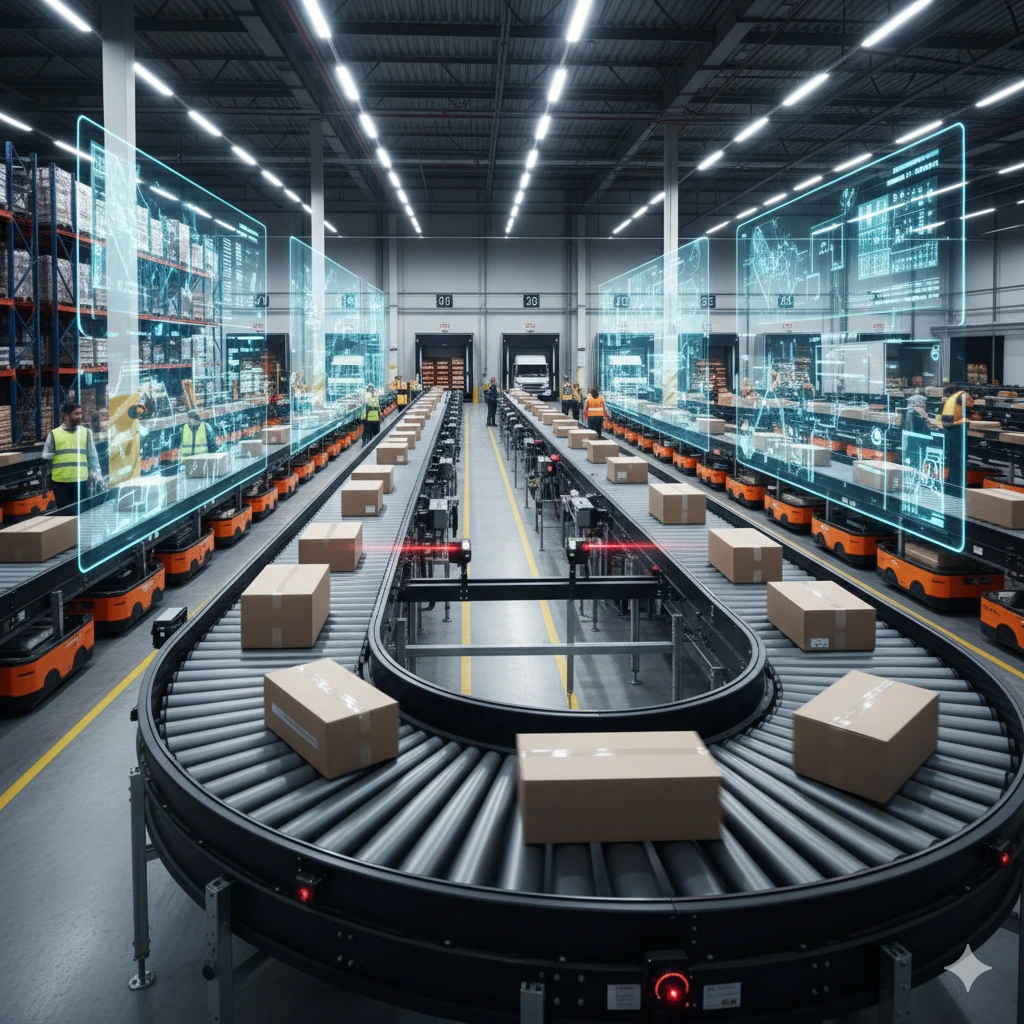
    Automation is transforming Ecommerce Fulfillment. Robotics, AI-powered inventory forecasting, and automated sorting systems reduce labor costs and processing time.

    For example, companies like Shopify integrate fulfillment technology with online storefronts, allowing seamless order synchronization. This ensures faster communication between sales platforms and warehouses.

    Automated shipping label generation and carrier selection tools also accelerate dispatch. The fewer manual steps involved, the faster the order moves through the pipeline.

    Optimizing Last-Mile Delivery

    The last mile is often the most expensive and time-consuming stage of shipping. Partnering with reliable carriers and offering multiple delivery options improves customer satisfaction.

    Businesses should provide tracking updates and estimated delivery times to build trust. Clear communication reduces support inquiries and enhances the overall Ecommerce Fulfillment experience.

    Local courier partnerships can further reduce delivery times in metropolitan areas. Some companies even explore micro-fulfillment centers to serve dense urban regions more efficiently.

    Returns Management and Reverse Logistics

    Fast delivery must be matched with smooth returns. A clear and simple return policy builds buyer confidence. Efficient reverse logistics ensures returned items are processed quickly and restocked when possible.

    An optimized Ecommerce Fulfillment process includes automated return approvals, prepaid labels, and systematic inspection procedures to minimize delays.

    Final Thoughts

    Speed, accuracy, and scalability define successful online retail operations. By combining advanced technology, strategic warehouse placement, and third-party logistics partnerships, businesses can create a powerful fulfillment ecosystem.

    A strong warehouse management system supports inventory accuracy, while distributed storage and automation accelerate delivery times. When implemented effectively, Ecommerce Fulfillment becomes a competitive advantage rather than an operational challenge.

    Businesses that invest in streamlined processes today will not only meet customer expectations but exceed them, building loyalty and long-term growth in the evolving ecommerce landscape.