The e-commerce landscape continues to evolve rapidly, and entrepreneurs launching online stores in 2026 face a critical decision: dropshipping vs traditional inventory. Both models offer unique advantages, but choosing the right one can significantly impact profitability, scalability, and long-term brand value.
In this guide, we’ll break down dropshipping vs traditional inventory to help you determine which approach aligns best with your business goals.
Understanding the Two Models
Before diving into comparisons, let’s define how each system works.
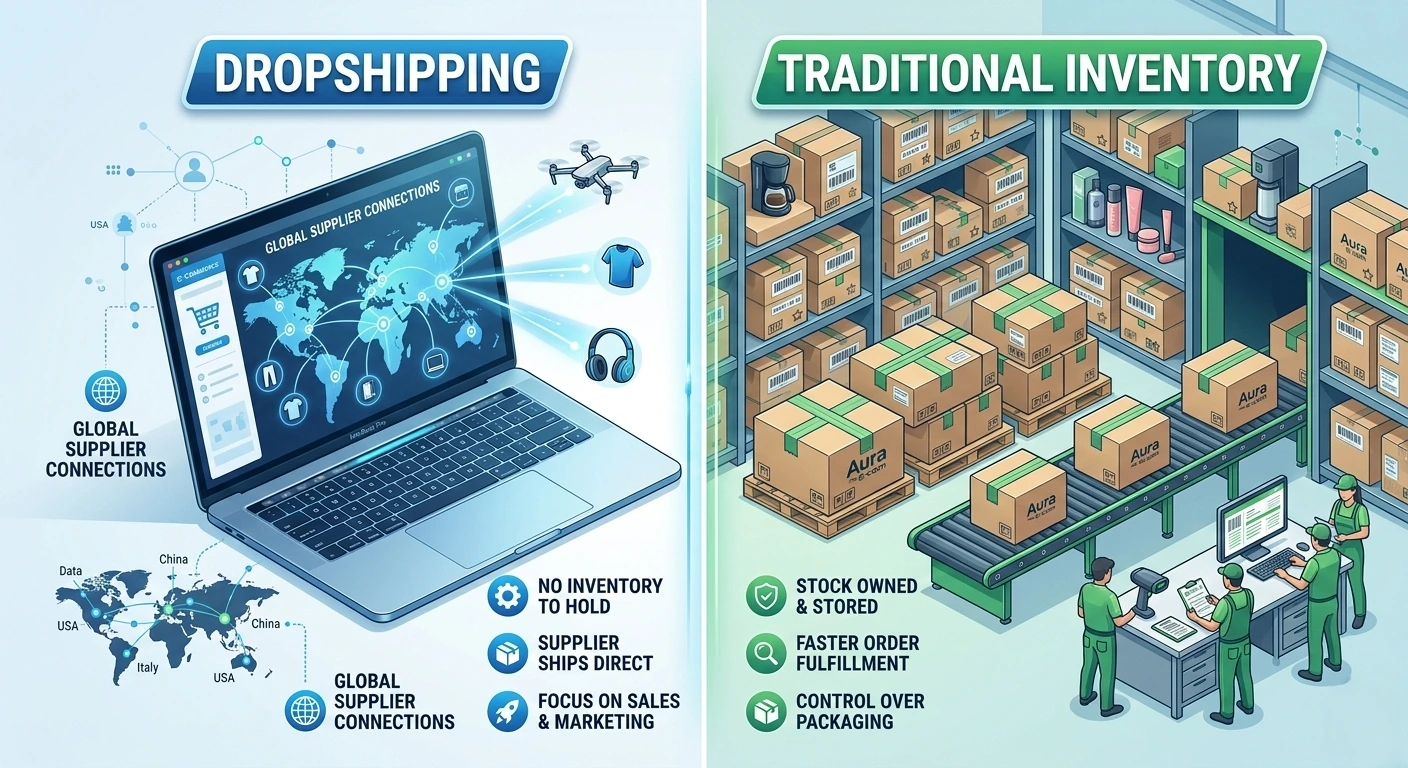
Dropshipping is a fulfillment method where you sell products without holding stock. When a customer places an order, the product is shipped directly from third-party dropshipping suppliers to the buyer. You never physically handle inventory.
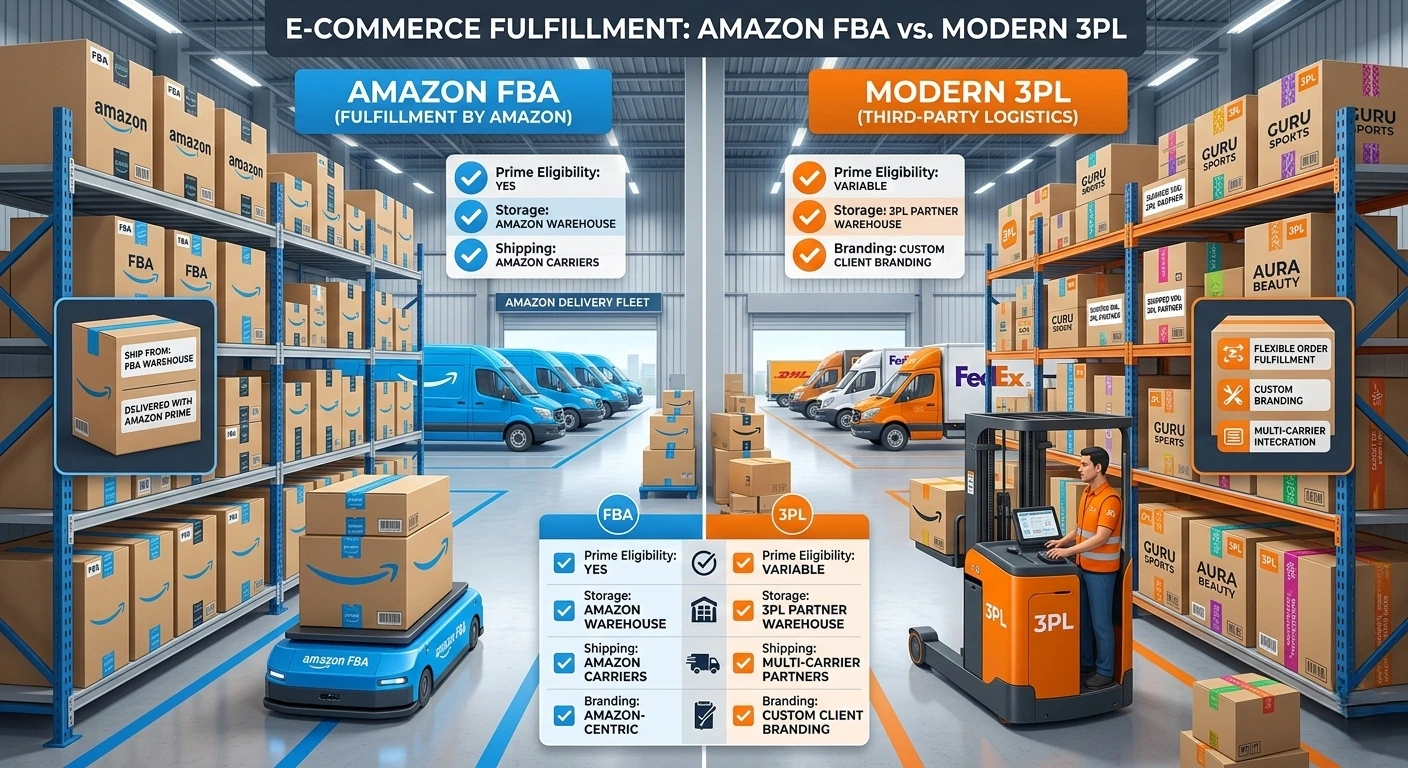
Traditional inventory, on the other hand, requires purchasing stock upfront, storing it (either at home, in a warehouse, or through a 3PL), and shipping it yourself or via a fulfillment partner.
When evaluating dropshipping vs traditional inventory, the main difference lies in who owns and manages the stock.
Startup Costs and Financial Risk
One of the biggest considerations in dropshipping vs traditional inventory is initial investment.
Dropshipping has a very low barrier to entry. You don’t need to buy products in bulk, which reduces upfront costs and financial risk. This makes it attractive for new entrepreneurs testing product ideas.
Traditional inventory requires purchasing products before selling them. While bulk buying often lowers per-unit cost, it increases financial exposure if products don’t sell.
In 2026, as competition intensifies across ecommerce business models, cash flow management is more important than ever. Dropshipping allows you to preserve capital, while traditional inventory demands stronger financial planning.
Profit Margins and Pricing Control
Margins often determine the winner in the dropshipping vs traditional inventory debate.
Dropshipping typically offers lower profit margins because suppliers handle fulfillment and charge wholesale prices that leave limited room for markup. You also compete with many sellers offering the same products.
Traditional inventory usually provides higher margins. Buying in bulk reduces cost per unit, giving you more flexibility in pricing and promotions.
When comparing dropshipping vs traditional inventory, brands focused on long-term profitability often lean toward holding inventory for better cost control.
Branding and Customer Experience
Customer experience is another crucial factor in dropshipping vs traditional inventory.
With dropshipping, packaging and shipping times depend on your suppliers. You have limited control over branding elements like custom inserts or personalized packaging. Shipping delays can also affect customer satisfaction.
Traditional inventory allows full control over packaging, presentation, and delivery speed. This is especially important for brands aiming to build loyalty and repeat purchases.
In the broader conversation about ecommerce business models, brand differentiation is becoming essential in 2026. Traditional inventory supports stronger brand identity compared to dropshipping.
Supply Chain Reliability
Supply chain stability has become increasingly important over the past few years. When analyzing dropshipping vs traditional inventory, reliability can’t be ignored.
Dropshipping depends heavily on external suppliers. If your dropshipping suppliers run out of stock, raise prices, or face shipping disruptions, your business is directly affected.
With traditional inventory, you manage stock levels yourself. While this requires forecasting skills, it reduces dependency on third parties.
In the dropshipping vs traditional inventory comparison, risk tolerance plays a major role. Entrepreneurs who value control may prefer owning their stock.
Scalability and Automation
Automation tools have improved dramatically, making both models more scalable than ever.
Dropshipping is easier to automate. Product imports, order routing, and tracking updates can all be streamlined. This makes scaling fast and efficient, especially for solo founders.
Traditional inventory scaling requires warehouse space, fulfillment processes, and logistics management. However, partnering with a third-party logistics provider can make it nearly as automated as dropshipping.
When discussing dropshipping vs traditional inventory, scalability is no longer about possibility, but about complexity and operational involvement.
Product Testing and Market Validation
Product testing is where dropshipping truly shines.
Because there’s no need for upfront inventory purchases, you can test multiple products quickly and with minimal financial risk. This flexibility gives dropshipping a strong advantage for trend-based or seasonal items.
Traditional inventory makes testing more expensive, since you must commit to minimum order quantities.
In the dropshipping vs traditional inventory debate, entrepreneurs focused on rapid experimentation often choose dropshipping first, then transition to inventory once a product proves successful.
Long-Term Business Value
If your goal is to build a sellable brand or long-term asset, dropshipping vs traditional inventory becomes a strategic decision.
Investors and buyers typically value businesses with controlled supply chains, strong branding, and stable margins. Traditional inventory businesses often appear more defensible and scalable in the long run.
Dropshipping businesses can generate cash flow quickly, but they may face challenges with differentiation and supplier dependency.
Which Model Wins in 2026?
So, who wins in dropshipping vs traditional inventory?
The answer depends on your goals.
Choose dropshipping if:
You want low startup costs
You’re testing product ideas
You prefer minimal operational complexity
You’re comfortable relying on dropshipping suppliers
Choose traditional inventory if:
You want higher profit margins
Branding and customer experience are priorities
You seek stronger supply chain control
You aim to build a long-term, sellable asset
Ultimately, the dropshipping vs traditional inventory decision isn’t about which model is universally better. It’s about aligning your fulfillment strategy with your growth vision, financial capacity, and risk tolerance.
In 2026, the most successful entrepreneurs understand that different ecommerce business models serve different purposes. Some even start with dropshipping and transition to traditional inventory once demand is validated.
The real winner in dropshipping vs traditional inventory is the model that best supports your long-term strategy.