The world of e-commerce is evolving rapidly, and one of the most transformative technologies driving this change is 3D printing in e-commerce. By enabling businesses to create products on-demand, customize items for individual consumers, and streamline production processes, 3D printing is reshaping the way companies approach manufacturing and fulfillment. This shift has profound implications for supply chains, product personalization, and customer experience.
How 3D Printing Is Changing E-Commerce
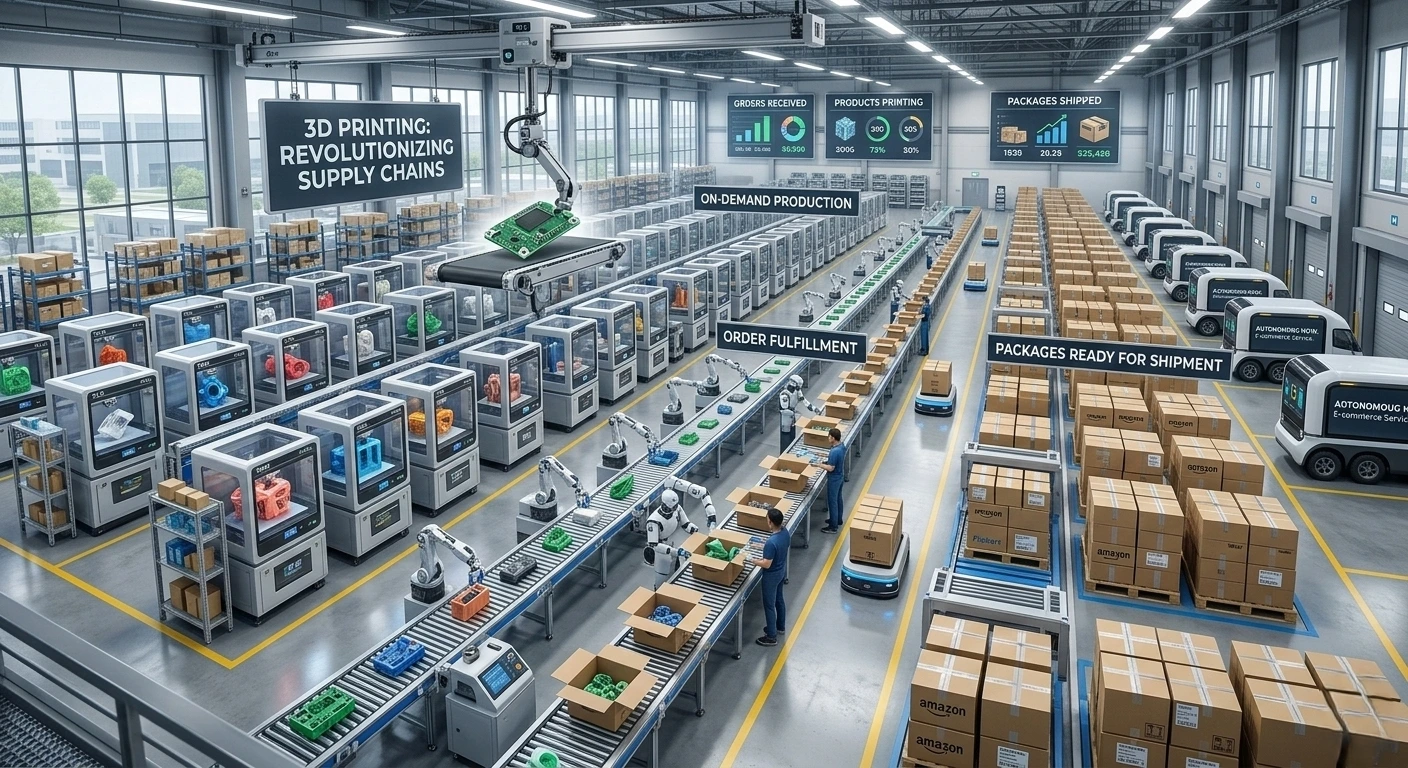
Traditionally, e-commerce relies on mass-produced inventory that is stored in warehouses until purchased. This model can lead to overstock, storage costs, and delays in product availability. With 3D printing in e-commerce, companies can manufacture items only when orders are placed, significantly reducing the need for large inventories. This not only cuts costs but also allows businesses to respond more flexibly to market trends and customer demands.
One major advantage of 3D printing is the ability to offer unique and personalized items. Consumers increasingly expect products tailored to their preferences, whether it’s a custom-designed phone case, jewelry, or home décor. By leveraging 3D printed products, e-commerce businesses can provide this level of customization efficiently, enhancing the overall shopping experience.
Advantages for Supply Chain Innovation
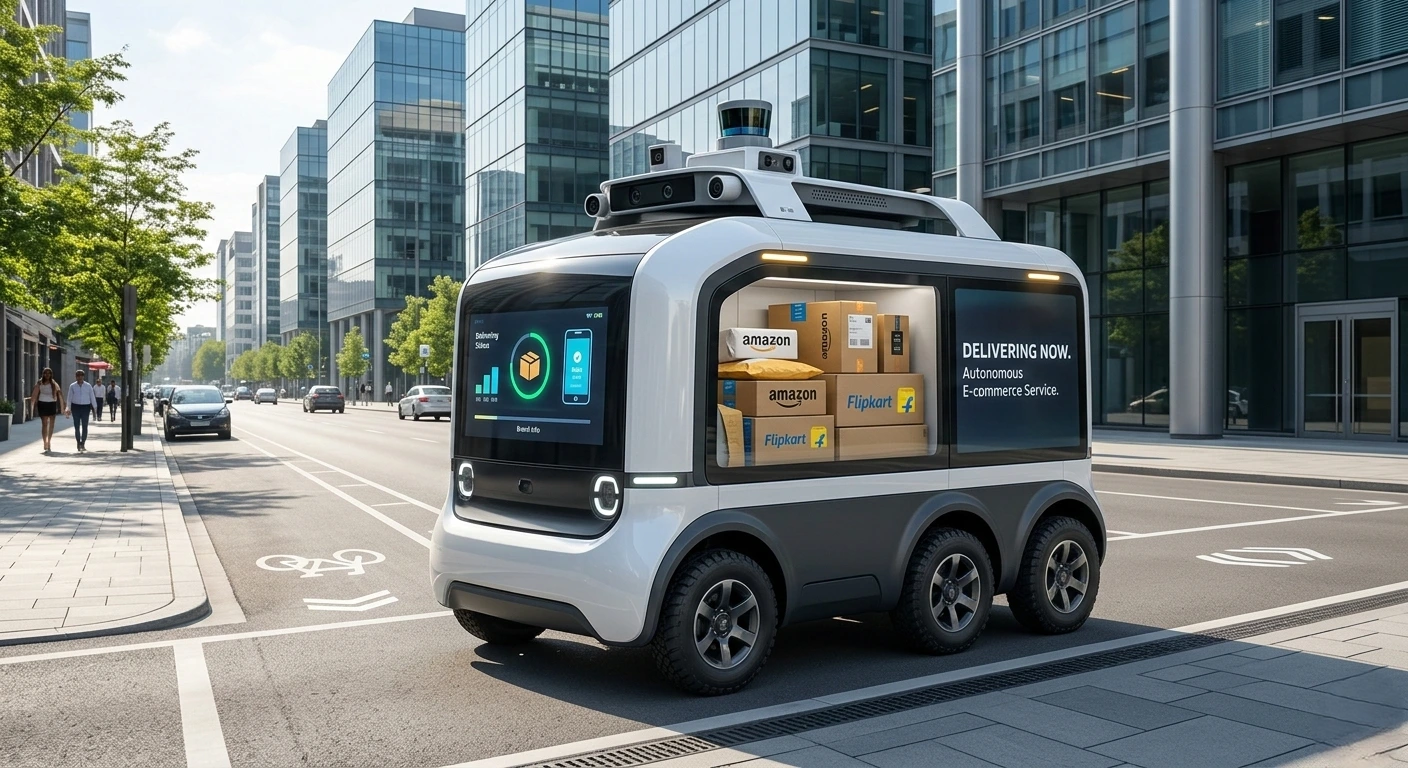
The adoption of 3D printing in e-commerce also drives significant supply chain innovation. By producing goods on-demand and closer to the end customer, companies can reduce transportation costs, minimize shipping times, and lower their carbon footprint. Localized 3D printing hubs or fulfillment centers allow for faster delivery and a more agile response to customer orders, which is a key advantage in today’s competitive e-commerce environment.
Moreover, the digital nature of 3D printing simplifies inventory management. Instead of stocking multiple variations of a product, businesses can maintain digital designs and produce them as needed. This approach reduces warehouse space requirements and eliminates the risks associated with unsold stock. Supply chain innovation driven by 3D printing is helping companies achieve higher efficiency and sustainability.
Expanding Product Offerings
One of the most exciting aspects of 3D printing in e-commerce is the ability to expand product lines without significant investment in traditional manufacturing. Digital designs can be updated or modified easily, allowing companies to test new ideas or offer limited-edition items without committing to large production runs. This flexibility is particularly beneficial for startups and small businesses that want to compete with larger players in the e-commerce market.
3D printed products also open opportunities for niche markets. Items that were previously considered too expensive or complex to mass-produce can now be created affordably and efficiently. From custom footwear to specialized electronic components, 3D printing empowers businesses to explore innovative product categories and meet diverse customer needs.
Enhancing Customer Experience
Personalization is one of the strongest drivers of customer satisfaction in e-commerce, and 3D printing in e-commerce enables a new level of tailored shopping experiences. Shoppers can customize designs, colors, or sizes, resulting in unique products that reflect their individual tastes. This level of engagement can increase customer loyalty and encourage repeat purchases.
Additionally, faster production and localized manufacturing reduce delivery times, making the online shopping experience more satisfying. When combined with interactive design tools and real-time previews of 3D printed products, customers gain a sense of control over their purchases that is difficult to achieve with conventional manufacturing methods.
Challenges and Considerations
While the benefits of 3D printing in e-commerce are substantial, there are challenges to consider. The cost of high-quality 3D printers and materials can be significant, and not all products are suitable for 3D printing. Intellectual property protection and quality assurance are also important concerns, as digital designs can be copied or modified without authorization.
Despite these challenges, ongoing advancements in 3D printing technology are steadily reducing costs and expanding capabilities. As printers become faster, more precise, and capable of working with a wider range of materials, the adoption of 3D printing in e-commerce is expected to grow exponentially.
The Future of E-Commerce with 3D Printing
The integration of 3D printing in e-commerce represents a paradigm shift in how products are designed, manufactured, and delivered. By enabling on-demand production, personalization, and supply chain innovation, it allows businesses to meet consumer expectations more effectively while reducing operational costs.
As digital designs and printing technologies continue to evolve, the range of 3D printed products will expand, offering limitless possibilities for creativity and market differentiation. E-commerce businesses that embrace this technology early will likely gain a competitive edge, delivering faster, more personalized, and more sustainable experiences to their customers.
In conclusion, 3D printing in e-commerce is not just a trend but a transformative force shaping the future of online retail. With its ability to drive efficiency, customization, and innovation, it promises to redefine how products reach consumers in the digital age.