Day: March 10, 2026

  • How to Reduce Shipping Costs in Ecommerce

    How to Reduce Shipping Costs in Ecommerce

    Shipping costs are one of the most significant expenses for online businesses. For small and medium-sized ecommerce stores, high shipping fees can reduce profit margins and impact customer satisfaction. Learning how to reduce shipping costs is crucial for any entrepreneur looking to maximise revenue while keeping customers happy. By implementing effective strategies, businesses can maintain competitive pricing, improve delivery times, and create a more efficient shipping process.

    This guide covers practical methods and insights to help you manage shipping expenses without compromising service quality.

    Understand Your Current Shipping Expenses

    The first step to reduce shipping costs is to analyze your current shipping processes and expenses. Break down costs by carriers, package sizes, weights, and destinations. Identify areas where expenses are unnecessarily high.

    For many ecommerce businesses, overpaying occurs due to inefficient packaging, inconsistent shipping methods, or failure to leverage discounts offered by carriers. Understanding your baseline costs allows you to implement more targeted solutions and optimize shipping workflows.

    Negotiate with Shipping Carriers

    One of the most effective ways to reduce shipping costs is to negotiate directly with carriers. Major shipping companies often offer discounted rates for businesses that ship in higher volumes.

    Even small businesses can access better rates by consolidating shipments or partnering with regional carriers. Many ecommerce platforms integrate with multiple carriers, allowing merchants to compare costs and select the most affordable shipping solution for each order.

    Optimize Packaging to Save Costs

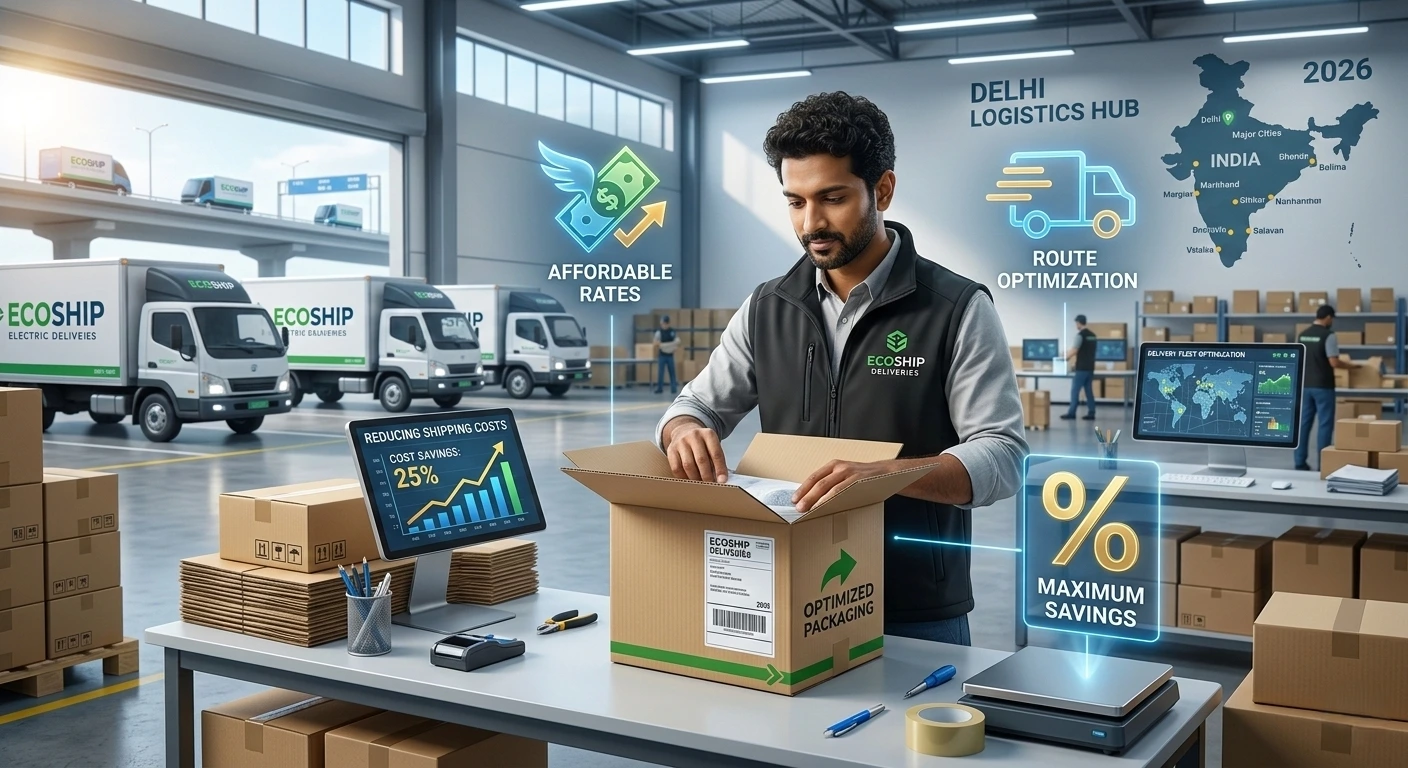
    Packaging plays a critical role in shipping expenses. Oversized boxes or excessive materials can increase both weight and dimensional weight charges. Optimizing your packaging is a practical way to reduce shipping costs.

    Using the right-sized boxes, lightweight protective materials, and standardized packaging can significantly cut costs. In addition, branded packaging should balance marketing appeal with efficiency to avoid unnecessary spending.

    Implement Ecommerce Shipping Strategies

    Adopting smart ecommerce shipping strategies can have a direct impact on profitability. For example, offering flat-rate shipping, free shipping thresholds, or regional shipping options can streamline operations and improve customer experience.

    Many online businesses use fulfillment centers strategically located near major customer bases to minimize distance and transit costs. Multi-location warehousing reduces shipping times and allows for lower rates when orders don’t need to travel across the country.

    Leverage Technology and Automation

    Technology can help ecommerce businesses reduce shipping costs by improving efficiency and reducing errors. Shipping software can automatically select the most cost-effective carrier, print labels, and calculate accurate shipping fees.

    Automated systems also allow merchants to track packages, consolidate shipments, and avoid overpaying for services they don’t need. Leveraging technology simplifies operations while keeping shipping expenses under control.

    Consider Bulk Shipping and Subscription Services

    Another practical way to reduce shipping costs is to use bulk shipping or subscription services. Purchasing shipping labels in bulk often provides substantial discounts compared to paying per shipment.

    Subscription-based solutions offered by carriers can also reduce per-package costs and include added perks like free pickups or priority processing. These affordable shipping solutions help ecommerce businesses maintain consistent shipping performance without overspending.

    Monitor and Adjust Regularly

    Shipping costs are not static, and strategies that work today may need adjustment tomorrow. Regularly monitor your shipping expenses, carrier performance, and customer satisfaction. Track which ecommerce shipping strategies yield the best results and continue refining your approach.

    By staying proactive, you can continuously find new ways to reduce shipping costs, improve delivery efficiency, and maintain a competitive edge in the online marketplace.

    Conclusion

    Reducing shipping costs is essential for sustaining profitability in ecommerce. By analyzing current expenses, negotiating with carriers, optimizing packaging, leveraging technology, and implementing smart ecommerce shipping strategies, online businesses can save money while providing excellent customer service.

    Focusing on efficiency and adopting affordable shipping solutions ensures that your ecommerce business remains competitive and profitable in a highly competitive market. Small changes can lead to significant savings over time, benefiting both your business and your customers.

    FAQs

    How can small businesses reduce shipping costs?

    Small businesses can reduce shipping costs by negotiating rates with carriers, optimizing packaging, using regional fulfillment centers, and leveraging shipping software.

    What is the most affordable shipping solution for ecommerce?

    Affordable shipping solutions include using bulk shipping discounts, regional carriers, subscription-based shipping services, and automated shipping platforms to find the lowest rates.

    Does packaging impact shipping costs?

    Yes, using oversized or heavy packaging can increase shipping fees. Optimizing packaging size and weight is an effective way to reduce shipping costs.

  • How to Start an Ecommerce Business in 2026

    How to Start an Ecommerce Business in 2026

    Starting an online store has become one of the most popular ways to build a profitable venture in today’s digital economy. With global online shopping continuing to grow, many entrepreneurs are exploring how to launch a successful ecommerce business. In 2026, modern technology, automation tools, and digital marketing strategies have made it easier than ever to enter the online marketplace. However, success still requires careful planning, the right platform, and a strong understanding of your target audience.

    This ecommerce business guide will help you understand the key steps needed to launch and grow a successful online store.

    Choose a Profitable Niche

    The first step in building a successful ecommerce business is selecting the right niche. A niche defines the type of products you sell and the audience you serve. Instead of selling a wide range of unrelated products, it is often better to focus on a specific category.

    For example, you might sell eco-friendly home products, pet supplies, or fitness equipment. Choosing a niche with consistent demand and limited competition can make it easier to stand out in the market. Researching customer needs, trending products, and market gaps is an important part of this process.

    Following proven ecommerce startup tips, entrepreneurs should focus on niches where they have interest or knowledge, as this helps create better marketing and branding strategies.

    Select the Right Ecommerce Platform

    The next important step is choosing the platform where your online store will operate. Many platforms allow beginners to launch an online store without advanced technical skills.

    Popular options include hosted solutions that provide templates, payment integrations, and inventory management tools. These platforms simplify the process of launching an ecommerce business, allowing entrepreneurs to focus more on product sourcing and marketing.

    When choosing a platform, consider factors such as customization options, payment gateways, mobile optimization, and scalability. A flexible platform ensures your store can grow as your business expands.

    Source High-Quality Products

    Product quality plays a crucial role in customer satisfaction and long-term growth. Whether you manufacture your own products, purchase from wholesalers, or use dropshipping, reliable suppliers are essential.

    Many successful entrepreneurs build their ecommerce business by partnering with suppliers who provide consistent product quality and timely delivery. Research supplier reviews, request samples, and test products before selling them.

    Another strategy mentioned in many ecommerce startup tips is private labeling, where businesses sell products under their own brand name. This approach helps create a unique brand identity and improves customer loyalty.

    Build a Professional Online Store

    Your website is the digital storefront of your brand. A well-designed site builds trust and encourages visitors to make purchases. Important elements include clear product descriptions, high-quality images, secure payment options, and easy navigation.

    A strong ecommerce business guide always emphasizes the importance of user experience. If customers find it difficult to browse products or complete purchases, they may leave your store and shop elsewhere.

    Mobile optimization is also essential. A large percentage of online shoppers now use smartphones, so ensuring that your store functions smoothly on mobile devices can significantly improve conversions.

    Develop a Marketing Strategy

    Marketing is the driving force behind every successful ecommerce business. Without effective promotion, even great products may go unnoticed.

    Digital marketing channels such as search engine optimization (SEO), social media marketing, email campaigns, and paid advertisements can help attract potential customers. Creating valuable content and engaging with audiences on social platforms also increases brand visibility.

    One of the most effective ecommerce startup tips is building an email list. Email marketing allows businesses to promote new products, offer discounts, and maintain long-term relationships with customers.

    Focus on Customer Experience

    Customer satisfaction plays a major role in the growth of any online store. Fast shipping, responsive customer support, and clear return policies help build trust and encourage repeat purchases.

    A successful ecommerce business also pays attention to customer feedback. Reviews and ratings provide valuable insights that help improve products and services.

    Providing personalized shopping experiences, such as product recommendations and loyalty rewards, can further enhance customer relationships and increase long-term sales.

    Scale Your Ecommerce Business

    Once your store begins generating consistent sales, the next step is scaling. Expansion strategies may include introducing new products, entering international markets, or investing in advanced marketing campaigns.

    Automation tools can help manage tasks such as inventory tracking, customer service, and order fulfillment. These tools allow entrepreneurs to focus on growth strategies rather than daily operational challenges.

    Scaling an ecommerce business requires careful planning and continuous monitoring of performance metrics such as traffic, conversion rates, and customer retention.

    Conclusion

    Starting an online store in 2026 presents exciting opportunities for aspiring entrepreneurs. With the right niche, reliable suppliers, effective marketing strategies, and a customer-focused approach, anyone can build a successful ecommerce business.

    By following a structured ecommerce business guide and applying proven ecommerce startup tips, beginners can avoid common mistakes and build a strong foundation for long-term success in the digital marketplace.

    FAQs

    How much money is needed to start an ecommerce business?

    The startup cost can vary widely depending on the platform, product sourcing method, and marketing budget. Some online stores can start with a few hundred dollars, while others require larger investments.

    What is the best platform for beginners?

    Many beginners prefer user-friendly platforms that offer ready-made templates, payment integrations, and simple store management tools.

    How long does it take to make profit from an ecommerce store?

    Profit timelines vary depending on marketing strategy, product demand, and competition. Some stores see results within a few months, while others take longer to grow.