Month: March 2026

  • Product Photography Tips for E-Commerce That Actually Convert

    Product Photography Tips for E-Commerce That Actually Convert

    In e-commerce, your product images are your silent sales team. Shoppers can’t touch or feel products online, so visuals must communicate quality, detail, and trust instantly. This is where Product Photography Tips become essential. Done right, your images can increase conversions, reduce returns, and build brand credibility.

    Why Product Photography Matters

    High-quality product photos influence purchasing decisions more than descriptions or reviews in many cases. Customers judge professionalism, reliability, and value based on what they see. If your images are blurry, inconsistent, or poorly lit, shoppers hesitate. Conversely, well-crafted visuals make products irresistible.

    For e-commerce beginners or seasoned marketers alike, mastering Product Photography Tips is an investment that pays for itself in higher sales.

    1. Invest in Proper Lighting

    Lighting makes or breaks product photos. Natural light works well for small items, but softbox or LED lighting provides control and consistency. Avoid harsh shadows or uneven highlights that distort the product’s appearance.

    Pro Tip: Diffused lighting creates soft, appealing visuals that highlight texture and color without distractions.

    2. Use a Clean Background

    Minimalism works best. White or neutral backgrounds keep the focus on your product and prevent visual clutter. Many marketplaces, like Amazon and Shopify, require white backgrounds for main images.

    Secondary shots can include lifestyle or context images, but the main product photo should be crisp, clean, and clear.

    3. Shoot From Multiple Angles

    Showcase every important feature. Front, side, back, top-down, and close-up shots give customers confidence in what they’re buying. For products with intricate details or textures, macro shots are invaluable.

    When applying Product Photography Tips, think like a shopper: what would you want to see before clicking “Add to Cart”?

    4. Focus on Consistency

    Consistency across your product catalog builds a professional look. Use the same lighting, background, and angle style. Shoppers can compare products easily, and your store feels organized.

    For larger stores, creating a photography template saves time and ensures a cohesive aesthetic across all product images.

    5. Highlight Features and Benefits

    Product images aren’t just about showing the item—they tell a story. Include images that show size, scale, or usability. Lifestyle shots—people using your product—help shoppers imagine it in their own lives.

    These product image tips not only enhance visual appeal but also communicate value clearly.

    6. Optimize for E-Commerce

    High-resolution images are essential, but they must also load quickly. Compress files without losing quality, and use the correct dimensions for desktop and mobile. Google and marketplaces favor fast-loading images for better user experience.

    Also, name your files descriptively and use alt text. This improves SEO and helps shoppers who rely on screen readers.

    7. Test and Iterate

    Even with expert photos, performance can vary. Track which images convert better using A/B testing. Small changes in angle, background, or lighting can impact click-through and conversion rates significantly.

    Remember, Product Photography Tips aren’t one-size-fits-all. Continuous testing ensures your visuals resonate with your audience.

    Final Thoughts

    High-quality product photography is more than a visual necessity—it’s a conversion tool. By following these Product Photography Tips, creating consistent, appealing, and informative images, e-commerce brands can boost sales and strengthen customer trust. Prioritizing lighting, angles, context, and optimization ensures your products not only look good but actually sell.

    Implementing these strategies transforms standard product images into product images that sell, turning casual browsers into loyal customers.


    FAQs

    1. How many product images should I use for each item?

    Use at least 5–7 images showing multiple angles, close-ups, and lifestyle shots. This gives customers confidence and reduces hesitation to buy.

    2. Can I take product photos with a smartphone?

    Yes. Modern smartphones with good cameras can produce high-quality images if you control lighting, background, and stability. A tripod and natural or soft lighting make a huge difference.

    3. Should I edit product photos professionally?

    Editing is recommended to correct colors, remove distractions, and maintain consistency. Avoid over-editing, which can misrepresent the product and lead to returns.

  • Top Startup E-commerce Platforms for Beginners in 2026

    Top Startup E-commerce Platforms for Beginners in 2026

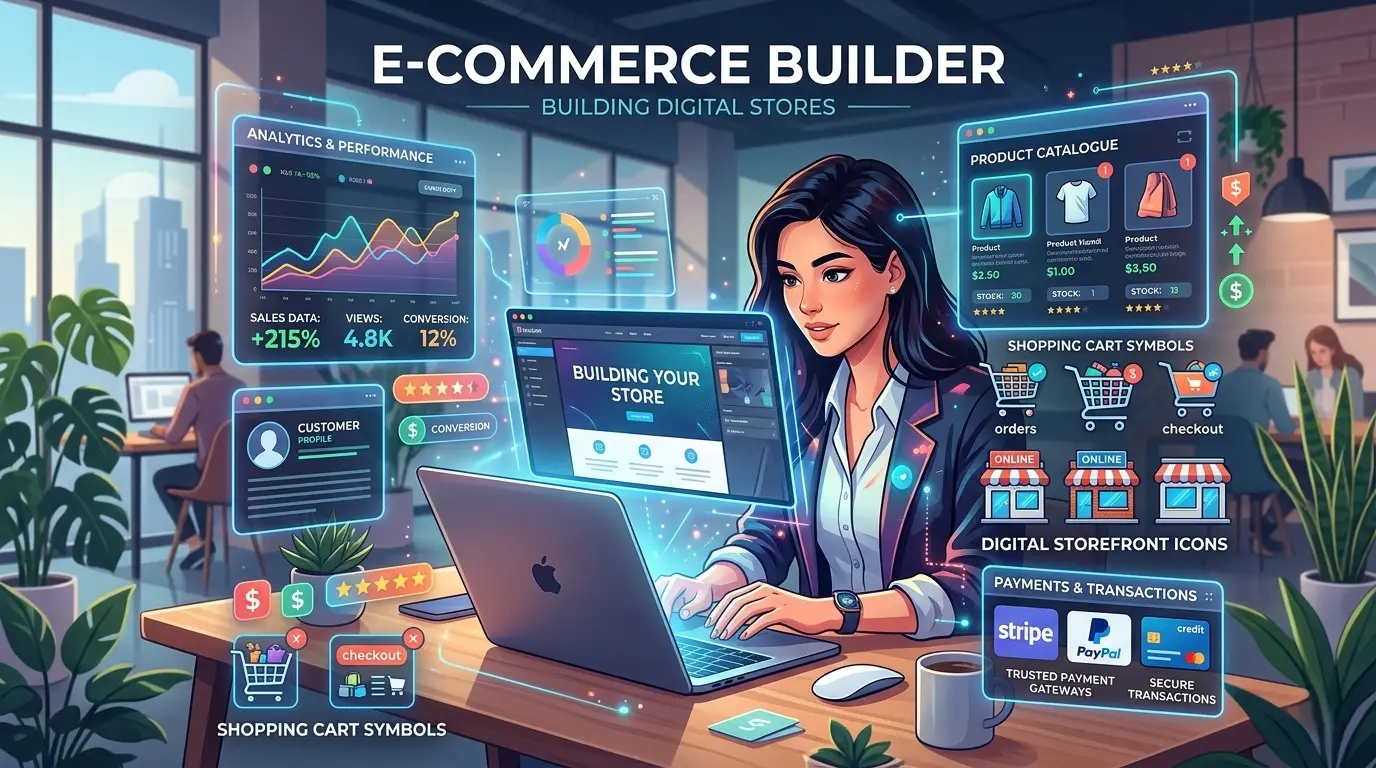
    Starting an online store is easier than ever, but choosing the right platform can make or break your launch. The right solution helps you build a professional storefront, manage products, process payments, and scale as your business grows. For entrepreneurs entering the digital marketplace in 2026, selecting the right Startup E-commerce Platforms is one of the most important early decisions.

    New founders often look for platforms that balance affordability, flexibility, and strong built-in tools. Beyond basic functionality, modern platforms now include automation, analytics, and advanced integrations that simplify store management. Understanding what makes a platform beginner-friendly will help you choose a solution that supports long-term growth.

    What Beginners Should Look for in Startup E-commerce Platforms

    Before choosing among the many Startup E-commerce Platforms available today, beginners should focus on features that reduce technical complexity. A platform should allow you to launch quickly without requiring advanced coding knowledge.

    Ease of use is the first factor. A simple dashboard, drag-and-drop design tools, and clear product management features make it easier for beginners to build and maintain a store.

    Scalability also matters. Many businesses start small but grow rapidly, so the platform should support expanding product catalogs, marketing integrations, and increased traffic without forcing a complete migration later.

    Cost transparency is another important consideration. Beginners should evaluate monthly pricing, transaction fees, and app costs to avoid unexpected expenses.

    Finally, strong SEO features for e-commerce websites help new stores gain visibility on search engines, making it easier for customers to discover products organically.

    Best Startup E-commerce Platforms for Beginners in 2026

    Many founders compare several Startup E-commerce Platforms before making a decision. Each platform offers different strengths depending on business goals, technical experience, and budget.

    Shopify

    Shopify remains one of the most popular Startup E-commerce Platforms for beginners because it provides a fully hosted solution with minimal setup. Entrepreneurs can create a store, upload products, and start selling in a matter of hours.

    Shopify also includes built-in payment processing, marketing integrations, and strong SEO features for e-commerce websites, making it easier for new brands to build search visibility.

    WooCommerce

    For entrepreneurs who prefer flexibility, WooCommerce is another powerful option. Built on the popular WordPress ecosystem, WooCommerce offers extensive customization and access to thousands of plugins.

    Many startups choose WooCommerce because it integrates easily with various small business e-commerce tools, including marketing automation, inventory management, and analytics platforms.

    Wix eCommerce

    Wix eCommerce has evolved significantly and now competes strongly among beginner-focused Startup E-commerce Platforms. Its drag-and-drop website builder makes store design simple, even for users with no technical background.

    The platform also includes built-in marketing tools, product galleries, and mobile optimization features that help startups create visually appealing online stores.

    BigCommerce

    Another platform gaining traction among growing brands is BigCommerce. It offers robust built-in features without relying heavily on third-party apps.

    Many entrepreneurs consider BigCommerce one of the most scalable Startup E-commerce Platforms because it supports large product catalogs, multi-channel selling, and advanced analytics. Businesses that expect rapid growth often find it a strong long-term solution.

    Squarespace

    Squarespace is especially popular with entrepreneurs who prioritize design and brand presentation. Its templates allow startups to create visually compelling storefronts quickly.

    For small product catalogs or niche brands, Squarespace provides a streamlined way to launch an online store while integrating essential small business e-commerce tools such as email marketing and product analytics.

    Why the Right Platform Matters for Startup Success

    Choosing the right platform isn’t just a technical decision—it shapes how efficiently your business operates. The best Startup E-commerce Platforms simplify daily operations while giving entrepreneurs access to automation, marketing insights, and customer data.

    Platforms that integrate well with small business e-commerce tools allow startups to automate inventory tracking, manage orders, and analyze sales performance without complex systems. This efficiency allows founders to focus more on product development, branding, and customer relationships.

    Search visibility is equally important. Platforms that offer strong SEO features for e-commerce websites help businesses optimize product pages, improve site speed, and structure metadata properly. These factors contribute to higher rankings and increased organic traffic.

    For beginners entering the digital marketplace, the ideal platform balances simplicity with scalability. Starting with a reliable solution ensures your store can grow without unnecessary technical challenges.

    FAQs

    What are the best startup e-commerce platforms for beginners?

    Popular options include Shopify, WooCommerce, Wix eCommerce, BigCommerce, and Squarespace. Each platform offers different strengths depending on your budget, customization needs, and technical experience.

    How do I choose the right e-commerce platform for a startup?

    Start by evaluating ease of use, pricing structure, scalability, integrations, and built-in marketing capabilities. Platforms with strong SEO and automation features can help new businesses grow faster.

    Do startup e-commerce platforms support SEO?

    Yes. Most modern platforms include essential SEO tools such as customizable URLs, metadata editing, mobile optimization, and fast page loading. These SEO features help online stores rank higher in search results and attract organic traffic.

  • The Future of Direct-to-Consumer Brands

    The Future of Direct-to-Consumer Brands

    The last decade reshaped how products reach customers. Traditional retail once controlled discovery, pricing, and distribution, but digital platforms shifted power toward brands that speak directly to buyers. At the center of this shift are Direct-to-Consumer brands, companies that sell through their own digital channels rather than relying entirely on wholesalers or marketplaces. From niche startups to global disruptors, these brands have proven that strong storytelling, customer data, and agile product development can outperform slower legacy systems.

    The Evolution of the Model

    What began as a way to bypass retail markups has matured into a sophisticated business model. Early DTC brands focused on price transparency and online convenience, but competition quickly pushed them to differentiate through brand identity and experience. As acquisition costs rose and digital advertising became crowded, the most successful companies realized that owning the customer relationship mattered more than simply owning the sale.

    Today, Direct-to-Consumer brands operate less like pure e-commerce stores and more like media companies, product labs, and community hubs combined. They gather first-party data, experiment with rapid product launches, and speak to customers across multiple platforms. This shift has laid the foundation for the next wave of innovation in the DTC ecosystem.

    Changing Consumer Expectations

    Modern shoppers expect speed, transparency, and authenticity from the brands they support. Direct-to-Consumer brands thrive because they can respond quickly to these expectations without layers of retail intermediaries. Whether through personalized product recommendations or transparent supply chains, they build trust by staying close to their audience.

    A modern DTC marketing strategy is increasingly built on personalization. Instead of broadcasting generic campaigns, brands analyze behavior, preferences, and purchase history to tailor communication. Email flows, loyalty programs, and community-driven content help transform one-time buyers into long-term advocates.

    Technology Reshaping the Landscape

    Technology is accelerating the evolution of Direct-to-Consumer brands. Artificial intelligence can predict purchasing patterns, automate support, and deliver hyper-personalized recommendations. Brands that combine AI insights with human storytelling will create experiences that feel both efficient and authentic.

    Another powerful force shaping direct-to-consumer trends is social commerce. Platforms like short-form video apps and creator communities allow products to spread through storytelling rather than advertising alone. The most effective DTC brands collaborate with creators, encourage user-generated content, and turn customers into ambassadors.

    Emerging Growth Models

    Many Direct-to-Consumer brands are expanding beyond one-time purchases into recurring relationships. Subscription models for everyday products create predictable revenue while strengthening loyalty. When customers receive consistent value, convenience becomes a powerful retention tool.

    Community-led growth is another defining shift. Successful DTC brands are investing in forums, private groups, and events that turn customers into participants rather than passive buyers. When people feel connected to a brand’s mission, they willingly share feedback, ideas, and advocacy.

    Omnichannel Is the Next Frontier

    While the model began online, the future of Direct-to-Consumer brands will be omnichannel. Physical showrooms, pop-up stores, and retail partnerships are helping brands blend digital insights with real-world experiences. Customers might discover a product on social media, test it in a store, and reorder through an app.

    This convergence requires a smarter DTC marketing strategy built on unified data. Brands must understand customers across channels, not just within a single platform. The companies that connect online behavior with offline interactions will deliver seamless journeys and stronger loyalty.

    What the Future Looks Like

    The next generation of Direct-to-Consumer brands will look less like online stores and more like adaptive ecosystems. They will combine product innovation, community engagement, and data intelligence to respond instantly to shifting demand. Agility, not scale alone, will define long-term success.

    For entrepreneurs and marketers, the message is clear: the opportunity is still enormous, but the rules are evolving. Winning brands will prioritize customer relationships over quick transactions, invest in meaningful storytelling, and treat data as a strategic asset rather than a byproduct. They will test new formats, collaborate with creators, and build communities that extend far beyond a single purchase. Those willing to experiment with technology, embrace transparency, and listen closely to their audience will shape the next era of commerce. The brands that thrive will not simply sell products; they will build experiences, trust, and long-term loyalty in an increasingly competitive digital marketplace. Customer centricity will remain the most durable advantage in modern commerce.


    FAQs

    Q: What makes Direct-to-Consumer brands different from traditional retail brands?
    A:
    Direct-to-Consumer brands sell directly to customers through their own digital platforms or stores, allowing them to control pricing, gather first-party data, and build direct relationships without relying on wholesalers or large retailers.

    Q: What are the biggest direct-to-consumer trends shaping the future?
    A:
    Key trends include AI-driven personalization, social commerce, subscription-based products, community-led growth, and omnichannel experiences that combine digital and physical shopping journeys.

    Q: Why is customer data so important for DTC brands?
    A:
    First-party data allows DTC brands to understand customer behavior, personalize marketing, improve products, and create stronger long-term relationships that drive retention and lifetime value.

  • Looking for the Latest Trending Products for Your Ecommerce Store?

    Looking for the Latest Trending Products for Your Ecommerce Store?

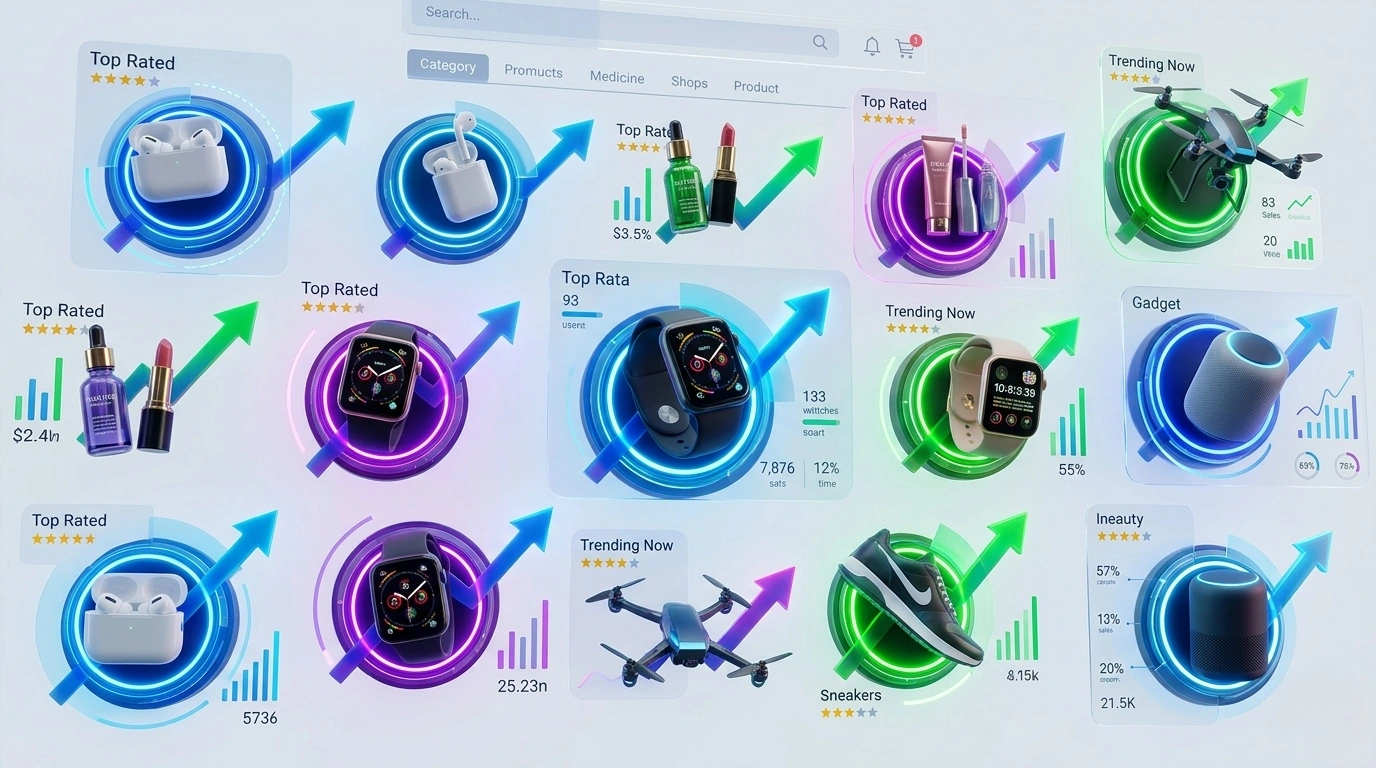
    The eCommerce industry is growing rapidly, and competition among online sellers is stronger than ever. For entrepreneurs and startups, choosing the right products can determine whether an online store succeeds or struggles. One of the most effective ways to increase sales and attract customers is by offering trending products that match current market demand.

    Consumers are constantly searching for innovative and useful items online. Businesses that identify these opportunities early can build profitable stores and establish a strong presence in the digital marketplace. Whether you are launching a new business or expanding an existing one, understanding product trends is essential for sustainable growth.

    Why Trending Products Matter for Online Stores

    Product trends reflect what customers are currently interested in purchasing. Selling trending products allows online sellers to capitalize on existing demand rather than trying to create demand from scratch.

    When products gain popularity through social media, online reviews, or influencer marketing, they often experience a surge in sales. Businesses that quickly adapt to these market shifts can generate higher revenue and attract a broader customer base.

    For entrepreneurs planning to launch an ecommerce store for startups in Noida, focusing on high-demand items can help create early traction and build customer trust.

    How to Discover the Right Products

    Finding profitable items requires research and a strong understanding of market behavior. Successful online sellers often use tools such as search trend platforms, marketplace analytics, and customer feedback to identify trending products.

    Online marketplaces provide valuable insights into best-selling categories and emerging niches. Social media platforms also play a huge role in shaping buying behavior, as viral content often turns ordinary items into popular products overnight.

    By regularly monitoring these sources, businesses can stay ahead of competitors and adapt their product offerings to changing consumer preferences.

    The Rise of Digital Products in eCommerce

    While physical items dominate many online stores, digital products are becoming increasingly popular. Products such as eBooks, templates, online courses, and software solutions provide additional revenue streams for online businesses.

    Many sellers combine physical trending products with digital products to diversify their offerings. Digital products have several advantages, including low production costs, easy distribution, and unlimited scalability.

    For startups building an ecommerce store for startups in Noida, integrating digital products alongside physical items can create a more flexible and profitable business model.

    Leveraging Data for Better Product Selection

    Data-driven decision-making is a key factor in successful eCommerce businesses. Instead of relying on guesswork, entrepreneurs can analyze market data to determine which trending products are gaining popularity.

    Analytics tools help businesses understand customer behavior, search patterns, and purchasing trends. This information allows store owners to optimize their product listings and focus on items that are more likely to generate sales.

    By using data insights effectively, businesses can reduce risks and make smarter inventory decisions.

    The Role of Social Media in Product Trends

    Social media platforms have a major influence on modern shopping behavior. Platforms like Instagram, TikTok, and YouTube frequently introduce new product trends through influencer marketing and viral content.

    Entrepreneurs who actively follow these platforms can discover trending products before they become widely available in the market. Early adoption often gives businesses a competitive advantage and helps them capture demand faster.

    In addition, engaging with audiences on social media helps build brand awareness and drive traffic to online stores.

    Building a Successful Ecommerce Strategy

    Selecting the right products is only one part of building a successful online store. A well-designed website, effective marketing campaigns, and excellent customer service are equally important.

    Businesses launching an ecommerce store for startups in Noida should focus on creating a smooth shopping experience for customers. This includes clear product descriptions, secure payment options, and fast delivery services.

    When high-demand trending products are combined with strong branding and marketing strategies, businesses can significantly increase their chances of success.

    Preparing for Future eCommerce Opportunities

    The future of online retail continues to evolve with advancements in technology and changing consumer expectations. Businesses that stay informed about industry trends and continuously research trending products will be better prepared to adapt to market changes.

    Entrepreneurs who focus on innovation, customer experience, and smart product selection can build sustainable online businesses. As competition increases, identifying the right trending products and delivering value to customers will remain key factors in long-term eCommerce success.


    FAQs

    1. What are trending products in eCommerce?
    Trending products are items that are currently popular among consumers due to market demand, social media influence, or seasonal trends.

    2. How can I find trending products for my online store?
    You can find trending products by analyzing marketplace best-seller lists, using keyword research tools, monitoring social media trends, and studying customer reviews.

    3. Can digital products be sold in an eCommerce store?
    Yes, digital products such as online courses, templates, eBooks, and software can be sold through an eCommerce store and often provide high profit margins with low production costs.

  • Searching for Trending Products That Boost Your Online Sales?

    Searching for Trending Products That Boost Your Online Sales?

    In the fast-growing world of online business, choosing the right products can make a huge difference in your success. Entrepreneurs and small businesses are constantly looking for ways to increase their sales and attract more customers. One of the most effective strategies is identifying trending products that customers are actively searching for and buying online.

    With the rapid expansion of eCommerce and digital marketplaces, understanding market trends has become essential for businesses that want to grow quickly. Whether you are launching a new online store or expanding an existing one, selecting the right products can help you stay competitive and increase profitability.

    Why Product Trends Matter in eCommerce

    The eCommerce market is highly dynamic, with consumer preferences changing frequently. Businesses that adapt quickly to new trends often gain a competitive advantage. Selling trending products allows online sellers to tap into high demand and attract more buyers without spending excessive amounts on marketing.

    Trending items often gain popularity through social media platforms, influencer recommendations, and viral marketing. When businesses recognize these opportunities early, they can position themselves as leaders in their niche.

    For startups planning to build a successful ecommerce store for startups in Noida, understanding market trends can significantly improve product selection and sales performance.

    How to Identify High-Demand Products

    Finding the right products requires careful research and analysis. Many successful entrepreneurs use tools such as keyword research platforms, online marketplaces, and social media insights to discover trending products.

    Platforms like online marketplaces and search engines reveal what customers are searching for most frequently. Additionally, monitoring customer reviews and feedback can help businesses identify gaps in the market and develop better offerings.

    Digital platforms have also made it easier for sellers to test different product categories before investing heavily in inventory.

    The Growing Demand for Digital Products

    In addition to physical goods, digital products have become a major opportunity for online entrepreneurs. Items such as online courses, design templates, software tools, and downloadable guides are gaining immense popularity.

    Many sellers combine physical trending products with digital products to diversify their revenue streams. Digital products have the advantage of low production costs and unlimited scalability, making them highly profitable for startups.

    Businesses that integrate both product types into their online store can build a more sustainable and flexible business model.

    Using Data to Select the Right Products

    Data-driven decision-making is one of the most powerful strategies for online success. Instead of guessing what customers might want, businesses can analyze market data to determine which trending products have the highest demand.

    Analytics tools provide insights into customer behavior, search trends, and buying patterns. These insights help businesses identify opportunities and make informed product decisions.

    For startups building an ecommerce store for startups in Noida, using data analytics can help optimize product offerings and improve overall store performance.

    Leveraging Social Media for Product Discovery

    Social media platforms play a major role in shaping consumer preferences. Platforms like Instagram, TikTok, and YouTube often drive product trends and influence buying behavior.

    Entrepreneurs who monitor social media trends can discover trending products before they become mainstream. Influencer collaborations, viral challenges, and product demonstrations can quickly turn ordinary items into best-selling products.

    By actively following social media conversations and customer interests, businesses can stay ahead of competitors and capture emerging opportunities.

    Building a Strong Online Store Strategy

    Choosing the right products is only one part of running a successful eCommerce business. A well-designed store, effective marketing strategies, and strong customer experience are equally important.

    Many entrepreneurs launching an ecommerce store for startups in Noida focus on building a clear brand identity and providing seamless shopping experiences. Combining high-demand trending products with strong marketing campaigns helps attract more traffic and convert visitors into loyal customers.

    Businesses that consistently analyze performance metrics and customer feedback can refine their strategies and maintain long-term growth.

    Future Opportunities in eCommerce

    The future of online retail looks extremely promising. As technology advances and consumer behavior continues to evolve, new product opportunities will constantly emerge.

    Entrepreneurs who stay updated with market insights and regularly research trending products will be better positioned to succeed in the competitive eCommerce environment. By combining innovative product ideas with effective marketing strategies, businesses can create sustainable online ventures.

    In a digital-first economy, the ability to identify and sell the right trending products can significantly boost online sales and open new growth opportunities for startups and established brands alike.


    FAQs

    1. What are trending products in eCommerce?
    Trending products are items that are currently in high demand due to market trends, social media influence, or changing consumer preferences.

    2. How can startups find trending products to sell online?
    Startups can use keyword research tools, marketplace insights, social media trends, and customer feedback to identify products that are gaining popularity.

    3. Are digital products profitable for online businesses?
    Yes, digital products can be highly profitable because they require minimal production costs and can be sold repeatedly without inventory limitations.