
Month: March 2026

  • The Impact of 3D Printing in E-Commerce

    The Impact of 3D Printing in E-Commerce

    The world of e-commerce is evolving rapidly, and one of the most transformative technologies driving this change is 3D printing in e-commerce. By enabling businesses to create products on-demand, customize items for individual consumers, and streamline production processes, 3D printing is reshaping the way companies approach manufacturing and fulfillment. This shift has profound implications for supply chains, product personalization, and customer experience.

    How 3D Printing Is Changing E-Commerce

    Traditionally, e-commerce relies on mass-produced inventory that is stored in warehouses until purchased. This model can lead to overstock, storage costs, and delays in product availability. With 3D printing in e-commerce, companies can manufacture items only when orders are placed, significantly reducing the need for large inventories. This not only cuts costs but also allows businesses to respond more flexibly to market trends and customer demands.

    One major advantage of 3D printing is the ability to offer unique and personalized items. Consumers increasingly expect products tailored to their preferences, whether it’s a custom-designed phone case, jewelry, or home décor. By leveraging 3D printed products, e-commerce businesses can provide this level of customization efficiently, enhancing the overall shopping experience.

    Advantages for Supply Chain Innovation

    The adoption of 3D printing in e-commerce also drives significant supply chain innovation. By producing goods on-demand and closer to the end customer, companies can reduce transportation costs, minimize shipping times, and lower their carbon footprint. Localized 3D printing hubs or fulfillment centers allow for faster delivery and a more agile response to customer orders, which is a key advantage in today’s competitive e-commerce environment.

    Moreover, the digital nature of 3D printing simplifies inventory management. Instead of stocking multiple variations of a product, businesses can maintain digital designs and produce them as needed. This approach reduces warehouse space requirements and eliminates the risks associated with unsold stock. Supply chain innovation driven by 3D printing is helping companies achieve higher efficiency and sustainability.

    Expanding Product Offerings

    One of the most exciting aspects of 3D printing in e-commerce is the ability to expand product lines without significant investment in traditional manufacturing. Digital designs can be updated or modified easily, allowing companies to test new ideas or offer limited-edition items without committing to large production runs. This flexibility is particularly beneficial for startups and small businesses that want to compete with larger players in the e-commerce market.

    3D printed products also open opportunities for niche markets. Items that were previously considered too expensive or complex to mass-produce can now be created affordably and efficiently. From custom footwear to specialized electronic components, 3D printing empowers businesses to explore innovative product categories and meet diverse customer needs.

    Enhancing Customer Experience

    Personalization is one of the strongest drivers of customer satisfaction in e-commerce, and 3D printing in e-commerce enables a new level of tailored shopping experiences. Shoppers can customize designs, colors, or sizes, resulting in unique products that reflect their individual tastes. This level of engagement can increase customer loyalty and encourage repeat purchases.

    Additionally, faster production and localized manufacturing reduce delivery times, making the online shopping experience more satisfying. When combined with interactive design tools and real-time previews of 3D printed products, customers gain a sense of control over their purchases that is difficult to achieve with conventional manufacturing methods.

    Challenges and Considerations

    While the benefits of 3D printing in e-commerce are substantial, there are challenges to consider. The cost of high-quality 3D printers and materials can be significant, and not all products are suitable for 3D printing. Intellectual property protection and quality assurance are also important concerns, as digital designs can be copied or modified without authorization.

    Despite these challenges, ongoing advancements in 3D printing technology are steadily reducing costs and expanding capabilities. As printers become faster, more precise, and capable of working with a wider range of materials, the adoption of 3D printing in e-commerce is expected to grow exponentially.

    The Future of E-Commerce with 3D Printing

    The integration of 3D printing in e-commerce represents a paradigm shift in how products are designed, manufactured, and delivered. By enabling on-demand production, personalization, and supply chain innovation, it allows businesses to meet consumer expectations more effectively while reducing operational costs.

    As digital designs and printing technologies continue to evolve, the range of 3D printed products will expand, offering limitless possibilities for creativity and market differentiation. E-commerce businesses that embrace this technology early will likely gain a competitive edge, delivering faster, more personalized, and more sustainable experiences to their customers.

    In conclusion, 3D printing in e-commerce is not just a trend but a transformative force shaping the future of online retail. With its ability to drive efficiency, customization, and innovation, it promises to redefine how products reach consumers in the digital age.

  • The Future of Autonomous Delivery Vehicles in E‑Commerce

    The Future of Autonomous Delivery Vehicles in E‑Commerce

    The rise of e‑commerce has created new demands for faster, more efficient, and reliable delivery systems. Autonomous Delivery Vehicles are emerging as a game‑changer in this landscape, offering solutions to many of the challenges faced by traditional delivery methods. From labour shortages to traffic congestion, these vehicles promise to reshape the way packages reach customers. By leveraging advanced technology, they are becoming a critical component of modern logistics networks and the broader vision of autonomous last‑mile delivery.

    Why Autonomous Delivery Vehicles Are Transformative

    The growth of online shopping has put tremendous pressure on delivery networks. Customers increasingly expect same‑day or two‑hour delivery, which can be difficult to achieve using conventional methods. Autonomous Delivery Vehicles address these challenges by reducing reliance on human drivers and optimizing delivery routes. These vehicles range from small sidewalk robots to larger self‑driving vans capable of navigating urban and suburban streets.

    In addition to improving speed, these vehicles can help reduce delivery costs. By automating routine trips, companies can lower labor expenses and fuel consumption. Many autonomous systems are electric-powered, which also contributes to reducing carbon emissions. As sensor technology, artificial intelligence, and machine learning improve, these vehicles can safely detect obstacles, interact with pedestrians, and navigate complex environments, making them a reliable option for autonomous last‑mile delivery.

    How Autonomous Delivery Vehicles Work

    The process begins at a warehouse or distribution hub, where packages are loaded into autonomous units. These units can then travel independently to designated drop-off points, often using smart lockers or app-based access for secure delivery. Small robotic delivery vehicles food systems are particularly effective in urban areas, as they can navigate sidewalks or designated lanes while minimizing interaction with cars.

    In suburban and rural areas, larger autonomous vans handle longer distances between distribution centers and local delivery points. This combination of vehicle types allows companies to cover different geographies efficiently. The integration of Autonomous Delivery Vehicles into these multi-modal systems ensures faster delivery times and improved service reliability.

    Real-World Deployments and Challenges

    Several companies are already testing Autonomous Delivery Vehicles in real-world scenarios. Grocery chains and food delivery services have deployed robotic delivery vehicles food systems to bring orders directly to customers’ homes. These pilots use advanced mapping, sensors, and real-time communication to ensure accuracy and safety.

    Despite progress, challenges remain. Public safety is a primary concern, especially when autonomous vehicles operate in spaces shared with pedestrians, cyclists, and cars. Regulatory frameworks are still evolving, and companies must demonstrate that their systems are safe and reliable. Public perception is also critical; many people remain cautious about vehicles operating without human drivers. Transparent safety features, robust performance, and responsive customer support are essential for gaining trust.

    Environmental Benefits of Autonomous Delivery Vehicles

    Autonomous Delivery Vehicles can significantly reduce the environmental impact of e‑commerce. By optimizing routes and using electric power, they minimize emissions and traffic congestion. Small sidewalk robots are particularly energy-efficient and help reduce the number of large, fuel-powered vehicles on local streets.

    This shift not only supports sustainability goals but also improves urban living conditions by lowering noise and pollution. Integrating these vehicles into logistics networks demonstrates how technology can enhance both efficiency and environmental responsibility.

    The Future of Autonomous Delivery Vehicles

    As technology continues to advance, Autonomous Delivery Vehicles are likely to become more widespread. Investments from major retailers, tech companies, and logistics providers indicate that this trend will accelerate. AI improvements, infrastructure upgrades, and clearer regulations will enable safer and more efficient operations.

    In the coming years, consumers can expect faster delivery, lower costs, and more reliable service thanks to autonomous systems. Autonomous Delivery Vehicles are transforming the e-commerce logistics landscape, paving the way for an era where deliveries are faster, greener, and more customer-centric. The integration of robotic delivery vehicles food systems and autonomous last‑mile delivery technologies will redefine convenience in online shopping, making it more sustainable and efficient than ever before.

  • Guide to Online Seller VAT Compliance for Global E-Commerce

    Guide to Online Seller VAT Compliance for Global E-Commerce

    As e-commerce expands globally, understanding taxation is critical for online businesses. One of the most important aspects is online seller VAT compliance. Value-Added Tax (VAT) rules differ by country, and failure to comply can lead to fines, blocked accounts on marketplaces, or costly audits. This guide explains everything you need to know to manage VAT obligations efficiently while growing your cross-border business.

    Why Online Seller VAT Compliance Matters

    VAT compliance is not optional for online sellers. Every country that imposes VAT requires sellers to register, collect, and remit tax when certain thresholds are met. For international sellers, ignoring this can result in legal complications, delayed shipments, or frozen marketplace accounts. Understanding online seller VAT compliance ensures your business operates legally while maintaining a positive reputation with customers and authorities.

    Complying with VAT also helps you avoid overpaying taxes, optimize pricing strategies, and streamline bookkeeping. By implementing proper systems early, you can scale operations globally without the risk of non-compliance penalties.

    Understanding VAT for Online Sellers

    A VAT guide for online sellers is essential because different countries have unique rules for registration, invoicing, and reporting. For example, the European Union (EU) requires all sellers exceeding certain sales thresholds to register for VAT in each member country where goods are sold. Similarly, digital products have distinct VAT regulations under the EU’s digital services tax rules.

    Key VAT Compliance Steps:

    1. Register for VAT: Determine in which countries your business crosses VAT thresholds and register accordingly.
    2. Collect VAT at the Point of Sale: Ensure your checkout process calculates VAT based on customer location.
    3. Issue VAT-Compliant Invoices: Invoices must include your VAT number, rate applied, and total VAT charged.
    4. File VAT Returns: Regularly submit returns to the appropriate tax authorities and remit collected VAT.
    5. Maintain Accurate Records: Keep sales, invoices, and refunds organized for audits and reconciliation.

    By following these steps, you achieve proper online seller VAT compliance while avoiding costly errors.

    Cross-Border Tax Considerations

    A cross-border tax guide highlights additional complexities for sellers shipping internationally. Besides VAT, there may be import duties, customs fees, and local sales taxes. Many marketplaces, like Amazon and eBay, provide automated tax calculation tools, but sellers are ultimately responsible for ensuring compliance.

    When selling across borders, consider:

    • Local VAT rates: Rates can vary significantly between countries, even within regions like the EU.
    • Digital vs physical goods: Different VAT rules apply depending on whether your products are tangible or digital.
    • Marketplace responsibilities: Some platforms act as tax collectors for sellers, but verification is crucial.
    • Thresholds and registration: Understanding when and where to register is essential for maintaining legal compliance.

    These factors make online seller VAT compliance more complex but manageable with proper planning and tools.

    Tools and Automation for VAT Compliance

    Automation simplifies compliance and reduces errors. Many sellers use software to manage VAT across multiple countries, integrate with e-commerce platforms, and generate reports for tax authorities. Features to look for include:

    • Multi-country VAT calculation and registration support
    • Automated invoice generation compliant with local rules
    • Filing reminders and submission capabilities
    • Integration with marketplaces and payment gateways

    Using such tools ensures consistent online seller VAT compliance and reduces the administrative burden of managing international taxes manually.

    Common Mistakes to Avoid

    1. Ignoring small sales: Even low-value international sales can trigger VAT obligations.
    2. Using outdated rates: VAT rates change regularly; ensure your systems are updated.
    3. Incomplete recordkeeping: Accurate documentation is critical for audits and reclaiming VAT refunds.
    4. Relying solely on marketplaces: While platforms help, legal responsibility remains with the seller.

    By avoiding these mistakes, sellers can maintain smooth operations and avoid fines while staying compliant.

    Final Thoughts

    Achieving online seller VAT compliance is essential for sustainable global e-commerce. A clear understanding of VAT rules, supported by a VAT guide for online sellers and a practical cross-border tax guide, ensures that you collect, remit, and report taxes accurately. Compliance protects your business, improves customer trust, and allows you to scale internationally without legal complications.

    By implementing robust systems, staying informed about regulatory changes, and using automation tools, online sellers can confidently navigate the complexities of VAT and cross-border taxation. Maintaining online seller VAT compliance is not just a legal requirement—it’s a foundation for building a reliable and scalable e-commerce business.

  • How to Accurately Calculate Shipping Charges for Your Business

    How to Accurately Calculate Shipping Charges for Your Business

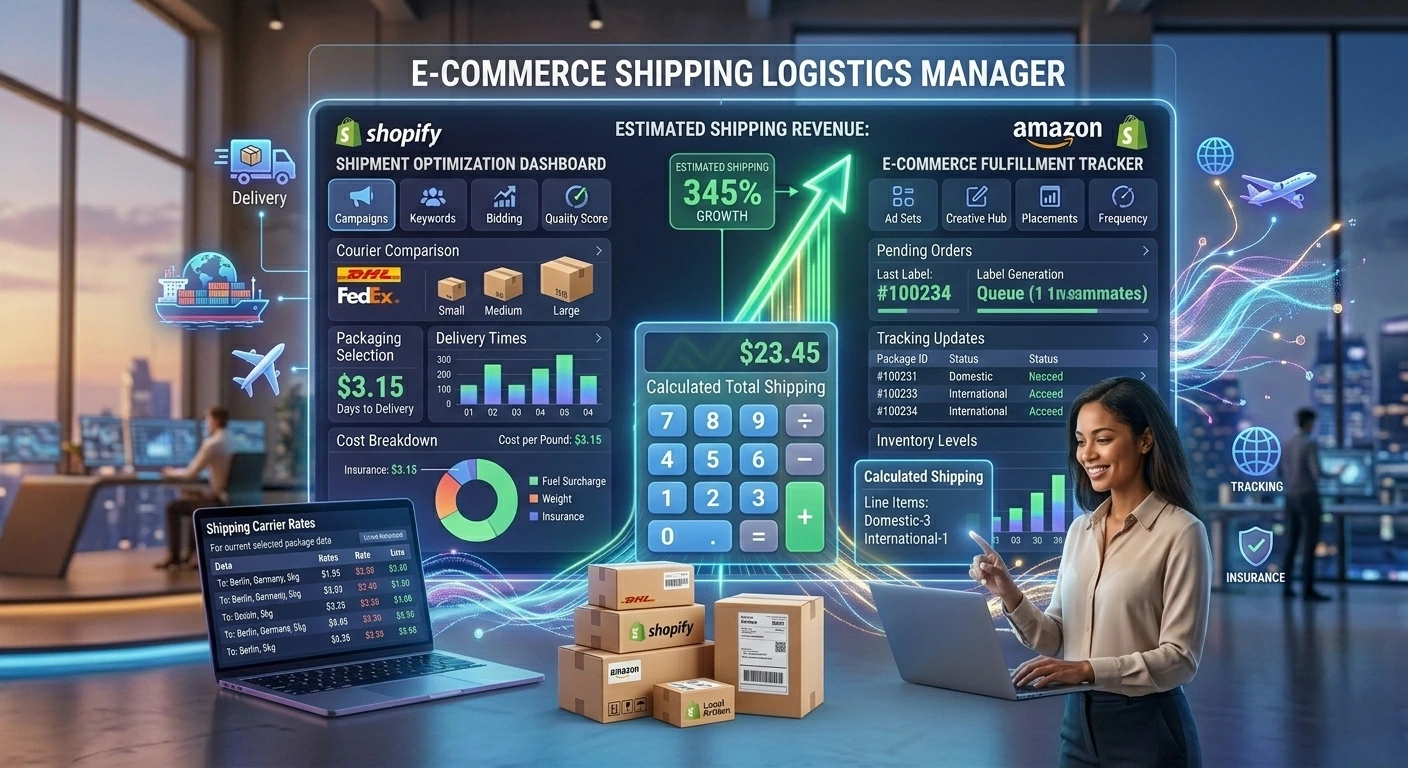
    Calculating shipping costs is essential for any business that ships products to customers. If you want to maintain profitability while keeping customers happy, it’s critical to calculate shipping charges accurately. Underestimating shipping can eat into your margins, while overcharging may drive customers away. In this guide, we’ll explain how to determine true shipping costs while considering factors like fulfillment expenses and cost of goods sold (COGS).

    Why Accurately Calculating Shipping Charges Matters

    Shipping is one of the most overlooked expenses in e-commerce and retail. Many businesses focus only on product price, ignoring that shipping costs significantly impact profitability. To run a sustainable operation, you must understand the full cost of getting a product into your customer’s hands.

    Accurate calculations help you:

    • Maintain healthy profit margins
    • Avoid surprise losses from underestimated shipping fees
    • Offer competitive pricing to customers
    • Optimize packaging and logistics

    By learning how to calculate shipping charges, you ensure that every order contributes positively to your bottom line.

    Key Components of Shipping Costs

    1. Carrier Rates and Fees

    The first step in calculating shipping charges is understanding your carrier’s rates. Major carriers like USPS, UPS, FedEx, and DHL have different pricing based on:

    • Package weight
    • Dimensions (dimensional weight pricing)
    • Delivery distance
    • Service type (standard, express, overnight)

    By comparing rates and understanding the fee structure, you can select the most cost-effective shipping option.

    2. Packaging Costs

    Packaging isn’t just about presentation—it’s also a cost that affects shipping. Include expenses like boxes, tape, bubble wrap, and labels. These costs are part of your fulfillment expenses and must be added to your calculation to calculate shipping charges correctly.

    3. Fulfillment Expenses

    Fulfillment expenses go beyond packaging. They include labor for picking, packing, and handling orders, as well as warehousing costs. For businesses using third-party logistics (3PL), monthly fees, and per-order handling charges are part of fulfillment expenses. Incorporating these costs ensures that your shipping prices cover all operational aspects.

    4. Insurance and Tracking

    If your products are valuable or fragile, insurance and tracking are important. These costs vary by carrier and package value. While sometimes overlooked, they are essential to include when you calculate shipping charges to prevent unexpected losses.

    5. Cost of Goods Sold (COGS) Integration

    Your shipping costs should be considered alongside your cost of goods sold (COGS). COGS includes the production cost, materials, and manufacturing. Understanding the relationship between COGS and shipping ensures your overall margins remain profitable. For example, a low-margin product might require subsidized or minimal shipping charges, whereas a high-margin item can absorb higher shipping fees.

    Step-by-Step Process to Calculate Shipping Charges

    1. List all expenses: Include packaging, carrier fees, fulfillment expenses, insurance, and any additional handling costs.
    2. Determine per-item costs: Divide total shipping and fulfillment costs by the number of items shipped.
    3. Include COGS: Add the cost of goods sold to understand total per-unit expense.
    4. Decide on pricing strategy: Choose between flat-rate, tiered, weight-based, or free shipping strategies.
    5. Test and adjust: Monitor profitability and customer feedback, then refine your shipping charges as needed.

    By following this process, you ensure that your business can calculate shipping charges that cover all expenses while remaining competitive.

    Tips for Optimizing Shipping Costs

    • Negotiate carrier contracts for better rates if you ship large volumes
    • Use dimensional weight calculators to avoid overpaying on oversized packages
    • Consolidate orders to reduce per-unit shipping costs
    • Automate fulfillment processes to lower labor expenses
    • Monitor COGS and adjust shipping fees in line with changes in production costs

    Implementing these strategies will help you control your fulfillment expenses while ensuring shipping charges are accurate and fair.

    Conclusion

    Learning to calculate shipping charges properly is crucial for maintaining profitability in any shipping-dependent business. By factoring in carrier fees, packaging, fulfillment expenses, insurance, and COGS, you can price shipping effectively and avoid eroding your margins. Accurate shipping cost calculations not only protect your bottom line but also enhance customer satisfaction by providing transparent and reasonable shipping fees.

    Mastering this process allows your business to scale sustainably, improve operational efficiency, and compete effectively in a crowded e-commerce market. By keeping fulfillment expenses under control and aligning shipping charges with total costs, you ensure every order contributes positively to your business growth.