Author: vCuestore_blogs

  • Minimalist Design & Speed: Why Faster, Cleaner Sites Win in 2026

    Minimalist Design & Speed: Why Faster, Cleaner Sites Win in 2026

    As we enter 2026, the web is more crowded, competitive, and cluttered than ever before. Users are overwhelmed with choices, attention spans are shrinking, and search algorithms are evolving faster than design trends. Amid all the noise, one principle continues to define digital success: simplicity wins. Minimalist design—paired with ultra-fast performance—isn’t just a style anymore; it’s a strategic advantage.

    Today’s leading brands are embracing minimalism and speed to create seamless, distraction-free experiences that capture attention, build trust, and boost conversions. In 2026, the formula is clear: less clutter + faster load times = higher engagement and better rankings.

    The Rise of Minimalist Design in the Digital Era

    Minimalist design is built on the idea that “less is more.” It emphasizes clarity, functionality, and visual harmony, removing unnecessary elements to highlight what truly matters. But minimalism is more than white space and simple typography—it’s a design philosophy rooted in purpose, performance, and user experience (UX).

    In the past, minimalism was often viewed as a trend. Today, it’s the foundation of modern web design, driven by three major forces:

    1. User Behavior: People no longer have the patience for cluttered layouts or slow-loading pages.
    2. AI and Automation: Smart systems demand clean, structured interfaces for effective interaction.
    3. SEO and Performance: Google’s Core Web Vitals and SGE (Search Generative Experience) now prioritize speed, simplicity, and usability.

    Minimalism isn’t about removing design—it’s about removing friction.

    Why Speed Matters More Than Ever in 2026

    Website speed has always been crucial, but in 2026, it’s a make-or-break factor. According to recent UX studies, even a one-second delay in load time can reduce conversions by up to 20%. On mobile, that number doubles.

    The modern web is mobile-first, voice-activated, and AI-integrated. Users expect instant results, whether they’re browsing, buying, or booking. In this high-performance environment, a slow website is a silent killer of brand trust and revenue.

    How Speed Impacts Business Outcomes

    • SEO Rankings: Google’s algorithms heavily reward fast-loading sites with better visibility.
    • User Experience: Quick-loading pages reduce bounce rates and boost engagement.
    • Conversion Rates: Fast checkout experiences lead to higher sales and customer retention.
    • Brand Perception: Users associate speed with professionalism and reliability.

    Speed isn’t just technical—it’s psychological. A site that loads instantly feels more modern, more credible, and more human.

    Minimalism Meets Performance: The Perfect Partnership

    Minimalism and speed naturally complement each other. A cleaner design uses fewer elements, smaller file sizes, and simplified code—making sites lighter and faster by default.

    Here’s how minimalism directly fuels performance:

    1. Fewer Visual Elements = Faster Load Times: Minimalist pages avoid heavy graphics, animations, and scripts that slow performance.
    2. Streamlined Navigation: Fewer distractions mean faster user journeys and more conversions.
    3. Optimized Mobile Experience: Simplicity ensures perfect responsiveness across all screen sizes.
    4. Better AI Readability: Clean layouts and semantic HTML help AI crawlers and search engines interpret content accurately.

    Minimalist design isn’t about artistic restraint—it’s about engineering precision.

    The Psychology Behind Minimalist Design

    Humans crave clarity. In a digital world filled with noise, minimalism creates mental calm. It guides attention to key actions and information without sensory overload.

    Studies show that minimalist interfaces increase user satisfaction and retention rates by over 35%. The visual hierarchy, breathing space, and clean typography enhance comprehension and focus.

    In essence, minimalism doesn’t just look better—it feels better. It builds emotional connection through simplicity, mirroring the mindfulness and clarity consumers seek in their lives.

    Design Trends Defining Minimalism in 2026

    Minimalism has evolved. Today’s minimalist websites blend aesthetic simplicity with technological sophistication. Here are the leading trends shaping 2026:

    1. Micro-Interactions and Subtle Motion

    Instead of flashy animations, modern sites use micro-interactions—tiny, purposeful movements that guide users intuitively. These animations improve feedback and engagement without compromising speed.

    2. Bold Typography and Negative Space

    Typography becomes the hero of minimalist design. Clean sans-serif fonts, oversized headings, and balanced whitespace create impact while maintaining simplicity.

    3. Neutral Color Palettes with Accent Highlights

    Muted tones paired with bold accents (like neon lines or gradient buttons) help maintain visual interest without clutter.

    4. Functional Minimalism

    Every element must have a purpose—whether it’s guiding navigation, conveying emotion, or driving conversion. Decorative design is replaced by intentional design.

    5. Dark Mode and Energy Efficiency

    Beyond aesthetics, dark mode supports sustainability by reducing energy consumption on OLED screens, aligning with the eco-conscious web movement.

    How to Optimize Your Website for Speed in 2026

    Minimalism sets the visual tone, but true performance requires technical precision. Here’s how to ensure your minimalist site delivers maximum speed:

    1. Use Next-Gen Image Formats: Adopt WebP and AVIF for high-quality, lightweight visuals.
    2. Enable Lazy Loading: Load images and videos only when they appear in the viewport.
    3. Minify CSS and JavaScript: Remove unnecessary code to reduce load time.
    4. Implement a CDN (Content Delivery Network): Distribute content globally for faster access.
    5. Adopt Server-Side Rendering (SSR): Improve SEO and speed for dynamic content.
    6. Prioritize Core Web Vitals: Optimize for LCP, FID, and CLS—Google’s key UX metrics.

    In 2026, technical performance is design.

    The SEO Advantage of Minimalism

    Minimalist design doesn’t just enhance aesthetics—it improves search performance. Clean code structures and fast load times make websites more crawlable for search engines.

    Moreover, minimalist layouts often deliver clearer information architecture, which helps AI-driven search systems like Google’s SGE understand and summarize your content accurately.

    A well-optimized minimalist site ranks higher, loads faster, and earns more featured visibility in generative and visual search results.

    The Business Case for Minimalism and Speed

    Minimalist, high-speed websites consistently outperform complex, slow ones in engagement and profitability. Data from 2025 shows that:

    • Sites loading in under 2 seconds had 40% higher conversion rates.
    • Minimalist product pages saw 27% more engagement than heavily designed alternatives.
    • Brands adopting minimalist UX reported lower maintenance costs and higher accessibility scores.

    Minimalism is not cost-cutting—it’s value-maximizing. It aligns with both business goals and user psychology.

    Case Studies: Brands Winning with Minimalism

    • Apple: The pioneer of design simplicity continues to dominate by merging minimalism with flawless performance. Every pixel has purpose, every page loads instantly.
    • Airbnb: Uses clean layouts, high-impact visuals, and fast-loading UI to simplify decision-making.
    • Notion: Combines minimal aesthetics with functional depth, creating an interface that feels intuitive and lightning-fast.

    These brands prove that minimalism isn’t about emptiness—it’s about clarity, speed, and purpose.

    Future of Web Design: Minimal, Intelligent, Instant

    Looking ahead, AI, automation, and voice interfaces will demand even simpler digital ecosystems. Websites will evolve into adaptive, data-driven experiences that load instantly and speak directly to user intent.

    Expect:

    • AI-assisted UI design that auto-optimizes for load speed and clarity.
    • Voice and gesture navigation replacing traditional menus.
    • Predictive content delivery powered by generative AI.
    • Lightweight frameworks like Astro and Svelte dominating front-end performance.

    In short, the future web will be minimal, intelligent, and instant—built for humans, powered by machines.

    Final Thoughts

    As 2026 unfolds, digital success will belong to brands that simplify, accelerate, and humanize their online experiences. Minimalist design and speed are not opposing forces—they are two sides of the same coin, working together to create clarity, efficiency, and connection.

    A fast, clean website reflects more than technical mastery—it reflects respect for your audience’s time and attention. In a world where milliseconds matter, simplicity isn’t just beautiful—it’s profitable.

    In 2026 and beyond, the winners won’t be the loudest or flashiest—they’ll be the fastest, clearest, and most intentional.

  • Sustainability & Ethical Commerce: What Online Brands Must Do Now

    Sustainability & Ethical Commerce: What Online Brands Must Do Now

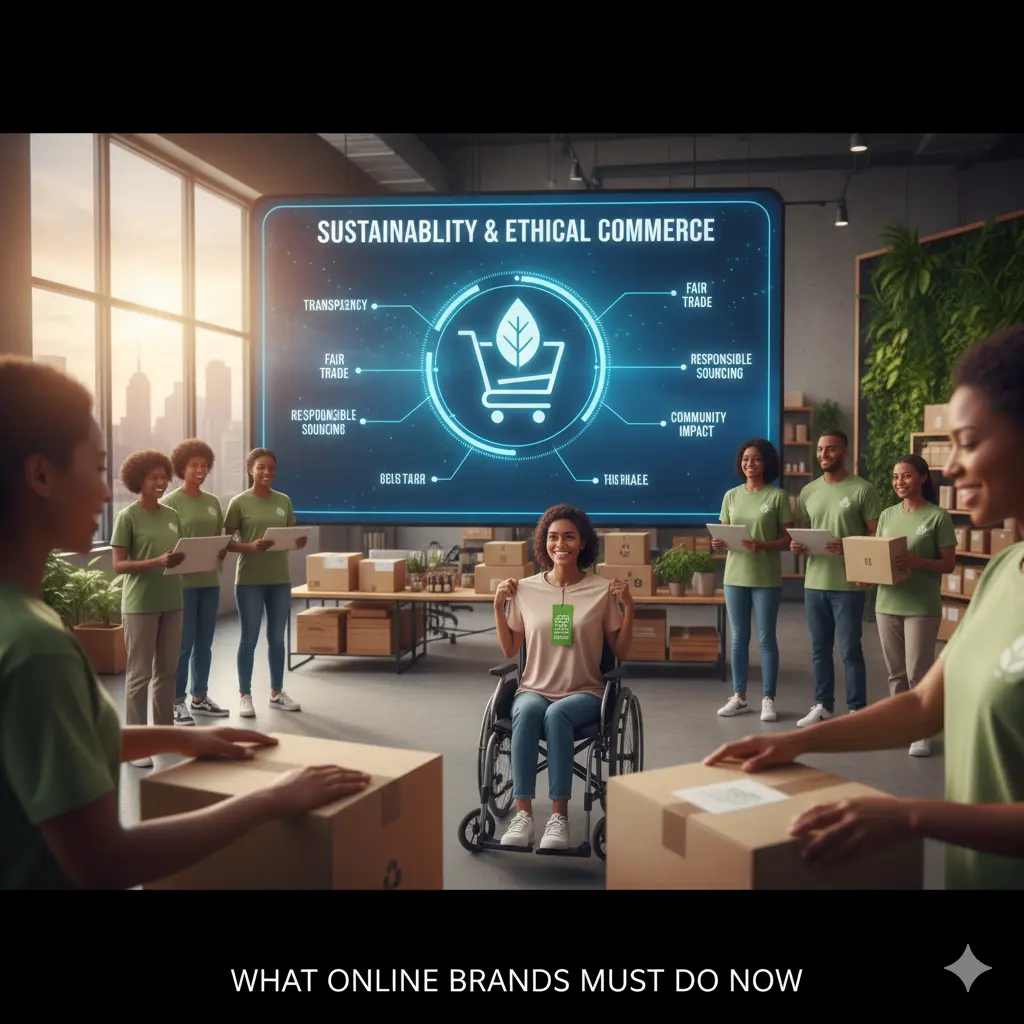
    In the digital-first era, where consumer awareness and transparency define brand loyalty, sustainability and ethical commerce are no longer optional—they’re essential. Modern consumers, especially Gen Z and Millennials, are holding online brands accountable for the environmental and social impact of their operations. They want to know that the companies they support are making conscious choices—from product sourcing and packaging to labor practices and carbon footprint reduction.

    For e-commerce brands, the message is clear: building a sustainable and ethical business isn’t just about doing good—it’s about staying relevant, competitive, and profitable in an era where values drive purchasing decisions.

    The Rise of Conscious Consumerism

    The shift toward sustainability is powered by a new generation of conscious consumers. According to a 2024 NielsenIQ report, 78% of global shoppers say sustainability influences their purchasing decisions. Consumers are choosing brands that reflect their values—favoring eco-friendly packaging, fair labor, and transparent sourcing.

    This change represents a massive opportunity for online retailers. By embedding sustainability into their core strategy, brands can differentiate themselves, attract loyal audiences, and future-proof their business against evolving regulations and market demands.

    What Ethical Commerce Really Means

    Ethical commerce goes beyond “greenwashing” or using buzzwords like “eco-friendly.” It’s about creating a business model rooted in integrity and respect—for people, planet, and profit. True ethical commerce covers three main pillars:

    1. Environmental Responsibility: Reducing carbon emissions, minimizing waste, and promoting circular economy practices.
    2. Social Responsibility: Ensuring fair labor, diversity, and community impact across the supply chain.
    3. Economic Sustainability: Building transparent business models that prioritize long-term value over short-term gain.

    Together, these principles form the foundation of a sustainable digital brand—one that balances innovation with responsibility.

    Why Online Brands Must Act Now

    1. Consumers Demand Transparency

    Digital shoppers have unprecedented access to information. With a few clicks, they can research a brand’s supply chain, carbon footprint, and labor policies. If a company’s ethics don’t align with their values, they’ll switch to a competitor instantly. Transparency is no longer optional—it’s a trust currency.

    2. Regulations Are Tightening

    Governments worldwide are introducing stricter ESG (Environmental, Social, and Governance) standards. From carbon labeling to anti-greenwashing laws, online retailers that fail to comply risk financial penalties and reputational damage. Proactive sustainability efforts safeguard brands from future regulatory disruptions.

    3. Competitive Advantage

    Ethical commerce isn’t just about compliance—it’s a powerful differentiator. Sustainable brands enjoy higher engagement, stronger customer loyalty, and better employee retention. In an age of saturated markets, doing good is the new growth strategy.

    Practical Steps for Building a Sustainable Online Brand

    1. Audit Your Supply Chain

    Start with a sustainability audit. Identify where your products come from, how they’re made, and who’s involved in the process. Partner only with suppliers who follow fair labor practices and sustainable production methods. Tools like Sedex and EcoVadis can help assess ethical performance across your supply chain.

    2. Adopt Eco-Friendly Packaging

    Packaging is often a brand’s biggest environmental impact point. Use biodegradable, recyclable, or compostable materials. Minimize excess packaging and eliminate single-use plastics. Brands like Patagonia and Lush have set strong examples by integrating sustainable packaging at every level.

    3. Embrace Carbon Neutrality

    Offset your emissions by investing in renewable energy, carbon capture, or reforestation projects. Many brands use certified programs such as ClimatePartner or Carbonfund.org to achieve neutrality. Displaying your carbon status builds trust and demonstrates accountability.

    4. Promote Circular Economy Practices

    Encourage product reuse, recycling, and upcycling. Offer repair programs, resale platforms, or buy-back incentives. Brands like Levi’s and IKEA are leading the way by helping customers extend the lifecycle of products and reduce waste.

    5. Showcase Ethical Storytelling

    Use your brand’s storytelling power to highlight the real impact behind your products. Share authentic narratives about artisans, eco-initiatives, or community projects. Consumers resonate with stories that connect human experience with purpose.

    6. Partner with Ethical Influencers

    Collaborate with creators who genuinely advocate for sustainability and transparency. Influencer partnerships should focus on education and awareness rather than simple promotion. Authentic voices amplify your brand’s ethical commitment.

    Leveraging Technology for Sustainable Impact

    Digital innovation is key to scaling ethical commerce. Online brands can use technology to make sustainability measurable and actionable:

    • AI for Supply Chain Transparency: Track and analyze sourcing, logistics, and production emissions in real time.
    • Blockchain for Traceability: Use blockchain to verify authenticity and ethical sourcing of materials.
    • Data Analytics for Optimization: Identify inefficiencies in operations that contribute to waste or excess energy use.
    • Augmented Reality (AR): Reduce product returns (and carbon footprint) by enabling virtual try-ons and better product visualization.

    By combining sustainability with technology, brands can create a data-driven, transparent, and efficient ecosystem that benefits both business and the planet.

    Building Consumer Trust Through Ethical Practices

    Trust is the cornerstone of modern e-commerce. When consumers believe in your ethical commitments, they’re more likely to engage, advocate, and return. Here’s how to cultivate that trust:

    • Certifications and Labels: Obtain recognized certifications such as Fair Trade, B Corp, or FSC to validate your claims.
    • Transparent Communication: Share impact reports, progress updates, and sustainability goals openly on your website.
    • Community Involvement: Support local initiatives, donate to environmental causes, or collaborate with NGOs that align with your values.

    Every ethical decision—no matter how small—strengthens your relationship with conscious consumers.

    Avoiding Greenwashing

    As sustainability becomes mainstream, some brands engage in greenwashing—making exaggerated or false claims about their eco efforts. Consumers are quick to spot it, and the backlash can be severe. To avoid this, ensure your messaging is:

    • Evidence-Based: Support claims with data and certifications.
    • Specific: Avoid vague terms like “eco-friendly” without context.
    • Consistent: Ensure your sustainability message aligns across all marketing and operations.

    Transparency and honesty will always win over perfection. Consumers don’t expect brands to be flawless—they expect them to be authentic and committed to progress.

    The Future of Ethical E-Commerce

    The next phase of online retail will be defined by regenerative business models, not just sustainable ones. Future-forward brands will aim to restore ecosystems, empower communities, and design products for longevity.

    Emerging trends include:

    • Regenerative Packaging: Materials that return nutrients to the environment.
    • AI-Powered Sustainability Analytics: Predicting carbon impact before production.
    • Decentralized Ethical Marketplaces: Platforms connecting conscious consumers directly with ethical producers.

    As technology, ethics, and commerce converge, the line between profitability and responsibility will blur. The brands that succeed will be those that see sustainability as innovation, not obligation.

    Final Thoughts

    Sustainability and ethical commerce are not marketing trends—they’re the future of business. Online brands that act with transparency, accountability, and purpose will earn more than customer loyalty—they’ll earn cultural relevance.

    In a world facing climate change, social inequality, and digital overconsumption, brands have a moral and strategic duty to lead with responsibility. The call to action is clear: be sustainable, be ethical, and be the change your customers expect to see.

  • Speak Local Win Big India’s Vernacular Commerce Boom

    Speak Local Win Big India’s Vernacular Commerce Boom

    India’s next wave of online shoppers is not coming from English-speaking metros. It’s coming from small towns and rural regions where people browse, search, and shop in their own languages. Vernacular and voice commerce are unlocking this vast new audience of over one hundred million potential customers. As technology evolves and digital adoption spreads, the power of language and voice is reshaping how India shops online.

    The Next Hundred Million Are Not English First

    Most of India’s internet users are now from Tier-2 and Tier-3 cities, and a large share prefers regional languages over English. According to multiple industry reports, more than 80 percent of new internet users in India are comfortable consuming content in local languages such as Hindi, Tamil, Bengali, Telugu, and Marathi.

    For years, e-commerce platforms focused on English-centric designs and interfaces. That approach no longer works. Today’s emerging shoppers use the internet through regional keyboards, voice search, and video content. They expect the same personalized experience that English-speaking users enjoy—only in their own language.

    Breaking the Language Barrier

    This linguistic shift is not just a matter of translation. It’s about cultural connection. A product listed in Hindi or Tamil immediately feels more relatable. Reviews written in local languages build stronger trust. When a voice assistant can respond to “yeh product ka size kya hai” instead of “what size is this product,” the digital store suddenly becomes welcoming and human.

    Vernacular Commerce The Game Changer

    Vernacular commerce means using local languages across every touchpoint—app navigation, search, product descriptions, customer support, and ads. Companies like Flipkart, Amazon, and Meesho are leading the way, offering multilingual interfaces and customer service in multiple Indian languages.

    Flipkart’s Regional Revolution

    Flipkart has introduced interfaces in more than ten languages. It found that users who shop in their native tongue spend significantly more time on the app and are more likely to complete purchases. When people understand every step of their buying journey, hesitation drops and confidence rises.

    Meesho’s Local Success

    Meesho, a social commerce pioneer, built its user base by empowering small sellers and customers who prefer Hindi and regional languages. Its localized approach helped it reach audiences in towns where English-only apps never made an impact. Meesho’s vernacular onboarding videos, regional notifications, and language-specific recommendations have become benchmarks for how to build for Bharat.

    Voice Commerce Making Shopping Hands Free

    While vernacular text interfaces are one part of the puzzle, voice technology is the next frontier. With voice assistants like Google Assistant, Alexa, and Siri gaining popularity, Indians are getting comfortable using voice commands for daily tasks—whether checking the weather, playing music, or searching for products.

    Voice commerce takes this behavior into online shopping. Instead of typing long queries, users can simply speak them. It’s faster, easier, and far more natural for millions who may not type fluently in English.

    How Voice Commerce Works

    Voice commerce combines speech recognition, AI, and natural language processing to understand spoken commands. A shopper can say “show me red sarees under one thousand rupees” and instantly receive relevant results. This reduces friction and boosts accessibility, particularly for older users and those in rural areas.

    Brands Adopting Voice-Enabled Shopping

    Big players like Amazon have already introduced voice-based search and ordering options in Hindi. Startups are also exploring multilingual voice bots that can assist users through WhatsApp or IVR calls. This new interface turns shopping into a conversation rather than a transaction.

    Why Vernacular and Voice Commerce Matter

    Accessibility for All

    Language should never be a barrier to participation in the digital economy. Vernacular and voice interfaces bring inclusivity, enabling first-time internet users to shop confidently. For many, hearing or reading instructions in their mother tongue transforms a confusing process into a friendly experience.

    Trust and Emotional Connection

    Consumers trust brands that speak their language—literally. A Tamil ad for an online grocery store feels local and familiar, while an English ad might feel distant. The emotional comfort of hearing a voice in one’s own language builds instant credibility.

    Expanding the Market

    The next 100 million shoppers are not an abstract idea—they represent a trillion-dollar opportunity. These customers may have different budgets, but their aspirations match anyone else’s. By removing language barriers, brands can tap into entirely new segments of consumers who were previously invisible to mainstream e-commerce.

    Building a Vernacular-First E-commerce Strategy

    Localize Every Touchpoint

    Localization is more than translating words. It includes adjusting product visuals, adapting pricing displays, and creating culturally relevant marketing. For example, promoting a Diwali offer in Hindi for North India and a Pongal sale in Tamil Nadu makes users feel valued.

    Train AI for Regional Languages

    Voice recognition models must be trained to understand Indian accents and dialects. Companies are investing heavily in natural language processing (NLP) that can interpret mixed-language speech like “mujhe blue kurta chahiye under 500.” This hybrid Hindi-English pattern is common in India and must be supported for voice commerce to succeed.

    Empower Regional Sellers

    Local sellers are vital to this ecosystem. E-commerce platforms can help them create listings in regional languages, produce localized ads, and interact with customers through vernacular tools. This not only drives sales but also supports India’s vision of a digital and inclusive economy.

    Technology Behind the Transformation

    The rise of vernacular and voice commerce is powered by advancements in AI, machine translation, and speech recognition. With the growth of cloud infrastructure and affordable smartphones, even budget devices now support voice commands and multilingual interfaces.

    Startups are using AI to generate real-time translations and voiceovers for product videos. Machine learning helps platforms identify regional trends—like what shoppers in Bihar search for versus those in Kerala—and personalize recommendations accordingly.

    Government and Industry Support

    India’s Digital India initiative has emphasized inclusivity. The government encourages platforms to provide content in regional languages to ensure broader participation. Private players are complementing these efforts through language-first innovations and investments in linguistic AI.

    Industry associations are also supporting startups building regional tech solutions. As the ecosystem matures, vernacular and voice interfaces will become default features, not optional add-ons.

    Challenges Ahead

    While progress is rapid, challenges remain. Machine translation is not always perfect, especially with idioms or culturally specific terms. Ensuring accuracy while preserving tone is crucial. Similarly, voice recognition systems must handle background noise, varied accents, and multilingual code-switching.

    Brands must also invest in trust building. Many first-time users are skeptical about online payments or deliveries. Providing customer support in regional languages through voice or chat can significantly reduce this hesitation.

    Future The Voice of Bharat Is Digital

    The future of Indian e-commerce is multilingual, conversational, and inclusive. As technology continues to evolve, more Indians will shop online through a mix of voice commands, regional content, and local storytelling. Vernacular and voice commerce are not trends—they are the foundation for India’s next digital revolution.

    Brands that start building for Bharat today will be tomorrow’s leaders. Because the future of online shopping in India doesn’t just speak English—it speaks every Indian language.

  • Global Dreams Indian E-commerce Goes Worldwide

    Global Dreams Indian E-commerce Goes Worldwide

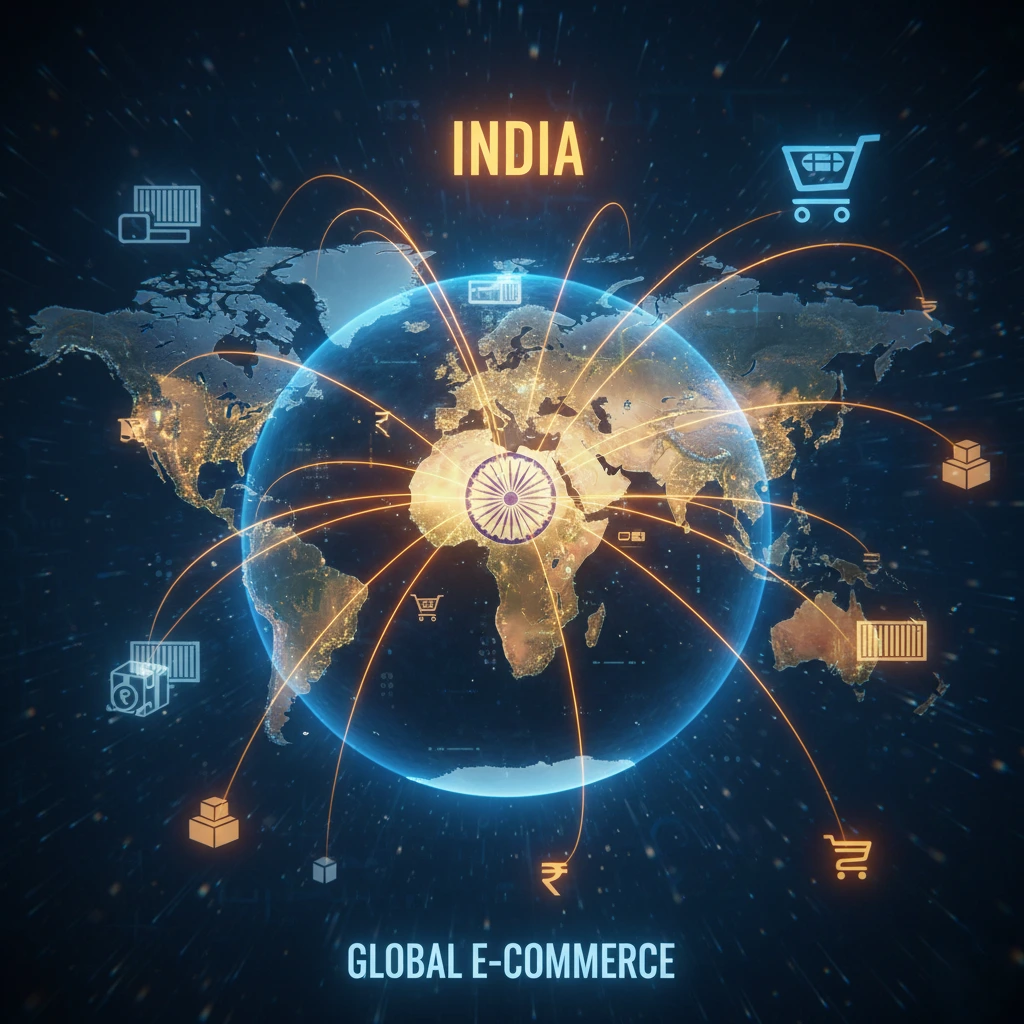
    Indian e-commerce is growing beyond borders. What started as a domestic retail revolution is now turning into a global opportunity. From fashion to handicrafts, Indian brands are discovering that the world wants what India has to offer. The combination of digital transformation, supportive export policies, and global demand for authentic Indian products has made cross-border e-commerce a powerful path for growth.

    The World Is Shopping for India

    For decades, Indian exports meant textiles, spices, and jewelry sold through traditional trade channels. Now, digital marketplaces have changed everything. With platforms like Amazon Global Selling, Etsy, eBay, and Shopify, even small Indian entrepreneurs can reach customers in New York, London, or Tokyo without leaving their hometowns.

    Consumers across the globe are seeking unique, sustainable, and authentic products—qualities that Indian sellers naturally excel at. Whether it’s handwoven sarees from Varanasi, Ayurveda-inspired skincare from Kerala, or artisanal teas from Assam, there is a growing international appetite for “Made in India.”

    India’s Creative Edge

    Global buyers are tired of cookie-cutter products. They crave craftsmanship, authenticity, and stories behind what they buy. This is where Indian brands shine. Our art forms, textiles, spices, and eco-friendly goods have a distinct personality that resonates deeply with conscious consumers. Indian sellers who highlight these cultural stories are capturing attention worldwide.

    Digital Platforms Opening Global Doors

    Cross-border e-commerce no longer requires massive infrastructure or middlemen. Platforms have simplified everything from catalog listing to international shipping. Amazon Global Selling and Flipkart’s export initiatives allow Indian brands to display their products directly to overseas audiences.

    Similarly, niche platforms like Etsy are helping independent Indian creators find global followers. A jewelry designer in Jaipur or a ceramic artist in Pondicherry can now ship their creations to Paris or Toronto with just a few clicks.

    The Rise of Direct-to-Consumer Export Brands

    Many Indian startups are bypassing marketplaces altogether and creating their own global e-commerce stores. Using Shopify or WooCommerce, they build websites, integrate international payments, and market directly to foreign audiences through social media ads and influencer collaborations.

    Brands like Chumbak, BoAt, and FabIndia are already expanding their reach beyond Indian borders. Their success stories are inspiring thousands of smaller players to think global.

    Niche Markets Are the New Goldmine

    The internet has fragmented the global consumer base into micro-communities—each with its own niche interests. Indian sellers who identify and serve these niches can thrive internationally.

    Examples of Niche Opportunities

    • Yoga and Wellness: With yoga’s worldwide popularity, demand for Indian-made yoga mats, herbal oils, and meditation accessories has skyrocketed.
    • Ethnic Fashion: Traditional wear like kurtas and sarees are becoming trendy in global ethnic fashion circuits.
    • Spices and Superfoods: Turmeric lattes, moringa powder, and ghee are no longer exotic—they’re mainstream in Western wellness culture.
    • Eco-friendly Products: Reusable cotton bags, bamboo toothbrushes, and natural soaps made in India are attracting sustainability-conscious buyers.

    By focusing on these niches, small Indian sellers can position themselves as category leaders rather than competing with global giants.

    Challenges on the Road to Global Success

    While the opportunity is massive, cross-border e-commerce also comes with its own challenges. Understanding shipping logistics, customs regulations, and pricing strategies are crucial for success.

    Logistics and Fulfillment Complexity

    International shipping involves higher costs, longer delivery times, and import regulations. Partnering with global logistics providers or e-commerce enablers like Shiprocket, DHL, or FedEx can streamline operations. Sellers who offer transparent delivery timelines and reliable tracking build stronger trust with global buyers.

    Currency and Payment Barriers

    Handling multiple currencies can be tricky. Integrating global payment gateways like PayPal, Stripe, or Razorpay International helps simplify checkout for international customers. Offering prices in local currency can also improve conversions significantly.

    Regulatory Compliance

    Each country has its own import policies, taxes, and safety standards. Indian sellers need to stay informed and ensure that their packaging, labeling, and product quality comply with global norms. Government initiatives like the DGFT’s e-commerce export policy and India Post’s global parcel services are making this easier for small exporters.

    Marketing Indian Brands to Global Audiences

    Selling online is not enough—visibility is key. Digital marketing helps Indian brands reach specific audiences around the world.

    Building Brand Trust Through Storytelling

    Global consumers love stories. Sharing the heritage of your product—the artisan behind the design or the origin of the ingredients—creates emotional connections. Use videos, blogs, and product pages to tell your brand story authentically.

    Leveraging Social Media and Influencers

    Social media is the new global marketplace. Instagram Reels, YouTube shorts, and TikTok trends can amplify brand reach. Collaborating with local influencers in target countries can quickly boost brand awareness. For example, an Indian skincare brand can partner with beauty bloggers in the UK or Japan to demonstrate its Ayurvedic products.

    Using SEO and Local Ads

    Optimize your website for global search terms like “Indian handmade jewelry” or “organic turmeric powder.” Running localized Google and Facebook ads in specific regions can help reach interested buyers at a low cost.

    Government Push for E-commerce Exports

    The Indian government has recognized the potential of e-commerce exports and is simplifying policies to help small businesses go global. Initiatives such as “Districts as Export Hubs” and the ONDC (Open Network for Digital Commerce) are designed to make exporting digitally easier for small manufacturers and artisans.

    Export incentives, faster clearances, and simplified GST compliance for exporters are encouraging more Indian brands to take the leap. The government’s vision is clear—empower local creators to access global customers directly through e-commerce.

    Future of Indian Brands in Global Markets

    The future of cross-border e-commerce for India is bright. As more Indian entrepreneurs embrace technology and storytelling, the world will see more digital-first brands from India making their mark internationally. The combination of affordable manufacturing, creative talent, and cultural richness gives India an unbeatable advantage in the global marketplace.

    Emerging Technologies Fueling Growth

    Artificial Intelligence is helping brands understand customer behavior across regions. AR and VR tools enable customers to virtually try Indian jewelry or home décor before buying. Blockchain-based systems are making global transactions more transparent and secure.

    Conclusion The World Is Ready for Indian Brands

    The age of Indian e-commerce going global is here. What once required massive export houses can now be done from a single laptop. With creativity, cultural authenticity, and smart digital tools, Indian sellers can connect directly with global consumers who value originality and ethics.

    The next global success story may not come from a multinational corporation—it might come from a small town artisan, a homegrown skincare startup, or a regional food brand using e-commerce to reach the world.

    For Indian entrepreneurs with vision and passion, the borders have truly disappeared. The global market is wide open, and it’s waiting for India.