Author: vCuestore_blogs

  • Why ‘Made in India’ Brands Are Redefining Luxury Online

    Why ‘Made in India’ Brands Are Redefining Luxury Online

    The idea of luxury has long been associated with international brands, European craftsmanship, and old-world prestige. But in the last decade, a quiet revolution has been unfolding — ‘Made in India’ brands are challenging the global narrative of what luxury means. They are merging India’s timeless heritage with contemporary design, crafting an identity that resonates both locally and globally. With the rise of digital platforms, these brands are no longer confined to elite boutiques; they are redefining luxury online.

    The Digital Shift: How India Found Its Luxury Voice

    The global luxury industry is evolving, and so are consumer expectations. The internet has democratized access to high-end products, and Indian luxury brands have seized this opportunity. The rise of e-commerce and social media marketing has given local designers and artisans a direct line to global consumers.

    Today’s online shoppers value authenticity, craftsmanship, and sustainability — three qualities that Indian luxury labels offer in abundance. Brands like Good Earth, Raw Mango, Péro, and Jaypore have mastered the art of storytelling through digital platforms. Their Instagram feeds, websites, and online stores aren’t just sales channels; they are immersive experiences showcasing India’s cultural depth.

    Heritage Meets Modern Aesthetic

    Indian luxury today is no longer about ornate embroidery and traditional motifs alone. It’s about fusing heritage craftsmanship with modern sensibilities. Designers are experimenting with minimalism, sustainability, and functionality while maintaining the soul of Indian design.

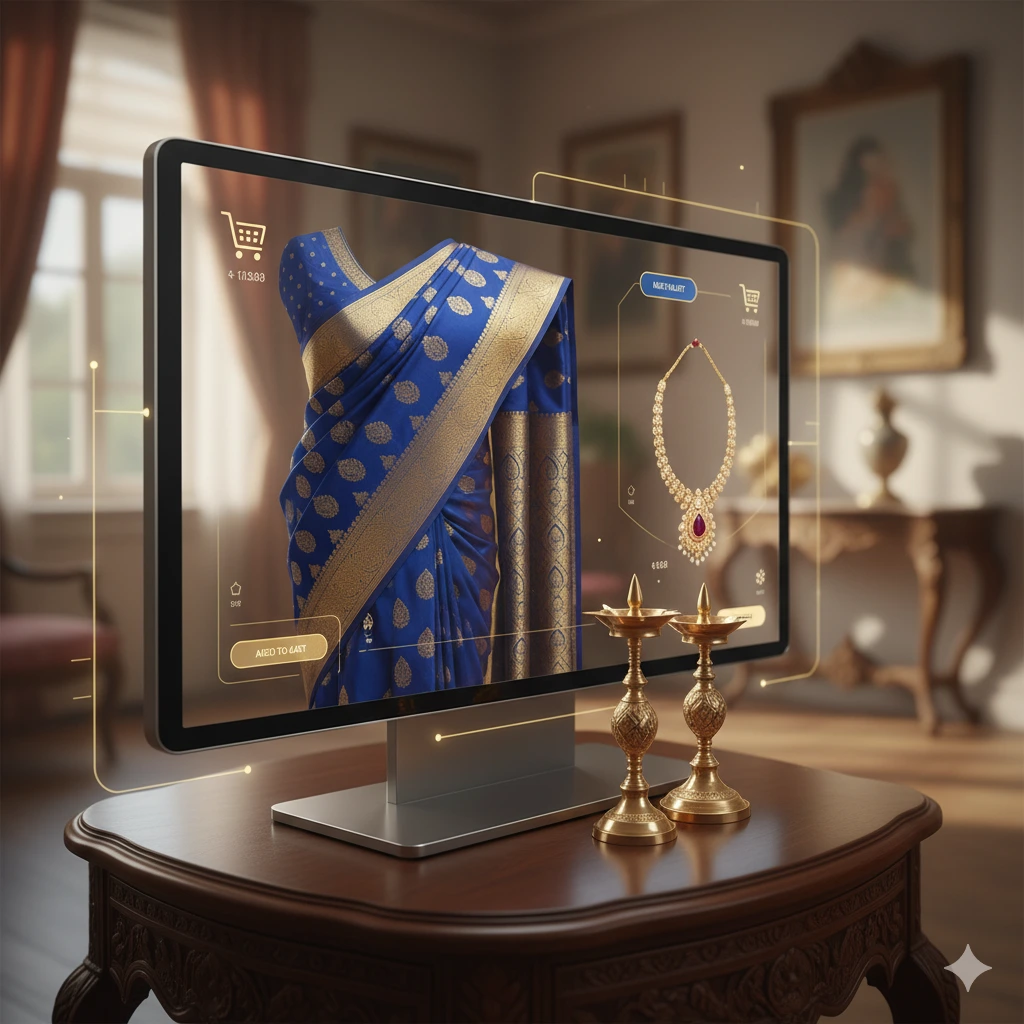
    For instance, Raw Mango, founded by Sanjay Garg, has transformed the humble saree into a symbol of modern luxury. By blending handwoven textiles with contemporary silhouettes, the brand appeals to a younger, global audience that values both tradition and innovation. Similarly, Péro by Aneeth Arora celebrates handcrafted fashion with global appeal — combining local textile techniques with international trends.

    This blend of old and new is what sets ‘Made in India’ luxury apart. It’s not about imitation; it’s about reinvention. The digital space has amplified this narrative, allowing brands to tell stories that are rooted in identity yet relevant in the modern world.

    The Rise of Conscious Luxury

    One of the most defining trends in luxury today is sustainability. Consumers are more aware of where their products come from, who makes them, and how they impact the planet. Indian brands have naturally aligned with this movement, thanks to their deep connection with handcrafted traditions and ethical production.

    Luxury brands like Nicobar, Nappa Dori, and Khara Kapas emphasize mindful consumption and small-batch production. Their online platforms showcase transparency in sourcing, craftsmanship videos, and details about the artisans behind the products.

    This focus on conscious creation not only elevates the value of each piece but also redefines what luxury truly means. It’s no longer about exclusivity through price; it’s about exclusivity through purpose. When a customer buys a handwoven saree from a village cooperative or a hand-stitched leather bag from a Delhi workshop, they’re buying a story — one that connects culture, craft, and community.

    Digital Storytelling: The New Luxury Experience

    In the online world, storytelling is everything. ‘Made in India’ brands have mastered this craft beautifully. Through powerful visuals, narratives, and digital experiences, they invite customers into their world.

    Brands like Good Earth curate collections inspired by Mughal gardens, Rajput palaces, and Indian folklore. Each collection is presented like a piece of art, rich with history and emotion. Their e-commerce platforms are designed not just for shopping but for exploration — an experience that mirrors walking through a luxury boutique.

    Social media plays a pivotal role too. Instagram has become a runway for storytelling. Brands use it to highlight artisan stories, behind-the-scenes processes, and cultural inspirations. This creates emotional engagement, transforming customers into loyal advocates who connect with the brand’s ethos.

    Breaking Global Barriers

    What makes this movement truly remarkable is its global reach. Once limited to Indian audiences, many luxury labels now cater to international buyers seeking authenticity and craftsmanship. E-commerce platforms and global shipping have opened the doors for Indian brands to be featured alongside European luxury houses.

    Designers like Sabyasachi Mukherjee and Rahul Mishra have taken Indian luxury to the world stage. Their online presence reflects a perfect fusion of heritage storytelling and digital innovation. For global audiences, these brands represent the essence of India — opulent yet soulful, traditional yet modern.

    The growth of diaspora communities has also fueled this expansion. Indian-origin consumers abroad are increasingly embracing brands that connect them with their roots, while non-Indian consumers are drawn to the craftsmanship and exotic appeal of these products.

    Empowering Artisans Through Digital Luxury

    Behind every luxury product lies the skill of an artisan. For centuries, India’s craft communities have struggled with visibility and fair compensation. The digital transformation of luxury has changed that. By moving online, brands can directly showcase and credit the artisans responsible for their work.

    Organizations like The Registry of Sarees, Craft Revival Trust, and brands like Anavila and 11.11/eleven eleven have created digital platforms that empower rural artisans. Online storytelling not only brings them recognition but also provides sustainable livelihoods.

    Through this model, ‘Made in India’ luxury becomes a movement — one that uplifts local economies while promoting cultural preservation. This is luxury with a conscience.

    The Future of Indian Luxury Online

    As India continues to shape its luxury identity, the future looks promising. With the country’s expanding digital infrastructure, rising affluent middle class, and growing global recognition, the stage is set for Indian brands to dominate the online luxury landscape.

    However, the key lies in maintaining authenticity and craftsmanship while embracing digital innovation. Technologies like AR-based shopping experiences, virtual fashion shows, and AI-driven personalization are already being integrated into online stores. The next phase of growth will depend on how effectively brands merge technology with tradition.

    Conclusion: Redefining Luxury the Indian Way

    The rise of ‘Made in India’ luxury brands online is more than a trend — it’s a transformation. It represents a shift from imported opulence to homegrown elegance, from mass-produced goods to handmade treasures. By combining heritage, sustainability, and digital innovation, Indian brands are not just redefining luxury — they are reclaiming it.

    In a world that increasingly values authenticity and purpose, India’s luxury story shines brighter than ever. The digital era has given Indian craftsmanship the global stage it deserves, proving that true luxury lies not in labels, but in legacy.
  • Social Proof in the Scroll Age: How Reviews & UGC Can Make or Break a Brand

    Social Proof in the Scroll Age: How Reviews & UGC Can Make or Break a Brand

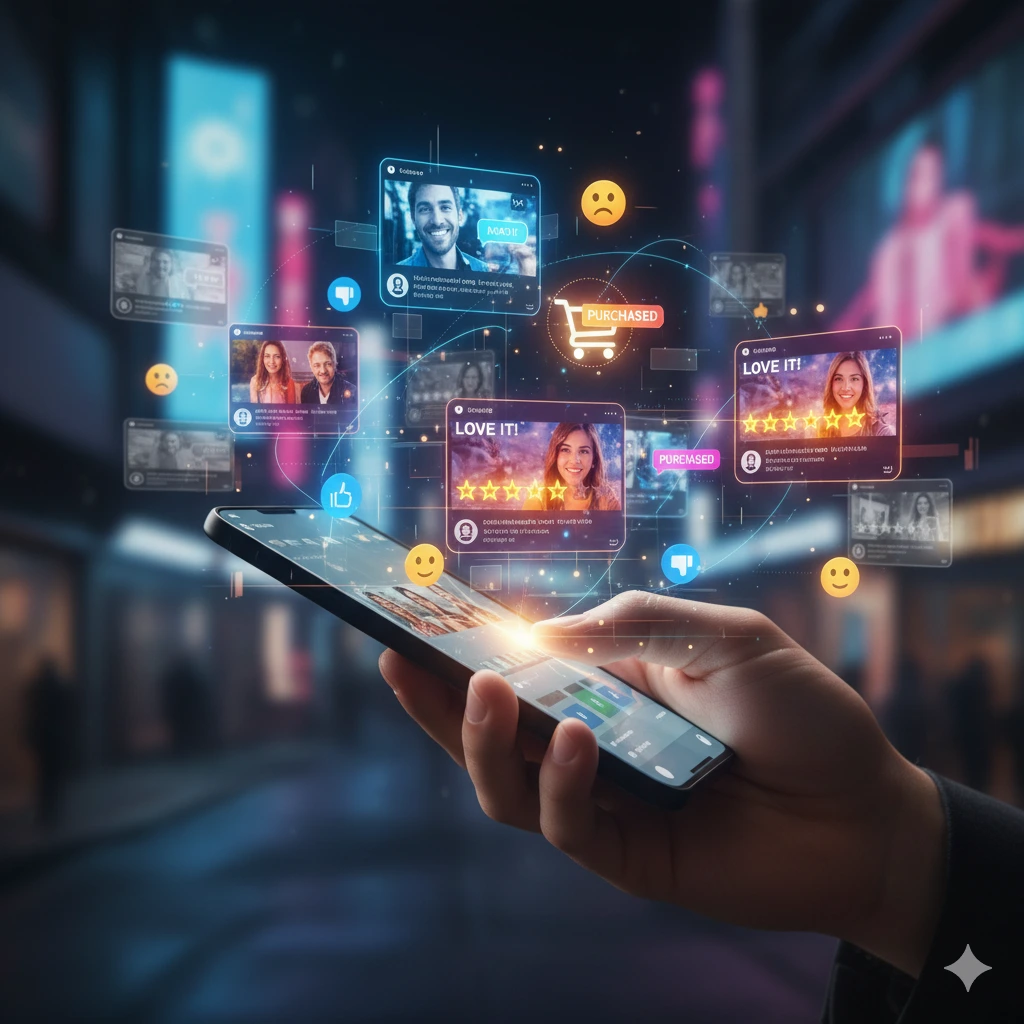
    In today’s digital-first world, consumer behavior is heavily influenced by social proof. Every scroll, click, and swipe exposes users to reviews, ratings, and user-generated content (UGC), shaping perceptions and decisions in real time. Brands no longer control the narrative entirely; instead, it’s the voices of their customers that determine reputation, credibility, and ultimately, success. Understanding the dynamics of reviews and UGC is critical for businesses that want to thrive in the scroll age.

    The Rise of Social Proof

    Social proof is a psychological phenomenon where people look to the actions and opinions of others to determine their own. In marketing, it manifests through customer reviews, testimonials, ratings, and shared experiences.

    With e-commerce dominating consumer spending and social media platforms serving as both discovery and shopping tools, social proof has never been more influential. A single five-star review, a viral post featuring a product, or an influencer endorsement can dramatically impact brand perception. Conversely, negative reviews or a lack of visible feedback can erode trust almost instantly.

    Why Reviews Matter More Than Ever

    Modern consumers rely on online reviews as a primary source of information before making a purchase. Studies show that over 90% of people read reviews before buying, and the majority trust peer reviews over brand messaging.

    For brands, this means reviews are not just feedback; they are marketing assets. Positive reviews provide credibility, reinforce brand promises, and influence purchase decisions. Negative reviews, when addressed transparently, can demonstrate accountability and even strengthen consumer trust.

    The Power of Ratings

    Star ratings are a shorthand for trustworthiness. A product with a 4.8-star rating will naturally attract more clicks than one rated 3.2 stars. This is why many brands prominently display average ratings on product pages and marketing channels.

    However, ratings alone are not enough. Consumers increasingly look for detailed reviews, including pros, cons, and real-life use cases. Rich, informative reviews that combine text, photos, and videos have the greatest influence.

    User-Generated Content: The Modern Testimonial

    Beyond reviews, user-generated content (UGC) has emerged as a cornerstone of social proof. UGC includes photos, videos, social media posts, and stories created by actual customers. Unlike curated brand content, UGC feels authentic, relatable, and trustworthy.

    Platforms like Instagram, TikTok, and Pinterest have amplified UGC, turning everyday consumers into brand advocates. A single viral post showing a product in action can generate exponential awareness, often surpassing traditional advertising reach.

    UGC Builds Community

    UGC also fosters a sense of community and belonging. When customers see others like them using and enjoying a product, it reinforces social norms and encourages participation. Brands that showcase UGC effectively create loyalty loops, where consumers are both viewers and contributors.

    Social Proof Across the Customer Journey

    Social proof impacts every stage of the customer journey. At the awareness stage, UGC can introduce a brand in an authentic, attention-grabbing way. During consideration, reviews and ratings provide reassurance. Finally, at the purchase stage, testimonials and peer validation can push hesitant buyers to convert.

    Even after purchase, social proof continues to matter. Customers who share reviews or post UGC contribute to the next wave of potential buyers. Brands that actively encourage and reward UGC create a cycle of trust and engagement.

    Authenticity Is Key

    In the scroll age, authenticity is everything. Consumers are adept at spotting fake reviews or staged content. Brands that manipulate reviews risk losing credibility entirely. Genuine feedback, whether positive or constructive, carries far more weight than polished but insincere marketing campaigns.

    Strategies to maintain authenticity include:

    • Encouraging real customer reviews without incentivization that biases responses
    • Highlighting diverse customer experiences
    • Featuring UGC in real-life contexts rather than overly curated settings

    Social Proof as a Conversion Multiplier

    The combination of reviews and UGC can significantly boost conversion rates. Retailers have reported that products with strong social proof see higher click-through rates, longer time on page, and increased sales. Social proof also reduces cart abandonment, as customers feel reassured that they are making the right decision.

    For digital-first brands, this makes social proof not just a marketing tool but a growth lever. Integrating reviews, ratings, and UGC across websites, emails, and social media amplifies its impact.

    Risks of Ignoring Social Proof

    Brands that ignore social proof do so at their peril. In the scroll age, negative experiences spread faster than ever. A few unresolved complaints or an absence of visible feedback can deter potential buyers.

    Additionally, failing to leverage UGC is a missed opportunity. Consumers increasingly want brands that are transparent, responsive, and community-driven. Without active engagement, brands risk appearing distant, untrustworthy, or irrelevant.

    Best Practices for Leveraging Social Proof

    To maximize the power of social proof, brands should:

    • Display reviews prominently on product pages and landing pages
    • Encourage UGC sharing through contests, hashtags, and incentives
    • Respond promptly to negative feedback to demonstrate accountability
    • Incorporate authentic testimonials in email marketing and ads
    • Track metrics such as review volume, engagement on UGC, and conversion rates

    By embedding social proof throughout the digital experience, brands can increase trust, engagement, and loyalty simultaneously.

    Conclusion: Social Proof in the Scroll Age

    In the digital era, brands no longer control the narrative; customers do. Reviews and UGC have become critical determinants of trust, credibility, and purchase decisions. Brands that embrace social proof with authenticity and consistency are rewarded with stronger engagement, higher conversions, and long-term loyalty.

    The scroll age has transformed marketing from a broadcast exercise into a conversation. Every review, post, and share contributes to the story of your brand. Those who recognize the power of social proof and harness it effectively will not just survive but thrive. In a world driven by likes, shares, and testimonials, social proof isn’t optional — it’s the currency of trust.

  • Immersive Marketing: AR, VR & the Experience Shift That Brands Can’t Ignore

    Immersive Marketing: AR, VR & the Experience Shift That Brands Can’t Ignore

    The world of marketing is evolving faster than ever, and brands are no longer just selling products — they’re selling experiences. Augmented Reality (AR) and Virtual Reality (VR) have emerged as transformative tools that allow consumers to engage with brands in ways that were once unimaginable. From virtual try-ons to immersive brand storytelling, these technologies are shifting consumer expectations and redefining how brands connect with their audiences.

    The Rise of Immersive Marketing

    Immersive marketing leverages AR, VR, and mixed reality to create interactive, engaging, and memorable experiences. Unlike traditional advertising, which relies on static visuals or passive consumption, immersive experiences actively involve the consumer.

    Brands across industries — from fashion and retail to real estate and automotive — are adopting these technologies to provide deeper engagement. By offering hands-on virtual experiences, brands can differentiate themselves, increase brand recall, and drive customer loyalty.

    AR vs VR: Understanding the Difference

    Augmented Reality (AR) overlays digital content onto the real world. Examples include AR filters on Instagram, Snapchat, or virtual try-on tools for eyewear and cosmetics. AR enhances reality rather than replacing it, making it ideal for interactive marketing campaigns.

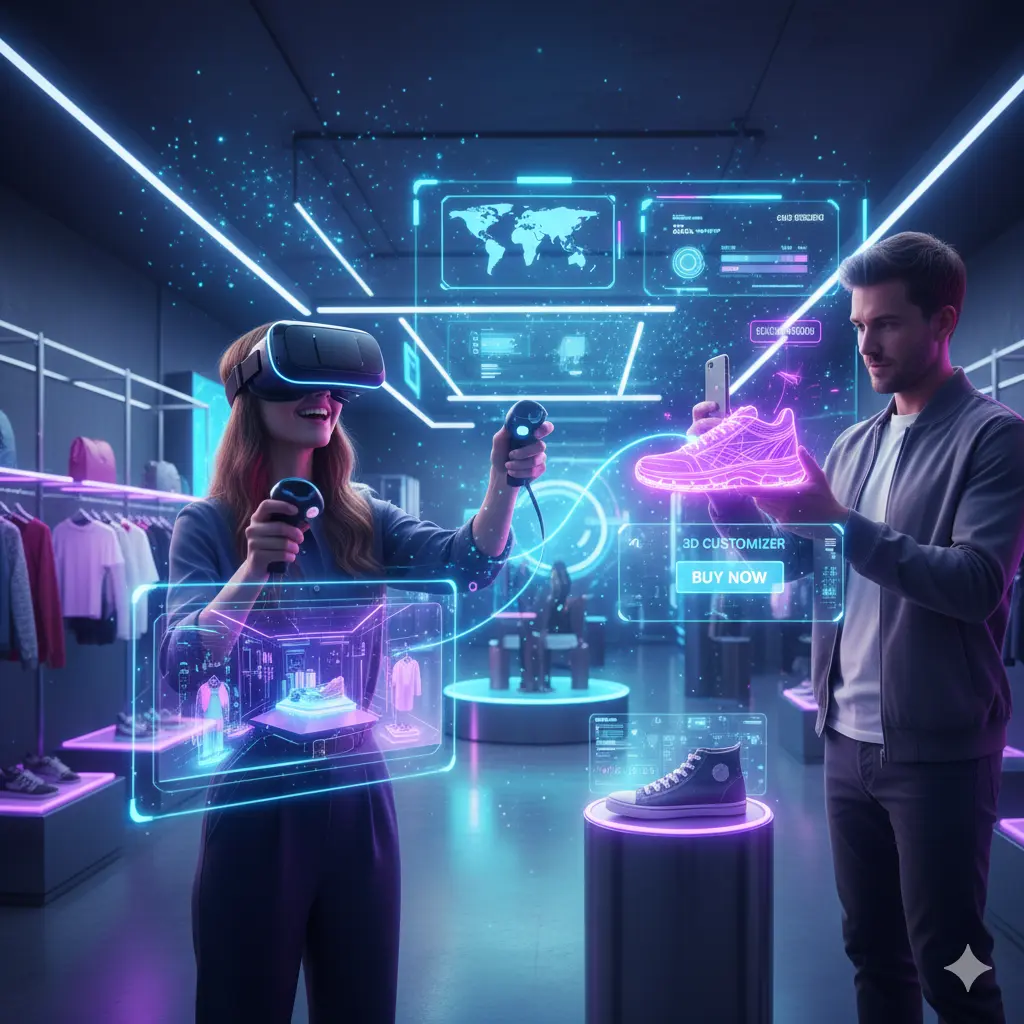
    Virtual Reality (VR), on the other hand, creates a fully immersive digital environment. VR experiences can transport users to virtual showrooms, interactive brand worlds, or product simulations. While VR requires more hardware like headsets, it delivers a highly engaging and memorable experience.

    Both technologies enable brands to interact with consumers on a deeper level, transforming traditional marketing into a multi-sensory journey.

    Why Brands Can’t Ignore the Experience Shift

    Consumer expectations are evolving. Today’s audiences crave interactive, personalized, and memorable experiences rather than simple advertisements. Immersive marketing fulfills this demand by:

    • Allowing try-before-you-buy experiences online
    • Creating gamified interactions that engage users
    • Delivering storytelling that resonates emotionally

    For example, IKEA’s AR app lets customers visualize furniture in their homes before making a purchase, enhancing confidence and reducing returns. Similarly, Nike’s VR campaigns provide interactive storytelling that immerses users in the brand’s ethos, forging a stronger emotional connection.

    The Role of AR in Retail and E-Commerce

    AR has revolutionized retail and e-commerce by bridging the gap between online and offline experiences. Consumers can use AR to try on clothes, experiment with makeup, or see how furniture fits into their homes. This not only enhances the shopping experience but also boosts conversion rates and reduces cart abandonment.

    Social media platforms have amplified the impact of AR. Filters, lenses, and interactive AR ads allow brands to engage younger audiences while collecting valuable data on preferences and behaviors. AR creates a fun, interactive, and shareable experience, turning users into brand ambassadors.

    VR: Redefining Storytelling and Engagement

    While AR enhances reality, VR replaces it entirely, offering fully immersive brand experiences. VR is particularly powerful for storytelling, training, and simulations. Travel brands, for instance, use VR to transport users to destinations, giving them a taste of the experience before booking. Automotive brands allow users to explore cars virtually, from interior features to test drives.

    VR creates emotional engagement, a key factor in driving brand loyalty. When consumers feel immersed in a narrative, they form stronger memories and connections to the brand. This level of engagement is hard to achieve with traditional media.

    Measuring the Impact of Immersive Marketing

    Investing in AR and VR is not just about novelty; it’s about measurable outcomes. Brands track engagement rates, dwell time, conversion rates, and social shares to assess the effectiveness of immersive campaigns. High engagement often translates into increased sales, brand awareness, and customer retention.

    Additionally, immersive marketing provides data-driven insights. Interactions within AR and VR environments can reveal user preferences, behavior patterns, and engagement points, allowing brands to optimize future campaigns.

    Challenges and Considerations

    Despite its potential, immersive marketing comes with challenges:

    • Cost and accessibility: VR hardware and AR app development require investment
    • User adoption: Not all consumers are familiar with immersive technologies
    • Content creation: Developing high-quality AR/VR experiences demands creativity and technical expertise

    Brands must weigh these factors and start small, experimenting with AR filters, interactive apps, or VR showrooms before scaling immersive campaigns. The key is to deliver value and usability, not just gimmicks.

    The Future of Brand Experiences

    The future of marketing is experiential. As AR glasses, VR headsets, and mixed reality devices become mainstream, immersive marketing will become a standard rather than a novelty. Brands that adopt these technologies early will set new benchmarks for engagement, personalization, and loyalty.

    AI integration will further enhance immersive experiences, creating adaptive and personalized interactions. Imagine entering a virtual store where every product is curated based on your preferences, or attending a live virtual concert tailored to your music tastes. Immersive marketing will redefine how consumers interact, shop, and experience brands.

    Conclusion: Embracing the Experience Shift

    AR and VR are no longer optional tools for brands — they are essential components of modern marketing. Immersive marketing allows brands to create memorable experiences, strengthen emotional connections, and differentiate themselves in an increasingly crowded digital landscape.

    The shift from traditional advertising to experiential engagement is clear. Brands that embrace AR, VR, and immersive storytelling will not only capture attention but also build lasting loyalty in an age where consumers crave interaction, personalization, and authenticity.

  • From Cart Abandonment to Loyal Customers: Personalization Tactics That Actually Work

    From Cart Abandonment to Loyal Customers: Personalization Tactics That Actually Work

    In today’s digital-first world, e-commerce brands face one of their biggest challenges: cart abandonment. Shoppers add items to their carts but leave without completing the purchase, costing businesses billions every year. The solution isn’t just better pricing or flashy ads; it’s personalization. By tailoring experiences to individual customers, brands can reduce cart abandonment, boost conversions, and transform first-time buyers into loyal customers.

    Understanding Cart Abandonment

    Cart abandonment happens when a shopper adds products to an online cart but exits before completing the purchase. The reasons vary — unexpected shipping costs, complicated checkout processes, or lack of trust. However, behind every abandoned cart lies an opportunity: the chance to re-engage customers through personalized strategies.

    Data shows that approximately 70% of online shopping carts are abandoned. The key question is: how can brands convert these missed opportunities into sales and long-term loyalty? The answer lies in personalization.

    Why Personalization Works

    Personalization is the practice of delivering tailored experiences to consumers based on their behavior, preferences, and past interactions. It works because consumers crave relevance. Generic emails, pop-ups, or ads often go unnoticed, but content that speaks to individual needs captures attention and drives action.

    Key benefits of personalization include:

    • Higher conversion rates
    • Improved customer engagement
    • Increased brand loyalty
    • Enhanced customer lifetime value

    When brands leverage personalization correctly, they don’t just recover lost sales — they create meaningful connections with customers.

    Personalization Tactics That Actually Work

    1. Abandoned Cart Emails

    One of the most effective ways to combat cart abandonment is through abandoned cart emails. But generic reminders aren’t enough. Personalization can take this tactic to the next level:

    • Include the customer’s name and specific items left in the cart
    • Offer personalized incentives, such as discounts or free shipping
    • Highlight related products based on browsing history

    Studies show that personalized abandoned cart emails can recover up to 10–30% of lost sales, turning missed opportunities into revenue.

    2. Dynamic Product Recommendations

    Using data-driven recommendations allows brands to show products that align with a shopper’s interests. For example:

    • “Customers who viewed this also bought…”
    • “Recommended for you based on your recent purchases”

    Dynamic recommendations create a curated shopping experience, making the consumer feel understood and valued. This not only boosts conversions but also increases average order value.

    3. Personalized On-Site Experiences

    Personalization isn’t limited to email. On-site tactics can also reduce abandonment:

    • Display recently viewed items on the homepage or product pages
    • Offer personalized pop-ups with discounts for items left in the cart
    • Tailor homepage banners based on user behavior or location

    When shoppers see a website that adapts to their interests, they are more likely to complete their purchase.

    4. Retargeting Ads with a Personal Touch

    Retargeting ads remind customers of products they previously explored. Personalization enhances this approach by:

    • Showing the exact product left in the cart
    • Highlighting limited-time offers or stock alerts
    • Featuring content aligned with the shopper’s browsing history

    Personalized retargeting bridges the gap between consideration and purchase, nudging customers toward checkout without feeling intrusive.

    5. Loyalty Programs and Personalized Rewards

    Turning one-time buyers into loyal customers requires thoughtful engagement. Personalized loyalty programs can include:

    • Customized reward points for frequently purchased items
    • Exclusive offers based on past purchases
    • Early access to products or sales tailored to customer preferences

    Personalized rewards make customers feel appreciated, fostering repeat purchases and long-term loyalty.

    The Role of Data in Personalization

    Effective personalization relies on data collection and analysis. Brands need to understand:

    • Customer behavior: browsing history, purchase patterns, and interactions
    • Preferences and interests: product categories, styles, or colors
    • Demographics and location: to tailor offers and content

    With this data, brands can implement AI-powered personalization tools that automate recommendations, emails, and on-site content, ensuring every interaction is relevant and timely.

    Measuring Success

    Personalization strategies should be monitored for impact. Key metrics include:

    • Cart recovery rates
    • Conversion rates
    • Average order value
    • Customer retention and repeat purchase rates

    Analyzing these metrics helps brands refine personalization tactics, identify high-performing strategies, and continuously improve the customer experience.

    Challenges and Best Practices

    While personalization offers enormous benefits, brands must navigate potential challenges:

    • Privacy concerns: Consumers value their data and expect transparency
    • Over-personalization: Too many targeted messages can feel intrusive
    • Integration complexity: Coordinating data across platforms requires robust systems

    Best practices include:

    • Being transparent about data collection and usage
    • Providing options for personalization instead of forcing it
    • Continuously testing and optimizing campaigns

    By balancing relevance and respect, brands can build trust while delivering highly effective personalized experiences.

    Conclusion: From Cart Abandonment to Customer Loyalty

    The journey from cart abandonment to loyal customers is no longer about generic strategies. In the age of digital shopping, personalization is the key differentiator. By leveraging abandoned cart emails, dynamic recommendations, personalized on-site experiences, retargeting ads, and loyalty programs, brands can convert lost sales into revenue while building lasting customer relationships.

    Personalization transforms the shopping experience from transactional to relational. Customers no longer feel like numbers on a sales report; they feel seen, understood, and valued. For brands willing to invest in data-driven, personalized strategies, the payoff is clear: higher conversions, increased loyalty, and a sustainable competitive advantage in a crowded marketplace.

  • How E-Commerce Brands Can Turn Festive Seasons into Storytelling Seasons

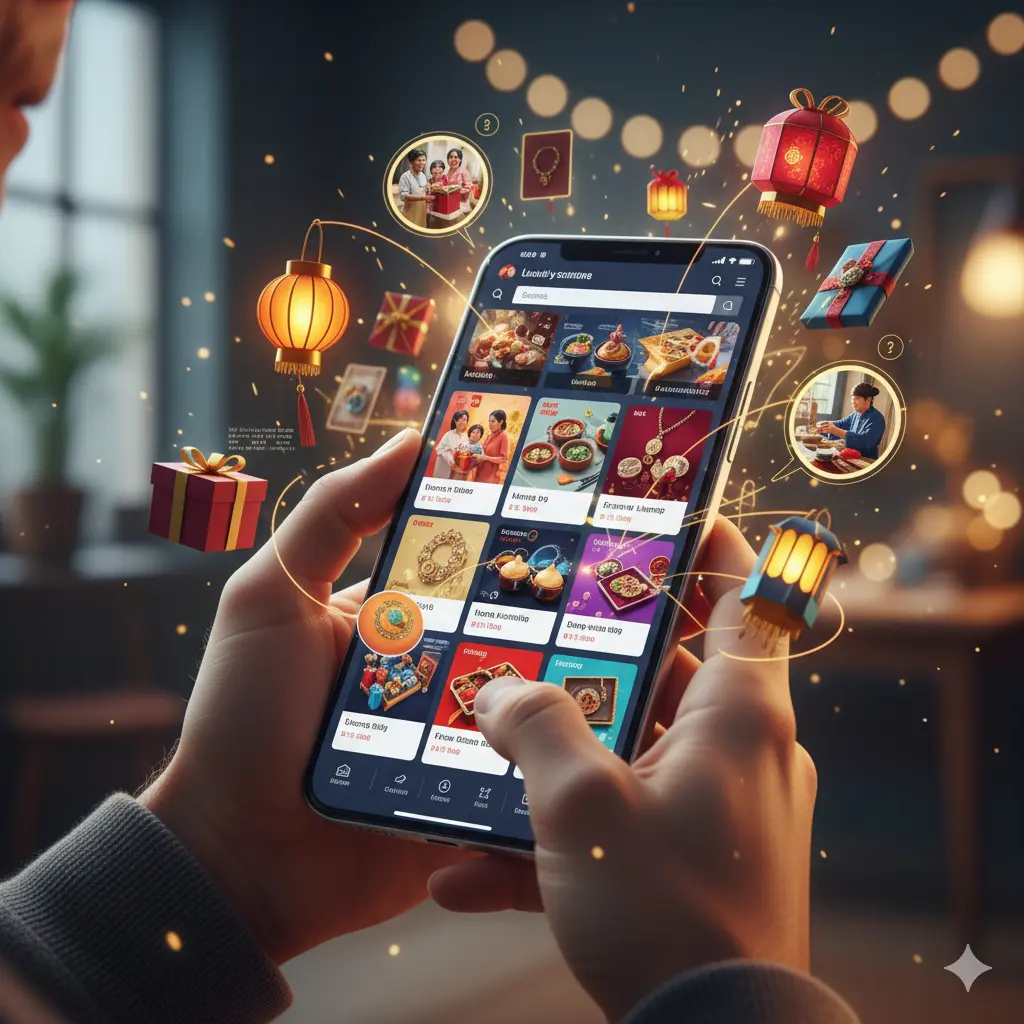
    How E-Commerce Brands Can Turn Festive Seasons into Storytelling Seasons

    Festive seasons are more than just periods of high sales and discounts; they are prime opportunities for e-commerce brands to connect with customers on an emotional level. In an age where consumers crave meaningful experiences, transforming marketing campaigns into compelling stories can create lasting brand loyalty, increase engagement, and boost conversions. Storytelling during festive seasons is not just about selling products — it’s about weaving a narrative that resonates with customers’ emotions, traditions, and aspirations.

    Why Storytelling Matters in E-Commerce

    Storytelling is a powerful marketing tool because humans are naturally drawn to narratives. Brands that craft stories during festive seasons can:

    • Differentiate themselves from competitors
    • Build emotional connections with consumers
    • Make promotions feel authentic rather than transactional

    During festivals, people are already in a celebratory and emotional mindset, making it the perfect time for brands to engage beyond discounts and deals. Instead of focusing solely on products, brands that focus on experiences, memories, and values create stronger, longer-lasting impressions.

    Emotional Connection Drives Conversions

    Consumers are more likely to purchase when they feel a personal connection to a brand. Storytelling taps into nostalgia, joy, family values, and festive traditions, turning ordinary transactions into memorable experiences. For example, a brand showcasing how its products enhance family celebrations or create meaningful moments can resonate deeply with shoppers.

    Tactics for Turning Festive Seasons into Storytelling Seasons

    1. Craft a Festive Narrative

    Begin by defining a storyline that aligns with both the brand’s identity and the festive spirit. A good narrative highlights:

    • The emotions associated with the festival
    • How the brand enhances the celebration
    • A clear call-to-action without sounding pushy

    For instance, a home décor brand can focus on the warmth and togetherness of family gatherings, showing how its products create memorable festive settings.

    2. Leverage Visual Storytelling

    Festive campaigns thrive on visual content. High-quality imagery, videos, and animations can convey narratives more effectively than words alone. Brands should:

    • Use festive colors, motifs, and designs
    • Showcase real-life usage scenarios of products
    • Incorporate UGC (user-generated content) to add authenticity

    Platforms like Instagram, TikTok, and Pinterest are ideal for visual storytelling, allowing brands to engage audiences with immersive and shareable content.

    3. Personalize Festive Experiences

    Personalization is key to making festive campaigns feel special. Brands can:

    • Send customized emails and messages featuring relevant products
    • Recommend gifts based on past purchases or browsing behavior
    • Highlight exclusive offers for loyal customers

    Personalized campaigns demonstrate that the brand understands and values the consumer, enhancing engagement and conversion rates.

    4. Use Story-Driven Product Bundles

    Festive seasons are perfect for curated product bundles that tell a story. Bundles can be themed around:

    • Family celebrations
    • Friendships and gifting
    • Festive rituals and traditions

    By presenting bundles as ready-made solutions for festive needs, brands simplify shopping while reinforcing their narrative.

    5. Engage Customers with Interactive Campaigns

    Festive storytelling can extend beyond ads and emails through interactive campaigns. Brands can:

    • Host contests and challenges that encourage users to share their festive stories
    • Use AR filters or gamified experiences related to the festival
    • Launch social media campaigns that highlight customer participation

    Interactive storytelling creates a community feeling, making customers feel part of the brand’s festive journey.

    Measuring the Impact of Festive Storytelling

    To ensure campaigns are effective, brands should track metrics such as:

    • Engagement rates on social media and emails
    • Conversion rates from storytelling-driven campaigns
    • UGC participation and shares
    • Customer sentiment and feedback

    Data from these metrics helps refine future storytelling campaigns, making them even more targeted and impactful.

    Challenges and Considerations

    While festive storytelling offers immense potential, brands should be mindful of:

    • Cultural sensitivity: Ensure campaigns respect diverse traditions and beliefs
    • Over-commercialization: Focus on stories and experiences, not just selling
    • Consistency: Maintain narrative consistency across all channels for maximum impact

    Balancing authenticity, relevance, and creativity ensures that festive campaigns resonate meaningfully with audiences.

    Conclusion: Transforming Festive Seasons into Storytelling Seasons

    For e-commerce brands, festive seasons are a golden opportunity to move beyond transactional marketing. By embracing storytelling, personalization, visual engagement, and interactive campaigns, brands can turn ordinary promotions into memorable experiences that strengthen emotional connections with consumers.

    The ultimate goal is to make shoppers feel that the brand is part of their festive moments, not just a source of products. In doing so, brands can drive higher engagement, boost sales, and cultivate long-term loyalty. In the world of e-commerce, festive storytelling is more than marketing — it’s a way to celebrate, connect, and create lasting memories.