Category: E-Commerce

  • E-Commerce Strategies & Tips for Small Businesses

    E-Commerce Strategies & Tips for Small Businesses

    Running an online store is one of the most effective ways for small companies to grow, compete and reach wider audiences. However, with the rapid rise of digital competition, small businesses must adopt smart e-commerce strategies to stand out and drive long-term success. Having a functional website is not enough; customers today expect fast service, smooth navigation, secure payments and personalized shopping experiences. This blog outlines the best e-commerce tips for small businesses to boost sales, improve customer experience and build a strong digital brand presence.

    1. Build a User-Friendly and Mobile-Optimized Website

    The website is the heart of every e-commerce business, and its performance directly affects conversions and customer trust. A user-friendly design keeps visitors engaged and encourages them to explore your products.

    Focus on Responsive and Fast Design

    Today, more than half of online shopping happens on mobile devices, making mobile optimization a top priority. Your website must load quickly, adjust to different screens and offer easy navigation. Long load times can increase bounce rates and lead to lost sales. Use clean layouts, simple menus and high-quality visuals to make browsing enjoyable and intuitive. A seamless experience boosts credibility and encourages repeat visits.

    2. Use High-Quality Product Photos and Descriptions

    In e-commerce, customers rely entirely on visuals and descriptions to make purchasing decisions. Clear and accurate product information reduces return rates and builds trust.

    Improve Your Product Listings

    Use high-resolution product photos, multiple angles, lifestyle images and zoom features to help customers visualize the product. Combine visuals with detailed descriptions that highlight features, materials, sizes and benefits. Adding FAQs, customer reviews and guides enhances transparency and helps shoppers make informed decisions. High-quality listings are essential for building trust and enhancing the online shopping experience.

    3. Optimize Your E-Commerce Store for SEO

    Search engines remain one of the strongest drivers of organic traffic. Implementing e-commerce SEO strategies helps small businesses appear higher in search results, increasing visibility and attracting potential customers.

    Important SEO Techniques

    Use relevant keywords in titles, headers and descriptions. Optimize meta tags, improve page speed, write alt text for images and create internal links between product pages. Publishing blogs around your niche strengthens authority and supports SEO performance. The more search engines understand your content, the higher your store will rank. Effective SEO brings long-term traffic without relying solely on paid ads.

    4. Leverage Social Media for Growth and Engagement

    Social media platforms play a significant role in strengthening brand presence and driving traffic to online stores. Platforms like Instagram, TikTok, Facebook and Pinterest help small businesses connect with customers on a personal level.

    Social Media Strategies to Apply

    Post consistently with attractive visuals and videos to showcase your products. Use short-form video content, behind-the-scenes clips and customer testimonials to build trust. Collaborate with micro-influencers to reach targeted audiences. Utilize social media ads for precise targeting and retargeting. Engaging with comments and messages strengthens customer relationships and increases brand loyalty. Social media acts as both a marketing tool and customer service channel.

    5. Offer Multiple Payment and Shipping Options

    Customers expect flexibility, especially during checkout. Providing multiple secure payment and delivery methods greatly improves conversions and reduces abandoned carts.

    Improve Customer Convenience

    Offer credit/debit cards, UPI, wallets, PayPal and cash on delivery based on your region. Provide several shipping methods, including express delivery, standard delivery and free shipping thresholds. Display transparent shipping fees before checkout to avoid surprises. Offering real-time tracking and SMS/email updates enhances trust and ensures a smooth customer journey.

    6. Use Email Marketing to Build Customer Loyalty

    Email marketing remains one of the highest ROI digital marketing channels for small businesses. It helps maintain contact with customers, promote offers and encourage repeat purchases.

    Smart Email Marketing Methods

    Send welcome emails, newsletters, exclusive discounts and product recommendations. Use abandoned cart emails to recover sales from customers who leave items behind. Segment your audience to deliver personalized content based on purchase behavior and interests. Email automation saves time and increases engagement, making it a strong part of your e-commerce strategy.

    7. Provide Excellent Customer Service

    Great customer service sets small businesses apart from larger competitors. Supportive, fast and friendly communication helps build trust and improves the overall shopping experience.

    Delivering Quality Support

    Offer multiple customer service channels including live chat, email and phone support. Respond to queries quickly and professionally. Provide easy returns, transparent policies and clear instructions for order tracking. Customers appreciate brands that value their concerns, making them more likely to return and refer others.

    8. Use Analytics and Data to Make Smart Decisions

    Data is one of the most valuable tools for improving business performance. Analytics platforms like Google Analytics or built-in e-commerce dashboards provide insights into user behavior and sales performance.

    Key Metrics to Track

    Monitor best-selling products, website traffic sources, conversion rates, customer demographics and abandoned cart rates. Use this data to improve marketing strategies, adjust pricing, refine product listings and optimize the user experience. Data-driven decision-making helps small businesses stay competitive and avoid guesswork.

    9. Run Promotions and Loyalty Programs

    Promotions attract new customers, while loyalty programs encourage repeat purchases—essential for long-term growth in e-commerce.

    Effective Promotional Tactics

    Offer limited-time discounts, bundle deals, festive offers and free shipping. Create a points-based loyalty program where customers earn rewards for every purchase. Provide exclusive access to new arrivals or early sale previews for loyal buyers. These strategies strengthen customer relationships and increase brand loyalty.

    10. Build Trust Through Transparency and Authenticity

    Trust is one of the biggest deciding factors in online purchases. Small businesses can build credibility by being honest, consistent and transparent with customers.

    Trust-Building Techniques

    Display authentic reviews, respond to feedback and be transparent about shipping times, return policies and product details. Show behind-the-scenes content to humanize your brand. The more trust customers feel, the more likely they are to buy and recommend your brand.

    Final Thoughts

    Growing an online business requires a combination of smart planning, strong branding and consistent customer engagement. By following these e-commerce strategies and tips, small businesses can improve website performance, boost conversions and create memorable online shopping experiences. Success in e-commerce comes down to offering value, maintaining trust and continuously optimizing your processes. With the right approach, any small business can build a strong digital presence and achieve sustainable growth.

  • What Are the Advantages of E-commerce for Businesses?

    What Are the Advantages of E-commerce for Businesses?

    In today’s fast-paced digital marketplace, e-commerce has shifted from being a luxury to an essential component of modern business. Companies of all sizes are embracing online selling to reach more customers, increase efficiency, and improve profitability. Understanding the advantages of e-commerce for businesses can help you make informed decisions about building or expanding your online presence. This guide explores the key benefits and explains why e-commerce continues to be a game-changer in the global economy.

    1. Wider Market Reach

    One of the most significant benefits of e-commerce is the ability to reach customers beyond geographic limitations. A traditional brick-and-mortar store depends on local foot traffic, but an online store can attract buyers from anywhere in the world.

    Why This Matters

    • You can sell 24/7
    • No regional restrictions
    • Increased exposure to global audiences

    With e-commerce, businesses can expand their market and tap into new customer segments, boosting visibility and sales.

    2. Lower Operational Costs

    Running an online business typically costs less than operating a physical store. This is one of the most attractive e-commerce advantages for small businesses.

    Cost Savings Include

    • Lower rent and utility expenses
    • Reduced staffing requirements
    • Automated inventory and order management

    The ability to cut costs while increasing revenue makes e-commerce a highly profitable option.

    3. Faster and More Efficient Buying Process

    Customers love convenience—and e-commerce platforms make buying easier, faster, and more seamless than ever.

    Benefits for Your Customers

    • Quick product search
    • Easy checkout process
    • Multiple payment options
    • Instant confirmations

    A smoother buying journey increases customer satisfaction and leads to higher conversion rates.

    4. Access to Valuable Customer Data

    One of the biggest advantages of selling online is the ability to collect detailed analytics. E-commerce gives businesses access to customer behavior data, allowing them to make smarter decisions.

    Insights You Can Gather

    • Purchase history
    • Browsing behavior
    • Demographics
    • Time spent on pages

    This data helps you improve your marketing strategies, tailor your product offerings, and enhance the user experience.

    5. Personalized Shopping Experience

    Thanks to advanced tools and automation, businesses can deliver highly personalized experiences to customers.

    Personalization Tools Include

    • AI product recommendations
    • Personalized emails
    • Targeted ads
    • Customized discount offers

    Providing a customized shopping experience leads to stronger engagement, repeat purchases, and increased customer loyalty.

    6. Increased Scalability

    Scaling a physical business requires significant investment, but e-commerce scalability is easier and more cost-effective.

    How E-commerce Supports Growth

    • Add new product lines quickly
    • Integrate third-party platforms
    • Expand into new markets effortlessly

    With the right technology, you can grow your online store without major operational disruptions.

    7. Improved Customer Service

    E-commerce allows businesses to provide faster, more efficient, and more flexible customer support.

    Tools That Improve Customer Service

    • Chatbots
    • FAQ pages
    • Automated email responses
    • Customer support ticket systems

    Immediate responses increase customer satisfaction and reduce the workload on your support team.

    8. Stronger Marketing Opportunities

    Digital marketing and e-commerce go hand in hand. Selling online gives businesses access to powerful marketing tools.

    Effective Marketing Channels

    • SEO (Search Engine Optimization)
    • Social media advertising
    • Email marketing
    • Content marketing
    • Retargeting ads

    These strategies help you attract, engage, and convert customers more effectively than traditional marketing.

    9. Multiple Payment Options

    E-commerce makes it easy for businesses to offer various payment methods, increasing convenience and trust for customers.

    Popular Payment Options

    • Credit/debit cards
    • PayPal
    • Apple Pay
    • Google Pay
    • Buy Now, Pay Later services

    Flexible payments lead to more completed transactions and higher sales.

    10. 24/7 Availability

    Unlike physical stores that operate within specific hours, an e-commerce store is open around the clock.

    Benefits of 24/7 Access

    • Customers can shop anytime
    • Increased sales opportunities
    • Higher customer satisfaction

    This always-open model gives your business a competitive advantage.

    11. Better Inventory and Order Management

    Modern e-commerce platforms come with advanced tools that simplify operations and reduce human error.

    Useful Features

    • Automatic stock updates
    • Real-time order tracking
    • Centralized product management

    These systems streamline business operations and improve accuracy.

    Final Thoughts

    Understanding the advantages of e-commerce for businesses highlights why so many companies are making the shift toward online selling. From reduced costs and global reach to better customer data and enhanced marketing opportunities, e-commerce offers unmatched benefits that drive sustainable growth. Whether you’re launching a new business or expanding an existing one, embracing e-commerce is a powerful way to stay competitive in the digital age.

  • Importance of Stock Control for E-Commerce Businesses

    Importance of Stock Control for E-Commerce Businesses

    In the fast-paced world of online retail, effective stock control plays a critical role in ensuring smooth operations, customer satisfaction, and long-term business growth. As e-commerce continues to expand globally, the ability to manage inventory efficiently has become more important than ever. Understanding the importance of stock control for e-commerce businesses can help you reduce costs, avoid errors, and create a seamless shopping experience for customers.

    What Is Stock Control?

    Stock control, also known as inventory management, refers to tracking the quantity, location, and movement of products within your business. For e-commerce companies, this includes monitoring online orders, warehouse stock, supplier deliveries, and fulfillment processes. Proper stock control ensures that the right products are available at the right time and in the right quantities.

    Why Stock Control Matters for E-Commerce

    Stock control is essential for maintaining business efficiency. Without proper systems in place, e-commerce businesses risk losing sales, damaging their reputation, and overspending on excess inventory. Below are the major reasons why inventory management is crucial in e-commerce.

    1. Prevents Stockouts and Lost Sales

    One of the biggest challenges e-commerce businesses face is running out of stock. When customers are unable to purchase an item due to unavailability, they quickly turn to competitors.

    How Stock Control Helps

    • Tracks product levels in real time
    • Sends low-stock alerts
    • Improves order forecasting

    By maintaining accurate inventory levels, you can reduce the risk of lost sales and keep customers satisfied.

    2. Reduces Excess Inventory Costs

    Holding too much stock ties up your money and warehouse space. Excess inventory can lead to wasted resources, outdated products, and lower profit margins.

    Benefits of Efficient Stock Control

    • Minimizes storage costs
    • Reduces the risk of dead stock
    • Helps maintain healthy cash flow

    With better stock control, e-commerce businesses can maintain a balanced inventory that improves profitability.

    3. Improves Order Accuracy

    Accurate orders build trust and credibility with customers. Poor stock control can lead to shipping delays, incorrect deliveries, or canceled orders.

    Stock Control Improves Accuracy By:

    • Providing updated product availability
    • Automating order processing
    • Synchronizing data across channels

    These improvements lead to fewer mistakes and a smoother shopping experience.

    4. Enhances Customer Satisfaction

    Customers expect fast, reliable service. Effective inventory management supports quick delivery times and high order fulfillment accuracy.

    Customer Benefits Include

    • Faster shipping
    • Reliable availability
    • Better communication about delivery status

    Happy customers are more likely to return and recommend your store to others.

    5. Supports Better Forecasting

    To grow your e-commerce business, you must understand market demand. Stock control systems help you predict future sales trends and plan inventory accordingly.

    Forecasting Helps You:

    • Identify popular products
    • Plan seasonal stock levels
    • Avoid over-ordering

    This data-driven approach supports smarter decision-making and long-term growth.

    6. Improves Cash Flow Management

    Poor stock control can trap money in unsold products. Effective inventory management ensures your capital is used efficiently.

    Strong Cash Flow Means:

    • More investment opportunities
    • Better supplier relationships
    • Increased business stability

    When you maintain the right amount of stock, your business runs more smoothly and profitably.

    7. Provides Real-Time Inventory Visibility

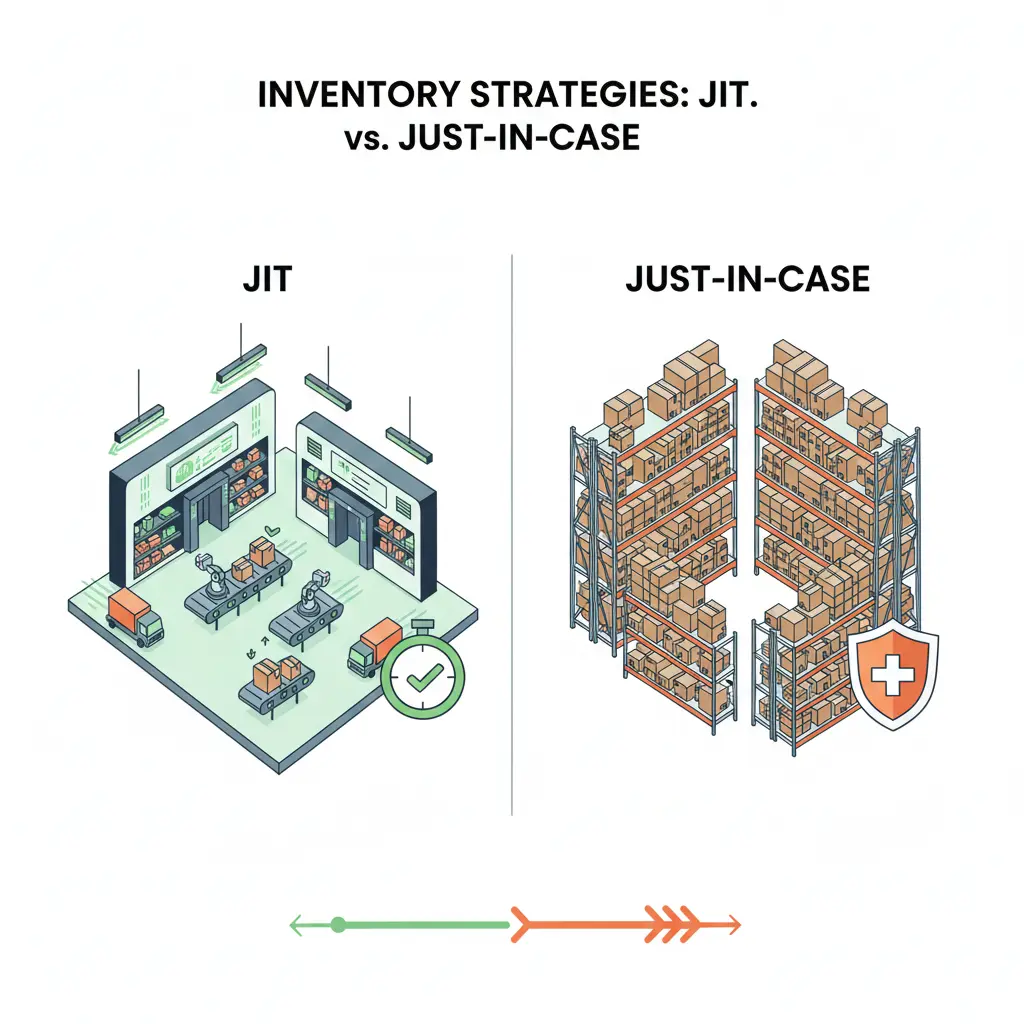
    E-commerce businesses often sell on multiple platforms—websites, marketplaces, and social media stores. Real-time inventory visibility ensures all channels display accurate stock levels.

    Benefits Include:

    • Fewer overselling incidents
    • Better syncing between warehouses
    • Improved multi-channel operations

    Visibility is essential for preventing mistakes and improving efficiency.

    8. Boosts Efficiency Through Automation

    Modern stock control systems automate repetitive tasks that once took hours to complete manually.

    Automation Can:

    • Track stock levels
    • Update product listings
    • Process orders automatically

    Using tools like inventory management software helps your team save time and focus on strategic tasks.

    9. Strengthens Supplier Relationships

    Effective stock control helps you maintain consistent communication with suppliers. When you can accurately forecast and communicate your needs, suppliers are more likely to deliver on time.

    Strong Supplier Relationships Lead To:

    • Better pricing
    • Faster restocking
    • Improved reliability

    This enhances your supply chain and reduces operational risks.

    10. Reduces Operational Errors

    Manual inventory tracking increases the likelihood of human error. Automated stock control systems help prevent mistakes that can harm your business.

    Errors That Stock Control Reduces:

    • Duplicate orders
    • Miscounts
    • Mismatched stock data

    Accurate tracking ensures smoother operations and improved customer satisfaction.

    Final Thoughts

    The importance of stock control for e-commerce businesses cannot be overstated. From preventing stockouts and reducing costs to improving customer satisfaction and streamlining operations, effective inventory management is vital for success in online retail. By investing in the right tools and strategies, you can build a reliable, efficient system that supports your e-commerce growth and keeps customers coming back.

  • How to Create an Effective Returns Solution

    How to Create an Effective Returns Solution

    Creating an efficient and customer-friendly returns solution is essential for any e-commerce business aiming to improve customer satisfaction, retain long-term buyers, and streamline operations. As online shopping grows, customers expect a smooth and transparent returns process that makes sending back products easy and stress-free. A well-designed returns strategy doesn’t just reduce frustration—it strengthens brand trust and can even boost repeat sales. Here’s how to create an effective returns solution that enhances both customer experience and business efficiency.

    Why an Effective Returns Solution Matters

    A strong returns management system helps businesses maintain profitability, reduce operational costs, and build customer loyalty. Studies consistently show that customers are more likely to buy again when the return experience is easy. A clear, accessible, and fast return process reflects professionalism and reliability—two essential qualities in today’s competitive e-commerce environment.

    1. Develop a Clear and Transparent Returns Policy

    Your returns solution starts with a well-written and easy-to-understand returns policy. Customers should know exactly what to expect before making a purchase.

    What Your Policy Should Include

    • Return eligibility (time limits, product conditions)
    • Exchange or refund options
    • Shipping costs and responsibilities
    • Processing times

    A transparent returns policy reduces confusion and prevents customer disputes. Make sure it is prominently displayed on your website, product pages, and checkout pages.

    2. Simplify the Customer Experience

    An effective returns solution focuses on convenience. If your return process is complicated, customers are less likely to shop with you again.

    Ways to Improve Customer Convenience

    • Offer pre-paid return labels
    • Provide step-by-step return instructions
    • Allow customers to initiate returns through their account dashboard
    • Offer multiple return methods (drop-off points, courier pickups, etc.)

    A seamless process enhances brand loyalty and encourages repeat purchases.

    3. Automate Your Returns Management System

    Automation is essential for handling returns efficiently. Modern returns management software can help you process returns faster while reducing manual work.

    Benefits of Automation

    • Real-time tracking updates
    • Reduced errors
    • Faster refund or exchange approvals
    • Centralized inventory and order data

    Automation makes your returns solution scalable as your business grows.

    4. Offer Multiple Refund and Exchange Options

    Customers value flexibility. Offering different solutions increases satisfaction and reduces friction in the return process.

    Effective Options Include

    • Full refunds
    • Store credit
    • Product exchanges
    • Upgrades to different items

    Providing variety empowers customers and improves their overall return experience.

    5. Use Return Merchandise Authorization (RMA) Systems

    An RMA system helps ensure that returns are processed in an organized and efficient manner. It assigns unique tracking numbers to each return, making it easier to monitor progress and validate items.

    RMA Benefits

    • Prevents unauthorized returns
    • Helps track return reasons
    • Enhances inventory accuracy
    • Supports better customer service

    RMAs keep your operations structured and reduce returns processing time.

    6. Analyze Return Data to Identify Problems

    Every return provides valuable insights. Tracking the reasons behind returns can help you identify trends and make strategic improvements.

    Key Insights to Analyze

    • Defective or damaged items
    • Incorrect sizing or product descriptions
    • Customer dissatisfaction with product quality
    • Packaging issues

    Using returns analytics, you can pinpoint weak areas in your supply chain, product listings, or customer communication.

    7. Improve Packaging and Delivery Accuracy

    Many returns happen because of preventable issues like damaged products or incorrect items. Strengthening your fulfillment process reduces return rates and costs.

    Solutions Include

    • Durable packaging
    • Clear product labeling
    • Quality control checks
    • Accurate picking and packing systems

    A reliable fulfillment process leads to fewer headaches for both your business and your customers.

    8. Offer a Free or Low-Cost Returns Option

    Customers are more likely to buy when the risk is low. While offering free returns may incur upfront costs, it often leads to increased sales and customer loyalty.

    Benefits of Free or Low-Cost Returns

    • Higher conversion rates
    • Increased trust and confidence
    • More repeat purchases
    • Reduced return friction

    If full free returns aren’t possible, consider offering them selectively—such as for exchanges or members of a loyalty program.

    9. Communicate Clearly Throughout the Process

    Customers want updates on their return status. Clear communication prevents uncertainty and improves customer experience.

    Communication Touchpoints

    • Return request confirmation
    • Shipping instructions
    • Package tracking updates
    • Refund or exchange approval notifications

    Simple and consistent communication builds trust throughout the returns journey.

    10. Make Returns Environmentally Friendly

    Consumers today care about sustainability. Implementing eco-friendly returns solutions improves brand reputation and reduces waste.

    Eco-Friendly Practices

    • Encourage exchanges over refunds
    • Provide paperless return options
    • Reuse packaging materials
    • Partner with green logistics providers

    Sustainability appeals to modern shoppers and creates a positive brand image.

    Final Thoughts

    Knowing how to create an effective returns solution is vital for improving customer satisfaction, reducing operational costs, and enhancing long-term business success. By building a transparent policy, automating your return processes, analyzing return data, and offering flexible options, you create a returns system that benefits both your business and your customers. A smooth returns experience encourages trust, loyalty, and repeat sales—making it a critical component of any successful e-commerce strategy.

  • The 2026 Guide to Shopify

    The 2026 Guide to Shopify

    As eCommerce continues to accelerate, Shopify remains one of the most powerful and user-friendly platforms for building and scaling online businesses. In 2026, Shopify has advanced even further with smarter automation, AI-driven personalization, faster checkout experiences, and seamless integrations across digital channels. Whether you’re launching your first store or expanding globally, this 2026 guide to Shopify will walk you through the latest features, best practices, and strategies to grow a successful online brand.

    Why Shopify Is a Leading Platform in 2026

    Shopify continues to dominate because it offers simplicity, scalability, and an ecosystem designed for growth. With improved AI features, enhanced security, and high-performance infrastructure, Shopify has become more powerful than ever.

    Key Benefits

    easy-to-use interface
    fast and secure hosting
    thousands of apps and themes
    powerful checkout system
    multi-channel selling
    built-in SEO tools

    From small startups to global enterprises, Shopify provides everything needed to run an efficient and profitable eCommerce store.

    Setting Up Your Shopify Store in 2026

    Getting started with Shopify is easier than ever thanks to its intuitive setup and advanced onboarding tools.

    Choose the Right Shopify Plan

    Shopify now offers specialized 2026 plans tailored for beginners, subscription-based stores, wholesalers, and enterprise-level businesses. Select a plan that aligns with your goals, expected traffic, and inventory needs.

    Customize Your Store

    Pick a Shopify theme that matches your brand identity. In 2026, many themes come with AI-based customization that automatically adapts layouts for better engagement and conversions.

    Add Essential Pages

    Every professional store should include:
    About page
    Contact page
    FAQs
    Policies
    Shipping and returns

    With Shopify’s updated templates, these pages can be built in minutes.

    Must-Have Shopify Apps for 2026

    The Shopify App Store continues to expand, offering powerful tools for marketing, automation, analytics, and customer experience.

    AI and Automation Apps

    These tools power:
    personalized recommendations
    dynamic pricing
    smart email flows
    predictive inventory management

    Marketing and SEO Apps

    Apps help optimize:
    keywords, metadata, blog posts, and site speed
    ensuring your store ranks higher on search engines.

    Shopify Checkout Extensions

    2026 apps enhance checkout with one-click upsells, cross-sells, and accelerated payment options.

    Customer Service Apps

    AI chatbots, helpdesk systems, and live chat tools improve support and boost customer satisfaction.

    Designing a High-Converting Shopify Store

    A visually appealing and user-friendly design significantly impacts conversions.

    Focus on Store Layout

    Use clean designs, minimal menus, and clear navigation. Shopify’s updated drag-and-drop editor makes customization easier than ever.

    Optimize Product Pages

    Great product pages use:
    high-resolution images
    short videos
    3D models
    persuasive descriptions
    SEO-rich keywords

    Build Trust Instantly

    Add:
    customer reviews
    trust badges
    secure checkout indicators

    Social proof is essential for increasing sales.

    AI in Shopify: The 2026 Advantage

    Shopify’s AI ecosystem has grown significantly, giving merchants smarter insights and automation.

    Shopify Magic

    This AI-powered assistant helps create product descriptions, blog content, email campaigns, and more.

    Predictive Analytics

    Merchants now receive insights about:
    customer lifetime value
    purchase behavior
    inventory needs
    high-performing products

    Personalized Shopping Experiences

    AI tailors product suggestions, page layouts, and discounts based on customer behavior.

    Shopify Marketing Strategies for 2026

    To stand out in a competitive eCommerce world, you need effective marketing and visibility.

    Use Shopify’s Built-In SEO

    Optimize product titles, descriptions, and URLs using SEO keywords. Shopify’s 2026 SEO engine also checks pages for readability and keyword strength.

    Leverage Social Commerce

    Shopify integrates seamlessly with TikTok Shop, Instagram Shopping, Facebook Shops, YouTube Shopping, and emerging platforms. Selling directly through social media boosts visibility and conversions.

    Run Paid Ads

    Use Shopify’s ad integrations for Google, Meta, and TikTok. AI-driven bidding makes ads more efficient and increases ROI.

    Email and SMS Marketing

    Automated campaigns help recover abandoned carts, upsell customers, and nurture leads. Personalized messages result in higher engagement.

    Shipping, Fulfillment, and Inventory Management

    Shopify’s fulfillment tools have improved dramatically in 2026.

    Shopify Fulfillment Enhancements

    Merchants benefit from:
    real-time tracking
    automated label printing
    faster delivery times
    AI-powered order routing

    Inventory Management

    Shopify integrates with top warehouse and inventory apps to help you track stock across multiple channels.

    Enhancing Site Performance

    Your store’s speed affects both SEO and conversions.

    Best Practices for 2026

    compress images
    use the latest file formats
    limit unnecessary apps
    enable Shopify caching
    use accelerated checkout options

    Shopify’s 2026 lightning-fast infrastructure ensures excellent performance across all devices.

    Mobile Optimization for 2026

    With mobile shopping dominating, your Shopify store must deliver a seamless mobile experience.

    Key Mobile Features

    responsive themes
    sticky add-to-cart buttons
    mobile-friendly navigation
    tap-friendly layouts
    fast mobile checkout

    Shopify Analytics and Reporting

    2026 Shopify analytics give deeper insights than ever.

    What You Can Track

    traffic sources
    conversion rates
    top products
    customer segments
    marketing performance

    Visual dashboards make it easy to understand your store’s strengths and opportunities.

    Scaling Your Shopify Store

    As your business grows, Shopify makes scaling simple.

    Scaling Strategies

    expand globally with multi-currency options
    add wholesale features
    launch subscription models
    open marketplace integrations
    use headless commerce setups

    Shopify Plus offers enterprise-grade features for large-scale growth.

    Final Thoughts

    The 2026 Guide to Shopify shows how the platform has evolved into a complete, AI-powered eCommerce ecosystem that supports businesses at every stage. With its enhanced tools, flexible design, strong performance, and scalable features, Shopify remains one of the best platforms for building and growing an online store. By leveraging its automation, SEO, marketing tools, and advanced analytics, you can position your brand for long-term success in the digital marketplace.