Category: E-Commerce

  • E-Commerce in Emerging Markets: Opportunities in 2026

    E-Commerce in Emerging Markets: Opportunities in 2026

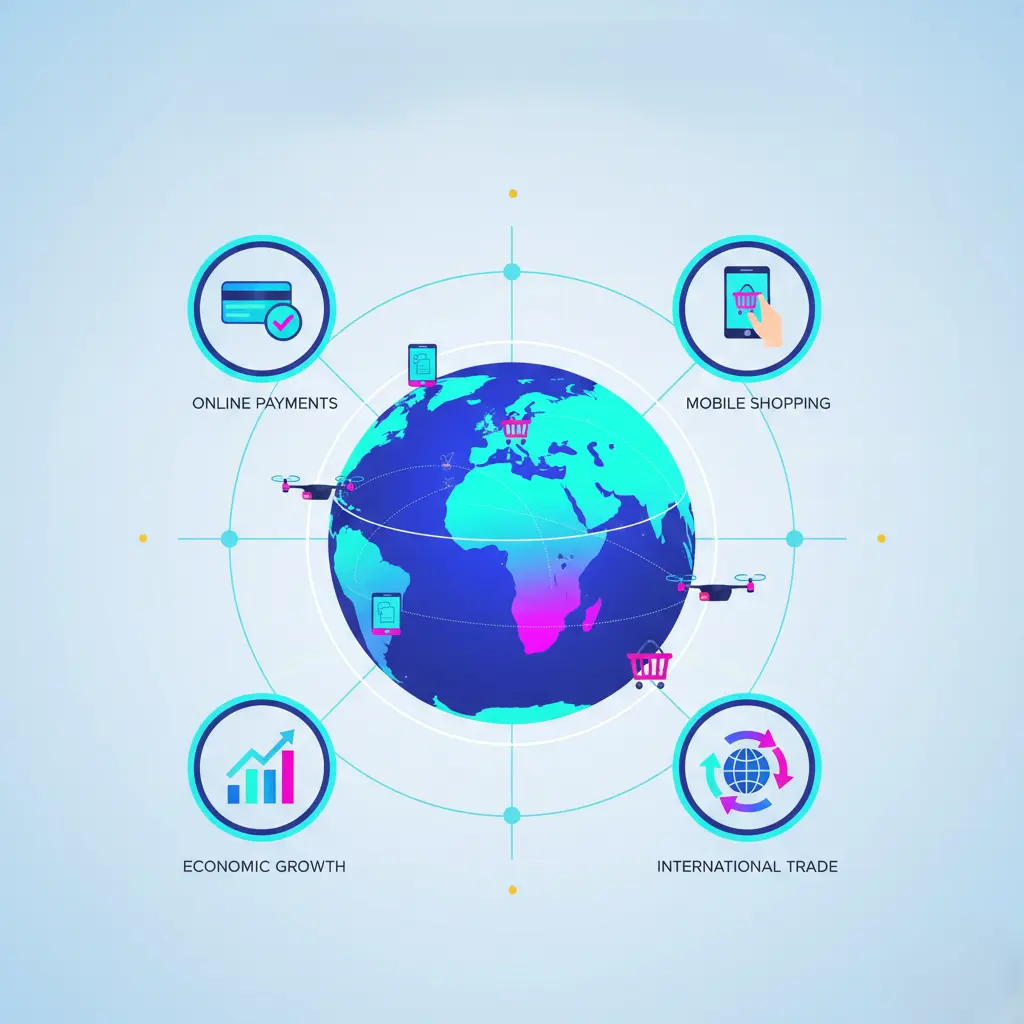
    E-commerce is transforming rapidly, and emerging markets are at the forefront of this growth. In 2026, countries in Asia, Africa, and Latin America are showing tremendous potential for online retail, driven by increasing internet penetration, mobile adoption, and rising consumer spending. For entrepreneurs, investors, and brands, understanding e-commerce in emerging markets is crucial to tap into new growth opportunities and gain a competitive edge.

    Why Emerging Markets Are Key for E-Commerce Growth

    Emerging markets offer unique advantages for e-commerce expansion. Unlike saturated markets in North America and Europe, these regions have a large population of first-time online shoppers. Increased smartphone usage, affordable mobile data, and expanding digital payment infrastructure have accelerated online buying.

    Growing Middle Class

    A growing middle class is one of the biggest drivers of e-commerce in emerging markets. Rising disposable income enables more consumers to shop online for electronics, fashion, health products, and groceries. Brands that understand local preferences and pricing sensitivities are likely to see strong adoption.

    Mobile-First Consumers

    In many emerging markets, mobile devices are the primary gateway to the internet. Businesses focusing on mobile-optimized e-commerce platforms, apps, and social commerce are more likely to capture these consumers. Mobile-friendly websites, fast loading speeds, and simple checkout processes are critical for success.

    Digital Payments and Fintech Integration

    The growth of digital wallets, UPI systems, and QR-based payments has reduced friction in online transactions. In 2026, seamless payment options will continue to drive consumer trust and conversion rates. Companies that integrate local fintech solutions gain a significant advantage in emerging markets.

    Key E-Commerce Opportunities in Emerging Markets

    Understanding high-potential sectors can help businesses prioritize investments and tailor their strategies.

    Online Retail and Marketplaces

    Online retail is booming, particularly in fashion, electronics, home goods, and personal care. Marketplaces that aggregate multiple sellers are highly popular because they provide convenience, variety, and competitive pricing. Platforms like Jumia in Africa, Flipkart in India, and MercadoLibre in Latin America are leading the charge.

    Social Commerce

    Social commerce is gaining momentum in emerging markets. Platforms like TikTok, Instagram, and WhatsApp are being used to showcase products and facilitate purchases directly through social media channels. Small businesses and individual sellers can leverage social commerce to reach new audiences with minimal marketing spend.

    Niche and Specialty Products

    Emerging market consumers increasingly value convenience and access to specialty products that may not be available locally. Businesses that focus on niche categories—organic foods, eco-friendly products, or imported goods—can find loyal customer bases.

    Logistics and Delivery Services

    Efficient logistics remain a challenge but also an opportunity. Companies that provide reliable shipping, cash-on-delivery options, and flexible delivery windows can gain a competitive edge. Investment in local fulfillment centers and last-mile delivery technology is critical in these markets.

    Challenges in Emerging Market E-Commerce

    While opportunities are abundant, businesses must navigate certain challenges to succeed.

    Infrastructure Limitations

    Internet connectivity, transportation networks, and warehousing infrastructure can vary widely. Companies need strategies to overcome these limitations, such as hybrid delivery models or partnerships with local logistics providers.

    Payment and Fraud Risks

    Despite fintech growth, digital payment adoption is uneven. Cash-on-delivery remains popular in some regions, but it increases operational risk. Fraud prevention and secure payment systems are essential for long-term growth.

    Cultural and Regulatory Differences

    Understanding local consumer behavior, language preferences, and regulations is critical. Businesses must adapt marketing messages, product selection, and pricing strategies to local contexts to build trust and credibility.

    Strategies for Success in Emerging Market E-Commerce

    Localization of Products and Content

    Adapting products, marketing campaigns, and website content to local languages and cultural preferences increases engagement and conversion rates. Tailored product recommendations and region-specific promotions are highly effective.

    Leveraging Mobile and Social Platforms

    Mobile-optimized websites, apps, and social commerce integration are essential to capture mobile-first audiences. Video content, influencer marketing, and interactive campaigns can significantly boost visibility.

    Building Trust with Customers

    Customer trust is a key factor in e-commerce adoption. Transparent return policies, responsive customer support, and reliable delivery services help build confidence. Positive reviews and social proof are especially important in emerging markets.

    Partnerships with Local Players

    Collaborating with local payment providers, logistics companies, and marketing agencies can accelerate growth and reduce operational risks. Partnerships provide valuable insights into local preferences and regulatory requirements.

    Future Outlook: E-Commerce in Emerging Markets 2026

    By 2026, e-commerce in emerging markets is expected to continue its rapid growth. Analysts predict double-digit annual growth rates across many regions, driven by mobile-first consumers, improved logistics, and digital payments adoption. Businesses that act now, understand local trends, and invest in scalable infrastructure will benefit from first-mover advantages.

    Sustainability and Social Responsibility

    Consumers in emerging markets are increasingly aware of sustainability and ethical practices. Brands that emphasize eco-friendly products, responsible sourcing, and social impact initiatives are more likely to win loyalty and differentiate themselves.

    Technology and AI Integration

    Artificial intelligence, personalized recommendations, and automated customer support are becoming standard in leading e-commerce platforms. Leveraging AI for inventory management, pricing optimization, and targeted marketing will be a key differentiator in emerging markets.

    Final Thoughts on E-Commerce in Emerging Markets

    E-commerce in emerging markets represents one of the most promising growth opportunities in 2026. With a mobile-first population, rising middle class, and increasing digital payment adoption, these regions are ripe for online business expansion. Companies that focus on localization, customer trust, social commerce, and innovative logistics will capture market share and build sustainable growth.

    For entrepreneurs and brands seeking global expansion, emerging markets offer an exciting frontier where e-commerce can thrive. Understanding local behavior, adapting products and marketing strategies, and leveraging technology are critical to success in these dynamic markets.

  • Lessons from Successful Online Stores

    Lessons from Successful Online Stores

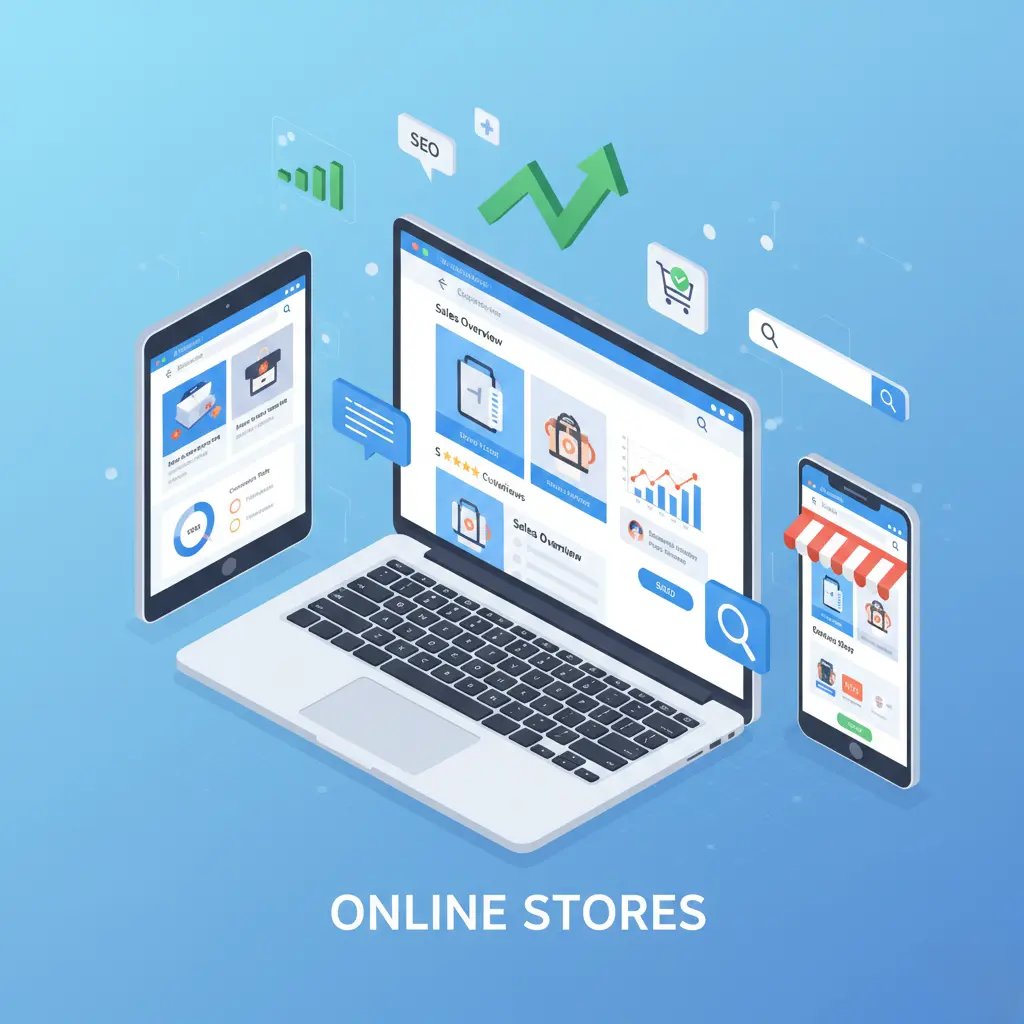
    Running a successful online store is about more than just selling products—it’s about understanding customers, optimising operations, and building a brand that resonates. By studying the strategies of top-performing e-commerce businesses, you can uncover key lessons to apply to your own store.

    Focus on Customer Experience

    One of the biggest lessons from successful online stores is the emphasis on exceptional customer experience. Fast shipping, easy navigation, responsive support, and personalized recommendations make customers return. A smooth and enjoyable shopping journey often translates directly into higher conversion rates and loyalty.

    Choose the Right Products

    Top online stores don’t just sell products—they solve problems. They focus on high-demand, niche products with strong market potential. Conducting market research and analyzing competitors helps identify what customers truly want. Offering unique or high-quality products sets your store apart in a crowded market.

    Optimize for Mobile and Speed

    With more than half of e-commerce traffic coming from mobile devices, mobile optimization is crucial. Successful stores ensure their websites are fast, responsive, and easy to navigate on all devices. Page load speed, intuitive design, and simplified checkout processes reduce bounce rates and increase sales.

    Build a Strong Brand

    Successful online stores focus on building a strong, recognizable brand. From cohesive visuals and tone of voice to engaging content, a brand that resonates with its audience creates trust and encourages repeat purchases. Consistency in messaging across all channels is key.

    Leverage Data and Analytics

    Top-performing e-commerce stores use data-driven decisions. Tracking metrics like traffic sources, conversion rates, and customer behavior helps identify opportunities for improvement. Continuous testing, learning, and optimization are crucial for long-term success.

    Marketing and Community Engagement

    Finally, successful stores invest in strategic marketing and community building. Email campaigns, social media engagement, influencer partnerships, and user-generated content help expand reach and build trust. A loyal community often becomes a brand’s strongest asset.

    Final Thoughts

    Learning from successful online stores shows that success comes from combining great products, excellent customer experience, data insights, and strategic branding. By applying these lessons thoughtfully, you can create an online store that not only sells but thrives in today’s competitive e-commerce landscape.

  • How to Start an Online Shopify Store in 2026

    How to Start an Online Shopify Store in 2026

    Starting an online Shopify store in 2026 is one of the best ways to launch a business and reach a global audience. With the e-commerce industry continuing to grow, Shopify remains a top choice for entrepreneurs due to its ease of use, flexibility, and powerful features.

    Step 1: Choose Your Niche and Products

    Before you start an online Shopify store in 2026, it’s essential to choose a niche that aligns with your interests and market demand. Conduct market research to identify trending products, understand customer needs, and analyze competitors. Selecting the right niche ensures that your store has a strong foundation from the beginning.

    Step 2: Sign Up and Set Up Your Shopify Store

    Once your niche is decided, visit Shopify and sign up for an account. You can start with a trial plan to explore the platform. After signing up, choose a theme that reflects your brand and customize it using Shopify’s drag-and-drop editor. Proper setup is critical when you want to start an online Shopify store in 2026 successfully.

    Step 3: Add Products and Optimize Pages

    Next, add your products with detailed descriptions, high-quality images, and clear pricing. Use SEO-friendly titles and meta descriptions for better visibility. Optimizing product pages will help your store stand out when potential customers search for similar products online.

    Step 4: Set Up Payment and Shipping

    Integrate secure payment gateways and configure shipping options. Shopify supports multiple payment methods, making it easy for customers worldwide to make purchases. This step is crucial for ensuring a smooth shopping experience in your online Shopify store in 2026.

    Step 5: Launch and Promote Your Store

    Before launching, test your store to ensure everything works seamlessly. Once ready, promote it via social media, email marketing, and paid ads. Consistent marketing will drive traffic and increase conversions, which is key to a thriving online Shopify store in 2026.

    Step 6: Monitor Performance and Scale

    After launch, use Shopify’s analytics to track sales, customer behavior, and traffic sources. Optimize your strategy based on data, add new products, and scale your store for long-term growth. Following these steps ensures that your online Shopify store in 2026 remains competitive and profitable.

  • Just-In-Time (JIT) vs. Just-In-Case Inventory: Understanding the Difference

    Just-In-Time (JIT) vs. Just-In-Case Inventory: Understanding the Difference

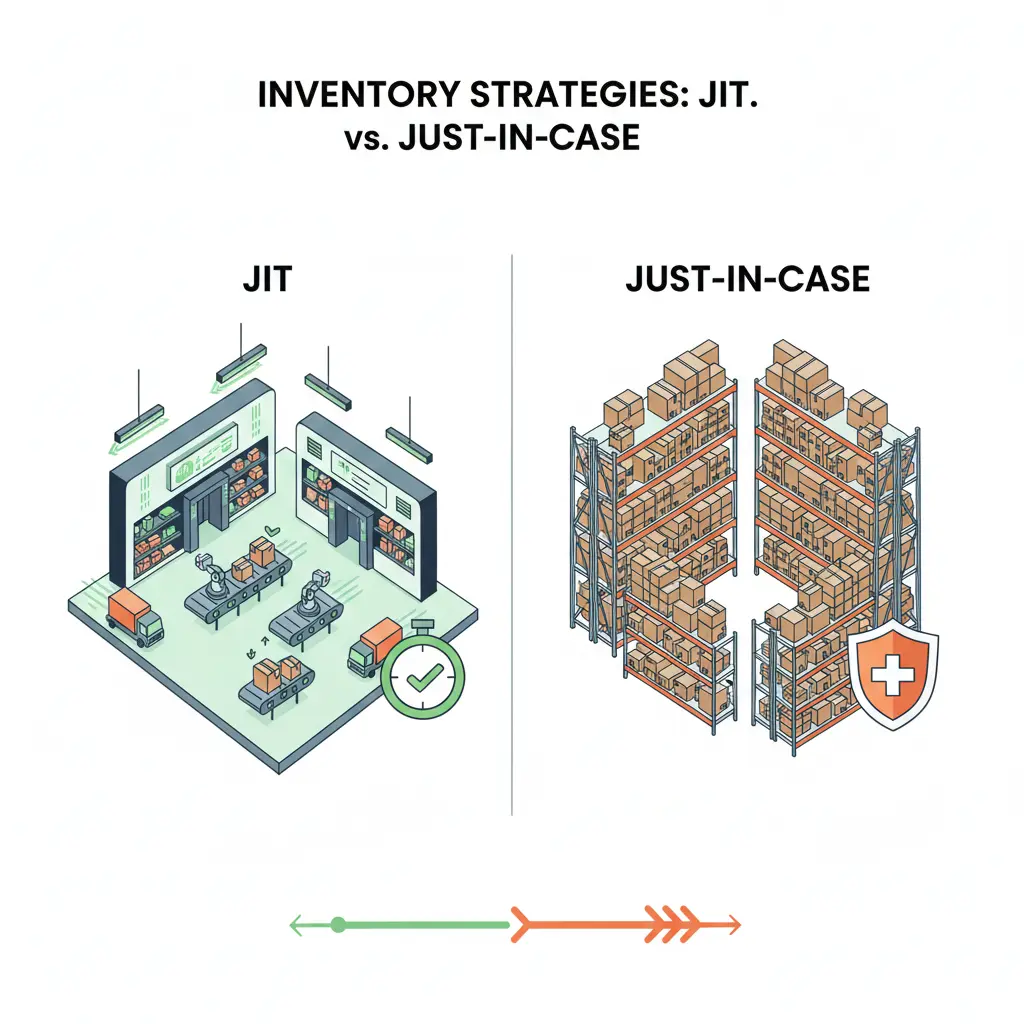
    Inventory management is a critical aspect of supply chain optimization. Businesses often face the choice between Just-In-Time (JIT) and Just-In-Case inventory strategies, each with unique advantages and risks. Understanding the differences can help companies balance efficiency, cost, and operational resilience.

    What is Just-In-Time (JIT) Inventory?

    Just-In-Time (JIT) inventory is a strategy where companies maintain minimal stock levels and order goods only as needed. This approach reduces holding costs, minimizes waste, and ensures efficient use of resources. Companies using JIT rely heavily on accurate demand forecasting and strong supplier relationships.

    Benefits of JIT Inventory

    • Reduces storage and holding costs
    • Minimizes inventory waste
    • Improves cash flow
    • Encourages lean operations

    Risks of JIT Inventory

    • Vulnerable to supply chain disruptions
    • Requires precise demand forecasting
    • Limited buffer for unexpected demand spikes

    What is Just-In-Case Inventory?

    Just-In-Case inventory is a strategy where companies maintain extra stock to prepare for unexpected demand or supply chain disruptions. This approach prioritizes business continuity over cost-efficiency, ensuring that products are available even in uncertain conditions.

    Benefits of Just-In-Case Inventory

    • Protects against supply chain disruptions
    • Meets unexpected demand quickly
    • Provides operational security

    Risks of Just-In-Case Inventory

    • Higher holding and storage costs
    • Increased risk of inventory obsolescence
    • Potential cash flow challenges

    JIT vs. Just-In-Case: Key Differences

    FactorJust-In-Time (JIT)Just-In-Case
    Inventory LevelsMinimalHigh
    FocusEfficiencySecurity
    CostLowerHigher
    RiskSupply chain disruptionsObsolescence & storage costs
    Ideal ForStable demand, reliable suppliersUncertain demand, supply chain volatility

    Which Strategy Should You Choose?

    The choice between JIT vs. Just-In-Case inventory depends on your business model, market conditions, and risk tolerance.

    • Businesses with predictable demand and strong supplier networks often benefit from JIT inventory, as it reduces costs and improves operational efficiency.
    • Companies operating in volatile markets or with unpredictable supply chains may prefer Just-In-Case inventory to ensure continuity and avoid stockouts.

    Some businesses adopt a hybrid approach, maintaining minimal stock for fast-moving items (JIT) while keeping reserves of critical components (Just-In-Case).

    Conclusion

    Understanding Just-In-Time vs. Just-In-Case inventory strategies is essential for effective inventory management. Both approaches have pros and cons, and the right choice depends on your business goals, demand patterns, and supply chain reliability. By carefully evaluating these strategies, companies can optimize costs, improve efficiency, and safeguard against disruptions.

  • Leveraging Data Analytics to Boost Online Sales

    Leveraging Data Analytics to Boost Online Sales

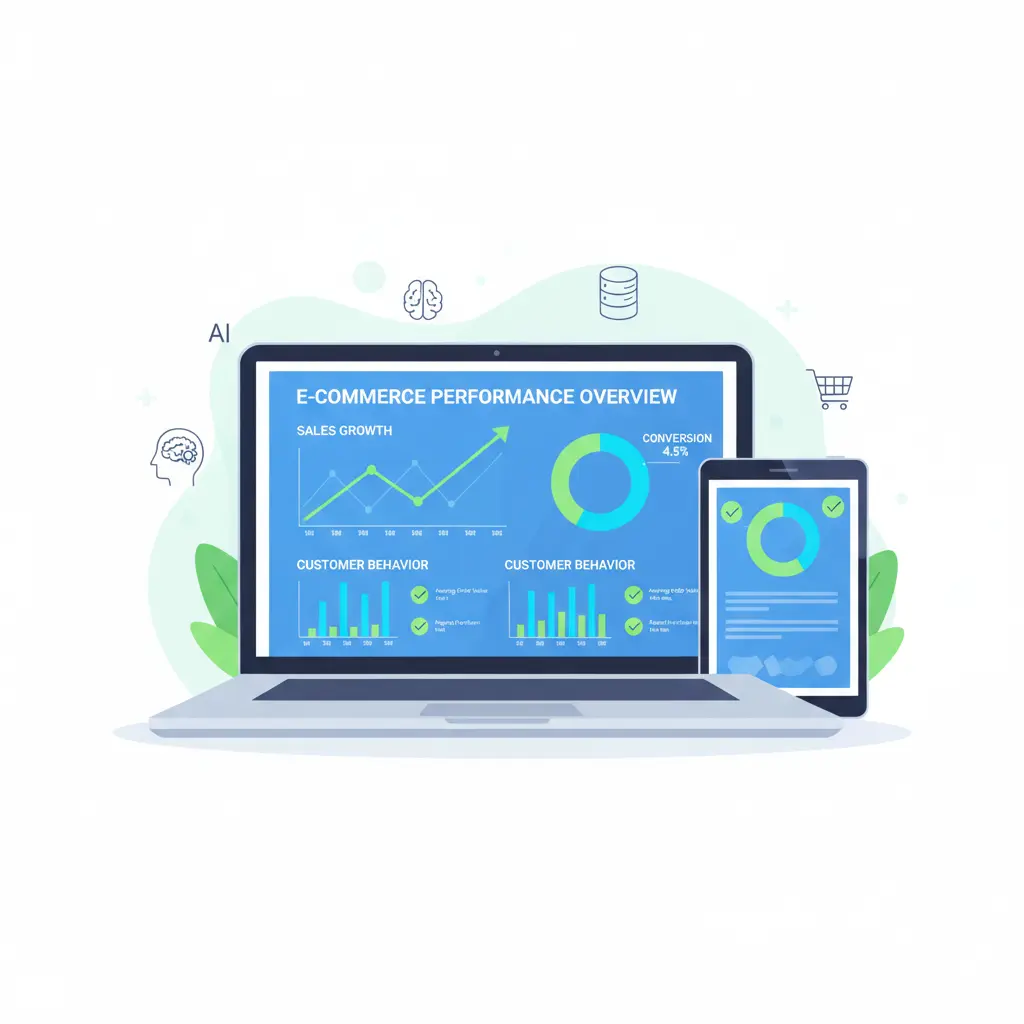
    In today’s competitive digital marketplace, data analytics has become a critical tool for businesses looking to increase revenue and optimise marketing strategies. Leveraging data-driven insights helps companies understand customer behaviour, identify trends, and make smarter decisions that directly impact online sales growth.

    What is Data Analytics in E-Commerce?

    Data analytics refers to the process of collecting, processing, and analyzing data to extract actionable insights. In the context of e-commerce, this includes tracking metrics such as website traffic, conversion rates, customer demographics, purchasing behavior, and more. By analyzing these patterns, businesses can optimize their sales strategies, improve customer experience, and maximize revenue.

    How Data Analytics Boosts Online Sales

    1. Understanding Customer Behavior

    Knowing how customers interact with your website is vital for boosting online sales. Data analytics tools track user behavior, such as pages visited, products viewed, and cart abandonment rates. These insights allow marketers to personalize offers, optimize product placement, and create targeted campaigns that increase conversion rates.

    2. Optimizing Marketing Campaigns

    Leveraging data analytics allows businesses to measure the effectiveness of marketing campaigns. By analyzing metrics like click-through rates, ad engagement, and ROI, companies can allocate resources efficiently and focus on campaigns that generate the highest revenue. Marketing performance optimization ensures that every marketing dollar contributes to online sales growth.

    3. Enhancing Customer Experience

    A seamless customer experience is essential for boosting online sales. Analytics can identify friction points in the customer journey, such as slow-loading pages or complicated checkout processes. By addressing these issues, businesses can reduce bounce rates, improve satisfaction, and increase repeat purchases.

    4. Predicting Trends and Demand

    Predictive analytics uses historical data to forecast future trends and customer demand. Businesses can anticipate popular products, seasonal spikes, and inventory needs. This proactive approach allows companies to optimize stock levels, plan promotions, and maximize e-commerce revenue.

    Tools to Leverage Data Analytics

    Several tools help businesses make the most of data analytics for online sales:

    • Google Analytics – Tracks website traffic and user behavior
    • Hotjar – Provides heatmaps and session recordings
    • Tableau – Visualizes complex data for strategic decisions
    • HubSpot – Combines marketing analytics with CRM insights

    Using these tools, businesses can turn raw data into actionable strategies for boosting online sales.

    Conclusion

    Leveraging data analytics is no longer optional for e-commerce businesses—it’s essential. From understanding customer behavior to optimizing marketing campaigns and predicting trends, data-driven strategies empower companies to make smarter decisions and maximize revenue. Implementing robust data analytics practices ensures sustained online sales growth, stronger customer engagement, and long-term business success.