Category: E-Commerce

  • Shipping Insurance: Smart Protection or Wasted Money?

    Shipping Insurance: Smart Protection or Wasted Money?

    When you’re sending valuable or time-sensitive packages, one question often comes to mind: is shipping insurance worth it? Whether you run an eCommerce store or ship personal items, protecting your package from loss, theft, or damage can save you from unnecessary stress and financial loss. In this blog, we’ll break down what shipping insurance is, when you should consider it, and whether the cost truly matches the benefits.

    What Is Shipping Insurance?

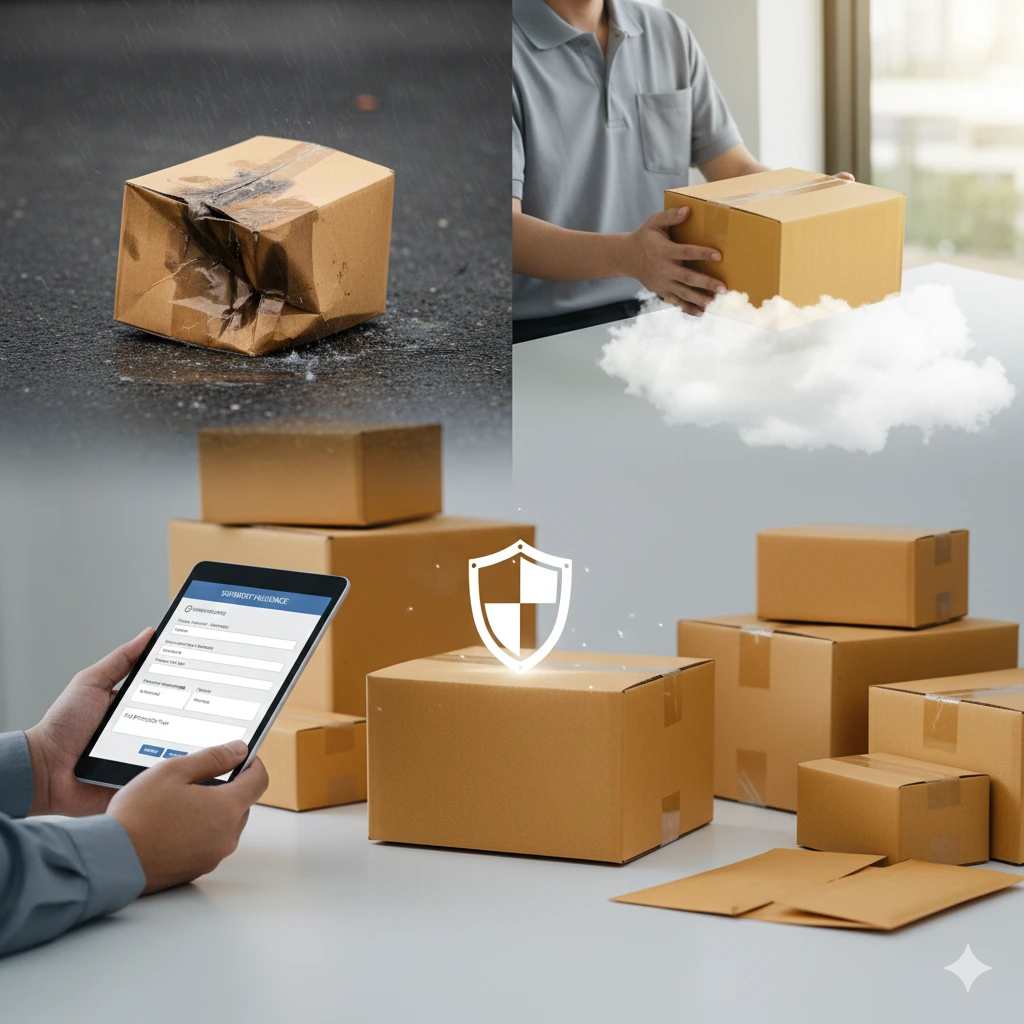
    Shipping insurance is a service that protects your package in case it gets lost, damaged, or stolen during transit. Carriers like UPS, USPS, FedEx, and DHL offer insurance options, while third-party services often provide cheaper rates with broader coverage. For both businesses and individuals, insurance provides peace of mind—especially when sending high-value items.

    Why Do People Choose Shipping Insurance?

    Before asking is shipping insurance worth it, it’s important to understand why people use it at all. Some common reasons include:

    Protection Against Loss

    Packages sometimes go missing due to misrouting, human error, or carrier issues. With shipping insurance, the value of your item is protected.

    Coverage for Damage

    Fragile packages, electronics, and expensive goods are at higher risk. Insurance ensures you’re compensated if the item arrives broken.

    Compensation for Theft

    Package theft has increased dramatically in recent years, especially for doorstep deliveries. Insurance protects you if your parcel is stolen before reaching the recipient.

    When Is Shipping Insurance Worth It?

    Whether or not shipping insurance is worth it depends on several factors:

    1. The Value of Your Item

    If you are shipping something worth more than the carrier’s included coverage—often between $50–$100 depending on the service—insurance becomes a smart choice.

    2. Fragile or High-Risk Items

    Products like electronics, jewelry, glassware, or artwork are more likely to break. For these, shipping insurance is usually recommended.

    3. International Shipments

    International shipping increases the chances of loss, damage, customs delays, or mishandling. Insurance is extremely helpful when items travel long distances through multiple checkpoints.

    4. Business Shipments

    If you run a business, customer trust depends on reliable delivery. Losing an uninsured package could cost you money and reputation. Most eCommerce companies insure at least their high-value orders.

    How Much Does Shipping Insurance Cost?

    Costs vary depending on the carrier, the declared value, and the destination. On average:

    • USPS insurance: A few dollars for packages under $200
    • UPS and FedEx: Slightly higher but with detailed tracking
    • Third-party insurance: Often 30–50% cheaper than carriers

    If you ship frequently, these savings can add up. Many eCommerce sellers choose third-party providers for this reason.

    The Benefits of Shipping Insurance

    Financial Protection

    The biggest reason to get shipping insurance is to avoid paying out of pocket if something goes wrong. A small insurance fee can save you hundreds—or even thousands—of dollars.

    Peace of Mind

    Knowing your package is protected eliminates stress, especially for important items like documents, gifts, or valuable merchandise.

    Enhanced Customer Satisfaction

    For businesses, fast and fair replacements make customers feel more secure shopping with you. Offering insured shipping boosts professionalism and trust.

    The Drawbacks of Shipping Insurance

    Extra Cost

    Although it’s often affordable, the cost can add up for frequent shippers. Small businesses must decide if it’s worth the investment.

    Claim Processes Can Be Slow

    Some carriers have complicated or lengthy claim processes, requiring proof of value and packaging. Third-party insurers are usually faster.

    May Not Cover Everything

    Certain items—cash, perishable goods, or prohibited materials—may not qualify for coverage. Reading the fine print is essential.

    How to Decide If You Need Shipping Insurance

    Consider Your Item’s Value

    If replacing the item would hurt your budget, insurance is a smart choice.

    Think About the Shipping Distance

    Longer shipping routes increase risk. For international shipments, insurance is almost always worth it.

    Evaluate the Recipient’s Location

    Urban areas with high package-theft rates or remote locations with unpredictable delivery conditions add risk.

    Calculate Your Long-Term Costs

    Businesses should analyze annual losses versus insurance expenses. Most find that shipping insurance reduces overall costs.

    Tips for Using Shipping Insurance Effectively

    Keep Proof of Value

    Receipts, invoices, or purchase confirmations make claims easier.

    Package Items Securely

    Carriers may deny claims for poor packaging. Use bubble wrap, padding, and sturdy boxes.

    Use Tracking and Delivery Confirmation

    These services strengthen your claims and improve delivery accuracy.

    Compare Insurance Providers

    Different carriers and third-party companies offer varying rates and coverage. Choose the one that best fits your needs.

    Is Shipping Insurance Worth It for Businesses?

    For eCommerce stores, shipping insurance is typically worth it. Customers expect fast and reliable deliveries, and insurance helps businesses maintain that standard. Lost or damaged packages without insurance can lead to refunds, negative reviews, and profit loss.

    Some businesses use automated insurance platforms that insure every order over a specific value. This ensures consistency and protects the company from unexpected expenses.

    Is Shipping Insurance Worth It for Personal Packages?

    If you’re sending valuable gifts, important legal documents, or fragile items, then yes—personal shippers also benefit from insurance. However, if the item is inexpensive or easily replaceable, you may not need it.

    Final Verdict: Is Shipping Insurance Worth It?

    In most cases, shipping insurance is worth it, especially for high-value, fragile, or international shipments. While the extra cost may seem unnecessary for low-value items, insurance provides essential protection when the risk of loss or damage is high. Whether you’re a small business owner or an individual sending a priceless gift, shipping insurance can save you from financial and emotional stress.

    By evaluating item value, carrier reliability, and shipping risks, you can make an informed decision every time you ship.
  • Key Features of a Good E-Commerce Website

    Key Features of a Good E-Commerce Website

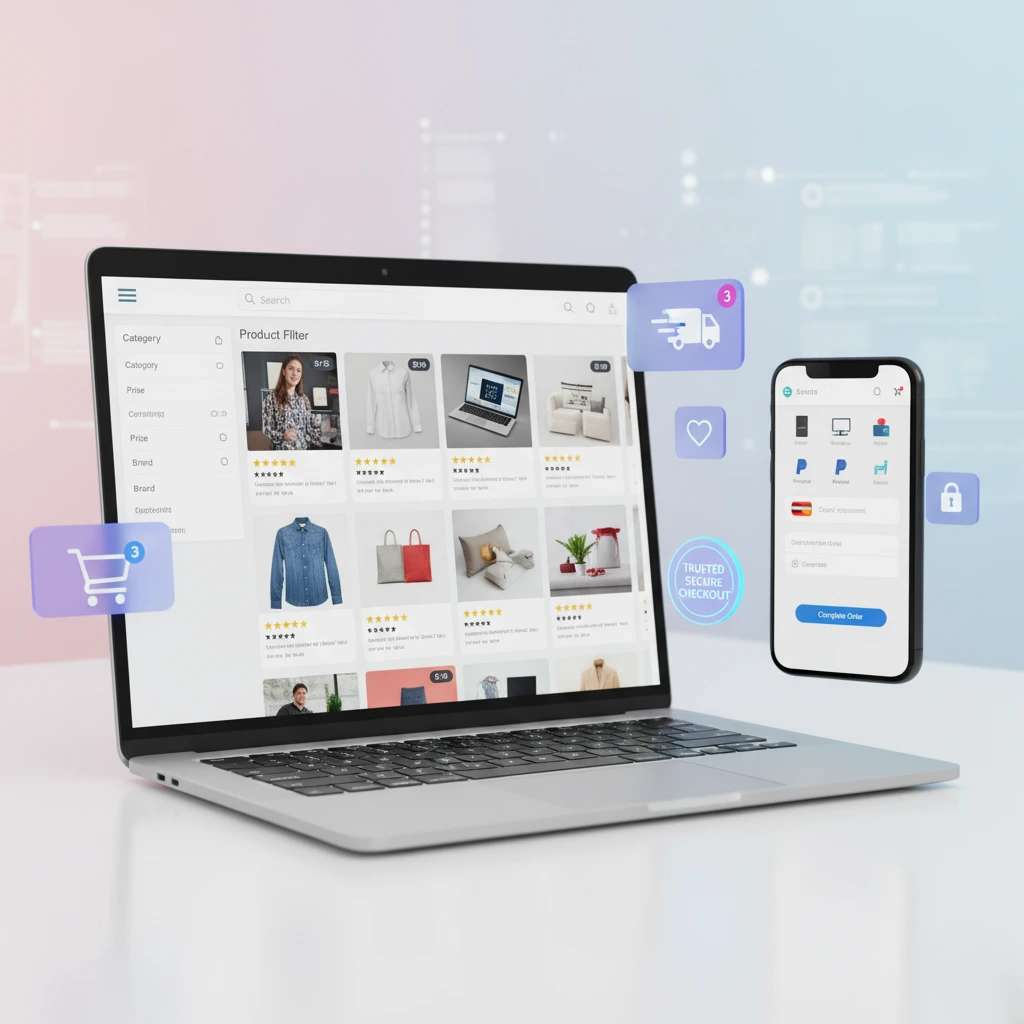
    A successful online store must do more than display products. It must provide a seamless, secure, and enjoyable shopping experience. Below are the most important key features of a good e-commerce website that help attract customers, boost conversions, and build long-term trust.

    1. User-Friendly Website Design

    A user-friendly design ensures visitors can browse your store easily. Clean layouts, readable fonts, clear navigation menus, and organized product categories help shoppers find what they need without confusion.

    Why it matters

    A simple and intuitive interface reduces bounce rates and improves overall customer satisfaction.

    2. Mobile-Responsive Layout

    More than half of global online shopping happens on mobile devices. A mobile-responsive e-commerce website automatically adjusts to different screen sizes, providing an optimal user experience across smartphones, tablets, and desktops.

    Why it matters

    A responsive layout improves SEO rankings and increases conversion rates on mobile users.

    3. Fast Loading Speed

    Fast websites perform better. A fast-loading e-commerce website keeps customers engaged, while slow pages lead to abandoned carts.

    Why it matters

    Google prioritizes fast websites, and users expect pages to load within 2–3 seconds.

    4. Secure Payment Gateway

    Security is one of the most important e-commerce website features. Customers trust websites that offer secure, encrypted, and reliable payment methods like SSL certificates, PCI compliance, and multiple payment options.

    Why it matters

    Security builds trust and reduces the risk of fraud and chargebacks.

    5. Easy Navigation

    Clear navigation menus, search bars, product filters, and breadcrumb links make browsing easier. Easy navigation helps customers locate products quickly and improves the overall shopping experience.

    Why it matters

    Better navigation increases the average time spent on the website and boosts sales.

    6. High-Quality Product Images and Descriptions

    A good e-commerce website relies on strong visuals. High-quality images, videos, and detailed product descriptions help shoppers make confident purchase decisions.

    Why it matters

    Accurate product information reduces returns and increases trust.

    7. Customer Reviews and Ratings

    Customer feedback is a powerful element of buying decisions. Adding reviews and ratings builds social proof and boosts credibility.

    Why it matters

    Shoppers trust other shoppers—and positive reviews improve conversion rates.

    8. Seamless Checkout Process

    A complicated checkout is a major cause of cart abandonment. A streamlined checkout should include guest checkout options, auto-fill forms, and minimal steps.

    Why it matters

    A simple checkout increases completed orders and reduces friction.

    9. Multiple Payment Options

    Offering various payment methods like credit cards, digital wallets, bank transfers, and buy now pay later (BNPL) ensures customers can pay their preferred way.

    Why it matters

    More payment options = more completed transactions.

    10. Strong Search Functionality

    A powerful search bar with auto-suggestions, filters, and sort options improves product discovery.

    Why it matters

    Customers can find specific items quickly, improving their shopping experience.

    11. Wishlist and Favourites

    A wishlist feature allows users to save items for later. It boosts engagement and encourages repeat visits.

    Why it matters

    Wishlists help convert future sales and support remarketing campaigns.

    12. Reliable Customer Support

    Customer support features such as live chat, FAQ pages, help centers, and chatbots improve customer confidence.

    Why it matters

    Quick support builds trust and improves brand reputation.

    13. Strong SEO Structure

    A search engine optimized e-commerce website includes optimized URLs, meta tags, schema markup, and fast loading.

    Why it matters

    Good SEO helps your store appear higher in search results, attracting more organic traffic.

    14. Order Tracking System

    Customers expect transparency. An order tracking feature lets buyers monitor their shipment from purchase to delivery.

    Why it matters

    Order tracking reduces customer queries and enhances trust.

    15. Integration With Social Media

    Social media integration enables easy sharing, login options, and product promotion through social platforms.

    Why it matters

    It increases brand visibility and brings more traffic to your store.

  • What Is Fulfilment as a Service FaaS? A Complete Guide for Modern Ecommerce

    What Is Fulfilment as a Service FaaS? A Complete Guide for Modern Ecommerce

    In the fast-moving world of ecommerce, customers expect fast delivery, accurate order processing, and seamless shopping experiences. Businesses that fail to meet these expectations often lose customers to competitors who can. This is where Fulfilment as a Service (FaaS) comes in. As online shopping continues to expand, more brands are turning to FaaS solutions to streamline operations, reduce costs, and improve customer satisfaction. But what exactly is FaaS, and why is it becoming a game-changer for companies of all sizes? This blog explores everything you need to know.

    Understanding Fulfilment as a Service FaaS

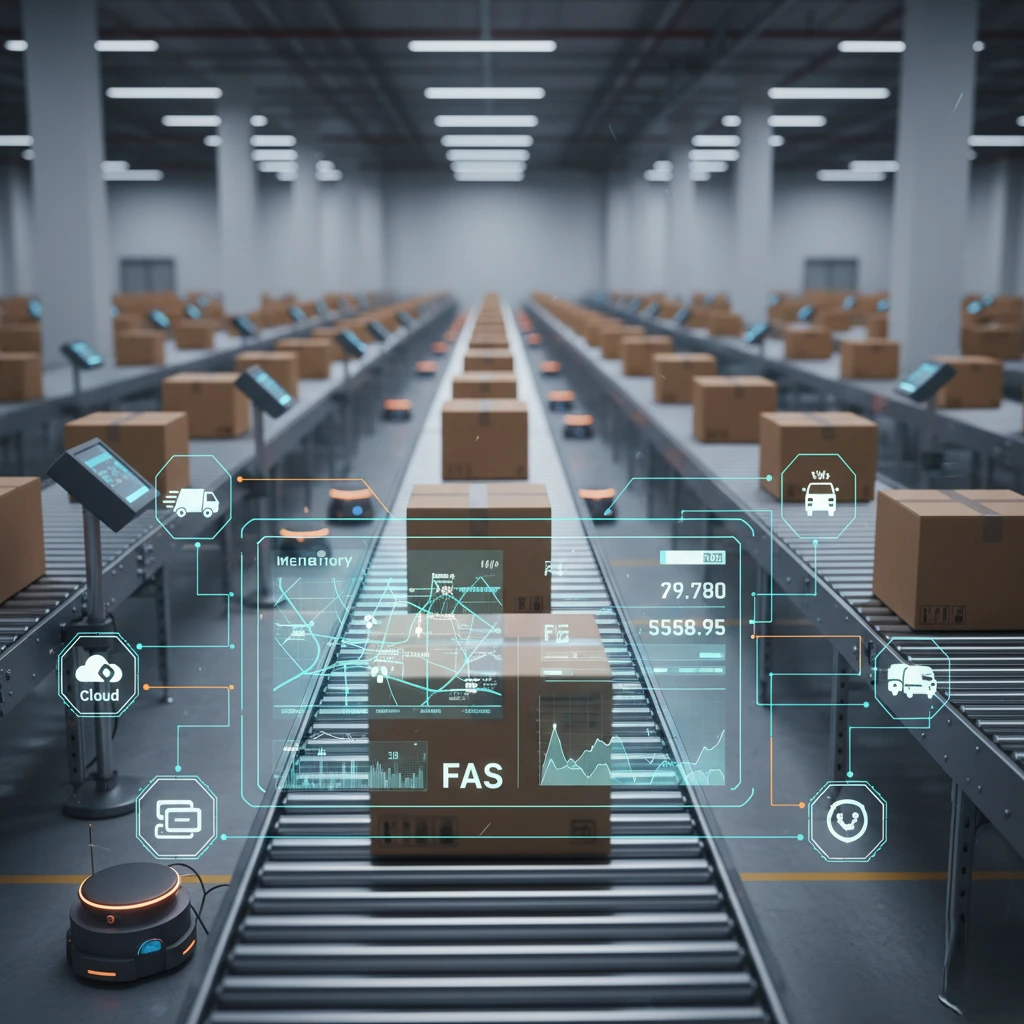
    Fulfilment as a Service is a modern logistics model in which ecommerce businesses outsource their storage, packaging, and shipping operations to specialized fulfilment providers. These providers use advanced technology, automation, and strategically located warehouses to handle order fulfilment efficiently. With FaaS, brands gain access to professional logistics capabilities without needing to invest heavily in warehouses, staff, or shipping infrastructure.

    In simple terms, FaaS lets companies focus on marketing, product development, and growth while experts handle the behind-the-scenes logistics. This makes it especially valuable for startups and mid-sized businesses that want to scale operations quickly and cost-effectively.

    How Fulfilment as a Service Works

    To understand the value of FaaS, it helps to look at how the process typically works:

    1. Inventory Storage

    Businesses send their products to the fulfilment provider’s warehouse. These facilities often include high-tech systems, climate-controlled spaces, and optimized storage layouts. With smart inventory management, brands always know what’s in stock and where it’s stored.

    2. Order Processing

    When a customer places an order online, the FaaS system automatically receives the order details. Because everything is integrated through API-based platforms, the fulfilment center can pick, pack, and ship the item immediately.

    3. Packaging and Labelling

    The fulfilment provider uses standardized or custom packaging depending on the brand’s needs. Many providers offer eco-friendly packaging or custom-branded boxes, which improve customer experience.

    4. Shipping and Delivery

    The FaaS partner works with multiple carriers, ensuring fast and cost-effective delivery. Businesses benefit from bulk-shipping discounts, real-time tracking, and flexible delivery options.

    5. Returns Management

    Managing returns can be complicated, but FaaS providers streamline the process by inspecting returned items, updating inventory levels, and restocking products efficiently.

    Key Benefits of Fulfilment as a Service

    1. Cost Reduction

    One of the biggest advantages of FaaS is cost savings. Brands don’t need to invest in warehouses, staff, technology, or logistics equipment. Instead, they pay for fulfilment based on usage. By leveraging shared warehouse spaces and bulk-shipping rates, businesses can reduce overhead and lower shipping expenses.

    2. Fast and Accurate Delivery

    Consumers expect faster delivery than ever before. Thanks to automated fulfilment systems, AI-driven inventory tracking, and strategically placed warehouses, FaaS providers ensure orders reach customers quickly and accurately.

    3. Scalability

    Seasonal demand spikes can challenge internal operations. With Fulfilment as a Service, businesses can scale up or down as needed without worrying about temporary staff, additional storage, or shipping loads. This flexibility helps brands adapt to market trends effortlessly.

    4. Access to Advanced Technology

    Modern fulfilment providers invest in cutting-edge tools including warehouse automation, robotic picking systems, and real-time analytics. Small and medium businesses often lack the budget for this technology on their own, but through FaaS, they gain access to enterprise-level solutions.

    5. Improved Customer Experience

    A seamless fulfilment process leads to shorter delivery times, fewer errors, and better communication. With features like real-time order tracking, custom packaging, and reliable returns processing, customer satisfaction significantly increases.

    Why Businesses Are Adopting Fulfilment as a Service

    Many ecommerce companies struggle with managing fulfilment as order volumes grow. Errors increase, delays become more common, and warehouse operations become overwhelming. By adopting FaaS, businesses eliminate these bottlenecks.

    Additionally, global ecommerce expansion requires businesses to fulfil orders across regions and countries. Many FaaS providers offer international fulfilment networks, helping brands reach global markets faster while keeping shipping costs manageable.

    The rise of omnichannel retailing has also contributed to the popularity of FaaS. Businesses selling through multiple platforms—websites, marketplaces, and social media—need centralized fulfilment systems. FaaS unifies all channels into one simplified logistics solution.

    Who Should Use FaaS?

    Startups and Small Businesses

    New businesses benefit from FaaS because it removes the need for upfront logistics investment. Instead of worrying about warehousing and shipping, they can focus on product innovation and brand building.

    Growing Ecommerce Brands

    Brands experiencing rapid growth often struggle with scaling operations. FaaS ensures they can expand into new markets and handle increasing order volumes without disruptions.

    Global Retailers

    Companies selling internationally can use FaaS providers with worldwide networks to reduce delivery times and shipping costs.

    Subscription-Box Companies

    Subscription businesses require timely, recurring orders. FaaS providers streamline and automate this process.

    How to Choose the Right Fulfilment as a Service Provider

    When selecting a FaaS partner, consider these key factors:

    Technology Integration

    Choose a provider that easily integrates with your ecommerce platform through API systems, automated tracking, and analytics dashboards.

    Warehouse Locations

    Providers with multiple, strategically located warehouses reduce shipping times and costs.

    Shipping Pricing

    Look for transparent pricing, discounted carrier rates, and flexible delivery options.

    Return Management

    A strong returns system is essential for maintaining customer satisfaction.

    Custom Packaging Options

    If brand identity is important, choose a provider offering custom branding, packaging inserts, and unboxing experiences.

    The Future of FaaS

    As ecommerce continues to evolve, Fulfilment as a Service will become even more integral. We can expect increased automation, smarter AI-driven logistics systems, and more sustainable fulfilment practices. FaaS is shifting from a convenience to a necessity, helping businesses stay competitive in a high-demand market.

    Conclusion

    Fulfilment as a Service FaaS is transforming ecommerce by offering flexible, efficient, and scalable logistics solutions. Whether you’re a startup looking to reduce costs or a large retailer aiming to expand globally, FaaS provides the tools and technology needed to streamline operations and deliver exceptional customer experiences. By adopting a reliable fulfilment service, businesses can stay focused on growth while the experts handle logistics behind the scenes.

  • The Importance of Customer Retention for E-Commerce Fulfilment

    The Importance of Customer Retention for E-Commerce Fulfilment

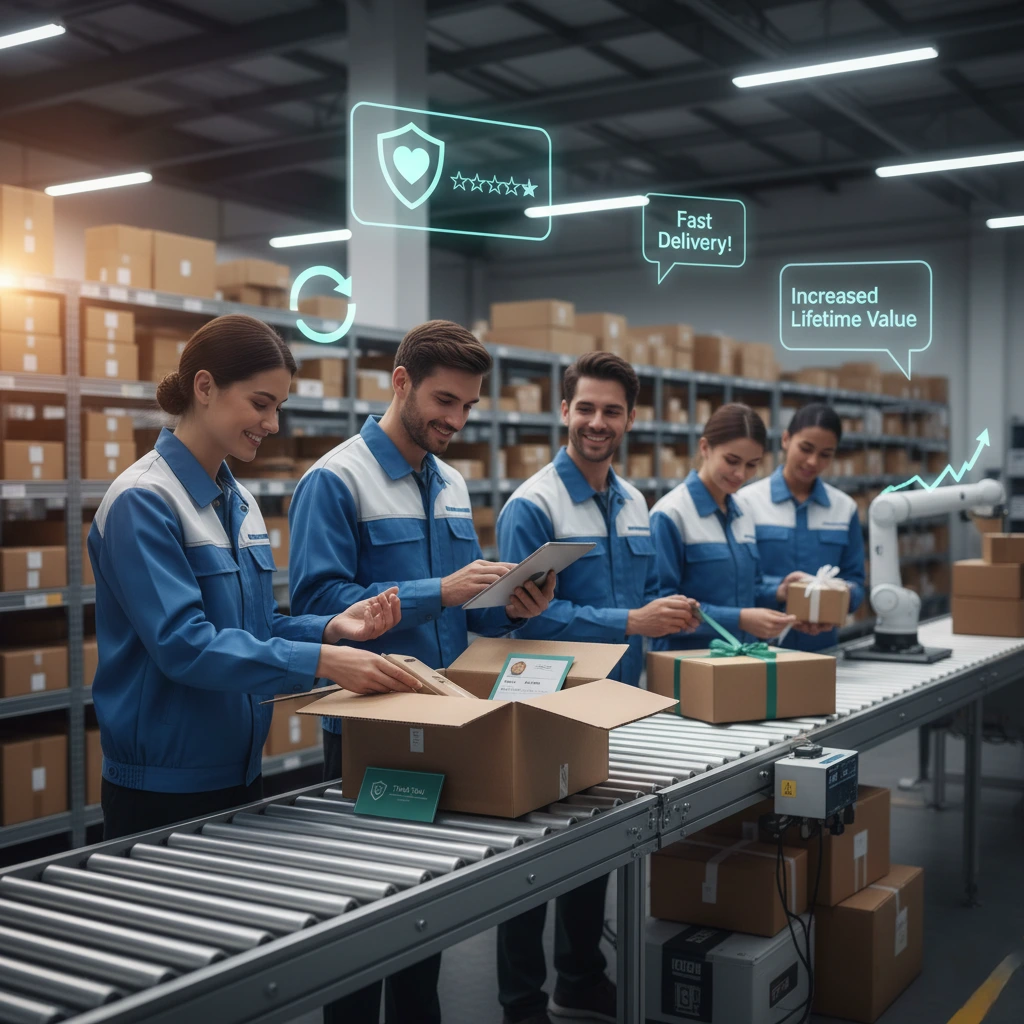
    Customer retention is one of the most valuable yet underrated strategies in the world of e-commerce fulfilment. While brands often focus on acquiring new customers through advertising and promotions, the real long-term profit lies in keeping existing customers happy, engaged, and loyal. Retention costs far less than acquisition, and strong fulfilment plays a crucial role in ensuring customers return to your store again and again.

    In this blog, we explore why customer retention matters so much in e-commerce, how fulfilment directly impacts loyalty, and the strategies you can use to build lasting customer relationships.

    Understanding Customer Retention in E-Commerce

    Customer retention refers to a brand’s ability to keep its customers coming back for repeat purchases. For an e-commerce business, this is essential because returning customers spend more, buy more frequently, and are more likely to recommend your brand to others.

    Retention also helps build a predictable revenue stream and strengthens brand reputation. The foundation of retention lies in outstanding order fulfilment, consistent service quality, and memorable customer experiences.

    Why Customer Retention Matters More Than Ever

    1. Lower Cost Compared to Acquisition

    Acquiring a new customer costs significantly more than retaining an existing one. Paid advertisements, influencer marketing, discounts, and promotions all add up. Meanwhile, retaining customers requires improving the experience you already offer—especially your fulfilment process, delivery speed, customer service, and product quality.

    A small investment in better fulfilment can lead to major savings in your marketing budget.

    2. Higher Customer Lifetime Value

    The Customer Lifetime Value (CLV) is the total amount a customer spends with your brand over time. Retained customers have a much higher CLV because they make repeat purchases, buy complementary products, and often explore more items from your store.

    E-commerce fulfilment has a major influence on CLV. When orders are delivered fast, accurately, and consistently, customers develop trust in your brand and naturally return to purchase more.

    3. Improved Conversion Through Loyalty

    Customers who already trust your brand convert faster and require less convincing. They don’t need extensive marketing messages or multiple touchpoints. When your fulfilment is reliable, these customers often make purchases based on convenience and habit.

    A loyal customer converting easily reduces your ACOS and improves your ROI on all marketing activities.

    4. Strong Word-of-Mouth Marketing

    Satisfied customers become brand advocates. They share their experiences with friends and family, post positive reviews, and influence other shoppers to buy from you.

    Fast delivery, safe packaging, and error-free fulfilment greatly enhance the possibility of positive word-of-mouth. Customers love brands that consistently meet or exceed expectations, especially when it comes to delivery.

    5. Better Reviews and Marketplace Ranking

    Online marketplaces like Amazon, Flipkart, and eBay reward sellers with strong customer satisfaction metrics. Good reviews, high seller ratings, and fast fulfilment all contribute to better product rankings.

    Higher ranking leads to increased visibility, lower dependence on ads, and stronger organic traffic—all of which are boosted by solid customer retention built through excellent fulfilment.

    The Role of Fulfilment in Customer Retention

    1. Fast and Reliable Delivery Builds Trust

    Customers value speed. They expect their orders to arrive quickly and safely. When you can consistently deliver on time through efficient e-commerce fulfilment, customers trust your store more.

    Reliable delivery helps you build a reputation for convenience, which encourages repeat purchases.

    2. Accurate Fulfilment Reduces Frustration

    Incorrect orders cause frustration, returns, and negative reviews. Accuracy in picking, packing, and shipping is essential for customer happiness.

    Customers who receive accurate orders every time have no reason to switch to a competitor.

    3. Flexible Shipping Options Increase Convenience

    Offering multiple shipping options—same-day delivery, next-day delivery, standard shipping, or scheduled delivery—gives customers control over their experience.

    Convenience plays a major role in retention. When customers know you offer flexible fulfilment, they are more likely to return for future orders.

    4. Smooth Return and Refund Processes Build Confidence

    Customers want to feel secure when buying online. A smooth and hassle-free return policy encourages them to shop again.

    Efficient fulfilment operations help:
    Clear return instructions
    Fast refund processing
    Easy pickup or drop-off options

    A flexible return experience reduces risk for the customer, increasing retention.

    5. Proactive Order Tracking Enhances Transparency

    Customers appreciate transparency. Real-time order tracking helps reduce anxiety and increases satisfaction.

    Providing visibility on:
    Order confirmation
    Shipment status
    Delivery updates

    This level of transparency makes customers feel valued, enhancing loyalty.

    Key Strategies to Improve Customer Retention Through Fulfilment

    1. Work With a Reliable 3PL Partner

    A 3PL fulfilment partner helps you scale faster by offering warehousing, real-time tracking, accurate picking, and fast shipping. With professional logistics support, you can deliver a consistent experience that keeps customers returning.

    2. Optimise Your Inventory Management

    Inventory issues such as stockouts, delays, or overstocking create poor customer experiences. Avoid them by:
    Using automated inventory tracking systems
    Forecasting demand
    Maintaining safety stock

    When customers always find their desired products available, they stay loyal.

    3. Use High-Quality Packaging

    Good packaging ensures products arrive safely and leaves a strong impression. High-quality packaging reduces damage-related returns and boosts customer satisfaction.

    Memorable packaging can even enhance your brand identity.

    4. Offer Loyalty Programs and Rewards

    Rewarding loyal customers encourages them to stay with your brand. You can offer:
    Points on purchases
    Exclusive discounts
    Birthday offers
    Free shipping for members

    These incentives increase repeat purchases and strengthen customer bonds.

    5. Personalise the Customer Experience

    Personalisation builds emotional connection. You can personalise:
    Emails
    Recommendations
    Packaging inserts
    Thank-you notes

    When customers feel valued, they are more likely to continue buying from your brand.

    6. Maintain Excellent Customer Support

    Support is a vital part of fulfilment. Whether customers have delivery questions or issue-related concerns, fast and helpful support contributes to loyalty.

    Live chat, WhatsApp support, and easy contact options help create a seamless experience.

    Final Thoughts

    Customer retention is the backbone of profitability for any e-commerce business. While marketing attracts new customers, fulfilment keeps them coming back. Fast delivery, accurate orders, flexible shipping, transparent tracking, and excellent customer service all work together to create a strong and trustworthy customer experience.

    When you focus on improving e-commerce fulfilment, you not only retain more customers but also boost sales, reduce advertising costs, and strengthen your brand reputation. Retention isn’t just a strategy—it is a long-term investment in your e-commerce success.

  • How to Reduce ACOS for E-Commerce Fulfilment

    How to Reduce ACOS for E-Commerce Fulfilment

    Reducing ACOS (Advertising Cost of Sale) is one of the most important goals for e-commerce brands that rely on paid advertising to drive sales. High ACOS means you are spending too much on ads compared to what you earn, which can cut into profits and make scaling difficult. The secret to lowering ACOS is not just better advertising—it also involves optimising your e-commerce fulfilment, product listings, pricing, and operations. When your fulfilment process is strong, customers receive orders faster, leave better reviews, and increase your conversion rate, all of which directly reduce ACOS.

    In this blog, we explore practical strategies to reduce ACOS through improved fulfilment operations, smarter advertising, and better optimisation across your entire e-commerce workflow.

    Understanding ACOS and Why It Matters

    ACOS is a key metric used in platforms like Amazon Ads, Walmart Ads, and other marketplaces. It is calculated as:

    ACOS = (Ad Spend ÷ Ad Revenue) × 100

    A lower ACOS means your ads are more efficient and generate more revenue relative to the cost. A higher ACOS indicates that your ads are underperforming, either due to low conversion, poor keyword targeting, or operational issues like slow fulfilment and high return rates.

    How E-Commerce Fulfilment Impacts ACOS

    Most sellers focus only on bidding strategies or keywords when trying to lower ACOS, but your fulfilment performance has a huge influence on ad efficiency. Poor fulfilment leads to:

    Lower conversion rate
    Lower product ranking
    Higher return rate
    Poor customer reviews
    Delayed delivery tags on listings
    Reduced Buy Box eligibility

    These issues reduce your conversions, meaning you need to spend more on ads to get the same number of sales. That pushes ACOS up.

    Improving fulfilment increases customer satisfaction, boosts conversions, and raises listing quality—all of which reduce ACOS.

    Top Strategies to Reduce ACOS for E-Commerce Fulfilment

    1. Improve Delivery Speed and Accuracy

    Fast delivery is now an expectation in e-commerce. Customers prefer products that arrive quickly and reliably. Slow fulfilment lowers conversion rates, forcing you to spend more on ads to compensate.

    How to improve delivery speed:
    Use distributed warehousing to store inventory closer to customers
    Leverage a reliable 3PL fulfilment partner
    Use automated systems for order processing
    Improve packaging and picking accuracy

    Faster delivery gives your listings “fast delivery” tags, which increases clicks and conversions—reducing ACOS.

    2. Maintain Healthy Inventory Levels

    Stockouts can destroy your ACOS. When your item runs out of stock, your ads stop converting, but you may still be charged for clicks. After restocking, your listing may lose ranking, increasing advertising costs.

    To avoid this:
    Use real-time inventory tracking
    Implement demand forecasting
    Keep safety stock
    Work with fulfilment partners who send inventory alerts

    Healthy stock levels ensure that your ads always drive conversions, lowering your ACOS.

    3. Improve Product Listings for Higher Conversion

    Well-optimised listings convert more customers from each ad click, reducing ACOS naturally.

    Optimise your listings with:
    High-quality images
    Clear product titles
    SEO-driven descriptions
    Bullet points that highlight benefits
    Accurate specifications
    Strong keywords

    Highlight e-commerce fulfilment features such as fast delivery, easy returns, and local warehousing. These increase customer trust.

    Higher conversion = lower ACOS.

    4. Use Keyword Optimisation and Negative Keywords

    Many brands waste ad spend on irrelevant keywords. This increases clicks but not sales, pushing ACOS higher.

    To fix this:
    Conduct keyword research
    Use negative keywords to filter irrelevant traffic
    Pause low-performing keywords
    Bid higher on high-converting terms
    Test long-tail keywords

    Smarter targeting leads to better ROI and reduces ACOS immediately.

    5. Reduce Return Rates Through Better Fulfilment

    Returns cost money and affect ACOS indirectly: when customers return products, your true profit shrinks, making ACOS look worse.

    Reduce returns by:
    Improving packaging
    Ensuring accurate product descriptions
    Offering reliable order tracking
    Using quality checks during fulfilment

    Lower returns lead to healthier margins and reduced ACOS.

    6. Improve Customer Reviews and Seller Ratings

    A poor rating reduces click-through rate (CTR) and conversion rate. A strong rating improves both, which reduces ACOS.

    Improve ratings by:
    Reliable fulfilment
    Faster shipping
    Proactive customer support
    Automated review requests

    Customers trust listings with strong ratings, which lowers your advertising cost per sale.

    7. Use Smart Pricing Strategies

    Pricing directly affects conversion rate. Even the best ads cannot convert if the price is too high compared to competitors.

    Optimise pricing with:
    Competitive pricing tools
    Bundle offers
    Seasonal discounts
    Inventory-based pricing

    Better pricing increases conversions and decreases ACOS.

    8. Automate Order Processing

    Manual fulfilment is slow and error-prone. Automation reduces fulfilment issues and speeds up delivery.

    Use tools that automate:
    Order routing
    Picking and packing
    Shipping label generation
    Inventory syncing

    Automation improves fulfilment efficiency, increases conversions, and supports lower ACOS.

    9. Use a 3PL to Enhance Fulfilment Efficiency

    A professional 3PL (third-party logistics) provider helps reduce ACOS by improving overall fulfilment performance. A good 3PL provides:

    Fast deliveries
    Optimised warehousing
    Real-time tracking
    Inventory forecasting
    Accurate order processing

    With better fulfilment, your ads convert more efficiently and cost less per sale.

    10. Monitor ACOS and Optimise Regularly

    ACOS should be reviewed frequently. Small improvements in fulfilment or listing quality can cause big changes.

    Monitor:
    Keyword performance
    Click-through rate
    Conversion rate
    Delivery speed
    Return rate
    Inventory levels

    A data-driven approach helps maintain a healthy ACOS over time.

    Final Thoughts

    Lowering ACOS for e-commerce fulfilment is not about cutting ad spend—it is about improving every stage of your selling process. From fast delivery and strong inventory management to optimised product listings and smart keyword targeting, each improvement boosts your conversion rate and reduces ad costs.

    By enhancing fulfilment operations, you build trust with customers, rank better on marketplaces, and make every advertising dollar more effective. This leads to lower ACOS, higher profit margins, and long-term business growth.