
Category: E-Commerce

  • Top 10 Online Shopping Trends Shaping 2025

    Top 10 Online Shopping Trends Shaping 2025

    Introduction
    The world of e-commerce is evolving faster than ever before. As technology advances and customer expectations rise, online shopping continues to redefine the retail experience. In 2025, consumers demand convenience, personalization, sustainability, and seamless digital interactions. Businesses that adapt to these changes will lead the market, while those that don’t may struggle to stay relevant. In this blog, we will explore the top ten online shopping trends shaping 2025 and how they are transforming the way consumers shop and brands sell.

    1. The Rise of AI-Powered Personalization
    Artificial intelligence is revolutionizing the online shopping experience. AI-driven algorithms now analyze browsing history, purchase patterns, and even social media behavior to deliver hyper-personalized recommendations. In 2025, AI personalization is not just about suggesting products but predicting what customers might want next. E-commerce platforms like Vcue are leveraging AI to enhance user engagement, increase conversion rates, and improve overall customer satisfaction. This technology creates smarter product suggestions, personalized email campaigns, and dynamic homepage experiences tailored to each visitor’s preferences.

    2. Voice Commerce Becomes Mainstream
    With the growing use of smart speakers and voice assistants such as Alexa, Siri, and Google Assistant, voice commerce is becoming a key part of the digital shopping experience. Consumers now use voice commands to search for products, compare prices, and even complete purchases hands-free. By 2025, optimizing online stores for voice search is a must. Businesses must focus on conversational keywords, natural language optimization, and local SEO to stay competitive. As customers embrace convenience, voice shopping is set to become one of the fastest-growing e-commerce trends.

    3. Augmented Reality (AR) Shopping Experiences
    Augmented reality is transforming how customers shop online. Instead of imagining how a product might look, they can now visualize it in real time using AR technology. In 2025, AR shopping will be the norm for categories like fashion, furniture, and beauty. Customers can virtually “try on” outfits, test furniture placement in their homes, or see how a lipstick shade looks on their skin tone. Retailers using AR tools have reported higher engagement rates and reduced product returns, making this trend a major win for both buyers and sellers.

    4. Social Commerce Dominates Online Shopping
    Social media platforms are no longer just for entertainment—they are now powerful sales channels. With features like Instagram Shops, TikTok Shop, and Facebook Marketplace, social commerce is expected to dominate in 2025. Brands are focusing on influencer collaborations, shoppable posts, and live streaming to boost sales directly through social media. Consumers prefer interactive, community-driven shopping experiences, and social media offers exactly that. For e-commerce platforms like Vcue, integrating social commerce tools helps drive traffic and conversions by meeting customers where they already spend their time.

    5. Sustainability and Ethical Shopping
    Sustainability is no longer a buzzword—it’s a movement. Modern shoppers care about the environmental and social impact of their purchases. In 2025, customers will increasingly choose brands that practice transparency, use eco-friendly packaging, and promote fair trade. Online stores are now featuring “green badges” or sustainability filters to help conscious consumers find eco-friendly products easily. Platforms like Vcue that adopt green logistics, carbon-neutral delivery, and recyclable packaging gain a competitive edge in building trust and loyalty among environmentally aware customers.

    6. The Growth of Mobile-First Shopping
    Smartphones have become the primary tool for online shopping. With mobile users expected to make up over 75% of all e-commerce traffic in 2025, a mobile-first approach is essential. Websites must be fast, responsive, and optimized for small screens. Mobile wallets, one-click payments, and intuitive app interfaces enhance the shopping experience. Additionally, integrating mobile-exclusive deals and push notifications keeps customers engaged and encourages repeat purchases. For e-commerce brands like Vcue, mobile optimization is no longer optional—it’s fundamental to success.

    7. The Power of Data-Driven Marketing
    In 2025, data will continue to be the fuel that powers digital marketing success. Retailers are investing heavily in advanced analytics to understand customer behavior, predict trends, and make smarter decisions. Data-driven marketing helps brands personalize offers, target the right audience, and measure campaign performance more accurately. With the help of AI and machine learning, platforms like Vcue can analyze vast amounts of consumer data in real time, allowing them to create targeted marketing strategies that drive conversions and maximize ROI.

    8. Fast and Flexible Delivery Options
    Speed and flexibility are now top priorities for online shoppers. Consumers expect same-day or next-day delivery, hassle-free returns, and multiple shipping options. In 2025, e-commerce platforms are focusing on logistics innovation, from drone deliveries to micro-warehousing, to meet these demands. Flexible delivery times, local pickup points, and real-time tracking enhance the customer experience. Companies that provide fast, transparent, and sustainable delivery options will stand out in the competitive e-commerce landscape.

    9. Subscription-Based Shopping Models
    Subscription services are changing the way consumers shop. From fashion boxes to grocery deliveries, subscription-based models offer convenience, value, and a sense of exclusivity. In 2025, more e-commerce brands are adopting subscription systems to build recurring revenue and long-term customer relationships. These models not only simplify shopping but also allow brands to collect valuable insights into customer preferences. Personalized subscription boxes, loyalty discounts, and flexible cancellation options keep customers engaged while ensuring consistent business growth.

    10. The Integration of Blockchain in E-commerce
    Blockchain technology is introducing a new era of transparency and security in online transactions. In 2025, blockchain will play a crucial role in building consumer trust by enabling verified product origins, secure payment systems, and transparent supply chains. Customers will be able to track the journey of their products from manufacturer to doorstep, ensuring authenticity and ethical sourcing. For e-commerce platforms like Vcue, adopting blockchain can strengthen credibility, reduce fraud, and enhance customer satisfaction.

    Conclusion
    The future of online shopping in 2025 is dynamic, intelligent, and customer-centric. From AI-driven personalization and AR experiences to sustainability and blockchain technology, each trend is shaping a smarter, faster, and more ethical e-commerce ecosystem. Consumers are no longer just looking for products; they are seeking meaningful experiences and trustworthy brands. For platforms like Vcue, embracing these trends means more than staying competitive—it means leading the transformation of digital retail. As technology continues to evolve, one thing is certain: the future of online shopping is innovative, immersive, and designed around the customer.
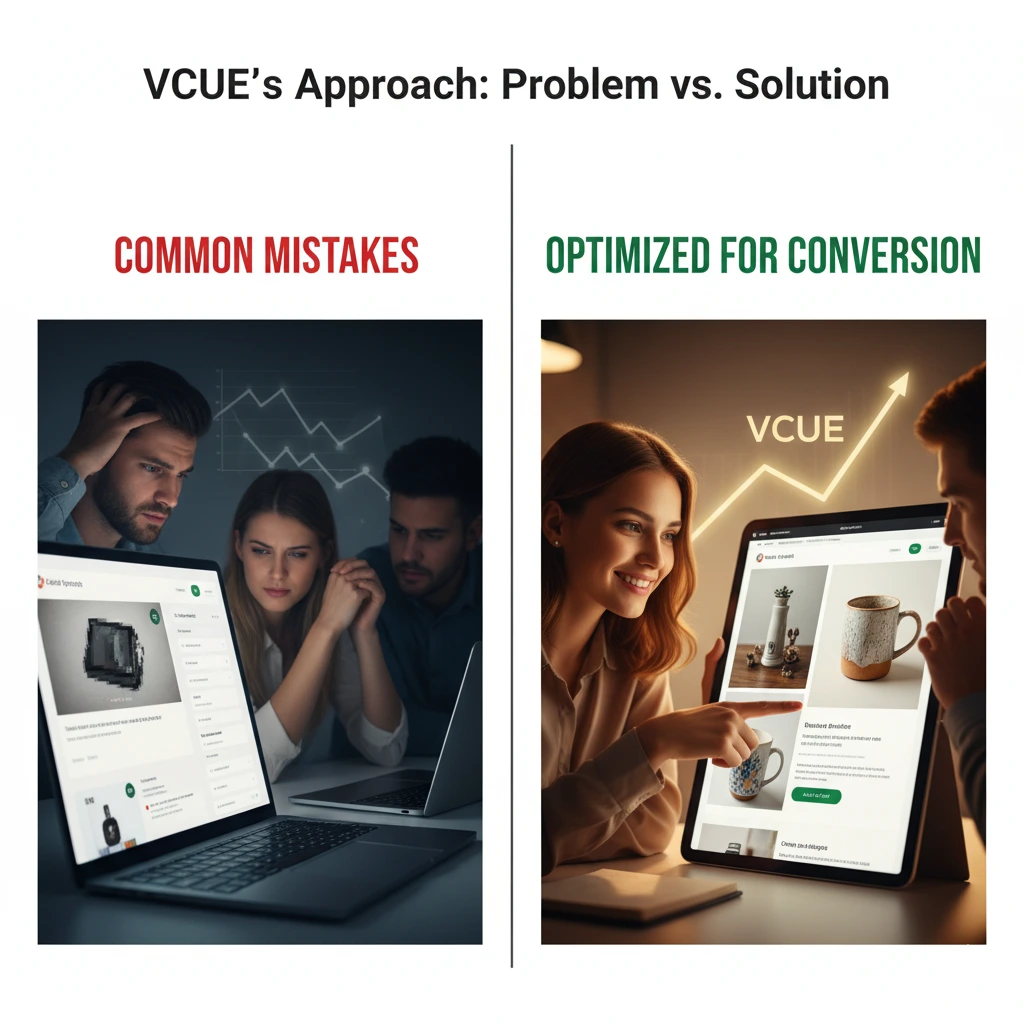

  • 5 Mistakes E-Commerce Brands Make That Kill Conversions (And How VCUE Avoids Them)

    5 Mistakes E-Commerce Brands Make That Kill Conversions (And How VCUE Avoids Them)

    In today’s competitive online marketplace, attracting visitors to your e-commerce store is only half the battle. Turning those visitors into paying customers is the real challenge. Many e-commerce brands struggle with low conversion rates due to common mistakes that drive potential buyers away. By understanding these pitfalls and learning how VCUE, a leading e-commerce platform, avoids them, brands can significantly boost sales and grow sustainably.

    Mistake 1: Poor Website Navigation

    Why It Hurts Conversions

    Confusing menus, cluttered layouts, and unclear navigation paths frustrate users. If visitors can’t find what they need quickly, they leave, often never to return.

    How VCUE Solves It

    VCUE prioritizes intuitive navigation with well-organized categories, search functions, and filters. Visitors can effortlessly browse products, compare options, and move through the checkout process, resulting in higher conversions and improved user satisfaction.

    Mistake 2: Low-Quality Product Images and Descriptions

    Why It Hurts Conversions

    Online shoppers rely heavily on visuals and detailed product information. Poor-quality images, lack of multiple views, or vague descriptions create uncertainty, which kills purchase confidence.

    How VCUE Solves It

    VCUE emphasizes high-resolution images, 360-degree product views, and comprehensive descriptions. Interactive media, like videos and zoomable images, allows customers to examine products closely, reducing hesitation and building trust.

    Mistake 3: Complicated Checkout Process

    Why It Hurts Conversions

    Long forms, mandatory account creation, and unexpected costs at checkout lead to abandoned carts. Even small friction points can significantly lower conversion rates.

    How VCUE Solves It

    VCUE provides a streamlined, user-friendly checkout with guest checkout options, multiple payment methods, and transparent pricing. By minimizing steps and reducing friction, the platform helps brands recover potential sales and retain customers.

    Mistake 4: Ignoring Mobile Optimization

    Why It Hurts Conversions

    With a growing number of users shopping on smartphones, sites that aren’t mobile-friendly lose a huge share of potential sales. Slow load times, small text, and unresponsive design frustrate mobile shoppers.

    How VCUE Solves It

    VCUE is built for mobile-first experiences, ensuring fast loading, responsive design, and touch-friendly navigation. Brands using VCUE can reach mobile shoppers effectively, turning visits into conversions across devices.

    Mistake 5: Lack of Personalized Experiences

    Why It Hurts Conversions

    Generic product recommendations, irrelevant promotions, and no targeted engagement make customers feel like just another number. Without personalization, brands struggle to create meaningful connections and repeat purchases.

    How VCUE Solves It

    VCUE leverages AI-driven personalization, offering tailored product recommendations, personalized emails, and dynamic content based on user behavior. This emotional and contextual connection increases engagement, boosts conversions, and encourages loyalty.

    Why Avoiding These Mistakes Matters

    • Higher Conversion Rates: Eliminating barriers directly increases sales.
    • Better Customer Experience: Smooth, enjoyable shopping keeps users coming back.
    • Stronger Brand Loyalty: Customers trust brands that provide clarity, quality, and personalized attention.
    • Increased Revenue: Optimized user experiences reduce cart abandonment and maximize ROI.

    Conclusion

    Many e-commerce brands unknowingly sabotage their sales through common mistakes like poor navigation, low-quality visuals, complicated checkout, lack of mobile optimization, and impersonal experiences. VCUE stands out by proactively addressing these issues, offering a platform designed to enhance user experience, build trust, and maximize conversions.

    For any brand looking to grow in the digital marketplace, understanding these pitfalls—and choosing a solution like VCUE—can make the difference between struggling with low sales and thriving in a competitive e-commerce landscape.

  • How Visual Aesthetics Build Trust in E-Commerce: The Power of Beautiful Product Pages

    How Visual Aesthetics Build Trust in E-Commerce: The Power of Beautiful Product Pages

    In the competitive world of e-commerce, trust is everything. Shoppers want to feel confident that the product they are purchasing is genuine, high-quality, and as described. One of the most effective ways to build this trust is through visual aesthetics. Beautiful, thoughtfully designed product pages do more than just showcase items—they communicate credibility, professionalism, and reliability, turning casual visitors into loyal customers.

    Why Visual Aesthetics Matter in Online Shopping

    Unlike physical stores, e-commerce brands cannot rely on in-person interactions to convey trust. Instead, customers rely heavily on visual cues. The design, layout, and imagery of a product page directly influence perception and purchasing decisions.

    1. First Impressions Count

    Studies show that it takes less than a second for users to form an opinion about a website. A clean, visually appealing product page signals professionalism and attention to detail, which makes shoppers more likely to trust the brand and continue exploring.

    2. Builds Credibility and Reliability

    High-quality images, consistent color schemes, and well-organized layouts suggest that a brand cares about its products and its customers. Visual aesthetics act as a silent promise that the shopping experience will be smooth, secure, and enjoyable.

    3. Enhances Perceived Value

    Beautiful visuals can elevate a product’s perceived value. Professional photography, lifestyle imagery, and detailed close-ups make products appear premium, increasing the likelihood of purchase and even justifying higher price points.

    Key Elements of Trust-Building Product Pages

    1. High-Quality Images and Videos

    Images are the most important visual element on a product page. High-resolution photos from multiple angles, zoom features, and lifestyle images help customers visualize the product in real life. Videos demonstrating use, features, or behind-the-scenes processes further build trust and reduce hesitation.

    2. Consistent Branding and Design

    A cohesive color palette, typography, and layout reinforce brand identity and professionalism. Consistency across all product pages and sections of your website signals reliability and helps shoppers feel secure while browsing.

    3. Clear and Readable Information

    Well-structured content, including product descriptions, specifications, and benefits, ensures transparency. Pairing concise text with visuals reduces confusion and enhances trust by making sure customers understand exactly what they are buying.

    4. Interactive and Engaging Elements

    Interactive elements like 360-degree product views, virtual try-ons, and hover animations increase engagement while showcasing features in detail. These interactive visuals make the shopping experience more immersive and trustworthy.

    5. Social Proof and Reviews

    Incorporating customer reviews, ratings, and user-generated photos adds authenticity. When shoppers see real people using and recommending products, trust grows naturally. Highlighting reviews alongside product images reinforces credibility.

    The Role of Visual Storytelling

    Visual storytelling is a powerful tool for e-commerce brands. Beyond showing a product, beautiful images can tell a story about the brand’s mission, values, and lifestyle. For example, a brand like Pawma’s Kitchen can showcase pets enjoying freshly prepared meals, highlighting both product quality and emotional connection. Story-driven visuals help customers feel part of a narrative, fostering trust and loyalty.

    Benefits of Trust-Building Visual Aesthetics

    • Higher Conversion Rates: Shoppers are more likely to purchase when they trust the product and brand.
    • Reduced Returns: Clear, detailed visuals minimize misunderstandings about product appearance or functionality.
    • Stronger Brand Loyalty: Trust fosters repeat purchases and long-term relationships.
    • Enhanced Reputation: A visually appealing, professional website conveys credibility to both new and existing customers.

    Tips for Creating Beautiful, Trustworthy Product Pages

    1. Invest in Professional Photography: Quality images are non-negotiable in building trust.
    2. Use Lifestyle and Contextual Images: Show products in real-life scenarios for relatability.
    3. Maintain Consistent Branding: Colors, fonts, and layouts should reflect your brand identity.
    4. Incorporate Interactive Features: Enable 360-degree views, zoom, and videos.
    5. Highlight Reviews and Testimonials: Combine visuals with social proof for maximum credibility.
    6. Keep Layouts Clean and Simple: Avoid clutter that distracts or overwhelms shoppers.

    Conclusion

    In e-commerce, trust is earned, not assumed. Visual aesthetics are one of the most powerful tools for building that trust, transforming product pages from simple listings into engaging, credible experiences. By investing in beautiful imagery, cohesive design, and interactive storytelling, brands can turn casual visitors into loyal customers, enhance perceived value, and reduce purchase hesitation.

    Small and large e-commerce brands alike can leverage these strategies to create product pages that don’t just sell—they inspire confidence, foster loyalty, and leave a lasting impression. In the digital marketplace, beauty isn’t just skin-deep; it’s a cornerstone of trust and long-term success.

  • The Rise of Conscious Consumers: Why 2025 Is All About Sustainable Shopping

    The Rise of Conscious Consumers: Why 2025 Is All About Sustainable Shopping

    The retail landscape is shifting dramatically in 2025. Shoppers are no longer content with simply buying what they need; they want to make purpose-driven purchases that reflect their values. The era of conscious consumers has arrived, and brands that prioritize sustainability, ethics, and transparency are reaping the rewards. This trend isn’t just a fad—it’s a fundamental shift in how people approach shopping and their relationship with products.

    Who Are Conscious Consumers?

    Conscious consumers are individuals who consider the environmental, social, and ethical impact of their purchases. These shoppers prioritize:

    • Eco-friendly and sustainable products
    • Brands with transparent sourcing and production practices
    • Ethical labor practices and fair trade
    • Minimal packaging and waste reduction

    In 2025, the majority of consumers are not just price-driven—they are value-driven, seeking brands that align with their principles.

    Why 2025 Is a Turning Point for Sustainable Shopping

    1. Increased Awareness of Environmental Impact

    With climate change and resource depletion dominating global conversations, people are more aware of the impact of their consumption. Conscious consumers are choosing products that reduce carbon footprints, avoid harmful chemicals, and use renewable resources.

    2. The Power of Social Media and Transparency

    Social media platforms amplify both positive and negative brand behaviors. Brands that are transparent about sourcing, production, and sustainability initiatives gain trust and loyalty, while unethical practices can quickly lead to backlash.

    3. Government Regulations and Incentives

    Governments worldwide are encouraging sustainable business practices through tax benefits, regulations, and sustainability reporting requirements. Consumers are increasingly gravitating toward brands that comply with these standards, reinforcing responsible shopping habits.

    4. The Influence of Younger Generations

    Millennials and Gen Z are leading the conscious consumer movement. These groups value sustainability, ethical sourcing, and brands with a purpose. Their purchasing power is growing, and their influence is shaping market trends in 2025 and beyond.

    How Brands Are Adapting to Conscious Consumers

    1. Sustainable Product Design

    Brands are redesigning products with sustainability in mind, using:

    • Recycled or biodegradable materials
    • Eco-friendly packaging
    • Energy-efficient production methods

    This approach not only reduces environmental impact but also resonates with consumers who want their purchases to make a difference.

    2. Transparency and Storytelling

    Consumers want to know the story behind the products they buy. Brands like Pawma’s Kitchen share stories about sourcing fresh, natural ingredients for pets, highlighting both health benefits and ethical practices. Transparent communication builds trust and emotional connection.

    3. Circular Economy Initiatives

    Forward-thinking brands are implementing recycling, upcycling, and take-back programs to reduce waste. This appeals to conscious consumers who seek brands that actively contribute to environmental sustainability.

    4. Ethical Sourcing and Fair Trade

    Brands that prioritize ethical sourcing, fair labor, and humane practices are more likely to win over conscious consumers. Highlighting certifications and third-party audits reinforces credibility.

    The Benefits of Catering to Conscious Consumers

    • Increased Brand Loyalty: Consumers stick with brands that align with their values.
    • Higher Willingness to Pay: Shoppers are often willing to pay a premium for sustainable and ethical products.
    • Positive Brand Reputation: Sustainable practices enhance public perception and increase trust.
    • Long-Term Growth: Meeting conscious consumer demands positions brands for success in a socially responsible future.

    Tips for Small and Medium Brands to Embrace Sustainability

    1. Audit Your Supply Chain: Identify areas to reduce waste and environmental impact.
    2. Communicate Transparently: Share sustainability practices and product stories openly.
    3. Prioritize Eco-Friendly Materials: Switch to renewable, recycled, or biodegradable materials where possible.
    4. Engage Consumers in Your Mission: Encourage participation through recycling programs or sustainability challenges.
    5. Measure Impact: Track and report progress to demonstrate commitment and build trust.

    The Role of Conscious Consumers in Shaping the Future

    Conscious consumers are not just changing what people buy—they are reshaping the entire retail ecosystem. Brands that embrace sustainability, transparency, and ethical practices are better positioned to thrive in 2025 and beyond.

    By focusing on value-driven, purpose-led shopping experiences, companies can cultivate loyal customers who are passionate advocates, driving both growth and positive social impact.

    Final Thoughts

    The rise of conscious consumers marks a fundamental shift in the way people shop. 2025 is proving to be the year where sustainability, ethics, and transparency take center stage in retail. Brands that fail to adapt risk being left behind, while those that embrace conscious consumerism can not only achieve commercial success but also contribute to a better world.

    In this era, shopping isn’t just about acquiring products—it’s about making choices that matter. For small and medium brands, integrating sustainability into every aspect of the business isn’t just smart; it’s essential for staying relevant, building loyalty, and thriving in a conscious marketplace.

  • From Add to Cart to Add to Heart: Why Emotional Commerce Is the Future of Online Retail

    From Add to Cart to Add to Heart: Why Emotional Commerce Is the Future of Online Retail

    The world of e-commerce is evolving rapidly. No longer is it enough for brands to focus solely on product listings, discounts, or fast shipping. Today’s consumers crave connection, purpose, and meaningful experiences. Enter emotional commerce, a trend that shifts online shopping from a transactional activity to a deeply engaging, emotion-driven journey. Small and large brands alike are discovering that by appealing to customers’ hearts, they can foster loyalty, advocacy, and long-term growth.

    What is Emotional Commerce?

    Emotional commerce is the practice of designing shopping experiences that resonate with customers on an emotional level. Instead of simply asking, “Do you want this product?” brands focus on:

    • Why the product matters
    • How it aligns with the customer’s values or lifestyle
    • How it makes the customer feel

    This approach transforms the conventional “add to cart” action into “add to heart,” where the purchase is motivated by genuine connection, not just necessity or price.

    Why Emotional Commerce Matters

    1. Emotional Connection Drives Loyalty

    When customers feel connected to a brand, they’re far more likely to return. Emotional engagement builds trust and fosters long-term relationships, which are especially crucial for small e-commerce brands competing with industry giants.

    2. Stories Sell, Not Just Products

    Humans are wired to respond to stories. Sharing the brand story, product origin, or customer experiences creates a narrative that customers can relate to. This emotional resonance makes the shopping experience memorable and encourages repeat purchases.

    3. Differentiation in a Competitive Market

    In a crowded digital marketplace, emotional commerce helps small and niche brands stand out. When customers feel seen, understood, and valued, price becomes secondary, and brand preference strengthens.

    How Brands Implement Emotional Commerce

    1. Story-Driven Product Pages

    Rather than listing specifications, brands can craft narratives around how a product enhances lifestyle, solves a problem, or reflects values. For instance:

    • A sustainable clothing brand shares stories about ethical production and environmental impact.
    • A pet care brand like Pawma’s Kitchen highlights the care, nutrition, and love behind each meal, making pet parents feel emotionally connected to the brand.

    2. Social Proof and Community Stories

    Customer testimonials, user-generated content, and social media interactions humanize a brand and amplify emotional resonance. Showcasing real-life experiences builds trust and makes the shopping journey feel personal.

    3. Interactive and Immersive Experiences

    Interactive tools like quizzes, virtual try-ons, and AR experiences increase engagement by making shopping fun and emotionally rewarding. Personalized recommendations also make customers feel understood and valued.

    4. Cause-Driven Marketing

    Brands that support social or environmental causes appeal to customers’ sense of purpose. Integrating meaningful initiatives into products or campaigns can transform purchases into acts of emotional investment.

    The Benefits of Emotional Commerce

    • Higher Conversion Rates: Emotionally engaged customers are more likely to buy.
    • Brand Advocacy: Customers who connect emotionally often become brand ambassadors.
    • Long-Term Loyalty: Emotional connections encourage repeat purchases and subscriptions.
    • Premium Pricing: Shoppers are willing to pay more for products that resonate with their values or identity.

    Examples of Emotional Commerce in Action

    • Pawma’s Kitchen: By focusing on pets’ health and nutrition, the brand connects with pet owners’ emotions, turning routine purchases into acts of care.
    • Handmade Jewelry Brands: Sharing the artisan’s journey and inspiration behind each piece creates a bond with customers.
    • Eco-Friendly Home Products: Highlighting the positive environmental impact of purchases makes buyers feel they are contributing to a larger mission.

    These examples show how emotional commerce can elevate a brand’s story and transform ordinary shopping into an emotionally engaging experience.

    Tips for Brands to Embrace Emotional Commerce

    1. Know Your Audience Deeply: Understand their values, desires, and pain points.
    2. Craft Authentic Stories: Avoid generic marketing; authenticity is key to trust.
    3. Leverage Visual and Interactive Content: Videos, behind-the-scenes glimpses, and interactive experiences enhance emotional engagement.
    4. Highlight Impact: Show how the product, purchase, or brand mission creates positive change.
    5. Foster Community: Encourage customers to share experiences and participate in the brand’s journey.

    Final Thoughts

    The future of online retail is emotional, not just transactional. By shifting from “add to cart” to “add to heart,” brands can cultivate deeper relationships, increase loyalty, and stand out in a competitive landscape. Emotional commerce isn’t just a trend—it’s a powerful strategy that turns shoppers into advocates, products into experiences, and brands into stories people love to share.

    Small e-commerce brands, especially those offering personalized, purpose-driven, or story-rich products, are perfectly positioned to harness this approach and thrive in the age of emotional commerce.