
Category: E-Commerce

  • How Small E-Commerce Brands Are Winning Big with Story-Driven Shopping Experiences

    How Small E-Commerce Brands Are Winning Big with Story-Driven Shopping Experiences

    In today’s crowded online marketplace, small e-commerce brands face stiff competition from giants with massive advertising budgets. Yet, many small players are thriving by leveraging story-driven shopping experiences that connect deeply with their customers. Instead of competing solely on price or inventory, these brands are winning big by telling compelling stories that make their products memorable, relatable, and desirable.

    Why Storytelling Matters in E-Commerce

    Traditional e-commerce often focuses on product listings, reviews, and discounts. While functional, this approach can feel transactional and impersonal. Story-driven shopping experiences go beyond the product, engaging customers emotionally and creating a connection with the brand.

    • Emotional Engagement: Stories evoke emotions, making customers feel part of the brand’s journey.
    • Differentiation: A strong narrative sets a small brand apart from competitors selling similar products.
    • Customer Loyalty: People remember stories, not just products, leading to repeat purchases and word-of-mouth promotion.

    For small e-commerce businesses, this emotional resonance can be the key to competing against larger brands.

    How Small Brands Build Story-Driven Experiences

    1. Sharing the Brand’s Origin Story

    Customers love knowing the “why” behind a product. Whether it’s a passion project, a family tradition, or a mission-driven endeavor, sharing the brand’s origin story humanizes the business.

    For example:

    • A boutique candle brand might highlight how the founder began crafting scents in her kitchen.
    • A pet food startup like Pawma’s Kitchen could share stories about their commitment to fresh, nutritious meals for dogs.

    These narratives make customers feel they’re supporting a real person or cause, not just buying a product.

    2. Highlighting Customer Stories

    Small brands often leverage user-generated content and testimonials to create authentic stories. Sharing customer experiences, reviews, or social media posts can turn buyers into brand advocates and create a sense of community.

    • Feature customer photos using products in their homes.
    • Share short video testimonials on social media or your website.
    • Highlight transformations or unique ways customers use products.

    3. Crafting Product-Centric Narratives

    Instead of simply listing features, small e-commerce brands can describe how a product fits into a lifestyle or solves a real problem.

    For instance:

    • A skincare brand might tell a story about a founder experimenting with natural ingredients to soothe sensitive skin.
    • A home décor brand could show how their handmade pieces transform ordinary spaces into cozy, personalized homes.

    These narratives turn product pages into mini-stories that engage, inspire, and persuade.

    The Role of Digital Tools in Story-Driven Shopping

    1. Visual Storytelling

    Images, videos, and graphics play a crucial role in conveying stories. High-quality visuals, behind-the-scenes clips, and interactive media allow small brands to:

    • Showcase the product in action
    • Share the crafting or production process
    • Evoke emotion through lifestyle imagery

    2. Social Media Integration

    Platforms like Instagram, TikTok, and Pinterest are ideal for story-driven content. Small brands can reach their audience organically by:

    • Posting short-form storytelling videos
    • Running interactive polls or Q&A sessions
    • Sharing founder insights and behind-the-scenes moments

    3. Personalized Shopping Experiences

    Story-driven shopping often overlaps with personalization. By understanding customer preferences, small brands can tailor narratives, product recommendations, and marketing campaigns that resonate on an individual level.

    • Email campaigns featuring personalized stories
    • Product suggestions based on past purchases
    • Loyalty programs that share the brand’s journey and mission

    Benefits of Story-Driven Shopping for Small E-Commerce Brands

    • Higher Conversion Rates: Engaged customers are more likely to complete purchases.
    • Stronger Brand Loyalty: Emotional connections keep customers coming back.
    • Organic Growth: Stories are shareable, leading to free word-of-mouth marketing.
    • Brand Recognition: Unique narratives make the brand memorable in a competitive market.

    Small brands are often more agile and authentic than big corporations, allowing them to experiment with creative storytelling and form genuine relationships with their audience.

    Case Studies of Success

    Many small e-commerce brands have successfully embraced story-driven shopping:

    • Pawma’s Kitchen: A pet food brand that shares its mission to provide fresh, healthy meals for dogs. Their storytelling emphasizes pet wellbeing, real ingredients, and the founder’s passion for animal care, creating loyal customers who feel part of the journey.
    • Boutique Handmade Jewelry Brands: These brands highlight the artisan’s craftsmanship, inspiration, and personal touch, which makes each piece feel special.
    • Sustainable Home Products: Brands that focus on eco-friendly practices and ethical sourcing use storytelling to highlight the environmental impact of each purchase, connecting with conscious consumers.

    These examples show that small brands can turn authenticity into a competitive advantage.

    Tips for Small E-Commerce Brands to Implement Story-Driven Shopping

    1. Know Your Audience: Understand what resonates emotionally and craft stories accordingly.
    2. Be Authentic: Avoid over-hyped narratives; honesty builds trust.
    3. Use Multiple Channels: Share stories across websites, emails, and social media for maximum impact.
    4. Focus on Experiences, Not Just Products: Highlight the lifestyle, benefits, and values associated with your products.
    5. Measure Engagement: Track clicks, shares, and conversions to see which stories resonate most.

    Final Thoughts

    Small e-commerce brands are proving that story-driven shopping experiences can rival, and even outperform, traditional retail strategies. By focusing on authenticity, emotional connection, and creative storytelling, these brands create memorable experiences that encourage loyalty, repeat purchases, and organic growth.

    In a marketplace dominated by algorithms and mass production, stories are what set small brands apart. Whether you’re a boutique startup or a niche e-commerce store, embracing story-driven shopping can transform how customers perceive your brand and ultimately, help you win big.
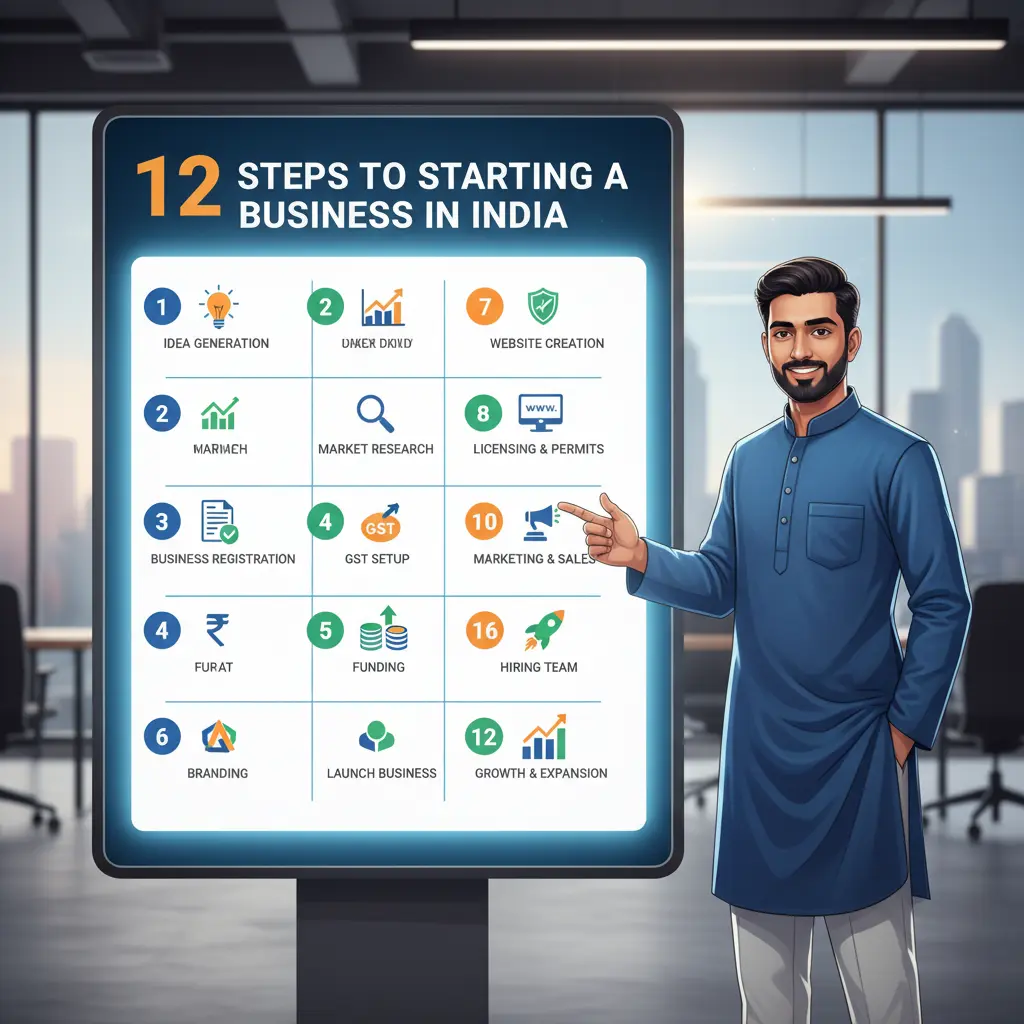

  • 12 Steps to Starting a Business in India: A Complete Step-by-Step Guide

    12 Steps to Starting a Business in India: A Complete Step-by-Step Guide

    Understanding the Opportunity of Entrepreneurship in India


    Starting a business in India has never been more exciting. With one of the fastest-growing economies in the world, India offers a vibrant ecosystem for entrepreneurs, startups, and small business owners. The government’s Startup India and Make in India initiatives have simplified the registration process, encouraged digitalization, and provided funding opportunities for new ventures. Whether you’re launching a tech startup, retail business, or online store, following the right steps can help you start strong and operate legally.

    Step 1: Decide on Your Business Idea


    Every successful business begins with a solid idea. Identify a problem you can solve or a product in demand. Conduct basic market research to assess your competition, target audience, and pricing strategy. Tools like Google Trends, social media analytics, and online surveys can help validate your idea. Choose something that matches your skills, passion, and market needs—this is the foundation of your entrepreneurial journey.

    Step 2: Choose the Right Business Structure


    Selecting the right business structure is essential because it affects taxation, liability, and compliance. In India, the main types of business entities are:

    • Sole Proprietorship – Ideal for freelancers or single-person businesses.
    • Partnership Firm – Suitable for businesses owned by two or more people.
    • Limited Liability Partnership (LLP) – Offers legal protection and flexibility.
    • Private Limited Company (Pvt. Ltd.) – Popular among startups for fundraising.
    • One Person Company (OPC) – Best for solo entrepreneurs seeking limited liability.
      Each structure has its pros and cons, so choose one that aligns with your goals, investment capacity, and scalability plans.

    Step 3: Register Your Business Name


    Your business name represents your brand identity. Pick a unique and easy-to-remember name that reflects your services or products. You can check name availability on the Ministry of Corporate Affairs (MCA) portal. For a Private Limited Company or LLP, you must reserve your name through the RUN (Reserve Unique Name) service on the MCA website. Once approved, it becomes your legal business name.

    Step 4: Obtain the Digital Signature Certificate (DSC)


    In India, most business registration processes are digital. To sign electronic documents legally, you’ll need a Digital Signature Certificate (DSC). It’s mandatory for company directors, partners, or authorized signatories. You can obtain a DSC through government-authorized agencies such as eMudhra or Sify. This step ensures secure and authenticated transactions for all online filings.

    Step 5: Apply for the Director Identification Number (DIN)


    The Director Identification Number (DIN) is a unique identification number required for anyone who wishes to be a company director. If you’re registering a Private Limited Company or LLP, you must apply for a DIN through the MCA portal. The process involves submitting proof of identity, address, and photographs. Once approved, you can act as a director in any registered company in India.

    Step 6: Register Your Business with the MCA


    To officially register your company, you’ll need to file incorporation documents with the Ministry of Corporate Affairs. The key form used is SPICe+ (Simplified Proforma for Incorporating Company Electronically Plus), which combines name reservation, incorporation, and tax registration in one application. This step establishes your company as a legal entity under the Companies Act, 2013 and grants you a Certificate of Incorporation—your official business birth certificate.

    Step 7: Obtain a Permanent Account Number (PAN) and Tax Account Number (TAN)


    Every business in India must have a PAN and TAN for tax purposes. The PAN is used to file income tax returns, while the TAN is required for deducting or collecting tax at source (TDS). Both can be applied for online through the NSDL or UTIITSL portals or during the SPICe+ company registration process. These numbers are critical for legal financial transactions and compliance.

    Step 8: Register for Goods and Services Tax (GST)


    If your business turnover exceeds ₹40 lakh (₹20 lakh for service providers), or if you sell products or services online, GST registration is mandatory. Even if you’re below the limit, voluntary registration can enhance credibility with customers and suppliers. You can register for GST through the GST portal and receive a unique GST Identification Number (GSTIN). This allows you to collect taxes, claim input tax credits, and operate seamlessly across states.

    Step 9: Open a Business Bank Account


    Separating your personal and business finances is vital for transparency and growth. Once you receive your Certificate of Incorporation, PAN, and other documents, you can open a current account in your company’s name. Choose a bank that offers online banking, low transaction charges, and good customer support. A business bank account helps track expenses, simplifies tax filing, and builds credibility with clients and investors.

    Step 10: Register for MSME or Udyam Certification


    If you are a small or medium business, registering under the Micro, Small, and Medium Enterprises (MSME) category via the Udyam Registration Portal can provide several benefits, such as easier loan approvals, government subsidies, and lower interest rates. The process is simple and free. All you need is your Aadhaar number, PAN, and basic business details. MSME registration adds legitimacy and helps small entrepreneurs access official support schemes.

    Step 11: Protect Your Brand with Trademark Registration


    Your brand name, logo, and tagline are valuable assets. To prevent others from copying them, apply for trademark registration under the Controller General of Patents, Designs, and Trademarks. Once registered, your brand enjoys legal protection across India. The process can take several months, but you can use the ™ symbol while your application is pending and the ® symbol after approval. This step strengthens your brand identity and protects your reputation.

    Step 12: Understand Compliance and Ongoing Obligations


    Once your business is registered, staying compliant is crucial. Depending on your business type, you may need to file annual returns, maintain proper accounting records, and pay taxes on time. Private Limited Companies and LLPs must hold annual meetings and submit audited financial statements. Regular compliance not only avoids penalties but also builds investor confidence and credibility in the market.

    Final Thoughts: Building a Business the Right Way


    Starting a business in India may seem complex, but digital platforms and government reforms have simplified the process immensely. Following these 12 steps ensures that your business is legally compliant and ready for growth. From choosing the right structure and registering with authorities to obtaining licenses and protecting your brand, every step is a building block for long-term success. With the right planning, dedication, and understanding of regulations, you can transform your idea into a thriving business in India’s fast-growing entrepreneurial ecosystem.

  • How to Earn Money from Home in India: Ideas for Home-Based Entrepreneurs

    How to Earn Money from Home in India: Ideas for Home-Based Entrepreneurs

    The Rise of Home-Based Entrepreneurship in India


    In 2025, earning money from home in India has become not just possible but practical. With the growth of digital tools, online marketplaces, and remote job opportunities, thousands of Indians are now building successful businesses without leaving their homes. Whether you are a student, homemaker, freelancer, or retired professional, home-based entrepreneurship offers flexibility, independence, and financial freedom. You no longer need a physical office or large investment to start — all you need is a good internet connection, basic skills, and determination.

    Why Home-Based Work Is Growing Fast in 2025


    Several factors have contributed to the rise of home-based work in India. The pandemic popularized remote work, technology lowered startup costs, and digital payment platforms made online transactions effortless. Platforms like Upwork, Fiverr, Etsy, YouTube, and Instagram have opened global markets for Indian entrepreneurs. The government’s Digital India initiative also encourages small business owners to operate online, making it easier than ever to earn money from home.

    Freelancing: The Most Popular Way to Work from Home


    Freelancing remains one of the easiest and most profitable ways to make money from home in India. You can offer services in writing, graphic design, web development, digital marketing, or virtual assistance. Websites like Upwork, Freelancer, and Fiverr connect skilled professionals with global clients. Freelancers can earn anywhere from ₹20,000 to ₹1,00,000 a month, depending on experience. To get started, create a strong online portfolio, identify your niche, and focus on delivering quality work that brings repeat clients.

    Starting a YouTube Channel or Podcast


    If you enjoy speaking, teaching, or entertaining, content creation can be a lucrative option. Many Indians are earning money through YouTube, Spotify, and Instagram Reels by producing educational, lifestyle, or entertainment content. The income comes from ads, brand sponsorships, and affiliate marketing. While it takes time to build an audience, consistent posting and valuable content can help you grow a loyal following and turn your passion into income. Niche topics like cooking, tech tutorials, travel, finance, or motivation perform especially well in 2025.

    Affiliate Marketing: Earn Passive Income from Home


    Affiliate marketing allows you to earn money by promoting other companies’ products. You can create a blog, website, or social media page, share product links, and earn a commission for every sale made through your referral. Popular affiliate programs in India include Amazon Associates, Flipkart Affiliate, and ClickBank. With good content marketing and SEO, affiliate marketing can generate passive income — meaning you keep earning even while you sleep. Focus on products that match your interests and audience to build credibility and trust.

    Start an Online Store or Reselling Business


    E-commerce is booming in India, and you can easily set up your own online store using platforms like Shopify, Meesho, or Vcue Store. You can sell handmade crafts, clothing, skincare products, digital art, or home décor items. Another easy way to start is by becoming a reseller — purchase products from wholesalers and sell them online with a markup. Social media platforms like Instagram and WhatsApp Business are perfect for promoting your products and building a loyal customer base from home.

    Blogging and Content Writing for Income


    If you love writing, blogging can be a rewarding way to earn from home. You can start a blog about finance, lifestyle, travel, health, or parenting and earn money through ads, sponsored posts, and affiliate links. Blogging requires patience and consistency, but once your site gains traffic, it becomes a steady source of income. Alternatively, you can work as a content writer or copywriter for businesses and earn per article or project. Many Indian bloggers now earn ₹50,000 or more per month through ad networks like Google AdSense.

    Online Tutoring and Coaching


    Education has gone digital, and skilled tutors can now teach from anywhere in India. You can start online tutoring in subjects like English, math, or coding using platforms like Vedantu, Byju’s, or Teachmint. If you have expertise in yoga, fitness, or communication, you can also offer coaching sessions via Zoom or Google Meet. Many professionals are turning to online mentoring, helping others learn skills like digital marketing, graphic design, and personal finance. Teaching from home combines your knowledge with flexibility and stable income.

    Sell Digital Products and Courses


    Digital products are one of the most scalable ways to earn money online. You can create and sell e-books, design templates, photography presets, or online courses. Once created, these products can be sold repeatedly without additional costs. Platforms like Gumroad, Skillshare, and Teachable make it easy to host and sell your digital content. For example, a graphic designer can sell templates, a writer can sell e-books, and a marketer can sell digital courses. This is an excellent way to build passive income while showcasing your expertise.

    Social Media Management and Marketing


    Businesses of all sizes are looking for social media managers to grow their online presence. If you know how to create engaging content, schedule posts, and analyze insights, you can work as a social media manager or influencer strategist from home. Tools like Canva, Buffer, and Meta Business Suite make managing multiple accounts easier. You can start by handling local businesses’ pages and gradually scale up to managing brands and influencers. This field offers excellent flexibility and steady demand in 2025.

    Virtual Assistant and Customer Support Jobs


    Many startups and global companies hire virtual assistants (VAs) to handle administrative tasks like scheduling, email management, and data entry. This role requires good organizational and communication skills. You can find such jobs on Indeed, LinkedIn, and Remote.co. Customer service roles, especially for e-commerce or tech companies, also allow remote work with flexible hours. These positions are ideal for people who want stable monthly income without leaving home.

    Graphic Design, Video Editing, and Creative Services


    If you have creative skills, turn them into income by offering graphic design, video editing, or illustration services. Tools like Adobe Photoshop, Canva, and CapCut have made these services easy to learn and deliver online. You can create social media posts, logos, thumbnails, or marketing videos for small businesses. The creative industry in India is expanding rapidly, and freelancers in this field can earn anywhere from ₹10,000 to ₹1,00,000 monthly, depending on expertise and clients.

    Final Thoughts: Building a Successful Home-Based Career in India


    Earning money from home in India is no longer just a side hustle—it’s a full-time opportunity. With the right skills, focus, and consistency, anyone can start a profitable home-based business. Whether you choose freelancing, online teaching, content creation, or e-commerce, success depends on your commitment to learning and adapting. The key is to start small, stay consistent, and scale gradually. In 2025, the internet offers endless possibilities for Indian entrepreneurs to turn their passion into profit, all from the comfort of home.

  • Eco-Friendly Products That Make Life Easier in 2025

    Eco-Friendly Products That Make Life Easier in 2025

    Why Eco-Friendly Products Are Trending in 2025


    In 2025, eco-friendly products have moved from niche to mainstream. Consumers are increasingly aware of the environmental impact of everyday purchases, and e-commerce stores are responding with innovative sustainable solutions. From biodegradable home products to energy-efficient gadgets, eco-friendly items not only reduce your carbon footprint but also make daily life more convenient. Adopting a sustainable lifestyle doesn’t mean compromising on comfort or style—these products combine functionality, durability, and eco-conscious design to make modern living easier than ever.

    Eco-Friendly Home Products That Simplify Daily Life


    The home is where eco-friendly products shine the most. Sustainable home essentials, such as bamboo kitchenware, reusable storage bags, and compostable cleaning supplies, help reduce waste while keeping your home organized. Bamboo cutting boards, for example, are durable, antimicrobial, and fully renewable. Reusable silicone food bags replace single-use plastics, saving both money and the environment. Energy-efficient appliances like LED bulbs, induction cooktops, and smart thermostats not only lower electricity bills but also reduce carbon emissions, making them must-haves for eco-conscious households in 2025.

    Zero-Waste Kitchen Gadgets for a Greener Lifestyle


    The kitchen is often the center of household waste, but zero-waste kitchen gadgets are changing that. Compost bins for organic waste, water-saving dish racks, and reusable spice containers are gaining popularity. Smart kitchen appliances like air fryers and multifunctional pressure cookers minimize energy usage while streamlining cooking. Stainless steel and glass containers replace disposable plastics, and eco-friendly dish brushes made from bamboo or recycled materials reduce chemical use. These products make it easy to cook, store, and clean efficiently, proving that sustainable choices can also be highly practical.

    Eco-Friendly Personal Care Products


    Personal care is another area where sustainability meets convenience. Products such as bamboo toothbrushes, refillable shampoo bottles, and natural deodorants are replacing their plastic-laden counterparts. Solid shampoos and conditioners reduce packaging waste while lasting longer than traditional liquid products. Menstrual cups, reusable pads, and biodegradable wipes offer hygienic solutions with minimal environmental impact. Many eco-friendly personal care items are also free from harmful chemicals, providing a safer experience for both users and the planet. Integrating these products into daily routines is a simple way to live sustainably without sacrificing comfort or hygiene.

    Sustainable Fashion and Accessories


    Fashion is no longer just about style—it’s about responsibility. Sustainable fashion brands now offer organic cotton clothing, recycled fabrics, and cruelty-free accessories. Reusable shopping bags, water bottles, and eco-friendly wallets made from recycled materials reduce reliance on single-use plastics. Clothing made from bamboo or hemp is breathable, durable, and environmentally friendly. In 2025, many consumers prioritize ethical production, transparency, and longevity in fashion, choosing pieces that are both stylish and eco-conscious. These sustainable items make life easier by combining comfort, durability, and ethical values.

    Eco-Friendly Tech Gadgets


    Even in the world of technology, sustainability is gaining traction. Solar-powered chargers, energy-efficient laptops, and smart home devices help reduce energy consumption. Solar-powered lights, motion-sensor lamps, and low-power appliances make homes more sustainable while enhancing convenience. Recycled materials are increasingly used in smartphones, headphones, and wearable devices, proving that tech and sustainability can coexist. These gadgets are designed to last longer, consume less energy, and reduce e-waste, making them a practical choice for modern households that care about the environment.

    Eco-Friendly Cleaning Products for a Healthier Home


    Cleaning doesn’t have to come at the expense of the planet. Eco-friendly cleaning products, including plant-based detergents, biodegradable sponges, and refillable cleaning sprays, provide effective solutions without harmful chemicals. Concentrated cleaners reduce packaging waste, and reusable microfiber cloths replace disposable wipes. These products are safe for pets, children, and sensitive skin, while still keeping homes sparkling clean. Incorporating eco-friendly cleaning items into daily routines not only supports sustainability but also promotes a healthier living environment for everyone at home.

    Reusable and Multi-Purpose Products


    One of the easiest ways to simplify a sustainable lifestyle is by using reusable and multi-purpose products. Items like reusable water bottles, travel coffee cups, and silicone straws replace single-use plastics while reducing clutter. Multi-purpose cleaning tools, foldable storage boxes, and modular furniture save space and reduce the need for additional purchases. By choosing products that serve multiple functions, consumers can streamline their lives while minimizing waste, proving that sustainability and efficiency go hand in hand.

    Why Investing in Eco-Friendly Products Saves Money


    Many consumers worry that sustainable products are expensive, but in reality, they often save money in the long run. Reusable items eliminate the need for constant repurchasing, energy-efficient appliances reduce utility bills, and durable products last longer than disposable alternatives. Investing in high-quality eco-friendly products is not only environmentally responsible but also economically wise. In 2025, the rise of green living and conscious consumption is making sustainable choices a practical solution for households looking to simplify life and reduce expenses.

    Tips for Choosing the Right Eco-Friendly Products


    When shopping for eco-friendly products, consider the following: check for certifications like USDA Organic, Fair Trade, or Energy Star, choose products with minimal or recyclable packaging, and prioritize durability over trendiness. Reading reviews and understanding the brand’s sustainability practices ensures you’re making informed choices. By selecting products thoughtfully, consumers can maximize both convenience and environmental impact, turning everyday routines into eco-friendly habits effortlessly.

    The Future of Eco-Friendly Living


    As sustainability becomes a core priority in 2025, the availability of eco-friendly products will continue to expand. Innovations in biodegradable materials, renewable energy, and smart home technology will make sustainable living even more accessible. E-commerce platforms are also offering wider selections of green products, making it easier than ever to shop responsibly. By integrating these items into daily life, households can reduce waste, save money, and enjoy a simpler, more efficient lifestyle—all while contributing to a healthier planet.

    Final Thoughts: Make Life Easier with Eco-Friendly Choices


    Eco-friendly products are more than a trend—they’re a lifestyle that simplifies daily routines while protecting the environment. From sustainable home goods and personal care products to innovative tech gadgets and reusable essentials, these items make life easier and more efficient in 2025. Choosing eco-friendly solutions supports both convenience and sustainability, allowing consumers to live consciously without sacrificing comfort. By embracing sustainable products, individuals and families can enjoy a greener, smarter, and more organized lifestyle while making a positive impact on the planet.

  • Dropshipping in 2025: Is It Still a Profitable Business Model?

    Dropshipping in 2025: Is It Still a Profitable Business Model?

    Dropshipping has been one of the most popular e-commerce business models over the past decade. It allows entrepreneurs to sell products online without maintaining inventory, handling shipping, or managing warehouses. But with increasing competition, rising advertising costs, and changing consumer behavior, many aspiring entrepreneurs are asking: Is dropshipping still profitable in 2025?

    In this article, we’ll explore the current state of dropshipping, key trends, challenges, and strategies for making it work in today’s competitive e-commerce landscape.

    What Is Dropshipping?

    Dropshipping is a retail fulfillment method where a store sells products without keeping them in stock. Instead, when a customer places an order, the store purchases the item from a third-party supplier, who ships it directly to the customer.

    The main advantages of dropshipping include:

    • Low startup costs since you don’t need to buy inventory upfront.
    • Flexibility to sell a wide variety of products without warehousing concerns.
    • Scalability as you can expand your product range easily.

    However, these advantages come with challenges such as low profit margins, high competition, and reliance on suppliers for fulfillment and product quality.

    Why Dropshipping Has Become More Challenging in 2025

    1. Increased Competition

    Dropshipping is no longer a niche market. Many entrepreneurs have entered the space, resulting in intense competition for popular products. Platforms like Shopify, WooCommerce, and TikTok Shop have lowered barriers to entry, which means more sellers are targeting the same products and keywords.

    This competition often leads to lower profit margins and higher customer acquisition costs, making it harder for new dropshippers to stand out.

    2. Rising Advertising Costs

    Paid ads, especially on Facebook, Instagram, and Google, are critical for driving traffic to dropshipping stores. However, advertising costs have risen steadily, and the return on ad spend (ROAS) can be unpredictable. Many new dropshippers struggle to achieve profitable campaigns without investing significant time in learning ad targeting and optimization strategies.

    3. Consumer Expectations Are Changing

    Modern e-commerce customers expect:

    • Fast shipping, often within 3–5 days.
    • High-quality products with clear descriptions and accurate images.
    • Reliable customer service and easy returns.

    Since dropshipping relies on third-party suppliers, meeting these expectations can be challenging. Delays or poor-quality products can result in negative reviews and high refund rates, which impact profitability.

    Trends Making Dropshipping Viable in 2025

    Despite the challenges, dropshipping is still viable if approached strategically. Key trends include:

    1. Niche Focus

    Successful dropshipping businesses in 2025 focus on specific niches rather than mass-market products. By targeting a well-defined audience, you can reduce competition, establish authority, and increase customer loyalty.

    For example, instead of selling generic “home decor,” dropship “eco-friendly bamboo kitchen accessories” or “ergonomic office desk organizers.”

    2. Integration with Social Commerce

    Platforms like TikTok, Instagram, and Pinterest have transformed social commerce. Dropshipping entrepreneurs can leverage influencer marketing and shoppable posts to reach highly targeted audiences without relying solely on paid ads.

    Short-form video content, unboxing videos, and tutorials are particularly effective at driving engagement and sales.

    3. Automation Tools

    Modern dropshipping platforms offer automation for:

    • Order processing
    • Inventory updates
    • Customer notifications

    Automation reduces manual work, allowing entrepreneurs to focus on marketing, product selection, and customer experience, which improves profitability and scalability.

    Strategies for Profitability in 2025

    To succeed in dropshipping, businesses need more than just product listings. Here are proven strategies:

    1. Choose High-Margin Products

    Avoid ultra-competitive low-cost items. Focus on products with higher profit margins where customers are willing to pay for quality, convenience, or unique features.

    Consider bundles, customizations, or exclusive products sourced from reliable suppliers.

    2. Build a Strong Brand

    A strong brand differentiates your dropshipping store from generic competitors. Invest in branding, packaging, and a professional website. Consistent branding builds trust and loyalty, which can lead to repeat purchases and higher lifetime value (LTV).

    3. Optimize Your Store for SEO

    Organic traffic is essential for reducing reliance on paid ads. Optimize product pages for keywords, meta descriptions, and high-quality images. Create blogs, guides, or tutorials around your niche to attract search traffic.

    SEO can provide a sustainable, long-term traffic source, reducing marketing costs and improving profitability.

    4. Offer Exceptional Customer Service

    Even if you don’t handle fulfillment directly, ensure prompt communication and transparent policies. Consider:

    • Providing tracking information.
    • Responding quickly to inquiries.
    • Offering hassle-free returns.

    Good customer service enhances brand reputation and encourages repeat purchases.

    5. Leverage Influencer Partnerships

    Collaborate with micro-influencers in your niche to generate authentic content and social proof. Influencer marketing can be more cost-effective than paid ads and drives engaged traffic with higher conversion potential.

    The Bottom Line: Is Dropshipping Still Profitable?

    Yes, dropshipping can still be profitable in 2025, but the old model of finding a trending product and running paid ads is no longer enough. Successful dropshippers focus on:

    • Niche markets
    • Brand building
    • Customer experience
    • Diversified traffic sources including social media, SEO, and email marketing

    Profitability depends on your ability to differentiate, manage costs, and deliver value to customers. Dropshipping is no longer a shortcut to easy money—but with strategy, creativity, and persistence, it remains a viable and rewarding business model.