Category: E-Commerce

  • Trends in Warehousing and Fulfillment for 2026

    Trends in Warehousing and Fulfillment for 2026

    The logistics industry is evolving rapidly, and businesses must adapt to stay competitive. Understanding warehousing trends 2026 is essential for companies looking to optimize storage, improve efficiency, and enhance customer satisfaction. Innovations in technology and automation are transforming how warehouses operate, making operations faster, smarter, and more cost-effective.

    Incorporating fulfillment center automation and smart warehouse tech is no longer optional—it’s becoming standard for modern supply chains. Companies that embrace these changes can reduce errors, accelerate order processing, and gain a strategic advantage in a competitive marketplace.

    Key Drivers Behind Warehousing Trends 2026

    Several factors are shaping the future of warehousing. The rise of e-commerce, increasing customer expectations, and pressure for cost efficiency are driving investment in automation and smart technology. Businesses are moving beyond traditional storage and focusing on end-to-end supply chain optimization.

    By keeping up with warehousing trends 2026, companies can implement solutions that enhance operational efficiency, improve inventory management, and reduce fulfillment times. Automation, real-time data, and AI-driven decision-making are key areas of focus.

    Fulfillment Center Automation

    One of the most significant warehousing trends 2026 is the adoption of fulfillment center automation. Automated picking, sorting, and packing systems help warehouses process orders faster and more accurately. Robotics and conveyor systems reduce manual labor, lower operational costs, and minimize errors in high-volume environments.

    Automation also supports scalability. Seasonal spikes or sudden demand surges can be handled efficiently without compromising accuracy or speed. Companies integrating fulfillment center automation can improve throughput and meet rising customer expectations for fast delivery.

    Smart Warehouse Technology

    The next-generation warehouse relies heavily on smart warehouse tech. Internet of Things (IoT) sensors, AI analytics, and real-time monitoring systems allow managers to track inventory, optimize storage, and predict maintenance needs.

    IoT-enabled pallets and shelves provide accurate stock levels, reducing overstocking or stockouts. AI-powered software analyzes operational data, identifying bottlenecks and suggesting efficiency improvements. Adopting smart warehouse tech is a crucial aspect of the warehousing trends 2026 landscape.

    Sustainable and Green Warehousing

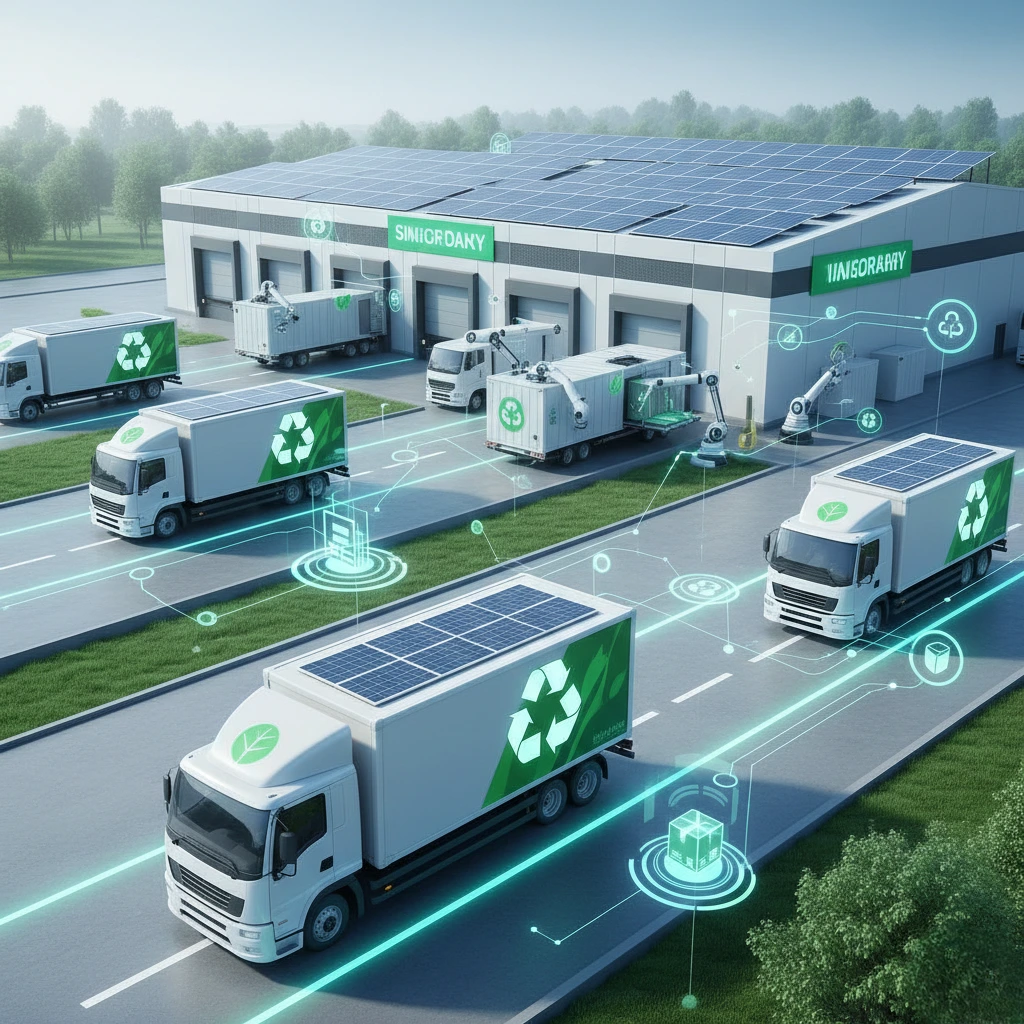
    Environmental responsibility is becoming a priority. Companies are implementing energy-efficient lighting, eco-friendly packaging, and renewable energy sources in warehouses. Sustainable practices not only reduce carbon footprints but also enhance brand reputation.

    Green initiatives align with the broader warehousing trends 2026, where operational efficiency and sustainability go hand in hand. Combining fulfillment center automation with eco-friendly systems creates warehouses that are both smart and responsible.

    Advanced Inventory Management

    Inventory accuracy is critical in modern logistics. AI-driven forecasting, RFID tracking, and real-time inventory dashboards are transforming how warehouses manage stock. These tools minimize errors, reduce excess inventory, and improve fulfillment speed.

    Investing in advanced inventory management complements smart warehouse tech and supports warehousing trends 2026 by providing actionable insights for better decision-making.

    Workforce Transformation

    While automation is on the rise, human workers remain essential. The role of warehouse employees is shifting toward oversight, maintenance, and technology management. Upskilling staff to operate and manage automated systems is a key trend.

    By combining skilled labor with fulfillment center automation, businesses can maximize efficiency while maintaining quality control, reflecting the evolving warehousing trends 2026.

    Integration with E-Commerce and Last-Mile Delivery

    The growth of e-commerce drives the need for faster, more flexible warehouses. Integration with delivery platforms and real-time order tracking ensures faster turnaround times and enhanced customer satisfaction.

    Companies adopting smart warehouse tech and automated fulfillment can handle high volumes of orders efficiently, supporting the broader objectives highlighted in warehousing trends 2026.

    Predictive Analytics and AI

    Predictive analytics is transforming warehouse operations. AI algorithms forecast demand, optimize stock placement, and identify potential disruptions before they occur. This proactive approach reduces downtime, increases order accuracy, and improves overall operational efficiency.

    Using predictive tools in conjunction with fulfillment center automation is a cornerstone of the warehousing trends 2026 revolution.

    Final Thoughts

    The logistics landscape is rapidly evolving, and staying ahead requires understanding the latest warehousing trends 2026. Embracing fulfillment center automation, smart warehouse tech, sustainable practices, and advanced inventory management ensures businesses remain competitive and efficient.

    Companies that adopt these trends can increase productivity, reduce costs, and deliver superior customer experiences. By integrating technology, automation, and intelligent decision-making, the warehouses of 2026 will be faster, smarter, and more resilient than ever before.

  • How to Choose the Best Shipping Partners for Your Business

    How to Choose the Best Shipping Partners for Your Business

    Shipping plays a critical role in the success of any business, especially for e-commerce companies. Selecting the best shipping partners ensures timely deliveries, customer satisfaction, and cost efficiency. With numerous options available, making the right choice requires careful evaluation of services, reliability, and compatibility with your business needs.

    Choosing the best shipping partners goes beyond simply picking the cheapest provider. It involves analyzing services, tracking capabilities, and delivery speed to ensure a seamless experience for your customers. Using courier comparison tools and exploring modern ecommerce shipping solutions can help streamline this process.

    Why Selecting the Best Shipping Partners Matters

    Reliable shipping partners impact customer trust and retention. Late deliveries, lost packages, or damaged items can harm your reputation. The best shipping partners minimize these risks, ensuring your products reach customers safely and on time.

    Additionally, strategic shipping partnerships can reduce operational costs. By choosing providers that align with your shipping volume and destinations, businesses can negotiate better rates, optimize logistics, and enhance profitability.

    Key Factors to Consider

    Delivery Speed and Reliability

    Delivery time is a major factor when selecting the best shipping partners. Customers expect fast, accurate deliveries, especially in e-commerce. Evaluate potential partners based on their transit times, service level agreements, and historical reliability.

    Coverage and Network

    The reach of a shipping partner matters. Choose providers that cover your target regions efficiently. The best shipping partners often offer domestic and international services, with a strong distribution network to reduce delays.

    Shipping Costs and Flexibility

    While cost shouldn’t be the only consideration, it’s essential to balance price with service quality. Look for shipping partners offering flexible plans, bulk discounts, and transparent pricing. Conduct courier comparison to understand how each option aligns with your budget and requirements.

    Tracking and Technology

    Modern customers expect real-time tracking and updates. Shipping partners with advanced tracking systems enhance transparency and customer satisfaction. Integration with your order management system is a key feature of top ecommerce shipping solutions.

    Customer Service and Support

    Issues can arise during shipping, from delays to damaged goods. Reliable customer support ensures problems are addressed quickly. The best shipping partners provide responsive service, clear communication, and dedicated support channels.

    Using Courier Comparison to Make the Right Choice

    A courier comparison helps businesses evaluate multiple shipping providers on critical factors like cost, delivery time, and reliability. Comparison tools allow you to see which partners offer the best combination of services, ensuring informed decisions.

    Regularly reviewing your shipping strategy through courier comparison can also highlight areas for improvement, helping your business adapt to changing market demands and customer expectations.

    Integration with E-Commerce Shipping Solutions

    Integration with ecommerce shipping solutions simplifies the shipping process. Platforms that automate label printing, tracking updates, and route optimization reduce manual effort and errors.

    The best shipping partners often provide API access or plug-ins that integrate with popular e-commerce platforms. This seamless connection enhances efficiency and improves the overall customer experience.

    Consider Scalability

    As your business grows, your shipping needs will evolve. Choose partners capable of scaling with you. The best shipping partners can handle increased volumes, expand service coverage, and support seasonal spikes without compromising service quality.

    Scalable solutions also allow integration with new ecommerce shipping solutions, ensuring long-term operational flexibility.

    Sustainability and Eco-Friendly Options

    Sustainability is becoming increasingly important. Many shipping partners offer eco-friendly options like carbon-neutral deliveries or reusable packaging. Choosing the best shipping partners with sustainable practices not only supports the environment but also appeals to eco-conscious customers.

    Building Strong Partnerships

    Shipping is a long-term investment. Developing a strong relationship with your best shipping partners can lead to better rates, priority service, and collaborative problem-solving. Communication and mutual understanding are key to maximizing the benefits of these partnerships.

    Final Thoughts

    Choosing the best shipping partners is a critical decision for any business. Factors like delivery speed, reliability, network coverage, cost, and customer support should guide your choice. Leveraging courier comparison tools and modern ecommerce shipping solutions ensures you select providers that align with your goals.

    By investing time in selecting the right shipping partners, businesses can improve efficiency, enhance customer satisfaction, and build a strong foundation for growth. The right partnerships create a seamless shipping experience that supports long-term success and competitiveness in the marketplace.

  • Sustainable Logistics: Reducing Your Carbon Footprint

    Sustainable Logistics: Reducing Your Carbon Footprint

    In today’s world, businesses are under increasing pressure to operate responsibly while maintaining efficiency. Sustainable logistics has emerged as a crucial strategy for companies aiming to reduce their environmental impact and optimize supply chain operations. By adopting eco-friendly practices, businesses can lower emissions, improve efficiency, and enhance their brand reputation.

    Sustainable logistics focuses on minimizing the environmental footprint of transportation, warehousing, and distribution. When paired with a green supply chain strategy, it allows companies to implement carbon footprint reduction initiatives across every stage of the supply chain. From sourcing raw materials to delivering products, sustainability can be integrated without sacrificing operational performance.

    Why Sustainable Logistics Matters

    Transportation and distribution are significant contributors to greenhouse gas emissions. Traditional logistics operations often rely heavily on fossil fuels and inefficient practices, leading to high energy consumption. Sustainable logistics addresses these issues by optimizing routes, using low-emission vehicles, and implementing energy-efficient storage solutions.

    Beyond environmental benefits, adopting sustainable logistics practices also offers economic advantages. Reducing fuel consumption, improving load efficiency, and minimizing waste translate into cost savings. Companies that prioritize sustainability also gain a competitive edge, as more consumers prefer eco-conscious brands.

    Key Principles of Sustainable Logistics

    Efficient Transportation Management

    One of the main pillars of sustainable logistics is optimizing transportation. Using route planning software, businesses can reduce mileage, avoid traffic congestion, and improve delivery efficiency. Consolidating shipments and using full truckloads when possible decreases fuel consumption and emissions, contributing to carbon footprint reduction.

    Low-Emission Vehicles

    Investing in electric, hybrid, or alternative-fuel vehicles reduces greenhouse gas emissions significantly. Sustainable logistics emphasizes shifting toward low-emission transportation to support a greener supply chain and align with regulatory requirements.

    Green Warehousing

    Warehouses are a critical part of logistics operations and a significant source of energy consumption. Green supply chain practices include using energy-efficient lighting, solar panels, and automated systems to reduce energy use. Optimizing storage layouts and inventory management also minimizes unnecessary handling, reducing emissions and operational costs.

    Sustainable Packaging

    Packaging is another area where sustainable logistics can make an impact. Using recyclable, biodegradable, or reusable materials reduces waste and the carbon footprint associated with production and disposal. Efficient packaging also reduces transportation volume, further lowering emissions.

    Implementing a Green Supply Chain

    A green supply chain complements sustainable logistics by ensuring that environmental considerations are embedded in every business process. Suppliers and partners are selected based on eco-friendly practices, and sustainability metrics are tracked throughout procurement, production, and distribution.

    Collaboration with suppliers and carriers is essential for effective carbon footprint reduction. Sharing data, setting emission reduction targets, and adopting environmentally friendly technologies help create a fully integrated sustainable logistics system.

    Benefits of Sustainable Logistics

    Environmental Impact

    Sustainable logistics directly contributes to lowering carbon emissions and conserving natural resources. Companies can monitor their environmental impact through carbon footprint tracking and sustainability reports, demonstrating accountability to stakeholders.

    Cost Savings

    Optimized routes, fuel-efficient vehicles, and green warehousing practices reduce operational expenses. Sustainable logistics often results in lower transportation and energy costs while minimizing waste.

    Enhanced Brand Reputation

    Consumers and partners increasingly prefer businesses that prioritize sustainability. Companies that implement sustainable logistics gain a reputation as responsible and forward-thinking, attracting environmentally conscious customers and collaborators.

    Regulatory Compliance

    Governments worldwide are introducing stricter environmental regulations. Companies adopting sustainable logistics practices stay ahead of compliance requirements, avoiding penalties and potential disruptions.

    Steps to Adopt Sustainable Logistics

    1. Assess Your Current Operations: Identify areas with the highest emissions and inefficiencies.
    2. Invest in Technology: Route planning, inventory management, and warehouse automation support sustainability goals.
    3. Collaborate with Green Partners: Work with suppliers and carriers committed to environmental practices.
    4. Monitor and Report: Track carbon footprint metrics and continuously improve processes.
    5. Educate Your Team: Train staff on sustainable practices to ensure alignment across operations.

    Final Thoughts

    Sustainable logistics is no longer a niche initiative; it is essential for modern businesses aiming to reduce their environmental impact while maintaining operational efficiency. By integrating green supply chain practices, investing in low-emission vehicles, and optimizing transportation and warehousing, companies can achieve meaningful carbon footprint reduction.

    Embracing sustainable logistics benefits both the planet and your business. It reduces emissions, lowers costs, enhances brand image, and prepares your organization for future environmental regulations. With deliberate planning and commitment, sustainable logistics can transform supply chain operations into a more efficient, responsible, and profitable system.

  • Simplify, Automate, Grow: Best Ecommerce Management Tools

    Simplify, Automate, Grow: Best Ecommerce Management Tools

    Running an online store can be overwhelming without the right systems in place. From tracking inventory to processing orders and analyzing customer behavior, ecommerce operations require attention to detail and efficiency. That’s where ecommerce management tools come in. These platforms streamline workflows, reduce errors, and help businesses scale faster.

    In 2026, the most successful online retailers rely on ecommerce management tools to automate repetitive tasks, manage orders efficiently, and gain actionable insights. When paired with ecommerce automation tools, these systems save time and allow entrepreneurs to focus on growth and customer satisfaction.

    Why Ecommerce Management Tools Are Essential

    Managing an online store involves multiple moving parts—inventory, order processing, shipping, and customer communication. Without proper tools, these tasks can become time-consuming and prone to mistakes. Ecommerce management tools consolidate these processes into one platform, improving accuracy and efficiency.

    By integrating order management, inventory tracking, and reporting, businesses can monitor operations in real-time. Automation reduces human error, ensures timely delivery, and improves the customer experience, which ultimately drives higher sales and retention.

    Key Features to Look For

    Not all ecommerce management tools are created equal. When evaluating options, focus on features that simplify daily operations and support growth.

    Inventory and Order Management

    Accurate inventory tracking is crucial to prevent stockouts or overselling. Look for tools that automatically update stock levels across multiple sales channels and alert you when items run low. Integrated order management ensures every purchase is recorded, processed, and shipped efficiently.

    Automation Capabilities

    Ecommerce automation tools can handle repetitive tasks like sending order confirmation emails, generating shipping labels, or updating inventory. Automation not only saves time but also improves accuracy and consistency, reducing the risk of errors that can harm your reputation.

    Analytics and Reporting

    Ecommerce management tools should provide detailed insights into sales trends, customer behavior, and product performance. Analytics help identify best-selling items, optimize pricing, and make informed marketing decisions. Reports also highlight operational bottlenecks, enabling proactive problem-solving.

    Integration with Other Platforms

    Seamless integration with ecommerce platforms, payment gateways, shipping providers, and marketing tools is essential. The more connected your systems, the easier it is to automate workflows and maintain a cohesive operation.

    Top Ecommerce Management Tools in 2026

    Several platforms stand out for their ability to streamline ecommerce operations and support growth.

    • Shopify Plus offers integrated order management, inventory tracking, and extensive app support for automation.
    • BigCommerce provides multi-channel selling, robust analytics, and flexible inventory management.
    • WooCommerce paired with plugins enables a highly customizable system for automating repetitive tasks and managing orders efficiently.
    • TradeGecko (QuickBooks Commerce) specializes in inventory and order management, making it ideal for growing businesses.

    These tools combine core ecommerce management features with ecommerce automation tools to simplify operations and enhance productivity.

    Benefits of Using Ecommerce Management Tools

    Time Savings

    By automating repetitive processes, store owners can focus on strategy, marketing, and customer engagement rather than manual data entry.

    Improved Accuracy

    Automation reduces human error in order processing, inventory updates, and reporting. Accurate operations prevent stockouts, delayed shipments, and unhappy customers.

    Scalability

    As your store grows, manual management becomes unsustainable. Ecommerce management tools support growth by handling higher order volumes, multi-channel operations, and complex workflows without additional staff.

    Enhanced Customer Experience

    Timely order fulfillment, accurate stock availability, and proactive communication create a smoother customer journey. Satisfied customers are more likely to return and recommend your store.

    Tips for Maximizing the Impact of Ecommerce Tools

    • Automate wherever possible: Set up rules for inventory updates, order notifications, and customer communications.
    • Regularly review analytics: Identify trends and adjust inventory, pricing, or marketing strategies accordingly.
    • Integrate all platforms: Ensure your ecommerce management tools connect with your ecommerce automation tools, payment gateways, and shipping providers for seamless operations.
    • Train your team: Even with automation, your team should understand workflows to manage exceptions and maintain efficiency.

    Final Thoughts

    Ecommerce management tools are no longer optional—they are essential for running a successful online store in 2026. By combining order management, inventory tracking, analytics, and ecommerce automation tools, businesses can simplify operations, reduce errors, and focus on growth.

    Investing in the right ecommerce management tools allows you to automate repetitive tasks, improve operational efficiency, and provide a superior customer experience. With the right setup, your online store can scale effectively while maintaining accuracy and efficiency, positioning your business for long-term success.

  • Same-Day Delivery: Is It Worth It for Your E-commerce Business?

    Same-Day Delivery: Is It Worth It for Your E-commerce Business?

    In today’s fast-paced online shopping environment, same-day delivery is becoming increasingly popular among consumers. With expectations for instant gratification on the rise, e-commerce businesses are exploring whether offering this service can enhance customer satisfaction and drive sales. But is same-day delivery truly worth the investment for your business? Let’s break it down.

    Understanding Same-Day Delivery

    Same-day delivery refers to a fulfillment option where customers receive their orders on the same day they make a purchase. This service requires a highly efficient supply chain, advanced inventory management, and streamlined logistics operations. While it may seem like a premium offering, it has the potential to significantly improve the customer experience and set your brand apart from competitors.

    Benefits of Same-Day Delivery

    Offering same-day delivery can deliver several advantages for your e-commerce business:

    1. Increased Customer Satisfaction
      Fast service is highly valued by online shoppers. Providing same-day delivery allows customers to get what they need immediately, which can strengthen loyalty and encourage repeat purchases.
    2. Competitive Differentiation
      In a crowded online marketplace, offering same-day delivery can set your brand apart. Customers may choose your store over competitors simply because they can receive their products faster.
    3. Boosted Sales
      Urgency drives purchases. The promise of same-day delivery can incentivize shoppers to complete their orders immediately rather than delaying or abandoning their carts.
    4. Improved Brand Reputation
      Businesses known for reliable, quick fulfillment often enjoy stronger brand recognition. Providing same-day delivery demonstrates efficiency and customer-centric service.

    Challenges of Implementing Same-Day Delivery

    While the benefits are enticing, same-day delivery is not without its challenges:

    • Operational Complexity – Coordinating inventory, warehousing, and quick logistics requires precise planning. Delays in any step can compromise delivery times.
    • Higher Costs – Expedited shipping, extra labor, and technology investments can increase operational expenses.
    • Geographical Limitations – Delivering within a same-day window may only be feasible in urban or densely populated areas.
    • Inventory Management Pressure – Businesses must maintain accurate, real-time stock information to avoid overselling or stockouts.

    Tips for Optimizing Same-Day Delivery

    To make same-day delivery feasible and profitable, businesses should adopt strategies that streamline operations and reduce costs:

    1. Strategic Warehousing
      Position warehouses close to high-demand areas to minimize delivery times. Multi-location storage can enhance coverage for urban customers.
    2. Invest in Technology
      Automation and real-time inventory tracking are crucial. Advanced order management systems help coordinate fast shipping ecommerce operations efficiently.
    3. Leverage Quick Logistics Partners
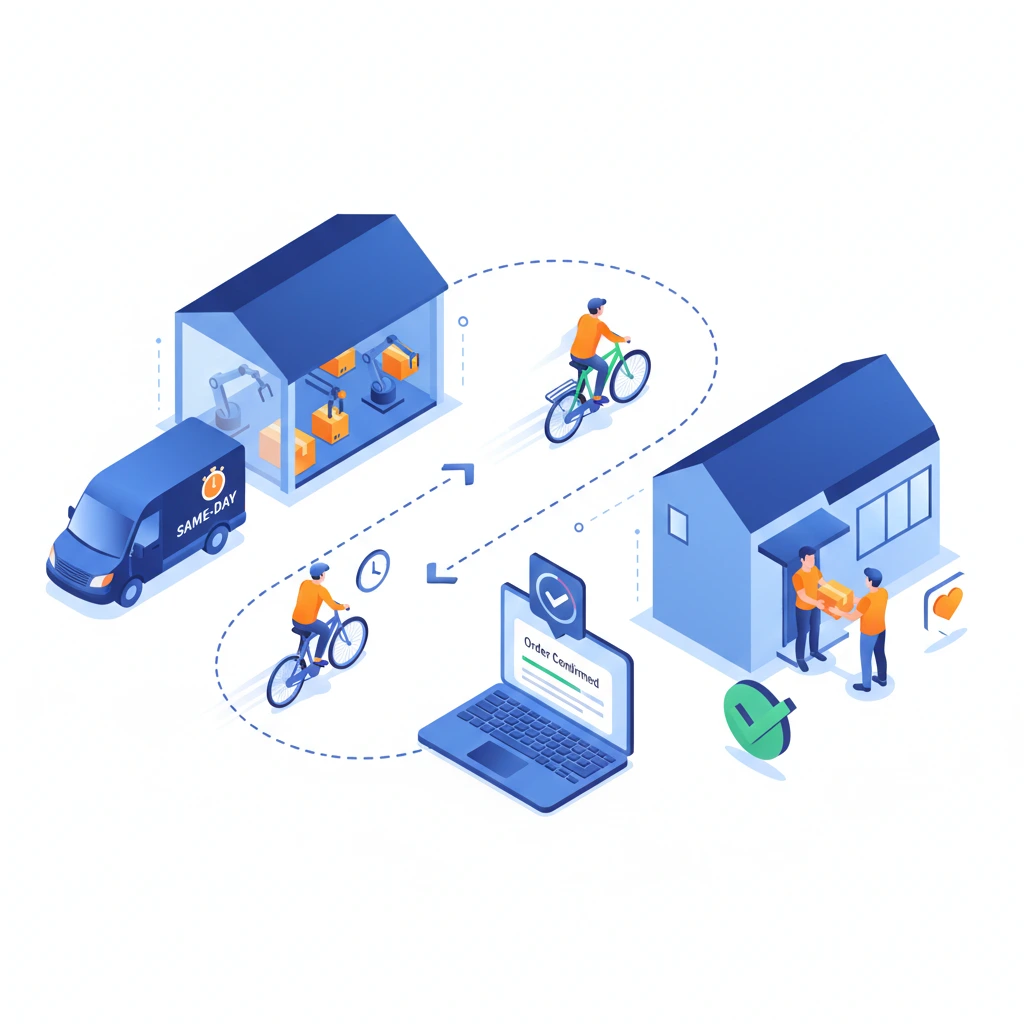
      Partnering with reliable couriers or last-mile delivery services ensures orders reach customers promptly. Quick logistics solutions, such as bike couriers or local delivery networks, can help reduce transit times.
    4. Set Clear Expectations
      Communicate clearly with customers about delivery cut-off times, coverage areas, and any potential fees for same-day service. Managing expectations prevents dissatisfaction and missed promises.
    5. Monitor Performance Metrics
      Track delivery times, order accuracy, and customer feedback to continuously improve your same-day delivery service. Analytics can help identify bottlenecks and optimize routes.

    Is Same-Day Delivery Right for Your Business?

    Offering same-day delivery can enhance your competitive edge, improve customer satisfaction, and boost sales—but it’s not a one-size-fits-all solution. Smaller businesses may face challenges with high costs or limited coverage areas, while larger companies with sophisticated fast shipping ecommerce infrastructure may see it as a key differentiator.

    Consider your customer base, product types, and geographic reach. High-demand, low-weight, and urgent items are often ideal for same-day delivery, while bulky or low-margin products may not justify the expense.

    Conclusion

    Same-day delivery is a powerful tool in the e-commerce arsenal. When executed properly, it can drive loyalty, increase sales, and elevate your brand. However, businesses must weigh the operational costs, logistical challenges, and geographic limitations before implementing it.

    By combining strategic planning, advanced technology, and strong partnerships with quick logistics providers, you can create a fast shipping ecommerce experience that delights customers and boosts your bottom line.

    Ultimately, offering same-day delivery is not just about speed—it’s about delivering convenience, reliability, and exceptional service that keeps customers coming back.