
Tag: Dropshipping

  • Top 10 Game-Changing Tools Every Dropshipper Needs to Succeed in 2025

    Top 10 Game-Changing Tools Every Dropshipper Needs to Succeed in 2025

    The world of dropshipping is more competitive than ever, and the secret to standing out is using the right tools to automate tasks, discover winning products and manage operations smoothly. Whether you’re just starting or scaling your store, the right dropshipping tools can save time, reduce costs and boost conversions. This blog highlights the best tools for dropshipping in 2025 to help you grow faster and smarter.

    Why You Need the Best Dropshipping Tools

    Successful dropshippers don’t rely on guesswork. They use powerful apps to streamline product sourcing, automate fulfillment and optimize marketing. With the right dropshipping software, you can:

    • Find winning products before competitors
    • Automate order management
    • Improve customer experience
    • Boost your store’s profitability
    • Scale your business with minimal effort

    Now let’s dive into the must-have tools that make dropshipping easier and more profitable.

    1. Shopify – Best All-in-One Ecommerce Platform

    If you want a reliable and user-friendly platform, Shopify is unbeatable. It offers thousands of integrations, fast store setup and excellent support.

    Key Features

    • Easy store customization
    • Built-in SEO tools
    • Smooth payment gateway integration
    • Scalable for beginners and pros

    2. Oberlo (Alternatives) – Product Importing Made Easy

    Although Oberlo is discontinued, several strong replacements offer the same features. Tools like DSers, Spocket and Zendrop now lead the market.

    Why It’s Useful

    • Import products directly to your store
    • Sync orders automatically
    • Choose from thousands of suppliers

    3. DSers – Official AliExpress Dropshipping Partner

    DSers is the go-to tool for AliExpress product sourcing.

    Key Benefits

    • Bulk order placement
    • Multiple supplier mapping
    • Faster product importing
    • Cost-effective plans

    If you source from AliExpress, DSers is essential.

    4. Spocket – Best for US & EU Products

    If fast shipping is your priority, Spocket is one of the best dropshipping tools.

    Highlights

    • High-quality US and EU suppliers
    • Faster delivery times
    • Branded invoicing
    • Better product quality

    This helps reduce refunds and improve customer satisfaction.

    5. Zendrop – Automation Powerhouse

    Zendrop simplifies dropshipping with automated order fulfillment and custom branding.

    Key Features

    • Express shipping
    • Automated tracking updates
    • Custom product options
    • Private labeling possibilities

    Ideal for dropshippers ready to scale.

    6. AutoDS – All-in-One Dropshipping Management Tool

    Looking for a complete automation solution? AutoDS handles everything from product research to delivery.

    Best Features

    • Real-time price monitoring
    • Automated stock updates
    • One-click product importing
    • Advanced product research tool

    Perfect for high-volume sellers.

    7. Canva – Create Stunning Product Images & Ads

    Visuals play a huge role in conversion rates. Canva is your best friend for creating ads, banners and infographics.

    Why Dropshippers Love It

    • Drag-and-drop design
    • Ready-made ad templates
    • Great for social media content
    • No design experience needed

    8. Google Trends – Identify Trending Products

    Before you invest in a product, check demand through Google Trends.

    Benefits

    • Spot rising product trends
    • Compare keyword popularity
    • Make data-driven decisions

    This tool prevents you from selling products with declining interest.

    9. AdSpy – Discover High-Converting Ad Examples

    If you want to uncover winning ads and product ideas, AdSpy is incredibly powerful.

    Key Features

    • Search Facebook and Instagram ads
    • Filter by engagement
    • Analyze competitors’ strategies

    Knowing what works helps you design better campaigns.

    10. Klaviyo – Best Email Marketing Tool for Dropshipping

    Email marketing remains essential, and Klaviyo helps automate campaigns that boost conversions.

    Features

    • Abandoned cart automation
    • Customer segmentation
    • Personalized email flows

    Email automation can increase revenue without additional ad spend.

    Bonus Tool: ChatGPT – Your AI Dropshipping Assistant

    AI is transforming ecommerce, and ChatGPT is a must-use tool.

    How It Helps

    • Write product descriptions
    • Generate ad copy
    • Create SEO-optimized content
    • Build customer support scripts

    AI saves time and enhances your marketing strategy.

    Final Thoughts

    Running a successful dropshipping business requires the right combination of strategy and tools. By using these best dropshipping tools, you can streamline operations, scale faster and stay ahead of the competition. Whether you’re sourcing products, creating content or automating your store, the right tools will give you the confidence and efficiency to grow your ecommerce brand in 2025 and beyond.
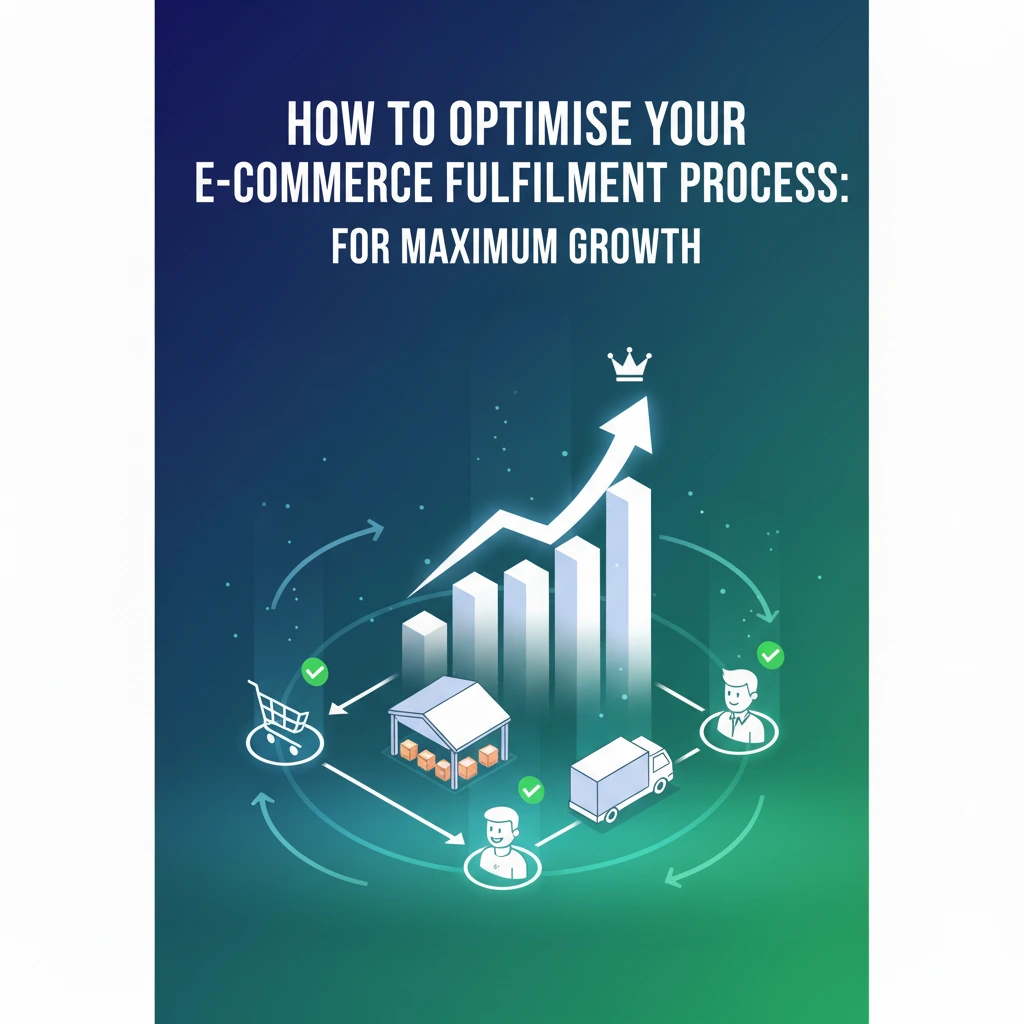

  • How to Optimise Your E Commerce Fulfilment Process for Maximum Growth

    How to Optimise Your E Commerce Fulfilment Process for Maximum Growth

    Optimising your e commerce fulfilment process is one of the most powerful ways to boost customer satisfaction, increase sales, and streamline operations. With online shopping continuing to grow rapidly, shoppers expect fast, accurate, and hassle free delivery every time. If your order fulfilment process can’t keep up, your business risks losing customers to competitors who can deliver a smoother experience. In this blog, we’ll explore how to optimise your e commerce fulfilment process using proven strategies, smart technology, and efficient workflows. By the end, you’ll have a clear roadmap to elevate your operations and stay ahead in the competitive e commerce space.

    Why E Commerce Fulfilment Optimisation Matters

    A strong fulfilment process is far more than a back end operation. It’s a direct reflection of your brand and one of the most important touchpoints in the customer journey. When fulfilment runs smoothly, customers receive their orders quickly and in perfect condition, leading to better reviews, loyalty, and repeat purchases. When fulfilment fails, delays, errors, and poor communication can harm your brand’s reputation.

    Optimising your process helps you cut costs, scale efficiently, reduce errors, and create a shopping experience that customers trust. For businesses of all sizes, fulfilment excellence is no longer optional—it’s essential.

    Understanding the Core Stages of E Commerce Fulfilment

    Before you can improve your fulfilment process, it’s important to understand the main stages involved. A typical e commerce fulfilment workflow includes receiving inventory, storing products, processing orders, picking and packing, shipping, and handling returns. Each of these steps must work smoothly and efficiently for the entire system to perform well. Even small inefficiencies can slow production, increase errors, or create bottlenecks that cause delays.

    Streamline Your Inventory Management

    Use Real Time Inventory Tracking

    One of the best ways to optimise your e commerce fulfilment process is by implementing real time inventory tracking software. Real time visibility ensures you know exactly how much stock you have, preventing overselling and stockouts. Customers expect products to be available when they place an order, and nothing hurts trust like discovering an item is unavailable after purchase.

    Organise Your Warehouse Layout

    A well organised warehouse improves picking speed and reduces fulfilment time. Group bestselling products near packing stations, arrange items logically, and use clear labels. A more organised space means fewer mistakes and faster processing times.

    Forecast Demand to Avoid Shortages

    Analysing your sales data allows you to predict demand more accurately. This helps ensure you reorder stock before levels get too low. Better forecasting leads to fewer delays and happier customers.

    Improve Your Order Processing Efficiency

    Automate Order Processing

    Automation is a key tool in optimising e commerce fulfilment. Automated order processing syncs your sales channels, reduces manual work, and minimises human error. When an order is placed, it’s instantly sent to your fulfilment system, speeding up the entire workflow.

    Prioritise Orders Strategically

    Some orders need faster processing than others. High value customers, next day delivery orders, and urgent customer requests should be prioritised. This ensures your fulfilment process remains both efficient and customer focused.

    Optimise Your Picking and Packing Operations

    Use Batch Picking Methods

    Batch picking reduces the time your team spends walking around the warehouse. By collecting multiple orders at once, pickers work more efficiently and fulfil orders faster. This method is especially useful during peak seasons when order volumes surge.

    Standardise Your Packaging

    Standardised packaging saves time and reduces costs. Using a selection of box sizes and materials that work for most products simplifies the packing process. It also ensures a consistent unboxing experience, which many shoppers value.

    Invest in Quality Packing Materials

    Damaged items lead to returns, refunds, and unhappy customers. High quality packaging protects your products during transit and improves overall delivery success. Better packaging also reduces breakage and replacement costs.

    Speed Up Your Shipping Process

    Partner with Multiple Couriers

    Working with more than one courier gives you flexibility and ensures faster delivery options. Different couriers specialise in different regions, speeds, and parcel types. By partnering with several providers, you can select the best option for each order.

    Offer a Range of Shipping Speeds

    Customers appreciate choices. Offering express, standard, and economy delivery options lets shoppers pick a speed that suits their needs and budget. Providing clear shipping times also reduces customer service enquiries.

    Use Automated Shipping Labels

    Automated shipping label tools reduce manual entry and eliminate mistakes. When labels are generated automatically, orders move through the fulfilment pipeline more quickly.

    Simplify and Improve Your Returns Management

    Create a Clear Returns Policy

    A transparent returns policy improves customer confidence and reduces confusion. Make sure your policy is easy to understand and readily available on your website. Customers appreciate upfront clarity.

    Use a Streamlined Returns Workflow

    Efficient returns processing ensures items are inspected, restocked, or refunded quickly. A smooth returns experience encourages repeat purchases and strengthens customer trust.

    Analyse Return Data

    Understanding why customers return items helps you identify product issues or sizing problems. Data driven adjustments reduce overall return rates and improve product satisfaction.

    Leverage Technology to Boost Fulfilment Performance

    Use a Fulfilment Management System

    A fulfilment management system connects your inventory, orders, shipping, and tracking in one place. This technology saves time, reduces errors, and offers valuable insights into performance. A centralised system is essential for scaling your fulfilment as your business grows.

    Integrate Your Sales Channels

    If you sell on multiple platforms such as Shopify, Amazon, Etsy, or eBay, integration ensures your stock levels update automatically across all channels. This prevents overselling and enhances customer experience.

    Use Automation Wherever Possible

    Automation tools can assist with forecasting, batching, order routing, and even customer notifications. Automating repetitive tasks frees up time for your team to focus on more important work.

    Consider Outsourcing Your Fulfilment

    When to Outsource

    If your order volumes are growing faster than your team can manage, or if fulfilment is taking time away from marketing and product development, outsourcing may be the ideal solution. A third party fulfilment provider (3PL) handles storage, packing, and shipping for you.

    Benefits of Outsourcing

    Outsourcing offers faster shipping, lower operational costs, access to advanced technology, and improved accuracy. Many businesses choose 3PL partners to scale more efficiently and focus on growth.

    Final Thoughts

    Knowing how to optimise your e commerce fulfilment process is essential for improving customer satisfaction, reducing costs, and staying competitive in today’s online market. By enhancing your inventory management, streamlining picking and packing, speeding up shipping, and leveraging automation, you can build a fulfilment system that is fast, accurate, and scalable. Whether you keep operations in house or partner with a fulfilment provider, focusing on efficiency will help your business grow and succeed long term.

  • Dropshipping in 2025: Is It Still a Profitable Business Model?

    Dropshipping in 2025: Is It Still a Profitable Business Model?

    Dropshipping has been one of the most popular e-commerce business models over the past decade. It allows entrepreneurs to sell products online without maintaining inventory, handling shipping, or managing warehouses. But with increasing competition, rising advertising costs, and changing consumer behavior, many aspiring entrepreneurs are asking: Is dropshipping still profitable in 2025?

    In this article, we’ll explore the current state of dropshipping, key trends, challenges, and strategies for making it work in today’s competitive e-commerce landscape.

    What Is Dropshipping?

    Dropshipping is a retail fulfillment method where a store sells products without keeping them in stock. Instead, when a customer places an order, the store purchases the item from a third-party supplier, who ships it directly to the customer.

    The main advantages of dropshipping include:

    • Low startup costs since you don’t need to buy inventory upfront.
    • Flexibility to sell a wide variety of products without warehousing concerns.
    • Scalability as you can expand your product range easily.

    However, these advantages come with challenges such as low profit margins, high competition, and reliance on suppliers for fulfillment and product quality.

    Why Dropshipping Has Become More Challenging in 2025

    1. Increased Competition

    Dropshipping is no longer a niche market. Many entrepreneurs have entered the space, resulting in intense competition for popular products. Platforms like Shopify, WooCommerce, and TikTok Shop have lowered barriers to entry, which means more sellers are targeting the same products and keywords.

    This competition often leads to lower profit margins and higher customer acquisition costs, making it harder for new dropshippers to stand out.

    2. Rising Advertising Costs

    Paid ads, especially on Facebook, Instagram, and Google, are critical for driving traffic to dropshipping stores. However, advertising costs have risen steadily, and the return on ad spend (ROAS) can be unpredictable. Many new dropshippers struggle to achieve profitable campaigns without investing significant time in learning ad targeting and optimization strategies.

    3. Consumer Expectations Are Changing

    Modern e-commerce customers expect:

    • Fast shipping, often within 3–5 days.
    • High-quality products with clear descriptions and accurate images.
    • Reliable customer service and easy returns.

    Since dropshipping relies on third-party suppliers, meeting these expectations can be challenging. Delays or poor-quality products can result in negative reviews and high refund rates, which impact profitability.

    Trends Making Dropshipping Viable in 2025

    Despite the challenges, dropshipping is still viable if approached strategically. Key trends include:

    1. Niche Focus

    Successful dropshipping businesses in 2025 focus on specific niches rather than mass-market products. By targeting a well-defined audience, you can reduce competition, establish authority, and increase customer loyalty.

    For example, instead of selling generic “home decor,” dropship “eco-friendly bamboo kitchen accessories” or “ergonomic office desk organizers.”

    2. Integration with Social Commerce

    Platforms like TikTok, Instagram, and Pinterest have transformed social commerce. Dropshipping entrepreneurs can leverage influencer marketing and shoppable posts to reach highly targeted audiences without relying solely on paid ads.

    Short-form video content, unboxing videos, and tutorials are particularly effective at driving engagement and sales.

    3. Automation Tools

    Modern dropshipping platforms offer automation for:

    • Order processing
    • Inventory updates
    • Customer notifications

    Automation reduces manual work, allowing entrepreneurs to focus on marketing, product selection, and customer experience, which improves profitability and scalability.

    Strategies for Profitability in 2025

    To succeed in dropshipping, businesses need more than just product listings. Here are proven strategies:

    1. Choose High-Margin Products

    Avoid ultra-competitive low-cost items. Focus on products with higher profit margins where customers are willing to pay for quality, convenience, or unique features.

    Consider bundles, customizations, or exclusive products sourced from reliable suppliers.

    2. Build a Strong Brand

    A strong brand differentiates your dropshipping store from generic competitors. Invest in branding, packaging, and a professional website. Consistent branding builds trust and loyalty, which can lead to repeat purchases and higher lifetime value (LTV).

    3. Optimize Your Store for SEO

    Organic traffic is essential for reducing reliance on paid ads. Optimize product pages for keywords, meta descriptions, and high-quality images. Create blogs, guides, or tutorials around your niche to attract search traffic.

    SEO can provide a sustainable, long-term traffic source, reducing marketing costs and improving profitability.

    4. Offer Exceptional Customer Service

    Even if you don’t handle fulfillment directly, ensure prompt communication and transparent policies. Consider:

    • Providing tracking information.
    • Responding quickly to inquiries.
    • Offering hassle-free returns.

    Good customer service enhances brand reputation and encourages repeat purchases.

    5. Leverage Influencer Partnerships

    Collaborate with micro-influencers in your niche to generate authentic content and social proof. Influencer marketing can be more cost-effective than paid ads and drives engaged traffic with higher conversion potential.

    The Bottom Line: Is Dropshipping Still Profitable?

    Yes, dropshipping can still be profitable in 2025, but the old model of finding a trending product and running paid ads is no longer enough. Successful dropshippers focus on:

    • Niche markets
    • Brand building
    • Customer experience
    • Diversified traffic sources including social media, SEO, and email marketing

    Profitability depends on your ability to differentiate, manage costs, and deliver value to customers. Dropshipping is no longer a shortcut to easy money—but with strategy, creativity, and persistence, it remains a viable and rewarding business model.