Tag: e-commerce

  • How to Start an eCommerce Store from Scratch

    How to Start an eCommerce Store from Scratch

    Starting an eCommerce store from scratch is one of the best ways to build a profitable online business. With the right approach, tools, and strategy, anyone can launch a successful digital storefront. Whether you want to sell handmade products, dropship items, or build a full-scale brand, this guide will walk you through every essential step.

    Choose Your Niche and Products

    The first step in launching an eCommerce business is deciding what you will sell. Choosing the right niche helps you target a specific audience and reduces competition.

    Tips for Selecting a Profitable Niche

    • Look for products with strong demand
    • Avoid overly saturated markets
    • Consider your interests and expertise
    • Check competitors to see what’s trending
    • Review market gaps you can fill

    Selecting a niche that you understand makes marketing and scaling easier.

    Conduct Market Research

    Thorough market research ensures you understand your audience, competition, and pricing expectations. Analyze customer pain points, buying behavior, and preferred shopping platforms.

    Key Research Areas

    • Competitor pricing and product range
    • Keyword search trends
    • Customer reviews
    • Social media trends
    • Industry growth reports

    Research helps you validate whether your products can succeed before you invest heavily.

    Choose the Right eCommerce Platform

    Your eCommerce platform is the foundation of your online store. Popular options include:
    • Shopify
    • WooCommerce
    • BigCommerce
    • Wix eCommerce
    • Squarespace Commerce

    Shopify is ideal for beginners due to its ease of use, while WooCommerce works best for WordPress users who need customization.

    Set Up Your Online Store

    Once you pick a platform, you can begin building your store. Focus on creating a professional customer experience.

    Essential Store Setup Steps

    • Choose a clean, mobile-friendly theme
    • Add product categories
    • Upload high-quality images
    • Write clear product descriptions
    • Set up a secure checkout
    • Configure shipping settings
    • Add legal pages like Privacy Policy and Terms

    A polished store boosts trust and increases conversions.

    Brand Your eCommerce Business

    Branding is one of the most important parts of starting an eCommerce store. Strong branding helps you stand out and connect with customers emotionally.

    Branding Elements to Focus On

    Logo and color palette
    Brand voice and tone
    Packaging style
    Brand story
    Value proposition

    Consistent branding improves recognition and customer loyalty.

    Set Up Payment Gateways

    To accept payments, integrate reliable payment gateways into your store. Most platforms support providers like PayPal, Stripe, Apple Pay, Google Pay, and traditional credit cards.

    Choose gateways that offer security, low fees, and global accessibility if you plan to sell internationally.

    Create and Optimize Your Product Listings

    Product listings determine whether customers click “Add to Cart.” High-quality listings are non-negotiable.

    Tips for Optimizing Listings

    • Use SEO-optimized keywords
    • Add multiple product images
    • Include videos if possible
    • Highlight key features and benefits
    • Use bullet points for readability
    • Add customer reviews to build trust

    Optimized listings improve search visibility and conversion rates.

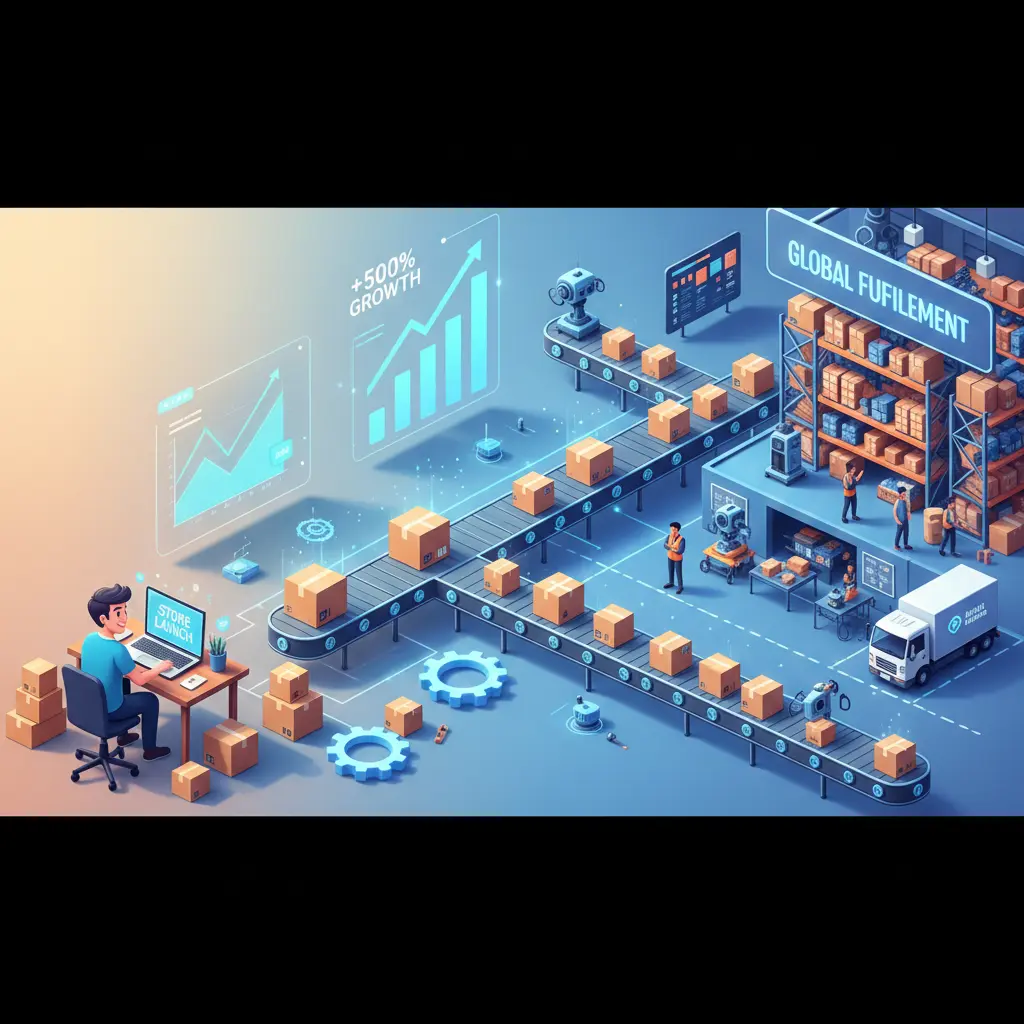
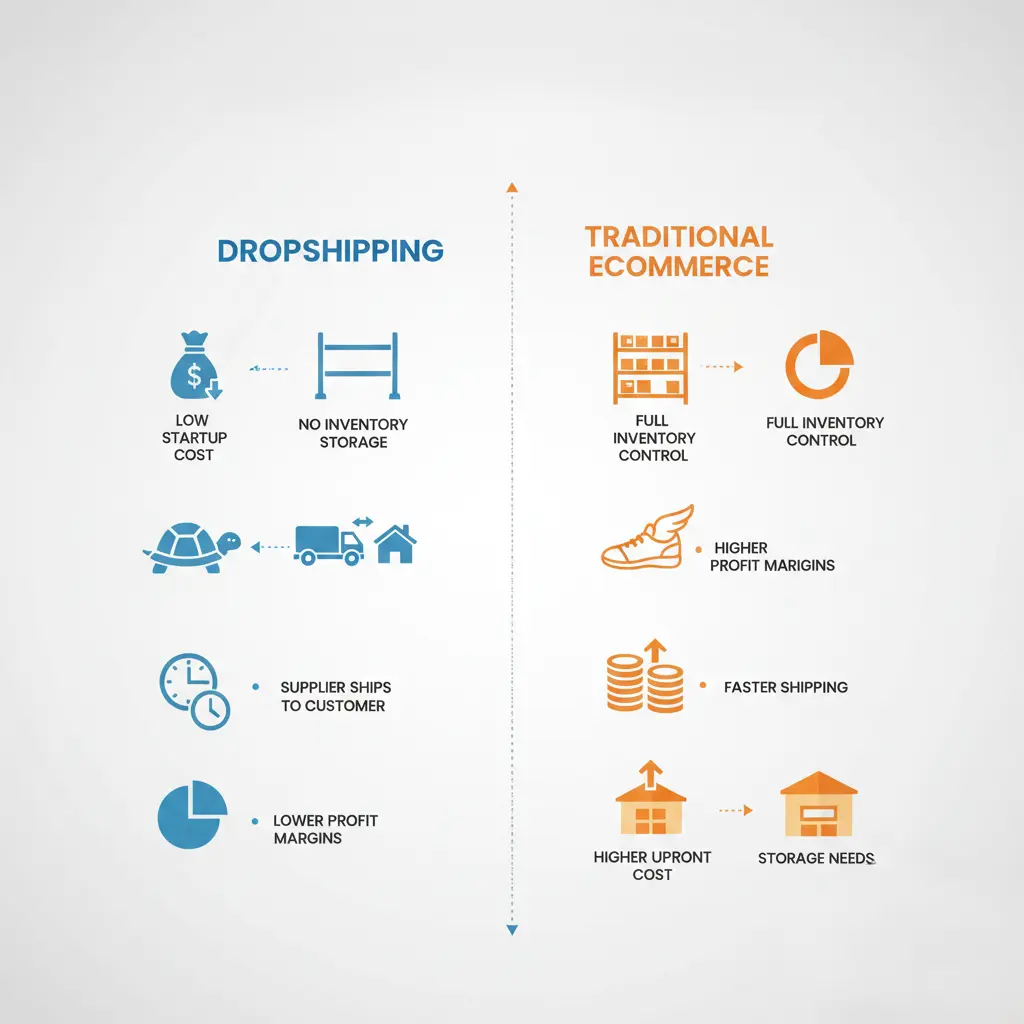
    Set Up Shipping and Fulfillment

    Decide how you will deliver products to your customers. Options include:
    • Self-shipping
    • Third-party logistics (3PL)
    • Dropshipping suppliers

    Your method will depend on your business model, product size, and order volume. Ensure your shipping policy is transparent and easy to understand.

    Use SEO to Drive Traffic

    Search engine optimization is crucial for generating organic traffic. Without it, customers won’t discover your store.

    Important SEO Steps

    • Optimize product pages with eCommerce SEO keywords
    • Write unique meta titles and descriptions
    • Improve website speed
    • Add internal links
    • Publish helpful blogs targeting buyer intent
    • Create backlinks through outreach

    Strong SEO ensures long-term growth and visibility.

    Use Social Media to Promote Your Store

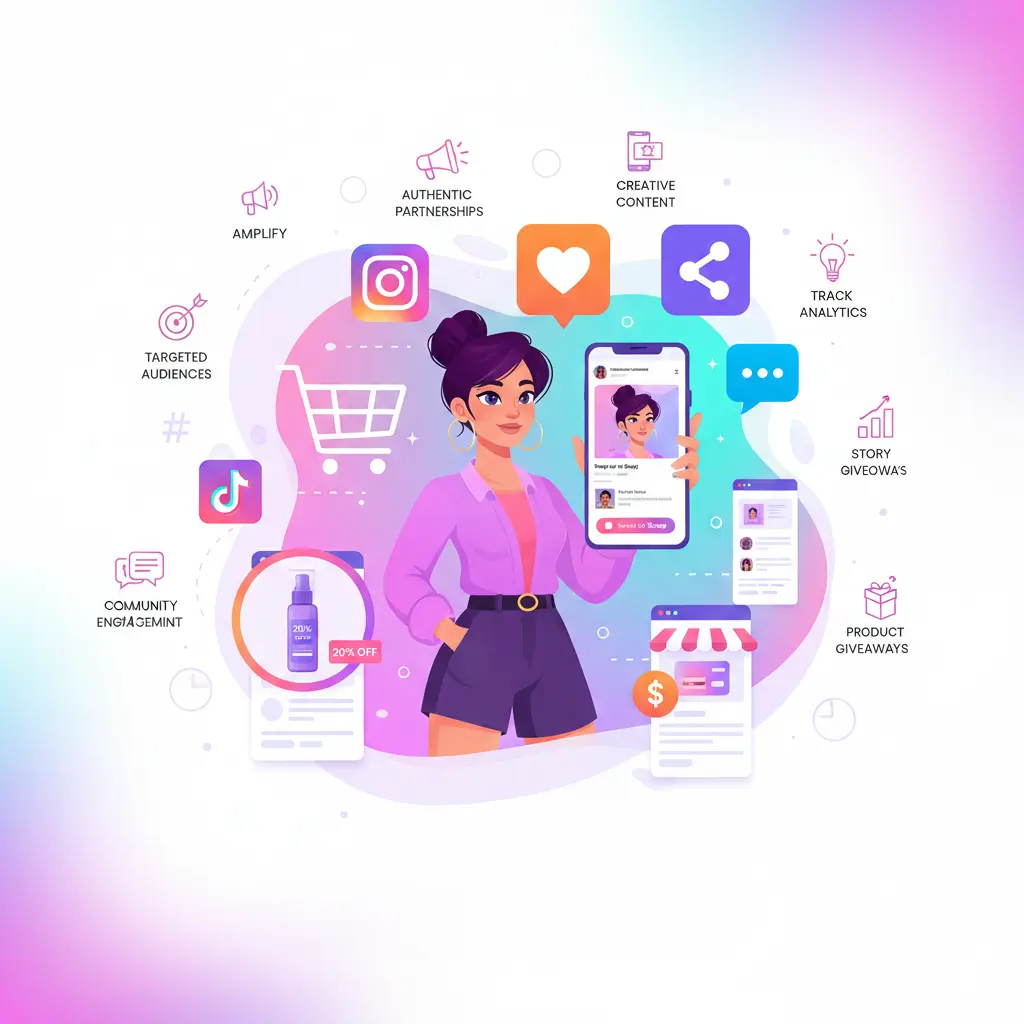
    Social platforms are powerful tools for driving traffic and boosting brand awareness. Use Instagram, TikTok, Facebook, Pinterest, and YouTube to showcase your products.

    Social Media Tips

    • Post high-quality visuals
    • Use trending audio and hashtags
    • Collaborate with influencers
    • Run giveaways
    • Share behind-the-scenes content
    • Create educational posts about your niche

    Social media helps build a community that supports your store.

    Run Paid Ads to Boost Sales

    Paid advertising can speed up growth, especially in competitive markets. Platforms like Meta Ads, Google Ads, TikTok Ads, and Pinterest Ads allow you to target specific audiences.

    Paid Ad Strategies

    • Use retargeting ads for abandoned carts
    • Promote best-selling products
    • Test different creatives
    • Use lookalike audiences
    • Track performance through analytics

    Paid ads help you scale quickly once you validate your product.

    Launch Email Marketing Campaigns

    Email is one of the most profitable channels for eCommerce marketing. Set up automated email flows such as:
    • Welcome series
    • Abandoned cart reminders
    • Product recommendations
    • Post-purchase follow-ups
    • Holiday promotions

    Email keeps customers engaged and increases repeat purchases.

    Provide Amazing Customer Service

    Customer experience can make or break your online store. Offer fast responses, clear communication, and hassle-free returns.

    Customer Service Tips

    • Add live chat or chatbots
    • Respond to messages within 24 hours
    • Offer transparent policies
    • Personalize support when possible
    • Collect feedback to improve

    Great service turns first-time buyers into loyal customers.

    Prepare for Launch

    Before going live, double-check everything. Test your checkout, product links, payment gateways, and mobile responsiveness.

    Final Launch Checklist

    • Test multiple payment methods
    • Check email notifications
    • Review product descriptions
    • Fix any broken links
    • Set up analytics and tracking
    • Test shipping settings

    A smooth launch builds confidence and encourages customers to return.

    Final Thoughts

    Starting an eCommerce store from scratch may seem overwhelming, but with the right steps, tools, and mindset, you can build a successful online business. From choosing your niche to optimizing your store and running marketing campaigns, each step brings you closer to creating a profitable digital brand. With consistency and strategy, your eCommerce store can grow and thrive for years to come.

  • Drone Delivery: When Will It Become Mainstream?

    Drone Delivery: When Will It Become Mainstream?

    The idea of drones delivering packages directly to our doorsteps once felt futuristic, but rapid advancements in technology have made it closer to reality than ever before. Companies like Amazon, Walmart, UPS, and major logistics startups are already testing drone delivery systems, proving that unmanned aerial vehicles (UAVs) can drastically reduce delivery times and operational costs. But with all the excitement, one question still remains: When will drone delivery truly become mainstream?

    The Current State of Drone Delivery

    Drone delivery has made significant progress over the past few years. Many pilot programs are already underway, delivering small packages such as:

    • Medications
    • Groceries
    • Electronics
    • Essential supplies

    These tests have demonstrated drones’ ability to deliver orders within 30 minutes—or even less. However, despite their technological readiness, widespread adoption is still limited by regulatory, infrastructural, and logistical hurdles.

    Key Factors Driving Drone Delivery Adoption

    1. Faster Delivery Expectations

    Consumers expect same-day delivery, and in many cities, they prefer delivery within hours. Drones offer a rapid and reliable solution by:

    • Flying directly to the destination
    • Avoiding road traffic
    • Completing short-distance deliveries faster than vehicles

    This makes drones ideal for urgent or time-sensitive shipments.

    2. Cost Efficiency for Logistics Companies

    Drones reduce fuel consumption, manpower, and operational costs. Once scaled, they can significantly lower the cost per delivery—making last-mile logistics more affordable for companies and customers alike.

    3. Environmental Benefits

    Compared to fuel-based delivery vehicles, drones produce fewer emissions and help create more sustainable logistics operations. This aligns with the global push toward greener supply chain practices.

    4. Technological Advancements

    Improved battery capacity, autonomous navigation, AI-based obstacle detection, and better payload capability are making drones safer and more efficient. These innovations are accelerating the shift to widespread implementation.

    Challenges Slowing Down Mainstream Adoption

    Despite impressive advancements, several challenges are delaying full-scale drone delivery adoption.

    1. Strict Government Regulations

    Aviation authorities worldwide require:

    • Flight approvals
    • Safety certifications
    • Airspace management systems

    Many countries are still developing drone-specific laws. Until regulations become consistent and clear, mass deployment will remain limited.

    2. Safety and Risk Management

    Drones must operate safely above homes, roads, and public spaces. Issues such as:

    • Collisions
    • Weather conditions
    • System failures
    • Privacy concerns

    must be addressed before drone delivery becomes mainstream.

    3. Limited Payload Capacity

    Most delivery drones can only carry 1–5 kg, restricting them to lightweight items. Larger drones are being developed, but they require more robust technology and regulation.

    4. Infrastructure Requirements

    Drone ports, charging stations, communication hubs, and secure drop-off zones need to be built before large-scale implementation becomes realistic.

    When Will Drone Delivery Become Mainstream?

    Most experts predict that drone delivery will gradually enter mainstream logistics within the next 5–10 years, depending on the region. Here’s what the timeline looks like:

    2025–2027: Expansion of Pilot Programs

    • More cities will start test flights
    • Regulatory frameworks will become clearer
    • Grocery, pharmacy, and food delivery industries will adopt drones faster

    2028–2030: Regional Adoption

    • Suburban and rural areas will see frequent drone deliveries
    • Local businesses will integrate drone logistics
    • Drone networks will connect with e-commerce platforms

    2030 and Beyond: Widespread Commercial Adoption

    • Drone highways and dedicated air corridors will be established
    • Large payload drones will handle more types of products
    • Drone delivery could become a standard last-mile solution

    Urban areas may take longer due to airspace complexities, but rural and semi-urban regions will lead the transition.

    Industries That Will Benefit the Most

    1. E-Commerce

    Fast, affordable deliveries will boost customer satisfaction and reduce logistic costs.

    2. Healthcare

    Drones will transport:

    • Emergency medicines
    • Blood samples
    • Vaccines
    • Critical supplies

    Faster delivery can literally save lives.

    3. Food & Grocery Delivery

    On-demand delivery will become even quicker, enhancing convenience for customers and efficiency for businesses.

    4. Agriculture and Rural Services

    Drones will deliver tools, products, and supplies to remote areas underserved by traditional logistics.

    The Future of Drone Delivery

    Drone delivery is more than a trend—it’s a major evolution in logistics. As technology advances and regulations become more supportive, drones are positioned to revolutionize last-mile delivery. They promise:

    • Faster service
    • Lower costs
    • Reduced carbon footprint
    • Greater accessibility for rural communities

    The shift won’t happen overnight, but one thing is certain: drone delivery is not a question of “if” but “when.” And the “when” is getting closer every year.

  • How Paid Ads Can Boost Your Online Store Revenue

    How Paid Ads Can Boost Your Online Store Revenue

    In today’s highly competitive e-commerce world, getting your products in front of the right audience is more challenging than ever. While organic traffic is valuable, it often takes time and consistency to deliver results. That’s where paid advertising comes into play. Paid ads provide online stores with instant visibility, measurable performance, and predictable growth. When used strategically, they can significantly increase traffic, conversions, and overall revenue.

    1. Paid Ads Put Your Store in Front of a Targeted Audience

    One of the biggest advantages of paid ads is audience targeting. Platforms like Meta Ads, Google Ads, TikTok Ads, and Amazon Ads allow you to reach people who are most likely to buy your products. You can target users based on:

    • Interests and behaviours
    • Demographics
    • Location
    • Search intent
    • Past interactions with your brand

    This ensures your budget is spent on users who actually have an interest in your products, increasing your chances of generating quality sales.

    2. Immediate Traffic and Faster Results

    Unlike SEO, which takes months to build, paid ads can send traffic to your store within minutes. This is extremely beneficial when:

    • Launching a new product
    • Running a limited-time offer
    • Competing in a saturated market
    • Testing new marketing angles

    Fast visibility allows you to drive revenue quickly and gather real-time data to optimize your strategy.

    3. Helps You Retarget Visitors and Recover Lost Sales

    Most online shoppers don’t buy on their first visit. This is where retargeting ads make a huge difference. Retargeting helps you reconnect with:

    • Visitors who viewed products
    • Users who added items to cart
    • Shoppers who abandoned checkout

    By showing them relevant ads reminding them of what they left behind, you can significantly increase your conversion rate and recover lost revenue.

    4. Paid Ads Provide Measurable and Scalable Results

    Every click, conversion, and sale can be tracked through analytics. This gives you full control over your ROI. You can measure:

    • Cost per click (CPC)
    • Cost per acquisition (CPA)
    • Return on ad spend (ROAS)
    • Customer lifetime value (CLV)

    Because paid ads deliver clear data, scaling becomes easier. Once you find a profitable ad campaign, you can simply increase the budget to amplify results.

    5. Enhances Brand Awareness and Visibility

    Paid ads don’t just generate sales—they also boost brand recognition. Even if users don’t purchase immediately, seeing your brand repeatedly builds trust and familiarity. This increases the likelihood of:

    • Higher future conversions
    • Organic searches for your brand
    • Repeat purchases

    A strong online presence is a major driver of long-term revenue growth.

    6. Supports Product Testing and Market Research

    Paid ads are one of the fastest ways to test:

    • New product ideas
    • Pricing strategies
    • Creative designs
    • Marketing messages
    • Offers and bundles

    Instead of guessing what works, you can use real customer data to refine your product strategy. This reduces the risk of stocking products that won’t sell and helps you understand what your audience truly wants.

    7. Helps Improve Organic Performance Over Time

    Successful paid ad campaigns generate traffic, engagement, and signals that improve your website’s overall performance. More clicks, more time on site, and consistent brand visibility can also support:

    • Improved SEO results
    • Higher brand searches
    • Better customer trust

    Paid and organic strategies work best when used together.

    8. Drives Higher Average Order Value (AOV)

    Paid ads allow you to promote:

    • Upsells
    • Cross-sells
    • Bundled products
    • Limited-time offers

    By strategically targeting customers with relevant offers, you can increase the average order value, helping boost overall revenue even further.

    9. Access to AI Optimization and Automation

    In 2026, ad platforms use powerful AI to:

    • Automatically optimize bidding
    • Create dynamic audiences
    • Generate ad creatives
    • Adjust placements for higher performance

    This means you can achieve better results with less manual effort. AI-driven ads help maximize your budget and deliver consistent revenue growth.

    10. Competitive Advantage in Crowded Markets

    If your competitors are running ads and you are not, you lose visibility and potential customers. Paid ads allow you to:

    • Outrank competitors
    • Promote offers more aggressively
    • Capture a larger share of the market

    With the right strategy, even small businesses can compete with large brands.

    Final Thoughts

    Paid ads are one of the most effective ways to increase your online store revenue quickly and consistently. From precise targeting to real-time performance data, retargeting, and AI optimization, paid advertising gives you full control over your growth.

    Whether you’re launching a new product or scaling your e-commerce brand, investing in paid ads can help you drive traffic, improve conversions, and stay ahead of your competitors.

  • Best eCommerce Plugins for WordPress and Shopify

    Best eCommerce Plugins for WordPress and Shopify

    Running an online store on WordPress or Shopify opens up a world of opportunity. But to get the most out of these platforms, you need the right tools. That’s where eCommerce plugins come in. These plugins add essential functionality — from payment gateways and inventory management to SEO and marketing tools. In this blog, we explore the best plugins for WordPress and Shopify to help you run a powerful, efficient, and high-converting online store.

    Why Plugins Matter for eCommerce

    When you build an online store, you rarely get everything out of the box. Plugins help you customize and extend functionality. With the right plugins, you can handle payments, shipping, taxes, inventory, marketing, SEO, and analytics — often without writing a single line of code.

    Top WordPress eCommerce Plugins

    If you run your store on WordPress, these plugins can significantly boost your store’s performance and features.

    WooCommerce

    WooCommerce is arguably the most popular eCommerce plugin for WordPress. It transforms a regular WordPress site into a full-fledged online store. With support for product management, payment gateways, shipping settings, tax handling, and more, WooCommerce is versatile and powerful.

    Easy Digital Downloads

    For stores selling digital products like eBooks, software, or downloadable content, Easy Digital Downloads is a great choice. It’s lightweight and optimized for digital sales, offering features like customer management, download links, and payment integration.

    WPForms

    To enhance user experience and collect customer information, WPForms helps you build contact forms, order forms, or custom forms for your store. Forms can also be used for surveys, feedback, or customer queries — helping you improve satisfaction and support.

    Rank Math SEO or Yoast SEO

    To improve visibility and reach more customers, SEO is key. Plugins like Rank Math SEO or Yoast SEO enable you to optimize your product pages, generate sitemaps, and implement metadata — helping search engines understand your content and boosting organic traffic.

    WP Rocket

    For stores aiming for high performance and fast loading times, WP Rocket is a caching and performance plugin. Faster sites lead to better user experience and higher conversion rates.

    Top Shopify Plugins (Apps)

    If you use Shopify, there are many apps — the Shopify equivalent of plugins — that help improve sales, UX, and marketing. Here are some of the top picks.

    Shopify Email Marketing Apps

    Shopify has many apps for email marketing, helping you build relationships with customers, recover abandoned carts, send promotions, and boost repeat sales.

    Upselling & Cross-Selling Apps

    Apps focused on upselling and cross-selling can increase average order value. They suggest related or complementary products — encouraging customers to add more items before checkout.

    Review & Rating Apps

    Customer reviews build trust. Shopify apps that allow reviews and ratings help new customers make decisions and boost conversions.

    Inventory & Order Management Apps

    For stores dealing with many SKUs and multiple orders, inventory and order-management apps help you track stock, automate reordering, and avoid overselling.

    SEO & Marketing Apps

    To help your store rank better and reach more customers, several Shopify apps offer SEO optimization, social media integration, and marketing automation.

    How to Choose the Right Plugin or App

    Match Plugin with Your Business Needs

    Before installing any plugin, ask yourself what your store needs most. Are you selling physical products, digital items, or services? Do you want to improve speed, SEO, or customer engagement? Choose plugins that match those needs.

    Check Compatibility and Performance

    Too many plugins can slow your site or cause conflicts. Always choose well-rated, regularly updated plugins and test them thoroughly.

    Focus on Security and Reliability

    Payment processing, customer data, and order management involve sensitive information. Use trusted, secure plugins — and keep them updated.

    Prioritize User Experience

    Plugins that improve user experience — such as fast checkout, easy navigation, reliable reviews, or helpful customer support — can significantly boost your conversion rate and customer loyalty.

    Final Thoughts on eCommerce Plugins

    The right eCommerce plugins can turn a simple site into a powerful, scalable online store. For WordPress, plugins like WooCommerce, Easy Digital Downloads, WPForms, Rank Math SEO, and WP Rocket offer a strong foundation. On Shopify, apps focused on email marketing, upselling, reviews, inventory, and SEO help you optimize sales and operations.

    Choose plugins that match your business needs, keep performance in mind, and focus on user experience. With the right tools, your eCommerce store can reach its full potential — and provide customers with a smooth, trustworthy shopping experience.

  • Types of eCommerce Business Models B2B B2C C2C D2C

    Types of eCommerce Business Models B2B B2C C2C D2C

    The world of eCommerce continues to grow rapidly, and understanding the different eCommerce business models is essential for anyone starting or scaling an online business. Whether you’re launching a startup or expanding an existing brand, knowing how each model works can help you choose the right path for your goals. The four most common types are B2B, B2C, C2C, and D2C. Each model has unique advantages, challenges, and opportunities for growth.

    What Are eCommerce Business Models

    An eCommerce business model explains how a company sells products or services online, who it sells to, and how it makes money. These models define the relationship between the buyer and the seller. Understanding them helps you make smart decisions around marketing, pricing, logistics, and customer experience. Let’s explore the main types in detail.

    B2B Business to Business

    B2B eCommerce involves transactions between two businesses. In this model, one company sells products or services to another company rather than directly to the end consumer. Examples include wholesalers, manufacturers, and service providers selling software, equipment, or bulk items to other companies.

    Key Features of B2B eCommerce

    • Larger order values because businesses often buy in bulk
    • Longer decision-making process since multiple stakeholders are involved
    • Strong focus on long-term relationships and repeat purchasing
    • Custom pricing and negotiation based on order size or contract terms

    Many B2B companies use platforms like Alibaba, Uline, or industry-specific portals to handle orders efficiently. As digital transformation grows, more B2B transactions are moving online to streamline the buying process.

    B2C Business to Consumer

    B2C eCommerce is the most common and widely recognized model. In this type, businesses sell products directly to individual consumers through online stores or marketplaces. Popular examples include Amazon, Walmart, ASOS, and countless Shopify brands.

    Key Features of B2C eCommerce

    • Shorter buying cycles because consumers make faster decisions
    • Focus on user experience, branding, and emotional purchase triggers
    • Competitive pricing and fast delivery expectations
    • Marketing relies heavily on SEO, social media, and paid ads

    B2C is ideal for entrepreneurs who want to sell directly to everyday shoppers. It offers huge market potential but also higher competition.

    C2C Consumer to Consumer

    C2C eCommerce allows individuals to sell products or services to other individuals. The platform does not own the products but provides a space where buyers and sellers can connect. Well-known C2C platforms include eBay, Facebook Marketplace, OLX, Etsy, and Poshmark.

    Key Features of C2C eCommerce

    • Sellers are typically individuals, not businesses
    • Platforms earn money through listing fees, transaction fees, or commissions
    • Ideal for reselling used items, handmade products, or collectibles
    • Builds trust through ratings, reviews, and secure payment systems

    C2C continues to grow as the resale economy and sustainability trends become more popular.

    D2C Direct to Consumer

    D2C eCommerce is a modern model where brands sell their products directly to consumers without relying on traditional retailers, distributors, or wholesalers. This approach has skyrocketed with the rise of social media and online branding. Popular D2C brands include Warby Parker, Glossier, Gymshark, and Allbirds.

    Key Features of D2C eCommerce

    • Full control over branding, pricing, and customer experience
    • Higher profit margins because middlemen are removed
    • Strong reliance on digital marketing, influencer partnerships, and content creation
    • Direct access to customer data for personalized marketing

    D2C gives brands complete ownership of their customer relationships, making it an attractive model for new-age entrepreneurs.

    Choosing the Right eCommerce Model for Your Business

    Selecting the right eCommerce business model depends on your target audience, product type, and long-term goals. If you want to supply products to other companies, B2B is the best fit. If you want to sell directly to regular shoppers, B2C is ideal. If you prefer running a marketplace-style business, C2C is the way to go. For brands seeking complete independence and stronger customer connections, D2C is highly effective.

    Final Thoughts

    Understanding the different eCommerce business models helps you create a solid foundation for your online business. Whether you choose B2B, B2C, C2C, or D2C, each model offers valuable opportunities in today’s digital economy. By choosing the right approach and aligning it with your marketing, operations, and customer experience strategies, you can build a sustainable and successful eCommerce business.