Tag: e-commerce

  • Beyond CAC: Metrics That Matter in Modern Ecommerce

    Beyond CAC: Metrics That Matter in Modern Ecommerce

    Introduction to Beyond CAC: Metrics That Matter in Modern Ecommerce

    In today’s fast-paced digital marketplace, focusing solely on Customer Acquisition Cost (CAC) is no longer enough. Beyond CAC: Metrics That Matter in Modern Ecommerce explores the key performance indicators that reveal the true health of your online business. While CAC helps measure efficiency in attracting customers, modern ecommerce demands a deeper understanding of engagement, retention, and lifetime value.

    Why Look Beyond CAC

    Limitations of CAC

    Relying exclusively on CAC can be misleading. A low acquisition cost is irrelevant if customers don’t return or engage with your brand. Beyond CAC: Metrics That Matter in Modern Ecommerce, businesses must track metrics that highlight loyalty, product satisfaction, and revenue growth, not just initial acquisition.

    Customer-Centric Growth

    Modern ecommerce is shifting from transactional to relational. Metrics beyond CAC emphasize customer experience, repeat purchases, and advocacy. Understanding these measures helps brands create long-term sustainable growth rather than short-term spikes.

    Key Metrics Beyond CAC in Ecommerce

    Customer Lifetime Value (CLV)

    Customer Lifetime Value measures the total revenue a customer generates over their relationship with your brand. Tracking CLV beyond CAC ensures that marketing spend aligns with long-term profitability, not just one-time purchases.

    Repeat Purchase Rate (RPR)

    Repeat Purchase Rate indicates how often customers return to buy again. High RPR reflects product satisfaction and trust. Businesses that track RPR beyond CAC can optimize retention strategies and reduce dependency on constant acquisition.

    Average Order Value (AOV)

    Average Order Value measures the average spend per transaction. By monitoring AOV beyond CAC, brands can identify opportunities for upselling, cross-selling, and pricing optimization, maximizing revenue from existing customers.

    Churn Rate

    Churn Rate quantifies the percentage of customers who stop engaging with your brand. Reducing churn is critical beyond CAC, as retaining existing customers is often more cost-effective than acquiring new ones.

    Customer Engagement Metrics

    Engagement metrics like email open rates, product page interactions, and loyalty program participation are key indicators beyond CAC. They reveal how invested customers are in your brand and inform personalized marketing strategies.

    How to Implement Metrics Beyond CAC

    Integrated Analytics Platforms

    Modern ecommerce platforms provide dashboards to track multiple metrics simultaneously. Businesses focusing beyond CAC can use these tools to visualize trends, segment customers, and identify actionable insights.

    Cohort Analysis

    Cohort analysis groups customers by acquisition date, behavior, or demographics. This technique allows brands to monitor performance beyond CAC, such as retention over time or lifetime value of specific segments.

    Data-Driven Optimization

    By continuously analyzing metrics beyond CAC, businesses can refine pricing, promotions, and product offerings. This data-driven approach ensures that growth strategies are sustainable and profitable.

    Conclusion: Growth Beyond CAC

    Focusing on Beyond CAC: Metrics That Matter in Modern Ecommerce shifts attention from short-term wins to long-term value. By measuring CLV, repeat purchases, engagement, and churn, brands gain a holistic view of performance. In modern ecommerce, success isn’t just about acquiring customers—it’s about retaining, engaging, and maximizing their lifetime value. Businesses that embrace metrics beyond CAC are poised for sustainable growth in an increasingly competitive market.

  • TikTok vs Instagram for Ecommerce: Where Should You Invest?

    TikTok vs Instagram for Ecommerce: Where Should You Invest?

    Choosing between TikTok vs Instagram for ecommerce is one of the biggest decisions online brands face today. Both platforms offer massive reach, strong shopping features, and content-driven discovery—but they work very differently. The right choice depends on your product, audience, and growth stage. This guide breaks down which platform delivers better ROI for ecommerce in 2026.

    Understanding TikTok for Ecommerce

    TikTok has become a discovery-first platform where products go viral overnight. Its algorithm focuses heavily on content quality and engagement, not follower count, making it ideal for new ecommerce brands.

    Why TikTok Works for Ecommerce

    • Massive organic reach, even for new accounts
    • Strong impulse buying behavior
    • Trend-driven content that pushes product discovery
    • High engagement through short-form videos

    TikTok users often buy products they didn’t plan to purchase. This makes it perfect for visually appealing, problem-solving, or trend-based products.

    TikTok Ecommerce Features

    • TikTok Shop (in supported countries)
    • In-video product tagging
    • Influencer-driven product sales
    • Live shopping and creator collaborations

    For brands looking for fast visibility and viral potential, TikTok offers a powerful growth engine.

    Understanding Instagram for Ecommerce

    Instagram is a more mature platform with a relationship-based buying journey. Users often follow brands intentionally and expect polished content.

    Why Instagram Works for Ecommerce

    • Strong brand-building capabilities
    • Established shopping features
    • High trust among audiences
    • Ideal for repeat customers and loyalty

    Instagram favors consistency, aesthetics, and community. It works well for brands focused on lifestyle, fashion, beauty, and premium products.

    Instagram Ecommerce Features

    • Instagram Shop and product catalogs
    • Shoppable posts and Reels
    • Stories with product links
    • Seamless integration with Meta ads

    Instagram is excellent for nurturing audiences and converting warm leads.

    TikTok vs Instagram: Key Differences for Ecommerce

    Organic Reach

    TikTok clearly wins in organic reach. A single video can reach millions without ads. Instagram’s organic reach is more limited, especially for new accounts.

    Content Style

    TikTok rewards raw, authentic, and trend-based content. Instagram favors high-quality visuals, branding, and storytelling.

    Conversion Behavior

    TikTok drives impulse purchases, while Instagram drives considered purchases. TikTok sparks discovery; Instagram supports decision-making.

    Ad Costs

    TikTok ads are generally cheaper and less competitive. Instagram ads are more expensive but provide precise targeting and retargeting.

    Which Platform Is Better for Your Ecommerce Brand?

    Choose TikTok If:

    • You’re a new or small ecommerce brand
    • You want fast organic growth
    • Your product solves a clear problem
    • You rely on trends and virality

    Choose Instagram If:

    • You’re building a long-term brand
    • You sell premium or lifestyle products
    • You want repeat customers
    • You already have content and social proof

    The Best Strategy: Use Both Platforms

    Instead of choosing TikTok vs Instagram for ecommerce, the smartest approach is using both strategically. Use TikTok to attract attention and drive discovery, then use Instagram to build trust, nurture followers, and convert consistently.

    Final Thoughts

    There is no one-size-fits-all answer in the TikTok vs Instagram for ecommerce debate. TikTok is ideal for rapid growth and first-time sales, while Instagram excels at branding and retention. Your investment should align with your product, audience behavior, and business goals. Brands that master both platforms gain a powerful competitive advantage in 2026.

  • How to Drive Your First 1,000 Sales Without Paid Ads

    How to Drive Your First 1,000 Sales Without Paid Ads

    Driving your first 1,000 sales without paid ads may sound challenging, but it is completely achievable with the right organic strategies. Many successful brands reached their first sales milestone using content, trust, and community instead of ad budgets. This guide explains proven methods to build momentum, attract customers, and convert consistently—without spending on advertising.

    Understand Your Ideal Customer First

    Before selling anything, you must clearly understand who you are selling to. Identify your target audience’s problems, desires, and buying triggers. When your message speaks directly to their pain points, selling becomes natural.

    Create a simple customer profile:

    • Age, location, and interests
    • Biggest problem your product solves
    • Where they spend time online

    This clarity helps you create content that converts and avoids wasted effort.

    Build Trust Before You Sell

    People don’t buy from brands they don’t trust. To get your first 1,000 sales organically, focus on credibility.

    Use Social Proof Early

    Even if you’re just starting:

    • Share testimonials from beta users
    • Post screenshots of feedback
    • Highlight real results or transformations

    Trust reduces hesitation and increases conversions.

    Show Your Story

    Audiences connect with humans, not logos. Share:

    • Why you started
    • Your struggles
    • Behind-the-scenes content

    This emotional connection drives organic sales.

    Leverage Content Marketing for Organic Traffic

    Content is one of the most powerful tools to drive sales without ads.

    Use Short-Form Content

    Platforms like Instagram Reels, YouTube Shorts, and LinkedIn posts can bring massive reach organically. Focus on:

    • Problem-solving content
    • Educational tips
    • Before-and-after results

    Consistency matters more than perfection.

    Create SEO-Optimized Content

    Write blogs targeting high-intent keywords related to your product. SEO helps you attract users already searching for solutions, making conversions easier.

    Examples:

    • How-to guides
    • Comparison posts
    • Problem-solution blogs

    SEO traffic compounds over time and fuels long-term sales.

    Build an Email or Community Funnel

    To reach 1,000 sales without paid ads, you must own your audience.

    Start an Email List

    Offer something valuable for free:

    • A checklist
    • Free guide
    • Mini-course

    Email allows you to nurture leads and sell repeatedly without platform dependency.

    Create a Community

    WhatsApp groups, Telegram channels, or Discord communities help you:

    • Build authority
    • Get feedback
    • Drive repeat sales

    Communities convert faster because of trust and engagement.

    Use Partnerships and Collaborations

    You don’t need ads if you leverage other people’s audiences.

    Collaborate With Creators

    Partner with micro-influencers or creators in your niche. Offer:

    • Affiliate commissions
    • Free access to your product
    • Revenue sharing

    This strategy can bring hundreds of sales organically.

    Cross-Promote With Brands

    Team up with complementary brands to share audiences and boost visibility.

    Optimize Your Sales Process

    Even small improvements increase conversions:

    • Clear messaging on landing pages
    • Strong call-to-action
    • Simple checkout process

    More conversions mean fewer visitors needed to reach 1,000 sales.

    Final Thoughts

    Learning how to drive your first 1,000 sales without paid ads is about strategy, not shortcuts. Focus on trust, content, community, and partnerships. These methods may take time, but they build a strong foundation for sustainable growth—and once sales start compounding, scaling becomes much easier.

  • Selling Digital Products: Courses, eBooks, and Templates

    Selling Digital Products: Courses, eBooks, and Templates

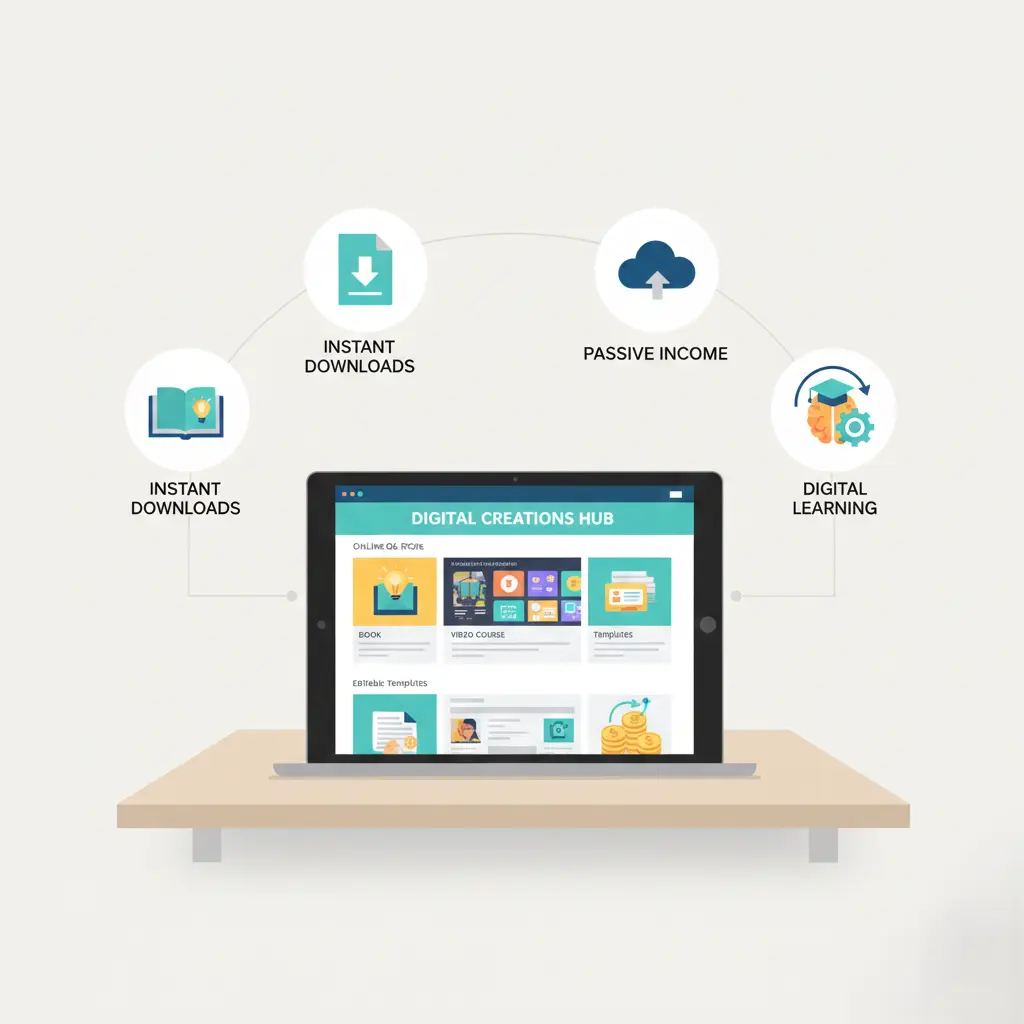
    Selling digital products has become one of the most lucrative ways to build an online business in 2026. Entrepreneurs, freelancers, and creators are leveraging their knowledge and skills to sell courses, eBooks, and templates to a global audience. Digital products offer low overhead costs, high scalability, and passive income potential, making them an ideal choice for anyone looking to monetize expertise. In this guide, we will explore how to sell digital products effectively and build a profitable online business.

    Why Selling Digital Products Is Profitable

    Selling digital products provides multiple advantages over physical products. First, digital products require no inventory or shipping costs, reducing startup expenses. Second, they are infinitely scalable; one eBook or online course can be sold to thousands of customers without extra production costs. Third, digital products allow you to position yourself as an authority in your niche, increasing brand value and trust. Whether you choose courses, eBooks, or templates, the key is to identify a problem your audience needs to solve.

    Types of Digital Products to Sell

    Digital products come in many forms, but the most popular and profitable options include courses, eBooks, and templates. Each type has unique benefits and strategies for selling.

    Online Courses

    Online courses are highly profitable because they offer in-depth value to customers. Platforms like Teachable, Thinkific, and Kajabi make it easy to host and sell courses without technical expertise. When creating a course, focus on actionable content that solves specific problems. Video tutorials, worksheets, and quizzes increase engagement and perceived value. Marketing strategies for courses include social media campaigns, email marketing, and webinars to showcase your expertise.

    eBooks

    eBooks are one of the easiest digital products to create and sell. They are perfect for sharing knowledge, tips, or guides in a specific niche. eBooks can be sold on platforms like Amazon Kindle, Gumroad, or your own website. To maximize sales, create a compelling title, professional design, and include actionable takeaways. Marketing eBooks involves leveraging SEO, email newsletters, and content marketing to drive traffic to your sales page.

    Templates

    Templates are digital products designed to save time and improve efficiency for users. Examples include social media templates, business plans, resume templates, and design mockups. Templates are highly attractive because they offer immediate value with minimal effort required from the customer. Selling templates works well on marketplaces like Etsy, Creative Market, or via your website. Highlighting customization options and ease of use can significantly increase conversion rates.

    Steps to Start Selling Digital Products

    Selling digital products successfully requires a clear strategy. Here’s a step-by-step guide to help beginners launch their first product.

    Step 1: Identify Your Niche

    Your niche defines your target audience and the type of product you should create. Focus on areas where you have expertise or unique insight. Conduct market research to understand customer pain points and identify gaps in existing digital products. Popular niches include online marketing, personal development, graphic design, and productivity tools.

    Step 2: Create High-Quality Digital Products

    Quality is the cornerstone of a successful digital product. For courses, create structured modules with videos, worksheets, and interactive elements. For eBooks, write clear, actionable content with a professional design and formatting. For templates, ensure usability, aesthetic appeal, and customization options. High-quality products not only attract more sales but also generate positive reviews and repeat customers.

    Step 3: Choose a Selling Platform

    Choosing the right platform is crucial for selling digital products. Options include online marketplaces, self-hosted websites, and specialized platforms like Teachable or Gumroad. Online marketplaces offer exposure to a larger audience, while self-hosted websites give you full control over branding and pricing. Evaluate your goals and audience to decide the best platform for your product.

    Step 4: Price Your Digital Product

    Pricing digital products requires balancing value perception with affordability. Research competitor pricing and consider the depth of your content. Courses often sell for higher prices due to their comprehensive nature, while eBooks and templates typically have lower price points. Offering bundle deals, discounts, or tiered pricing can increase sales and customer satisfaction.

    Step 5: Build a Sales Funnel

    A sales funnel guides potential customers from awareness to purchase. Start with free content like blog posts, webinars, or sample chapters to build trust and demonstrate value. Use email marketing campaigns to nurture leads, provide product insights, and offer limited-time promotions. A well-optimized sales funnel can significantly boost conversion rates and revenue.

    Step 6: Promote Your Product

    Marketing is key to selling digital products. Use multiple channels, including social media, SEO, email marketing, and influencer collaborations. Content marketing is particularly effective; blog posts, tutorials, and videos can drive organic traffic and establish credibility. Paid advertising on platforms like Facebook, Instagram, or Google Ads can accelerate growth, especially for new products.

    Step 7: Collect Feedback and Improve

    Customer feedback helps improve product quality and boosts sales. Encourage reviews, testimonials, and suggestions. Analyze purchase behavior and engagement metrics to identify areas for improvement. Updating your products based on feedback ensures continued relevance and long-term profitability.

    Common Mistakes to Avoid When Selling Digital Products

    Even experienced entrepreneurs make mistakes when selling digital products. Avoid these pitfalls to maximize your chances of success:

    Skipping Market Research

    Creating a product without understanding customer needs often leads to low sales. Always validate ideas through surveys, pre-sales, or competitor analysis.

    Ignoring Marketing

    A great product alone won’t sell itself. Effective marketing strategies are essential to attract customers and build trust.

    Overcomplicating the Product

    Keep digital products simple and focused on solving a specific problem. Overly complex products can overwhelm customers and reduce conversions.

    Neglecting Customer Support

    Even digital products require support. Promptly addressing customer questions and issues improves satisfaction, reduces refunds, and encourages referrals.

    Benefits of Selling Digital Products

    Selling digital products offers numerous advantages:

    • Low Startup Costs: No inventory or shipping costs.
    • Passive Income: Products can be sold repeatedly without extra effort.
    • Global Reach: Digital products can be sold worldwide.
    • Flexibility: Work from anywhere and scale your business easily.
    • Authority Building: Establish yourself as an expert in your niche.

    Final Thoughts on Selling Digital Products

    Selling digital products like courses, eBooks, and templates is one of the most profitable online business models in 2026. By choosing the right niche, creating high-quality products, and implementing effective marketing strategies, anyone can generate passive income and build a scalable business. Remember to prioritize customer value, continuously improve your products, and leverage multiple sales channels for maximum growth.

    Whether you are a creator, freelancer, or entrepreneur, selling digital products provides a low-risk, high-reward opportunity to monetize knowledge and skills. Start today, and you could turn your expertise into a profitable online business.


  • E-Commerce in Emerging Markets: Opportunities in 2026

    E-Commerce in Emerging Markets: Opportunities in 2026

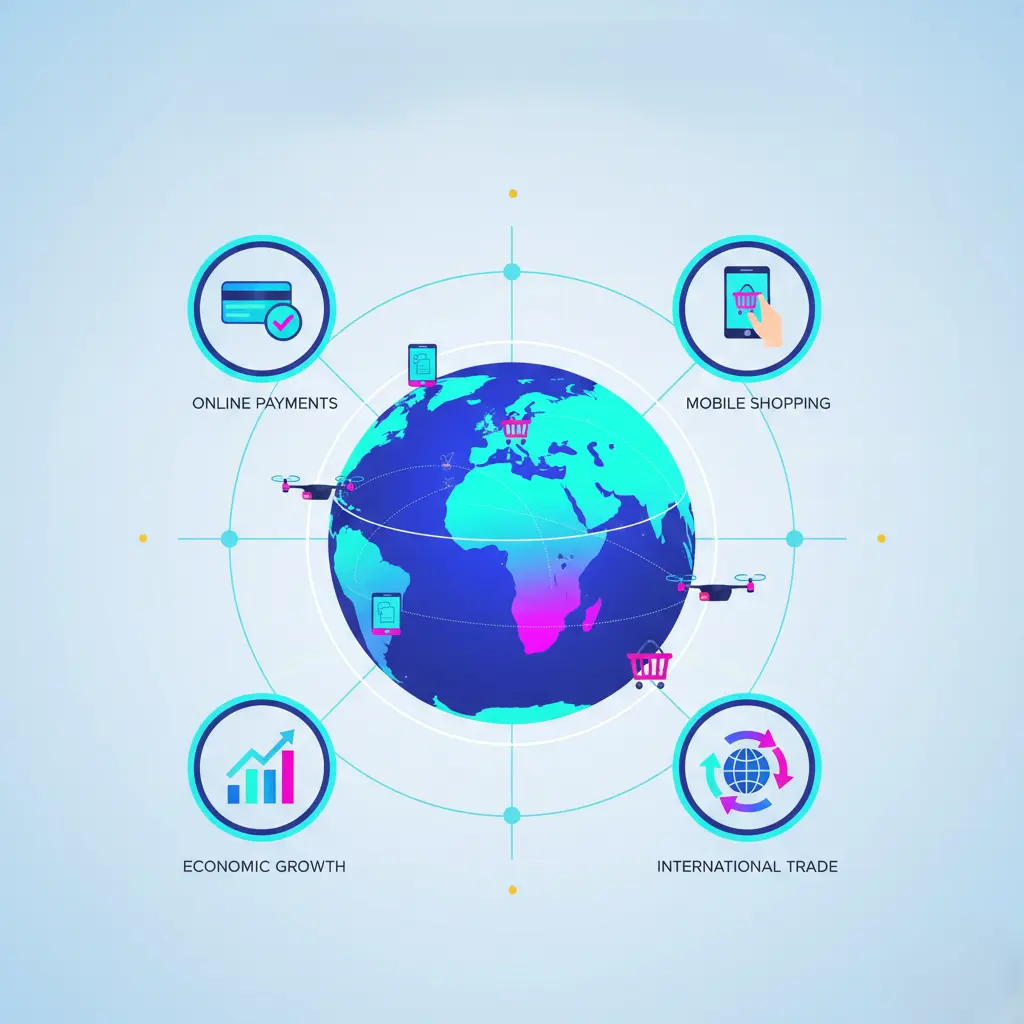
    E-commerce is transforming rapidly, and emerging markets are at the forefront of this growth. In 2026, countries in Asia, Africa, and Latin America are showing tremendous potential for online retail, driven by increasing internet penetration, mobile adoption, and rising consumer spending. For entrepreneurs, investors, and brands, understanding e-commerce in emerging markets is crucial to tap into new growth opportunities and gain a competitive edge.

    Why Emerging Markets Are Key for E-Commerce Growth

    Emerging markets offer unique advantages for e-commerce expansion. Unlike saturated markets in North America and Europe, these regions have a large population of first-time online shoppers. Increased smartphone usage, affordable mobile data, and expanding digital payment infrastructure have accelerated online buying.

    Growing Middle Class

    A growing middle class is one of the biggest drivers of e-commerce in emerging markets. Rising disposable income enables more consumers to shop online for electronics, fashion, health products, and groceries. Brands that understand local preferences and pricing sensitivities are likely to see strong adoption.

    Mobile-First Consumers

    In many emerging markets, mobile devices are the primary gateway to the internet. Businesses focusing on mobile-optimized e-commerce platforms, apps, and social commerce are more likely to capture these consumers. Mobile-friendly websites, fast loading speeds, and simple checkout processes are critical for success.

    Digital Payments and Fintech Integration

    The growth of digital wallets, UPI systems, and QR-based payments has reduced friction in online transactions. In 2026, seamless payment options will continue to drive consumer trust and conversion rates. Companies that integrate local fintech solutions gain a significant advantage in emerging markets.

    Key E-Commerce Opportunities in Emerging Markets

    Understanding high-potential sectors can help businesses prioritize investments and tailor their strategies.

    Online Retail and Marketplaces

    Online retail is booming, particularly in fashion, electronics, home goods, and personal care. Marketplaces that aggregate multiple sellers are highly popular because they provide convenience, variety, and competitive pricing. Platforms like Jumia in Africa, Flipkart in India, and MercadoLibre in Latin America are leading the charge.

    Social Commerce

    Social commerce is gaining momentum in emerging markets. Platforms like TikTok, Instagram, and WhatsApp are being used to showcase products and facilitate purchases directly through social media channels. Small businesses and individual sellers can leverage social commerce to reach new audiences with minimal marketing spend.

    Niche and Specialty Products

    Emerging market consumers increasingly value convenience and access to specialty products that may not be available locally. Businesses that focus on niche categories—organic foods, eco-friendly products, or imported goods—can find loyal customer bases.

    Logistics and Delivery Services

    Efficient logistics remain a challenge but also an opportunity. Companies that provide reliable shipping, cash-on-delivery options, and flexible delivery windows can gain a competitive edge. Investment in local fulfillment centers and last-mile delivery technology is critical in these markets.

    Challenges in Emerging Market E-Commerce

    While opportunities are abundant, businesses must navigate certain challenges to succeed.

    Infrastructure Limitations

    Internet connectivity, transportation networks, and warehousing infrastructure can vary widely. Companies need strategies to overcome these limitations, such as hybrid delivery models or partnerships with local logistics providers.

    Payment and Fraud Risks

    Despite fintech growth, digital payment adoption is uneven. Cash-on-delivery remains popular in some regions, but it increases operational risk. Fraud prevention and secure payment systems are essential for long-term growth.

    Cultural and Regulatory Differences

    Understanding local consumer behavior, language preferences, and regulations is critical. Businesses must adapt marketing messages, product selection, and pricing strategies to local contexts to build trust and credibility.

    Strategies for Success in Emerging Market E-Commerce

    Localization of Products and Content

    Adapting products, marketing campaigns, and website content to local languages and cultural preferences increases engagement and conversion rates. Tailored product recommendations and region-specific promotions are highly effective.

    Leveraging Mobile and Social Platforms

    Mobile-optimized websites, apps, and social commerce integration are essential to capture mobile-first audiences. Video content, influencer marketing, and interactive campaigns can significantly boost visibility.

    Building Trust with Customers

    Customer trust is a key factor in e-commerce adoption. Transparent return policies, responsive customer support, and reliable delivery services help build confidence. Positive reviews and social proof are especially important in emerging markets.

    Partnerships with Local Players

    Collaborating with local payment providers, logistics companies, and marketing agencies can accelerate growth and reduce operational risks. Partnerships provide valuable insights into local preferences and regulatory requirements.

    Future Outlook: E-Commerce in Emerging Markets 2026

    By 2026, e-commerce in emerging markets is expected to continue its rapid growth. Analysts predict double-digit annual growth rates across many regions, driven by mobile-first consumers, improved logistics, and digital payments adoption. Businesses that act now, understand local trends, and invest in scalable infrastructure will benefit from first-mover advantages.

    Sustainability and Social Responsibility

    Consumers in emerging markets are increasingly aware of sustainability and ethical practices. Brands that emphasize eco-friendly products, responsible sourcing, and social impact initiatives are more likely to win loyalty and differentiate themselves.

    Technology and AI Integration

    Artificial intelligence, personalized recommendations, and automated customer support are becoming standard in leading e-commerce platforms. Leveraging AI for inventory management, pricing optimization, and targeted marketing will be a key differentiator in emerging markets.

    Final Thoughts on E-Commerce in Emerging Markets

    E-commerce in emerging markets represents one of the most promising growth opportunities in 2026. With a mobile-first population, rising middle class, and increasing digital payment adoption, these regions are ripe for online business expansion. Companies that focus on localization, customer trust, social commerce, and innovative logistics will capture market share and build sustainable growth.

    For entrepreneurs and brands seeking global expansion, emerging markets offer an exciting frontier where e-commerce can thrive. Understanding local behavior, adapting products and marketing strategies, and leveraging technology are critical to success in these dynamic markets.