Tag: e-commerce

  • The 2026 Guide to WooCommerce

    The 2026 Guide to WooCommerce

    As eCommerce continues to evolve, WooCommerce remains one of the most powerful, flexible, and scalable platforms for building an online store. With new updates, smarter integrations, and advanced AI-powered features shaping the digital marketplace, 2026 presents more opportunities than ever for businesses using WooCommerce. Whether you’re launching your first store or optimizing an existing one, this 2026 guide to WooCommerce will help you understand the latest tools, strategies, and best practices for running a successful online business.

    What Makes WooCommerce a Top Choice in 2026

    Built on WordPress, WooCommerce offers adaptability, customization, and full ownership of your store. In 2026, it continues to stand out because it gives merchants unlimited control and scalability—something closed platforms can’t match.

    Key Advantages

    Open-source flexibility
    Thousands of plugins and themes
    SEO-friendly framework
    Full ownership of data
    Highly customizable checkout flows
    Seamless WordPress integration

    With improved security tools, faster hosting solutions, and advanced automation plugins, WooCommerce has become even more powerful for businesses of all sizes.

    Setting Up Your WooCommerce Store in 2026

    Launching your store correctly sets the foundation for long-term growth.

    Choose Reliable Hosting

    In 2026, optimized WooCommerce hosting plays a crucial role in speed, security, and performance. Look for:
    dedicated WooCommerce servers
    built-in caching
    automatic updates
    CDN integration
    24/7 support

    Install WooCommerce on WordPress

    After selecting your host, install WordPress, then add the WooCommerce plugin. The setup wizard walks you through store essentials including currency, payment methods, and shipping settings.

    Select a High-Performance Theme

    Your store’s theme impacts user experience and SEO. Choose a WooCommerce-compatible theme designed for fast loading, clean code, and mobile responsiveness.

    Essential WooCommerce Plugins for 2026

    Plugins enhance functionality and help you scale. Here are must-have categories:

    SEO Plugins

    Tools like Rank Math and Yoast help optimize product pages and improve search visibility.

    Speed Optimization Plugins

    Caching, image compression, and lazy loading tools ensure faster performance—a critical ranking factor.

    AI-Powered Tools

    In 2026, AI integrations assist with:
    product recommendations
    dynamic pricing
    automated customer support
    predictive sales forecasting

    Marketing Plugins

    Email automation, CRM tools, pop-ups, and social media integrations help boost conversions.

    Payment and Security Plugins

    Secure gateways, fraud prevention modules, and two-factor authentication protect your business and customers.

    Designing a High-Converting WooCommerce Store

    Great design is key to turning visitors into customers.

    Optimize Product Pages

    Include:
    high-quality images
    360-degree product previews
    clear CTAs
    detailed descriptions
    SEO-rich keywords

    Simplify Navigation

    A clean, intuitive layout helps shoppers find what they need quickly.

    Improve Checkout Experience

    WooCommerce now supports advanced one-page checkout flows and AI-driven form autofill, reducing cart abandonment.

    Using AI and Automation in WooCommerce

    2026 brings smarter automation tools that save time and enhance customer experience.

    AI-Powered Product Recommendations

    Machine learning personalizes product suggestions, increasing average order value.

    Automated Email Marketing

    Send personalized messages based on user behavior—such as abandoned carts, product views, and purchase history.

    Advanced Chatbots

    AI chatbots answer questions, assist with purchases, and provide post-sale support.

    Predictive Analytics

    WooCommerce integrates with analytics tools to predict trends and optimize inventory decisions.

    WooCommerce Marketing Strategies for 2026

    A strong marketing plan ensures your store attracts traffic and converts effectively.

    SEO Optimization

    Focus on keyword-rich content, mobile-friendly pages, and structured data to improve search rankings.

    Social Commerce Integration

    WooCommerce now connects seamlessly with TikTok Shop, Instagram Shopping, and other social platforms to boost visibility and sales.

    Email and SMS Campaigns

    Use automation to deliver timely messages, exclusive deals, and re-engagement campaigns.

    Paid Advertising

    Integrate WooCommerce with Google Ads, Facebook Ads, and AI-driven ad optimization tools to improve ROI.

    Managing Inventory and Orders Efficiently

    Real-Time Inventory Sync

    Apps now sync inventory in real time across marketplaces like Amazon, eBay, and Etsy.

    Automated Order Processing

    AI assigns shipping labels, updates customers, and manages order routing based on warehouse availability.

    Smart Inventory Forecasting

    Predict demand patterns to avoid overstocking or running out of key products.

    Enhancing WooCommerce Security in 2026

    Security remains a top priority for online stores.

    Implement Strong Security Measures

    SSL certificates
    firewalls
    anti-malware scans
    secure payment gateways
    regular backups

    WooCommerce’s new security dashboard (launched 2025) makes monitoring easier and more effective.

    Improving Store Performance

    Speed and performance significantly impact rankings and conversions.

    Optimize Images

    Use next-generation formats like WebP and AVIF.

    Use a CDN

    Content delivery networks reduce load times globally.

    Clean Up Unused Plugins

    Fewer plugins improve stability and minimize vulnerabilities.

    Mobile Optimization for 2026

    With mobile shopping at an all-time high, your WooCommerce site must be mobile-first.

    Best Mobile Practices

    fast loading
    sticky add-to-cart buttons
    mobile-friendly menus
    touch-friendly product sliders
    streamlined checkout

    WooCommerce Analytics and Reporting

    Advanced reporting tools provide insights into:
    customer behavior
    product performance
    traffic sources
    conversion rates

    WooCommerce’s 2026 AI analytics extension provides automated insights to help you make smarter decisions.

    Scaling Your WooCommerce Store

    When your business grows, WooCommerce grows with you.

    Scale With:

    multistore setups
    global shipping integrations
    multi-currency support
    wholesale pricing systems
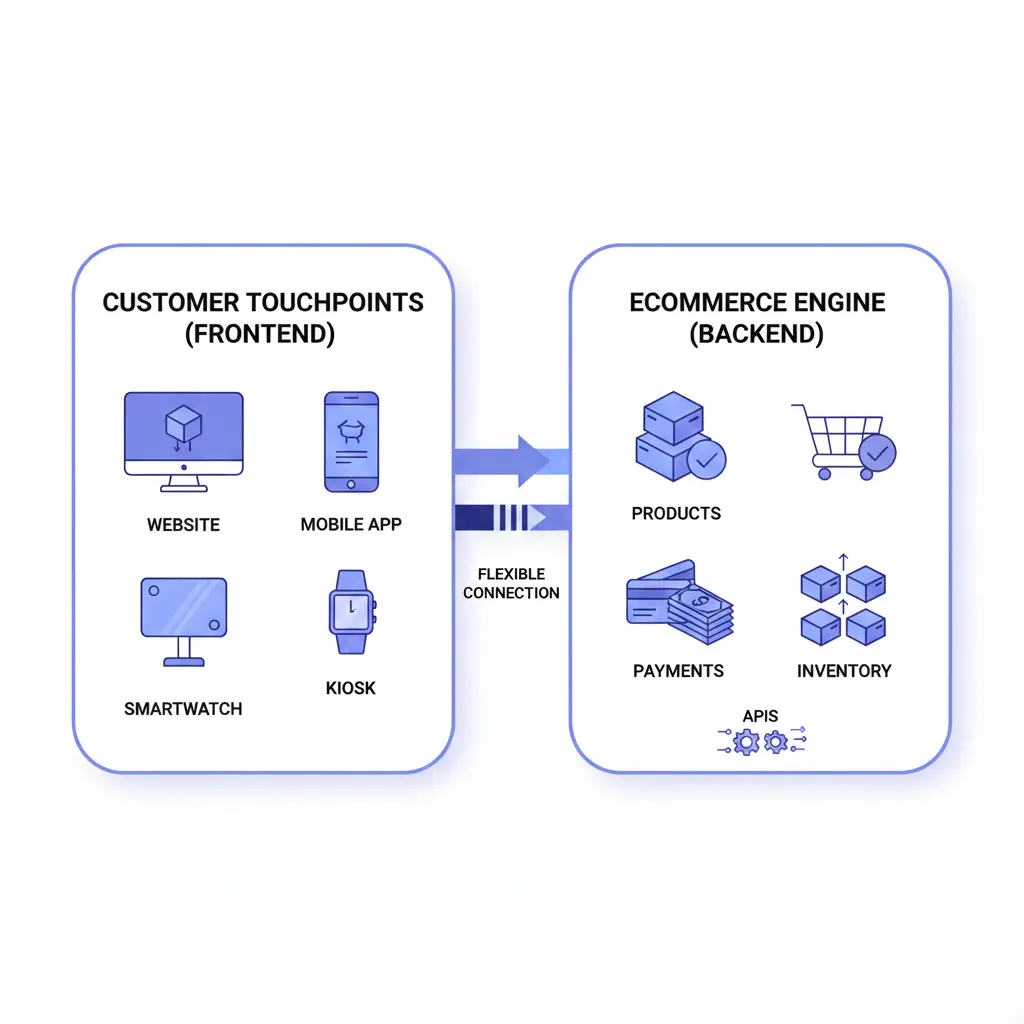
    headless commerce setups

    With the right tools, WooCommerce can support thousands of products and millions of visitors.

    Final Thoughts

    The 2026 Guide to WooCommerce proves that the platform continues to evolve, offering merchants more power, flexibility, and advanced features than ever before. With the right strategy—spanning setup, design, SEO, automation, security, and scaling—WooCommerce can help you build a successful and future-proof online store. Embrace the latest tools and trends, and your business will thrive in the fast-changing world of eCommerce.

  • WooCommerce vs Shopify – Which One Is Best for You?

    WooCommerce vs Shopify – Which One Is Best for You?

    Choosing the right eCommerce platform is one of the most important decisions you’ll make when launching an online store. WooCommerce and Shopify are the two biggest names in the industry, each offering powerful features, strong customization options, and unique advantages. But which one is best for YOU? This guide breaks down the key differences to help you make a confident decision.

    What Is WooCommerce?

    WooCommerce is a free, open-source eCommerce plugin built for WordPress. It gives you complete control over your store, allowing you to customize every detail—from design and functionality to checkout flows and integrations.

    Key Benefits of WooCommerce

    Open-source flexibility
    Unlimited customization
    Full ownership of data
    Ideal for SEO and content-driven websites
    Scalable for any business size

    Where WooCommerce Can Be Challenging

    Because it’s self-hosted, you must manage your own:
    hosting
    security
    backups
    updates
    site performance

    This makes WooCommerce better suited for users comfortable with technical management—or those working with a developer.

    What Is Shopify?

    Shopify is a fully hosted, all-in-one eCommerce platform. Everything—hosting, security, checkout, payments—comes built-in, allowing you to launch and manage a store with no technical hassles.

    Key Benefits of Shopify

    Beginner-friendly interface
    Fast and secure hosting
    Built-in payment system
    24/7 customer support
    Easy theme customization
    App integrations for marketing & automation

    Where Shopify Has Limitations

    Because Shopify is a closed platform, you have less flexibility in areas like:
    advanced custom coding
    checkout customization (on lower plans)
    payment gateway fees (if not using Shopify Payments)

    Shopify is ideal for those who want a simple, reliable system without needing technical skills.

    WooCommerce vs Shopify: Key Comparisons

    1. Ease of Use

    Shopify wins for simplicity. Everything is ready to go out-of-the-box.
    WooCommerce requires more setup since you manage hosting, themes, and plugins.

    2. Customization

    WooCommerce offers unlimited design and feature customization.
    Shopify is simpler but more restricted in deep customization unless using higher plans or developer support.

    3. Cost

    WooCommerce can be more affordable long term since the plugin is free and you choose your hosting costs.
    Shopify uses monthly subscriptions which are predictable but may become expensive as you add apps or advanced features.

    4. SEO Capabilities

    WooCommerce has stronger SEO flexibility because it runs on WordPress, the leading content and SEO platform.
    Shopify still offers strong SEO tools but is less customizable for technical SEO.

    5. Payment Options

    WooCommerce supports virtually any payment gateway with no extra platform fees.
    Shopify charges additional fees unless you use its native payment system.

    6. Scalability

    Both platforms scale well:
    Shopify handles scaling automatically as your store grows.
    WooCommerce scales too, but may require upgraded hosting for high traffic stores.

    7. Support

    Shopify provides 24/7 dedicated support.
    WooCommerce relies more on community forums, documentation, and developer assistance.

    Who Should Choose WooCommerce?

    Choose WooCommerce if you:
    want full control over your store
    prefer deep customization
    already use WordPress
    need powerful SEO and content marketing
    want to avoid platform restrictions
    are comfortable managing hosting and updates

    WooCommerce is perfect for bloggers, content creators, and businesses that want a fully personalized online store.

    Who Should Choose Shopify?

    Choose Shopify if you:
    want a simple, beginner-friendly setup
    prefer maintenance-free store management
    need fast, secure hosting included
    want 24/7 customer support
    prefer a platform that “just works”

    Shopify is ideal for entrepreneurs, small businesses, and brands that want to scale quickly without worrying about technical details.

    Final Verdict: Which One Is Best for You?

    There is no one-size-fits-all answer—the best platform depends on your goals, skills, and business model.

    • Choose Shopify if you want the easiest, most reliable way to launch and grow an online store with minimal technical work.
    • Choose WooCommerce if you want full flexibility, complete ownership, advanced customization, and strong SEO control.

    Both platforms can power an amazing online store—it’s about choosing the one that fits YOUR needs.

  • What is the Future of Ecommerce? Trends Shaping Online Shopping in 2025 and Beyond

    What is the Future of Ecommerce? Trends Shaping Online Shopping in 2025 and Beyond

    The ecommerce industry is evolving faster than ever, driven by technology, changing consumer behavior and global digital transformation. Businesses that want to stay ahead must understand where ecommerce is heading and how to adapt their strategies. So, what is the future of ecommerce? It’s smarter, faster, more personalized and more immersive than anything we’ve seen before. Let’s explore the top trends that will define online shopping in the years to come.

    The Rise of AI-Powered Shopping

    Artificial intelligence is transforming every part of ecommerce, from product discovery to customer service.

    AI Personalization

    Consumers now expect personalized experiences. AI-driven recommendations, dynamic pricing and tailored product suggestions are becoming the new standard.

    AI Chatbots and Virtual Assistants

    Brands are using AI chatbots to provide 24/7 customer support, answer questions instantly and guide shoppers through their journey. AI reduces response time and improves customer satisfaction.

    AI in Inventory & Demand Forecasting

    Smart algorithms help stores predict demand, avoid stockouts and optimize logistics. This leads to faster delivery and better customer experience.

    The Explosion of Mobile Commerce

    Mobile shopping continues to grow rapidly as smartphones become the primary device for online browsing.

    Key Mobile Commerce Trends

    • One-click checkouts
    • Mobile wallets like Apple Pay, Google Pay and UPI
    • Mobile-first ecommerce design
    • App-based loyalty programs

    The future of ecommerce is mobile-first, meaning brands must prioritize fast, responsive mobile experiences.

    Social Commerce Is Becoming Mainstream

    Social media platforms are quickly transforming into shopping destinations.

    Why Social Commerce Is Booming

    • Influencer-driven shopping
    • In-app checkout on Instagram, Facebook and TikTok
    • Shoppable posts and live product demos
    • High engagement and impulse buying

    Platforms like TikTok Shop and Instagram Shopping are blending entertainment with ecommerce, creating a new way for brands to reach customers.

    AR & VR Will Revolutionize Online Shopping

    Augmented reality (AR) and virtual reality (VR) are making online shopping more interactive and immersive.

    AR in Ecommerce

    • Try-on experiences for fashion and accessories
    • Virtual furniture placement
    • Real-time product previews

    VR in Ecommerce

    • Virtual showrooms
    • Digital store walkthroughs
    • Immersive brand experiences

    Virtual shopping reduces uncertainty and increases purchase confidence.

    The Growth of Voice Commerce

    Voice-powered devices like Alexa, Siri and Google Assistant are pushing voice commerce into the mainstream.

    Voice Commerce Trends

    • Voice-enabled product search
    • Reordering frequently purchased items
    • Voice-assisted shopping lists

    As voice recognition improves, more households will shop through smart speakers.

    Sustainability Will Become a Core Purchase Driver

    Consumers are becoming more eco-conscious, and brands must adapt.

    Sustainable Ecommerce Practices

    • Eco-friendly packaging
    • Carbon-neutral deliveries
    • Ethical sourcing
    • Transparent supply chains

    Brands that embrace sustainability build trust and long-term loyalty.

    Faster, Smarter and More Flexible Deliveries

    Shipping expectations are changing dramatically.

    Future of Ecommerce Logistics

    • Same-day and 2-hour deliveries
    • Drone delivery systems
    • Robot-powered warehouses
    • Smart inventory placement

    Speed and convenience will continue to define customer satisfaction.

    Direct-to-Consumer (DTC) Brands Will Dominate

    More brands are cutting out middlemen and selling directly to customers.

    Benefits of DTC

    • Higher profit margins
    • Better customer relationships
    • More control over branding
    • Access to first-party data

    The future belongs to brands that understand and communicate directly with their customers.

    Subscription Models Are Growing

    Subscription-based ecommerce is expanding across industries—from meals to beauty to software.

    Why Subscriptions Work

    • Predictable revenue
    • Higher customer retention
    • Customizable plans
    • Improved customer experience

    Consumers love convenience, and subscription models deliver exactly that.

    Blockchain and Crypto Will Transform Payments

    Blockchain technology is bringing transparency and security to online transactions.

    Ecommerce and Blockchain Trends

    • Cryptocurrency payments
    • Smart contracts
    • Supply chain verification
    • Fraud reduction

    As adoption grows, blockchain will reshape trust in ecommerce.

    Omnichannel Will Be the Standard, Not an Option

    The lines between online and offline shopping are blurring.

    What Omnichannel Looks Like

    • Buy online, pick up in-store (BOPIS)
    • Unified inventory systems
    • Seamless cross-device experiences
    • Consistent branding across platforms

    Customers expect a smooth, connected journey everywhere they interact with a brand.

    Final Thoughts

    So, what is the future of ecommerce? It’s intelligent, personalized and deeply integrated with everyday life. From AI-driven shopping experiences to AR try-ons and voice-powered purchases, ecommerce is entering a new era of innovation. Brands that adopt these technologies early will build stronger customer relationships, increase conversions and dominate the digital marketplace in 2025 and beyond.

  • How to Master Magento in 2025: The Ultimate Guide for Ecommerce Success

    How to Master Magento in 2025: The Ultimate Guide for Ecommerce Success

    If you’re serious about building a scalable ecommerce brand, learning how to master Magento in 2025 is one of the smartest career and business moves you can make. Magento (now Adobe Commerce) remains a powerful platform trusted by global enterprises because of its flexibility, customization and performance. But as the ecommerce world evolves rapidly, so does Magento—making it crucial to stay updated with the latest tools, features and best practices.

    This guide will walk you through everything you need to master Magento in 2025, from skills to tools to optimization strategies.

    Why Magento Remains a Leader in 2025

    Despite the rise of no-code platforms, Magento continues to dominate for businesses that need advanced customization, high performance and unlimited growth potential.

    Top Reasons Magento Is Still Power-Packed

    • Full customization for design, checkout and backend
    • Enterprise-level performance and scalability
    • Thousands of extensions and integrations
    • Strong support for multi-store management
    • Powerful product catalog features
    • Excellent SEO capabilities

    If you plan to work as a Magento developer, consultant or store owner, mastering this platform gives you a huge competitive advantage.

    Understand the Core Structure of Magento

    To master Magento, you must first understand how the platform is built.

    Key Areas to Learn

    • MVC architecture
    • Modules and components
    • Themes and templates
    • APIs and integrations
    • Entity-Attribute-Value (EAV) model

    Knowing these foundations helps you customize your Magento store efficiently and avoid common development mistakes.

    Learn Magento 2 Frontend Development

    Magento’s frontend is highly flexible, but it requires specific skills to master.

    Essential Frontend Skills

    • HTML5, CSS3, JavaScript
    • Knockout.js (for dynamic frontend elements)
    • LESS & XML layout files
    • Customizing UI components
    • Theme development and overrides

    Understanding Magento’s unique theme layer gives you the ability to create stunning, conversion-focused storefronts.

    Master Magento 2 Backend Development

    If you want to become a true Magento expert, backend knowledge is essential.

    Backend Skills to Focus On

    • PHP and object-oriented programming
    • Creating custom modules
    • Working with dependency injection
    • REST and GraphQL APIs
    • Cron jobs
    • Advanced Magento configuration

    Backend mastery allows you to build powerful custom functionality tailored to business needs.

    Stay Updated With the Latest Magento 2025 Features

    Magento evolves continuously. In 2025, the focus is on:

    • Enhanced Page Builder updates
    • Improved GraphQL APIs
    • Better Adobe Commerce Cloud integrations
    • Faster checkout optimization
    • AI-driven product recommendations

    Make sure you follow Magento’s release notes and community updates to stay ahead.

    Learn to Use Magento Marketplace Extensions Wisely

    Choosing the right extensions can transform your store’s performance.

    Must-Have Categories of Extensions

    • SEO tools
    • Speed optimization
    • Payment gateways
    • Shipping automation
    • Security enhancements
    • Analytics and reporting

    But remember: too many extensions slow down your store. Learn to install only what’s essential.

    Improve Website Speed & Performance Optimization

    Performance is crucial in ecommerce. Magento stores often struggle with speed if not optimized properly.

    Key Optimization Techniques

    • Use Varnish caching
    • Implement Redis for session storage
    • Optimize images with WebP
    • Enable flat catalog
    • Use a CDN
    • Upgrade to PHP 8+
    • Choose a powerful hosting solution

    Fast-loading stores improve conversion rates and SEO rankings.

    Get Comfortable With Magento Cloud & Hosting

    Choosing the right hosting environment can make or break your Magento site.

    Best Hosting Options for Magento

    • Adobe Commerce Cloud
    • Nexcess
    • Cloudways
    • AWS or Google Cloud
    • FastComet

    Learning how to manage cloud hosting, backups and deployments helps you maintain a stable, secure store.

    Master Magento Security Practices

    Security is non-negotiable when handling customer data.

    Essential Security Measures

    • Apply regular patches
    • Enable 2FA
    • Use SSL certificates
    • Limit admin access
    • Install security extensions
    • Perform regular malware scans

    Strong security helps protect your store’s reputation and user trust.

    Become Familiar With Adobe Commerce Integrations

    Magento works beautifully with Adobe’s ecosystem.

    Key Integrations to Learn

    • Adobe Analytics
    • Adobe Experience Manager
    • Adobe Target
    • Adobe Sensei AI

    These tools enhance personalization, reporting and customer experience.

    Join Magento Communities & Keep Learning

    Continuous learning is part of mastering Magento.

    Best Communities to Join

    • Magento Stack Exchange
    • Magento Community Forums
    • Adobe Developer Community
    • LinkedIn Groups
    • GitHub repositories

    Networking with other professionals accelerates your growth.

    Final Thoughts

    Mastering Magento in 2025 means staying updated with modern development practices, using the right tools, learning new features and continuously sharpening your skills. Whether you’re a developer, business owner or ecommerce strategist, Magento offers endless opportunities for customization, scalability and innovation. With dedication and the right guidance, you can become a Magento expert and build high-performing online stores that stand out in the digital marketplace.

  • Top 10 Game-Changing Tools Every Dropshipper Needs to Succeed in 2025

    Top 10 Game-Changing Tools Every Dropshipper Needs to Succeed in 2025

    The world of dropshipping is more competitive than ever, and the secret to standing out is using the right tools to automate tasks, discover winning products and manage operations smoothly. Whether you’re just starting or scaling your store, the right dropshipping tools can save time, reduce costs and boost conversions. This blog highlights the best tools for dropshipping in 2025 to help you grow faster and smarter.

    Why You Need the Best Dropshipping Tools

    Successful dropshippers don’t rely on guesswork. They use powerful apps to streamline product sourcing, automate fulfillment and optimize marketing. With the right dropshipping software, you can:

    • Find winning products before competitors
    • Automate order management
    • Improve customer experience
    • Boost your store’s profitability
    • Scale your business with minimal effort

    Now let’s dive into the must-have tools that make dropshipping easier and more profitable.

    1. Shopify – Best All-in-One Ecommerce Platform

    If you want a reliable and user-friendly platform, Shopify is unbeatable. It offers thousands of integrations, fast store setup and excellent support.

    Key Features

    • Easy store customization
    • Built-in SEO tools
    • Smooth payment gateway integration
    • Scalable for beginners and pros

    2. Oberlo (Alternatives) – Product Importing Made Easy

    Although Oberlo is discontinued, several strong replacements offer the same features. Tools like DSers, Spocket and Zendrop now lead the market.

    Why It’s Useful

    • Import products directly to your store
    • Sync orders automatically
    • Choose from thousands of suppliers

    3. DSers – Official AliExpress Dropshipping Partner

    DSers is the go-to tool for AliExpress product sourcing.

    Key Benefits

    • Bulk order placement
    • Multiple supplier mapping
    • Faster product importing
    • Cost-effective plans

    If you source from AliExpress, DSers is essential.

    4. Spocket – Best for US & EU Products

    If fast shipping is your priority, Spocket is one of the best dropshipping tools.

    Highlights

    • High-quality US and EU suppliers
    • Faster delivery times
    • Branded invoicing
    • Better product quality

    This helps reduce refunds and improve customer satisfaction.

    5. Zendrop – Automation Powerhouse

    Zendrop simplifies dropshipping with automated order fulfillment and custom branding.

    Key Features

    • Express shipping
    • Automated tracking updates
    • Custom product options
    • Private labeling possibilities

    Ideal for dropshippers ready to scale.

    6. AutoDS – All-in-One Dropshipping Management Tool

    Looking for a complete automation solution? AutoDS handles everything from product research to delivery.

    Best Features

    • Real-time price monitoring
    • Automated stock updates
    • One-click product importing
    • Advanced product research tool

    Perfect for high-volume sellers.

    7. Canva – Create Stunning Product Images & Ads

    Visuals play a huge role in conversion rates. Canva is your best friend for creating ads, banners and infographics.

    Why Dropshippers Love It

    • Drag-and-drop design
    • Ready-made ad templates
    • Great for social media content
    • No design experience needed

    8. Google Trends – Identify Trending Products

    Before you invest in a product, check demand through Google Trends.

    Benefits

    • Spot rising product trends
    • Compare keyword popularity
    • Make data-driven decisions

    This tool prevents you from selling products with declining interest.

    9. AdSpy – Discover High-Converting Ad Examples

    If you want to uncover winning ads and product ideas, AdSpy is incredibly powerful.

    Key Features

    • Search Facebook and Instagram ads
    • Filter by engagement
    • Analyze competitors’ strategies

    Knowing what works helps you design better campaigns.

    10. Klaviyo – Best Email Marketing Tool for Dropshipping

    Email marketing remains essential, and Klaviyo helps automate campaigns that boost conversions.

    Features

    • Abandoned cart automation
    • Customer segmentation
    • Personalized email flows

    Email automation can increase revenue without additional ad spend.

    Bonus Tool: ChatGPT – Your AI Dropshipping Assistant

    AI is transforming ecommerce, and ChatGPT is a must-use tool.

    How It Helps

    • Write product descriptions
    • Generate ad copy
    • Create SEO-optimized content
    • Build customer support scripts

    AI saves time and enhances your marketing strategy.

    Final Thoughts

    Running a successful dropshipping business requires the right combination of strategy and tools. By using these best dropshipping tools, you can streamline operations, scale faster and stay ahead of the competition. Whether you’re sourcing products, creating content or automating your store, the right tools will give you the confidence and efficiency to grow your ecommerce brand in 2025 and beyond.