Building a successful one-product store in 2026 is one of the smartest eCommerce strategies for entrepreneurs who want focus, brand clarity, and higher conversion rates. Unlike general stores, a one-product store centers around a single winning product, allowing you to optimize branding, marketing, and customer trust. This guide explains step-by-step how to build a one-product store that stands out and scales in 2026.
What Is a One-Product Store?
A one-product eCommerce store is an online store designed to sell only one main product or a tightly connected product bundle. The entire website, from design to copy, is optimized to persuade visitors to buy that product.
Why One-Product Stores Work in 2026
In 2026, consumers value simplicity and trust. A focused store feels more professional, loads faster, and converts better. With rising ad costs, high-converting one-product stores are more profitable than ever.
Step 1 Choose a Winning Product
The foundation of a successful one-product store is product selection.
Characteristics of a Profitable One-Product Idea
Look for products that:
- Solve a clear problem
- Have emotional appeal
- Are not easily available in local stores
- Have strong social media demand
Trending niches in 2026 include smart home gadgets, wellness products, eco-friendly items, and lifestyle accessories.
Validate Product Demand
Before building your store, validate demand using TikTok trends, Instagram Reels, customer reviews, and keyword research. A product with proven interest reduces risk.
Step 2 Build a High-Converting One-Product Website
Your website should feel like a premium brand, not a generic store.
Design a Simple and Trustworthy Layout
Use a clean design with one clear call to action. A high-converting one-product store website includes:
- A strong hero headline
- High-quality product images and videos
- Clear benefits, not just features
- Social proof such as reviews and testimonials
Optimize for Mobile Users
In 2026, most purchases happen on mobile. Ensure fast loading speed, easy navigation, and seamless checkout.
Step 3 Create Persuasive Product Copy
Great copy turns visitors into buyers.
Highlight Benefits with SEO Keywords
Focus on how your product improves the customer’s life. Naturally include keywords like one-product store strategy, build a one-product Shopify store, and successful one-product business to improve search visibility.
Use Storytelling to Build Trust
Tell a story around your product. Explain why it exists, who it’s for, and what makes it different. Authentic storytelling increases brand loyalty.
Step 4 Drive Traffic to Your One-Product Store
Traffic is essential for growth.
Use Paid Ads Strategically
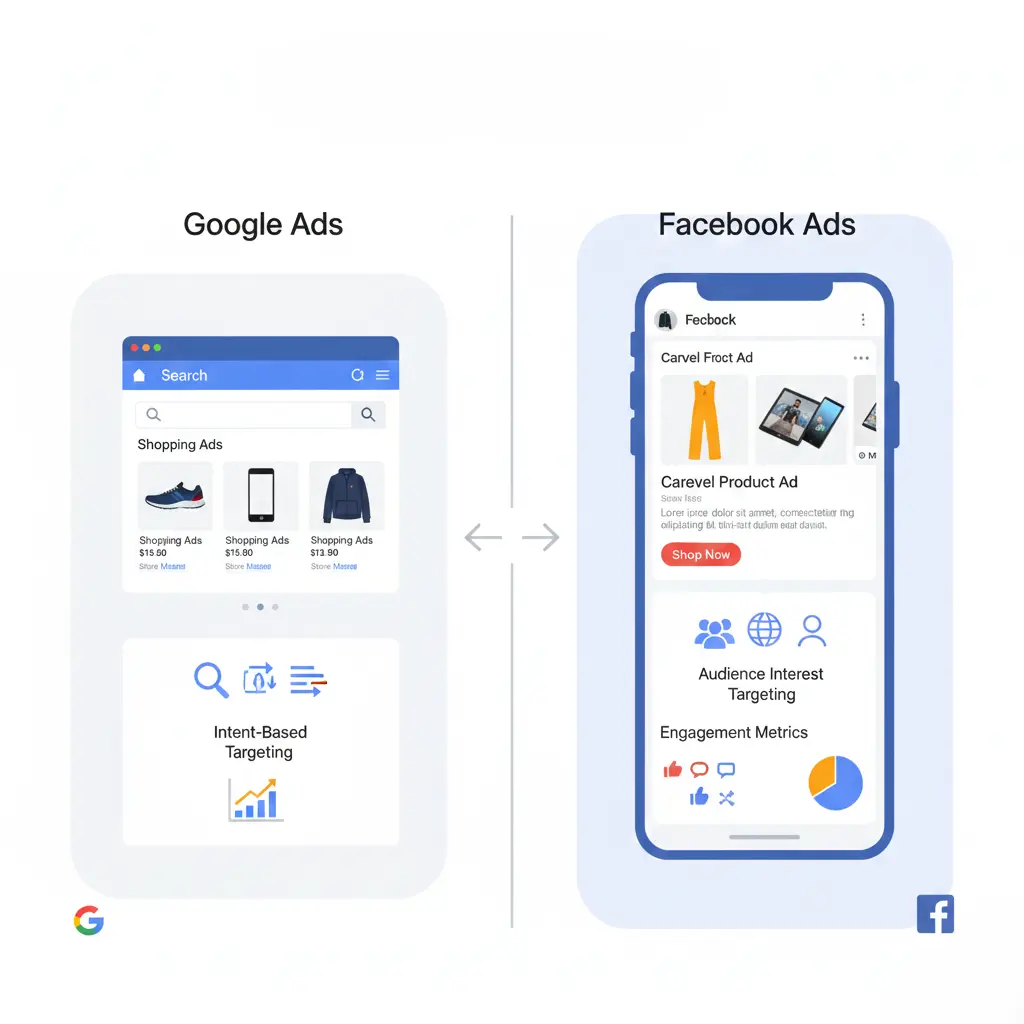
Platforms like TikTok Ads, Instagram Ads, and Google Ads work extremely well for one-product stores in 2026. Focus on short-form video ads that demonstrate the product in action.
Leverage Organic Social Media
Posting consistently on TikTok and Instagram helps build organic traffic. Viral content can generate massive sales without high ad spend.
Step 5 Optimize for Conversions and Scale
Track Data and Improve Performance
Use analytics to track conversion rates, bounce rates, and customer behavior. Small improvements in checkout flow or product pages can significantly boost revenue.
Build a Brand for Long-Term Success
A successful one-product store in 2026 is not just about quick sales. Create branded packaging, email marketing, and customer support systems to build a long-term business.
Final Thoughts on Building a One-Product Store in 2026
Learning how to build a successful one-product store in 2026 requires smart product selection, strong branding, and consistent optimization. By focusing on one powerful product and delivering a premium experience, you can create a scalable and profitable eCommerce brand that stands out in a competitive market.