Tag: e-commerce

  • Carbon-Neutral E-Commerce – Platforms That Track and Offset Shipping Emissions

    Carbon-Neutral E-Commerce – Platforms That Track and Offset Shipping Emissions

    The Green Revolution in Online Shopping

    E-commerce has transformed the way we buy, sell, and interact with products. However, as the global digital marketplace grows, so does its environmental footprint. Every click-to-cart, warehouse shipment, and doorstep delivery contributes to carbon emissions — an issue that conscious consumers are no longer willing to ignore. In response, a new wave of innovation has emerged: carbon-neutral e-commerce.

    Carbon-neutral e-commerce platforms are revolutionizing how businesses approach sustainability by tracking, reducing, and offsetting the carbon emissions generated through shipping and operations. These platforms represent a bold step toward eco-friendly digital commerce, aligning with global sustainability goals while meeting the expectations of environmentally aware consumers.

    Understanding Carbon-Neutral E-Commerce

    To understand the concept, we need to look at the lifecycle of an online order. From production and packaging to transport and delivery, every stage produces greenhouse gas (GHG) emissions. Carbon-neutral e-commerce aims to measure these emissions accurately and then neutralize their impact through reduction strategies and verified carbon offset programs.

    Carbon neutrality doesn’t mean zero emissions — it means balancing the emissions produced by removing or offsetting an equivalent amount from the atmosphere. E-commerce brands achieve this by investing in renewable energy projects, forest restoration, and sustainable technologies. The result is a shopping experience that is not only convenient but also environmentally responsible.

    Tracking Shipping Emissions with Technology

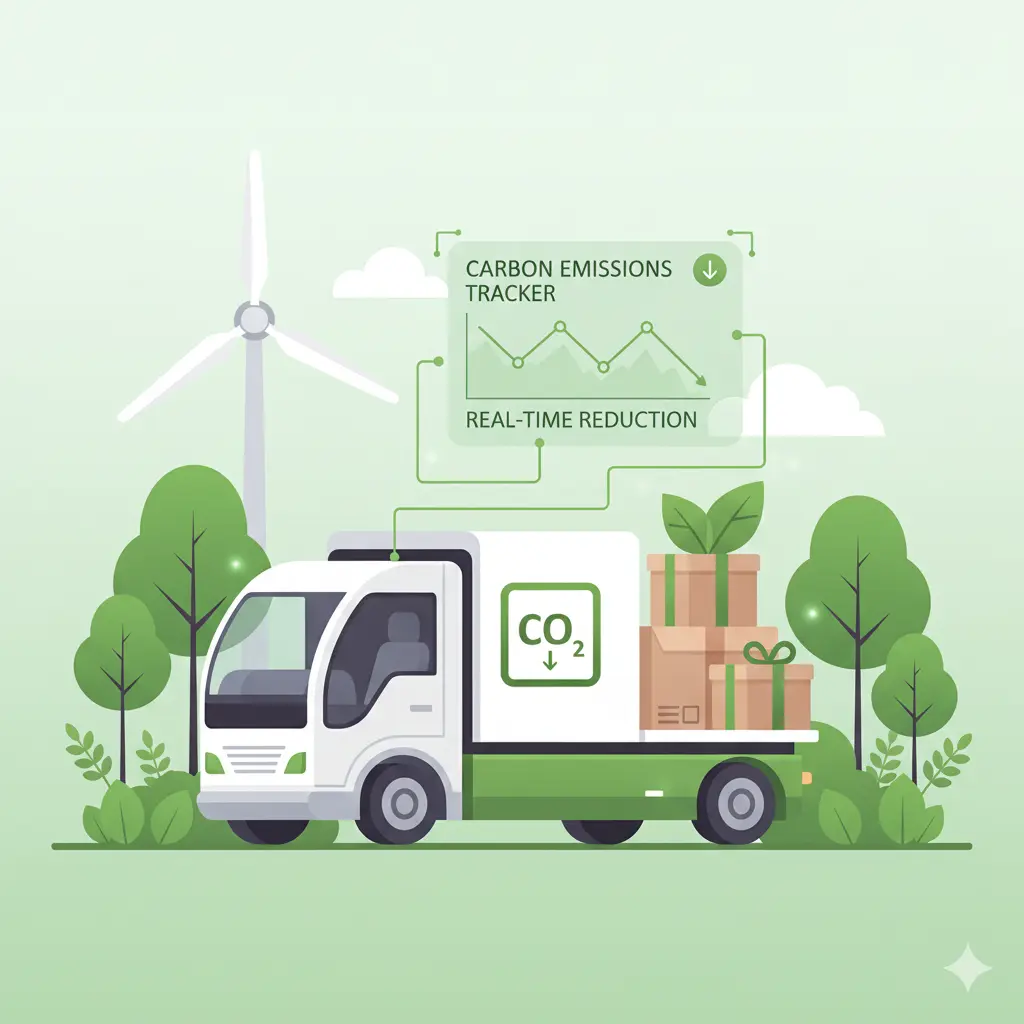
    The backbone of carbon-neutral e-commerce is emission tracking technology. Today’s advanced logistics and AI-powered tools can calculate the carbon footprint of each transaction, from packaging materials to delivery distance.

    Platforms such as Shopify, WooCommerce, and BigCommerce have already introduced carbon tracking integrations that estimate emissions for every shipment. Using real-time data from carriers and fulfillment centers, these systems help businesses visualize their total impact.

    For instance, machine learning algorithms analyze shipment routes, modes of transport, and package weights to determine precise carbon output. This level of transparency empowers both companies and customers to make informed, sustainable decisions. Some platforms even display carbon data at checkout, allowing shoppers to understand the environmental cost of their purchase — a growing trend known as eco-transparency.

    Offsetting Through Verified Carbon Programs

    Once emissions are calculated, the next step is carbon offsetting — compensating for emissions by funding projects that absorb or reduce CO₂ elsewhere. Many e-commerce platforms now partner with certified organizations that manage reforestation, renewable energy, and community-based sustainability projects.

    For example, some companies automatically contribute a small portion of each sale toward carbon offset initiatives. Customers can also choose to add carbon offsets at checkout, creating a collaborative effort toward sustainability. Verified programs such as Gold Standard, Verra, and Carbonfund.org ensure that every offset contribution results in measurable environmental impact.

    By integrating offset APIs directly into e-commerce platforms, businesses can streamline the process, making carbon neutrality effortless and traceable. This transparency builds trust and credibility, especially among eco-conscious consumers who value accountability.

    Sustainable Shipping and Packaging Innovations

    Tracking and offsetting emissions are essential steps, but the ultimate goal is reduction. Many brands are now reimagining their logistics systems to minimize emissions before they occur.

    One major focus area is sustainable packaging. Biodegradable materials, recycled paper, and compostable plastics are replacing traditional packaging. Some companies have even introduced “minimalist packaging” — reducing excess materials without compromising product safety.

    Shipping innovations are also reshaping the carbon landscape. Electric delivery fleets, bike couriers, and consolidated shipping routes help lower emissions dramatically. Large logistics providers such as DHL, UPS, and FedEx are investing in green delivery technologies and carbon-neutral shipping options. By combining eco-friendly packaging with smarter logistics, e-commerce brands are moving from reactive offsetting to proactive reduction.

    The Role of Consumer Awareness and Demand

    Modern shoppers are more environmentally conscious than ever. According to recent studies, more than 70% of online consumers prefer brands that are transparent about their sustainability practices. As a result, carbon-neutral shopping has become a powerful differentiator.

    Displaying a “Carbon-Neutral Certified” badge on product pages can significantly influence purchasing decisions. Consumers feel empowered when they know their purchases support a healthier planet. This behavioral shift has inspired many e-commerce companies to integrate green marketing into their branding strategies.

    Moreover, as Gen Z and millennial consumers continue to dominate the online market, sustainability is no longer optional — it’s a necessity. Brands that fail to address environmental impact risk losing relevance in a marketplace driven by conscious consumption.

    Blockchain and Data Transparency

    To enhance trust and verification, blockchain technology is emerging as a key player in carbon-neutral e-commerce. By recording every emission, offset, and transaction on a transparent ledger, blockchain ensures that sustainability claims are authentic and traceable.

    This technology eliminates greenwashing — the act of making false or exaggerated environmental claims — by providing verifiable proof of carbon offset activities. In the near future, consumers may be able to scan a QR code on a product and view the exact carbon reduction project their purchase supported.

    Additionally, smart contracts could automate offset contributions, ensuring that every order automatically triggers an equivalent carbon offset. This combination of blockchain and sustainability has the potential to redefine trust in online commerce.

    Business Benefits of Carbon-Neutral Practices

    Going carbon-neutral isn’t just good for the planet — it’s good for business. Adopting eco-friendly practices enhances brand reputation, attracts new customer segments, and fosters long-term loyalty. Studies show that sustainable brands enjoy higher customer retention rates and stronger word-of-mouth referrals.

    From a financial perspective, investing in renewable energy and efficient logistics can also reduce operational costs over time. Moreover, governments worldwide are introducing incentives and tax benefits for businesses that commit to green initiatives.

    Carbon-neutral e-commerce positions companies as industry leaders and future-ready enterprises. It demonstrates a commitment to corporate social responsibility (CSR) and aligns with Environmental, Social, and Governance (ESG) standards — critical metrics for investors and partners.

    Challenges and the Road Ahead

    While the benefits are significant, achieving carbon neutrality in e-commerce is not without challenges. Accurately tracking emissions across complex supply chains can be difficult, especially for small and medium-sized businesses. Additionally, carbon offset programs require continuous monitoring to ensure real-world impact.

    However, advancements in AI, automation, and logistics optimization are gradually simplifying the process. Industry collaborations and standardization efforts are also helping businesses of all sizes adopt greener operations.

    In the next few years, we can expect to see AI-driven sustainability dashboards, real-time emission monitoring, and automated offset integration become standard features in major e-commerce platforms.

    The Future of Carbon-Neutral E-Commerce

    The future of e-commerce is green, data-driven, and transparent. As consumers continue to prioritize environmental responsibility, carbon-neutral platforms will become the new norm. Businesses that lead the transition will not only protect the planet but also future-proof their brands.

    Carbon-neutral e-commerce represents more than a technological advancement — it’s a cultural shift. It reflects a new era of accountability, where every purchase contributes to a more sustainable world.

    Conclusion

    The rise of carbon-neutral e-commerce signals a turning point in digital retail. By tracking, reducing, and offsetting shipping emissions, brands can deliver both products and purpose. Through innovative technology, eco-friendly logistics, and transparent partnerships, e-commerce is evolving into a force for environmental good.

    As we move toward a greener future, one thing is clear — the brands that take responsibility for their carbon footprint will lead the next generation of online retail. Carbon-neutral e-commerce is not just a trend; it’s the foundation of a sustainable digital economy.
  • Subscription 3.0 – Smarter, Flexible, and Sustainable Subscription Models

    Subscription 3.0 – Smarter, Flexible, and Sustainable Subscription Models

    The Evolution of Subscription Commerce

    The subscription economy has evolved far beyond simple monthly boxes and recurring billing. From entertainment platforms like Netflix to software services and even everyday essentials, subscriptions have changed how people consume. However, consumers today demand more control, personalization, and sustainability. This shift has given rise to Subscription 3.0 — a new era of smarter, flexible, and eco-conscious subscription models designed for the modern digital shopper.

    In the early stages, Subscription 1.0 focused on convenience and automation. People enjoyed the ease of having products delivered regularly without reordering. Subscription 2.0 introduced personalization, allowing customers to tailor their subscriptions to their preferences. But now, as markets mature and customer expectations rise, Subscription 3.0 focuses on empowerment, adaptability, and responsible consumption.

    Smarter Subscriptions Driven by AI and Data

    One of the defining features of Subscription 3.0 is intelligence. Artificial Intelligence and machine learning have made it possible for brands to anticipate customer needs before they are even expressed. AI-powered predictive analytics can track user behavior, purchase history, and preferences to deliver hyper-personalized subscription experiences.

    For instance, beauty brands now use AI to recommend products that match a subscriber’s skin tone, climate, and past purchases. Streaming services like Spotify and Netflix already utilize machine learning to personalize content delivery, and e-commerce companies are quickly catching up. These AI-driven subscription models not only increase customer satisfaction but also reduce churn rates by providing continuous value.

    Data-driven insights also allow businesses to forecast demand, optimize inventory, and minimize waste — crucial factors for profitability and sustainability. With the right integration of predictive AI, companies can deliver smarter, faster, and more relevant experiences, turning casual shoppers into long-term subscribers.

    Flexibility as the New Loyalty

    The rigid subscription models of the past are no longer appealing to modern consumers. Today’s subscribers want the freedom to pause, modify, or cancel their plans at any time. Flexibility has become the new definition of customer loyalty.

    Subscription 3.0 is all about adaptability. Brands are offering customizable delivery schedules, interchangeable product choices, and on-demand subscription management through mobile apps. For example, fitness brands now allow members to switch between online and in-person classes, while food subscription services let customers change meal plans weekly based on dietary needs or lifestyle shifts.

    This flexibility builds trust. When customers know they are in control, they are more likely to stay subscribed. Moreover, transparent pricing, easy cancellation policies, and seamless user interfaces help create a positive brand experience. In 2025, subscription flexibility isn’t a bonus feature — it’s a fundamental expectation.

    Sustainability at the Core

    Another key pillar of Subscription 3.0 is sustainability. Modern consumers are increasingly conscious of their environmental impact, and they expect the brands they support to share their values. Sustainable subscription models prioritize eco-friendly packaging, carbon-neutral shipping, and products made from responsibly sourced materials.

    Circular economy concepts are becoming central to subscription commerce. Brands are introducing programs that allow customers to return used items for recycling or reuse. For example, fashion subscription services like Rent the Runway and Nuuly promote clothing reuse and reduce textile waste. Similarly, refillable subscription systems for household goods, beauty products, and cleaning supplies are gaining momentum.

    In addition, companies are leveraging blockchain technology to provide supply chain transparency, ensuring that every product delivered aligns with ethical and environmental standards. Subscription 3.0 embraces sustainability not just as a trend but as a core value — one that appeals to eco-aware customers and builds long-term brand equity.

    The Role of Technology in Subscription 3.0

    Technology is the backbone of modern subscription models. From AI-driven personalization to secure payment systems and data analytics, tech innovations are reshaping the subscription experience. The rise of Internet of Things (IoT) devices adds a new dimension — smart products that can automatically reorder supplies when running low.

    For example, a connected coffee machine might track usage and place an automatic order for coffee pods before they run out. Similarly, fitness wearables can suggest nutrition or training subscriptions based on performance metrics. These smart subscription ecosystems merge convenience with intelligence, making daily life more efficient for consumers.

    Blockchain also enhances trust and transparency by providing immutable records of transactions, ensuring that every recurring payment and delivery is verifiable. Additionally, modern CRM systems powered by AI help brands predict churn and send proactive engagement offers to retain customers.

    Personalization and Customer Experience

    Personalization remains the cornerstone of successful subscription models. With access to big data and behavioral insights, brands can tailor every touchpoint of the customer journey. From onboarding surveys to dynamic pricing and personalized rewards, every interaction can be optimized for relevance.

    Customers no longer want generic experiences. They expect brands to know their preferences and anticipate their needs. Subscription 3.0 uses predictive personalization, which analyzes micro-interactions — clicks, pauses, and even voice data — to deliver curated product selections or exclusive content.

    Moreover, the integration of emotion AI and conversational commerce allows customers to interact naturally with chatbots for assistance or recommendations. This seamless blend of automation and empathy enhances satisfaction while maintaining efficiency.

    Economic and Social Impact

    The shift to smarter, flexible, and sustainable subscription models also impacts the global economy. Businesses benefit from predictable revenue streams and improved customer retention, while consumers enjoy better value and convenience. However, the true value lies in fostering long-term relationships rather than short-term transactions.

    Subscription 3.0 supports local economies by enabling small businesses to launch scalable subscription services through digital platforms. It also promotes conscious consumption — customers buy only what they need when they need it, reducing waste and overproduction.

    Socially, the rise of ethical and transparent brands helps rebuild consumer trust in e-commerce. As more companies adopt fair trade practices, renewable packaging, and carbon offsetting initiatives, subscription commerce becomes a powerful vehicle for positive change.

    The Future of Subscription 3.0

    Looking ahead, the subscription economy is expected to reach trillions in global market value. Future models will integrate AI, blockchain, and green technology even more seamlessly. The focus will move from “ownership” to “access,” as consumers prioritize experiences and convenience over accumulation.

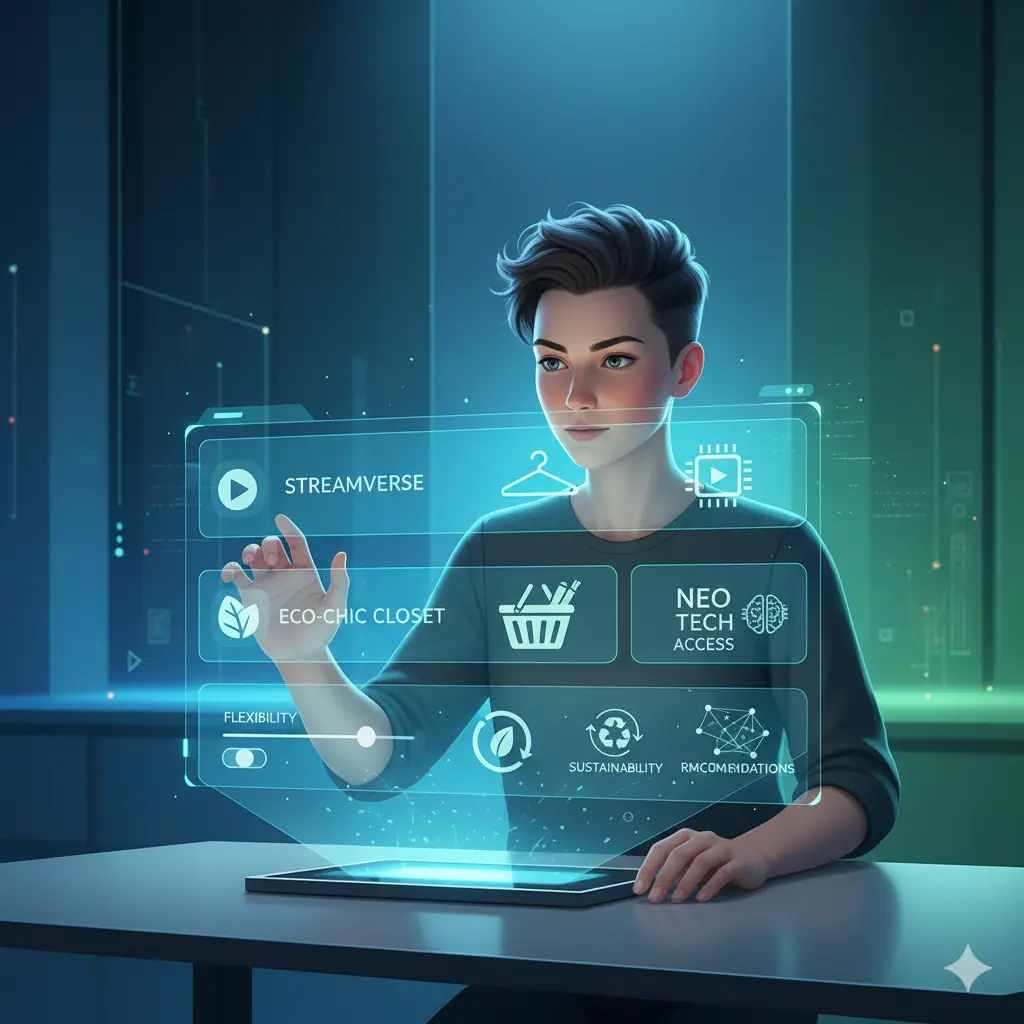
    We may also see the rise of metaverse subscriptions, offering digital goods, experiences, and memberships across virtual spaces. As augmented and virtual reality become mainstream, immersive subscription experiences will redefine engagement and retention.

    Ultimately, Subscription 3.0 is not just about recurring payments — it’s about building sustainable relationships through technology, personalization, and ethical practices. Brands that embrace flexibility, data intelligence, and eco-conscious innovation will lead the next wave of e-commerce growth.

    Conclusion

    Subscription 3.0 represents the evolution of consumer commerce — smarter, flexible, and sustainable. It aligns technology with human values, offering meaningful, convenient, and responsible experiences. Businesses that invest in AI-driven personalization, adaptable subscription plans, and green initiatives will not only retain customers but also create lasting impact.

    As consumers continue to demand transparency and choice, the brands that listen, adapt, and innovate will thrive. Subscription 3.0 isn’t just a trend — it’s the future of e-commerce, redefining how we buy, connect, and sustain in a digital-first world.

  • Digital Product Passports & Supply-Chain Transparency: Why It Matters

    Digital Product Passports & Supply-Chain Transparency: Why It Matters

    In today’s fast-changing global economy, sustainability and transparency have become non-negotiable for modern businesses. Consumers, regulators, and investors increasingly demand visibility into how products are made, sourced, and distributed. As industries transition toward circular economies and ethical production, Digital Product Passports (DPPs) are emerging as a powerful innovation. These digital identifiers are reshaping supply-chain management, ensuring authenticity, compliance, and sustainability from raw materials to end-of-life recycling.

    Understanding Digital Product Passports

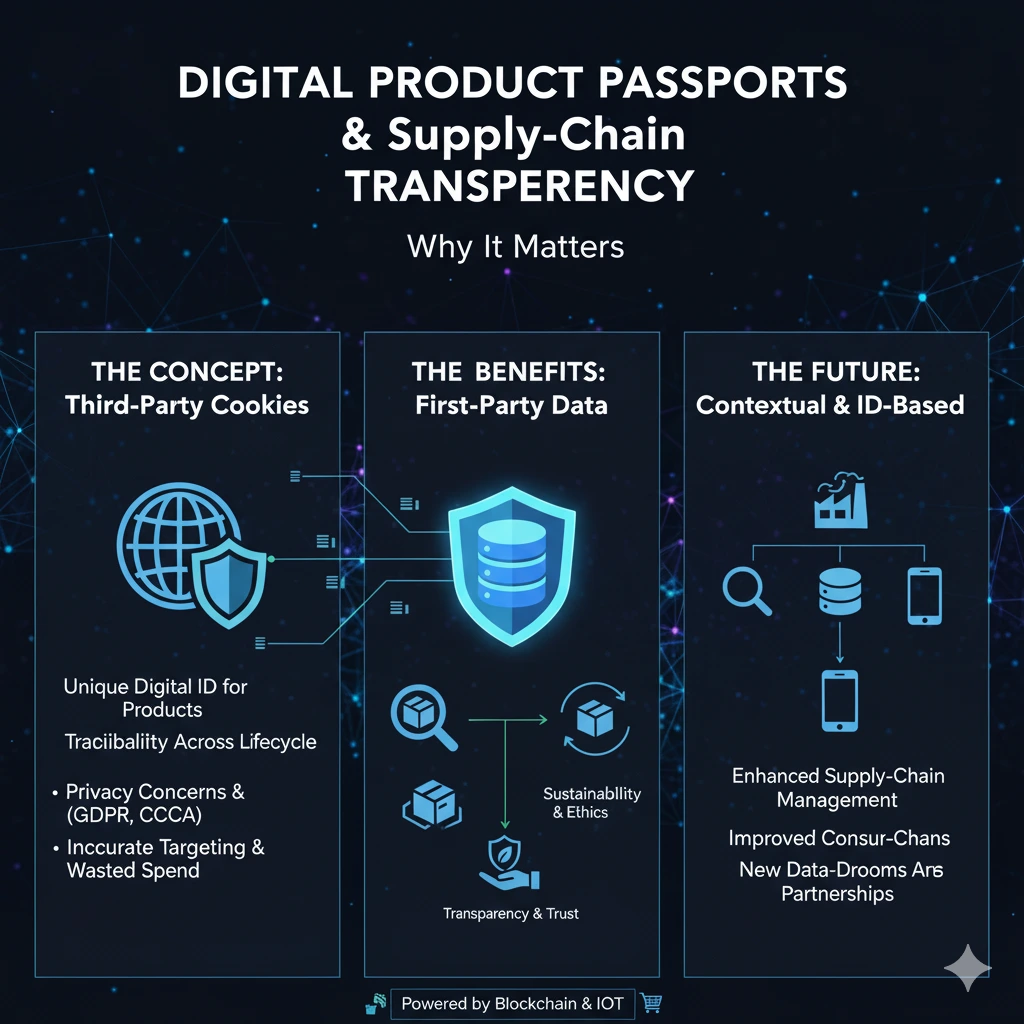
    A Digital Product Passport is a secure digital record that contains key information about a product’s materials, manufacturing process, and lifecycle. It functions like a digital identity card for goods—accessible via QR code, RFID chip, or blockchain ledger. By scanning the code, stakeholders across the value chain—manufacturers, retailers, regulators, and consumers—can view verified data about sourcing, carbon footprint, and recyclability.

    The European Union’s Circular Economy Action Plan has made DPPs a cornerstone of its sustainability goals. By 2027, digital product passports will be mandatory for certain sectors, such as textiles, batteries, and electronics. This global shift marks the beginning of a new era of traceable, transparent, and data-driven commerce.

    Why Supply-Chain Transparency Matters

    Transparency builds trust. In a world where greenwashing and counterfeit products are rampant, consumers want proof of authenticity and sustainability claims. Supply-chain transparency ensures that every stage—from raw material extraction to product delivery—is visible and verifiable.

    For businesses, transparency is not only a compliance issue but also a strategic advantage. Companies that disclose sourcing details and sustainability data can strengthen their brand reputation, attract conscious consumers, and meet growing ESG (Environmental, Social, and Governance) expectations.

    Moreover, transparency allows organizations to identify inefficiencies, monitor emissions, and reduce waste. By integrating real-time supply-chain visibility tools, businesses can anticipate disruptions, enhance risk management, and improve overall resilience.

    The Technology Behind Digital Product Passports

    1. Blockchain for Trust and Immutability

    Blockchain technology underpins many digital product passport systems. It provides a tamper-proof and decentralized ledger, ensuring that data entered along the supply chain remains immutable. Every transaction—from raw material certification to shipping—is recorded in real time. This makes it nearly impossible to falsify sustainability credentials or hide unethical sourcing practices.

    Blockchain’s traceability feature is particularly valuable for industries like luxury goods, pharmaceuticals, and electronics, where counterfeit risks are high. By linking physical items to secure digital identities, blockchain enhances authenticity and consumer confidence.

    2. IoT and Smart Sensors

    Internet of Things (IoT) devices play a crucial role in capturing real-time data for digital product passports. Smart sensors embedded in packaging or products can track temperature, location, and handling conditions. This data helps verify product integrity during transportation and ensures compliance with safety standards.

    In agriculture and food supply chains, IoT-enabled DPPs can trace produce from farm to fork, documenting every step to guarantee freshness, origin, and ethical sourcing.

    3. Artificial Intelligence and Data Analytics

    AI complements digital product passports by analyzing complex data sets to reveal insights about performance, carbon emissions, and supply-chain risks. Machine learning algorithms can predict potential bottlenecks, detect anomalies, and suggest optimizations. With AI-powered analytics, businesses gain actionable intelligence that drives both sustainability and profitability.

    Benefits of Digital Product Passports

    Enhanced Consumer Trust and Engagement

    Today’s consumers care deeply about where and how products are made. DPPs empower shoppers to verify sustainability claims instantly. By scanning a QR code, customers can learn about recycled content, fair-trade sourcing, and product lifespan. This transparency fosters loyalty, builds trust, and strengthens brand differentiation in a competitive marketplace.

    Regulatory Compliance and Risk Reduction

    Global sustainability regulations are tightening rapidly. From the EU’s Eco-Design for Sustainable Products Regulation (ESPR) to carbon disclosure mandates, brands must provide traceable data. DPPs simplify compliance by consolidating all necessary documentation in one secure digital format. This reduces administrative costs and minimizes the risk of penalties for non-compliance.

    Circular Economy and Product Lifecycle Management

    One of the biggest advantages of digital product passports is enabling circular economy models. By storing detailed information about materials and components, DPPs make it easier to repair, reuse, or recycle products at the end of their life. This supports zero-waste goals and promotes resource efficiency across industries such as fashion, automotive, and electronics.

    Improved Supply-Chain Efficiency

    With end-to-end visibility, organizations can track shipments, monitor supplier performance, and optimize logistics in real time. DPPs enhance operational efficiency by connecting all players in the value chain through a shared, trustworthy data ecosystem. This reduces duplication, delays, and resource waste.

    Digital Product Passports Across Industries

    1. Fashion and Textiles

    The fashion industry is among the earliest adopters of digital product passports. Fast fashion’s environmental footprint has prompted brands to embrace DPPs for greater transparency. By tagging garments with digital IDs, consumers can access details about fiber content, dyeing methods, and working conditions. Brands like Stella McCartney and H&M have begun experimenting with blockchain-backed DPPs to track sustainable materials and circular recycling initiatives.

    2. Electronics and Technology

    E-waste is one of the world’s fastest-growing waste streams. Digital product passports in electronics can store repair manuals, component details, and recycling instructions, enabling right-to-repair movements and sustainable disposal. Manufacturers gain better control over materials, while consumers gain confidence that their devices are responsibly sourced.

    3. Automotive and Batteries

    As electric vehicles become mainstream, battery passports are emerging to track the origin and lifecycle of lithium, cobalt, and nickel. This data helps ensure ethical mining practices and supports safe battery recycling. Automotive brands are adopting DPPs to prove sustainability commitments and comply with upcoming EU regulations.

    Challenges to Implementation

    Despite their potential, digital product passports face adoption barriers. The biggest challenges include data standardization, interoperability, and cost of infrastructure. Different industries and countries use varying systems, making it difficult to integrate data across the supply chain. Additionally, privacy concerns arise when handling sensitive business information.

    To overcome these challenges, industry collaboration and government support are essential. Developing global interoperability standards, promoting open data frameworks, and ensuring cybersecurity will accelerate widespread adoption.

    The Future of Supply-Chain Transparency

    The future of supply-chain transparency will be powered by connected ecosystems where every product has a digital twin. Next-gen technologies like Web3, digital twins, and AI-driven automation will merge with DPPs to create smarter, self-regulating supply networks.

    In the coming years, we can expect to see real-time traceability platforms integrated with carbon accounting systems, enabling automatic sustainability scoring. Consumers will be able to check the environmental and social impact of every purchase instantly, redefining how trust and responsibility are built in commerce.

    Conclusion

    Digital product passports are more than a compliance tool—they are the foundation of a transparent, circular, and sustainable economy. By linking data, people, and products through secure digital ecosystems, DPPs empower businesses to prove their commitments and empower consumers to make informed choices.

    As global supply chains become more complex, transparency is not just a trend—it’s the future of business. Companies that adopt digital product passports early will not only meet regulatory demands but also lead the next generation of ethical, intelligent, and accountable commerce.

  • Omnichannel Done Right: Seamless Shopping Across Web, Mobile & In-Store

    Omnichannel Done Right: Seamless Shopping Across Web, Mobile & In-Store

    In today’s fast-paced digital economy, the way consumers shop has evolved dramatically. Modern shoppers expect convenience, personalization, and consistency across every touchpoint whether browsing online, scrolling through a mobile app, or walking into a physical store. This transformation has given rise to a powerful retail strategy known as omnichannel commerce. When executed correctly, omnichannel retailing creates a unified customer journey that drives engagement, loyalty, and long-term growth.

    Understanding Omnichannel Retail

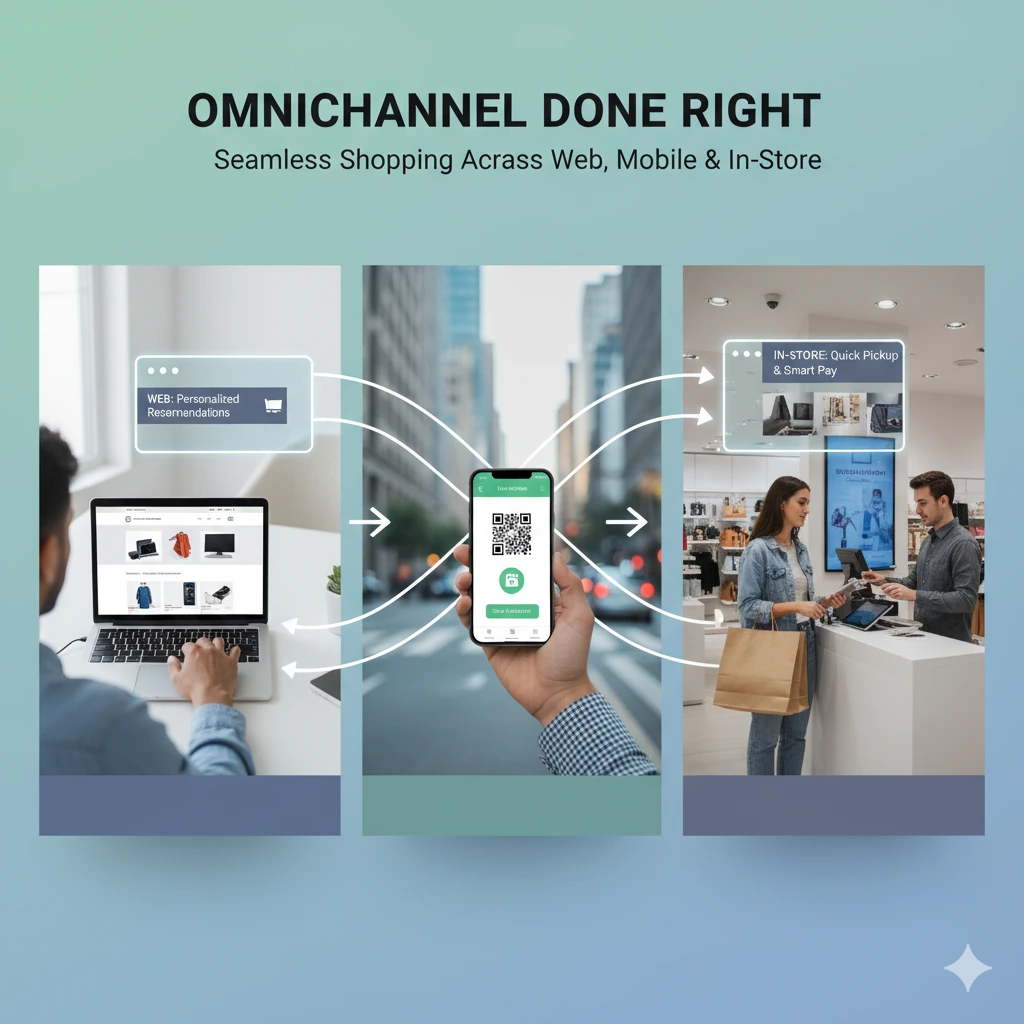
    Omnichannel retail refers to an integrated shopping experience where customers can interact with a brand seamlessly across multiple channels—web, mobile, social media, and brick-and-mortar stores. The key word here is seamless. It’s not just about being present on every platform; it’s about connecting them so customers can move effortlessly between them. For example, a shopper might discover a product on Instagram, read reviews on a website, check availability on a mobile app, and complete the purchase in-store—all without a hiccup.

    In contrast to multichannel retail, where each platform operates independently, omnichannel retail ensures data and experiences flow smoothly. This means inventory, customer profiles, and purchase histories are synchronized in real time, giving brands the ability to deliver hyper-personalized and frictionless interactions.

    Why Omnichannel Strategy Matters in 2025

    As digital transformation accelerates, brands that fail to create connected experiences risk losing customers to competitors who do. According to recent retail trends, consumers now demand personalized shopping journeys, flexible delivery options, and instant customer support across all channels. The rise of AI-driven analytics, mobile commerce, and social shopping has made omnichannel integration more crucial than ever.

    Moreover, the post-pandemic shift in consumer behavior has blurred the lines between physical and digital retail. Shoppers want to browse online and pick up in-store through BOPIS (Buy Online, Pick Up In Store) models. They expect consistent pricing, real-time stock visibility, and personalized recommendations. Brands that master this orchestration stand out as leaders in customer experience.

    The Building Blocks of a Successful Omnichannel Experience

    1. Unified Customer Data

    At the core of a seamless omnichannel strategy lies unified data management. Every interaction—from browsing behavior to purchase history—should feed into a centralized system like a Customer Data Platform (CDP). This unified profile empowers brands to recognize each customer across channels and provide consistent, personalized experiences. For example, a CDP allows a brand to remember a shopper’s preferences whether they log in on desktop, mobile, or visit a store.

    2. Consistent Brand Messaging

    An omnichannel brand maintains the same tone, visuals, and messaging across all touchpoints. Consistency fosters trust and strengthens brand identity. Whether it’s an email campaign, an in-app push notification, or an in-store poster, the brand should communicate one coherent message. Using AI-driven personalization, companies can adapt content dynamically based on user behavior without losing authenticity.

    3. Smart Inventory Management

    One of the biggest frustrations for shoppers is discovering an item is unavailable after they’ve decided to buy it. Real-time inventory synchronization ensures customers always see accurate stock information, regardless of where they shop. Advanced retail management software can automate stock updates and even suggest optimal fulfillment options such as ship-from-store or click-and-collect to improve efficiency and reduce costs.

    4. Integrated Payment and Checkout Systems

    A seamless checkout process can make or break the customer experience. Omnichannel retailers must offer flexible payment options—credit cards, mobile wallets, BNPL (Buy Now, Pay Later), and contactless in-store payments. Integrating secure, unified payment gateways ensures that transactions across web, app, and store are effortless and consistent, reducing cart abandonment and boosting conversion rates.

    5. Connected Customer Service

    Customer support should be as seamless as the shopping journey itself. Omnichannel customer service allows agents to access complete customer histories across chat, email, phone, and in-person interactions. Tools like AI chatbots, live chat, and CRM integrations help deliver faster, context-aware assistance, enhancing satisfaction and loyalty.

    How Mobile Commerce Elevates the Omnichannel Journey

    Mobile devices are now the glue holding omnichannel experiences together. With the rise of mobile-first design and progressive web apps (PWAs), shoppers can browse, buy, and engage anytime, anywhere. Mobile apps not only streamline purchases but also enable geolocation marketing, push notifications, and loyalty rewards, bridging the gap between online discovery and offline engagement.

    For instance, when customers walk near a store, they can receive personalized offers through mobile alerts encouraging in-store visits. Similarly, mobile scanning tools allow users to check product details or compare prices instantly. This level of integration enhances engagement and turns every interaction into a conversion opportunity.

    Bridging the Gap Between Digital and Physical Stores

    The future of retail lies in phygital experiences—a blend of physical and digital elements. Smart retailers use technology like QR codes, AR (Augmented Reality), and IoT-enabled devices to enrich in-store experiences. For example, digital mirrors and virtual try-ons help customers visualize products before purchasing, while staff equipped with tablets can access real-time customer insights to personalize recommendations.

    In-store analytics, powered by AI and IoT, track foot traffic and product interaction data, allowing brands to refine layouts and optimize inventory placement. When digital and physical insights merge, brands can deliver superior experiences and anticipate customer needs.

    Leveraging Social Commerce and Content Integration

    In 2025, social commerce continues to rise as a dominant sales channel. Platforms like Instagram, TikTok, and Pinterest are not just for inspiration—they’re direct storefronts. Integrating these platforms into an omnichannel strategy allows shoppers to move from social engagement to purchase with a single tap. Influencer marketing, user-generated content (UGC), and shoppable posts enhance authenticity and trust.

    Content marketing also plays a major role in keeping customers engaged across channels. Personalized blogs, video tutorials, and email newsletters can nurture relationships and drive repeat purchases. When all content aligns with the brand’s omnichannel voice, it builds long-term loyalty.

    Data Analytics and Personalization: The Omnichannel Advantage

    Modern omnichannel retail thrives on data-driven decision-making. By analyzing customer behavior across all platforms, brands can forecast demand, refine marketing strategies, and predict future trends. AI-powered analytics tools can segment audiences, optimize pricing, and recommend products with precision. Personalization is no longer optional—it’s a competitive necessity.

    When customers feel understood, they are more likely to return. Personalized emails, targeted ads, and relevant push notifications create a sense of belonging that strengthens emotional connection with the brand.

    The Future of Omnichannel Shopping

    The future of omnichannel shopping lies in deeper integration and automation. With advancements in AI, machine learning, and 5G connectivity, customer experiences will become even more intuitive and immersive. Emerging technologies such as virtual reality shopping, voice commerce, and predictive fulfillment will redefine convenience and personalization.

    Brands that invest now in omnichannel infrastructure will be best positioned to adapt to these changes and lead the next generation of retail innovation. The ultimate goal is simple—to make shopping effortless, enjoyable, and unforgettable, no matter where it happens.

    Conclusion

    Omnichannel done right is about putting the customer at the center of every interaction. By connecting web, mobile, and in-store experiences through unified data, consistent messaging, and intelligent technology, brands can deliver seamless journeys that drive satisfaction and loyalty. As retail continues to evolve, businesses that embrace omnichannel strategies today will become the leaders of tomorrow’s connected commerce landscape.

  • Minimalist Design & Speed: Why Faster, Cleaner Sites Win in 2026

    Minimalist Design & Speed: Why Faster, Cleaner Sites Win in 2026

    As we enter 2026, the web is more crowded, competitive, and cluttered than ever before. Users are overwhelmed with choices, attention spans are shrinking, and search algorithms are evolving faster than design trends. Amid all the noise, one principle continues to define digital success: simplicity wins. Minimalist design—paired with ultra-fast performance—isn’t just a style anymore; it’s a strategic advantage.

    Today’s leading brands are embracing minimalism and speed to create seamless, distraction-free experiences that capture attention, build trust, and boost conversions. In 2026, the formula is clear: less clutter + faster load times = higher engagement and better rankings.

    The Rise of Minimalist Design in the Digital Era

    Minimalist design is built on the idea that “less is more.” It emphasizes clarity, functionality, and visual harmony, removing unnecessary elements to highlight what truly matters. But minimalism is more than white space and simple typography—it’s a design philosophy rooted in purpose, performance, and user experience (UX).

    In the past, minimalism was often viewed as a trend. Today, it’s the foundation of modern web design, driven by three major forces:

    1. User Behavior: People no longer have the patience for cluttered layouts or slow-loading pages.
    2. AI and Automation: Smart systems demand clean, structured interfaces for effective interaction.
    3. SEO and Performance: Google’s Core Web Vitals and SGE (Search Generative Experience) now prioritize speed, simplicity, and usability.

    Minimalism isn’t about removing design—it’s about removing friction.

    Why Speed Matters More Than Ever in 2026

    Website speed has always been crucial, but in 2026, it’s a make-or-break factor. According to recent UX studies, even a one-second delay in load time can reduce conversions by up to 20%. On mobile, that number doubles.

    The modern web is mobile-first, voice-activated, and AI-integrated. Users expect instant results, whether they’re browsing, buying, or booking. In this high-performance environment, a slow website is a silent killer of brand trust and revenue.

    How Speed Impacts Business Outcomes

    • SEO Rankings: Google’s algorithms heavily reward fast-loading sites with better visibility.
    • User Experience: Quick-loading pages reduce bounce rates and boost engagement.
    • Conversion Rates: Fast checkout experiences lead to higher sales and customer retention.
    • Brand Perception: Users associate speed with professionalism and reliability.

    Speed isn’t just technical—it’s psychological. A site that loads instantly feels more modern, more credible, and more human.

    Minimalism Meets Performance: The Perfect Partnership

    Minimalism and speed naturally complement each other. A cleaner design uses fewer elements, smaller file sizes, and simplified code—making sites lighter and faster by default.

    Here’s how minimalism directly fuels performance:

    1. Fewer Visual Elements = Faster Load Times: Minimalist pages avoid heavy graphics, animations, and scripts that slow performance.
    2. Streamlined Navigation: Fewer distractions mean faster user journeys and more conversions.
    3. Optimized Mobile Experience: Simplicity ensures perfect responsiveness across all screen sizes.
    4. Better AI Readability: Clean layouts and semantic HTML help AI crawlers and search engines interpret content accurately.

    Minimalist design isn’t about artistic restraint—it’s about engineering precision.

    The Psychology Behind Minimalist Design

    Humans crave clarity. In a digital world filled with noise, minimalism creates mental calm. It guides attention to key actions and information without sensory overload.

    Studies show that minimalist interfaces increase user satisfaction and retention rates by over 35%. The visual hierarchy, breathing space, and clean typography enhance comprehension and focus.

    In essence, minimalism doesn’t just look better—it feels better. It builds emotional connection through simplicity, mirroring the mindfulness and clarity consumers seek in their lives.

    Design Trends Defining Minimalism in 2026

    Minimalism has evolved. Today’s minimalist websites blend aesthetic simplicity with technological sophistication. Here are the leading trends shaping 2026:

    1. Micro-Interactions and Subtle Motion

    Instead of flashy animations, modern sites use micro-interactions—tiny, purposeful movements that guide users intuitively. These animations improve feedback and engagement without compromising speed.

    2. Bold Typography and Negative Space

    Typography becomes the hero of minimalist design. Clean sans-serif fonts, oversized headings, and balanced whitespace create impact while maintaining simplicity.

    3. Neutral Color Palettes with Accent Highlights

    Muted tones paired with bold accents (like neon lines or gradient buttons) help maintain visual interest without clutter.

    4. Functional Minimalism

    Every element must have a purpose—whether it’s guiding navigation, conveying emotion, or driving conversion. Decorative design is replaced by intentional design.

    5. Dark Mode and Energy Efficiency

    Beyond aesthetics, dark mode supports sustainability by reducing energy consumption on OLED screens, aligning with the eco-conscious web movement.

    How to Optimize Your Website for Speed in 2026

    Minimalism sets the visual tone, but true performance requires technical precision. Here’s how to ensure your minimalist site delivers maximum speed:

    1. Use Next-Gen Image Formats: Adopt WebP and AVIF for high-quality, lightweight visuals.
    2. Enable Lazy Loading: Load images and videos only when they appear in the viewport.
    3. Minify CSS and JavaScript: Remove unnecessary code to reduce load time.
    4. Implement a CDN (Content Delivery Network): Distribute content globally for faster access.
    5. Adopt Server-Side Rendering (SSR): Improve SEO and speed for dynamic content.
    6. Prioritize Core Web Vitals: Optimize for LCP, FID, and CLS—Google’s key UX metrics.

    In 2026, technical performance is design.

    The SEO Advantage of Minimalism

    Minimalist design doesn’t just enhance aesthetics—it improves search performance. Clean code structures and fast load times make websites more crawlable for search engines.

    Moreover, minimalist layouts often deliver clearer information architecture, which helps AI-driven search systems like Google’s SGE understand and summarize your content accurately.

    A well-optimized minimalist site ranks higher, loads faster, and earns more featured visibility in generative and visual search results.

    The Business Case for Minimalism and Speed

    Minimalist, high-speed websites consistently outperform complex, slow ones in engagement and profitability. Data from 2025 shows that:

    • Sites loading in under 2 seconds had 40% higher conversion rates.
    • Minimalist product pages saw 27% more engagement than heavily designed alternatives.
    • Brands adopting minimalist UX reported lower maintenance costs and higher accessibility scores.

    Minimalism is not cost-cutting—it’s value-maximizing. It aligns with both business goals and user psychology.

    Case Studies: Brands Winning with Minimalism

    • Apple: The pioneer of design simplicity continues to dominate by merging minimalism with flawless performance. Every pixel has purpose, every page loads instantly.
    • Airbnb: Uses clean layouts, high-impact visuals, and fast-loading UI to simplify decision-making.
    • Notion: Combines minimal aesthetics with functional depth, creating an interface that feels intuitive and lightning-fast.

    These brands prove that minimalism isn’t about emptiness—it’s about clarity, speed, and purpose.

    Future of Web Design: Minimal, Intelligent, Instant

    Looking ahead, AI, automation, and voice interfaces will demand even simpler digital ecosystems. Websites will evolve into adaptive, data-driven experiences that load instantly and speak directly to user intent.

    Expect:

    • AI-assisted UI design that auto-optimizes for load speed and clarity.
    • Voice and gesture navigation replacing traditional menus.
    • Predictive content delivery powered by generative AI.
    • Lightweight frameworks like Astro and Svelte dominating front-end performance.

    In short, the future web will be minimal, intelligent, and instant—built for humans, powered by machines.

    Final Thoughts

    As 2026 unfolds, digital success will belong to brands that simplify, accelerate, and humanize their online experiences. Minimalist design and speed are not opposing forces—they are two sides of the same coin, working together to create clarity, efficiency, and connection.

    A fast, clean website reflects more than technical mastery—it reflects respect for your audience’s time and attention. In a world where milliseconds matter, simplicity isn’t just beautiful—it’s profitable.

    In 2026 and beyond, the winners won’t be the loudest or flashiest—they’ll be the fastest, clearest, and most intentional.