
Tag: e-commerce

  • Everyday Tech Gadgets That Can Simplify Your Life

    Everyday Tech Gadgets That Can Simplify Your Life

    Why Everyday Tech Gadgets Are Essential in 2025


    In 2025, technology continues to play a central role in making our lives easier, more efficient, and connected. From smart home devices to wearable tech, everyday gadgets are no longer luxury items—they’re essential tools for managing time, improving productivity, and enhancing comfort. Whether you’re a busy professional, a student, or someone who simply wants to make daily routines more efficient, the right tech gadgets can save time, reduce stress, and increase convenience. The rise of AI-powered devices and smart automation means that simple tasks like turning on lights, managing schedules, or monitoring health can now be handled seamlessly.

    Smart Home Gadgets for Ultimate Convenience


    Smart home gadgets are among the most popular tech tools in 2025. Devices like smart speakers, voice-controlled lights, and automated thermostats can streamline daily routines and save energy. Smart plugs and outlets allow you to control appliances remotely, while Wi-Fi-enabled security cameras and doorbells offer peace of mind. Even kitchen appliances are getting smarter with Wi-Fi-enabled coffee makers, robotic vacuum cleaners, and intelligent refrigerators that track grocery inventory. These gadgets reduce the time spent on mundane tasks and make home management more efficient, allowing you to focus on what truly matters.

    Wearable Tech for Health and Productivity


    Wearable technology has evolved far beyond simple step counters. In 2025, smartwatches, fitness bands, and health-monitoring devices help track sleep, heart rate, oxygen levels, and even stress. These gadgets provide real-time insights into your health, motivating you to make better lifestyle choices. Wearables can also simplify work and communication by syncing notifications, emails, and reminders directly to your wrist. Whether you’re tracking workouts, managing a hectic schedule, or monitoring personal health, wearable tech provides actionable insights while keeping everything at your fingertips.

    Wireless Gadgets That Reduce Clutter


    Wireless technology has revolutionized how we interact with everyday gadgets. Wireless headphones, charging pads, and smart speakers reduce cable clutter while offering flexibility and portability. Bluetooth-enabled devices like keyboards, mice, and printers make workspaces cleaner and more organized. Portable wireless chargers and power banks ensure that your devices remain powered on the go. By eliminating tangled wires and cumbersome setups, wireless gadgets simplify daily life and improve efficiency, whether at home, work, or while traveling.

    AI-Powered Gadgets for Smarter Living


    Artificial intelligence (AI) has become a game-changer for everyday tech. AI-powered gadgets, including robotic vacuums, smart assistants, and intelligent lighting systems, can learn user habits and optimize their performance over time. For example, AI thermostats adjust temperatures automatically based on your schedule, while smart assistants help manage calendars, answer questions, and even automate shopping lists. These gadgets save time, increase productivity, and personalize your environment, making life not just easier, but smarter.

    Tech Gadgets for Home Entertainment


    Entertainment is another area where everyday gadgets enhance convenience. Smart TVs, streaming devices, and wireless sound systems provide access to endless content without complex setups. Virtual reality (VR) headsets and gaming consoles offer immersive experiences, while smart projectors can turn any room into a mini theater. These gadgets are designed to integrate seamlessly with other smart home devices, allowing you to control lighting, sound, and even room ambiance through voice commands or mobile apps. Enjoying leisure activities has never been easier or more connected.

    Productivity Tools That Make Work Easier


    Technology is not just for home convenience—it also enhances productivity. Digital planners, note-taking tablets, and wireless keyboards help manage tasks efficiently. Noise-canceling headphones reduce distractions in busy environments, while smart desk lamps with adjustable brightness improve focus. AI-powered software and gadgets automate repetitive tasks, organize data, and even suggest optimized workflows. For remote workers and students, these tools create a more productive environment, allowing you to accomplish more in less time.

    Eco-Friendly Tech Gadgets


    In 2025, eco-conscious consumers are also seeking technology that supports sustainability. Solar-powered chargers, energy-efficient smart bulbs, and low-power devices reduce environmental impact while simplifying daily life. Smart plugs and energy-monitoring systems help track electricity usage, encouraging responsible energy consumption. By integrating eco-friendly tech gadgets into your lifestyle, you not only make tasks more convenient but also contribute to a greener, more sustainable world.

    Portable Gadgets for On-the-Go Convenience


    Life is busy, and portable gadgets make it easier to stay connected and efficient while traveling. Portable Bluetooth speakers, compact drones, handheld projectors, and foldable keyboards provide convenience wherever you go. Wireless earbuds and pocket-sized power banks ensure you’re always ready for work or leisure. These portable gadgets are lightweight, easy to carry, and designed to integrate with smartphones and other devices, making them indispensable tools for people with active lifestyles.

    Tips for Choosing the Right Everyday Tech Gadgets


    When selecting tech gadgets to simplify your life, consider the following: identify tasks you want to streamline, choose gadgets compatible with your existing devices, and prioritize durability and user-friendliness. Check for customer reviews, warranty information, and energy efficiency ratings. Selecting gadgets that truly fit your lifestyle ensures that technology enhances your daily routines instead of creating additional complexity.

    The Future of Everyday Tech Gadgets


    The future of tech gadgets in 2025 and beyond is focused on integration, personalization, and automation. Smart homes will become more interconnected, wearable tech will offer deeper health insights, and AI will continue to make devices smarter and more intuitive. Everyday gadgets will increasingly anticipate needs, streamline tasks, and enhance comfort, making technology an invisible but essential partner in our daily lives. The goal is simple: to save time, reduce stress, and improve overall quality of life.

    Final Thoughts: Simplify Your Life with the Right Tech Gadgets


    Everyday tech gadgets are no longer optional—they’re essential for managing modern life efficiently. From smart home devices and wearable tech to AI-powered assistants and wireless gadgets, these tools save time, improve productivity, and enhance comfort. By integrating these gadgets into your daily routines, you can automate tasks, monitor health, enjoy seamless entertainment, and stay organized, all while keeping life simple and efficient. Investing in the right tech gadgets in 2025 is an investment in convenience, productivity, and a smarter, more connected lifestyle.

  • Eco-Friendly Products That Make Life Easier in 2025

    Eco-Friendly Products That Make Life Easier in 2025

    Why Eco-Friendly Products Are Trending in 2025


    In 2025, eco-friendly products have moved from niche to mainstream. Consumers are increasingly aware of the environmental impact of everyday purchases, and e-commerce stores are responding with innovative sustainable solutions. From biodegradable home products to energy-efficient gadgets, eco-friendly items not only reduce your carbon footprint but also make daily life more convenient. Adopting a sustainable lifestyle doesn’t mean compromising on comfort or style—these products combine functionality, durability, and eco-conscious design to make modern living easier than ever.

    Eco-Friendly Home Products That Simplify Daily Life


    The home is where eco-friendly products shine the most. Sustainable home essentials, such as bamboo kitchenware, reusable storage bags, and compostable cleaning supplies, help reduce waste while keeping your home organized. Bamboo cutting boards, for example, are durable, antimicrobial, and fully renewable. Reusable silicone food bags replace single-use plastics, saving both money and the environment. Energy-efficient appliances like LED bulbs, induction cooktops, and smart thermostats not only lower electricity bills but also reduce carbon emissions, making them must-haves for eco-conscious households in 2025.

    Zero-Waste Kitchen Gadgets for a Greener Lifestyle


    The kitchen is often the center of household waste, but zero-waste kitchen gadgets are changing that. Compost bins for organic waste, water-saving dish racks, and reusable spice containers are gaining popularity. Smart kitchen appliances like air fryers and multifunctional pressure cookers minimize energy usage while streamlining cooking. Stainless steel and glass containers replace disposable plastics, and eco-friendly dish brushes made from bamboo or recycled materials reduce chemical use. These products make it easy to cook, store, and clean efficiently, proving that sustainable choices can also be highly practical.

    Eco-Friendly Personal Care Products


    Personal care is another area where sustainability meets convenience. Products such as bamboo toothbrushes, refillable shampoo bottles, and natural deodorants are replacing their plastic-laden counterparts. Solid shampoos and conditioners reduce packaging waste while lasting longer than traditional liquid products. Menstrual cups, reusable pads, and biodegradable wipes offer hygienic solutions with minimal environmental impact. Many eco-friendly personal care items are also free from harmful chemicals, providing a safer experience for both users and the planet. Integrating these products into daily routines is a simple way to live sustainably without sacrificing comfort or hygiene.

    Sustainable Fashion and Accessories


    Fashion is no longer just about style—it’s about responsibility. Sustainable fashion brands now offer organic cotton clothing, recycled fabrics, and cruelty-free accessories. Reusable shopping bags, water bottles, and eco-friendly wallets made from recycled materials reduce reliance on single-use plastics. Clothing made from bamboo or hemp is breathable, durable, and environmentally friendly. In 2025, many consumers prioritize ethical production, transparency, and longevity in fashion, choosing pieces that are both stylish and eco-conscious. These sustainable items make life easier by combining comfort, durability, and ethical values.

    Eco-Friendly Tech Gadgets


    Even in the world of technology, sustainability is gaining traction. Solar-powered chargers, energy-efficient laptops, and smart home devices help reduce energy consumption. Solar-powered lights, motion-sensor lamps, and low-power appliances make homes more sustainable while enhancing convenience. Recycled materials are increasingly used in smartphones, headphones, and wearable devices, proving that tech and sustainability can coexist. These gadgets are designed to last longer, consume less energy, and reduce e-waste, making them a practical choice for modern households that care about the environment.

    Eco-Friendly Cleaning Products for a Healthier Home


    Cleaning doesn’t have to come at the expense of the planet. Eco-friendly cleaning products, including plant-based detergents, biodegradable sponges, and refillable cleaning sprays, provide effective solutions without harmful chemicals. Concentrated cleaners reduce packaging waste, and reusable microfiber cloths replace disposable wipes. These products are safe for pets, children, and sensitive skin, while still keeping homes sparkling clean. Incorporating eco-friendly cleaning items into daily routines not only supports sustainability but also promotes a healthier living environment for everyone at home.

    Reusable and Multi-Purpose Products


    One of the easiest ways to simplify a sustainable lifestyle is by using reusable and multi-purpose products. Items like reusable water bottles, travel coffee cups, and silicone straws replace single-use plastics while reducing clutter. Multi-purpose cleaning tools, foldable storage boxes, and modular furniture save space and reduce the need for additional purchases. By choosing products that serve multiple functions, consumers can streamline their lives while minimizing waste, proving that sustainability and efficiency go hand in hand.

    Why Investing in Eco-Friendly Products Saves Money


    Many consumers worry that sustainable products are expensive, but in reality, they often save money in the long run. Reusable items eliminate the need for constant repurchasing, energy-efficient appliances reduce utility bills, and durable products last longer than disposable alternatives. Investing in high-quality eco-friendly products is not only environmentally responsible but also economically wise. In 2025, the rise of green living and conscious consumption is making sustainable choices a practical solution for households looking to simplify life and reduce expenses.

    Tips for Choosing the Right Eco-Friendly Products


    When shopping for eco-friendly products, consider the following: check for certifications like USDA Organic, Fair Trade, or Energy Star, choose products with minimal or recyclable packaging, and prioritize durability over trendiness. Reading reviews and understanding the brand’s sustainability practices ensures you’re making informed choices. By selecting products thoughtfully, consumers can maximize both convenience and environmental impact, turning everyday routines into eco-friendly habits effortlessly.

    The Future of Eco-Friendly Living


    As sustainability becomes a core priority in 2025, the availability of eco-friendly products will continue to expand. Innovations in biodegradable materials, renewable energy, and smart home technology will make sustainable living even more accessible. E-commerce platforms are also offering wider selections of green products, making it easier than ever to shop responsibly. By integrating these items into daily life, households can reduce waste, save money, and enjoy a simpler, more efficient lifestyle—all while contributing to a healthier planet.

    Final Thoughts: Make Life Easier with Eco-Friendly Choices


    Eco-friendly products are more than a trend—they’re a lifestyle that simplifies daily routines while protecting the environment. From sustainable home goods and personal care products to innovative tech gadgets and reusable essentials, these items make life easier and more efficient in 2025. Choosing eco-friendly solutions supports both convenience and sustainability, allowing consumers to live consciously without sacrificing comfort. By embracing sustainable products, individuals and families can enjoy a greener, smarter, and more organized lifestyle while making a positive impact on the planet.

  • Influencer Marketing vs Paid Ads: Which Works Better for E-Commerce Brands?

    Influencer Marketing vs Paid Ads: Which Works Better for E-Commerce Brands?

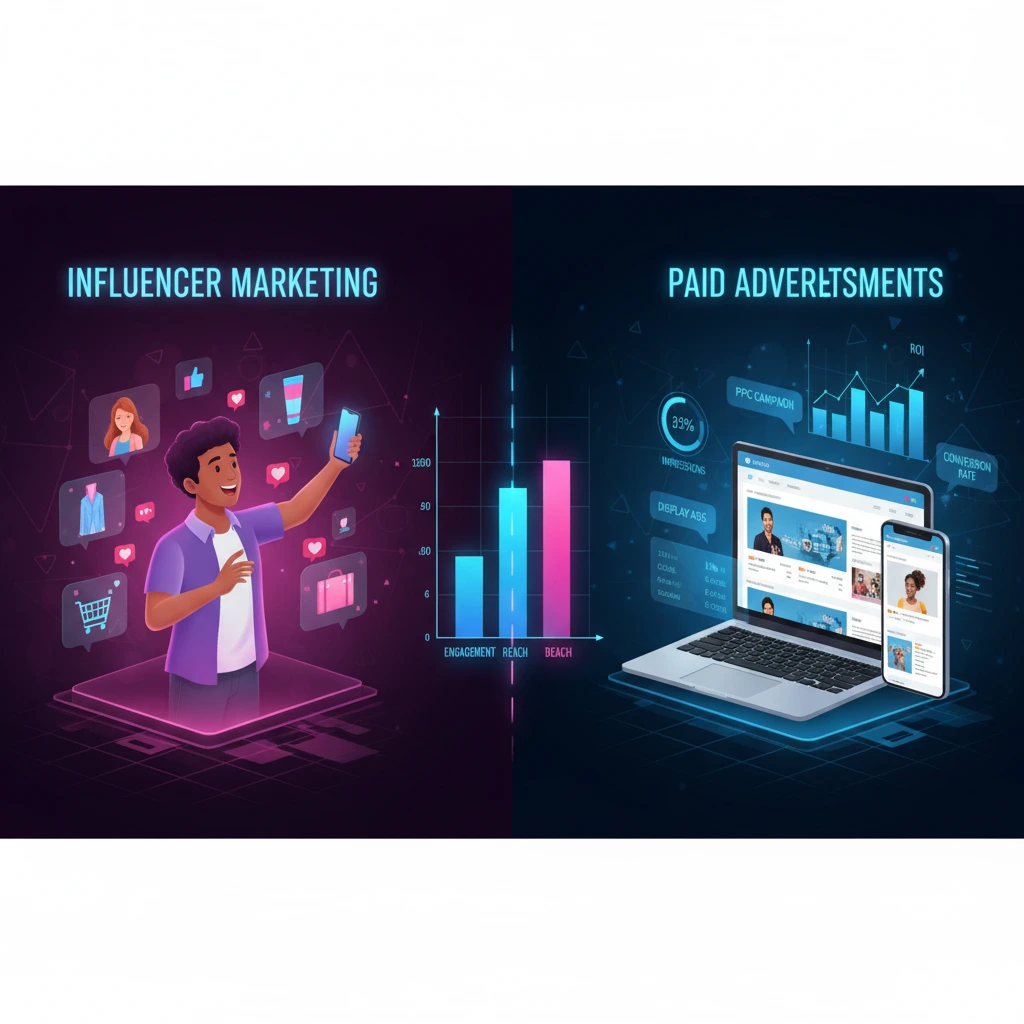
    E-commerce brands are constantly looking for strategies to drive traffic, increase sales, and build brand awareness. Two of the most popular approaches are influencer marketing and paid advertising. Both strategies have their benefits, but they serve different purposes and deliver different results. Understanding the strengths and limitations of each can help brands optimize marketing budgets and achieve long-term growth.

    What Is Influencer Marketing?

    Influencer marketing involves collaborating with social media personalities or content creators to promote your products. These influencers have built trust with their audience and can sway purchasing decisions through authentic content. Platforms like Instagram, TikTok, and YouTube have made influencer campaigns more accessible, even for small e-commerce businesses.

    Influencers can be categorized by their follower count:

    • Nano-influencers (1k-10k followers) often have highly engaged niche audiences.
    • Micro-influencers (10k-100k followers) provide a balance of reach and engagement.
    • Macro-influencers (100k-1M followers) and mega-influencers (1M+ followers) offer broad visibility but come at a higher cost.

    The key benefit of influencer marketing is authenticity. Followers trust influencers’ opinions, which often translates into higher engagement and conversion rates compared to traditional ads.

    What Are Paid Ads?

    Paid advertising refers to promotional campaigns where businesses pay to display ads across platforms like Google, Facebook, Instagram, TikTok, or programmatic ad networks. Paid ads come in many forms:

    • Search Ads target users actively searching for products or services.
    • Display Ads appear on websites and apps, often using visuals to grab attention.
    • Social Media Ads reach audiences based on demographics, interests, and behavior.
    • Retargeting Ads focus on users who have previously visited your website or engaged with your content.

    The main advantage of paid ads is control. Brands can define budgets, target audiences, and campaign duration precisely, and measure performance using analytics and ROI metrics.

    Influencer Marketing vs Paid Ads: Key Differences

    1. Trust and Authenticity

    Influencer marketing thrives on credibility. Consumers are more likely to purchase a product recommended by someone they follow and trust. Influencers can create relatable content that feels natural, making the brand message less intrusive.

    Paid ads, on the other hand, are often seen as promotional and can be ignored by users who use ad-blockers or scroll past sponsored content. While ads offer exposure, they don’t inherently build trust.

    2. Reach and Scalability

    Paid advertising provides instant scalability. You can reach thousands or even millions of potential customers immediately, adjust targeting, and scale campaigns quickly based on performance data.

    Influencer marketing grows more organically. While viral campaigns can reach massive audiences, most collaborations are limited by the influencer’s following. Scaling requires engaging multiple influencers, which can be time-consuming and complex.

    3. Cost and ROI

    Influencer marketing can be cost-effective for niche audiences, especially with micro or nano-influencers. Brands often pay via free products, commissions, or flat fees, and ROI depends on engagement and conversions.

    Paid ads offer predictable costs. Platforms allow precise bidding, targeting, and budget control, making it easier to measure ROI. However, competition can increase cost-per-click (CPC) or cost-per-acquisition (CPA), especially in competitive e-commerce niches.

    4. Long-Term Brand Value

    Influencers can contribute to brand storytelling and long-term awareness. Consistent partnerships help build a loyal customer base, create social proof, and improve brand credibility over time.

    Paid ads are more transactional and typically generate short-term results. Once the budget stops, traffic and sales may decline unless sustained campaigns are maintained. They’re excellent for immediate conversions but less effective for long-term brand loyalty.

    When Influencer Marketing Works Best

    Influencer marketing is ideal when your goal is:

    • Building brand awareness with niche or targeted audiences.
    • Creating authentic content that resonates with consumers.
    • Launching new products where social proof matters.
    • Engaging younger demographics like Gen Z or millennials, who value peer recommendations.

    Campaigns that incorporate user-generated content, influencer takeovers, or unboxing videos often see higher engagement and organic reach.

    When Paid Ads Work Best

    Paid advertising is most effective for:

    • Driving immediate sales during promotions or seasonal campaigns.
    • Targeting broad or specific demographics quickly.
    • Retargeting customers who visited your website but didn’t convert.
    • Scaling successful campaigns with measurable ROI.

    Paid ads are particularly useful when you need predictable results and want to complement organic strategies like influencer marketing or SEO.

    Combining Influencer Marketing and Paid Ads

    The most successful e-commerce brands often combine both strategies. For example, an influencer campaign can generate organic buzz, and paid ads can amplify that content to a wider audience. This hybrid approach leverages the trust and engagement of influencers while using the precision and scalability of paid advertising.

    Brands can also repurpose influencer content as ad creatives. User-generated videos and images perform better than traditional stock visuals in paid campaigns because they feel authentic and relatable.

    Measuring Success

    To evaluate which strategy works better for your e-commerce brand, track key metrics:

    • Influencer Marketing: Engagement rate, follower growth, website traffic from influencer links, and conversions.
    • Paid Ads: Click-through rate (CTR), cost-per-click (CPC), conversion rate, and return on ad spend (ROAS).

    Combining analytics from both channels can help identify which approach drives long-term growth versus short-term sales.

    Conclusion

    Both influencer marketing and paid ads have unique strengths for e-commerce brands. Influencers excel at building trust, authenticity, and long-term brand value, while paid ads provide control, scalability, and immediate results.

    The key is not to choose one over the other but to strategically integrate both. Influencer collaborations can create buzz and credibility, while paid ads can amplify reach and conversions. By combining these approaches, e-commerce brands can maximize visibility, engagement, and sales in a competitive online market.

    In 2025, the brands that succeed will be those that understand the balance between authentic storytelling and data-driven advertising—leveraging influencers to build trust and paid ads to scale results.

  • How AI is Revolutionizing Product Recommendations and Personalization

    How AI is Revolutionizing Product Recommendations and Personalization

    In the ever-evolving world of e-commerce, businesses are constantly searching for innovative ways to engage customers and drive sales. One of the most transformative technologies reshaping this landscape is Artificial Intelligence (AI). Through machine learning algorithms, predictive analytics, and data-driven insights, AI is revolutionizing product recommendations and personalization, helping brands deliver exactly what customers want before they even ask for it. This level of smart personalization is not just improving customer experiences but also redefining how online stores operate, compete, and grow.

    The Power of AI in Product Recommendations

    AI-powered product recommendations have become the backbone of modern e-commerce platforms like Amazon, Netflix, and Spotify. When customers browse a website or app, every click, scroll, and purchase provides valuable data that AI systems can analyze. Using machine learning, these systems identify behavioral patterns, preferences, and purchase histories to predict what products a shopper is most likely to buy next. This process is far more advanced than traditional recommendation systems, which relied solely on simple filters such as “people who bought this also bought that.” Instead, AI integrates millions of data points in real time, creating hyper-personalized experiences tailored to each individual user.

    Data-Driven Personalization at Scale

    One of the main reasons AI-driven recommendations are so powerful is their ability to process massive amounts of unstructured data. From browsing behavior to social media interactions, AI can interpret diverse forms of information and translate them into actionable insights. For example, if a user spends time viewing running shoes and fitness apparel, the AI system can automatically recommend complementary items such as water bottles or smartwatches. Over time, the system learns from user feedback, continuously refining its predictions. This creates a feedback loop that enhances accuracy and ensures each customer sees the most relevant products, boosting both engagement and conversion rates.

    Beyond Recommendations: Total Personalization

    Tailoring the Entire Customer Journey

    Personalization in e-commerce extends beyond simple product suggestions. AI enables businesses to customize the entire customer journey. From personalized email campaigns to dynamic website layouts, AI algorithms ensure every touchpoint reflects the shopper’s preferences and intent. For instance, when a returning customer logs into an online store, the homepage can automatically display products aligned with their previous searches or recent purchases. Similarly, AI-powered chatbots can provide tailored recommendations based on real-time queries, improving customer support and driving additional sales. This seamless integration of personalization not only enhances user satisfaction but also builds long-term loyalty.

    Predictive Analytics and Anticipatory Marketing

    One of the most notable impacts of AI on personalization is its ability to predict customer needs before they arise. Predictive analytics allow businesses to anticipate what customers might want next by analyzing historical data, market trends, and contextual factors. For example, an AI system might recognize that a customer who purchased a winter jacket last year is likely to be interested in a new coat as the cold season approaches. By proactively suggesting such products, e-commerce brands can stay ahead of customer expectations and increase their chances of repeat purchases. This proactive approach to marketing transforms the shopping experience from reactive to anticipatory, giving brands a significant competitive edge.

    AI in Pricing and Promotions

    AI also plays a crucial role in optimizing pricing and promotions, another key aspect of personalization. Dynamic pricing algorithms use AI to analyze demand, competitor pricing, and customer behavior in real time, adjusting prices to maximize sales and profitability. This ensures that customers receive personalized discounts or offers based on their buying patterns and preferences. For example, a customer who frequently buys high-end electronics might be shown premium product bundles, while a price-sensitive shopper could receive special promotions on budget-friendly alternatives. This level of customization enhances perceived value and encourages faster purchase decisions.

    Operational Benefits for E-Commerce Brands

    In addition to enhancing customer experience, AI-driven personalization benefits businesses through increased operational efficiency. Automation reduces the need for manual data analysis, allowing marketing teams to focus on creative strategy rather than repetitive tasks. By using AI tools, brands can segment audiences more precisely, target ads more effectively, and measure campaign performance with higher accuracy. The result is a smarter, data-driven marketing approach that reduces waste and maximizes ROI. Moreover, the insights gathered through AI analytics help businesses understand emerging trends, identify underperforming products, and refine inventory management.

    Visual and Voice-Based Personalization

    Another area where AI is making waves is visual and voice-based personalization. Visual recognition technology allows AI systems to analyze product images and user-uploaded photos to suggest visually similar items. For instance, if a shopper uploads a picture of a dress they love, the AI can instantly recommend similar designs available on the website. Voice commerce, powered by AI assistants like Alexa and Google Assistant, is also transforming how people shop. By understanding natural language and voice commands, these systems can provide product recommendations and facilitate hands-free shopping, offering customers a more convenient and intuitive experience.

    Ethical AI and Consumer Trust

    Ethical considerations also come into play when using AI for personalization. While customers appreciate relevant recommendations, they also value their privacy. Transparency about data collection and responsible use of AI are essential to maintaining trust. Brands must ensure that their AI systems comply with data protection laws such as GDPR and that customers have control over their personal information. The goal should be to create personalization that feels helpful rather than intrusive. When done ethically, AI-driven personalization can enhance relationships between brands and customers, fostering trust and long-term loyalty.

    The Future of AI in Personalization

    As AI technology continues to evolve, the future of product recommendations and personalization looks even more promising. Emerging technologies such as generative AI, augmented reality, and contextual AI will push personalization to new heights. Generative AI can create personalized product descriptions, visuals, and ad copy tailored to individual users, while augmented reality can allow customers to virtually “try on” products before purchasing. Contextual AI, on the other hand, will make personalization even more adaptive, considering external factors like weather, time, and location to offer more relevant suggestions. These advancements will make online shopping more engaging, interactive, and intuitive than ever before.

    Conclusion

    AI is fundamentally transforming how e-commerce brands interact with customers. Through advanced algorithms and real-time learning, businesses can now deliver personalized shopping experiences that not only meet but exceed customer expectations. From predictive recommendations to dynamic pricing and automated marketing, AI is driving a new era of intelligent commerce. For brands that embrace this technology, the rewards are substantial—higher engagement, stronger loyalty, and increased revenue. For consumers, AI-driven personalization means a smoother, smarter, and more enjoyable shopping experience. As technology continues to advance, one thing is certain: AI will remain at the heart of e-commerce innovation, reshaping how we discover, interact with, and purchase products online.

  • Chatbots for E-commerce Customer Service 2025: The Future Is Already Here

    Chatbots for E-commerce Customer Service 2025: The Future Is Already Here

    In the fast-paced world of online shopping, customer expectations are higher than ever. They want quick answers, personalized help, and 24/7 support—all without waiting on hold. That’s where Chatbots for e-commerce customer service 2025 come in.

    These AI-powered assistants are no longer just a trend—they’re becoming essential for any online business looking to scale, save time, and boost customer satisfaction.


    🤖 What Are E-commerce Chatbots?

    Chatbots are software applications designed to simulate conversation with users. In e-commerce, they can handle a wide range of tasks like:

    • Answering product questions
    • Tracking orders
    • Handling returns
    • Recommending products
    • Offering discount codes

    The best part? They do all this instantly and around the clock.

    With Chatbots for e-commerce customer service 2025, these bots are smarter than ever—powered by AI, machine learning, and natural language processing.


    ⚡ Why Are They So Important in 2025?

    In 2025, the online shopping experience is more competitive and customer-driven than ever before. Businesses need to respond quickly and accurately to keep up.

    Here’s why Chatbots for e-commerce customer service 2025 are a game-changer:

    • 24/7 Availability: Serve global customers across time zones.
    • Fast Response Times: No more waiting in long support queues.
    • Reduced Costs: Automate repetitive tasks and save on customer support staff.
    • Personalized Experience: Bots can remember past purchases and recommend similar products.
    • Scalability: Whether you have 100 or 100,000 customers, chatbots can handle the load.

    💡 Real-Life Use Cases

    E-commerce leaders are already seeing the benefits:

    • A fashion brand uses a chatbot to suggest outfits based on past purchases.
    • An electronics store’s chatbot troubleshoots common product issues.
    • A skincare store’s bot handles returns and tracks orders via WhatsApp.

    These are just a few ways Chatbots for e-commerce customer service 2025 are transforming how brands communicate with their customers.


    📈 Future Trends to Watch

    Looking ahead, we’ll see:

    • Voice-enabled chatbots that let customers speak instead of type.
    • Multilingual bots for hyper-local customer experiences.
    • Integration with AR/VR, helping customers “try” products virtually before buying.

    It’s clear: Chatbots for e-commerce customer service 2025 are not just tools—they’re essential business partners.


    ✅ Final Thoughts

    If you’re running an e-commerce business and not using a chatbot, you’re already falling behind. Investing in Chatbots for e-commerce customer service 2025 means delivering faster, smarter, and more personalized customer experiences—something your competitors are already doing.

    FAQs

    1. Are chatbots really better than live agents for customer service?

    Answer:
    Chatbots aren’t here to replace live agents but to support them. In 2025, chatbots can instantly handle common questions like order tracking, product availability, or returns—freeing up your support team to focus on more complex or sensitive issues. The combination of both leads to faster, more efficient customer service.


    2. Can chatbots really personalize the shopping experience?

    Answer:
    Yes! Modern chatbots for e-commerce customer service 2025 use AI to analyze customer behavior, past purchases, and browsing history. This allows them to offer personalized product recommendations, targeted discounts, and tailored responses—creating a more engaging shopping experience.


    3. Are chatbots expensive to implement for small businesses?

    Answer:
    Not at all. Today’s chatbot platforms are scalable and cost-effective. Many offer subscription models or even free versions with basic features. For small e-commerce businesses, investing in a chatbot can lead to major savings in customer service costs over time.