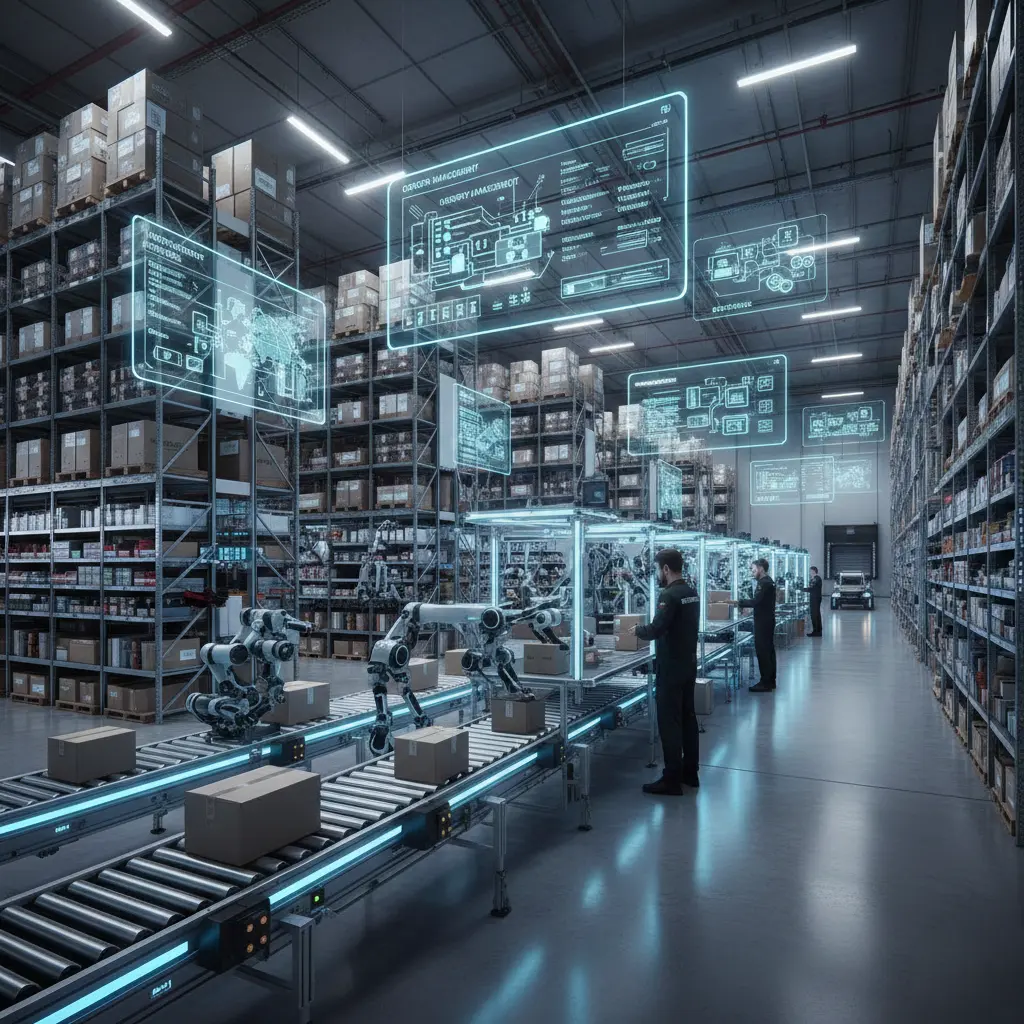
The rapid growth of eCommerce has transformed how consumers shop and how businesses operate. Behind every successful online order lies a complex system designed to store, pick, pack, and ship products efficiently. At the heart of this system are fulfillment centers, which play a critical role in ensuring fast delivery, customer satisfaction, and scalable growth. Understanding the role of fulfillment centers in eCommerce is essential for brands looking to compete in an increasingly demanding digital marketplace.
Understanding Fulfillment Centers in eCommerce
A fulfillment center is a specialized facility that manages inventory storage, order processing, packaging, and shipping for online retailers. Unlike traditional warehouses that focus mainly on storage, fulfillment centers are optimized for speed, accuracy, and high-volume order handling. They integrate technology, labor, and logistics to ensure that customers receive their orders on time.
What Makes Fulfillment Centers Different from Warehouses
While warehouses store products in bulk, eCommerce fulfillment centers are dynamic environments. They are designed for rapid order turnover, real-time inventory tracking, and seamless integration with online sales platforms. This distinction allows eCommerce businesses to meet customer expectations for same-day or next-day delivery.
How Fulfillment Centers Support eCommerce Growth
Fulfillment centers act as the operational backbone of online retail. As order volumes increase, these centers help businesses scale without sacrificing efficiency or service quality.
Inventory Management and Storage Optimization
One of the most important roles of fulfillment centers is inventory management. Advanced software systems track stock levels in real time, reducing the risk of overstocking or stockouts. Strategic storage layouts also optimize space, enabling faster picking and packing processes.
Faster Order Processing and Shipping
Speed is a key competitive advantage in eCommerce. Fulfillment centers streamline order processing through automation and optimized workflows. By positioning fulfillment centers closer to customers, businesses can reduce shipping times and costs, improving the overall customer experience.
The Impact of Fulfillment Centers on Customer Experience
Customer satisfaction is directly influenced by how efficiently orders are fulfilled. Fulfillment centers ensure accuracy, speed, and reliability, all of which contribute to positive brand perception.
Accuracy and Order Reliability
Modern fulfillment centers use barcode scanning, automated picking systems, and quality checks to minimize errors. Accurate order fulfillment builds trust and encourages repeat purchases, which are vital for long-term eCommerce success.
Returns Management and Reverse Logistics
Returns are a natural part of online shopping. Fulfillment centers handle reverse logistics, inspecting returned items, restocking sellable products, and processing refunds quickly. Efficient returns management enhances customer confidence and reduces operational losses.
Technology and Automation in Fulfillment Centers
Technology is a driving force behind the efficiency of fulfillment centers. Automation and data analytics enable eCommerce businesses to operate at scale while maintaining control.
Warehouse Management Systems and Data Integration
A robust warehouse management system connects fulfillment centers with eCommerce platforms, marketplaces, and shipping carriers. This integration provides visibility into inventory levels, order status, and delivery tracking, allowing businesses to make data-driven decisions.
Robotics and AI in eCommerce Fulfillment
Many fulfillment centers now use robotics, conveyor systems, and artificial intelligence to speed up operations. Automated picking robots and AI-powered demand forecasting reduce labor costs and improve accuracy, making fulfillment more cost-effective.
Cost Efficiency and Scalability Benefits
Operating an in-house fulfillment operation can be expensive and complex. Fulfillment centers offer a cost-efficient alternative, especially for small and medium-sized eCommerce businesses.
Reducing Operational Overhead
By outsourcing to third-party fulfillment centers, businesses eliminate the need for large warehouse spaces, staffing, and shipping negotiations. This model converts fixed costs into variable costs, allowing companies to pay only for the services they use.
Supporting Seasonal and Rapid Growth
eCommerce sales often fluctuate due to seasons, promotions, or viral trends. Fulfillment centers are built to handle volume spikes, ensuring consistent service during peak periods. This scalability enables businesses to grow without operational bottlenecks.
The Strategic Role of Fulfillment Centers in Global eCommerce
As eCommerce becomes increasingly global, fulfillment centers play a strategic role in cross-border selling and international expansion.
Enabling Multi-Location Fulfillment Networks
By leveraging multiple fulfillment centers across regions, eCommerce brands can store inventory closer to international customers. This reduces delivery times, lowers shipping costs, and helps businesses comply with local regulations.
Enhancing Competitive Advantage
Fast delivery, transparent tracking, and reliable service differentiate successful eCommerce brands from competitors. Fulfillment centers provide the infrastructure needed to compete with industry leaders and meet rising consumer expectations.
Choosing the Right Fulfillment Center for Your eCommerce Business
Selecting the right fulfillment partner is a critical decision that impacts cost, efficiency, and customer satisfaction.
Key Factors to Consider
Important factors include location, technology capabilities, integration options, pricing structure, and customer support. A fulfillment center that aligns with your business goals can become a long-term strategic partner rather than just a service provider.
Aligning Fulfillment Strategy with Brand Promise
Your fulfillment strategy should support your brand promise, whether that is ultra-fast delivery, eco-friendly packaging, or premium unboxing experiences. The right fulfillment center helps translate your brand values into operational excellence.
The Future of Fulfillment Centers in eCommerce
The role of fulfillment centers will continue to evolve as consumer expectations rise and technology advances. Innovations such as drone delivery, predictive shipping, and sustainable logistics will further redefine eCommerce fulfillment.
In conclusion, the role of fulfillment centers in eCommerce goes far beyond storing and shipping products. They enable scalability, enhance customer experience, reduce costs, and provide a competitive edge in a crowded market. As eCommerce continues to grow, fulfillment centers will remain a cornerstone of successful online retail strategies.