
Tag: Logistics Networks

  • The Role of Technology in Modern Warehousing

    The Role of Technology in Modern Warehousing

    The global supply chain has changed significantly over the last decade, driven by eCommerce growth, consumer expectations for fast shipping, and rising operational costs. These pressures have pushed companies to adopt smarter systems and digital tools to keep up. Technology in modern warehousing isn’t just a convenience—it’s a necessity for survival.

    Why Technology Matters in Today’s Warehouses

    Traditional warehousing methods can no longer meet the demands of modern logistics. Manual processes slow down operations, increase error rates, and create inefficiencies that cost businesses time and money. Technology offers solutions that enhance productivity, improve accuracy, reduce labor burdens, and provide real-time insights.

    Key Benefits of Technology in Modern Warehousing

    • Faster order fulfillment
    • Higher inventory accuracy
    • Improved worker safety
    • Lower operational costs
    • Enhanced decision-making with real-time data
    • Streamlined workflows from receiving to shipping

    These advantages highlight why digital transformation is at the core of warehouse success.

    How Warehouse Automation Is Revolutionizing Operations

    Automation is one of the biggest drivers of change in modern warehousing. Automated solutions help warehouses complete tasks more efficiently while reducing errors caused by manual labor.

    Automated Storage and Retrieval Systems ASRS

    ASRS systems use machines to automatically store and retrieve goods. These systems increase space utilization, speed up picking time, and minimize human error. Instead of workers walking long distances, robotic shuttles bring items directly to them.

    Autonomous Mobile Robots AMRs

    AMRs are intelligent robots that move around a warehouse without human intervention. They transport goods, assist with picking, and improve workflow efficiency. Their ability to navigate changing environments makes them more flexible than traditional automated guided vehicles.

    Conveyor and Sorting Automation

    Conveyor belts and automated sorting machines help warehouses process large volumes of orders quickly. These systems support eCommerce operations where fast, error-free delivery is essential.

    Artificial Intelligence AI Powering Smarter Warehousing

    AI plays a key role in modern warehousing by enhancing decision-making, forecasting demand, and optimizing workflows.

    AI-Driven Inventory Management

    AI software can predict inventory needs, reduce stockouts, and prevent overstock situations. It analyzes purchasing habits, seasonal trends, and supply chain data to ensure businesses always have the right products at the right time.

    Intelligent Demand Forecasting

    AI tools use historical data and market insights to forecast demand accurately. This helps companies plan staffing, inventory, and shipping schedules more effectively.

    AI in Quality Control

    AI-powered scanners and cameras inspect products for defects faster and more accurately than manual checks. This technology reduces returns and enhances customer satisfaction.

    The Power of Data Analytics in Warehouse Optimization

    Data analytics transforms raw information into actionable insights, enabling warehouse managers to make smarter decisions.

    Real-Time Tracking and Monitoring

    Modern warehouses use sensors, RFID tags, and IoT devices to track inventory movement and equipment conditions. This level of visibility helps prevent lost or misplaced items and ensures operations run smoothly.

    Performance Metrics and KPIs

    Analytics tools track key performance indicators such as picking accuracy, order lead time, and workforce productivity. Managers can use this data to identify bottlenecks and implement improvements.

    Predictive Maintenance

    Using IoT sensors, warehouses can predict when equipment needs maintenance before it breaks down. This reduces downtime, cuts repair costs, and keeps operations running efficiently.

    How Robotics Is Enhancing Efficiency and Safety

    Robotics is no longer futuristic—it’s a standard part of modern warehousing.

    Picking and Packing Robots

    Robotic arms and pickers handle repetitive tasks like selecting products from shelves and packing boxes. These robots work faster than humans and reduce the risk of injuries from repetitive movements.

    Automated Palletizers and Depalletizers

    These machines stack and unstack pallets with precision, eliminating the need for heavy lifting and improving worker safety.

    Collaborative Robots Cobots

    Cobots work alongside humans, assisting with tasks that require strength, precision, or repetition. They improve efficiency without eliminating the human workforce.

    Cloud Technology and Warehouse Management Systems WMS

    Cloud-based warehouse management systems play a critical role in connecting all aspects of modern warehousing.

    Centralized Real-Time Control

    A cloud-based WMS gives managers real-time visibility into inventory levels, order status, and worker productivity—accessible from anywhere.

    Improved Scalability

    As businesses grow, cloud systems scale easily without large hardware investments.

    Integration With Other Technologies

    WMS platforms integrate seamlessly with robotics, IoT devices, analytics tools, and eCommerce platforms, creating a unified ecosystem.

    The Rise of IoT in Smart Warehousing

    The Internet of Things is one of the most influential technologies in modern warehousing.

    IoT Sensors for Inventory and Equipment

    Sensors monitor everything from temperature and humidity to product movement and machine health, ensuring quality control and safety.

    Connected Forklifts and Vehicles

    IoT-enabled forklifts track usage, send safety alerts, and help prevent accidents.

    Environmental Monitoring

    Sensors maintain ideal conditions for temperature-sensitive products like food or pharmaceuticals.

    How Technology Improves Warehouse Safety

    Modern warehouses use technology to create a safer environment for workers.

    Wearable Tech

    Devices like smart helmets and vests monitor worker health and provide alerts in dangerous situations.

    Automated Safety Systems

    Robots reduce the need for hazardous tasks like climbing ladders or moving heavy inventory.

    Collision Avoidance Sensors

    Sensors on vehicles and machinery help prevent accidents and workplace injuries.

    The Future of Technology in Modern Warehousing

    Looking ahead, the future of warehousing will be driven by even smarter innovations.

    Emerging Technologies to Watch

    • Drone inventory scanning
    • Fully autonomous warehouses
    • Advanced robotics that mimic human dexterity
    • Augmented reality for training and picking
    • Blockchain for transparent supply chain tracking

    These advancements will continue shaping warehouses into more efficient, intelligent, and resilient operations.

    Final Thoughts: Technology Is the Backbone of Modern Warehousing

    Technology has transformed modern warehousing from traditional storage spaces into dynamic, data-driven, automated ecosystems. Businesses that embrace warehouse automation, AI, data analytics, robotics, IoT, and cloud-based systems position themselves for long-term success in an increasingly competitive market.

    The role of technology in modern warehousing is only growing—and companies willing to innovate will lead the future of logistics, productivity, and customer satisfaction.
  • Hyper-local & Same-Day Delivery: How Logistics Networks Are Evolving for India’s Tier 2/3 Cities

    Hyper-local & Same-Day Delivery: How Logistics Networks Are Evolving for India’s Tier 2/3 Cities

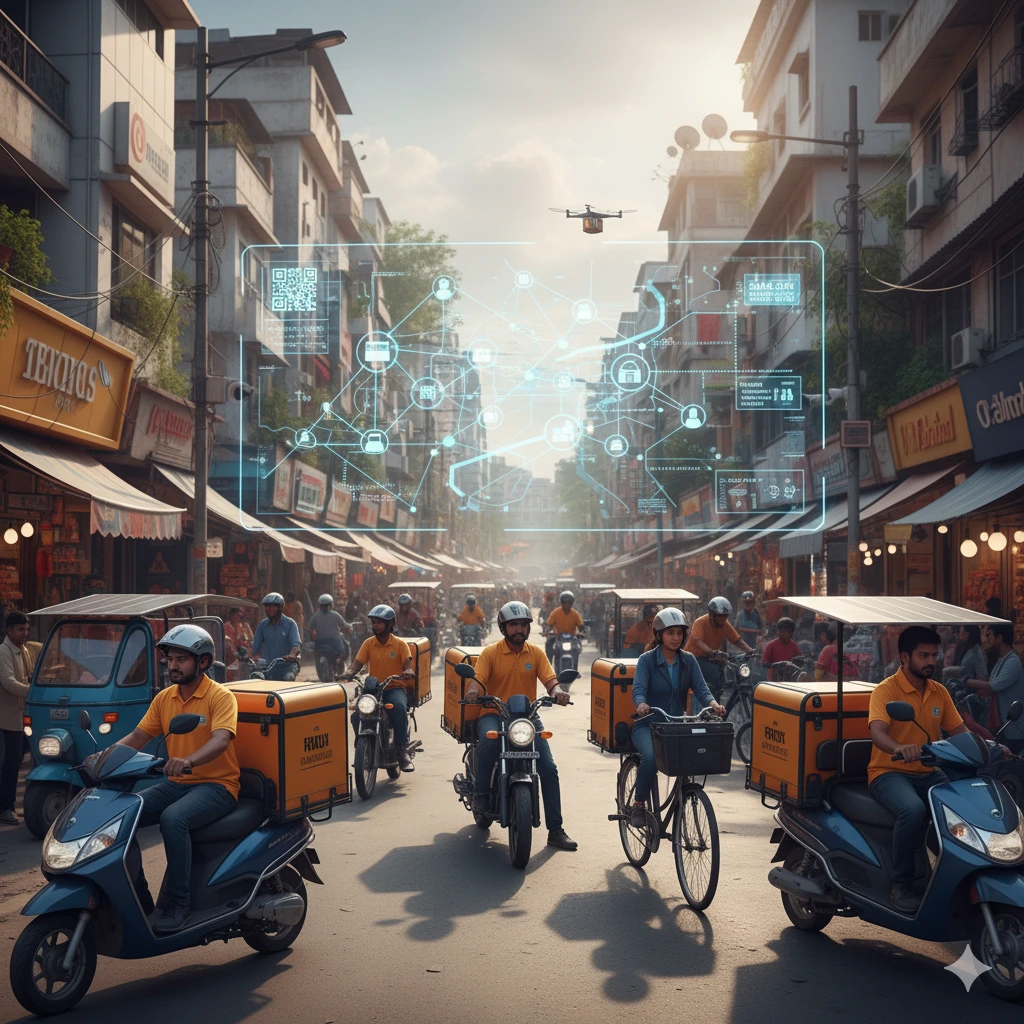
    India’s digital commerce landscape is undergoing a massive transformation, and one of the most significant shifts is happening beyond the big metros. As internet access, smartphone adoption, and consumer aspirations grow in Tier 2 and Tier 3 cities, logistics networks are adapting rapidly to deliver faster, smarter, and more locally relevant solutions. The rise of hyper-local and same-day delivery models is reshaping how products reach consumers in these emerging urban hubs, redefining the meaning of convenience and efficiency.

    The Rise of Tier 2 and Tier 3 Cities in India’s E-commerce Growth

    In the past, India’s e-commerce and delivery ecosystems were primarily focused on metros like Delhi, Mumbai, and Bengaluru. However, the narrative has shifted dramatically. Today, smaller cities such as Indore, Lucknow, Coimbatore, and Guwahati are emerging as powerful growth engines. According to recent market reports, nearly 60% of new e-commerce customers now come from Tier 2 and Tier 3 regions. This expansion has created immense opportunities—and challenges—for logistics networks that must balance reach, cost, and speed.

    Changing Consumer Behavior and Expectations

    Consumers in Tier 2/3 cities are no longer content with waiting several days for online orders. Exposure to faster delivery in metros and the influence of social media have raised expectations for same-day or next-day delivery. Shoppers now expect quick turnarounds for essentials, fashion, electronics, and groceries alike. This shift is pushing logistics providers to re-engineer their supply chains and adopt hyper-local delivery models that bring warehouses and fulfillment centers closer to customers.

    What Is Hyper-local Delivery and Why It Matters

    Hyper-local delivery refers to the process of fulfilling orders within a small geographic area—often within a few kilometers—using local inventory hubs or partner stores. The goal is to deliver products in a few hours or even minutes, depending on the category. This model reduces delivery times, minimizes transportation costs, and improves customer satisfaction.

    For Tier 2 and Tier 3 cities, the hyper-local model is particularly valuable because it allows small retailers and local entrepreneurs to collaborate with e-commerce platforms. Instead of relying on distant fulfillment centers, local shops can act as micro-warehouses, enabling faster order processing and reducing last-mile challenges.

    The Power of Same-Day Delivery

    Same-day delivery is fast becoming a key differentiator for brands in the competitive e-commerce landscape. Companies that can guarantee product delivery within hours gain a strong edge in customer loyalty and trust. However, implementing same-day delivery across Tier 2 and Tier 3 cities requires a combination of local partnerships, route optimization, and technology-driven logistics management.

    Technology Driving the Transformation

    One of the major enablers of this logistics evolution is technology. From AI-powered demand forecasting to real-time tracking and automated warehousing, logistics networks are becoming more intelligent and efficient.

    Data Analytics and Predictive Demand

    Advanced analytics tools help logistics providers understand consumer buying patterns in different regions. For instance, a delivery company in Jaipur can use data to predict peak demand for seasonal products like festive wear or electronics. This foresight enables them to stock local fulfillment centers efficiently, reducing delivery times and preventing stockouts.

    Route Optimization and Smart Logistics

    AI and machine learning algorithms are transforming last-mile delivery through route optimization. Delivery partners can now navigate the most efficient paths, avoiding traffic or road issues common in smaller cities. Additionally, GPS-based tracking and digital proof of delivery enhance transparency and trust for both customers and sellers.

    Drone and EV Deliveries on the Horizon

    Sustainability and innovation are also influencing logistics strategies. Companies are experimenting with electric vehicles (EVs) for short-distance deliveries to reduce carbon emissions. Some startups are even piloting drone deliveries in semi-urban and rural belts, aiming to overcome infrastructure challenges and bring futuristic solutions to local communities.

    Challenges in Expanding Hyper-local Delivery to Tier 2/3 Markets

    Despite the immense potential, scaling hyper-local and same-day delivery in smaller cities is not without obstacles.

    Infrastructure and Connectivity Gaps

    Many Tier 2/3 cities still face inconsistent road infrastructure and limited warehousing options. Poor connectivity between city centers and outskirts can delay last-mile fulfillment. To tackle this, logistics providers are investing in micro-fulfillment centers, local partnerships, and better route planning.

    Skilled Workforce and Technology Adoption

    Recruiting and training local delivery personnel remain ongoing challenges. Moreover, smaller retailers often lack the digital infrastructure to integrate seamlessly with large e-commerce platforms. Bridging this gap through tech enablement and capacity-building programs is essential for long-term success.

    Balancing Speed with Cost Efficiency

    While consumers demand faster delivery, cost sensitivity remains high in Tier 2/3 markets. Logistics providers must find innovative ways to optimize resources—using hybrid delivery models that combine local retail networks with regional warehouses to maintain profitability without compromising speed.

    The Role of Startups and Regional Logistics Players

    India’s logistics landscape is witnessing a surge of innovative startups focused on hyper-local and same-day delivery for Tier 2 and Tier 3 markets. These players are leveraging community networks, gig economy models, and tech platforms to connect local sellers directly with nearby customers.

    For instance, several regional delivery startups are partnering with neighborhood kirana stores, turning them into last-mile hubs. This not only accelerates delivery but also empowers small businesses by giving them access to digital marketplaces and steady income streams.

    Government and Policy Support for Emerging Logistics Networks

    The Indian government’s push toward Digital India, PM GatiShakti, and National Logistics Policy is playing a crucial role in enabling efficient logistics ecosystems in smaller cities. Infrastructure investments in roads, warehousing, and digital connectivity are helping logistics companies reach remote areas with improved speed and reliability.

    Additionally, initiatives to promote electric mobility and digital payment systems are streamlining operations for logistics startups, making hyper-local delivery models more scalable and sustainable.

    The Future of Hyper-local & Same-Day Delivery in Bharat

    Looking ahead, the evolution of logistics in India’s Tier 2 and Tier 3 cities will be defined by innovation, collaboration, and inclusivity. The fusion of technology, local networks, and sustainability will create an ecosystem where every consumer—regardless of location—can enjoy the same speed and convenience as metropolitan shoppers.

    As more e-commerce companies localize their strategies and leverage data-driven insights, hyper-local and same-day delivery will no longer be a premium service—it will become the new standard. The next wave of India’s digital commerce revolution will be powered not just by technology, but by the collective effort to connect every city, every street, and every consumer to the digital economy.