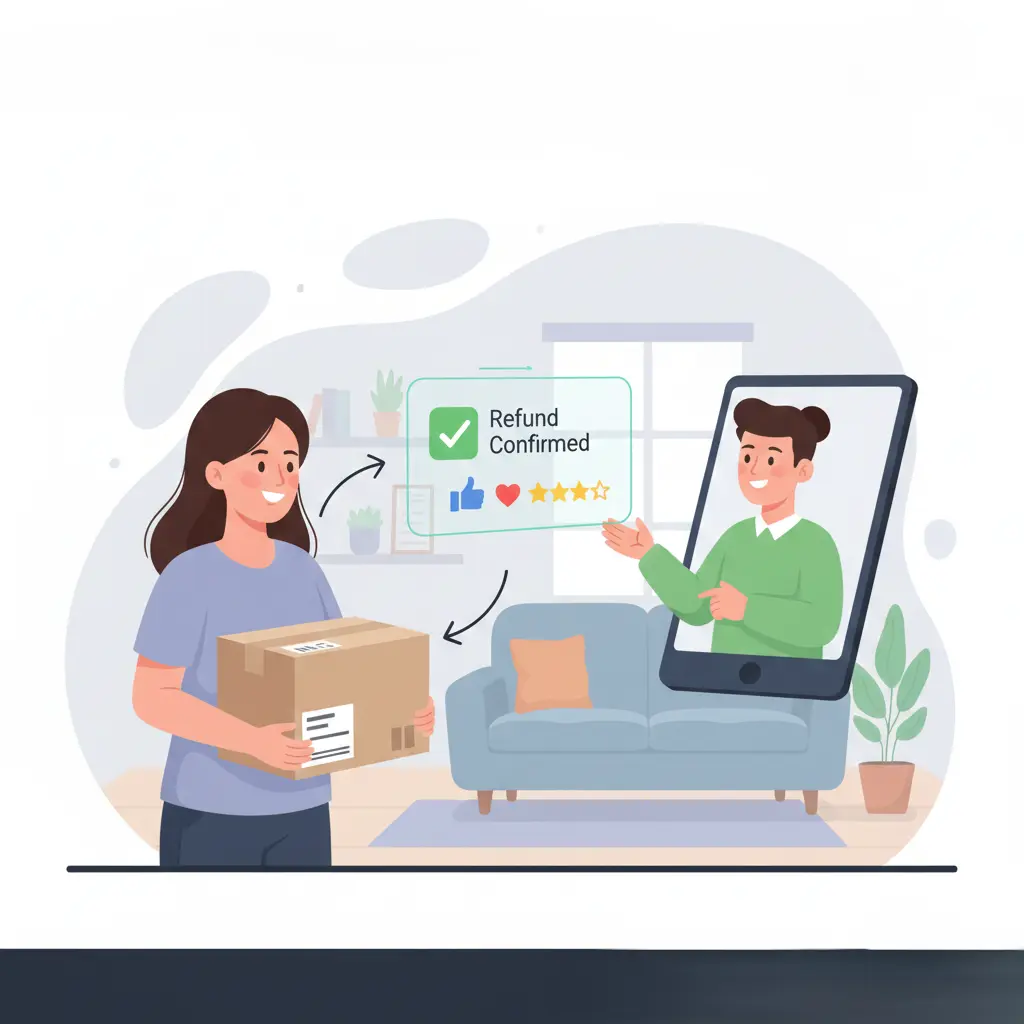
Introduction: Turning Returns Into Relationship Builders
Product returns are an unavoidable part of modern commerce, especially in ecommerce-driven markets. However, the way a brand handles returns can determine whether a customer leaves frustrated or stays loyal. Managing Returns Without Losing Customers is not just about logistics; it is about trust, transparency, and customer experience. A well-planned return strategy can strengthen relationships instead of damaging them.
Why Returns Matter More Than Ever
Customers today expect flexibility, convenience, and fairness. Complicated or unclear return policies often result in negative reviews and lost repeat business.
The Impact of Poor Return Experiences
When return processes are slow or confusing, customers associate that frustration with the brand itself. On the other hand, Managing Returns Without Losing Customers helps businesses protect brand reputation and maintain long-term value, even when a purchase does not work out.
Designing a Customer-Centric Return Policy
A clear and fair return policy sets expectations before the purchase is made.
Keep Policies Simple and Transparent
Easy-to-understand return rules reduce anxiety and build confidence. Clear timelines, eligibility criteria, and refund methods show that the brand values honesty. This clarity plays a critical role in Managing Returns Without Losing Customers by minimizing misunderstandings.
Offer Flexible Return Options
Multiple return methods such as store drop-offs, pickup services, or digital return labels provide convenience. Flexibility shows empathy for customer needs and encourages repeat purchases.
Streamlining the Returns Process
Speed and Communication Matter
Fast processing and regular updates reassure customers that their issue is being handled. Automated notifications and tracking links help reduce uncertainty.
Efficient workflows are essential for Managing Returns Without Losing Customers, as delays often lead to dissatisfaction and support complaints.
Empower Customer Support Teams
Well-trained support teams can turn a return request into a positive interaction. Empathy, quick resolution, and problem-solving skills make customers feel valued rather than blamed.
Using Returns as a Learning Opportunity
Analyze Return Data
Returns provide valuable insights into product quality, sizing issues, or misleading descriptions. Tracking reasons for returns helps brands improve products and reduce future issues.
By learning from data, businesses strengthen Managing Returns Without Losing Customers while improving overall operations.
Improve Product Content and Expectations
Accurate descriptions, size guides, and visuals reduce unnecessary returns. When customers know exactly what to expect, satisfaction increases.
Building Loyalty After a Return
Incentives and Follow-Up Engagement
Offering discounts, store credits, or personalized recommendations after a return can encourage customers to give the brand another chance.
These gestures reinforce Managing Returns Without Losing Customers by showing appreciation beyond the transaction.
Focus on Long-Term Relationships
A return does not have to signal the end of a customer journey. Thoughtful follow-ups and proactive engagement turn short-term setbacks into long-term loyalty.
Technology’s Role in Return Management
Automation tools, return management software, and integrated CRM systems simplify the process for both customers and internal teams. Technology reduces errors, speeds up refunds, and supports Managing Returns Without Losing Customers at scale.
Conclusion: From Cost Center to Competitive Advantage
Returns are often seen as a loss, but they can be a powerful opportunity when handled correctly. Managing Returns Without Losing Customers requires a balance of efficiency, empathy, and transparency. Brands that invest in customer-friendly return strategies not only reduce churn but also build trust, loyalty, and long-term growth. When customers feel respected during a return, they are far more likely to come back.