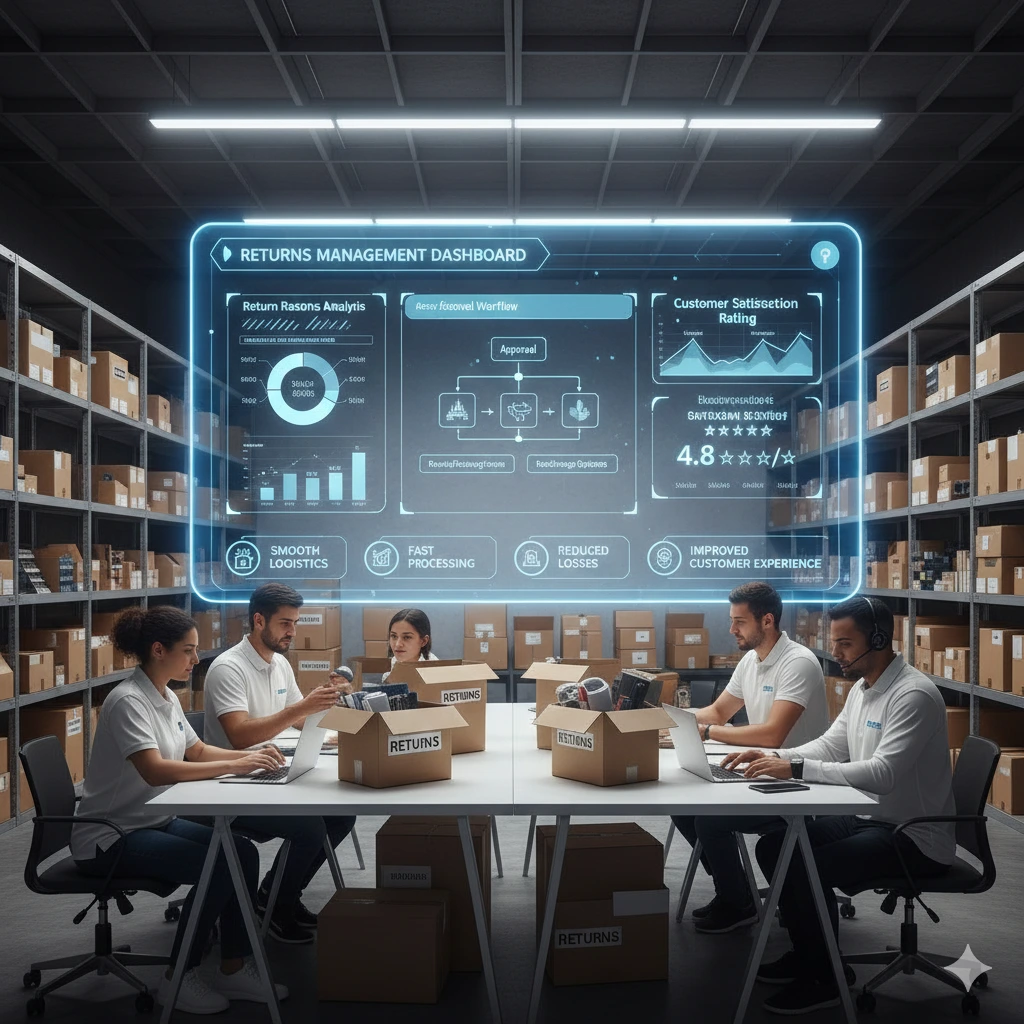
Creating an efficient and customer-friendly returns solution is essential for any e-commerce business aiming to improve customer satisfaction, retain long-term buyers, and streamline operations. As online shopping grows, customers expect a smooth and transparent returns process that makes sending back products easy and stress-free. A well-designed returns strategy doesn’t just reduce frustration—it strengthens brand trust and can even boost repeat sales. Here’s how to create an effective returns solution that enhances both customer experience and business efficiency.
Why an Effective Returns Solution Matters
A strong returns management system helps businesses maintain profitability, reduce operational costs, and build customer loyalty. Studies consistently show that customers are more likely to buy again when the return experience is easy. A clear, accessible, and fast return process reflects professionalism and reliability—two essential qualities in today’s competitive e-commerce environment.
1. Develop a Clear and Transparent Returns Policy
Your returns solution starts with a well-written and easy-to-understand returns policy. Customers should know exactly what to expect before making a purchase.
What Your Policy Should Include
- Return eligibility (time limits, product conditions)
- Exchange or refund options
- Shipping costs and responsibilities
- Processing times
A transparent returns policy reduces confusion and prevents customer disputes. Make sure it is prominently displayed on your website, product pages, and checkout pages.
2. Simplify the Customer Experience
An effective returns solution focuses on convenience. If your return process is complicated, customers are less likely to shop with you again.
Ways to Improve Customer Convenience
- Offer pre-paid return labels
- Provide step-by-step return instructions
- Allow customers to initiate returns through their account dashboard
- Offer multiple return methods (drop-off points, courier pickups, etc.)
A seamless process enhances brand loyalty and encourages repeat purchases.
3. Automate Your Returns Management System
Automation is essential for handling returns efficiently. Modern returns management software can help you process returns faster while reducing manual work.
Benefits of Automation
- Real-time tracking updates
- Reduced errors
- Faster refund or exchange approvals
- Centralized inventory and order data
Automation makes your returns solution scalable as your business grows.
4. Offer Multiple Refund and Exchange Options
Customers value flexibility. Offering different solutions increases satisfaction and reduces friction in the return process.
Effective Options Include
- Full refunds
- Store credit
- Product exchanges
- Upgrades to different items
Providing variety empowers customers and improves their overall return experience.
5. Use Return Merchandise Authorization (RMA) Systems
An RMA system helps ensure that returns are processed in an organized and efficient manner. It assigns unique tracking numbers to each return, making it easier to monitor progress and validate items.
RMA Benefits
- Prevents unauthorized returns
- Helps track return reasons
- Enhances inventory accuracy
- Supports better customer service
RMAs keep your operations structured and reduce returns processing time.
6. Analyze Return Data to Identify Problems
Every return provides valuable insights. Tracking the reasons behind returns can help you identify trends and make strategic improvements.
Key Insights to Analyze
- Defective or damaged items
- Incorrect sizing or product descriptions
- Customer dissatisfaction with product quality
- Packaging issues
Using returns analytics, you can pinpoint weak areas in your supply chain, product listings, or customer communication.
7. Improve Packaging and Delivery Accuracy
Many returns happen because of preventable issues like damaged products or incorrect items. Strengthening your fulfillment process reduces return rates and costs.
Solutions Include
- Durable packaging
- Clear product labeling
- Quality control checks
- Accurate picking and packing systems
A reliable fulfillment process leads to fewer headaches for both your business and your customers.
8. Offer a Free or Low-Cost Returns Option
Customers are more likely to buy when the risk is low. While offering free returns may incur upfront costs, it often leads to increased sales and customer loyalty.
Benefits of Free or Low-Cost Returns
- Higher conversion rates
- Increased trust and confidence
- More repeat purchases
- Reduced return friction
If full free returns aren’t possible, consider offering them selectively—such as for exchanges or members of a loyalty program.
9. Communicate Clearly Throughout the Process
Customers want updates on their return status. Clear communication prevents uncertainty and improves customer experience.
Communication Touchpoints
- Return request confirmation
- Shipping instructions
- Package tracking updates
- Refund or exchange approval notifications
Simple and consistent communication builds trust throughout the returns journey.
10. Make Returns Environmentally Friendly
Consumers today care about sustainability. Implementing eco-friendly returns solutions improves brand reputation and reduces waste.
Eco-Friendly Practices
- Encourage exchanges over refunds
- Provide paperless return options
- Reuse packaging materials
- Partner with green logistics providers
Sustainability appeals to modern shoppers and creates a positive brand image.
Final Thoughts
Knowing how to create an effective returns solution is vital for improving customer satisfaction, reducing operational costs, and enhancing long-term business success. By building a transparent policy, automating your return processes, analyzing return data, and offering flexible options, you create a returns system that benefits both your business and your customers. A smooth returns experience encourages trust, loyalty, and repeat sales—making it a critical component of any successful e-commerce strategy.