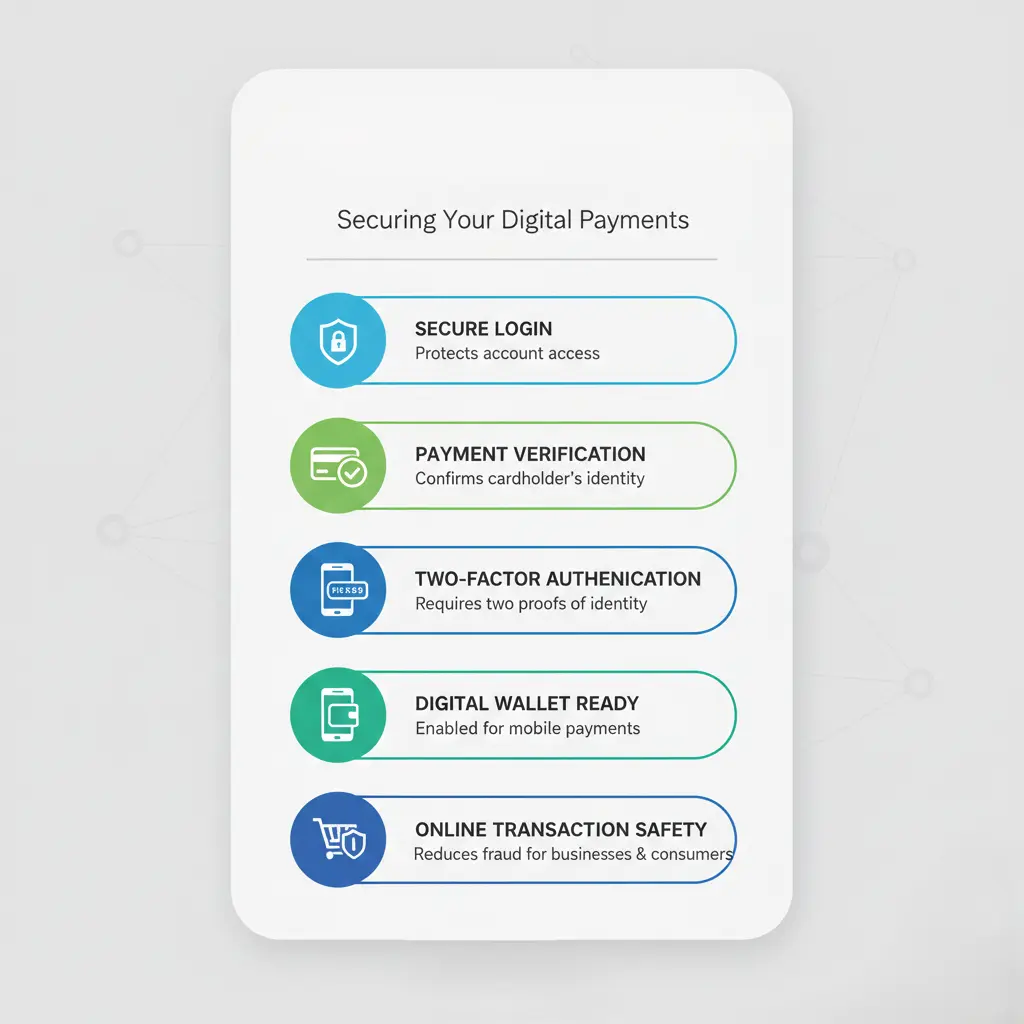
Strong Customer Authentication, or SCA, is a key requirement in the world of digital payments, designed to make online transactions safer and reduce fraud. If you run an online business or handle e-commerce payments, understanding SCA is critical. Here are 5 essential things you need to know about SCA and how it impacts your business.
1. What is SCA
SCA is a regulation introduced under the European Union’s Payment Services Directive 2 (PSD2). It requires payment service providers to authenticate online transactions using at least two independent factors from the following categories: something the customer knows (like a password), something the customer has (like a phone or hardware token), or something the customer is (like a fingerprint or facial recognition). This multi-factor authentication helps reduce unauthorized transactions and increase trust in online payments.
2. When SCA Applies
SCA applies to most electronic payments within the European Economic Area (EEA). This includes credit card payments, online banking transactions, and mobile payments. Some transactions, like recurring payments of the same amount to the same merchant or low-value transactions, may be exempt from SCA, but businesses should check the rules carefully to remain compliant.
3. Impact on Online Businesses
For online merchants, SCA changes the checkout experience. Payment flows now require customers to verify their identity, which can introduce friction if not implemented properly. Businesses need to ensure that their payment gateways and platforms are SCA-compliant, or risk failed transactions, lost revenue, and penalties. Many modern payment providers, including Stripe and PayPal, have built-in solutions to handle SCA automatically.
4. Benefits of SCA
While SCA may seem like an extra step for customers, it provides clear benefits. Strong authentication significantly reduces fraud and chargebacks, increases customer trust, and protects both businesses and consumers. Implementing SCA properly can actually improve conversion rates by providing a safer and more reliable payment experience.
5. How to Prepare for SCA
To comply with SCA, businesses should review their payment flows, work with payment providers that support SCA, and educate their customers about the authentication process. Testing checkout experiences, using exemptions where applicable, and staying up-to-date with PSD2 guidance are essential steps. Proper preparation ensures a smooth transition and minimizes disruptions to revenue.
Final Thoughts
SCA is more than just a regulatory requirement; it’s an important step toward safer online commerce. By understanding when SCA applies, how it affects transactions, and how to prepare for it, businesses can protect their customers and maintain trust. Compliance with SCA not only helps prevent fraud but also strengthens the overall e-commerce experience.