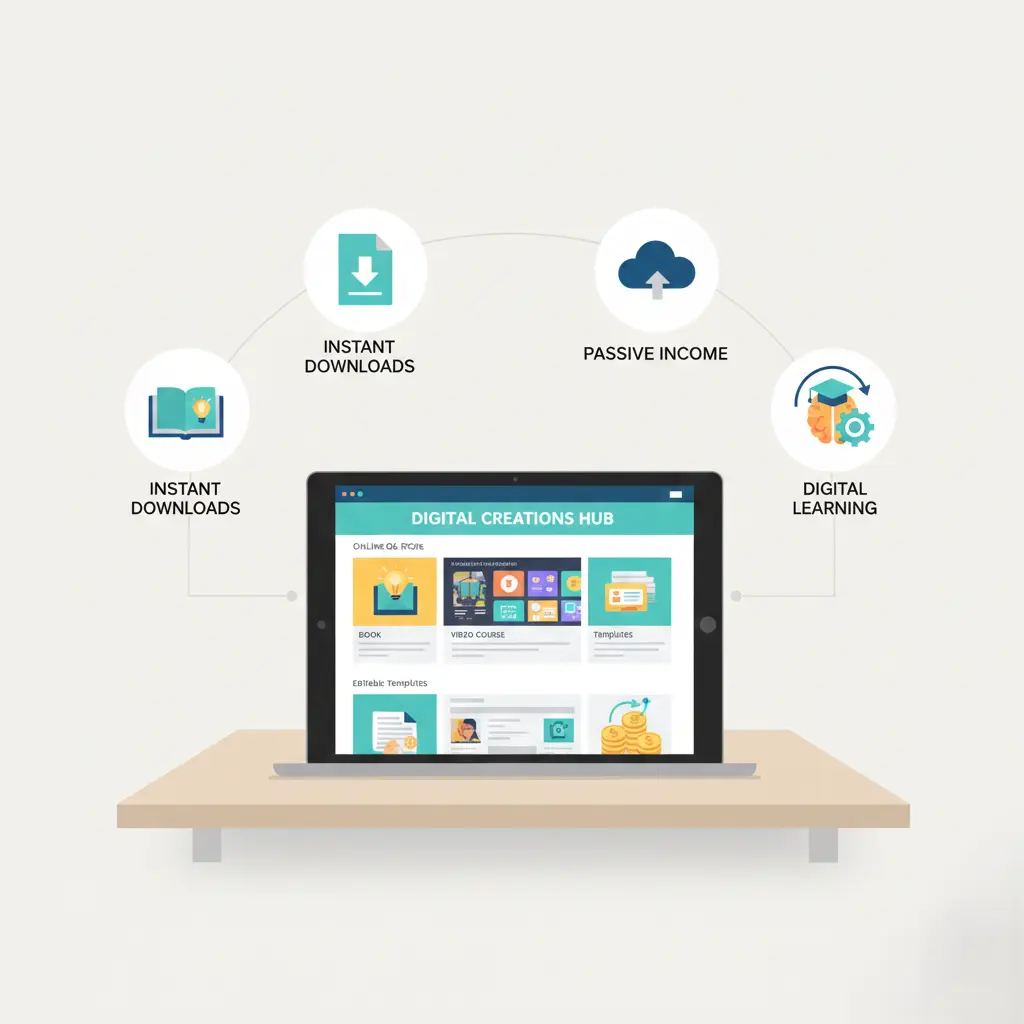
Selling digital products has become one of the most lucrative ways to build an online business in 2026. Entrepreneurs, freelancers, and creators are leveraging their knowledge and skills to sell courses, eBooks, and templates to a global audience. Digital products offer low overhead costs, high scalability, and passive income potential, making them an ideal choice for anyone looking to monetize expertise. In this guide, we will explore how to sell digital products effectively and build a profitable online business.
Why Selling Digital Products Is Profitable
Selling digital products provides multiple advantages over physical products. First, digital products require no inventory or shipping costs, reducing startup expenses. Second, they are infinitely scalable; one eBook or online course can be sold to thousands of customers without extra production costs. Third, digital products allow you to position yourself as an authority in your niche, increasing brand value and trust. Whether you choose courses, eBooks, or templates, the key is to identify a problem your audience needs to solve.
Types of Digital Products to Sell
Digital products come in many forms, but the most popular and profitable options include courses, eBooks, and templates. Each type has unique benefits and strategies for selling.
Online Courses
Online courses are highly profitable because they offer in-depth value to customers. Platforms like Teachable, Thinkific, and Kajabi make it easy to host and sell courses without technical expertise. When creating a course, focus on actionable content that solves specific problems. Video tutorials, worksheets, and quizzes increase engagement and perceived value. Marketing strategies for courses include social media campaigns, email marketing, and webinars to showcase your expertise.
eBooks
eBooks are one of the easiest digital products to create and sell. They are perfect for sharing knowledge, tips, or guides in a specific niche. eBooks can be sold on platforms like Amazon Kindle, Gumroad, or your own website. To maximize sales, create a compelling title, professional design, and include actionable takeaways. Marketing eBooks involves leveraging SEO, email newsletters, and content marketing to drive traffic to your sales page.
Templates
Templates are digital products designed to save time and improve efficiency for users. Examples include social media templates, business plans, resume templates, and design mockups. Templates are highly attractive because they offer immediate value with minimal effort required from the customer. Selling templates works well on marketplaces like Etsy, Creative Market, or via your website. Highlighting customization options and ease of use can significantly increase conversion rates.
Steps to Start Selling Digital Products
Selling digital products successfully requires a clear strategy. Here’s a step-by-step guide to help beginners launch their first product.
Step 1: Identify Your Niche
Your niche defines your target audience and the type of product you should create. Focus on areas where you have expertise or unique insight. Conduct market research to understand customer pain points and identify gaps in existing digital products. Popular niches include online marketing, personal development, graphic design, and productivity tools.
Step 2: Create High-Quality Digital Products
Quality is the cornerstone of a successful digital product. For courses, create structured modules with videos, worksheets, and interactive elements. For eBooks, write clear, actionable content with a professional design and formatting. For templates, ensure usability, aesthetic appeal, and customization options. High-quality products not only attract more sales but also generate positive reviews and repeat customers.
Step 3: Choose a Selling Platform
Choosing the right platform is crucial for selling digital products. Options include online marketplaces, self-hosted websites, and specialized platforms like Teachable or Gumroad. Online marketplaces offer exposure to a larger audience, while self-hosted websites give you full control over branding and pricing. Evaluate your goals and audience to decide the best platform for your product.
Step 4: Price Your Digital Product
Pricing digital products requires balancing value perception with affordability. Research competitor pricing and consider the depth of your content. Courses often sell for higher prices due to their comprehensive nature, while eBooks and templates typically have lower price points. Offering bundle deals, discounts, or tiered pricing can increase sales and customer satisfaction.
Step 5: Build a Sales Funnel
A sales funnel guides potential customers from awareness to purchase. Start with free content like blog posts, webinars, or sample chapters to build trust and demonstrate value. Use email marketing campaigns to nurture leads, provide product insights, and offer limited-time promotions. A well-optimized sales funnel can significantly boost conversion rates and revenue.
Step 6: Promote Your Product
Marketing is key to selling digital products. Use multiple channels, including social media, SEO, email marketing, and influencer collaborations. Content marketing is particularly effective; blog posts, tutorials, and videos can drive organic traffic and establish credibility. Paid advertising on platforms like Facebook, Instagram, or Google Ads can accelerate growth, especially for new products.
Step 7: Collect Feedback and Improve
Customer feedback helps improve product quality and boosts sales. Encourage reviews, testimonials, and suggestions. Analyze purchase behavior and engagement metrics to identify areas for improvement. Updating your products based on feedback ensures continued relevance and long-term profitability.
Common Mistakes to Avoid When Selling Digital Products
Even experienced entrepreneurs make mistakes when selling digital products. Avoid these pitfalls to maximize your chances of success:
Skipping Market Research
Creating a product without understanding customer needs often leads to low sales. Always validate ideas through surveys, pre-sales, or competitor analysis.
Ignoring Marketing
A great product alone won’t sell itself. Effective marketing strategies are essential to attract customers and build trust.
Overcomplicating the Product
Keep digital products simple and focused on solving a specific problem. Overly complex products can overwhelm customers and reduce conversions.
Neglecting Customer Support
Even digital products require support. Promptly addressing customer questions and issues improves satisfaction, reduces refunds, and encourages referrals.
Benefits of Selling Digital Products
Selling digital products offers numerous advantages:
- Low Startup Costs: No inventory or shipping costs.
- Passive Income: Products can be sold repeatedly without extra effort.
- Global Reach: Digital products can be sold worldwide.
- Flexibility: Work from anywhere and scale your business easily.
- Authority Building: Establish yourself as an expert in your niche.
Final Thoughts on Selling Digital Products
Selling digital products like courses, eBooks, and templates is one of the most profitable online business models in 2026. By choosing the right niche, creating high-quality products, and implementing effective marketing strategies, anyone can generate passive income and build a scalable business. Remember to prioritize customer value, continuously improve your products, and leverage multiple sales channels for maximum growth.
Whether you are a creator, freelancer, or entrepreneur, selling digital products provides a low-risk, high-reward opportunity to monetize knowledge and skills. Start today, and you could turn your expertise into a profitable online business.