Tag: social media

  • The 2026 Guide to Shopify

    The 2026 Guide to Shopify

    As eCommerce continues to accelerate, Shopify remains one of the most powerful and user-friendly platforms for building and scaling online businesses. In 2026, Shopify has advanced even further with smarter automation, AI-driven personalization, faster checkout experiences, and seamless integrations across digital channels. Whether you’re launching your first store or expanding globally, this 2026 guide to Shopify will walk you through the latest features, best practices, and strategies to grow a successful online brand.

    Why Shopify Is a Leading Platform in 2026

    Shopify continues to dominate because it offers simplicity, scalability, and an ecosystem designed for growth. With improved AI features, enhanced security, and high-performance infrastructure, Shopify has become more powerful than ever.

    Key Benefits

    easy-to-use interface
    fast and secure hosting
    thousands of apps and themes
    powerful checkout system
    multi-channel selling
    built-in SEO tools

    From small startups to global enterprises, Shopify provides everything needed to run an efficient and profitable eCommerce store.

    Setting Up Your Shopify Store in 2026

    Getting started with Shopify is easier than ever thanks to its intuitive setup and advanced onboarding tools.

    Choose the Right Shopify Plan

    Shopify now offers specialized 2026 plans tailored for beginners, subscription-based stores, wholesalers, and enterprise-level businesses. Select a plan that aligns with your goals, expected traffic, and inventory needs.

    Customize Your Store

    Pick a Shopify theme that matches your brand identity. In 2026, many themes come with AI-based customization that automatically adapts layouts for better engagement and conversions.

    Add Essential Pages

    Every professional store should include:
    About page
    Contact page
    FAQs
    Policies
    Shipping and returns

    With Shopify’s updated templates, these pages can be built in minutes.

    Must-Have Shopify Apps for 2026

    The Shopify App Store continues to expand, offering powerful tools for marketing, automation, analytics, and customer experience.

    AI and Automation Apps

    These tools power:
    personalized recommendations
    dynamic pricing
    smart email flows
    predictive inventory management

    Marketing and SEO Apps

    Apps help optimize:
    keywords, metadata, blog posts, and site speed
    ensuring your store ranks higher on search engines.

    Shopify Checkout Extensions

    2026 apps enhance checkout with one-click upsells, cross-sells, and accelerated payment options.

    Customer Service Apps

    AI chatbots, helpdesk systems, and live chat tools improve support and boost customer satisfaction.

    Designing a High-Converting Shopify Store

    A visually appealing and user-friendly design significantly impacts conversions.

    Focus on Store Layout

    Use clean designs, minimal menus, and clear navigation. Shopify’s updated drag-and-drop editor makes customization easier than ever.

    Optimize Product Pages

    Great product pages use:
    high-resolution images
    short videos
    3D models
    persuasive descriptions
    SEO-rich keywords

    Build Trust Instantly

    Add:
    customer reviews
    trust badges
    secure checkout indicators

    Social proof is essential for increasing sales.

    AI in Shopify: The 2026 Advantage

    Shopify’s AI ecosystem has grown significantly, giving merchants smarter insights and automation.

    Shopify Magic

    This AI-powered assistant helps create product descriptions, blog content, email campaigns, and more.

    Predictive Analytics

    Merchants now receive insights about:
    customer lifetime value
    purchase behavior
    inventory needs
    high-performing products

    Personalized Shopping Experiences

    AI tailors product suggestions, page layouts, and discounts based on customer behavior.

    Shopify Marketing Strategies for 2026

    To stand out in a competitive eCommerce world, you need effective marketing and visibility.

    Use Shopify’s Built-In SEO

    Optimize product titles, descriptions, and URLs using SEO keywords. Shopify’s 2026 SEO engine also checks pages for readability and keyword strength.

    Leverage Social Commerce

    Shopify integrates seamlessly with TikTok Shop, Instagram Shopping, Facebook Shops, YouTube Shopping, and emerging platforms. Selling directly through social media boosts visibility and conversions.

    Run Paid Ads

    Use Shopify’s ad integrations for Google, Meta, and TikTok. AI-driven bidding makes ads more efficient and increases ROI.

    Email and SMS Marketing

    Automated campaigns help recover abandoned carts, upsell customers, and nurture leads. Personalized messages result in higher engagement.

    Shipping, Fulfillment, and Inventory Management

    Shopify’s fulfillment tools have improved dramatically in 2026.

    Shopify Fulfillment Enhancements

    Merchants benefit from:
    real-time tracking
    automated label printing
    faster delivery times
    AI-powered order routing

    Inventory Management

    Shopify integrates with top warehouse and inventory apps to help you track stock across multiple channels.

    Enhancing Site Performance

    Your store’s speed affects both SEO and conversions.

    Best Practices for 2026

    compress images
    use the latest file formats
    limit unnecessary apps
    enable Shopify caching
    use accelerated checkout options

    Shopify’s 2026 lightning-fast infrastructure ensures excellent performance across all devices.

    Mobile Optimization for 2026

    With mobile shopping dominating, your Shopify store must deliver a seamless mobile experience.

    Key Mobile Features

    responsive themes
    sticky add-to-cart buttons
    mobile-friendly navigation
    tap-friendly layouts
    fast mobile checkout

    Shopify Analytics and Reporting

    2026 Shopify analytics give deeper insights than ever.

    What You Can Track

    traffic sources
    conversion rates
    top products
    customer segments
    marketing performance

    Visual dashboards make it easy to understand your store’s strengths and opportunities.

    Scaling Your Shopify Store

    As your business grows, Shopify makes scaling simple.

    Scaling Strategies

    expand globally with multi-currency options
    add wholesale features
    launch subscription models
    open marketplace integrations
    use headless commerce setups

    Shopify Plus offers enterprise-grade features for large-scale growth.

    Final Thoughts

    The 2026 Guide to Shopify shows how the platform has evolved into a complete, AI-powered eCommerce ecosystem that supports businesses at every stage. With its enhanced tools, flexible design, strong performance, and scalable features, Shopify remains one of the best platforms for building and growing an online store. By leveraging its automation, SEO, marketing tools, and advanced analytics, you can position your brand for long-term success in the digital marketplace.

  • How to Sell in the Fashion Industry

    How to Sell in the Fashion Industry

    The fashion industry is one of the most dynamic and competitive markets in the world. To succeed, businesses must not only design appealing products but also understand how to effectively sell fashion products in a way that attracts, engages, and retains customers. Whether you are an emerging designer, an e-commerce retailer, or a boutique owner, mastering the art of fashion sales strategies is crucial to growing your brand and increasing revenue.

    Understanding the Fashion Market

    Before you can successfully sell in the fashion industry, you need to understand the market and its trends. The fashion industry is heavily influenced by seasonality, consumer preferences, and cultural movements. Keeping up with the latest trends, knowing your target audience, and identifying niche markets are all key to developing a strong sales strategy.

    Key aspects to consider:

    • Consumer demographics and behavior
    • Market segments (luxury, fast fashion, sustainable fashion)
    • Seasonal trends and emerging styles
    • Competitive landscape

    Understanding these factors helps you craft a tailored approach to fashion sales that resonates with your customers.

    Building a Strong Brand Identity

    A powerful brand identity is essential to selling fashion products. Fashion consumers are drawn not just to clothing or accessories but also to the story and lifestyle behind a brand. Your brand should communicate your values, style, and unique selling proposition.

    To create a strong fashion brand:

    • Develop a distinctive logo, color palette, and design aesthetic
    • Craft a compelling brand story
    • Maintain consistent branding across all platforms, including social media, websites, and packaging
    • Showcase authenticity and transparency

    A recognizable brand identity helps your products stand out in a crowded fashion marketplace.

    Leveraging E-Commerce and Online Presence

    In today’s digital age, a robust online presence is essential for fashion sales. E-commerce allows brands to reach a global audience, increase visibility, and drive revenue.

    Key strategies for selling fashion online include:

    • Creating an intuitive and mobile-friendly e-commerce website
    • Utilizing high-quality product images and videos
    • Offering detailed product descriptions and sizing guides
    • Integrating user reviews and testimonials to build trust

    Additionally, leveraging social media platforms like Instagram, TikTok, and Pinterest allows fashion brands to showcase products, engage with followers, and drive traffic to their online stores.

    Understanding Your Target Audience

    Knowing your audience is critical for effective fashion sales strategies. Different consumers have distinct preferences, spending habits, and buying motivations. By analyzing data and conducting market research, you can tailor your products, messaging, and promotions to meet their needs.

    Tips for targeting the right audience:

    • Segment your customers by age, lifestyle, or buying behavior
    • Monitor trends in your niche market
    • Offer personalized recommendations and promotions
    • Use social listening to understand customer sentiment

    Understanding your audience ensures your fashion marketing efforts are more effective and conversions increase.

    Creating an Effective Fashion Sales Strategy

    To sell in the fashion industry successfully, you need a comprehensive sales strategy that covers product, pricing, placement, and promotion.

    Product strategy

    Ensure your products align with your brand identity and meet consumer expectations. Focus on quality, unique designs, and consistent inventory.

    Pricing strategy

    Competitive pricing is vital, but consider your brand positioning. Luxury fashion commands higher prices, while fast fashion relies on affordability.

    Distribution channels

    Decide whether to sell exclusively online, through retail stores, or a combination of both. Partnering with marketplaces or boutiques can expand your reach.

    Promotional strategy

    Use social media campaigns, influencer marketing, email marketing, and seasonal promotions to drive sales. Offer incentives like discounts, loyalty programs, or free shipping to encourage purchases.

    Leveraging Influencer and Social Media Marketing

    Influencers and social media play a significant role in driving fashion sales today. Collaborating with influencers who align with your brand helps reach new audiences and build credibility.

    Effective social media strategies include:

    • Sharing behind-the-scenes content and product launches
    • Engaging with followers through stories, polls, and live sessions
    • Running targeted ads to reach your ideal audience
    • Encouraging user-generated content to showcase real-life product use

    Social media marketing strengthens brand presence and drives conversions in the fashion industry.

    Providing Exceptional Customer Experience

    Customer experience can make or break your fashion business. Buyers expect seamless interactions, fast shipping, easy returns, and excellent customer support.

    Key elements of a strong fashion customer experience:

    • Responsive customer service
    • Easy-to-navigate online stores
    • Clear return and exchange policies
    • Personalization and loyalty programs

    A positive customer experience increases repeat purchases and generates word-of-mouth marketing, which is invaluable in the fashion sector.

    Tracking Performance and Optimizing Strategies

    To succeed in the fashion industry, you need to continuously monitor your sales performance and optimize strategies based on data. Key performance indicators (KPIs) to track include:

    • Sales conversion rates
    • Average order value
    • Customer retention rates
    • Website traffic and engagement
    • Social media reach and interactions

    Analyzing these metrics allows you to identify areas for improvement and adapt your fashion sales strategies for better results.

    Final Thoughts

    Selling in the fashion industry requires a combination of creativity, market understanding, and strategic execution. By building a strong brand, leveraging digital platforms, understanding your target audience, and continuously optimizing your fashion sales strategies, you can drive growth and establish a loyal customer base. The key is to stay adaptable, track trends, and provide a memorable shopping experience that keeps customers coming back.

  • The Growing Role of 3PLs (Third-Party Logistics) in SME E-Commerce

    The Growing Role of 3PLs (Third-Party Logistics) in SME E-Commerce

    Introduction

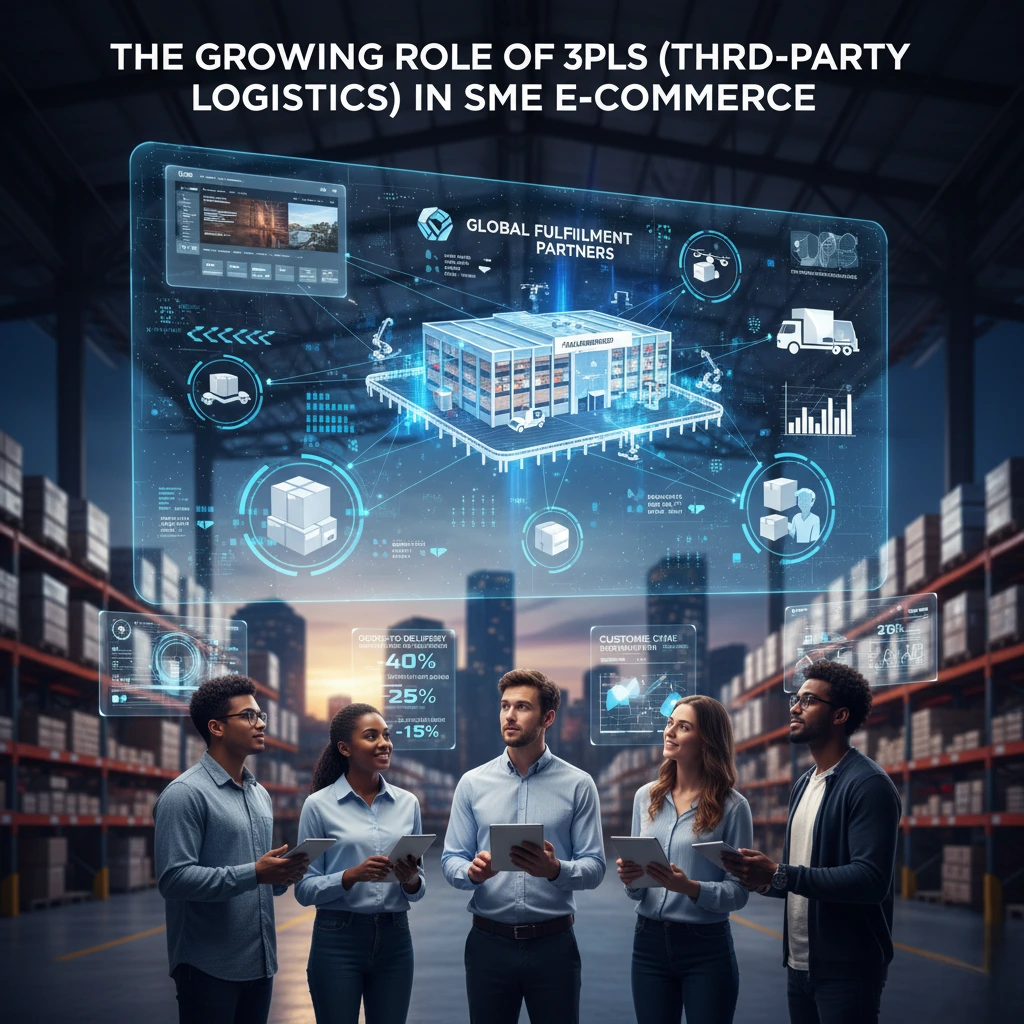
    The e-commerce revolution has reshaped how businesses operate, especially for small and medium-sized enterprises (SMEs) looking to compete in a rapidly growing digital marketplace. With rising customer expectations for faster delivery, flexible returns, and seamless fulfillment, managing logistics in-house has become increasingly complex and costly. That’s where Third-Party Logistics (3PL) providers come in. In 2025, 3PLs are no longer just an outsourcing option—they are strategic partners driving efficiency, scalability, and customer satisfaction in SME e-commerce operations.

    Understanding 3PL and Its Importance for SMEs

    A Third-Party Logistics (3PL) provider handles outsourced logistics services for businesses, including warehousing, inventory management, order fulfillment, and transportation. For SMEs that lack the infrastructure or capital to build their own logistics network, partnering with a 3PL offers a cost-effective and scalable solution.

    In the early stages, many small online retailers manage logistics internally, packing boxes in garages or small warehouses. However, as order volumes grow and customers demand same-day or next-day delivery, these manual systems become unsustainable. By collaborating with a 3PL, SMEs can focus on their core business operations—product development, marketing, and customer engagement—while experts handle logistics behind the scenes.

    The Evolution of 3PLs in the E-Commerce Era

    The traditional role of 3PLs was primarily about storage and shipment. But in today’s e-commerce landscape, 3PLs have evolved into technology-driven logistics partners offering real-time visibility, automation, and data analytics. Modern 3PLs integrate with e-commerce platforms like Shopify, WooCommerce, Amazon, and BigCommerce to sync inventory, track orders, and manage returns effortlessly.

    This digital transformation allows SMEs to compete with retail giants by providing Amazon-like fulfillment experiences without massive investments. 3PLs now use tools such as AI-driven forecasting, IoT-enabled tracking, and warehouse robotics to enhance speed and accuracy, helping small businesses operate with the efficiency of enterprise-level logistics systems.

    Key Benefits of 3PLs for SMEs

    1. Cost Efficiency and Scalability
      Outsourcing logistics eliminates the need for SMEs to invest in warehouse space, equipment, and labor. With 3PLs, businesses pay only for the storage and services they use, allowing them to scale up or down based on demand. During peak seasons like holidays or sales events, 3PLs can expand capacity seamlessly, helping SMEs manage surges without disruption.
    2. Faster and More Reliable Delivery
      Speed is one of the most crucial factors in e-commerce success. 3PLs maintain strategically located fulfillment centers that enable faster shipping across regions. Many 3PLs also partner with major carriers such as FedEx, UPS, and DHL, negotiating better shipping rates that SMEs can’t access independently. This helps reduce costs while improving last-mile delivery performance.
    3. Access to Advanced Technology
      Modern 3PLs leverage cutting-edge logistics software to automate order processing, inventory tracking, and performance analytics. SMEs gain access to real-time dashboards, enabling them to monitor inventory levels, forecast demand, and optimize shipping routes. Such transparency enhances operational control and minimizes costly stockouts or overstocks.
    4. Improved Customer Experience
      Reliable and timely delivery is critical for building customer trust. 3PLs ensure smooth order fulfillment, efficient returns processing, and accurate tracking updates. This leads to higher customer satisfaction, positive reviews, and repeat purchases—key metrics for long-term e-commerce growth.
    5. Global Reach
      Expanding internationally can be daunting for SMEs due to customs regulations, shipping costs, and logistical complexity. Many 3PLs specialize in cross-border fulfillment, providing expertise in international shipping, documentation, and customs clearance. This enables SMEs to reach new markets without the burden of managing global logistics in-house.

    Technology Driving the Modern 3PL Industry

    The 3PL industry has embraced innovation to meet the demands of digital commerce. Technologies such as Artificial Intelligence (AI), Machine Learning (ML), Robotic Process Automation (RPA), and Blockchain are transforming logistics operations.

    • AI and Predictive Analytics help forecast demand and optimize inventory placement across warehouses.
    • Automation and Robotics increase picking accuracy and reduce human errors.
    • Blockchain Integration enhances transparency by providing tamper-proof tracking for each shipment.
    • IoT Sensors provide real-time data on shipment location, temperature, and handling conditions.

    These advancements allow 3PLs to deliver data-driven logistics solutions, offering SMEs deeper insights into their supply chain performance and opportunities for cost reduction.

    How 3PLs Empower SMEs to Compete with Big Players

    One of the greatest challenges for SMEs is competing against giants like Amazon, Walmart, and Alibaba, which have massive logistics networks. 3PLs level the playing field by giving smaller businesses access to similar fulfillment infrastructure and speed. For example, by using multi-node fulfillment networks, a 3PL can distribute SME inventory across several regional warehouses, reducing shipping times and costs.

    Furthermore, many 3PLs offer value-added services such as custom packaging, kitting, labeling, and reverse logistics, enabling SMEs to enhance brand identity while maintaining operational efficiency. These features not only improve customer satisfaction but also build a strong brand reputation in the competitive e-commerce landscape.

    Challenges SMEs Face When Working with 3PLs

    While 3PL partnerships offer numerous benefits, they also come with challenges that SMEs must navigate carefully:

    1. Loss of Direct Control: Outsourcing means SMEs must rely on a third party for order accuracy and delivery speed. Choosing the wrong partner can harm customer experience.
    2. Integration Issues: Some SMEs struggle with integrating their e-commerce platforms with 3PL systems, leading to delays or data mismatches.
    3. Hidden Costs: Certain 3PLs charge for additional services such as packaging, returns, or storage during slow seasons, which can impact margins.
    4. Communication Gaps: Misaligned expectations and unclear communication channels can create inefficiencies in order fulfillment.

    To overcome these challenges, SMEs should conduct thorough due diligence before selecting a 3PL partner, ensuring transparent pricing, robust tech integration, and responsive support.

    Trends Shaping the Future of 3PL in SME E-Commerce

    The future of 3PLs is being shaped by several key trends:

    • Micro-Fulfillment Centers: Smaller urban warehouses closer to customers enable ultra-fast delivery for local markets.
    • Green Logistics: As sustainability becomes a priority, 3PLs are adopting eco-friendly packaging, electric vehicles, and carbon-neutral shipping.
    • Omnichannel Fulfillment: With consumers shopping across websites, marketplaces, and social media, 3PLs are developing systems that unify fulfillment across all channels.
    • Data-Driven Decision Making: Advanced analytics are allowing SMEs to make smarter decisions about inventory allocation, supplier selection, and pricing strategies.

    These trends highlight the increasing sophistication of 3PL services and their pivotal role in shaping the future of e-commerce logistics.

    Selecting the Right 3PL Partner

    Choosing the right logistics partner is critical for SME success. Key factors to consider include:

    • Scalability: The 3PL should accommodate your business growth and seasonal demand fluctuations.
    • Technology Integration: Ensure seamless connection between your online store and the 3PL’s system for real-time updates.
    • Geographical Reach: Verify warehouse locations and shipping zones to match your target markets.
    • Customer Service: Look for providers with responsive support teams and transparent communication.
    • Reputation and Reviews: Research client testimonials and case studies to assess reliability and performance.

    A well-chosen 3PL partner can become a long-term collaborator that supports your brand’s logistics strategy and overall business growth.

    Conclusion

    The growing role of 3PLs in SME e-commerce reflects the changing dynamics of the global marketplace. As customer expectations rise and logistics become more complex, partnering with 3PLs allows small businesses to compete efficiently, expand globally, and deliver exceptional customer experiences.

    In 2025 and beyond, Third-Party Logistics providers are not just service vendors—they are essential enablers of digital transformation and business scalability. SMEs that embrace 3PL partnerships strategically will enjoy faster growth, greater agility, and a stronger foothold in the ever-evolving world of e-commerce.

  • Influencer Marketing vs Paid Ads: Which Works Better for E-Commerce Brands?

    Influencer Marketing vs Paid Ads: Which Works Better for E-Commerce Brands?

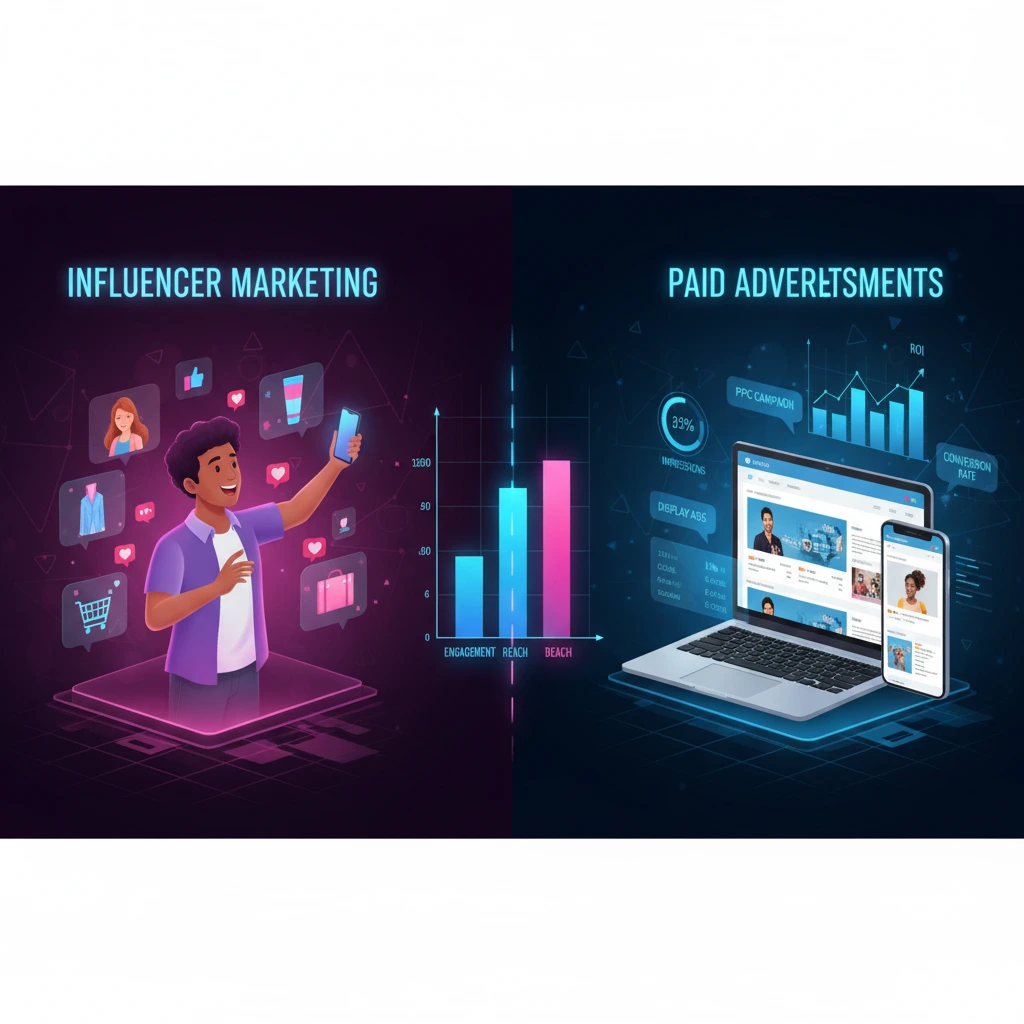
    E-commerce brands are constantly looking for strategies to drive traffic, increase sales, and build brand awareness. Two of the most popular approaches are influencer marketing and paid advertising. Both strategies have their benefits, but they serve different purposes and deliver different results. Understanding the strengths and limitations of each can help brands optimize marketing budgets and achieve long-term growth.

    What Is Influencer Marketing?

    Influencer marketing involves collaborating with social media personalities or content creators to promote your products. These influencers have built trust with their audience and can sway purchasing decisions through authentic content. Platforms like Instagram, TikTok, and YouTube have made influencer campaigns more accessible, even for small e-commerce businesses.

    Influencers can be categorized by their follower count:

    • Nano-influencers (1k-10k followers) often have highly engaged niche audiences.
    • Micro-influencers (10k-100k followers) provide a balance of reach and engagement.
    • Macro-influencers (100k-1M followers) and mega-influencers (1M+ followers) offer broad visibility but come at a higher cost.

    The key benefit of influencer marketing is authenticity. Followers trust influencers’ opinions, which often translates into higher engagement and conversion rates compared to traditional ads.

    What Are Paid Ads?

    Paid advertising refers to promotional campaigns where businesses pay to display ads across platforms like Google, Facebook, Instagram, TikTok, or programmatic ad networks. Paid ads come in many forms:

    • Search Ads target users actively searching for products or services.
    • Display Ads appear on websites and apps, often using visuals to grab attention.
    • Social Media Ads reach audiences based on demographics, interests, and behavior.
    • Retargeting Ads focus on users who have previously visited your website or engaged with your content.

    The main advantage of paid ads is control. Brands can define budgets, target audiences, and campaign duration precisely, and measure performance using analytics and ROI metrics.

    Influencer Marketing vs Paid Ads: Key Differences

    1. Trust and Authenticity

    Influencer marketing thrives on credibility. Consumers are more likely to purchase a product recommended by someone they follow and trust. Influencers can create relatable content that feels natural, making the brand message less intrusive.

    Paid ads, on the other hand, are often seen as promotional and can be ignored by users who use ad-blockers or scroll past sponsored content. While ads offer exposure, they don’t inherently build trust.

    2. Reach and Scalability

    Paid advertising provides instant scalability. You can reach thousands or even millions of potential customers immediately, adjust targeting, and scale campaigns quickly based on performance data.

    Influencer marketing grows more organically. While viral campaigns can reach massive audiences, most collaborations are limited by the influencer’s following. Scaling requires engaging multiple influencers, which can be time-consuming and complex.

    3. Cost and ROI

    Influencer marketing can be cost-effective for niche audiences, especially with micro or nano-influencers. Brands often pay via free products, commissions, or flat fees, and ROI depends on engagement and conversions.

    Paid ads offer predictable costs. Platforms allow precise bidding, targeting, and budget control, making it easier to measure ROI. However, competition can increase cost-per-click (CPC) or cost-per-acquisition (CPA), especially in competitive e-commerce niches.

    4. Long-Term Brand Value

    Influencers can contribute to brand storytelling and long-term awareness. Consistent partnerships help build a loyal customer base, create social proof, and improve brand credibility over time.

    Paid ads are more transactional and typically generate short-term results. Once the budget stops, traffic and sales may decline unless sustained campaigns are maintained. They’re excellent for immediate conversions but less effective for long-term brand loyalty.

    When Influencer Marketing Works Best

    Influencer marketing is ideal when your goal is:

    • Building brand awareness with niche or targeted audiences.
    • Creating authentic content that resonates with consumers.
    • Launching new products where social proof matters.
    • Engaging younger demographics like Gen Z or millennials, who value peer recommendations.

    Campaigns that incorporate user-generated content, influencer takeovers, or unboxing videos often see higher engagement and organic reach.

    When Paid Ads Work Best

    Paid advertising is most effective for:

    • Driving immediate sales during promotions or seasonal campaigns.
    • Targeting broad or specific demographics quickly.
    • Retargeting customers who visited your website but didn’t convert.
    • Scaling successful campaigns with measurable ROI.

    Paid ads are particularly useful when you need predictable results and want to complement organic strategies like influencer marketing or SEO.

    Combining Influencer Marketing and Paid Ads

    The most successful e-commerce brands often combine both strategies. For example, an influencer campaign can generate organic buzz, and paid ads can amplify that content to a wider audience. This hybrid approach leverages the trust and engagement of influencers while using the precision and scalability of paid advertising.

    Brands can also repurpose influencer content as ad creatives. User-generated videos and images perform better than traditional stock visuals in paid campaigns because they feel authentic and relatable.

    Measuring Success

    To evaluate which strategy works better for your e-commerce brand, track key metrics:

    • Influencer Marketing: Engagement rate, follower growth, website traffic from influencer links, and conversions.
    • Paid Ads: Click-through rate (CTR), cost-per-click (CPC), conversion rate, and return on ad spend (ROAS).

    Combining analytics from both channels can help identify which approach drives long-term growth versus short-term sales.

    Conclusion

    Both influencer marketing and paid ads have unique strengths for e-commerce brands. Influencers excel at building trust, authenticity, and long-term brand value, while paid ads provide control, scalability, and immediate results.

    The key is not to choose one over the other but to strategically integrate both. Influencer collaborations can create buzz and credibility, while paid ads can amplify reach and conversions. By combining these approaches, e-commerce brands can maximize visibility, engagement, and sales in a competitive online market.

    In 2025, the brands that succeed will be those that understand the balance between authentic storytelling and data-driven advertising—leveraging influencers to build trust and paid ads to scale results.