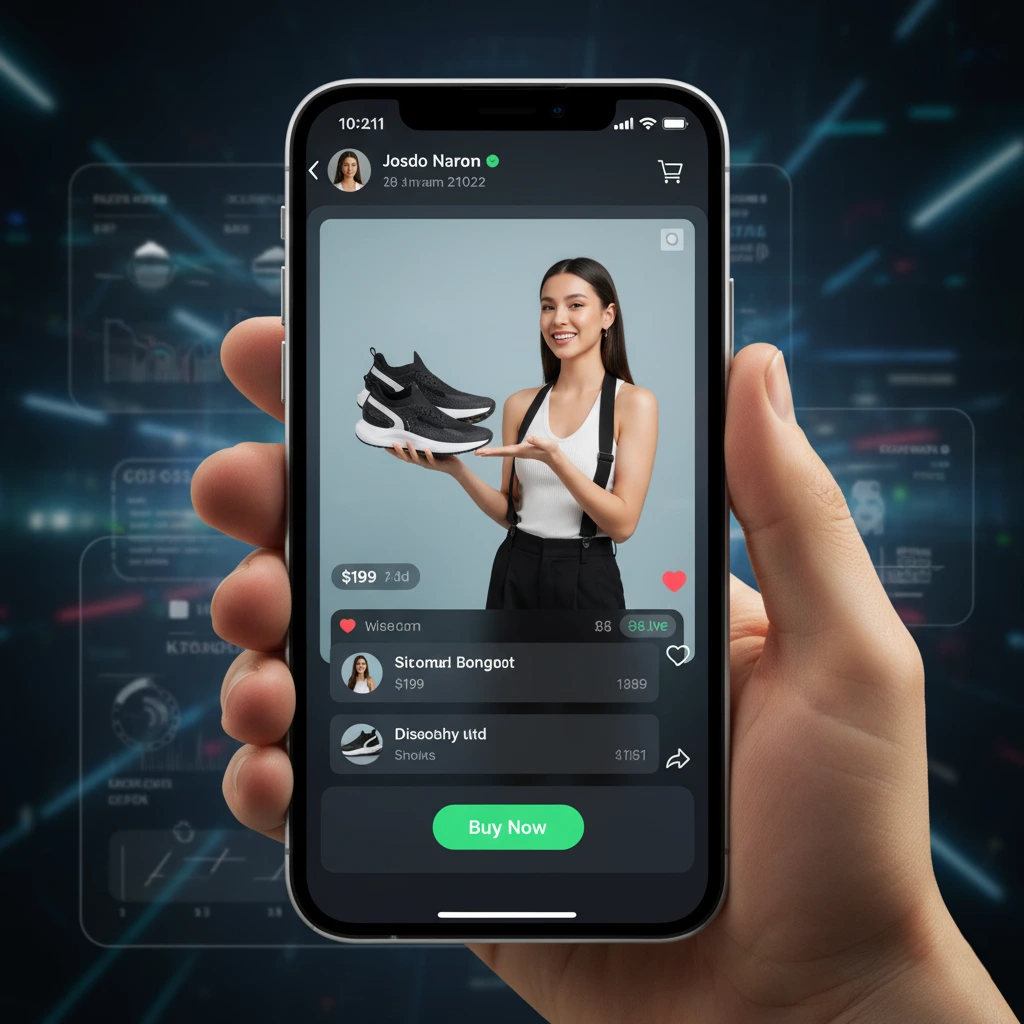
In the ever-evolving world of e-commerce, businesses are constantly searching for innovative ways to engage customers and drive sales. One of the most transformative technologies reshaping this landscape is Artificial Intelligence (AI). Through machine learning algorithms, predictive analytics, and data-driven insights, AI is revolutionizing product recommendations and personalization, helping brands deliver exactly what customers want before they even ask for it. This level of smart personalization is not just improving customer experiences but also redefining how online stores operate, compete, and grow.
The Power of AI in Product Recommendations
AI-powered product recommendations have become the backbone of modern e-commerce platforms like Amazon, Netflix, and Spotify. When customers browse a website or app, every click, scroll, and purchase provides valuable data that AI systems can analyze. Using machine learning, these systems identify behavioral patterns, preferences, and purchase histories to predict what products a shopper is most likely to buy next. This process is far more advanced than traditional recommendation systems, which relied solely on simple filters such as “people who bought this also bought that.” Instead, AI integrates millions of data points in real time, creating hyper-personalized experiences tailored to each individual user.
Data-Driven Personalization at Scale
One of the main reasons AI-driven recommendations are so powerful is their ability to process massive amounts of unstructured data. From browsing behavior to social media interactions, AI can interpret diverse forms of information and translate them into actionable insights. For example, if a user spends time viewing running shoes and fitness apparel, the AI system can automatically recommend complementary items such as water bottles or smartwatches. Over time, the system learns from user feedback, continuously refining its predictions. This creates a feedback loop that enhances accuracy and ensures each customer sees the most relevant products, boosting both engagement and conversion rates.
Beyond Recommendations: Total Personalization
Tailoring the Entire Customer Journey
Personalization in e-commerce extends beyond simple product suggestions. AI enables businesses to customize the entire customer journey. From personalized email campaigns to dynamic website layouts, AI algorithms ensure every touchpoint reflects the shopper’s preferences and intent. For instance, when a returning customer logs into an online store, the homepage can automatically display products aligned with their previous searches or recent purchases. Similarly, AI-powered chatbots can provide tailored recommendations based on real-time queries, improving customer support and driving additional sales. This seamless integration of personalization not only enhances user satisfaction but also builds long-term loyalty.
Predictive Analytics and Anticipatory Marketing
One of the most notable impacts of AI on personalization is its ability to predict customer needs before they arise. Predictive analytics allow businesses to anticipate what customers might want next by analyzing historical data, market trends, and contextual factors. For example, an AI system might recognize that a customer who purchased a winter jacket last year is likely to be interested in a new coat as the cold season approaches. By proactively suggesting such products, e-commerce brands can stay ahead of customer expectations and increase their chances of repeat purchases. This proactive approach to marketing transforms the shopping experience from reactive to anticipatory, giving brands a significant competitive edge.
AI in Pricing and Promotions
AI also plays a crucial role in optimizing pricing and promotions, another key aspect of personalization. Dynamic pricing algorithms use AI to analyze demand, competitor pricing, and customer behavior in real time, adjusting prices to maximize sales and profitability. This ensures that customers receive personalized discounts or offers based on their buying patterns and preferences. For example, a customer who frequently buys high-end electronics might be shown premium product bundles, while a price-sensitive shopper could receive special promotions on budget-friendly alternatives. This level of customization enhances perceived value and encourages faster purchase decisions.
Operational Benefits for E-Commerce Brands
In addition to enhancing customer experience, AI-driven personalization benefits businesses through increased operational efficiency. Automation reduces the need for manual data analysis, allowing marketing teams to focus on creative strategy rather than repetitive tasks. By using AI tools, brands can segment audiences more precisely, target ads more effectively, and measure campaign performance with higher accuracy. The result is a smarter, data-driven marketing approach that reduces waste and maximizes ROI. Moreover, the insights gathered through AI analytics help businesses understand emerging trends, identify underperforming products, and refine inventory management.
Visual and Voice-Based Personalization
Another area where AI is making waves is visual and voice-based personalization. Visual recognition technology allows AI systems to analyze product images and user-uploaded photos to suggest visually similar items. For instance, if a shopper uploads a picture of a dress they love, the AI can instantly recommend similar designs available on the website. Voice commerce, powered by AI assistants like Alexa and Google Assistant, is also transforming how people shop. By understanding natural language and voice commands, these systems can provide product recommendations and facilitate hands-free shopping, offering customers a more convenient and intuitive experience.
Ethical AI and Consumer Trust
Ethical considerations also come into play when using AI for personalization. While customers appreciate relevant recommendations, they also value their privacy. Transparency about data collection and responsible use of AI are essential to maintaining trust. Brands must ensure that their AI systems comply with data protection laws such as GDPR and that customers have control over their personal information. The goal should be to create personalization that feels helpful rather than intrusive. When done ethically, AI-driven personalization can enhance relationships between brands and customers, fostering trust and long-term loyalty.
The Future of AI in Personalization
As AI technology continues to evolve, the future of product recommendations and personalization looks even more promising. Emerging technologies such as generative AI, augmented reality, and contextual AI will push personalization to new heights. Generative AI can create personalized product descriptions, visuals, and ad copy tailored to individual users, while augmented reality can allow customers to virtually “try on” products before purchasing. Contextual AI, on the other hand, will make personalization even more adaptive, considering external factors like weather, time, and location to offer more relevant suggestions. These advancements will make online shopping more engaging, interactive, and intuitive than ever before.
Conclusion
AI is fundamentally transforming how e-commerce brands interact with customers. Through advanced algorithms and real-time learning, businesses can now deliver personalized shopping experiences that not only meet but exceed customer expectations. From predictive recommendations to dynamic pricing and automated marketing, AI is driving a new era of intelligent commerce. For brands that embrace this technology, the rewards are substantial—higher engagement, stronger loyalty, and increased revenue. For consumers, AI-driven personalization means a smoother, smarter, and more enjoyable shopping experience. As technology continues to advance, one thing is certain: AI will remain at the heart of e-commerce innovation, reshaping how we discover, interact with, and purchase products online.