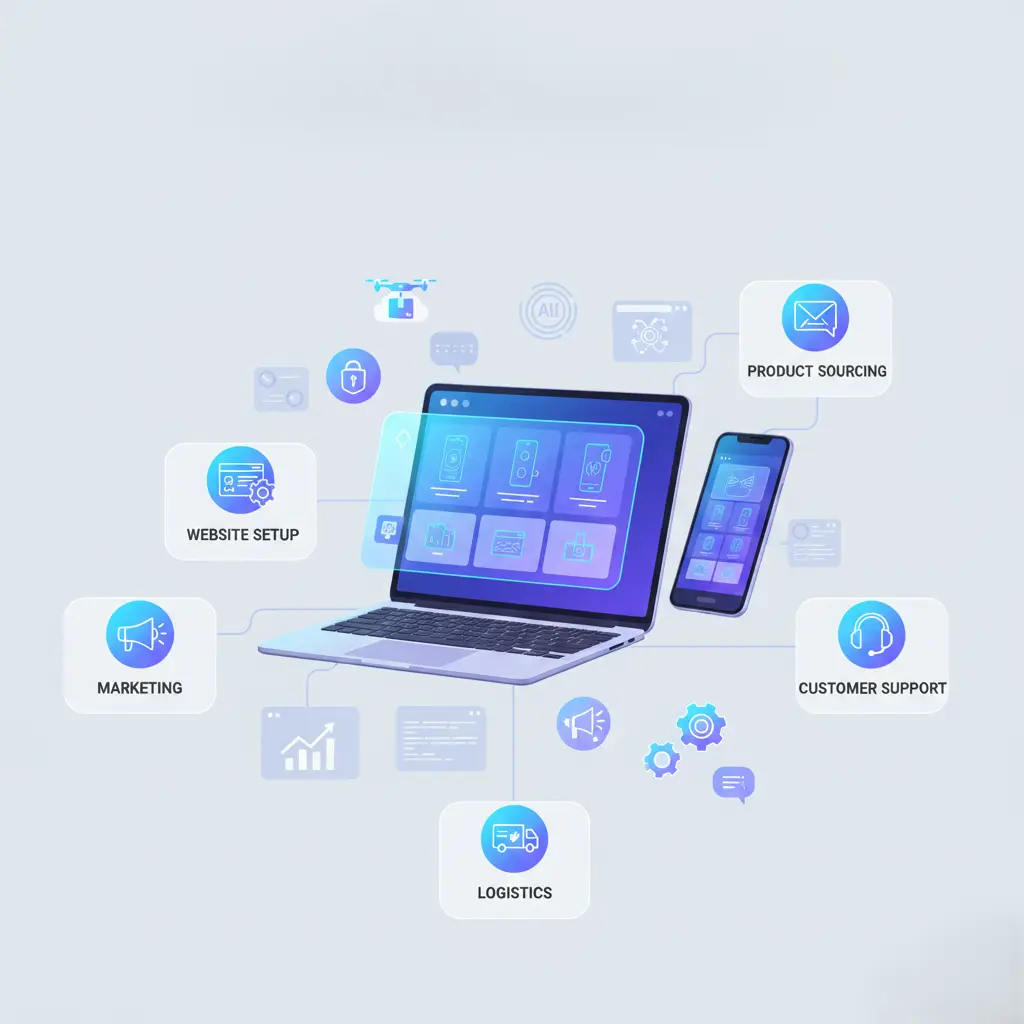
Starting an online store has never been more accessible, and 2026 ecommerce trends are creating even more opportunities for entrepreneurs. With evolving technology, AI-driven tools, and changing consumer behavior, launching a successful store requires smart planning and the right strategy. This guide explains how to start an ecommerce business in 2026 step by step, with key insights to help you stay competitive.
Understand the Ecommerce Landscape in 2026
Before launching, it’s essential to understand the ecommerce industry in 2026. Consumers expect fast delivery, personalized experiences, and seamless mobile shopping. Social commerce, voice search, and AI-powered recommendations are becoming standard features rather than optional add-ons.
Focusing on customer experience, automation, and sustainability will help new ecommerce businesses stand out.
Choose a Profitable Ecommerce Niche
Selecting the right niche is the foundation of any successful online store. In 2026, high-demand niches include eco-friendly products, digital goods, personalized items, and health-related products.
Conduct market research, analyze competitors, and identify problems you can solve. A clear niche makes it easier to target the right audience and build a strong brand identity.
Create a Solid Ecommerce Business Plan
A detailed ecommerce business plan helps you define goals, budget, pricing, and marketing strategies. Your plan should include product sourcing, logistics, branding, and revenue models.
Planning ahead reduces risk and ensures your ecommerce startup can scale efficiently as demand grows.
Build Your Ecommerce Website
Select the Right Ecommerce Platform
Choosing the right ecommerce platform is critical. Platforms like Shopify, WooCommerce, and headless commerce solutions offer flexibility and scalability. In 2026, many businesses are adopting AI-powered ecommerce platforms for better personalization and automation.
Optimize for Mobile and Speed
Mobile-first design is no longer optional. Ensure your site loads quickly, is easy to navigate, and supports multiple payment methods. A smooth user experience improves conversions and reduces cart abandonment.
Set Up Secure Payments and Logistics
Payment Gateways
Offer secure and diverse online payment options, including digital wallets, buy-now-pay-later services, and cryptocurrency where applicable. Trust and security are key factors in purchasing decisions.
Shipping and Fulfillment
Reliable ecommerce logistics play a major role in customer satisfaction. Consider third-party fulfillment, same-day delivery, or dropshipping depending on your business model.
Market Your Ecommerce Business
Search Engine Optimization (SEO)
Ecommerce SEO helps your store rank higher in search results. Optimize product pages, use relevant keywords, and create valuable content to drive organic traffic.
Social Media and Influencer Marketing
Social platforms are powerful sales channels in 2026. Leverage social commerce, short-form videos, and influencer partnerships to reach and engage your target audience.
Paid Advertising and AI Automation
Use AI-driven marketing tools to automate ad campaigns, personalize offers, and analyze customer behavior. This improves efficiency and return on investment.
Focus on Customer Retention
Acquiring customers is important, but retention drives long-term success. Use email marketing, loyalty programs, and personalized recommendations to build lasting relationships.
Excellent customer support and transparent policies also boost trust and repeat purchases.
Stay Compliant and Secure
Ensure your ecommerce business follows data protection laws, tax regulations, and consumer rights policies. Cybersecurity and compliance are crucial as online fraud continues to evolve.
Final Thoughts
Learning how to start an ecommerce business in 2026 means embracing innovation while focusing on customer needs. By choosing the right niche, building a strong platform, and leveraging modern marketing strategies, you can create a scalable and profitable ecommerce brand ready for the future.