
Tag: Supply chain

  • Logistics & Supply Chain Trends to Watch in 2026

    Logistics & Supply Chain Trends to Watch in 2026

    The world of logistics and supply chain management is rapidly evolving, driven by new technologies, shifting consumer expectations, and global disruptions. As we move deeper into 2026, businesses must stay ahead of emerging trends to remain competitive, efficient, and resilient. This guide explores the most important supply chain trends shaping 2026 and how companies can adapt to succeed.

    The Rise of AI-Driven Supply Chains

    Artificial intelligence continues to revolutionize the industry. In 2026, AI in supply chain is no longer optional—it is a competitive necessity.

    AI for Predictive Analytics

    Predictive analytics powered by AI helps businesses anticipate demand, reduce stockouts, and optimize inventory. Companies now rely on AI forecasting tools to identify patterns, prevent disruptions, and streamline decision-making.

    Automated Warehousing

    2026 sees widespread adoption of warehouse automation, including smart robots, automated picking systems, and AI-powered inventory tracking. Automation reduces labor costs, increases accuracy, and boosts overall efficiency.

    Increased Focus on Supply Chain Resilience

    The last few years proved that resilience is essential. In 2026, companies invest heavily in supply chain resilience to counter global uncertainties.

    Multi-Sourcing Strategies

    Businesses are shifting from dependence on single suppliers to multi-sourcing to minimize risks. This approach provides more flexibility and safeguards against disruptions caused by geopolitical issues or sudden shortages.

    Nearshoring and Reshoring

    To improve responsiveness, many companies now adopt nearshoring and reshoring strategies. These practices reduce lead times, improve quality control, and strengthen regional supply networks.

    Sustainability Becomes a Core Priority

    Consumers and regulators are pressuring companies to adopt greener practices. In 2026, sustainable logistics becomes a major competitive advantage.

    Eco-Friendly Transportation

    Companies are investing in electric trucks, biofuel fleets, and low-emission shipping options to reduce carbon footprints. More cities now support charging networks that make electric freight transport easier and more scalable.

    Green Warehousing

    Energy-efficient warehouses, solar-powered facilities, and waste-reduction initiatives are now industry standards. Businesses with strong ESG strategies gain trust and long-term customer loyalty.

    Digital Twins Transform Operations

    One of the most significant innovations in 2026 is the use of digital twins in supply chain management.

    Real-Time Simulation

    Digital twins allow companies to create a virtual replica of their supply chain. This enables real-time monitoring, scenario testing, and optimization—leading to better performance and lower operational costs.

    Enhanced Risk Management

    With digital twins, businesses can assess risks, simulate disruptions, and improve their crisis response plan. This technology has become essential in industries like manufacturing, pharmaceuticals, and automotive.

    The Growth of Autonomous Logistics

    Automation is advancing beyond warehouses into transport and deliveries.

    Self-Driving Freight Trucks

    Autonomous trucks are becoming more common on long-haul routes in 2026. They improve safety, reduce human error, and increase delivery efficiency.

    Drone Deliveries

    Retailers and logistics providers are expanding drone delivery systems for last-mile logistics. This trend boosts speed, cuts delivery costs, and supports eco-friendly operations.

    Blockchain Ensures Transparency

    Blockchain technology has evolved from a buzzword to a practical tool for improving visibility and transparency.

    Secure Data Sharing

    Blockchain in logistics ensures accurate, tamper-proof data sharing across suppliers, carriers, and partners. This helps in reducing fraud and improving traceability.

    Smart Contracts

    Smart contracts automate transactions, accelerate payments, and reduce paperwork—making supply chain operations more efficient.

    E-Commerce Logistics Continues to Expand

    With the ongoing growth of online shopping, e-commerce logistics remains a major trend in 2026.

    Faster Last-Mile Delivery

    Consumers expect lightning-fast delivery. Companies now rely on micro-fulfillment centers, AI-driven routing, and local distribution hubs to speed up last-mile operations.

    Returns Management Optimization

    Brands invest in reverse logistics systems to simplify and streamline returns. Efficient returns management improves customer satisfaction and reduces losses.

    Hyper-Personalized Supply Chains

    Thanks to advanced data analytics, companies can now create personalized supply chain experiences tailored to customer preferences.

    Customized Delivery Options

    Options like real-time delivery tracking, flexible delivery windows, and personalized packaging create a better customer experience.

    Data-Driven Customer Insights

    Businesses collect and analyze behavioral data to predict shopping trends and adjust supply strategies accordingly.

    Cybersecurity Becomes Critical

    With digital transformation comes increased vulnerability. In 2026, robust supply chain cybersecurity is essential.

    Protecting Digital Infrastructure

    Companies strengthen cyber defenses with advanced encryption, AI-powered threat detection, and secure cloud systems.

    Preventing Data Breaches

    Cyberattacks can shut down operations. Strong cyber-resilience strategies ensure business continuity and protect sensitive supply data.

    Conclusion Logistics & Supply Chain Trends in 2026

    The logistics and supply chain landscape in 2026 is shaped by AI automation, sustainability, digital transformation, and resilience. Businesses that embrace these trends will gain a competitive edge, improve operational efficiency, and build stronger customer relationships. Staying ahead of these innovations ensures a future-ready supply chain that can withstand challenges and capitalize on new opportunities.
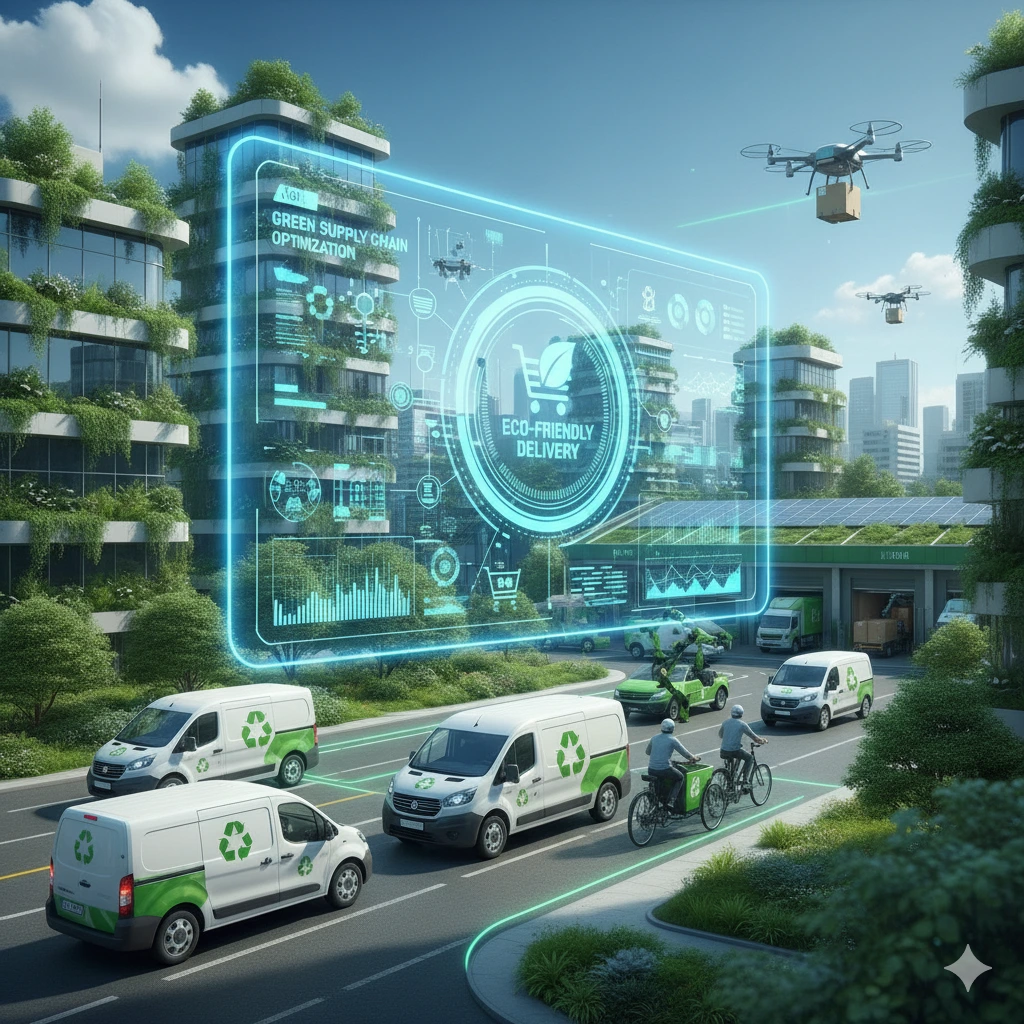
  • Green Supply Chains: Why Eco-Friendly Delivery Matters in E-Commerce

    Green Supply Chains: Why Eco-Friendly Delivery Matters in E-Commerce

    The world of e-commerce is expanding at lightning speed, transforming how we shop, live, and consume. Yet, as digital shopping grows, so does its environmental footprint. From packaging waste to fuel emissions, every delivery comes at an ecological cost. In response, the concept of green supply chains has emerged as a powerful solution—reshaping logistics with sustainability at its core. Eco-friendly delivery is no longer a nice-to-have; it’s a business imperative driving the next era of responsible commerce.

    The Environmental Cost of E-Commerce

    While e-commerce offers unmatched convenience, it has also brought new sustainability challenges. The demand for fast, same-day delivery means more vehicles on the road, more packaging waste, and higher carbon emissions. Studies suggest that global logistics operations contribute significantly to greenhouse gas emissions, with last-mile delivery being one of the biggest culprits.

    Every click-to-doorstep transaction involves energy-intensive activities: from warehouse lighting and air conditioning to the transport networks that bring goods to customers. When multiplied across billions of deliveries, the environmental toll becomes immense. That’s where green supply chains step in—to balance growth with responsibility.

    What Are Green Supply Chains?

    A green supply chain is a logistics system designed to minimize environmental impact at every stage—from sourcing raw materials to delivering the final product. It integrates sustainable practices such as renewable energy, eco-friendly packaging, efficient route planning, and waste reduction. The goal is not just operational efficiency but environmental stewardship.

    In e-commerce, this means adopting cleaner technologies, optimizing transportation, and making conscious choices about packaging and materials. Businesses that invest in sustainability today are future-proofing themselves against rising regulations, fuel costs, and shifting consumer expectations.

    Why Eco-Friendly Delivery Matters

    Sustainability is no longer a buzzword; it’s a demand from conscious consumers. As awareness of climate change grows, customers are actively choosing brands that align with their values. Eco-friendly delivery isn’t just about protecting the planet—it’s about winning customer loyalty and long-term trust.

    Growing Consumer Awareness

    Modern consumers, especially millennials and Gen Z, are highly attuned to environmental issues. They prefer shopping with brands that demonstrate a genuine commitment to sustainability. Offering eco-friendly delivery options, such as electric vehicle shipping or minimal packaging, can significantly enhance a brand’s reputation.

    In fact, surveys show that more than 70% of consumers are willing to pay a small premium for sustainable delivery choices. This shift in consumer mindset makes sustainability a strategic advantage for e-commerce players.

    Corporate Responsibility and Regulatory Pressure

    Governments around the world are tightening environmental regulations, pushing companies to reduce their carbon footprints. From stricter emission norms to packaging waste management laws, businesses must now rethink how they move goods.

    E-commerce companies that proactively adopt green logistics practices are not only staying compliant but also building brand resilience. Corporate responsibility is becoming a key factor in long-term profitability, and sustainable logistics is at the heart of that transformation.

    The Building Blocks of Green Supply Chains

    Creating a green supply chain requires innovation, investment, and collaboration across the entire logistics ecosystem. From warehousing to last-mile delivery, every link in the chain must be optimized for sustainability.

    1. Green Warehousing and Energy Efficiency

    Sustainable warehouses are leading the charge in reducing logistics emissions. Companies are installing solar panels, LED lighting, and energy-efficient cooling systems to cut down on electricity use. Smart sensors and automation tools help monitor energy consumption and reduce waste.

    Some leading e-commerce brands have even started designing carbon-neutral fulfillment centers, powered entirely by renewable energy. Green warehousing doesn’t just help the planet—it also lowers operational costs in the long run.

    2. Sustainable Packaging Solutions

    Packaging waste is one of the biggest environmental challenges in e-commerce. To tackle this, companies are shifting toward recyclable, biodegradable, and reusable materials. Paper-based mailers, compostable wraps, and minimalistic designs are replacing plastic-heavy packaging.

    Brands are also experimenting with returnable packaging models, where customers can send back delivery boxes for reuse. This circular approach significantly reduces waste and builds stronger customer engagement around sustainability.

    3. Electric and Alternative Fuel Vehicles

    The transportation sector is a major contributor to carbon emissions. To create eco-friendly delivery systems, logistics companies are investing in electric vehicles (EVs), hybrid fleets, and alternative fuels like bio-CNG and hydrogen.

    EVs are particularly well-suited for last-mile delivery, offering quiet, zero-emission operations within city limits. Several e-commerce giants in India and globally have committed to transitioning their entire delivery fleet to electric by the end of the decade.

    4. Route Optimization and Smart Logistics

    Technology plays a pivotal role in making supply chains greener. AI and machine learning enable companies to plan optimal routes, reducing travel distance, fuel consumption, and idle time. Real-time tracking systems help monitor fleet performance and identify inefficiencies.

    By leveraging predictive analytics, logistics managers can anticipate demand spikes, optimize vehicle utilization, and minimize empty returns—significantly cutting emissions and costs.

    5. Reverse Logistics and Recycling

    Sustainability doesn’t end with delivery; it extends to returns and end-of-life management. Reverse logistics focuses on efficiently handling product returns, recycling, and refurbishing. Instead of discarding returned goods, companies can repair, resell, or repurpose them—creating a circular economy that benefits both business and the environment.

    The Business Case for Green Supply Chains

    Contrary to common belief, sustainable logistics isn’t just good for the planet—it’s good for business too. Companies that invest in green technologies often enjoy cost savings, brand differentiation, and long-term resilience.

    Cost Savings Through Efficiency

    Energy-efficient warehouses, optimized routes, and reduced packaging materials lead to significant cost reductions. As fuel prices rise, shifting to EVs or hybrid models offers major operational savings. Green initiatives often pay for themselves over time through improved efficiency and customer loyalty.

    Enhanced Brand Value and Customer Loyalty

    A brand’s sustainability commitment directly influences customer perception. Consumers are more likely to stay loyal to companies that prioritize environmental responsibility. Green supply chains not only attract eco-conscious buyers but also help retain them—building trust and emotional connection.

    Competitive Advantage in a Crowded Market

    In the hyper-competitive e-commerce landscape, differentiation is key. Businesses that pioneer eco-friendly delivery models stand out as leaders in innovation and responsibility. This differentiation can drive higher conversions, stronger partnerships, and long-term growth.

    The Road Ahead: Toward a Sustainable Future

    As e-commerce continues to evolve, green supply chains will play a central role in defining the future of retail logistics. Companies must embrace sustainability not as an afterthought but as a core business strategy.

    Collaboration will be essential—between logistics providers, technology startups, policymakers, and consumers—to build infrastructure that supports clean energy and low-emission transport. The journey toward sustainable delivery is challenging but essential for creating a future where commerce thrives in harmony with the planet.

    The next phase of e-commerce growth will not be measured solely by speed or scale, but by sustainability. Brands that commit to eco-friendly delivery and green supply chains today will shape the responsible, resilient, and profitable e-commerce ecosystems of tomorrow.