Tag: Warehousing

  • Trends in Warehousing and Fulfillment for 2026

    Trends in Warehousing and Fulfillment for 2026

    The logistics industry is evolving rapidly, and businesses must adapt to stay competitive. Understanding warehousing trends 2026 is essential for companies looking to optimize storage, improve efficiency, and enhance customer satisfaction. Innovations in technology and automation are transforming how warehouses operate, making operations faster, smarter, and more cost-effective.

    Incorporating fulfillment center automation and smart warehouse tech is no longer optional—it’s becoming standard for modern supply chains. Companies that embrace these changes can reduce errors, accelerate order processing, and gain a strategic advantage in a competitive marketplace.

    Key Drivers Behind Warehousing Trends 2026

    Several factors are shaping the future of warehousing. The rise of e-commerce, increasing customer expectations, and pressure for cost efficiency are driving investment in automation and smart technology. Businesses are moving beyond traditional storage and focusing on end-to-end supply chain optimization.

    By keeping up with warehousing trends 2026, companies can implement solutions that enhance operational efficiency, improve inventory management, and reduce fulfillment times. Automation, real-time data, and AI-driven decision-making are key areas of focus.

    Fulfillment Center Automation

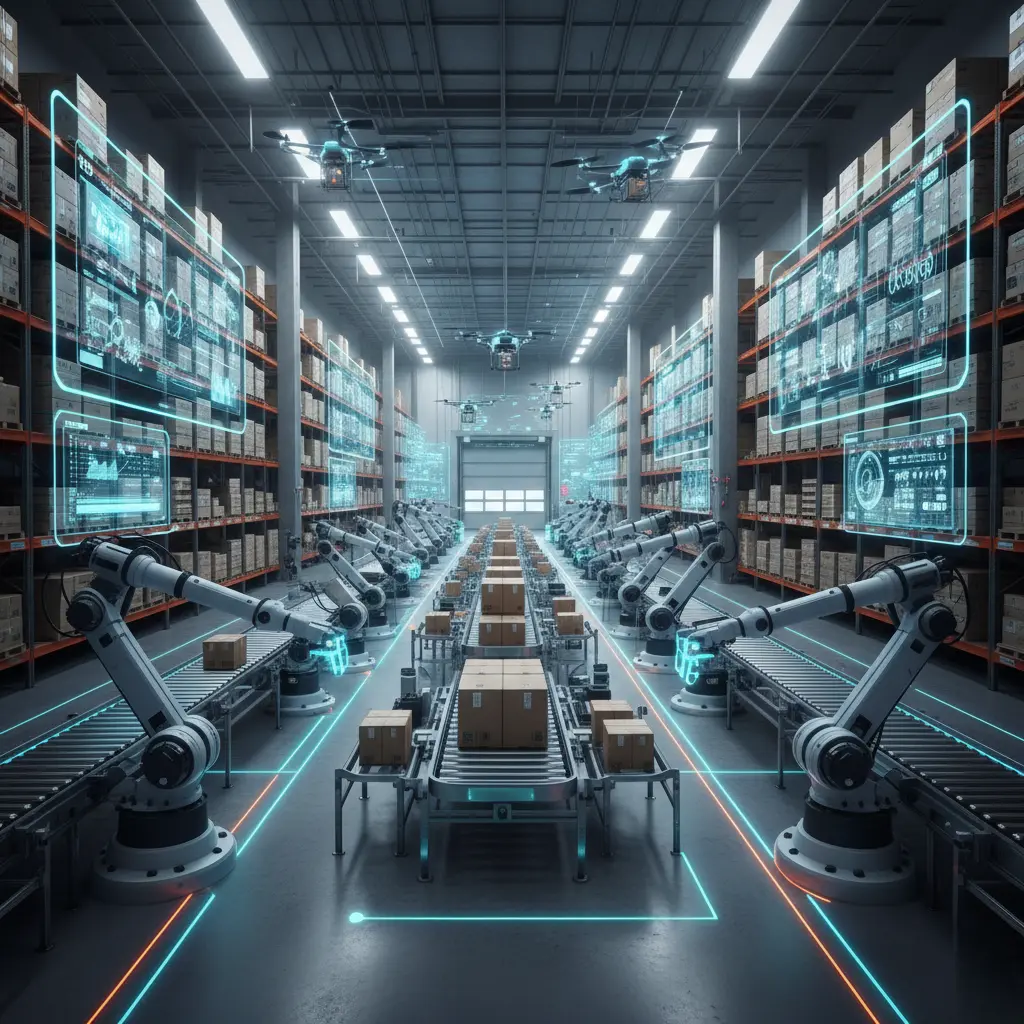
    One of the most significant warehousing trends 2026 is the adoption of fulfillment center automation. Automated picking, sorting, and packing systems help warehouses process orders faster and more accurately. Robotics and conveyor systems reduce manual labor, lower operational costs, and minimize errors in high-volume environments.

    Automation also supports scalability. Seasonal spikes or sudden demand surges can be handled efficiently without compromising accuracy or speed. Companies integrating fulfillment center automation can improve throughput and meet rising customer expectations for fast delivery.

    Smart Warehouse Technology

    The next-generation warehouse relies heavily on smart warehouse tech. Internet of Things (IoT) sensors, AI analytics, and real-time monitoring systems allow managers to track inventory, optimize storage, and predict maintenance needs.

    IoT-enabled pallets and shelves provide accurate stock levels, reducing overstocking or stockouts. AI-powered software analyzes operational data, identifying bottlenecks and suggesting efficiency improvements. Adopting smart warehouse tech is a crucial aspect of the warehousing trends 2026 landscape.

    Sustainable and Green Warehousing

    Environmental responsibility is becoming a priority. Companies are implementing energy-efficient lighting, eco-friendly packaging, and renewable energy sources in warehouses. Sustainable practices not only reduce carbon footprints but also enhance brand reputation.

    Green initiatives align with the broader warehousing trends 2026, where operational efficiency and sustainability go hand in hand. Combining fulfillment center automation with eco-friendly systems creates warehouses that are both smart and responsible.

    Advanced Inventory Management

    Inventory accuracy is critical in modern logistics. AI-driven forecasting, RFID tracking, and real-time inventory dashboards are transforming how warehouses manage stock. These tools minimize errors, reduce excess inventory, and improve fulfillment speed.

    Investing in advanced inventory management complements smart warehouse tech and supports warehousing trends 2026 by providing actionable insights for better decision-making.

    Workforce Transformation

    While automation is on the rise, human workers remain essential. The role of warehouse employees is shifting toward oversight, maintenance, and technology management. Upskilling staff to operate and manage automated systems is a key trend.

    By combining skilled labor with fulfillment center automation, businesses can maximize efficiency while maintaining quality control, reflecting the evolving warehousing trends 2026.

    Integration with E-Commerce and Last-Mile Delivery

    The growth of e-commerce drives the need for faster, more flexible warehouses. Integration with delivery platforms and real-time order tracking ensures faster turnaround times and enhanced customer satisfaction.

    Companies adopting smart warehouse tech and automated fulfillment can handle high volumes of orders efficiently, supporting the broader objectives highlighted in warehousing trends 2026.

    Predictive Analytics and AI

    Predictive analytics is transforming warehouse operations. AI algorithms forecast demand, optimize stock placement, and identify potential disruptions before they occur. This proactive approach reduces downtime, increases order accuracy, and improves overall operational efficiency.

    Using predictive tools in conjunction with fulfillment center automation is a cornerstone of the warehousing trends 2026 revolution.

    Final Thoughts

    The logistics landscape is rapidly evolving, and staying ahead requires understanding the latest warehousing trends 2026. Embracing fulfillment center automation, smart warehouse tech, sustainable practices, and advanced inventory management ensures businesses remain competitive and efficient.

    Companies that adopt these trends can increase productivity, reduce costs, and deliver superior customer experiences. By integrating technology, automation, and intelligent decision-making, the warehouses of 2026 will be faster, smarter, and more resilient than ever before.
  • The Role of Technology in Modern Warehousing

    The Role of Technology in Modern Warehousing

    Introduction to Technology in Modern Warehousing

    In today’s fast-paced global economy, modern warehousing has transformed into a highly advanced and technology-driven industry. Gone are the days when warehouses were simply storage spaces. The integration of technology has redefined the way businesses manage their inventories, streamline operations, and fulfill customer orders. From inventory management to automation, technology is playing a crucial role in optimizing warehousing processes, improving efficiency, and reducing operational costs.

    This blog explores the significant role of technology in modern warehousing, focusing on how innovations like automation, robotics, and artificial intelligence (AI) are revolutionizing the industry.

    Automation in Warehousing: Streamlining Operations

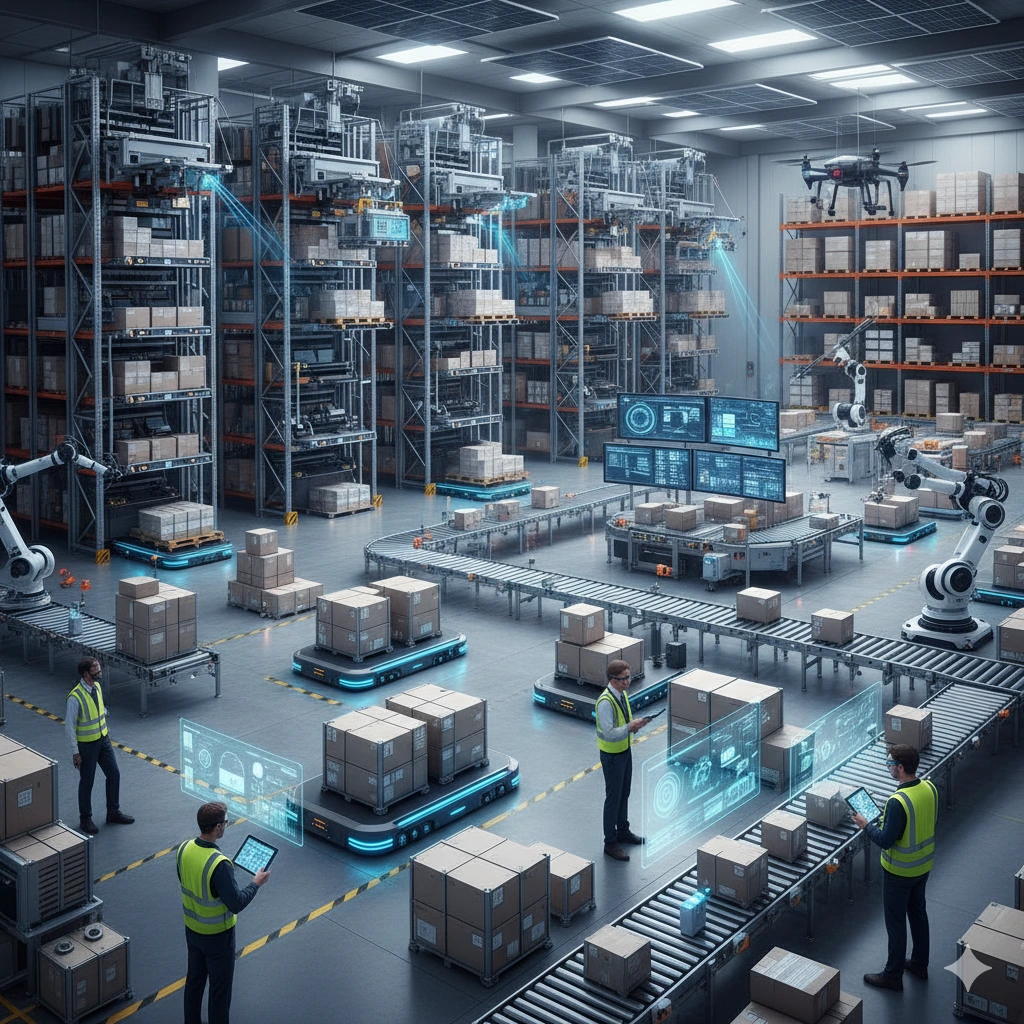
    One of the most significant advancements in modern warehousing is the automation of routine tasks. Automation involves the use of machines, robots, and software to handle repetitive tasks, thereby reducing human error, increasing speed, and improving accuracy. Automated guided vehicles (AGVs), conveyor systems, and robotic arms have made it possible to handle large volumes of goods with minimal human intervention.

    Benefits of Warehouse Automation

    • Increased Efficiency: Automation reduces the time required to move goods within the warehouse. Tasks like picking, packing, and sorting are completed faster and with greater precision.
    • Cost Reduction: By automating manual tasks, businesses can reduce labor costs and improve resource allocation. Automation also minimizes operational errors, leading to fewer costly mistakes.
    • Improved Accuracy: Automated systems are programmed to follow precise instructions, reducing the risk of picking errors and stock mismanagement.
    • Scalability: As businesses grow, automated systems can easily scale to meet increased demand without significant investments in additional labor.

    Robotics: Revolutionizing the Warehouse Environment

    Robotics technology is another key element driving innovation in modern warehousing. Robots are capable of performing a wide range of tasks, from sorting products to retrieving items from shelves. These machines can work alongside human workers, improving productivity and reducing strain on employees.

    Types of Warehouse Robotics

    1. Pick-and-Place Robots: These robots are designed to pick up products from one location and place them in another. They are especially useful in order fulfillment operations.
    2. Automated Storage and Retrieval Systems (ASRS): ASRS robots help store and retrieve items from high-bay racking systems, making them ideal for dense storage environments.
    3. Collaborative Robots (Cobots): These robots work directly with human operators to assist with tasks like picking and packing, allowing for more flexibility in workflows.

    Benefits of Robotics in Warehousing

    • Enhanced Speed: Robots can work continuously, reducing the time taken for various tasks, particularly order picking, which is one of the most time-consuming operations in a warehouse.
    • Greater Precision: Robots ensure a higher level of accuracy in order picking and inventory management, which ultimately reduces the risk of errors.
    • Safer Work Environment: By automating hazardous tasks such as lifting heavy objects, robots can help reduce the risk of injury to human workers.

    Artificial Intelligence and Machine Learning in Warehousing

    Artificial Intelligence (AI) and Machine Learning (ML) are reshaping how warehouses predict demand, manage inventory, and optimize operations. AI and ML algorithms are used to analyze data patterns, forecast trends, and make intelligent decisions based on real-time data.

    AI and ML Applications in Warehousing

    1. Demand Forecasting: AI-driven analytics tools help warehouses predict which products will be in high demand, allowing for smarter inventory management and better stock allocation.
    2. Inventory Optimization: AI can automatically adjust stock levels based on real-time sales data, reducing the chances of overstocking or understocking.
    3. Predictive Maintenance: AI can predict when warehouse equipment, such as conveyors or robotic arms, is likely to fail, allowing for proactive maintenance before a breakdown occurs.

    Benefits of AI and ML in Warehousing

    • Improved Decision-Making: AI and ML algorithms analyze large amounts of data to make more accurate predictions and data-driven decisions.
    • Inventory Control: By forecasting demand patterns and optimizing stock levels, AI helps businesses avoid stockouts and reduce excess inventory.
    • Reduced Downtime: AI’s predictive maintenance capabilities minimize the likelihood of equipment failure, ensuring the warehouse operates smoothly.

    Internet of Things (IoT): Enhancing Warehouse Connectivity

    The Internet of Things (IoT) is another transformative technology in modern warehousing. IoT involves embedding sensors and devices within warehouse equipment and products, enabling real-time tracking and monitoring. This network of connected devices provides valuable insights into the movement of goods, storage conditions, and overall warehouse performance.

    IoT Applications in Warehousing

    1. Real-Time Tracking: IoT sensors can track the movement of goods within the warehouse, ensuring that inventory levels are up-to-date and that products are in the right place at the right time.
    2. Environmental Monitoring: Sensors can monitor temperature, humidity, and other environmental factors in warehouses that store sensitive products, ensuring they remain in optimal conditions.
    3. Asset Management: IoT devices help track warehouse assets, such as pallets, trolleys, and forklifts, ensuring that these resources are efficiently used and not misplaced.

    Benefits of IoT in Warehousing

    • Enhanced Visibility: IoT enables real-time tracking of goods and equipment, which improves inventory management and reduces the likelihood of misplaced or lost items.
    • Better Resource Management: IoT devices help optimize the use of warehouse equipment, leading to more efficient workflows and reduced operational costs.
    • Improved Safety: IoT sensors can monitor warehouse conditions and alert managers to potential hazards, such as temperature changes or equipment malfunctions.

    Warehouse Management Systems (WMS): The Backbone of Efficient Operations

    A Warehouse Management System (WMS) is an essential software tool for modern warehouses. WMS allows businesses to manage inventory, track shipments, and optimize the flow of goods within the warehouse. Integrated with other technologies like IoT, AI, and robotics, a WMS provides real-time visibility into all aspects of warehouse operations.

    Features of a Modern WMS

    1. Inventory Management: A WMS tracks inventory levels, product locations, and order fulfillment in real-time, ensuring that the warehouse is always up to date.
    2. Order Fulfillment: A WMS automates the order picking process, ensuring that products are quickly retrieved and packed for shipment.
    3. Data Analytics: Many WMS solutions come with built-in analytics tools that provide insights into warehouse performance, helping managers make data-driven decisions.

    Benefits of a WMS

    • Improved Accuracy: A WMS reduces manual errors in inventory tracking and order fulfillment, increasing accuracy and customer satisfaction.
    • Optimized Operations: A WMS streamlines workflows, reducing bottlenecks and ensuring that goods are efficiently moved through the warehouse.
    • Real-Time Insights: A WMS provides managers with up-to-the-minute data, enabling them to make quick adjustments to improve performance.

    Conclusion: The Future of Technology in Warehousing

    Technology is undeniably transforming modern warehousing, enabling businesses to become more agile, efficient, and responsive to customer demands. As automation, robotics, AI, IoT, and WMS continue to evolve, warehouses will become even more interconnected, intelligent, and streamlined. The future of warehousing is undoubtedly high-tech, and businesses that embrace these technologies will be better positioned to thrive in an increasingly competitive landscape.

    By leveraging the power of technology, companies can not only optimize their warehousing operations but also deliver superior customer experiences, ultimately gaining a competitive edge in the marketplace.