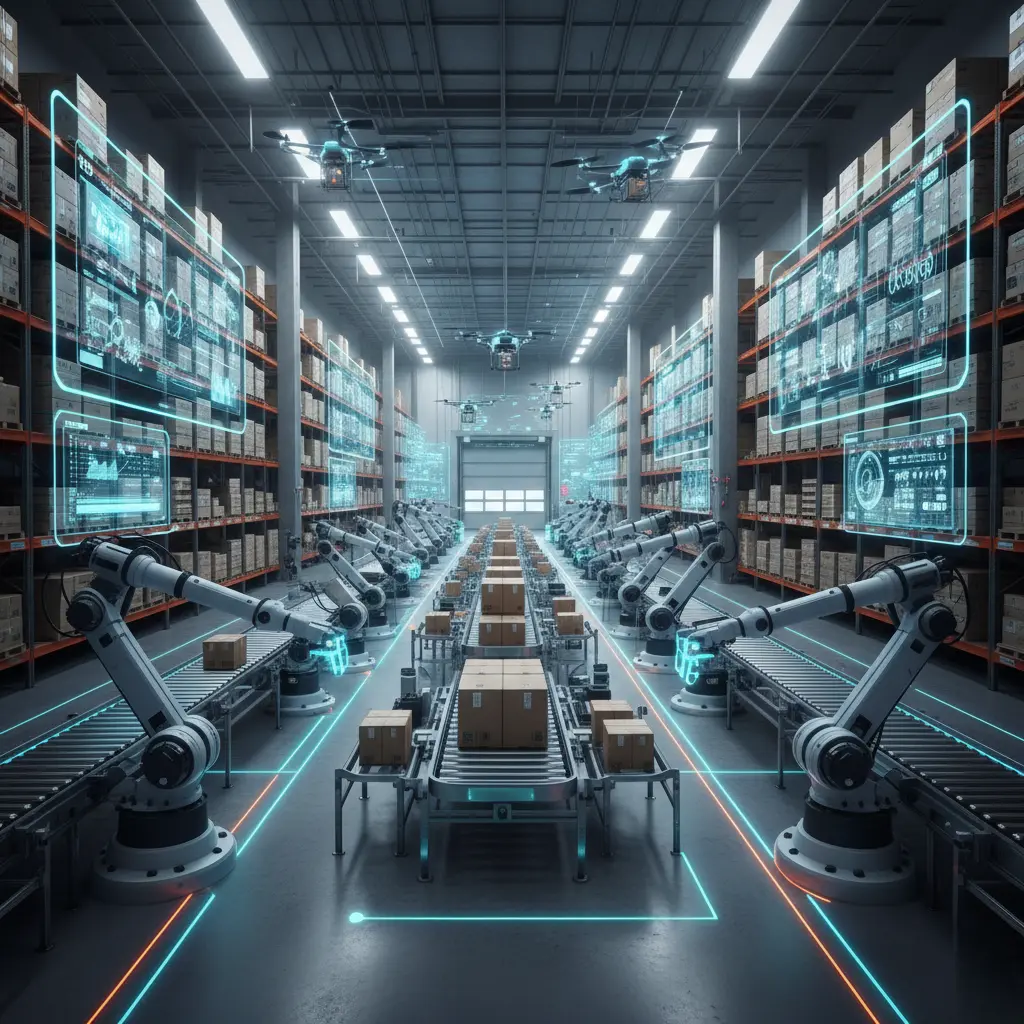
The logistics industry is evolving rapidly, and businesses must adapt to stay competitive. Understanding warehousing trends 2026 is essential for companies looking to optimize storage, improve efficiency, and enhance customer satisfaction. Innovations in technology and automation are transforming how warehouses operate, making operations faster, smarter, and more cost-effective.
Incorporating fulfillment center automation and smart warehouse tech is no longer optional—it’s becoming standard for modern supply chains. Companies that embrace these changes can reduce errors, accelerate order processing, and gain a strategic advantage in a competitive marketplace.
Key Drivers Behind Warehousing Trends 2026
Several factors are shaping the future of warehousing. The rise of e-commerce, increasing customer expectations, and pressure for cost efficiency are driving investment in automation and smart technology. Businesses are moving beyond traditional storage and focusing on end-to-end supply chain optimization.
By keeping up with warehousing trends 2026, companies can implement solutions that enhance operational efficiency, improve inventory management, and reduce fulfillment times. Automation, real-time data, and AI-driven decision-making are key areas of focus.
Fulfillment Center Automation
One of the most significant warehousing trends 2026 is the adoption of fulfillment center automation. Automated picking, sorting, and packing systems help warehouses process orders faster and more accurately. Robotics and conveyor systems reduce manual labor, lower operational costs, and minimize errors in high-volume environments.
Automation also supports scalability. Seasonal spikes or sudden demand surges can be handled efficiently without compromising accuracy or speed. Companies integrating fulfillment center automation can improve throughput and meet rising customer expectations for fast delivery.
Smart Warehouse Technology
The next-generation warehouse relies heavily on smart warehouse tech. Internet of Things (IoT) sensors, AI analytics, and real-time monitoring systems allow managers to track inventory, optimize storage, and predict maintenance needs.
IoT-enabled pallets and shelves provide accurate stock levels, reducing overstocking or stockouts. AI-powered software analyzes operational data, identifying bottlenecks and suggesting efficiency improvements. Adopting smart warehouse tech is a crucial aspect of the warehousing trends 2026 landscape.
Sustainable and Green Warehousing
Environmental responsibility is becoming a priority. Companies are implementing energy-efficient lighting, eco-friendly packaging, and renewable energy sources in warehouses. Sustainable practices not only reduce carbon footprints but also enhance brand reputation.
Green initiatives align with the broader warehousing trends 2026, where operational efficiency and sustainability go hand in hand. Combining fulfillment center automation with eco-friendly systems creates warehouses that are both smart and responsible.
Advanced Inventory Management
Inventory accuracy is critical in modern logistics. AI-driven forecasting, RFID tracking, and real-time inventory dashboards are transforming how warehouses manage stock. These tools minimize errors, reduce excess inventory, and improve fulfillment speed.
Investing in advanced inventory management complements smart warehouse tech and supports warehousing trends 2026 by providing actionable insights for better decision-making.
Workforce Transformation
While automation is on the rise, human workers remain essential. The role of warehouse employees is shifting toward oversight, maintenance, and technology management. Upskilling staff to operate and manage automated systems is a key trend.
By combining skilled labor with fulfillment center automation, businesses can maximize efficiency while maintaining quality control, reflecting the evolving warehousing trends 2026.
Integration with E-Commerce and Last-Mile Delivery
The growth of e-commerce drives the need for faster, more flexible warehouses. Integration with delivery platforms and real-time order tracking ensures faster turnaround times and enhanced customer satisfaction.
Companies adopting smart warehouse tech and automated fulfillment can handle high volumes of orders efficiently, supporting the broader objectives highlighted in warehousing trends 2026.
Predictive Analytics and AI
Predictive analytics is transforming warehouse operations. AI algorithms forecast demand, optimize stock placement, and identify potential disruptions before they occur. This proactive approach reduces downtime, increases order accuracy, and improves overall operational efficiency.
Using predictive tools in conjunction with fulfillment center automation is a cornerstone of the warehousing trends 2026 revolution.
Final Thoughts
The logistics landscape is rapidly evolving, and staying ahead requires understanding the latest warehousing trends 2026. Embracing fulfillment center automation, smart warehouse tech, sustainable practices, and advanced inventory management ensures businesses remain competitive and efficient.
Companies that adopt these trends can increase productivity, reduce costs, and deliver superior customer experiences. By integrating technology, automation, and intelligent decision-making, the warehouses of 2026 will be faster, smarter, and more resilient than ever before.
Leave a Reply