
Businesses and professionals are continually exploring new ways to deliver services online. Customers want clear information about what they are purchasing, while service providers want an organised way to present their expertise and attract suitable clients.
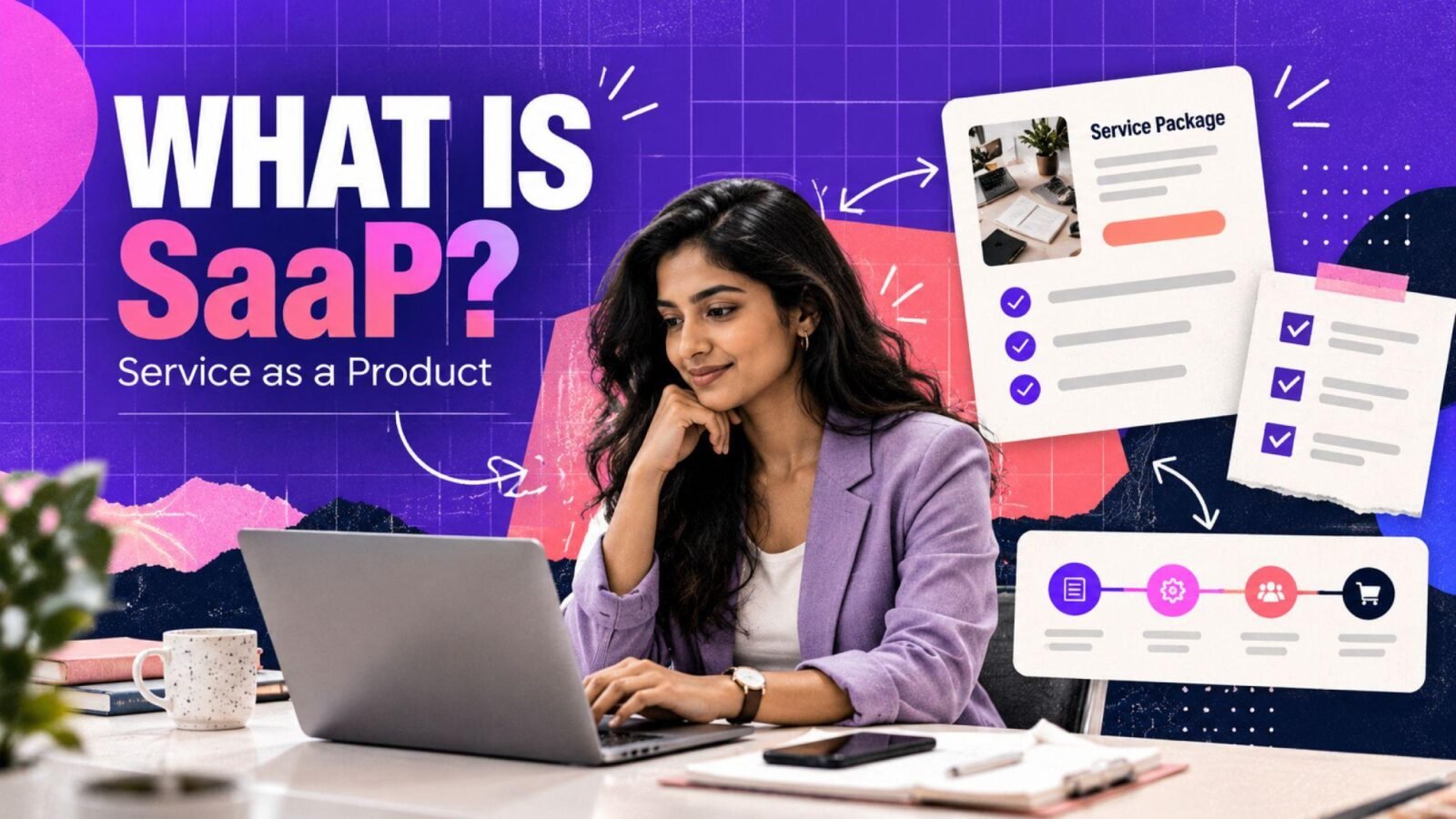
This is where SaaP, or Service as a Product, comes in. SaaP is an approach to offering a service as a clearly defined, packaged offering that customers can understand, select and request through an online platform.
Instead of describing a service in broad terms, a provider defines what the service includes, what the customer needs to supply, how the work will be delivered and what outcome the customer can expect.
For example, a graphic designer might offer a logo design package with defined deliverables. A writer might offer a blog-writing service with agreed content requirements. A digital marketing professional might package a website audit into a structured service offering.
This approach can make services easier to understand and manage. However, the exact process depends on the provider, the platform and the nature of the service.
vCue Store is a multi-category marketplace featuring physical products, digital products and SaaP. Its marketplace model provides an opportunity for eligible professionals and businesses to explore service-based offerings alongside other products.
In this guide, you will learn what SaaP means, how it works, how it differs from traditional services, its potential benefits and how to prepare a service offering for an online marketplace.
How Does SaaP (Service as a Product) Work?
The SaaP model turns a service into a structured offering with clearly defined features, deliverables and expectations. It helps customers understand what they are requesting before they begin working with a service provider.
Rather than presenting only a general description of their expertise, professionals define a specific service that customers can evaluate.
1. Define the Service
The first step is to identify a specific task or problem that your service can address.
For example, a website designer could offer a landing page design service, while an SEO professional could offer a website SEO audit.
A focused service is generally easier to explain than a broad promise to handle every possible customer requirement.
2. Specify the Deliverables
Explain exactly what the customer will receive.
For example, a content writing service might include an agreed article, relevant headings, a meta description and a final document.
The deliverables should be realistic and clearly described. Avoid promising results that depend on external factors, such as guaranteed search rankings or sales.
3. Explain the Process
Customers should understand how the service will be delivered.
Include information about the required inputs, communication process, expected timeline and any limitations.
This helps both parties establish expectations before work begins.
4. Present the Service Online
Create a service listing with a descriptive title, detailed description, relevant examples and clear deliverables.
Where supported by the platform, customers can explore the offering and submit a request through the available process.
5. Deliver and Improve
After receiving a request, follow the agreed process, complete the work and communicate with the customer.
Feedback can help you improve your service description, delivery process and future offerings.
SaaP Examples Across Different Industries
SaaP can be applied to many professional fields. The following examples illustrate how different services can be packaged into defined offerings.
Digital Marketing Services
Digital marketing professionals can organise their expertise into specific service packages.
Examples include:
- Website SEO audits.
- Keyword research reports.
- On-page SEO reviews.
- Content strategy development.
- Google Business Profile optimisation reviews.
- Website technical SEO assessments.
A well-defined SEO audit service should explain the pages or sections covered, the checks performed and the type of report delivered.
For example, a provider could offer a technical SEO review that identifies crawlability issues, indexing concerns and page-level improvement opportunities.
The provider should explain the scope clearly and avoid guaranteeing ranking improvements.
Graphic Design Services
Designers can package specific creative tasks into individual offerings.
Examples include logo design, social media graphics, presentation design and website banner creation.
A service listing should clarify the intended deliverables, file formats, design requirements and revision process.
This helps customers understand the creative work they are requesting.
Content Writing Services
Writers can offer clearly defined content services instead of relying on a general description of their writing abilities.
Possible offerings include blog writing, website content development, product descriptions and content editing.
The service description should explain the type of content, intended audience, research requirements and final deliverable.
Where appropriate, the provider can also describe whether SEO research, meta descriptions or formatting are included.
Website Development Services
Website developers can package tasks such as landing page development, website maintenance reviews, WordPress troubleshooting or website performance assessments.
Each service should specify the platform, technical scope, customer responsibilities and expected output.
A clearly defined service helps prevent misunderstandings about what is included in the engagement.
Business Consulting Services
Consultants can offer structured services such as business process reviews, workflow assessments, documentation support and strategic planning sessions.
The service should explain the information needed from the customer and the nature of the recommendations or documents provided.
Confidentiality and appropriate handling of customer information are particularly important for these offerings.
Creative and Educational Services
Professionals can also package tutoring sessions, educational workshops, video editing, photography-related services and other specialised work where the relevant platform supports those categories.
The key is to describe the service in a way that makes its purpose and deliverables easy to understand.
SaaP vs Traditional Service Delivery
The main difference is how the service is presented and organised.
Traditional Service Delivery
In a traditional service arrangement, a customer may contact a provider, explain their requirements and request a customised proposal.
The scope, process and deliverables may be developed through conversations before the work begins.
This approach can work well for complex projects that require extensive consultation or individual planning.
Service as a Product
With SaaP, the provider defines a service offering in advance.
The customer can review its description, understand the expected deliverables and decide whether the offering matches their needs.
Some services may still require consultation or customisation, but the initial offer has a clearer structure.
When Should You Use SaaP?
SaaP can be suitable when a service involves repeatable tasks, identifiable deliverables and a relatively consistent process.
For example, a standard website audit may be easier to package than a complete enterprise website redevelopment project with changing requirements.
Complex projects can still use elements of the SaaP model, but they may require additional consultation and a customised scope.
Key Benefits of the SaaP Model
The SaaP approach can offer advantages to both service providers and customers when the offering is designed well.
Clearer Customer Expectations
A detailed service listing explains what is included and what is not.
This helps customers evaluate whether the service matches their needs before submitting a request.
Better Service Presentation
Professionals can present their expertise through individual offerings rather than relying on a broad description of their business.
For example, an SEO professional could organise technical audits, keyword research and on-page reviews into separate services.
More Organised Workflows
Defined deliverables can make it easier to prepare checklists, manage customer requirements and follow a consistent delivery process.
This may reduce repetitive explanations and make routine work easier to organise.
Easier Service Discovery
Customers searching for a particular task may find a specific service listing more useful than a general profile describing many unrelated skills.
Clear titles and descriptions can help communicate the service’s relevance.
Opportunities to Expand Your Offerings
Once a provider has developed a reliable service, they may identify related offerings that address additional customer needs.
For example, a content audit service could complement content planning or editorial review services.
Any expansion should remain aligned with the provider’s actual expertise and capacity.
Improved Service Consistency
Standardised processes and documented requirements can help providers maintain consistent quality.
However, consistency still depends on the provider’s skills, available resources and execution.
How to Create a SaaP Offering for Your Business
If you want to package your expertise into a productised service, follow these steps.
Step 1: Identify a Specific Customer Need
Start by identifying a problem your intended customers frequently experience.
For example, small businesses may need help understanding why their website pages are not appearing in search results.
An SEO professional could develop a service focused on reviewing technical and on-page SEO issues.
The service should address a clear need rather than attempting to solve every possible problem at once.
Step 2: Define the Scope
Determine what work is included in the service.
For an SEO audit, this might include reviewing crawlability, indexation, metadata, internal links and selected technical issues.
Clearly explain any limitations, such as the number of pages covered or the information required from the customer.
Step 3: Establish the Deliverables
Decide what the customer will receive when the work is completed.
This could be a report, design file, content document, consultation summary or another defined output.
Make sure the deliverables match what you can realistically provide.
Step 4: Create a Clear Service Description
Use a descriptive service title and explain the intended audience, scope, process and expected output.
Avoid vague claims such as “complete business growth solution” when the actual service covers only one specific task.
Step 5: Prepare a Repeatable Workflow
Document the steps you follow from receiving a request to completing the work.
For example:
- Review the customer’s requirements.
- Collect the necessary information.
- Perform the agreed work.
- Check the deliverables for accuracy.
- Submit the final output and explain any relevant findings.
A repeatable process can help you deliver services more consistently.
Step 6: Choose an Appropriate Platform
Consider where your target customers are likely to discover and request your service.
Review the platform’s supported categories, seller requirements, service policies and available communication features.
The platform should suit the type of work you offer and the way you intend to deliver it.
Step 7: Collect Feedback and Refine the Service
After completing a service, ask for honest feedback.
Use the information to improve the listing, remove ambiguity and identify recurring customer needs.
Do not promise outcomes you cannot control, and make sure your service description remains accurate.
How vCue Store Fits into the SaaP Model
vCue Store is a multi-category marketplace featuring physical products, digital products and Service as a Product.
Its SaaP category is relevant to professionals and businesses interested in presenting services as defined offerings rather than relying exclusively on traditional service enquiries.
For example, an eligible professional might want to package a specific marketing task, creative deliverable or business support service.
The suitability of the platform depends on the service category, seller eligibility and the current features and policies available.
Explore the vCue Store Marketplace
Visit the vCue Store homepage to explore its marketplace structure and available offerings.
If you are interested in selling services, review the Become a Seller page for information about the onboarding process and current requirements.
You can also consult the vCue Store Help Center for published platform guidance.
Before listing a service, confirm that the category is supported and that your proposed deliverables comply with the applicable requirements.
SaaP and SEO: How to Make Service Listings More Discoverable
Search engine optimisation can help customers discover relevant service pages when they search for a specific solution.
Use Specific Service Keywords
Choose keywords that accurately describe the service and the intended customer need.
For example, a provider offering website reviews might target phrases related to website audits or technical SEO assessments, depending on the actual scope.
Avoid targeting unrelated terms simply because they attract search interest.
Write Descriptive Titles
A service title should communicate what the customer receives.
A title such as “Technical SEO Audit for Business Websites” is more informative than a generic title such as “Digital Services.”
Explain Deliverables Clearly
Search visibility alone does not guarantee enquiries. Customers also need to understand the service and decide whether it is appropriate for them.
Include relevant details about the process, expected output and customer requirements.
Publish Supporting Content
Helpful articles can explain common customer problems and link to relevant service pages.
For example, an article about website indexing issues could link to a technical SEO audit service if that service genuinely addresses the topic.
Use relevant internal links and ensure that every destination provides useful information.
Maintain Accurate Information
Review service pages regularly to ensure that descriptions, supported deliverables and business information remain accurate.
Update outdated details and remove claims that are no longer valid.
Common SaaP Mistakes to Avoid
Offering Too Many Unrelated Services
Listing every skill you possess can make your offering difficult to understand.
Start with services that have a clear audience and a defined purpose.
Leaving the Scope Unclear
Customers should not have to guess what they will receive.
Explain deliverables, limitations, customer responsibilities and the process for handling additional requirements.
Making Unrealistic Promises
Avoid guarantees of specific business outcomes when results depend on factors outside your control.
For example, an SEO service can identify optimisation opportunities, but it cannot guarantee a particular ranking or number of sales.
Ignoring Quality Control
A structured service still requires professional judgement and careful execution.
Review your work before delivery and ensure that the final output meets the agreed requirements.
Neglecting Customer Communication
Communicate clearly when additional information is required or when circumstances affect delivery.
Transparent communication can help prevent misunderstandings and maintain a professional relationship.
Conclusion
SaaP, or Service as a Product, is an approach to packaging a service into a clearly defined offering that customers can understand and request.
It can help professionals communicate their expertise, establish clear deliverables and organise repeatable workflows. Examples include SEO audits, content writing, graphic design, website reviews and other professional services.
The model works best when the service solves a specific problem, its scope is clearly explained and the provider can deliver the promised work consistently.
vCue Store features SaaP alongside physical products and digital products, offering eligible businesses another way to explore online service-based offerings.
Ready to explore SaaP opportunities? Visit vCue Store and review the seller registration process to learn more about the platform.
Frequently Asked Questions (FAQs)
1. What is SaaP (Service as a Product)?
SaaP stands for Service as a Product. It describes an approach where a service is packaged into a defined offering with clear deliverables, scope and expectations so customers can understand and request it.
2. How does Service as a Product work?
A provider defines a service, explains what is included, establishes the delivery process and presents the offering through an appropriate channel or marketplace. Customers can then review the information and decide whether the service meets their needs.
3. What are examples of SaaP?
Examples include SEO audits, logo design packages, content writing services, website reviews, presentation design and defined consulting deliverables. Availability depends on the provider and the platform’s supported categories.
4. What is the difference between SaaP and a traditional service?
A traditional service may begin with a consultation and a customised scope. SaaP presents a more clearly defined service offering in advance, although additional consultation or customisation may still be required.
5. Who can use the SaaP model?
Freelancers, consultants, agencies, designers, writers, developers and other professionals may be able to use SaaP when their services can be presented with clear deliverables and realistic expectations.
6. What are the benefits of SaaP for service providers?
Potential benefits include clearer service descriptions, more organised workflows, easier communication and more consistent delivery. Results depend on how the service is designed and managed.
7. Can digital marketing services be offered through SaaP?
Yes, where supported by the platform. Examples may include keyword research, technical SEO audits, content reviews and other clearly defined marketing deliverables.
8. How do I create a SaaP service listing?
Choose a specific customer need, define the scope, describe the deliverables, explain the process and prepare a clear listing. Make sure the service matches your expertise and the platform’s requirements.
9. Is SaaP suitable for small businesses?
It can be suitable for small businesses that provide repeatable services or want to present specific professional offerings more clearly. The approach should reflect the business’s actual capabilities and customer needs.
10. Can I offer SaaP services through vCue Store?
vCue Store features Service as a Product within its marketplace. Prospective sellers should review the Become a Seller page to confirm current onboarding requirements and the availability of their intended service category.