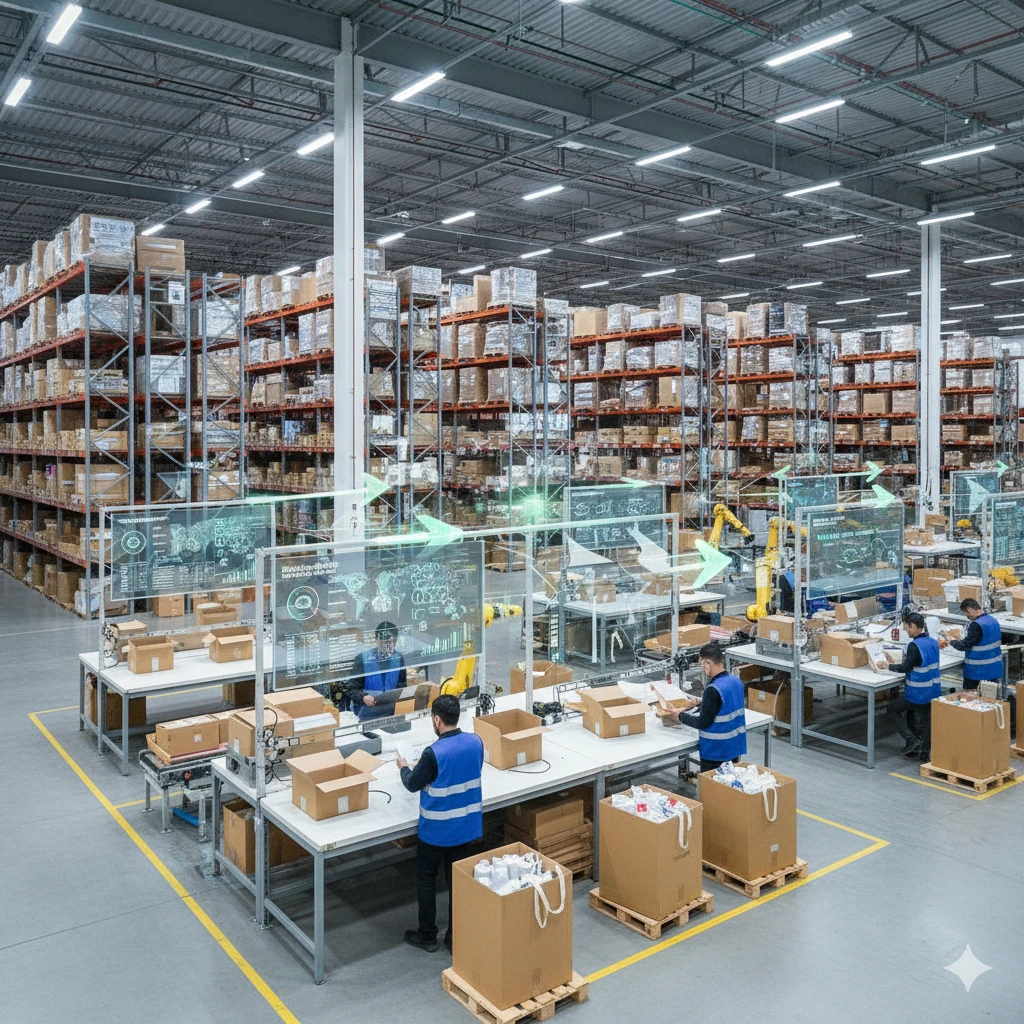
In today’s competitive online marketplace, managing product returns efficiently is just as important as delivering orders quickly. Reverse Logistics plays a critical role in helping businesses recover value, reduce waste, and maintain customer satisfaction. A well-structured approach ensures that returned products are handled smoothly without disrupting overall operations.
What Is Reverse Logistics?
Reverse Logistics refers to the process of moving goods from customers back to the seller or manufacturer for return, repair, refurbishment, recycling, or disposal. Unlike traditional supply chains that focus on delivering products outward, this system manages the backward flow of goods.
With online shopping continuing to grow through platforms like Shopify and Amazon, returns have become a standard part of doing business. Companies must create structured workflows to manage increasing return volumes without affecting profitability.
Why Reverse Logistics Matters
An optimized Reverse Logistics strategy reduces financial losses and enhances brand reputation. Poorly managed returns can increase operational costs, tie up inventory, and frustrate customers. On the other hand, an efficient system improves trust and encourages repeat purchases.
Customers today expect easy returns. A complicated or unclear ecommerce returns policy can discourage future sales. Businesses that prioritize convenience build long-term loyalty and stand out in crowded markets.
Building an Effective Returns Processing System
A strong returns processing system is the backbone of efficient returns management. It ensures products are tracked, inspected, categorized, and either restocked or disposed of appropriately.
Step 1: Return Authorization
The process begins when a customer initiates a return request. Automated approval workflows simplify this step. A digital returns portal reduces manual work and speeds up communication.
Step 2: Inspection and Sorting
Once items arrive at the warehouse, they must be inspected carefully. Products are typically categorized into resellable, repairable, or non-resellable groups. Clear inspection guidelines reduce delays and errors.
Step 3: Restocking or Disposal
Resellable items should be returned to inventory quickly. Efficient Reverse Logistics ensures that valuable stock is not left idle. Damaged goods may be refurbished, recycled, or responsibly discarded.
Creating a Customer-Friendly Ecommerce Returns Policy
An ecommerce returns policy defines the rules and expectations for returns. Transparency is essential. Customers want clear instructions on timelines, refund methods, and product conditions.
Keep It Simple and Clear
Use straightforward language to explain eligibility, time limits, and refund procedures. Avoid hidden conditions that create confusion.
Offer Flexible Options
Providing store credit, exchanges, or refunds increases customer satisfaction. Flexibility strengthens brand trust and reduces friction.
Highlight the Policy Before Purchase
Display your ecommerce returns policy prominently on product pages and during checkout. Customers are more likely to buy when they feel protected.
Technology’s Role in Reverse Logistics
Modern software solutions make Reverse Logistics more efficient and data-driven. Automation tools track return reasons, identify recurring issues, and provide valuable insights into product quality.
Integrated inventory systems update stock levels in real time. This prevents overselling and improves operational accuracy. Analytics also help identify patterns, such as frequent size-related returns, allowing businesses to improve product descriptions and reduce future returns.
Warehouse automation further accelerates inspection and restocking. Barcode scanning and digital tracking systems minimize manual errors and speed up processing times.
Cost Control in Reverse Logistics
Managing costs is a major challenge in Reverse Logistics. Shipping fees, labor, inspection, and repackaging expenses can quickly add up.
To reduce costs:
Optimize packaging to prevent damage during initial delivery.
Use prepaid return labels with negotiated carrier rates.
Analyze return data to identify preventable issues.
Encourage exchanges instead of refunds when possible.
By continuously evaluating return data, businesses can refine product descriptions, sizing charts, and quality control measures to lower return rates.
Sustainability and Environmental Impact
Reverse Logistics also supports sustainability goals. Returned products can be refurbished or recycled instead of sent to landfills. Eco-friendly practices not only reduce waste but also appeal to environmentally conscious customers.
Brands that implement green return initiatives often strengthen their public image. Sustainable packaging and responsible disposal methods demonstrate corporate responsibility.
Measuring Success in Returns Management
Tracking key performance indicators is essential for improving Reverse Logistics performance. Important metrics include return rate percentage, processing time, recovery value, and customer satisfaction scores.
A fast returns processing system reduces turnaround time and improves resale opportunities. Monitoring these metrics allows businesses to identify bottlenecks and optimize workflows.
Final Thoughts
Returns are an inevitable part of ecommerce, but they do not have to be a burden. With a structured Reverse Logistics strategy, businesses can transform returns into an opportunity for operational improvement and customer loyalty.
By investing in a reliable returns processing system, creating a transparent ecommerce returns policy, and leveraging technology for efficiency, companies can reduce losses while enhancing the customer experience. When managed strategically, Reverse Logistics becomes a competitive advantage that supports long-term growth and sustainability in the evolving digital marketplace.
Leave a Reply