Author: vCuestore_blogs

  • Future of eCommerce: Predictions for the Next 5 Years

    Future of eCommerce: Predictions for the Next 5 Years

    The world of eCommerce is evolving at lightning speed. With rapid technological advancements, changing consumer behavior, and global market growth, businesses need to stay ahead of trends to remain competitive. In this blog, we explore predictions for the future of eCommerce over the next five years and how businesses can prepare for the changes ahead.

    AI and Machine Learning Will Drive Personalization

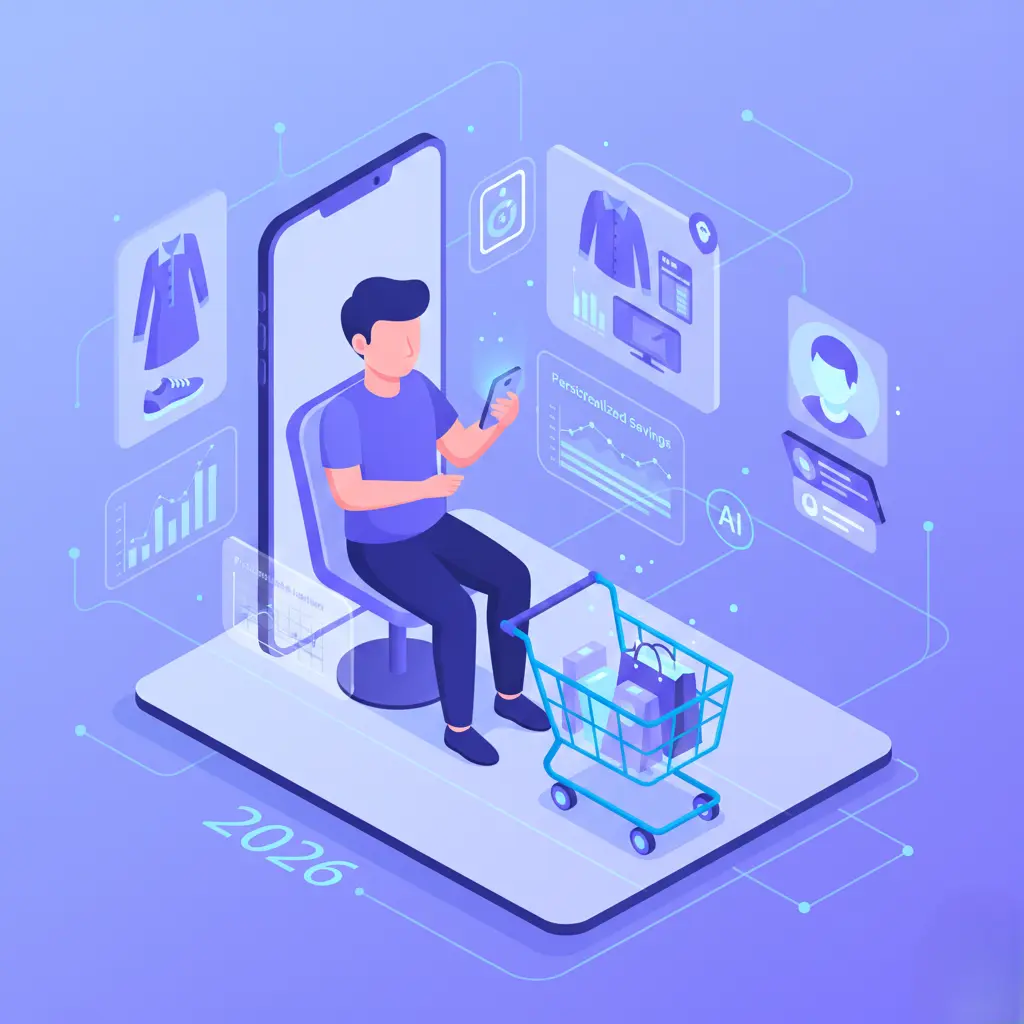
    Artificial Intelligence (AI) and machine learning are set to transform eCommerce like never before. Online stores will increasingly offer hyper-personalized experiences, using AI to predict customer preferences, recommend products, and optimize pricing in real time.

    Shoppers can expect:

    • Personalized product recommendations based on past behavior
    • Dynamic pricing for better deals
    • Tailored marketing messages through email, social media, and mobile notifications

    Businesses leveraging AI for personalization will see higher engagement and conversion rates.

    Voice Commerce Will Become Mainstream

    With smart speakers and voice assistants becoming household staples, voice commerce is expected to grow rapidly. Consumers will use voice commands to search for products, place orders, and track deliveries.

    By 2028, experts predict a significant percentage of online transactions will be completed via voice, especially for:

    • Groceries and household items
    • Subscription services
    • Quick reorders of frequently purchased products

    Brands that optimize for voice search will gain a competitive advantage in accessibility and convenience.

    Augmented Reality (AR) and Virtual Reality (VR) Will Enhance Shopping

    The integration of AR and VR in online shopping will allow consumers to experience products virtually before buying. Customers can:

    • Try on clothes or accessories using AR mirrors
    • Visualize furniture or home décor in their own space
    • Attend virtual showrooms and product demonstrations

    These technologies will reduce return rates and increase consumer confidence, especially for industries like fashion, furniture, and electronics.

    Mobile Commerce Will Dominate

    Mobile devices already account for a significant share of eCommerce sales. In the next five years, mCommerce will dominate global online shopping due to:

    • Faster mobile internet speeds (5G and beyond)
    • Improved app experiences
    • Mobile wallets and instant payment options

    Businesses will need mobile-first strategies to capture on-the-go consumers and provide seamless checkout experiences.

    Sustainability and Ethical Shopping Will Influence Decisions

    Consumers are becoming more conscious of sustainability and ethical practices. Over the next five years, eCommerce brands that prioritize:

    • Eco-friendly packaging
    • Transparent supply chains
    • Ethical sourcing and production

    …will attract loyal, socially conscious shoppers. Sustainability will become a major differentiator in competitive markets.

    Subscription Models and Direct-to-Consumer (DTC) Growth

    Subscription-based services and direct-to-consumer models will continue to expand. Consumers prefer convenience, curated experiences, and personalized products delivered to their doorsteps. Businesses adopting DTC strategies will benefit from:

    • Higher profit margins
    • Better customer insights
    • Stronger brand loyalty

    Predictive Analytics Will Improve Inventory and Supply Chains

    Data-driven decision-making will become the norm. Predictive analytics will allow retailers to:

    • Forecast demand accurately
    • Optimize inventory levels
    • Reduce shipping costs and delivery times

    This technology will help businesses reduce waste, increase efficiency, and improve customer satisfaction.

    Final Thoughts

    The future of eCommerce over the next five years will be shaped by AI, AR/VR, voice commerce, mobile-first strategies, sustainability, and predictive analytics. Brands that embrace these trends early will gain a competitive edge, offering seamless, personalized, and innovative shopping experiences.

    Consumers will enjoy faster, smarter, and more ethical online shopping, while businesses will benefit from higher engagement, loyalty, and profitability. Staying ahead of these trends is no longer optional—it’s essential for survival in the rapidly evolving eCommerce landscape.

  • How AI is Transforming Online Shopping

    How AI is Transforming Online Shopping

    The world of online shopping is evolving faster than ever, and Artificial Intelligence (AI) is at the forefront of this transformation. From personalized recommendations to smarter inventory management, AI is changing the way consumers browse, buy, and interact with e-commerce platforms.

    AI-Powered Personalization

    One of the biggest impacts of AI in online shopping is personalization. AI algorithms analyze user behavior, purchase history, and preferences to deliver tailored product recommendations. Retailers like Amazon and Netflix have set high standards by showing products and content based on individual user patterns.

    Personalization not only improves the shopping experience but also increases conversion rates. Studies show that personalized recommendations can boost sales by up to 20–30% for e-commerce businesses.

    Chatbots and Virtual Assistants

    AI-driven chatbots and virtual assistants are reshaping customer service. These tools provide instant responses to queries, assist in product searches, and even help complete purchases. Unlike traditional support, AI chatbots operate 24/7, ensuring seamless shopping experiences and reducing operational costs for retailers.

    For example, fashion and beauty brands use chatbots to guide customers in choosing sizes, colors, and styles, making online shopping feel more like a personalized in-store experience.

    Visual Search and Image Recognition

    AI has enabled visual search, allowing shoppers to find products using images instead of text. By uploading a photo, users can instantly locate similar items online. This technology leverages image recognition to match patterns, colors, and shapes across product catalogs.

    Visual search not only simplifies the buying process but also reduces friction for users who may not know the exact product name, improving customer satisfaction and sales.

    Smart Inventory and Supply Chain Management

    Behind the scenes, AI is revolutionizing inventory management and supply chains. Predictive analytics help retailers forecast demand, optimize stock levels, and reduce wastage. AI systems can identify trends in real time, ensuring that popular products are always available and minimizing the risk of overstocking or stockouts.

    This efficiency directly translates to cost savings and faster delivery times, which are crucial for maintaining customer loyalty in e-commerce.

    Fraud Detection and Secure Payments

    AI algorithms also enhance security in online shopping. By analyzing transaction patterns, AI can detect fraudulent activities, unusual purchases, and account anomalies. This proactive fraud detection protects both retailers and customers, fostering trust in digital payment systems.

    Voice Commerce

    With the rise of smart speakers and voice assistants, AI is enabling voice commerce. Customers can order products, check prices, and track shipments using voice commands. Voice-activated shopping is particularly appealing for convenience-focused consumers, offering a hands-free shopping experience.

    The Future of AI in E-Commerce

    The future of AI in online shopping promises even more innovation. Technologies like augmented reality (AR) fitting rooms, predictive product launches, and hyper-personalized marketing are set to redefine the e-commerce landscape. Retailers leveraging AI effectively will not only boost sales but also create loyal and satisfied customers.

    Final Thoughts

    AI is no longer optional in online shopping—it is essential for staying competitive. From personalized recommendations to smarter supply chains and secure payments, AI is transforming every aspect of the e-commerce experience. Businesses that adopt AI technologies can offer faster, smarter, and more personalized shopping, while consumers enjoy convenience, security, and satisfaction like never before.

  • Why Social Commerce Is the Future of Online Shopping

    Why Social Commerce Is the Future of Online Shopping

    Social media has evolved beyond sharing updates and connecting with friends—it’s now transforming the way people shop online. Social commerce is rapidly becoming the driving force behind eCommerce growth, allowing brands to sell directly through social platforms while creating engaging, personalised shopping experiences. In 2026, businesses that ignore social commerce risk missing a massive opportunity to reach and convert their audience.

    What Is Social Commerce?

    Social commerce is the integration of eCommerce directly into social media platforms. Instead of redirecting users to a separate website, brands can showcase products, provide recommendations, and complete purchases within apps like Instagram, TikTok, Facebook, and Pinterest. This seamless experience merges entertainment, social interaction, and shopping into a single journey.

    Key Features of Social Commerce

    • Shoppable posts and videos: Users can click on products in a post or video to purchase instantly.
    • Influencer partnerships: Trusted personalities drive product awareness and conversions.
    • In-app checkout: Completing purchases without leaving the social platform simplifies the buying process.

    Why Social Commerce Is Growing

    Several factors are driving the rise of social commerce in 2026:

    Mobile-First Shopping

    Most users browse social media on smartphones. Social commerce capitalizes on this by making shopping mobile-native, reducing friction and increasing conversion rates.

    Personalized Experiences

    Platforms leverage user data to show relevant products based on interests, past purchases, and browsing behavior. Personalization ensures that shoppers are presented with products they are likely to buy, making social commerce highly effective.

    Community and Engagement

    Social commerce thrives on interaction. Comments, likes, shares, and reviews create a sense of community around products. This engagement builds trust and encourages purchases, transforming social media into a highly persuasive sales channel.

    Benefits of Social Commerce for Brands

    • Higher Conversion Rates: Shoppers can buy instantly without leaving the platform.
    • Lower Acquisition Costs: Organic reach, influencer marketing, and user-generated content reduce reliance on paid ads.
    • Stronger Customer Loyalty: Interactive and personalized shopping experiences foster long-term engagement.
    • Real-Time Insights: Brands gain valuable data on customer behavior, trends, and preferences.

    Social Commerce Trends to Watch in 2026

    • Live Shopping Events: Live streams where influencers or brands showcase products in real time are gaining traction.
    • AI-Powered Recommendations: Social platforms use AI to suggest products based on user behavior, increasing purchase likelihood.
    • Integrated Loyalty Programs: Rewards and points integrated into social commerce ecosystems encourage repeat purchases.

    How Brands Can Succeed in Social Commerce

    1. Focus on Engagement: Create interactive content that encourages users to like, comment, and share.
    2. Leverage Influencers Strategically: Partner with trusted creators who align with your brand.
    3. Optimize Mobile Experience: Ensure product pages, checkout, and content load quickly on mobile devices.
    4. Use Data to Personalize: Tailor product recommendations and content to each user for higher conversions.

    Conclusion

    Social commerce is the future of online shopping because it merges discovery, engagement, and purchase into one seamless experience. In 2026, brands that embrace social commerce can boost sales, strengthen customer relationships, and gain a competitive edge. The lines between social media and shopping are disappearing, and businesses that adapt will thrive in this new, interactive digital marketplace.

  • AI in eCommerce: Smarter Recommendations and Customer Support

    AI in eCommerce: Smarter Recommendations and Customer Support

    AI in eCommerce is transforming online shopping in 2026, enabling businesses to deliver smarter recommendations and improved customer support. From AI-powered chatbots to predictive analytics, companies are leveraging artificial intelligence to create personalized experiences that increase sales, engagement, and brand loyalty.

    How AI Enhances Product Recommendations

    One of the biggest challenges in eCommerce is helping customers find the right products. AI in eCommerce solves this by analyzing purchase history, browsing behavior, and preferences to offer smarter recommendations.

    Personalized Shopping Experiences

    AI-powered systems provide personalized product recommendations for each customer. Instead of generic suggestions, shoppers see items tailored to their interests, increasing engagement and conversion rates. For example, a user who buys fitness gear may be recommended running shoes, accessories, or nutrition products. These smarter recommendations enhance the overall shopping experience.

    Predictive Analytics for Smarter Decisions

    AI in eCommerce also predicts what products customers may need next. Predictive analytics helps brands optimize inventory and suggest items before the customer even realizes they want them. This proactive approach boosts customer satisfaction and encourages repeat purchases, making smarter recommendations even more effective.

    AI-Powered Customer Support

    Beyond recommendations, AI in eCommerce is revolutionizing customer support.

    Chatbots and Virtual Assistants

    AI chatbots provide 24/7 support, answer queries, and guide shoppers through the purchase journey. This ensures fast, reliable assistance and enhances the customer support experience. Customers enjoy real-time help, reducing frustration and increasing trust in the brand.

    Sentiment Analysis for Better Service

    Advanced AI systems can analyze customer feedback to detect sentiment and prioritize urgent issues. By integrating AI in eCommerce for sentiment analysis, brands can proactively address concerns, improve service quality, and deliver personalized solutions.

    AI-Driven Inventory and Pricing Optimization

    AI also improves operational efficiency behind the scenes.

    Dynamic Pricing Strategies

    AI tools monitor competitor prices, demand, and trends to recommend optimal pricing. This helps eCommerce brands remain competitive while maximizing profit margins. AI in eCommerce ensures smarter pricing and smarter decisions for growth.

    Inventory Management

    With predictive analytics, AI forecasts demand and reduces overstock or stockouts. Customers can find the products they need when they want them, improving the shopping experience and strengthening brand reliability.

    Benefits of AI in eCommerce

    • Enhanced personalization: Smarter recommendations keep shoppers engaged.
    • Improved efficiency: AI streamlines customer support and backend operations.
    • Higher conversion rates: Personalized experiences boost purchases.
    • Stronger loyalty: Reliable customer support builds trust and long-term engagement.

    Conclusion

    AI in eCommerce is no longer optional—it’s essential. By providing smarter recommendations and superior customer support, brands can create personalized, efficient, and engaging shopping experiences. Leveraging AI leads to increased conversions, happier customers, and a competitive edge in the digital marketplace.

    In 2026, embracing AI in eCommerce means smarter decisions, better customer experiences, and sustainable growth.

  • Dropshipping vs. Traditional Ecommerce: Pros and Cons

    Dropshipping vs. Traditional Ecommerce: Pros and Cons

    Choosing the right business model is one of the most important decisions for anyone starting an online store. Dropshipping and traditional eCommerce are two popular models, each with distinct advantages and challenges. Understanding their pros and cons can help entrepreneurs make smarter decisions and scale their business effectively.

    What Is Dropshipping?

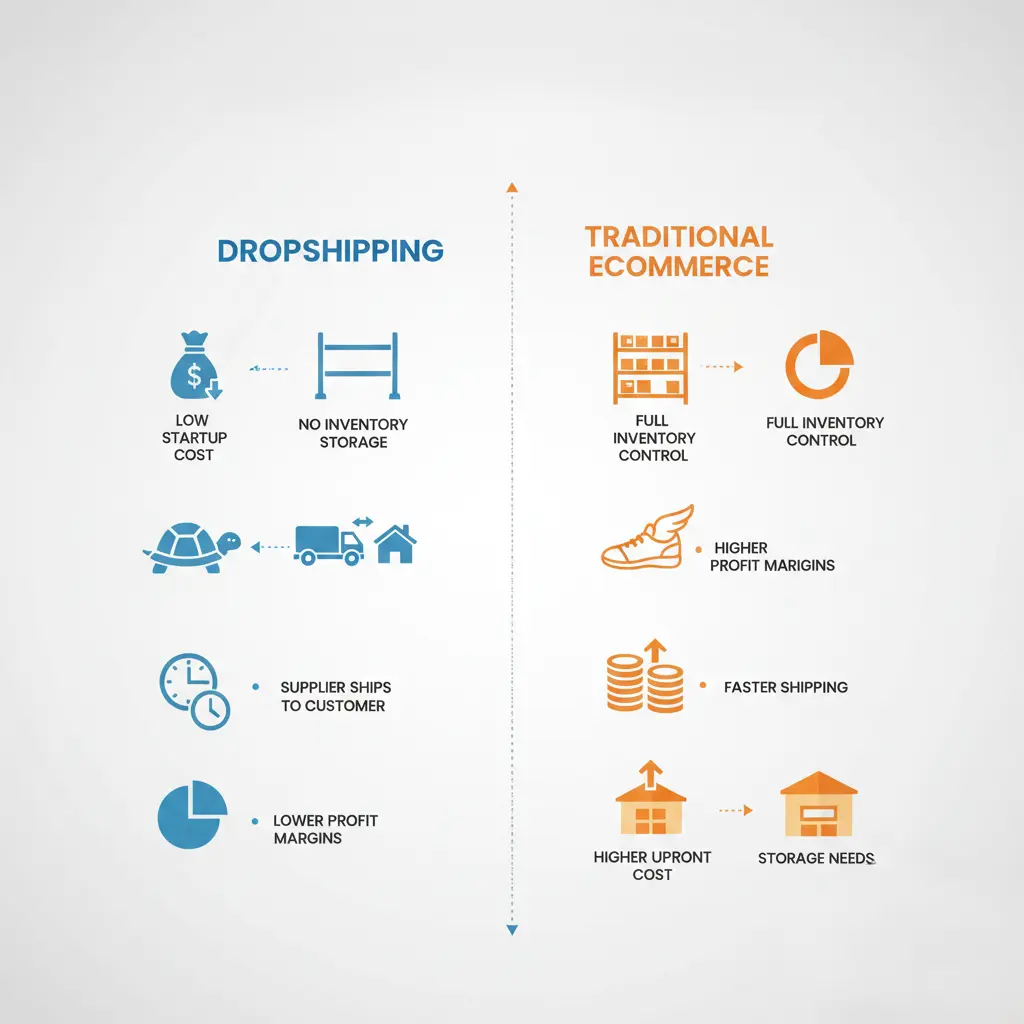
    Dropshipping is a retail model where the store sells products without holding inventory. When a customer makes a purchase, the supplier ships the product directly to them. The store acts as a middleman, focusing on marketing, sales, and customer experience.

    What Is Traditional Ecommerce?

    Traditional ecommerce involves buying inventory in bulk, storing it in a warehouse, and shipping orders directly to customers. This model gives business owners full control over inventory, shipping, and product quality.

    Pros of Dropshipping

    1. Low Startup Costs

    With dropshipping, you don’t need to invest in inventory upfront. This significantly reduces the financial risk, making it easier for beginners to start an online store.

    2. Minimal Inventory Management

    Since suppliers handle storage and shipping, you save time and resources on logistics, warehousing, and inventory tracking.

    3. Wide Product Selection

    Dropshipping allows you to list thousands of products without worrying about stock. You can experiment with different niches and products with minimal risk.

    4. Location Flexibility

    You can run a dropshipping business from anywhere with an internet connection, making it ideal for digital nomads and remote entrepreneurs.

    Cons of Dropshipping

    1. Lower Profit Margins

    Because you don’t buy in bulk, dropshipping products typically have lower margins compared to traditional ecommerce. Competition can further drive prices down.

    2. Limited Control Over Shipping and Quality

    You rely on suppliers for product quality and delivery times. Delays or defects can negatively impact your brand reputation.

    3. Higher Competition

    The low barrier to entry means more sellers offer similar products, making it harder to stand out without strong marketing.

    Pros of Traditional Ecommerce

    1. Higher Profit Margins

    Buying in bulk allows for lower product costs, which means higher margins per sale.

    2. Greater Control Over Brand Experience

    You control inventory, packaging, shipping, and product quality, ensuring a consistent experience for customers.

    3. Better Customer Loyalty

    Owning the product and fulfillment process allows you to build stronger relationships with customers through personalized packaging, faster delivery, and better service.

    Cons of Traditional Ecommerce

    1. Higher Startup Costs

    You must invest in inventory, storage, and shipping upfront, which increases financial risk.

    2. Inventory Management Responsibilities

    Tracking stock, handling returns, and managing warehouse operations require time, effort, and infrastructure.

    3. Limited Product Testing

    Since inventory requires investment, testing new products or niches can be costly and riskier.

    Which Model Is Right for You?

    If you want to start with low risk and minimal investment, dropshipping is ideal. However, if you’re looking to build a brand with higher margins and full control over customer experience, traditional ecommerce may be the better choice.

    Both models have potential for success, but your decision should align with your business goals, budget, and willingness to manage inventory and logistics.