Author: vCuestore_blogs

  • Top 10 Influencer Marketing Tips for Online Stores

    Top 10 Influencer Marketing Tips for Online Stores

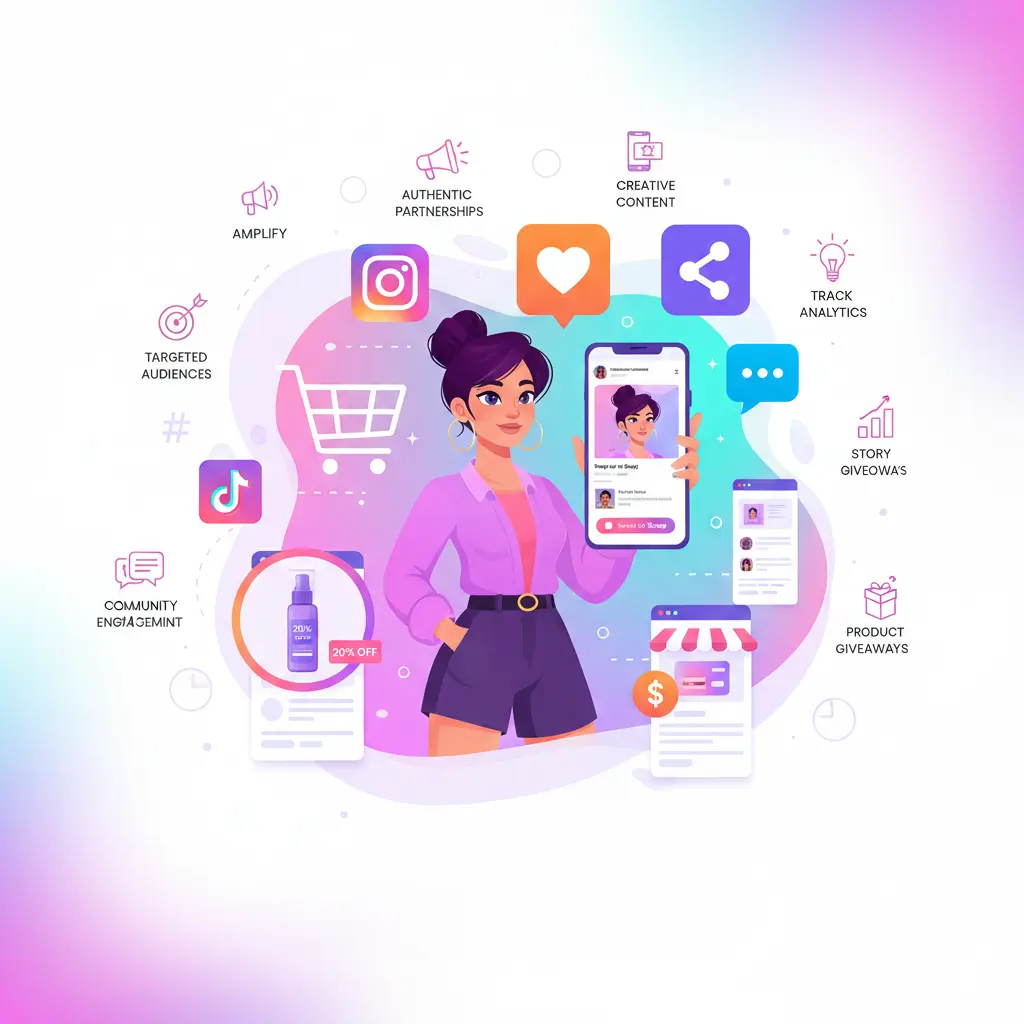
    Influencer marketing has become a powerhouse strategy for online stores looking to boost brand awareness, drive traffic, and increase sales. When executed correctly, partnering with influencers can create authentic connections with your target audience and amplify your brand message. Here are the top 10 influencer marketing tips every online store should know.

    1. Define Clear Goals

    Before reaching out to influencers, identify what you want to achieve. Are you aiming for brand awareness, more sales, or social media growth? Clear goals help you choose the right influencers and measure ROI effectively.

    2. Know Your Target Audience

    Understanding your audience is crucial. Identify demographics, interests, and platforms they use most. This ensures the influencers you work with align with your audience, making your campaigns more relevant and effective.

    3. Choose the Right Influencers

    Not all influencers are a good fit. Look for those whose values, tone, and aesthetics match your brand. Consider engagement rate, authenticity, and niche relevance over follower count. Micro-influencers often provide higher engagement and more trust with their followers.

    4. Build Authentic Relationships

    Influencer marketing works best when relationships are genuine. Engage with potential influencers on social media, comment on their posts, and show appreciation for their work before pitching collaborations. Authentic partnerships resonate better with audiences.

    5. Create Compelling Campaigns

    Collaborate with influencers to craft creative campaigns that showcase your products naturally. Encourage storytelling, unboxing videos, tutorials, and reviews. Authentic content performs better than overly promotional messages.

    6. Leverage Multiple Platforms

    Don’t limit your campaigns to Instagram alone. Depending on your audience, consider TikTok, YouTube, Pinterest, or even LinkedIn. Each platform has its unique style, and leveraging multiple channels increases visibility.

    7. Provide Clear Guidelines

    While creative freedom is important, clear guidelines help influencers align with your brand. Outline expectations regarding messaging, hashtags, content format, and posting schedule, while allowing flexibility for authenticity.

    8. Track Performance Metrics

    Monitor KPIs such as engagement rate, website traffic, and conversion rates. Tools like UTM links and promo codes help measure the direct impact of influencer campaigns on your online store’s sales.

    9. Encourage User-Generated Content

    Influencers can inspire their followers to create content around your brand. Reposting user-generated content builds trust, fosters community, and provides social proof that drives future sales.

    10. Build Long-Term Partnerships

    One-off campaigns can generate results, but long-term influencer relationships build stronger brand loyalty. Consistent collaborations create credibility, trust, and repeat exposure, ultimately boosting conversions.

    Influencer marketing is a strategic way for online stores to expand reach, build credibility, and increase revenue. By following these 10 tips, your store can leverage authentic partnerships, craft engaging campaigns, and turn influencer collaborations into a sustainable growth engine.

  • The Biggest E-commerce Mistakes New Sellers Make

    The Biggest E-commerce Mistakes New Sellers Make

    Launching an online store can be exciting, but many new e-commerce sellers stumble in ways that slow growth or even sink their business. Understanding the most common pitfalls early can save time, money, and frustration. In this article, we’ll explore the biggest e-commerce mistakes new sellers make and how to avoid them.

    Focusing on Products, Not Customers

    One of the top e-commerce mistakes new sellers make is prioritizing what they want to sell over what customers want to buy. Successful online businesses focus on solving a problem or fulfilling a need. Ignoring market research and customer behavior often results in inventory that doesn’t sell, no matter how great the product seems.

    Ignoring the Importance of Branding

    Many new e-commerce sellers underestimate branding. A strong brand communicates trust, professionalism, and value. Poor branding can make your store look unprofessional, even if the products are high quality. This is one of the e-commerce mistakes new sellers make that can hurt conversion rates and repeat purchases.

    Skipping the Mobile Optimization

    With over half of online traffic coming from mobile devices, neglecting mobile optimization is a costly error. Slow load times, confusing navigation, or a checkout process that isn’t mobile-friendly can turn potential buyers away. This is a frequent e-commerce mistake new sellers make that’s easily preventable with responsive design and mobile testing.

    Underestimating Marketing and Traffic

    New sellers often think “if I build it, they will come.” The truth is, without a marketing plan, your products may never reach the right audience. Failing to invest in SEO, social media, or paid campaigns is another critical e-commerce mistake new sellers make that slows growth.

    Poor Inventory and Fulfillment Management

    Running out of stock or mishandling orders frustrates customers and leads to negative reviews. New sellers sometimes overlook inventory management systems or fulfillment planning, which is another common e-commerce mistake new sellers make. Streamlining logistics ensures customers receive products on time and keeps your store’s reputation intact.

    Neglecting Customer Service

    Customer service can make or break an online business. Ignoring questions, complaints, or returns not only drives away buyers but also harms your brand. Many new sellers fail to set up clear customer support processes—an avoidable e-commerce mistake new sellers make that impacts long-term growth.

    Overcomplicating the Store

    Sometimes less is more. Overloading your site with too many products, complicated navigation, or excessive pop-ups overwhelms visitors. This is another frequent e-commerce mistake new sellers make that can reduce sales and frustrate customers.

    Final Thoughts

    The biggest e-commerce mistakes new sellers make often boil down to neglecting customer needs, underestimating operational demands, and overlooking marketing. By focusing on user experience, branding, mobile optimization, and solid logistics, new sellers can avoid these pitfalls and build a sustainable online business.

    Getting these fundamentals right is far more important than chasing trends or shortcuts. Avoid the common mistakes, and your e-commerce store will have the foundation it needs to succeed.

  • From First Sale to 10K Orders: Systems That Scale

    From First Sale to 10K Orders: Systems That Scale

    Growing an online business from a single sale to thousands of orders is no accident—it requires systems that scale. Many entrepreneurs struggle when demand increases because they rely on manual processes that worked for a handful of customers but crumble under volume. By implementing scalable systems early, businesses can handle growth efficiently while maintaining quality and customer satisfaction.

    Why Scalable Systems Are Critical

    Without systems that scale, operational inefficiencies multiply as your order volume grows. Manual tasks like processing orders, managing inventory, and handling customer service become bottlenecks. Businesses that ignore scaling early often face delays, errors, and unhappy customers. Scalable systems ensure every process—from checkout to fulfillment—can grow without causing chaos.

    Automating Order Management

    A key element of systems that scale is automating order management. Tools like e-commerce platforms, inventory software, and fulfillment integrations reduce human error and speed up processing. Automation allows teams to focus on strategy rather than repetitive tasks, which is critical when moving from your first sale to thousands of orders.

    Inventory and Fulfillment Optimization

    As your business grows, keeping track of stock and managing shipments manually becomes impossible. Implementing systems that scale includes real-time inventory tracking, automated reordering, and reliable fulfillment partnerships. These systems prevent stockouts, reduce shipping errors, and improve customer experience—ensuring that your growth is sustainable.

    Customer Support Systems

    Customer inquiries increase alongside orders. Scalable businesses implement ticketing systems, chatbots, and FAQ knowledge bases to handle routine questions efficiently. By creating systems that scale in customer support, you maintain satisfaction without hiring a disproportionately large team.

    Marketing and Sales Automation

    From email campaigns to social media posting, marketing efforts must also scale. Automated workflows help maintain engagement with growing audiences. Using systems that scale, businesses can nurture leads, cross-sell products, and drive repeat purchases without manually managing every campaign.

    Data-Driven Decision Making

    Scalable systems also include analytics tools that track key performance indicators. Monitoring sales trends, customer behavior, and inventory turnover allows businesses to adjust strategies proactively. These insights are part of the systems that scale philosophy, ensuring growth is predictable and manageable.

    Start Small, Build Big

    The journey from first sale to 10,000 orders doesn’t happen overnight. Implement systems that scale gradually, beginning with critical areas like order processing, inventory management, and customer service. Once these are automated, focus on marketing, analytics, and additional processes. The goal is to create a foundation that supports rapid growth without breaking down.

    Conclusion

    Businesses that prioritize systems that scale can handle increasing demand while maintaining efficiency, quality, and customer satisfaction. From automating orders to streamlining fulfillment and marketing, scalable systems turn small operations into sustainable, high-volume enterprises. Start building these systems early, and your business will be ready for growth beyond your first sale.

  • How to Measure Trust and Brand Equity in Ecommerce

    How to Measure Trust and Brand Equity in Ecommerce

    Introduction to How to Measure Trust and Brand Equity in Ecommerce

    In the competitive world of online shopping, trust and brand equity are as important as product quality and pricing. Understanding How to Measure Trust and Brand Equity in Ecommerce allows businesses to evaluate not just sales, but the strength of their customer relationships, loyalty, and long-term growth potential. While traffic and conversions indicate activity, trust and brand equity measure influence and credibility—assets that drive sustainable success.

    Why Trust and Brand Equity Matter in Ecommerce

    Trust Builds Loyalty

    Customers are more likely to purchase repeatedly from brands they trust. In ecommerce, where physical interaction is absent, trust becomes a key differentiator. Understanding How to Measure Trust and Brand Equity in Ecommerce helps companies identify weak points in the customer journey and improve retention strategies.

    Brand Equity Drives Premium Value

    Strong brand equity allows businesses to command higher prices, increase customer lifetime value, and expand market share. Unlike immediate sales metrics, brand equity reflects long-term perception and recognition, making it vital to monitor alongside traditional KPIs.

    Metrics to Measure Trust in Ecommerce

    Customer Reviews and Ratings

    Positive reviews, high star ratings, and user testimonials indicate that a brand is reliable and credible. Tracking review frequency and sentiment is an essential method for How to Measure Trust and Brand Equity in Ecommerce.

    Net Promoter Score (NPS)

    NPS gauges customer willingness to recommend a brand to others. A high NPS score shows strong trust, while a low score indicates areas needing improvement. Measuring NPS regularly is key for understanding How to Measure Trust and Brand Equity in Ecommerce.

    Return and Complaint Rates

    A high rate of returns or complaints may signal issues with product quality or service. Analyzing these metrics helps ecommerce businesses assess trust and identify problem areas. Tracking them is critical to How to Measure Trust and Brand Equity in Ecommerce.

    Social Proof and Engagement

    Social shares, mentions, and engagement on platforms like Instagram or TikTok demonstrate credibility and influence. Monitoring these interactions provides insight into customer trust levels and overall brand perception.

    Metrics to Measure Brand Equity in Ecommerce

    Brand Awareness

    Brand awareness can be measured through search volume, direct traffic, and social media mentions. High awareness reflects recognition and positions your brand strongly in the market, a core part of How to Measure Trust and Brand Equity in Ecommerce.

    Brand Preference and Loyalty

    Tracking repeat purchase rates, subscription renewals, and customer retention indicates whether customers prefer your brand over competitors. These metrics are central to How to Measure Trust and Brand Equity in Ecommerce.

    Perceived Quality

    Surveys and sentiment analysis reveal how customers perceive the quality of your products or services. Positive perception increases willingness to pay and strengthens brand equity, making it an essential measure in ecommerce strategy.

    Brand Associations

    Understanding which values, emotions, or attributes customers associate with your brand can be achieved through surveys and social listening. Strong positive associations reinforce trust and enhance brand equity.

    Best Practices for Measuring Trust and Brand Equity

    Combine Quantitative and Qualitative Data

    Metrics like NPS, retention, and social engagement provide quantitative insights, while surveys, focus groups, and reviews offer qualitative understanding. Using both approaches ensures a comprehensive view of trust and brand equity.

    Track Metrics Over Time

    Trust and brand equity are long-term assets. Continuous monitoring allows businesses to see trends, evaluate strategies, and respond to changes in customer perception effectively.

    Benchmark Against Competitors

    Comparing trust and brand equity metrics with competitors provides context and helps identify areas for differentiation in ecommerce markets.

    Conclusion: Sustaining Growth Through Trust and Brand Equity

    Mastering How to Measure Trust and Brand Equity in Ecommerce is vital for sustainable success. Trust builds loyalty, while strong brand equity allows premium pricing and market expansion. By tracking reviews, NPS, engagement, awareness, and brand perception, ecommerce businesses can create strategies that strengthen both relationships and revenue. In a world where customers have endless options, brands that measure and cultivate trust and equity will always stay ahead.

  • Beyond CAC: Metrics That Matter in Modern Ecommerce

    Beyond CAC: Metrics That Matter in Modern Ecommerce

    Introduction to Beyond CAC: Metrics That Matter in Modern Ecommerce

    In today’s fast-paced digital marketplace, focusing solely on Customer Acquisition Cost (CAC) is no longer enough. Beyond CAC: Metrics That Matter in Modern Ecommerce explores the key performance indicators that reveal the true health of your online business. While CAC helps measure efficiency in attracting customers, modern ecommerce demands a deeper understanding of engagement, retention, and lifetime value.

    Why Look Beyond CAC

    Limitations of CAC

    Relying exclusively on CAC can be misleading. A low acquisition cost is irrelevant if customers don’t return or engage with your brand. Beyond CAC: Metrics That Matter in Modern Ecommerce, businesses must track metrics that highlight loyalty, product satisfaction, and revenue growth, not just initial acquisition.

    Customer-Centric Growth

    Modern ecommerce is shifting from transactional to relational. Metrics beyond CAC emphasize customer experience, repeat purchases, and advocacy. Understanding these measures helps brands create long-term sustainable growth rather than short-term spikes.

    Key Metrics Beyond CAC in Ecommerce

    Customer Lifetime Value (CLV)

    Customer Lifetime Value measures the total revenue a customer generates over their relationship with your brand. Tracking CLV beyond CAC ensures that marketing spend aligns with long-term profitability, not just one-time purchases.

    Repeat Purchase Rate (RPR)

    Repeat Purchase Rate indicates how often customers return to buy again. High RPR reflects product satisfaction and trust. Businesses that track RPR beyond CAC can optimize retention strategies and reduce dependency on constant acquisition.

    Average Order Value (AOV)

    Average Order Value measures the average spend per transaction. By monitoring AOV beyond CAC, brands can identify opportunities for upselling, cross-selling, and pricing optimization, maximizing revenue from existing customers.

    Churn Rate

    Churn Rate quantifies the percentage of customers who stop engaging with your brand. Reducing churn is critical beyond CAC, as retaining existing customers is often more cost-effective than acquiring new ones.

    Customer Engagement Metrics

    Engagement metrics like email open rates, product page interactions, and loyalty program participation are key indicators beyond CAC. They reveal how invested customers are in your brand and inform personalized marketing strategies.

    How to Implement Metrics Beyond CAC

    Integrated Analytics Platforms

    Modern ecommerce platforms provide dashboards to track multiple metrics simultaneously. Businesses focusing beyond CAC can use these tools to visualize trends, segment customers, and identify actionable insights.

    Cohort Analysis

    Cohort analysis groups customers by acquisition date, behavior, or demographics. This technique allows brands to monitor performance beyond CAC, such as retention over time or lifetime value of specific segments.

    Data-Driven Optimization

    By continuously analyzing metrics beyond CAC, businesses can refine pricing, promotions, and product offerings. This data-driven approach ensures that growth strategies are sustainable and profitable.

    Conclusion: Growth Beyond CAC

    Focusing on Beyond CAC: Metrics That Matter in Modern Ecommerce shifts attention from short-term wins to long-term value. By measuring CLV, repeat purchases, engagement, and churn, brands gain a holistic view of performance. In modern ecommerce, success isn’t just about acquiring customers—it’s about retaining, engaging, and maximizing their lifetime value. Businesses that embrace metrics beyond CAC are poised for sustainable growth in an increasingly competitive market.