Author: vCuestore_blogs

  • Using Social Media to Drive Traffic to Your Online Store

    Using Social Media to Drive Traffic to Your Online Store

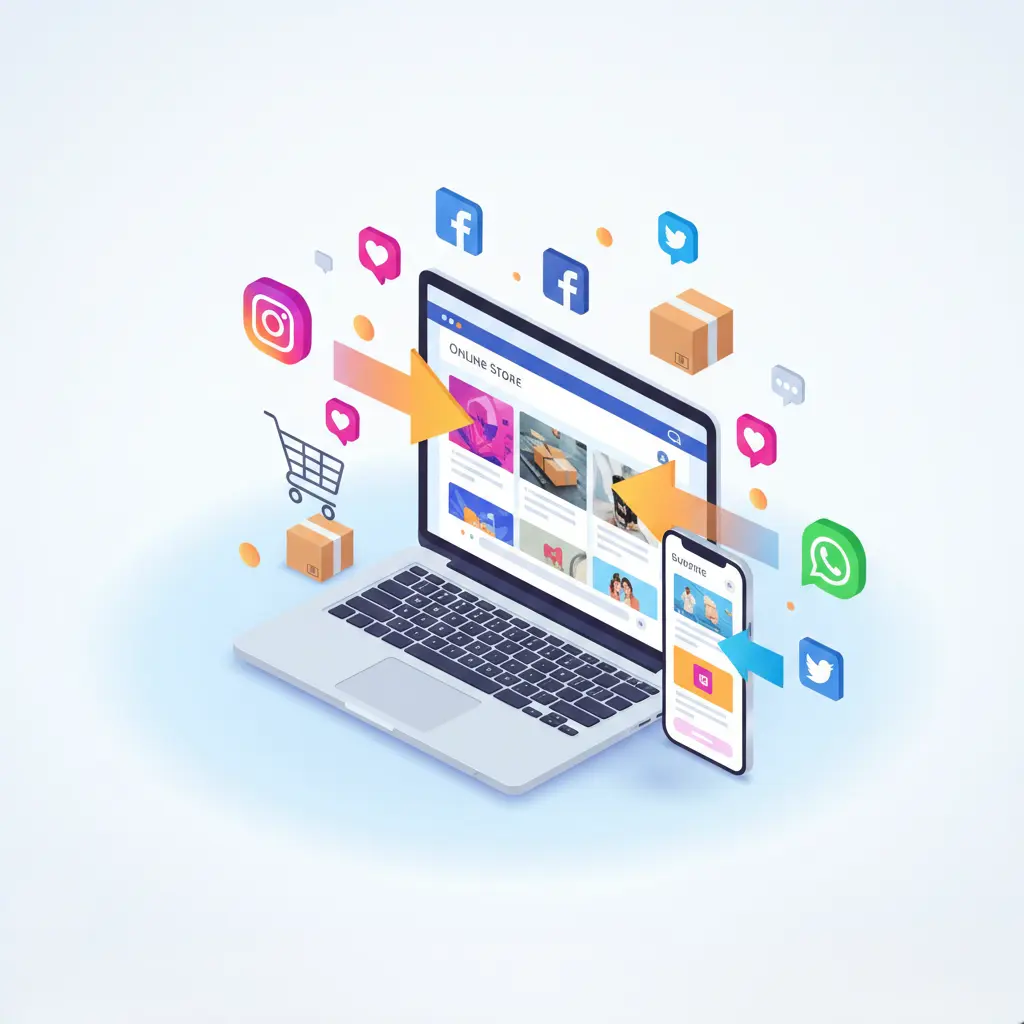
    In today’s digital-first marketplace, social media for e-commerce has become one of the most powerful ways to attract, engage, and convert customers. With billions of active users across platforms like Instagram, Facebook, and TikTok, social channels are no longer optional—they are essential growth tools for online stores. When used strategically, social media can significantly increase website traffic, build brand loyalty, and drive consistent sales.

    Why Social Media Matters for E-Commerce Growth

    Social media platforms act as discovery engines where potential customers find new brands organically. Unlike traditional advertising, social channels allow businesses to interact directly with their audience, humanize their brand, and build trust over time. Effective e-commerce social media marketing focuses on creating value-driven content that educates, entertains, and inspires users to take action.

    Another key advantage is precise targeting. Paid and organic social strategies allow e-commerce brands to reach users based on interests, behaviors, and shopping intent, making traffic more relevant and conversion-ready.

    Choosing the Right Platforms for Your Online Store

    Not every social media platform works the same for every business. Selecting the right channels is critical for success with social media for e-commerce.

    Instagram for Visual Storytelling

    Instagram is one of the most effective platforms for online stores, especially for fashion, beauty, lifestyle, and home decor brands. High-quality images, short-form videos, and interactive Stories help products stand out and encourage clicks.

    Using proven Instagram shopping tips, such as product tagging in posts and Stories, allows users to explore products without leaving the app. This seamless experience reduces friction and increases traffic to product pages.

    Facebook for Community and Retargeting

    Facebook excels at building communities and running retargeting campaigns. Groups, live videos, and customer reviews help nurture trust, while Facebook Ads allow you to bring back visitors who previously interacted with your store.

    Emerging Platforms and Niche Audiences

    TikTok, Pinterest, and YouTube are also valuable depending on your niche. Short videos, tutorials, and user-generated content can drive high engagement and referral traffic when aligned with your brand voice.

    Content Strategies That Drive Traffic

    A strong content plan is the backbone of e-commerce social media marketing. The goal is to guide users from awareness to action.

    Educational and Value-Based Content

    How-to posts, product demos, and styling ideas show customers how your products fit into their lives. This type of content positions your brand as helpful rather than purely promotional.

    User-Generated Content and Social Proof

    Sharing customer photos, reviews, and testimonials builds credibility. Social proof reassures new visitors and increases click-through rates to your online store.

    Promotions and Limited-Time Offers

    Exclusive social media discounts, flash sales, and giveaways create urgency. When paired with clear calls to action, these campaigns effectively convert engagement into traffic.

    Optimizing Social Profiles for Clicks

    Your social media profiles should act as traffic hubs. Ensure your bio clearly explains what you sell, who it’s for, and why it’s valuable. Add a strong call to action and a trackable link to your store or featured collection.

    For brands using social media for e-commerce, consistency across visuals, messaging, and tone reinforces brand recognition and encourages repeat visits.

    Measuring and Improving Performance

    Tracking performance is essential for long-term success. Monitor metrics such as link clicks, website sessions, conversion rates, and engagement. Use these insights to refine your content strategy and posting schedule.

    Successful e-commerce social media marketing is an ongoing process of testing, learning, and optimizing. By focusing on the platforms your audience loves and applying smart Instagram shopping tips, you can turn social media into a reliable traffic engine for your online store.

    When executed correctly, social media becomes more than a promotional tool—it becomes a direct pathway to sustainable e-commerce growth


  • Enter the Rival: The Essentials of Amazon Ads in 2026

    Enter the Rival: The Essentials of Amazon Ads in 2026

    Introduction: Why Amazon Ads in 2026 Are a Game-Changer

    E-commerce is more competitive than ever, and Amazon Ads in 2026 have evolved into a powerful tool for sellers looking to dominate their niches. With AI-driven targeting, advanced analytics, and new ad formats, understanding the essentials of Amazon advertising can make the difference between thriving and surviving in the marketplace.

    Whether you’re a seasoned seller or just starting, mastering Amazon Ads in 2026 is essential for driving visibility, conversions, and revenue.

    Understanding the Types of Amazon Ads

    Amazon offers multiple ad formats, each serving a unique purpose.

    Sponsored Products

    Sponsored Products are pay-per-click ads that appear in search results and product detail pages. They are ideal for boosting product visibility and increasing sales, making them a cornerstone of Amazon Ads in 2026.

    Sponsored Brands

    Sponsored Brands help sellers showcase a collection of products under their brand name. This ad format strengthens brand recognition while driving traffic to curated product pages. Knowing how to leverage Sponsored Brands is key to mastering Amazon Ads in 2026.

    Sponsored Display

    Sponsored Display ads target users both on and off Amazon. They are perfect for retargeting interested shoppers and increasing conversions, a crucial strategy in Amazon Ads in 2026 campaigns.

    Setting Up Your Amazon Ads Strategy

    A successful campaign starts with clear planning.

    Define Goals and KPIs

    Determine whether your objective is brand awareness, product sales, or lead generation. Using data to track performance is critical when running Amazon Ads in 2026.

    Conduct Keyword Research

    Keyword research drives effective targeting. Use Amazon’s search term reports and AI tools to identify high-converting keywords that align with your products and audience.

    Optimizing Campaigns for Maximum ROI

    Running ads is only half the battle; optimization is where results happen.

    A/B Testing Creatives and Copy

    Test multiple ad creatives, product images, and copy to determine what resonates with your audience. Consistent testing is an essential tactic for mastering Amazon Ads in 2026.

    Monitor Performance Metrics

    Focus on click-through rates, conversion rates, and ACOS (Advertising Cost of Sales). Monitoring these metrics ensures your campaigns remain profitable and efficient.

    Leveraging AI and Automation

    Technology is changing the Amazon ads landscape.

    Use AI Tools for Smart Bidding

    AI-driven bidding can optimize ad spend, targeting high-intent shoppers automatically. Sellers who embrace automation gain a competitive edge in Amazon Ads in 2026.

    Schedule and Automate Reports

    Automation tools help track performance in real time, making it easier to adjust strategies and maintain ROI.

    Conclusion: Mastering Amazon Ads in 2026

    The era of generic ad campaigns is over. To win on Amazon, sellers must understand the essentials of targeting, ad formats, optimisation, and analytics. Mastering Amazon Ads in 2026 allows you to increase visibility, drive sales, and outperform competitors consistently.

    By strategically planning campaigns, leveraging AI, and continuously optimizing, you can dominate your category and turn Amazon into a sustainable growth engine for your brand in 2026.

  • How to Become a Social Selling Specialist

    How to Become a Social Selling Specialist

    Introduction: Why Social Selling Matters

    In 2026, social media has transformed from a marketing channel to a direct sales powerhouse. Brands and professionals are increasingly using platforms like LinkedIn, Instagram, and TikTok to engage prospects and close deals. Learning how to become a Social Selling Specialist can help you leverage social media effectively to drive revenue, build relationships, and position yourself as an industry expert.

    This guide breaks down the essential steps to master social selling and stand out in a competitive market.

    Step 1: Understand Social Selling Fundamentals

    Before diving into tactics, it’s crucial to grasp what social selling really is.

    Build Relationships Over Transactions

    Unlike traditional sales, social selling focuses on nurturing connections rather than pushing products. Professionals who know How to Become a Social Selling Specialist prioritize trust, engagement, and value creation.

    Learn Platform-Specific Strategies

    Each social platform has unique features for social selling. LinkedIn is ideal for B2B networking, Instagram works for visual storytelling, and TikTok helps capture attention with short, engaging content.

    Step 2: Develop Your Personal Brand

    A strong personal brand builds credibility and attracts leads naturally.

    Optimize Your Profiles

    Make your profiles professional, consistent, and keyword-rich. Adding a clear value proposition helps prospects quickly understand your expertise. Building authority is a key step in learning How to Become a Social Selling Specialist.

    Share Valuable Content

    Post content that educates, entertains, or inspires your audience. High-quality content reinforces your brand and demonstrates thought leadership, which is central to social selling success.

    Step 3: Master Relationship-Building Skills

    Engagement is the heart of social selling.

    Connect and Interact Authentically

    Comment on posts, reply to messages, and join discussions. Genuine interactions are what separate social selling specialists from traditional salespeople. Knowing How to Become a Social Selling Specialist means consistently nurturing your network.

    Use Social Listening

    Monitor trends, mentions, and conversations relevant to your niche. This helps you provide timely solutions and strengthens your credibility.

    Step 4: Leverage Tools and Analytics

    Technology can amplify your social selling efforts.

    CRM and Automation Tools

    Use platforms that track leads, schedule posts, and manage relationships efficiently. Professionals who understand How to Become a Social Selling Specialist know how to integrate tools without losing the personal touch.

    Track Metrics

    Monitor engagement, click-throughs, and conversion rates. Data-driven insights help refine strategies and optimize results over time.

    Step 5: Continuously Learn and Adapt

    The social media landscape evolves rapidly.

    Stay Updated on Trends

    Attend webinars, read industry blogs, and follow thought leaders. The ability to adapt is critical for anyone aiming to Become a Social Selling Specialist.

    Practice Consistency

    Consistency in posting, engagement, and learning solidifies your reputation and helps you grow a reliable network.

    Conclusion: Your Path to Becoming a Social Selling Expert

    Learning how to become a Social Selling Specialist requires strategy, persistence, and continuous improvement. By understanding social selling fundamentals, building a strong personal brand, mastering relationship-building, leveraging tools, and staying updated on trends, you can position yourself as a sought-after professional in the digital sales space.

    With dedication, your social selling skills will not only generate leads but also create long-lasting professional relationships that drive success in 2026.

  • Managing Returns Without Losing Customers

    Managing Returns Without Losing Customers

    Introduction: Turning Returns Into Relationship Builders

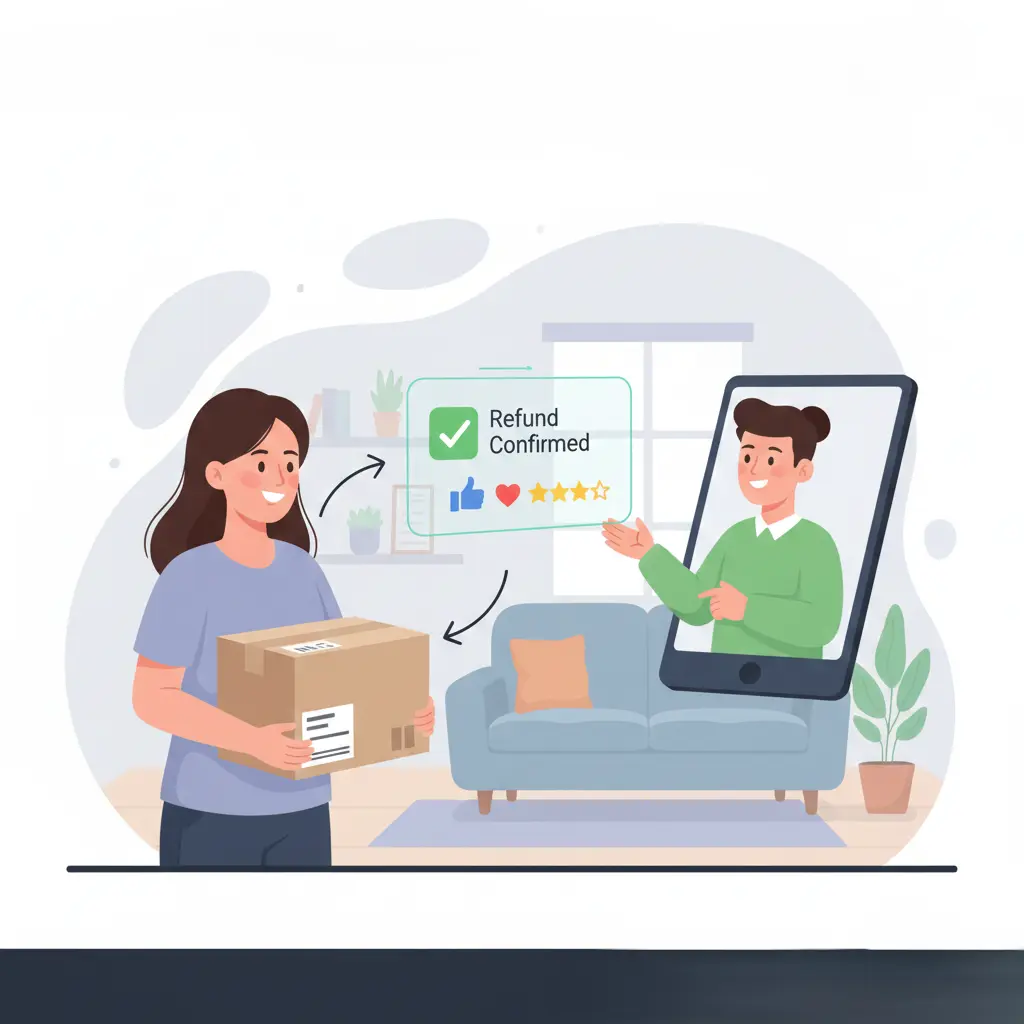
    Product returns are an unavoidable part of modern commerce, especially in ecommerce-driven markets. However, the way a brand handles returns can determine whether a customer leaves frustrated or stays loyal. Managing Returns Without Losing Customers is not just about logistics; it is about trust, transparency, and customer experience. A well-planned return strategy can strengthen relationships instead of damaging them.

    Why Returns Matter More Than Ever

    Customers today expect flexibility, convenience, and fairness. Complicated or unclear return policies often result in negative reviews and lost repeat business.

    The Impact of Poor Return Experiences

    When return processes are slow or confusing, customers associate that frustration with the brand itself. On the other hand, Managing Returns Without Losing Customers helps businesses protect brand reputation and maintain long-term value, even when a purchase does not work out.

    Designing a Customer-Centric Return Policy

    A clear and fair return policy sets expectations before the purchase is made.

    Keep Policies Simple and Transparent

    Easy-to-understand return rules reduce anxiety and build confidence. Clear timelines, eligibility criteria, and refund methods show that the brand values honesty. This clarity plays a critical role in Managing Returns Without Losing Customers by minimizing misunderstandings.

    Offer Flexible Return Options

    Multiple return methods such as store drop-offs, pickup services, or digital return labels provide convenience. Flexibility shows empathy for customer needs and encourages repeat purchases.

    Streamlining the Returns Process

    Speed and Communication Matter

    Fast processing and regular updates reassure customers that their issue is being handled. Automated notifications and tracking links help reduce uncertainty.

    Efficient workflows are essential for Managing Returns Without Losing Customers, as delays often lead to dissatisfaction and support complaints.

    Empower Customer Support Teams

    Well-trained support teams can turn a return request into a positive interaction. Empathy, quick resolution, and problem-solving skills make customers feel valued rather than blamed.

    Using Returns as a Learning Opportunity

    Analyze Return Data

    Returns provide valuable insights into product quality, sizing issues, or misleading descriptions. Tracking reasons for returns helps brands improve products and reduce future issues.

    By learning from data, businesses strengthen Managing Returns Without Losing Customers while improving overall operations.

    Improve Product Content and Expectations

    Accurate descriptions, size guides, and visuals reduce unnecessary returns. When customers know exactly what to expect, satisfaction increases.

    Building Loyalty After a Return

    Incentives and Follow-Up Engagement

    Offering discounts, store credits, or personalized recommendations after a return can encourage customers to give the brand another chance.

    These gestures reinforce Managing Returns Without Losing Customers by showing appreciation beyond the transaction.

    Focus on Long-Term Relationships

    A return does not have to signal the end of a customer journey. Thoughtful follow-ups and proactive engagement turn short-term setbacks into long-term loyalty.

    Technology’s Role in Return Management

    Automation tools, return management software, and integrated CRM systems simplify the process for both customers and internal teams. Technology reduces errors, speeds up refunds, and supports Managing Returns Without Losing Customers at scale.

    Conclusion: From Cost Center to Competitive Advantage

    Returns are often seen as a loss, but they can be a powerful opportunity when handled correctly. Managing Returns Without Losing Customers requires a balance of efficiency, empathy, and transparency. Brands that invest in customer-friendly return strategies not only reduce churn but also build trust, loyalty, and long-term growth. When customers feel respected during a return, they are far more likely to come back.

  • Ecommerce Customer Journey Mapping: Improve UX and Boost Conversions

    Ecommerce Customer Journey Mapping: Improve UX and Boost Conversions

    Introduction: Understanding the Digital Buying Path

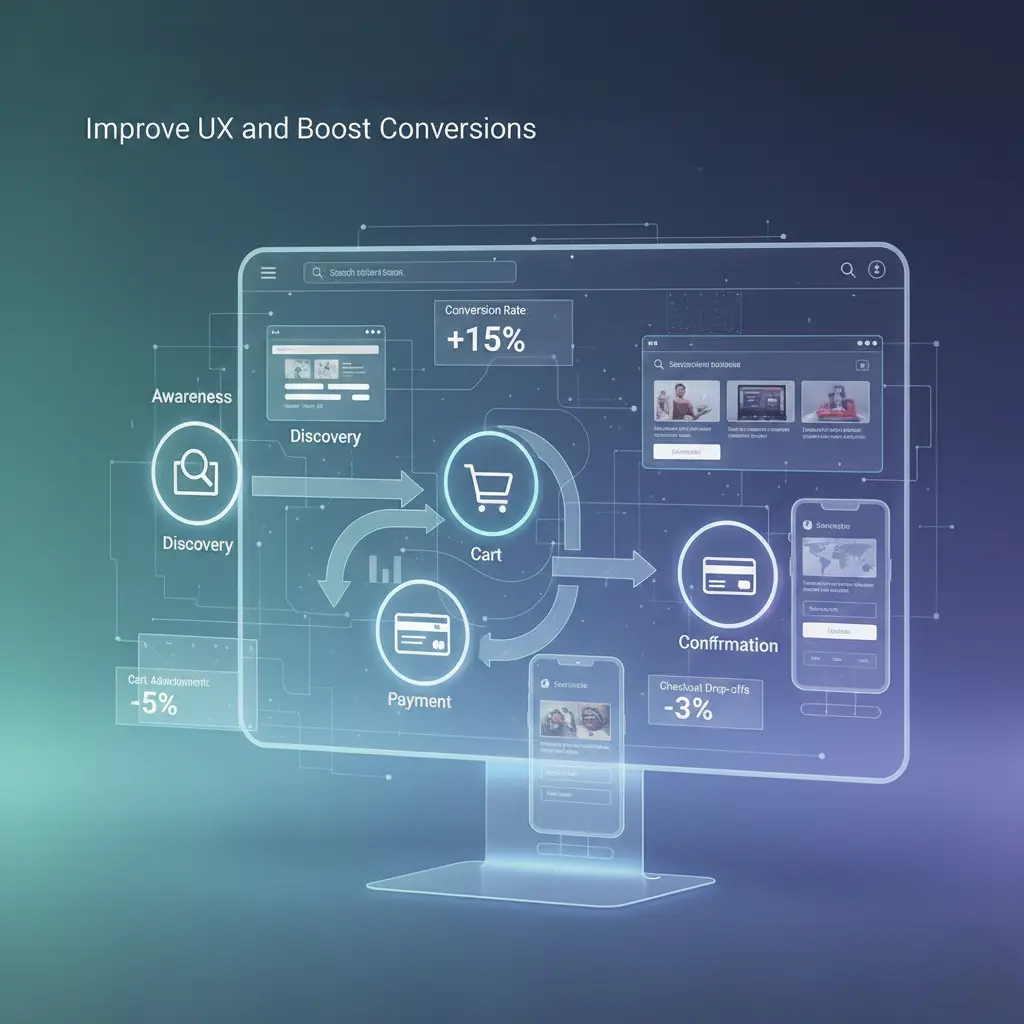
    In the competitive world of online retail, understanding how customers interact with your brand is critical. Ecommerce Customer Journey Mapping helps businesses visualize every touchpoint a customer experiences, from initial awareness to post-purchase engagement. By clearly mapping this journey, brands can identify gaps, remove friction, and create seamless shopping experiences that drive conversions and loyalty.

    What Is Ecommerce Customer Journey Mapping?

    Ecommerce Customer Journey Mapping is the process of analyzing and documenting each step a customer takes while interacting with an online store. This includes website visits, product searches, cart actions, checkout, and follow-up communication.

    Why Customer Journey Mapping Matters

    When businesses apply Ecommerce Customer Journey Mapping, they gain deeper insight into customer behavior, preferences, and pain points. This understanding enables more personalized interactions and smarter marketing strategies.

    Key Stages of the Ecommerce Customer Journey

    Awareness Stage

    At this stage, customers discover your brand through search engines, social media, or paid ads. Clear messaging and strong brand presence are essential. Effective Ecommerce Customer Journey Mapping ensures that first impressions are engaging and relevant.

    Consideration Stage

    Customers compare products, read reviews, and evaluate options. Product descriptions, visuals, and trust signals play a crucial role here. Mapping this stage helps brands address objections and guide customers toward confident decisions.

    Purchase Stage

    The checkout process is where many conversions are won or lost. A complicated or slow checkout can lead to cart abandonment. Through Ecommerce Customer Journey Mapping, businesses can simplify payments, reduce steps, and improve conversion rates.

    Post-Purchase Experience and Retention

    Customer Support and Communication

    After a purchase, timely order updates, support access, and clear return policies are essential. These touchpoints are often overlooked, yet they strongly influence customer satisfaction.

    Using Ecommerce Customer Journey Mapping, brands can optimize post-purchase interactions and turn one-time buyers into repeat customers.

    Loyalty and Advocacy

    Happy customers are more likely to leave reviews and recommend your store. Loyalty programs and personalized offers enhance long-term value. A well-defined journey map helps nurture these relationships effectively.

    Benefits of Ecommerce Customer Journey Mapping

    Improved Personalization

    With accurate journey insights, brands can deliver personalized product recommendations and targeted campaigns.

    Higher Conversion Rates

    By identifying friction points, Ecommerce Customer Journey Mapping allows businesses to streamline processes and reduce drop-offs.

    Stronger Brand Relationships

    Understanding customer needs at every stage builds trust and emotional connection.

    Conclusion: Turn Insights Into Growth

    Ecommerce Customer Journey Mapping is not a one-time exercise but an ongoing strategy for growth. When businesses continuously analyze and refine the customer journey, they create smoother experiences, stronger engagement, and higher revenue. By focusing on the full journey, brands can stay competitive and customer-centric in the evolving ecommerce landscape.