Category: E-Commerce

  • How to Start an Ecommerce Business Step by Step

    How to Start an Ecommerce Business Step by Step

    Starting an online store is one of the most effective ways to build a profitable digital business. With global internet access and advanced e-commerce tools, learning how to start an e-commerce business step by step is easier than ever. This guide walks you through each stage, from planning to launching and growing your online store.

    Step 1: Choose a Profitable Ecommerce Niche

    The first step in starting an ecommerce business is selecting the right niche. Focus on products that solve real problems or meet strong consumer demand. Popular niches include health and wellness, fashion accessories, home essentials, and digital products.

    Research trends, analyze competitors, and identify gaps in the market. A well-defined niche helps you stand out and attract the right customers.

    Step 2: Research Your Target Market

    Understanding your audience is essential for ecommerce success. Identify who your ideal customers are, what they need, and how they shop online.

    Study customer demographics, pain points, and buying behavior. This insight allows you to design better products, messaging, and user experiences for your ecommerce store.

    Step 3: Create a Business Plan

    A solid business plan provides direction and reduces risk. Outline your goals, product pricing, startup costs, profit margins, and marketing strategy.

    Planning ahead ensures your ecommerce startup stays organized and financially sustainable as it grows.

    Step 4: Choose Your Products and Sourcing Method

    Decide what products you will sell and how you will source them. Options include manufacturing your own products, wholesaling, dropshipping, or selling print-on-demand items.

    Each sourcing method has different costs, risks, and profit margins. Choose one that aligns with your budget and long-term vision.

    Step 5: Build Your Ecommerce Website

    Select the Right Ecommerce Platform

    Choose a reliable ecommerce platform such as Shopify, WooCommerce, or similar solutions. Look for features like mobile optimization, secure payments, and easy customization.

    Design for User Experience

    Your website should be visually appealing, fast, and easy to navigate. Clear product pages, simple checkout processes, and strong calls to action increase conversions.

    Step 6: Set Up Payments and Shipping

    Offer multiple payment options to accommodate different customer preferences. Secure payment gateways build trust and reduce cart abandonment.

    Plan your shipping strategy carefully. Decide on shipping rates, delivery times, and packaging to ensure customer satisfaction and profitability.

    Step 7: Optimize Your Ecommerce Store for SEO

    Search engine optimization is crucial for long-term traffic. Use relevant keywords, optimize product descriptions, improve site speed, and create helpful content.

    An SEO-optimized ecommerce website increases visibility and attracts high-intent buyers from search engines.

    Step 8: Launch and Market Your Ecommerce Business

    Once your store is ready, launch it with a clear marketing plan. Use social media, email marketing, paid ads, and content marketing to attract your first customers.

    Building brand awareness early helps establish credibility and trust in the competitive ecommerce market.

    Step 9: Track Performance and Improve

    Monitor key metrics such as traffic, conversion rate, and customer retention. Use analytics tools to identify what’s working and what needs improvement.

    Continuous optimization is essential for scaling a successful ecommerce business.

    Final Thoughts on Starting an Ecommerce Business

    Learning how to start an ecommerce business step by step requires planning, consistency, and adaptability. By choosing the right niche, building a user-friendly store, optimizing for SEO, and focusing on customer experience, you can create a profitable and sustainable ecommerce business in today’s digital economy.
  • How to Build a Successful One-Product Store in 2026

    How to Build a Successful One-Product Store in 2026

    Building a successful one-product store in 2026 is one of the smartest eCommerce strategies for entrepreneurs who want focus, brand clarity, and higher conversion rates. Unlike general stores, a one-product store centers around a single winning product, allowing you to optimize branding, marketing, and customer trust. This guide explains step-by-step how to build a one-product store that stands out and scales in 2026.

    What Is a One-Product Store?

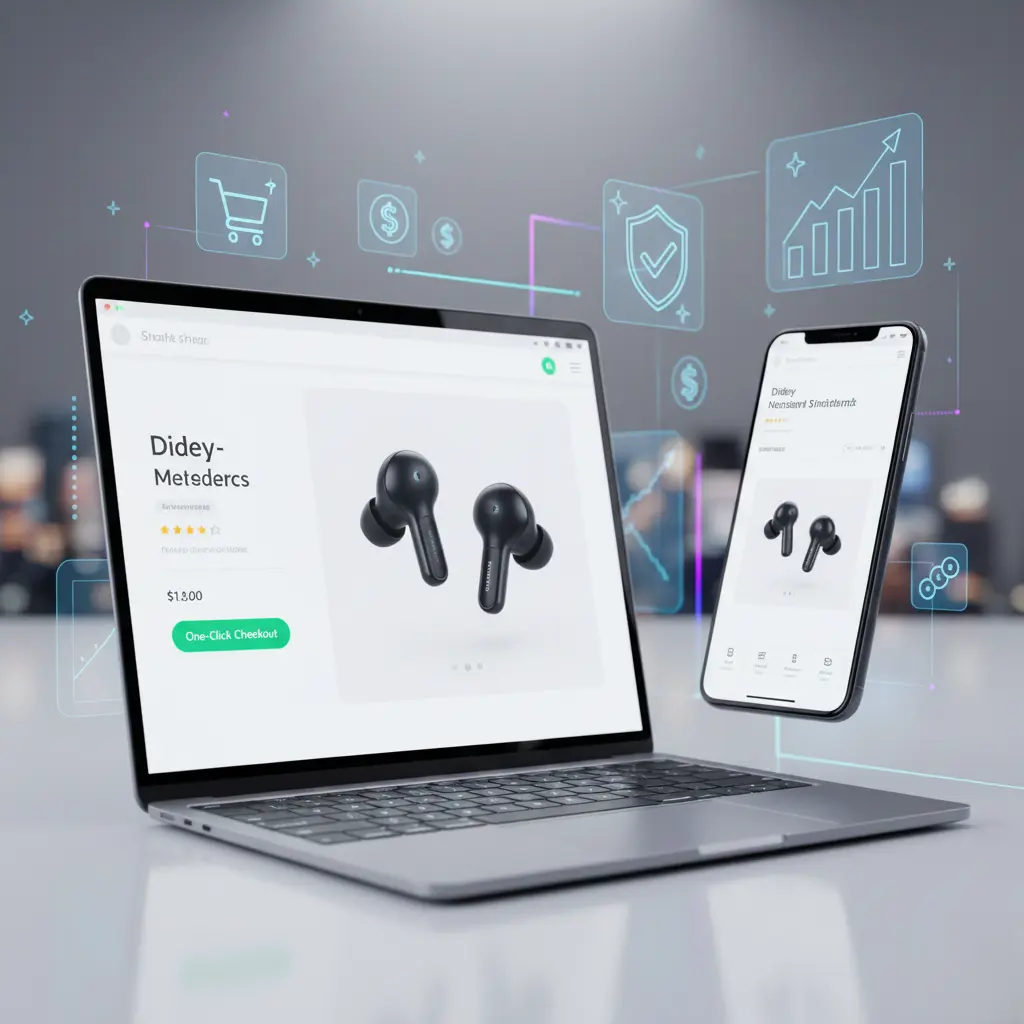
    A one-product eCommerce store is an online store designed to sell only one main product or a tightly connected product bundle. The entire website, from design to copy, is optimized to persuade visitors to buy that product.

    Why One-Product Stores Work in 2026

    In 2026, consumers value simplicity and trust. A focused store feels more professional, loads faster, and converts better. With rising ad costs, high-converting one-product stores are more profitable than ever.

    Step 1 Choose a Winning Product

    The foundation of a successful one-product store is product selection.

    Characteristics of a Profitable One-Product Idea

    Look for products that:

    • Solve a clear problem
    • Have emotional appeal
    • Are not easily available in local stores
    • Have strong social media demand

    Trending niches in 2026 include smart home gadgets, wellness products, eco-friendly items, and lifestyle accessories.

    Validate Product Demand

    Before building your store, validate demand using TikTok trends, Instagram Reels, customer reviews, and keyword research. A product with proven interest reduces risk.

    Step 2 Build a High-Converting One-Product Website

    Your website should feel like a premium brand, not a generic store.

    Design a Simple and Trustworthy Layout

    Use a clean design with one clear call to action. A high-converting one-product store website includes:

    • A strong hero headline
    • High-quality product images and videos
    • Clear benefits, not just features
    • Social proof such as reviews and testimonials

    Optimize for Mobile Users

    In 2026, most purchases happen on mobile. Ensure fast loading speed, easy navigation, and seamless checkout.

    Step 3 Create Persuasive Product Copy

    Great copy turns visitors into buyers.

    Highlight Benefits with SEO Keywords

    Focus on how your product improves the customer’s life. Naturally include keywords like one-product store strategy, build a one-product Shopify store, and successful one-product business to improve search visibility.

    Use Storytelling to Build Trust

    Tell a story around your product. Explain why it exists, who it’s for, and what makes it different. Authentic storytelling increases brand loyalty.

    Step 4 Drive Traffic to Your One-Product Store

    Traffic is essential for growth.

    Use Paid Ads Strategically

    Platforms like TikTok Ads, Instagram Ads, and Google Ads work extremely well for one-product stores in 2026. Focus on short-form video ads that demonstrate the product in action.

    Leverage Organic Social Media

    Posting consistently on TikTok and Instagram helps build organic traffic. Viral content can generate massive sales without high ad spend.

    Step 5 Optimize for Conversions and Scale

    Track Data and Improve Performance

    Use analytics to track conversion rates, bounce rates, and customer behavior. Small improvements in checkout flow or product pages can significantly boost revenue.

    Build a Brand for Long-Term Success

    A successful one-product store in 2026 is not just about quick sales. Create branded packaging, email marketing, and customer support systems to build a long-term business.

    Final Thoughts on Building a One-Product Store in 2026

    Learning how to build a successful one-product store in 2026 requires smart product selection, strong branding, and consistent optimization. By focusing on one powerful product and delivering a premium experience, you can create a scalable and profitable eCommerce brand that stands out in a competitive market.

  • Marketplace Selling: Amazon, Etsy, and Beyond in 2026

    Marketplace Selling: Amazon, Etsy, and Beyond in 2026

    Marketplace selling in 2026 has become one of the most reliable ways to build an online business with global reach. Platforms like Amazon, Etsy, and emerging online marketplaces allow sellers to tap into massive audiences without building traffic from scratch. However, competition is higher than ever, making strategy, branding, and optimization essential for success. This guide explains how to succeed with marketplace selling on Amazon, Etsy, and beyond in 2026.

    Why Marketplace Selling Is Still Profitable in 2026

    Despite rising fees and competition, online marketplaces continue to dominate eCommerce. Consumers trust established platforms, which increases conversion rates and reduces buyer hesitation.

    Benefits of Selling on Online Marketplaces

    Key advantages of marketplace selling in 2026 include:

    • Built-in traffic and high buyer intent
    • Secure payment systems
    • Global customer reach
    • Scalable fulfillment options

    For beginners and experienced sellers alike, marketplaces offer faster entry compared to standalone stores.

    Selling on Amazon in 2026

    Amazon selling in 2026 remains highly profitable for sellers who focus on differentiation and data-driven decisions.

    Amazon FBA vs FBM

    Amazon FBA allows sellers to store inventory in Amazon warehouses, while FBM gives full control over fulfillment. FBA is still the preferred option in 2026 due to Prime eligibility and faster shipping.

    Optimize Amazon Product Listings

    To succeed, your listings must be optimized with Amazon SEO keywords, high-quality images, and compelling bullet points. Focus on benefits, clear descriptions, and strong product titles.

    Win the Buy Box

    Winning the Buy Box is crucial for sales. Competitive pricing, fast shipping, and excellent seller metrics increase your chances of visibility and conversions.

    Selling on Etsy in 2026

    Etsy selling in 2026 continues to thrive, especially for handmade, vintage, and digital products.

    Best Products to Sell on Etsy

    Top-performing Etsy categories include:

    • Handmade jewelry and accessories
    • Digital downloads and printables
    • Personalized gifts
    • Eco-friendly and sustainable products

    Originality and niche targeting are key to standing out.

    Etsy SEO and Branding Strategies

    Using Etsy SEO with long-tail keywords in titles, tags, and descriptions helps products rank higher. Strong branding, cohesive visuals, and authentic storytelling build trust with Etsy buyers.

    Beyond Amazon and Etsy: Emerging Marketplaces

    Selling on Walmart Marketplace

    The Walmart Marketplace is growing rapidly in 2026, offering lower competition compared to Amazon. Sellers benefit from Walmart’s strong brand trust and expanding online presence.

    Selling on Niche Marketplaces

    Platforms like eBay, Facebook Marketplace, and niche-specific platforms allow targeted selling. These marketplaces work well for reselling, collectibles, and specialty products.

    Multichannel Selling in 2026

    Why Multichannel Selling Matters

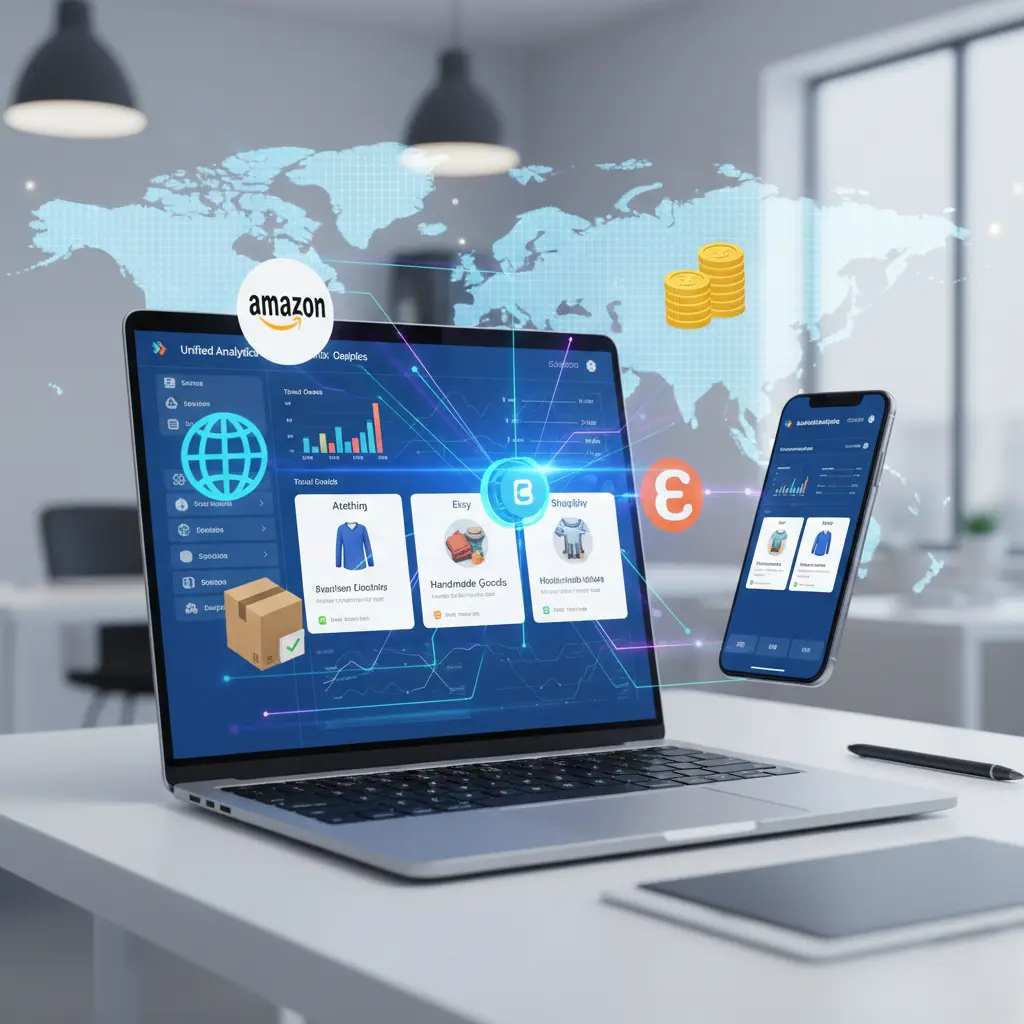
    Relying on a single platform is risky. Multichannel selling in 2026 helps diversify income and reach customers across different platforms.

    Use Automation and Inventory Tools

    Inventory management tools and order automation software help synchronize listings, stock levels, and pricing across multiple marketplaces, reducing errors and saving time.

    How to Succeed with Marketplace Selling in 2026

    Focus on Customer Experience

    Fast shipping, clear communication, and easy returns improve reviews and rankings. Positive feedback directly impacts visibility and trust.

    Analyze Data and Adapt

    Successful sellers track performance metrics, test pricing strategies, and adapt to market trends. Data-driven decisions separate top sellers from average ones.

    Final Thoughts on Marketplace Selling in 2026

    Marketplace selling on Amazon, Etsy, and beyond in 2026 offers enormous potential for those who approach it strategically. By optimizing listings, diversifying platforms, and focusing on branding and customer experience, sellers can build profitable and sustainable businesses in the evolving eCommerce landscape.

  • Mobile Commerce Optimization Tips

    Mobile Commerce Optimization Tips

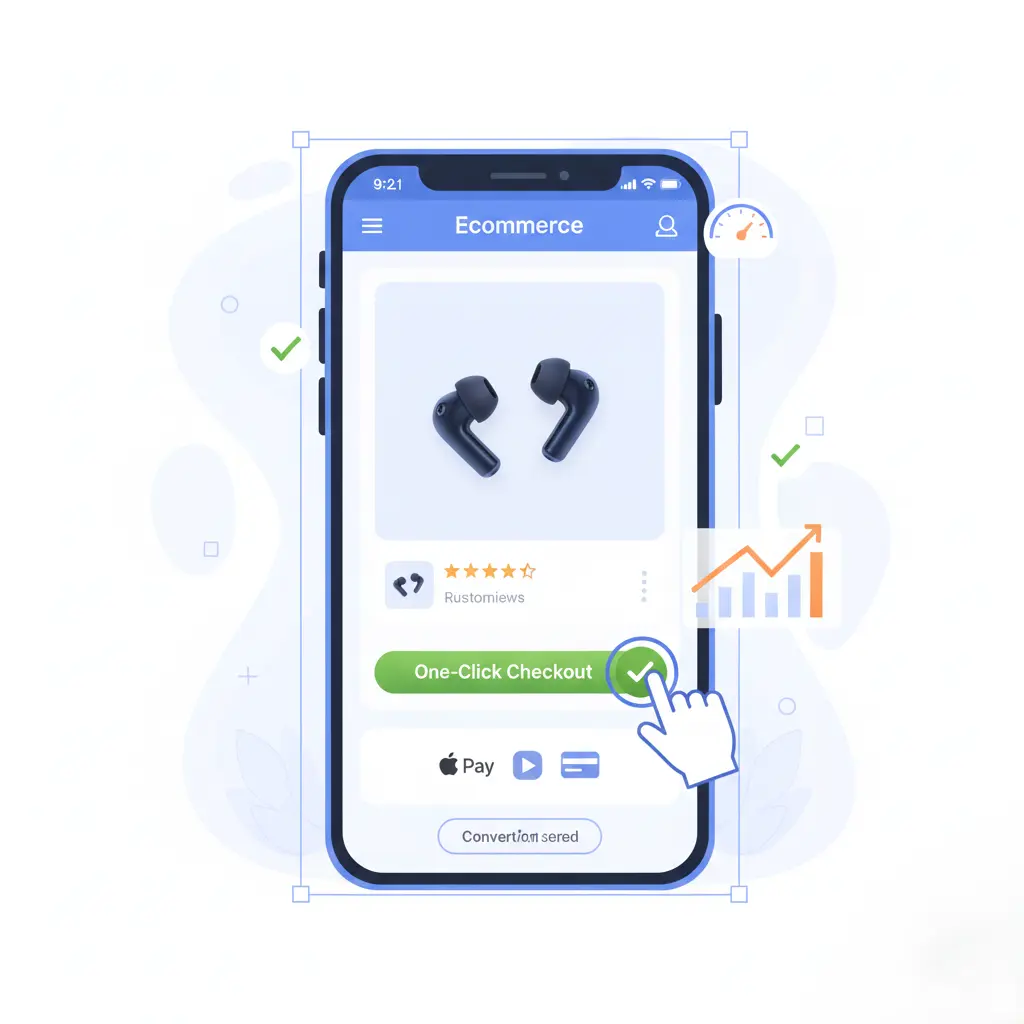
    Mobile commerce has transformed the way people shop online. With most users browsing, comparing, and purchasing products directly from their smartphones, optimizing your ecommerce store for mobile is no longer optional. A seamless mobile experience can significantly improve engagement, conversions, and customer loyalty. Below are essential mobile commerce optimization tips to help your business succeed in a mobile-first world.

    Design with a Mobile-First Approach

    Mobile optimization starts with design. Your website should be built for small screens before being adapted for desktops.

    Use Responsive Web Design

    A responsive design ensures your website automatically adjusts to different screen sizes and devices. This improves usability and helps maintain consistent branding across platforms.

    Simplify Layout and Navigation

    Mobile users prefer clean, uncluttered layouts. Use clear menus, visible icons, and minimal text to help users find products quickly without excessive scrolling or zooming.

    Improve Mobile Page Speed

    Page speed plays a critical role in mobile commerce success. Slow-loading pages lead to higher bounce rates and lost sales.

    Optimize Images and Media

    Compress images and videos without sacrificing quality. Large files can drastically slow down mobile load times.

    Reduce Unnecessary Scripts

    Limit heavy plugins, animations, and third-party scripts. A lightweight website loads faster and provides a smoother mobile experience.

    Enhance Mobile Checkout Experience

    A complicated checkout process is one of the biggest reasons for cart abandonment on mobile devices.

    Enable Guest Checkout

    Forcing users to create an account increases friction. Guest checkout allows faster purchases and improves conversion rates.

    Use Mobile-Friendly Forms

    Minimize the number of form fields and enable autofill options. Larger input fields and clear labels make typing easier on mobile screens.

    Offer Multiple Payment Options

    Support popular mobile payment methods such as digital wallets and one-tap payments to make checkout faster and more convenient.

    Optimize Product Pages for Mobile Users

    Your product pages should be designed to quickly communicate value and encourage action.

    Clear Product Images and Videos

    Use high-quality images that load quickly and allow zooming. Short product videos can also help users better understand the product.

    Concise Product Descriptions

    Mobile users scan rather than read. Use bullet points, short paragraphs, and clear headings to highlight key features and benefits.

    Strong Call-to-Action Buttons

    Make “Add to Cart” and “Buy Now” buttons large, visible, and easy to tap. Place them where users can easily reach with one hand.

    Leverage Mobile SEO and Search Features

    Search plays a major role in mobile shopping behavior.

    Optimize for Local and Mobile Search

    Use mobile-friendly keywords, local SEO strategies, and structured data to improve visibility in mobile search results.

    Implement Voice Search Optimization

    As voice search usage grows, optimizing for conversational and question-based queries can give your mobile commerce site a competitive edge.

    Use Personalization and Mobile Marketing Tools

    Personalization enhances user experience and drives repeat purchases.

    Personalized Recommendations

    Show relevant products based on browsing history, location, or past purchases to increase engagement and average order value.

    Mobile Push Notifications

    Use push notifications to share offers, cart reminders, and updates, but keep them relevant and non-intrusive to avoid user fatigue.

    Test, Analyze, and Continuously Improve

    Mobile optimization is an ongoing process.

    Track Mobile Performance Metrics

    Monitor metrics such as mobile conversion rate, bounce rate, page load time, and cart abandonment to identify problem areas.

    Conduct A/B Testing

    Test different layouts, buttons, checkout flows, and content variations to see what performs best for mobile users.

    Conclusion

    Implementing the right mobile commerce optimization tips can dramatically improve your ecommerce performance. By focusing on mobile-first design, faster load times, simplified checkout, and personalized experiences, businesses can meet the expectations of today’s mobile shoppers. As mobile commerce continues to grow, brands that prioritize user-friendly mobile experiences will gain a clear competitive advantage and drive long-term success.

  • Google Ads vs Facebook Ads for Ecommerce

    Google Ads vs Facebook Ads for Ecommerce

    For ecommerce businesses, paid advertising is one of the fastest ways to drive traffic, generate sales, and scale revenue. Two of the most powerful platforms dominate this space: Google Ads and Facebook Ads. While both are highly effective, they work in very different ways. Understanding the strengths, differences, and best use cases of Google Ads vs Facebook Ads for ecommerce can help you choose the right platform or combine both for maximum results.

    What Is Google Ads for Ecommerce?

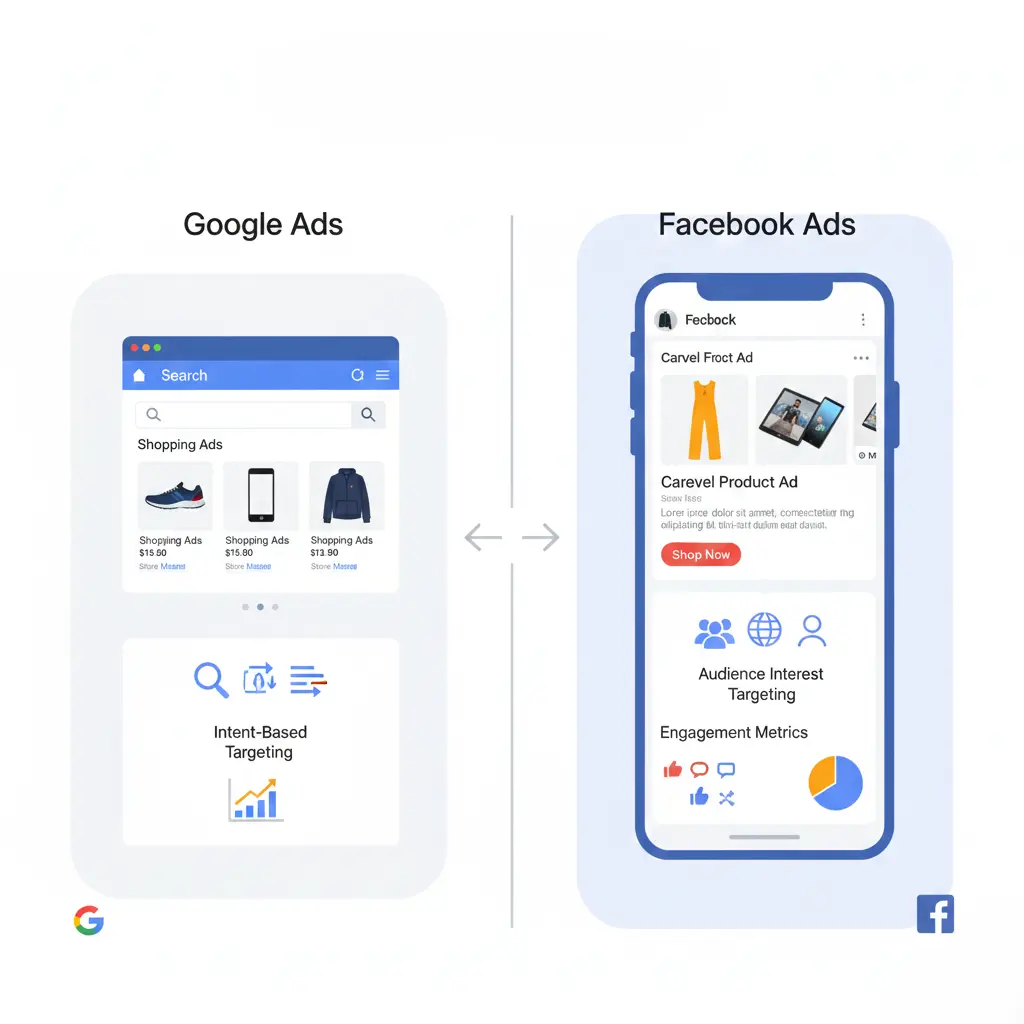
    Google Ads focuses on intent-based advertising. It allows ecommerce brands to show ads to users who are actively searching for products or solutions.

    Key Google Ads Formats for Ecommerce

    Search Ads

    These ads appear at the top of Google search results when users search for product-related keywords. They are highly effective for capturing high-intent shoppers.

    Shopping Ads

    Google Shopping Ads display product images, prices, brand names, and reviews directly in search results, making them ideal for ecommerce conversions.

    Display and YouTube Ads

    These ads help with brand awareness and retargeting by reaching users across websites and video platforms.

    What Are Facebook Ads for Ecommerce?

    Facebook Ads focus on discovery-based advertising. They help ecommerce brands reach users based on interests, behaviors, and demographics, even if they are not actively searching for a product.

    Key Facebook Ad Formats for Ecommerce

    Image and Video Ads

    Visually engaging ads that appear in Facebook and Instagram feeds, Stories, and Reels.

    Carousel Ads

    Allow brands to showcase multiple products or features in a single ad, ideal for ecommerce catalogs.

    Dynamic Product Ads

    Automatically show relevant products to users who have visited your website or viewed specific items.

    Google Ads vs Facebook Ads for Ecommerce: Key Differences

    Understanding how these platforms differ is essential for making the right advertising decision.

    User Intent vs User Interest

    Google Ads targets users with high purchase intent. When someone searches for “buy running shoes online,” they are already close to making a purchase. Facebook Ads, on the other hand, target users based on interests and behavior, helping brands create demand rather than capture it.

    Cost and Competition

    Google Ads often have higher cost-per-click, especially in competitive ecommerce niches. However, the traffic tends to convert better due to strong intent. Facebook Ads usually offer lower costs and wider reach but may require more nurturing before conversion.

    Ad Creatives and Content Style

    Facebook Ads rely heavily on strong visuals, storytelling, and emotional appeal. Google Ads, especially Search and Shopping campaigns, focus more on relevance, keywords, pricing, and product details.

    Which Platform Is Better for Ecommerce?

    There is no single winner in the Google Ads vs Facebook Ads for ecommerce debate—it depends on your business goals.

    When Google Ads Is the Better Choice

    Google Ads is ideal if you want to:

    • Capture ready-to-buy customers
    • Promote specific products with clear demand
    • Drive fast and measurable sales
    • Compete on product quality, price, and availability

    When Facebook Ads Is the Better Choice

    Facebook Ads works best if you want to:

    • Build brand awareness
    • Launch new or innovative products
    • Retarget website visitors
    • Create demand through visual storytelling

    Why Ecommerce Brands Should Use Both

    The most successful ecommerce brands combine Google Ads and Facebook Ads into a single strategy.

    Full-Funnel Ecommerce Marketing

    Facebook Ads are excellent for top-of-funnel awareness and engagement, while Google Ads are powerful for bottom-of-funnel conversions. Together, they create a complete customer journey from discovery to purchase.

    Better Retargeting and Scaling

    You can use Facebook Ads to retarget users who engaged with your brand and Google Ads to capture them when they search again, increasing conversion rates and return on ad spend.

    Conclusion

    When comparing Google Ads vs Facebook Ads for ecommerce, the real advantage comes from understanding how each platform works and using them strategically. Google Ads excels at capturing high-intent shoppers, while Facebook Ads shines at discovery, branding, and retargeting. By aligning each platform with the right goals, ecommerce businesses can drive consistent traffic, boost conversions, and scale profitably in a competitive digital marketplace.