Tag: customer service

  • Lessons from Successful Online Stores

    Lessons from Successful Online Stores

    Running a successful online store is about more than just selling products—it’s about understanding customers, optimising operations, and building a brand that resonates. By studying the strategies of top-performing e-commerce businesses, you can uncover key lessons to apply to your own store.

    Focus on Customer Experience

    One of the biggest lessons from successful online stores is the emphasis on exceptional customer experience. Fast shipping, easy navigation, responsive support, and personalized recommendations make customers return. A smooth and enjoyable shopping journey often translates directly into higher conversion rates and loyalty.

    Choose the Right Products

    Top online stores don’t just sell products—they solve problems. They focus on high-demand, niche products with strong market potential. Conducting market research and analyzing competitors helps identify what customers truly want. Offering unique or high-quality products sets your store apart in a crowded market.

    Optimize for Mobile and Speed

    With more than half of e-commerce traffic coming from mobile devices, mobile optimization is crucial. Successful stores ensure their websites are fast, responsive, and easy to navigate on all devices. Page load speed, intuitive design, and simplified checkout processes reduce bounce rates and increase sales.

    Build a Strong Brand

    Successful online stores focus on building a strong, recognizable brand. From cohesive visuals and tone of voice to engaging content, a brand that resonates with its audience creates trust and encourages repeat purchases. Consistency in messaging across all channels is key.

    Leverage Data and Analytics

    Top-performing e-commerce stores use data-driven decisions. Tracking metrics like traffic sources, conversion rates, and customer behavior helps identify opportunities for improvement. Continuous testing, learning, and optimization are crucial for long-term success.

    Marketing and Community Engagement

    Finally, successful stores invest in strategic marketing and community building. Email campaigns, social media engagement, influencer partnerships, and user-generated content help expand reach and build trust. A loyal community often becomes a brand’s strongest asset.

    Final Thoughts

    Learning from successful online stores shows that success comes from combining great products, excellent customer experience, data insights, and strategic branding. By applying these lessons thoughtfully, you can create an online store that not only sells but thrives in today’s competitive e-commerce landscape.

  • Headless Commerce Explained (Without the Jargon)

    Headless Commerce Explained (Without the Jargon)

    Headless commerce sounds complicated, technical, and intimidating—but it doesn’t have to be. At its core, headless commerce is simply a smarter, more flexible way to build and scale modern ecommerce experiences without being locked into one rigid system.

    This guide explains what headless commerce is, why it matters, and whether it’s right for your business—without buzzwords or technical overload.

    What Is Headless Commerce?

    Traditional ecommerce platforms tightly connect the front end (what customers see) and the back end (where products, orders, and data live). Headless commerce breaks that connection.

    In headless commerce architecture, the front end and back end operate independently. They communicate through APIs, allowing each side to evolve without disrupting the other.

    A Simple Way to Think About It

    Think of the back end as the brain and the front end as the face. With headless commerce, you can change the face without touching the brain—and vice versa.

    This means your website, mobile app, kiosks, or even smart devices can all pull data from the same backend while delivering different experiences.

    Why Businesses Are Moving to Headless Commerce

    Faster, More Flexible Experiences

    Traditional platforms can be slow and restrictive. Headless commerce allows developers to build fast, custom front ends using modern frameworks. This results in quicker page loads and smoother user experiences.

    Speed matters—not just for customers, but for SEO and conversions.

    Total Design Freedom

    With headless commerce, your design is no longer limited by templates. Brands can create unique, highly customized storefronts that match their identity and customer expectations.

    This is especially valuable for brands competing in crowded ecommerce markets.

    How Headless Commerce Improves Customer Experience

    Omnichannel Made Simple

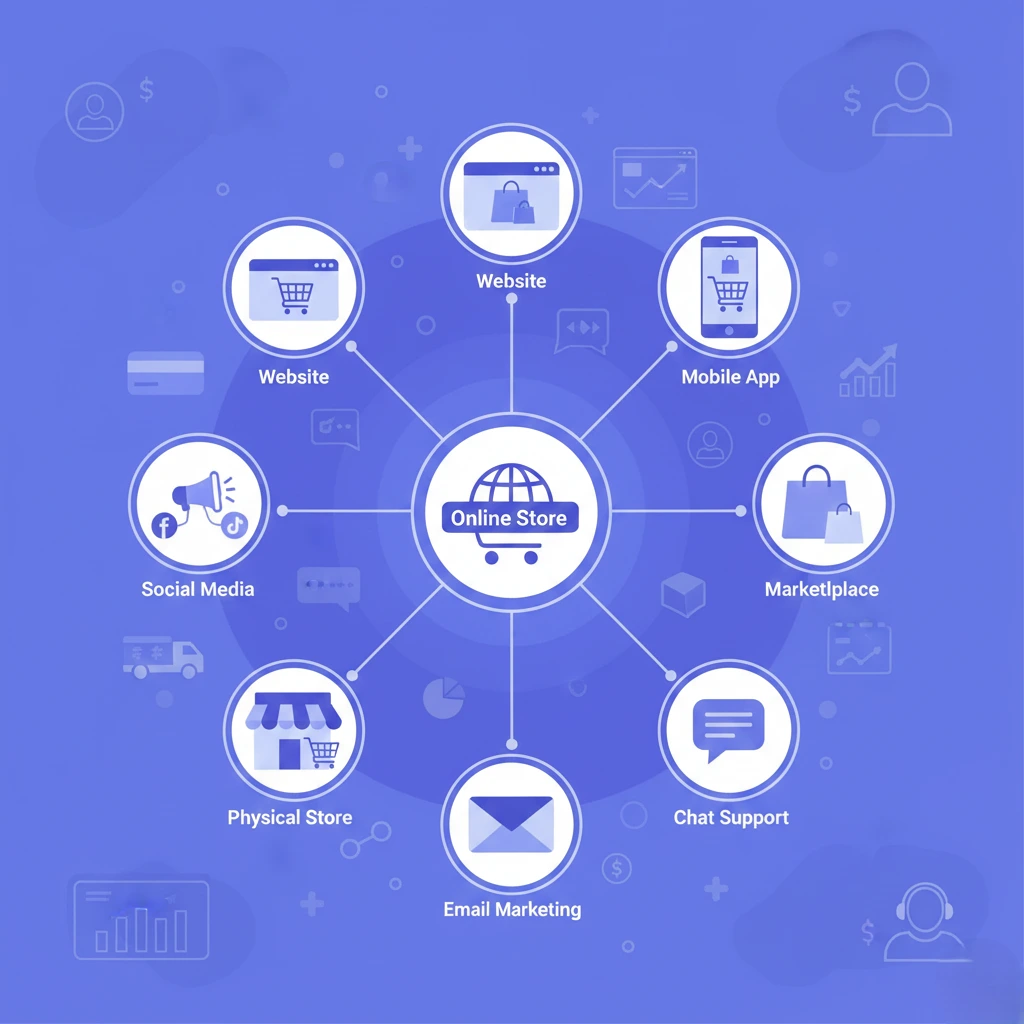
    Customers don’t just shop on websites anymore. They shop on mobile apps, social platforms, marketplaces, and even in-store screens.

    Headless commerce solutions make omnichannel selling easier by delivering consistent product and pricing data across every touchpoint.

    Personalization Without Complexity

    Because the front end is independent, businesses can personalize content, offers, and layouts without touching core commerce logic. This makes personalization faster, safer, and more scalable.

    Is Headless Commerce Only for Big Brands?

    When Headless Commerce Makes Sense

    Headless commerce is ideal if you:

    • Need high-performance, fast-loading pages
    • Want deep customization and flexibility
    • Sell across multiple channels
    • Plan to scale or expand internationally

    Many growing mid-sized brands are adopting headless ecommerce to future-proof their tech stack.

    When It Might Be Overkill

    If you’re a small store with simple needs and limited development resources, a traditional platform may be sufficient. Headless commerce requires more upfront planning and technical expertise.

    Common Myths About Headless Commerce

    Myth 1: It’s Too Technical

    While headless commerce involves APIs, many modern platforms offer pre-built integrations and tools that simplify implementation. You don’t need to be a tech giant to go headless.

    Myth 2: It Replaces Your Ecommerce Platform

    Headless commerce doesn’t remove your platform—it enhances it. You still use a backend system for products, orders, and payments. You just gain more control over how customers experience your brand.

    The Real Benefit of Headless Commerce

    The biggest advantage of headless commerce architecture is future flexibility. As customer expectations change and new channels emerge, your business can adapt without rebuilding everything from scratch.

    You’re no longer boxed in by technology—you’re enabled by it.

    Final Thoughts

    Headless commerce isn’t about complexity—it’s about freedom. Freedom to design better experiences, move faster, and scale without limits.

    If your ecommerce growth is being slowed by rigid platforms or outdated templates, headless commerce may be the upgrade that helps you stay competitive, adaptable, and customer-first in a rapidly evolving digital landscape.

  • The Ecommerce Growth Framework: From First Sale to 7 Figures

    The Ecommerce Growth Framework: From First Sale to 7 Figures

    Scaling an ecommerce business is not about luck or viral products. Sustainable success comes from systems, strategy, and consistent execution. The ecommerce growth framework provides a clear roadmap that takes brands from their first sale to seven-figure revenue and beyond.

    This guide breaks down the essential stages of ecommerce growth and explains what to focus on at each phase.

    Stage 1: Achieving Your First Ecommerce Sale

    Validating Product-Market Fit

    The first milestone in ecommerce is proving that customers are willing to pay for your product. At this stage, the goal is not scale—it’s validation. Successful brands focus on identifying a real problem, a defined audience, and a compelling value proposition.

    Key Focus Areas

    Early-stage ecommerce growth strategies include:

    • Simple product pages with clear messaging
    • Strong product-market alignment
    • Initial traffic from organic, social, or paid channels
    • Basic analytics to track conversions

    Once the first consistent sales come in, it’s time to move beyond experimentation.

    Stage 2: Building a Repeatable Sales System

    Optimizing the Ecommerce Funnel

    After initial traction, brands must focus on conversion optimization. This includes improving product pages, checkout flow, and customer trust signals such as reviews, FAQs, and guarantees.

    Traffic Channel Testing

    Growing ecommerce brands test multiple traffic sources:

    • Paid ads on Google, Meta, or TikTok
    • SEO-driven content marketing
    • Influencer and affiliate partnerships
    • Email and SMS remarketing

    The objective is to identify at least one reliable acquisition channel that can be scaled profitably.

    Stage 3: Retention and Customer Lifetime Value

    Why Retention Fuels Ecommerce Growth

    Most ecommerce brands fail because they focus only on acquiring new customers. Long-term profitability comes from retention. Increasing customer lifetime value allows you to spend more on acquisition without sacrificing margins.

    Retention Strategies That Work

    High-performing ecommerce growth frameworks prioritize:

    • Email and SMS automation
    • Personalized product recommendations
    • Loyalty and referral programs
    • Post-purchase education and engagement

    Retention transforms one-time buyers into brand advocates.

    Stage 4: Scaling to Six Figures

    Systems, Not Hustle

    At the six-figure level, operational efficiency becomes critical. Brands that scale successfully rely on systems rather than constant manual effort.

    What to Optimize at This Stage

    Key priorities include:

    • Inventory management and forecasting
    • Outsourcing fulfillment and customer support
    • Advanced analytics and attribution
    • Streamlined ad creatives and offers

    Scaling without systems leads to burnout and inconsistent growth.

    Stage 5: Brand Building and Authority

    Transitioning From Store to Brand

    Seven-figure ecommerce brands think beyond transactions. They invest in brand storytelling, community building, and long-term positioning. This creates differentiation in competitive markets.

    Content and Social Proof

    Strong brands leverage:

    • User-generated content
    • Social proof and testimonials
    • Educational and lifestyle content
    • Consistent brand voice across channels

    Brand trust reduces acquisition costs and increases conversion rates.

    Stage 6: Scaling to 7 Figures and Beyond

    Expanding Channels and Markets

    At this stage, growth comes from expansion. This may include new products, international markets, wholesale partnerships, or marketplaces like Amazon.

    Data-Driven Decision Making

    Seven-figure brands rely heavily on data. Every decision is backed by performance metrics, customer insights, and profitability analysis. This ensures sustainable, predictable growth.

    Final Thoughts

    The journey from first sale to seven figures requires focus at every stage. The ecommerce growth framework is not about shortcuts—it’s about mastering fundamentals, building systems, and scaling with intention.

  • Using AI Chatbots to Improve Customer Service and Increase Sales

    Using AI Chatbots to Improve Customer Service and Increase Sales

    In today’s fast-paced digital marketplace, businesses must deliver instant, personalized, and efficient customer experiences. Using AI chatbots to improve customer service and increase sales has become a powerful strategy for companies looking to stay competitive. AI chatbots not only streamline customer support but also play a critical role in driving conversions and revenue growth.

    What Are AI Chatbots?

    AI chatbots are software applications powered by artificial intelligence and natural language processing that can simulate human-like conversations. They interact with customers through websites, mobile apps, and social media platforms to answer questions, provide recommendations, and guide users through the buying process.

    How AI Chatbots Improve Customer Service

    24/7 Instant Support

    One of the biggest advantages of AI chatbots is round-the-clock availability. Customers no longer have to wait for business hours to get help. AI chatbots provide instant responses to common questions, improving customer satisfaction and reducing frustration.

    Faster Response Times and Reduced Workload

    AI chatbots can handle thousands of customer queries simultaneously. This reduces the burden on human support teams and allows them to focus on more complex issues. Faster response times lead to better customer experiences and stronger brand loyalty.

    Consistent and Accurate Information

    Unlike human agents, AI chatbots deliver consistent responses every time. They are programmed with accurate information about products, policies, and services, minimizing errors and ensuring customers receive reliable support.

    Using AI Chatbots to Increase Sales

    Personalized Product Recommendations

    AI chatbots analyze customer behavior, preferences, and browsing history to deliver personalized product recommendations. This level of customization increases engagement and encourages customers to make purchasing decisions more quickly.

    Guiding Customers Through the Sales Funnel

    Chatbots act as virtual sales assistants, guiding users from product discovery to checkout. They can answer questions, highlight benefits, and address objections in real time, reducing cart abandonment and improving conversion rates.

    Upselling and Cross-Selling Opportunities

    AI chatbots are highly effective at upselling and cross-selling. By suggesting complementary products or premium upgrades during conversations, chatbots help businesses increase average order value without being intrusive.

    Business Benefits of AI Chatbots

    Cost Efficiency and Scalability

    Implementing AI chatbots is more cost-effective than expanding human support teams. Chatbots scale easily as your business grows, handling increased customer interactions without significantly increasing operational costs.

    Data Collection and Customer Insights

    AI chatbots collect valuable data from customer interactions, including frequently asked questions, purchasing behavior, and pain points. Businesses can use this data to improve products, refine marketing strategies, and enhance customer journeys.

    Improved Customer Retention

    Quick support, personalized communication, and seamless experiences lead to higher customer satisfaction. Satisfied customers are more likely to return, boosting long-term sales and brand loyalty.

    Best Practices for Implementing AI Chatbots

    Balance Automation With Human Support

    While AI chatbots are powerful, they should not completely replace human interaction. Offering an easy transition from chatbot to live agent ensures complex issues are handled effectively and maintains trust.

    Continuously Train and Optimize Chatbots

    Regularly updating chatbot knowledge and training AI models improves accuracy and relevance. Monitoring chatbot performance helps businesses identify gaps and optimize conversations for better results.

    Final Thoughts on AI Chatbots for Business Growth

    Using AI chatbots to improve customer service and increase sales is no longer optional—it’s a strategic necessity. From providing instant support to driving personalized sales experiences, AI chatbots empower businesses to operate more efficiently while meeting rising customer expectations. Companies that embrace AI-driven customer engagement today are positioning themselves for sustainable growth in the future.

  • Product Pricing Strategies for Ecommerce Success

    Product Pricing Strategies for Ecommerce Success

    Setting the right price for your products is one of the most important factors in ecommerce success. Price affects customer perception, sales volume, profit margins, and brand positioning. Understanding effective product pricing strategies for ecommerce helps you maximize revenue while staying competitive in the market.

    Understanding the Importance of Product Pricing

    Pricing is more than just a number; it communicates value to your customers. Too high a price may drive buyers away, while too low a price can reduce profits and devalue your brand. Successful ecommerce pricing strategies balance affordability, perceived value, and profitability.

    Cost-Based Pricing Strategy

    Calculate Your Costs Accurately

    Cost-based pricing ensures you cover production, shipping, and overhead costs while adding a profit margin. Start by calculating your total product cost and decide on a markup percentage that sustains your business.

    Pros and Cons

    This strategy is simple and ensures profitability, but it doesn’t consider market demand or competitor pricing, which could affect sales.

    Competitor-Based Pricing Strategy

    Analyze Market Prices

    In a competitive market, pricing products based on competitor rates can help you stay relevant. Study similar products, their pricing, promotions, and customer perception.

    Adjust to Stand Out

    Offer unique value through free shipping, bundled products, or loyalty perks to differentiate yourself while staying competitive.

    Value-Based Pricing Strategy

    Focus on Perceived Value

    Value-based pricing sets prices according to how much customers perceive a product is worth. Premium features, brand reputation, and exclusive benefits allow you to charge higher prices.

    Ideal for Niche Products

    This strategy works best for unique or high-quality products where customers prioritize benefits over cost.

    Psychological Pricing Techniques

    Use Charm Pricing

    Pricing items at $29.99 instead of $30 can create a perception of a better deal. Small adjustments influence customer behavior without changing the actual value.

    Bundle and Tiered Pricing

    Offer packages or tiered pricing to encourage larger purchases. For example, “Buy 2, get 1 free” or premium subscription tiers increase average order value.

    Dynamic Pricing Strategy

    Adjust Prices Based on Market Trends

    Dynamic pricing uses real-time data to adjust product prices based on demand, seasonality, or competitor activity. Tools and software can automate this process for ecommerce stores.

    Benefits

    This strategy maximizes revenue and ensures competitiveness but requires careful monitoring to avoid alienating customers.

    Discount and Promotional Pricing

    Drive Sales During Key Periods

    Discounts, flash sales, and seasonal promotions attract attention and increase conversion rates. Limited-time offers create urgency that encourages purchases.

    Maintain Profit Margins

    While promotions boost sales, ensure they don’t reduce profits significantly. Use them strategically to move inventory or attract new customers.

    Monitoring and Optimizing Your Pricing Strategy

    Track performance metrics such as sales volume, conversion rates, and customer feedback. Regularly reviewing pricing helps adjust for market changes, customer preferences, and competitor actions.

    Final Thoughts on Ecommerce Product Pricing

    Implementing effective product pricing strategies for ecommerce is essential for long-term business growth. By combining cost-based, competitor-based, value-based, and psychological pricing methods, you can attract customers, maximize profits, and strengthen your brand. Strategic pricing is not static; continuous testing and optimization ensure your ecommerce business stays competitive and profitable.