Tag: customer service

  • Guide to Online Seller VAT Compliance for Global E-Commerce

    Guide to Online Seller VAT Compliance for Global E-Commerce

    As e-commerce expands globally, understanding taxation is critical for online businesses. One of the most important aspects is online seller VAT compliance. Value-Added Tax (VAT) rules differ by country, and failure to comply can lead to fines, blocked accounts on marketplaces, or costly audits. This guide explains everything you need to know to manage VAT obligations efficiently while growing your cross-border business.

    Why Online Seller VAT Compliance Matters

    VAT compliance is not optional for online sellers. Every country that imposes VAT requires sellers to register, collect, and remit tax when certain thresholds are met. For international sellers, ignoring this can result in legal complications, delayed shipments, or frozen marketplace accounts. Understanding online seller VAT compliance ensures your business operates legally while maintaining a positive reputation with customers and authorities.

    Complying with VAT also helps you avoid overpaying taxes, optimize pricing strategies, and streamline bookkeeping. By implementing proper systems early, you can scale operations globally without the risk of non-compliance penalties.

    Understanding VAT for Online Sellers

    A VAT guide for online sellers is essential because different countries have unique rules for registration, invoicing, and reporting. For example, the European Union (EU) requires all sellers exceeding certain sales thresholds to register for VAT in each member country where goods are sold. Similarly, digital products have distinct VAT regulations under the EU’s digital services tax rules.

    Key VAT Compliance Steps:

    1. Register for VAT: Determine in which countries your business crosses VAT thresholds and register accordingly.
    2. Collect VAT at the Point of Sale: Ensure your checkout process calculates VAT based on customer location.
    3. Issue VAT-Compliant Invoices: Invoices must include your VAT number, rate applied, and total VAT charged.
    4. File VAT Returns: Regularly submit returns to the appropriate tax authorities and remit collected VAT.
    5. Maintain Accurate Records: Keep sales, invoices, and refunds organized for audits and reconciliation.

    By following these steps, you achieve proper online seller VAT compliance while avoiding costly errors.

    Cross-Border Tax Considerations

    A cross-border tax guide highlights additional complexities for sellers shipping internationally. Besides VAT, there may be import duties, customs fees, and local sales taxes. Many marketplaces, like Amazon and eBay, provide automated tax calculation tools, but sellers are ultimately responsible for ensuring compliance.

    When selling across borders, consider:

    • Local VAT rates: Rates can vary significantly between countries, even within regions like the EU.
    • Digital vs physical goods: Different VAT rules apply depending on whether your products are tangible or digital.
    • Marketplace responsibilities: Some platforms act as tax collectors for sellers, but verification is crucial.
    • Thresholds and registration: Understanding when and where to register is essential for maintaining legal compliance.

    These factors make online seller VAT compliance more complex but manageable with proper planning and tools.

    Tools and Automation for VAT Compliance

    Automation simplifies compliance and reduces errors. Many sellers use software to manage VAT across multiple countries, integrate with e-commerce platforms, and generate reports for tax authorities. Features to look for include:

    • Multi-country VAT calculation and registration support
    • Automated invoice generation compliant with local rules
    • Filing reminders and submission capabilities
    • Integration with marketplaces and payment gateways

    Using such tools ensures consistent online seller VAT compliance and reduces the administrative burden of managing international taxes manually.

    Common Mistakes to Avoid

    1. Ignoring small sales: Even low-value international sales can trigger VAT obligations.
    2. Using outdated rates: VAT rates change regularly; ensure your systems are updated.
    3. Incomplete recordkeeping: Accurate documentation is critical for audits and reclaiming VAT refunds.
    4. Relying solely on marketplaces: While platforms help, legal responsibility remains with the seller.

    By avoiding these mistakes, sellers can maintain smooth operations and avoid fines while staying compliant.

    Final Thoughts

    Achieving online seller VAT compliance is essential for sustainable global e-commerce. A clear understanding of VAT rules, supported by a VAT guide for online sellers and a practical cross-border tax guide, ensures that you collect, remit, and report taxes accurately. Compliance protects your business, improves customer trust, and allows you to scale internationally without legal complications.

    By implementing robust systems, staying informed about regulatory changes, and using automation tools, online sellers can confidently navigate the complexities of VAT and cross-border taxation. Maintaining online seller VAT compliance is not just a legal requirement—it’s a foundation for building a reliable and scalable e-commerce business.

  • Retargeting Ads: Turning Window Shoppers into Buyers

    Retargeting Ads: Turning Window Shoppers into Buyers

    In the fast-paced world of online shopping, many potential customers visit your website but leave without making a purchase. These “window shoppers” represent lost revenue, but with the right strategy, they can be converted into loyal buyers. eCommerce retargeting is a powerful tool that helps brands re-engage these visitors, keeping their products top of mind and increasing the likelihood of a sale. By incorporating retargeting into your online advertising strategies, businesses can effectively improve customer conversion rates and maximize return on investment.

    What is eCommerce Retargeting?

    eCommerce retargeting is a form of online advertising that targets users who have previously visited your website or interacted with your brand but did not complete a purchase. These ads follow users across platforms, displaying relevant products they viewed or related items that may appeal to them. By reminding potential customers of products they showed interest in, businesses can gently nudge them toward completing their purchase.

    Unlike traditional ads that target broad audiences, retargeting focuses on individuals who have already shown intent. This makes eCommerce retargeting highly efficient, as it reaches people already familiar with your brand and more likely to convert.

    Benefits of eCommerce Retargeting

    One of the primary advantages of eCommerce retargeting is its ability to recover lost sales. Studies show that most online shoppers do not buy on their first visit. By serving targeted ads, businesses can re-engage these visitors and increase customer conversion rates.

    Retargeting also strengthens brand awareness. Even if a user does not click immediately, repeated exposure keeps your brand at the forefront of their mind. Over time, this familiarity can influence purchasing decisions and foster long-term loyalty.

    Furthermore, eCommerce retargeting offers measurable results. Platforms like Google Ads and Facebook Ads provide detailed analytics on impressions, clicks, and conversions, enabling marketers to refine campaigns and optimize ROI.

    Types of eCommerce Retargeting

    There are several approaches to eCommerce retargeting. Dynamic product ads show specific items a user viewed, creating a personalized experience that encourages conversion. Static retargeting ads display broader promotional messages, such as discounts or seasonal offers, to entice return visits.

    Email retargeting is another effective method. By sending personalized emails to users who abandoned their shopping carts, brands can remind them of products left behind and often incentivize purchases with discounts or free shipping offers.

    By integrating multiple approaches, businesses can create a comprehensive online advertising strategy that captures user attention across different touchpoints.

    Strategies to Maximize Customer Conversion

    To get the most out of eCommerce retargeting, it’s important to focus on precision and personalization. Segmenting audiences based on behavior, such as cart abandoners or frequent visitors, allows marketers to deliver relevant ads that resonate with each group. Personalized messaging, highlighting the products users interacted with or suggesting complementary items, significantly boosts customer conversion rates.

    Frequency control is also crucial. Bombarding users with ads can lead to fatigue or negative perceptions of your brand. Carefully managing how often ads are shown ensures engagement remains positive without overwhelming potential customers.

    In addition, aligning retargeting ads with your overall marketing funnel enhances effectiveness. Combining retargeting with promotional campaigns, seasonal offers, and content marketing creates a seamless experience that guides users from initial interest to final purchase.

    Tracking and Measuring Success

    Measuring the performance of eCommerce retargeting campaigns is vital for long-term success. Key metrics include click-through rates, conversion rates, cost per acquisition, and return on ad spend. Analyzing these metrics allows businesses to adjust targeting, messaging, and budgets to maximize results.

    A/B testing different ad creatives, messaging, and call-to-action buttons can further refine campaigns. Continuous optimization ensures that your online advertising strategies remain efficient and effective in converting window shoppers into buyers.

    Common Mistakes to Avoid

    While eCommerce retargeting is highly effective, mistakes can reduce its impact. Common errors include targeting too broad an audience, using generic messaging, and neglecting mobile optimization. Ads should be relevant, visually appealing, and optimized for all devices to ensure a seamless user experience.

    Another mistake is failing to exclude converted users. Showing ads to customers who have already purchased can waste budget and annoy buyers. Using proper audience segmentation and frequency capping can prevent these issues and improve campaign efficiency.

    Conclusion

    eCommerce retargeting is a critical component of modern online advertising strategies, offering businesses the chance to re-engage potential customers and drive customer conversion. By leveraging personalized, well-timed ads across multiple channels, companies can turn window shoppers into loyal buyers, recover lost revenue, and strengthen brand recognition.

    When executed thoughtfully, eCommerce retargeting maximizes ROI while enhancing the overall customer experience. Brands that adopt these strategies not only boost sales but also build lasting relationships with their audience, making retargeting an indispensable tool in the competitive world of digital commerce.

  • Ecommerce Fulfillment Strategies for Fast Delivery

    Ecommerce Fulfillment Strategies for Fast Delivery

    Fast delivery is no longer a luxury in online retail. It is an expectation. Customers want their orders processed quickly, shipped efficiently, and delivered without errors. That is why Ecommerce Fulfillment plays a critical role in the success of modern online stores. Businesses that optimise their operations can reduce costs, improve customer satisfaction, and gain a competitive edge.

    Why Fast Delivery Matters in Online Retail

    Consumers compare shipping speeds before making purchasing decisions. Major retailers like Amazon have set high standards with same-day and next-day delivery. As a result, smaller businesses must refine their Ecommerce Fulfillment strategies to compete effectively.

    Fast delivery increases repeat purchases, improves brand trust, and reduces cart abandonment rates. A streamlined process ensures that orders move quickly from checkout to the customer’s doorstep.

    Building a Strong Ecommerce Fulfillment Foundation

    A successful Ecommerce Fulfillment system begins with organized operations. From inventory storage to order processing, every step must be carefully managed to avoid delays.

    Inventory accuracy is crucial. When stock levels are not updated in real time, businesses risk overselling or backorders. Implementing automation tools ensures accurate tracking and faster order processing.

    Another important factor is strategic warehouse location. Placing inventory closer to customers reduces shipping times and transportation costs. Many businesses distribute products across multiple fulfillment centers to improve delivery speed nationwide.

    Leveraging Third-Party Logistics (3PL)

    What is Third-Party Logistics (3PL)?

    Third-party logistics, commonly known as 3PL, refers to outsourcing storage, packing, and shipping to specialized providers. Instead of managing warehousing internally, businesses partner with logistics experts who handle daily operations.

    Benefits of Using 3PL Providers

    Using third-party logistics providers allows companies to scale quickly without heavy infrastructure investment. These providers already have warehouse networks, trained staff, and shipping partnerships in place.

    For growing brands, Ecommerce Fulfillment becomes easier with 3PL support. Businesses can focus on marketing, product development, and customer experience while logistics professionals manage distribution.

    Additionally, 3PL companies often negotiate better shipping rates due to high-volume contracts with carriers. This reduces operational costs and improves delivery timelines.

    When to Consider 3PL

    If order volumes increase rapidly or storage space becomes limited, outsourcing may be the right move. Companies expanding internationally also benefit from global 3PL networks that simplify cross-border shipping.

    The Role of a Warehouse Management System

    A warehouse management system is essential for maintaining speed and accuracy. This software controls inventory tracking, order picking, packing workflows, and shipping coordination.

    Real-Time Inventory Tracking

    A warehouse management system provides real-time visibility into stock levels. This reduces human error and prevents delays caused by misplaced items.

    Faster Picking and Packing

    Advanced systems use barcode scanning and automated picking routes to speed up operations. Employees can locate products quickly, reducing processing time and improving Ecommerce Fulfillment efficiency.

    Data-Driven Decision Making

    Analytics from a warehouse management system help businesses identify slow-moving products, peak demand periods, and fulfillment bottlenecks. With these insights, companies can continuously improve operations.

    Multi-Warehouse Distribution Strategy

    Distributing inventory across multiple locations shortens transit times. By storing products in regional hubs, businesses reduce the distance between warehouse and customer.

    This approach strengthens Ecommerce Fulfillment performance by cutting shipping zones and enabling faster ground delivery options. It also minimizes risks associated with supply chain disruptions in a single location.

    However, managing multiple warehouses requires careful coordination. That is where integrated software systems and third-party logistics partners provide strong support.

    Automation and Technology Integration

    Automation is transforming Ecommerce Fulfillment. Robotics, AI-powered inventory forecasting, and automated sorting systems reduce labor costs and processing time.

    For example, companies like Shopify integrate fulfillment technology with online storefronts, allowing seamless order synchronization. This ensures faster communication between sales platforms and warehouses.

    Automated shipping label generation and carrier selection tools also accelerate dispatch. The fewer manual steps involved, the faster the order moves through the pipeline.

    Optimizing Last-Mile Delivery

    The last mile is often the most expensive and time-consuming stage of shipping. Partnering with reliable carriers and offering multiple delivery options improves customer satisfaction.

    Businesses should provide tracking updates and estimated delivery times to build trust. Clear communication reduces support inquiries and enhances the overall Ecommerce Fulfillment experience.

    Local courier partnerships can further reduce delivery times in metropolitan areas. Some companies even explore micro-fulfillment centers to serve dense urban regions more efficiently.

    Returns Management and Reverse Logistics

    Fast delivery must be matched with smooth returns. A clear and simple return policy builds buyer confidence. Efficient reverse logistics ensures returned items are processed quickly and restocked when possible.

    An optimized Ecommerce Fulfillment process includes automated return approvals, prepaid labels, and systematic inspection procedures to minimize delays.

    Final Thoughts

    Speed, accuracy, and scalability define successful online retail operations. By combining advanced technology, strategic warehouse placement, and third-party logistics partnerships, businesses can create a powerful fulfillment ecosystem.

    A strong warehouse management system supports inventory accuracy, while distributed storage and automation accelerate delivery times. When implemented effectively, Ecommerce Fulfillment becomes a competitive advantage rather than an operational challenge.

    Businesses that invest in streamlined processes today will not only meet customer expectations but exceed them, building loyalty and long-term growth in the evolving ecommerce landscape.

  • Urban Logistics Hubs: Transforming City Supply Chains for Efficiency and Growth

    Urban Logistics Hubs: Transforming City Supply Chains for Efficiency and Growth

    As cities grow and e-commerce continues to surge, the demand for efficient and responsive supply chains has never been higher. Urban logistics hubs are emerging as a critical solution, enabling businesses to streamline operations, reduce delivery times, and improve sustainability in congested urban areas. These hubs are reshaping the way goods move in and out of cities, creating smarter, faster, and greener supply chains.

    Urban logistics hubs are centralized points within or near cities that consolidate goods from multiple suppliers before distributing them to their final destinations. By strategically locating these facilities, companies can reduce transportation costs, minimize congestion, and enhance the speed of deliveries, particularly in high-density urban environments.

    The Importance of Urban Logistics Hubs

    Urban logistics hubs play a pivotal role in modern supply chains. With the rise of e-commerce and consumer expectations for same-day or next-day delivery, traditional distribution models struggle to keep up. Hubs located close to city centers ensure that businesses can respond quickly to demand, reduce the number of long-distance trips, and optimize delivery routes.

    Key benefits include:

    • Shorter delivery times for consumers
    • Reduced traffic congestion and emissions
    • Cost savings on transportation and fuel
    • Enhanced visibility and control over inventory

    By centralizing distribution, urban logistics hubs enable more predictable and reliable city supply chains, meeting the demands of both businesses and residents.

    Last-Mile Delivery Hubs: Optimizing the Final Stretch

    A crucial function of urban logistics hubs is supporting last-mile delivery hubs. The last mile—the final leg of delivering goods to customers—is often the most complex and costly part of the supply chain. Urban hubs allow companies to stage deliveries closer to their destination, reducing travel distance and time while improving efficiency.

    Key strategies for last-mile optimization include:

    • Consolidating orders to reduce delivery trips
    • Using micro-distribution centers for high-density neighborhoods
    • Employing eco-friendly vehicles such as electric vans or cargo bikes
    • Leveraging real-time route optimization technologies

    With the integration of last-mile delivery hubs, urban logistics hubs not only enhance operational efficiency but also improve the customer experience by ensuring faster, more reliable deliveries.

    Sustainable City Logistics: A Greener Approach

    Urban logistics hubs are also at the forefront of sustainable city logistics. Cities face growing pressure to reduce emissions, lower traffic congestion, and promote eco-friendly practices. By consolidating shipments, optimizing routes, and deploying low-emission vehicles, urban hubs help reduce the environmental footprint of deliveries.

    Sustainable city logistics practices include:

    • Centralizing deliveries to minimize unnecessary trips
    • Encouraging shared logistics networks among multiple businesses
    • Implementing electric or hybrid vehicle fleets
    • Utilizing data analytics to predict demand and reduce idle transport

    These initiatives not only benefit the environment but also enhance corporate responsibility and reduce long-term operational costs.

    Designing Effective Urban Logistics Hubs

    Location is critical. Proximity to major transport arteries, population centers, and commercial districts ensures that hubs can operate efficiently. Additionally, hubs should be equipped with advanced technologies such as inventory management systems, automated sorting, and real-time tracking to manage the flow of goods effectively.

    Other considerations include:

    • Flexible storage options to accommodate varying inventory
    • Scalable operations to handle peak periods and seasonal demand
    • Integration with local regulations and city planning initiatives

    A well-designed urban logistics hub balances operational efficiency, sustainability, and cost-effectiveness while remaining adaptable to future growth and technological advancements.

    Challenges and Opportunities

    While the benefits are clear, urban logistics hubs face challenges, such as limited urban space, rising real estate costs, and regulatory constraints. Innovative solutions, including multi-story logistics centers, partnerships with municipal authorities, and investment in smart technologies, are helping to overcome these barriers.

    Opportunities for growth are also significant. With the continued expansion of e-commerce, rising consumer expectations, and the push for greener operations, urban logistics hubs will become increasingly essential in city supply chains. Companies that strategically invest in these hubs gain a competitive edge by delivering faster, more reliable, and sustainable services.

    The Future of Urban Logistics Hubs

    As cities evolve, urban logistics hubs will be central to creating resilient, efficient, and sustainable supply chains. By combining last-mile delivery hubs with smart, eco-friendly strategies, businesses can optimize operations while reducing congestion and emissions. The integration of technology, data-driven decision-making, and strategic location planning ensures these hubs remain a critical part of modern urban logistics.

    In conclusion, urban logistics hubs are more than storage facilities—they are the backbone of city supply chains. They support faster deliveries, lower environmental impact, and drive economic growth. Companies that embrace this model can meet the demands of modern consumers while contributing to sustainable urban development.

  • 3PL vs 4PL: Key Differences Explained

    3PL vs 4PL: Key Differences Explained

    As businesses grow and supply chains become more complex, many companies turn to logistics outsourcing to improve efficiency and reduce costs. But when it comes to choosing a logistics partner, a common question arises: 3PL vs 4PL — which model is right for your business?

    Understanding the difference between these two logistics solutions is essential for making informed decisions. In this guide, we’ll break down the key distinctions between 3PL vs 4PL, how they operate, and which option may best suit your operational needs.

    What Is 3PL?

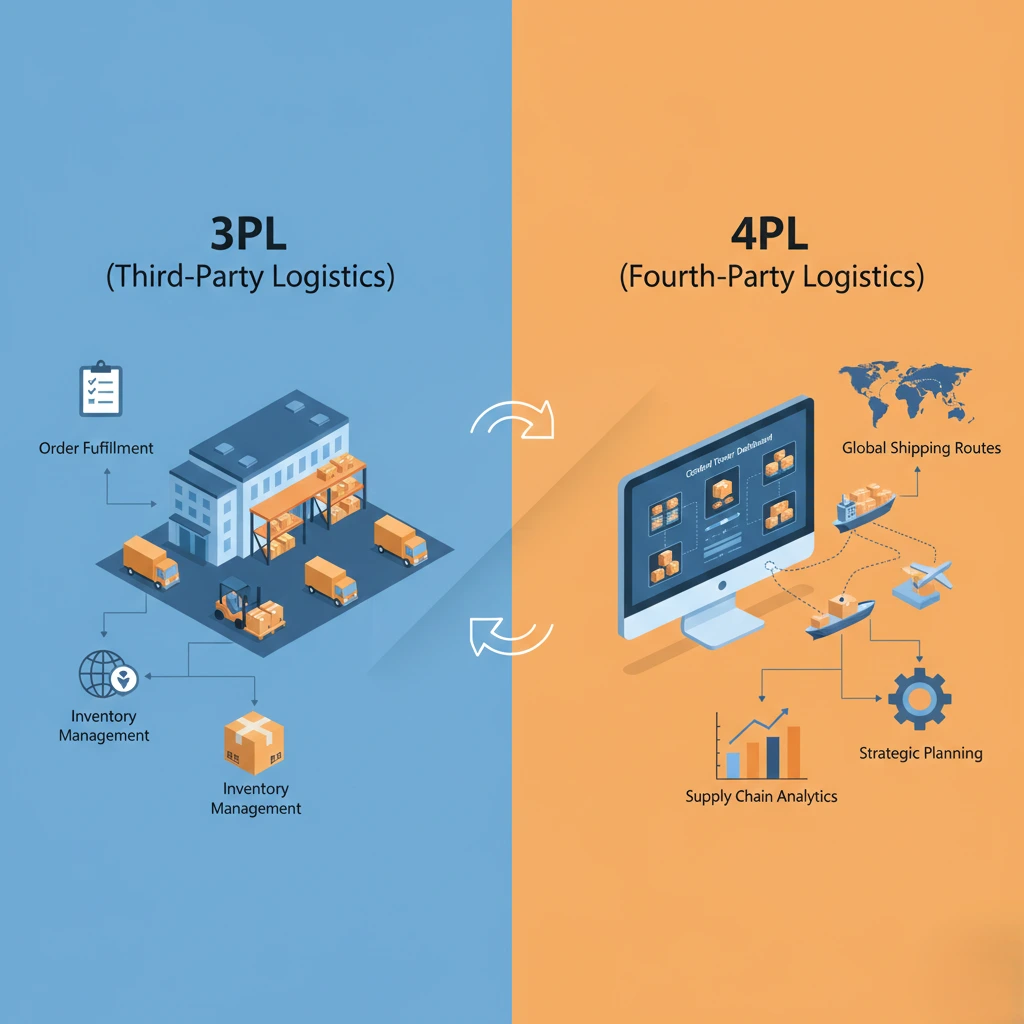
    Third party logistics (3PL) providers handle specific logistics functions on behalf of a business. These services typically include warehousing, transportation, order fulfillment, inventory management, and shipping.

    Companies use third party logistics providers to manage day-to-day logistics operations without investing heavily in infrastructure. For example, an eCommerce brand may partner with a 3PL to store products in a warehouse and ship orders directly to customers.

    When analyzing 3PL vs 4PL, it’s important to note that 3PL companies focus primarily on execution. They perform logistics tasks but usually do not oversee the entire supply chain strategy.

    What Is 4PL?

    A 4PL (Fourth Party Logistics) provider takes a more strategic and comprehensive role. Instead of simply managing transportation or warehousing, a 4PL oversees the entire supply chain. They often act as a single point of contact between the business and multiple third party logistics providers.

    In the comparison of 3PL vs 4PL, a 4PL acts as a supply chain integrator. They manage logistics strategy, coordinate multiple service providers, optimize processes, and leverage technology to improve efficiency.

    In many cases, a 4PL does not own warehouses or trucks. Instead, they manage resources and relationships to streamline logistics outsourcing at a higher level.

    Key Differences Between 3PL and 4PL

    Understanding 3PL vs 4PL requires examining several core differences.

    1. Scope of Services

    A 3PL typically manages specific operational tasks such as shipping, warehousing, and distribution. Their focus is on execution.

    A 4PL, however, oversees the entire supply chain network. They handle coordination, strategy, analytics, and performance monitoring. In short, 3PL vs 4PL differs mainly in operational execution versus strategic management.

    2. Level of Control

    With a 3PL, businesses often retain significant control over logistics strategy while outsourcing operational functions.

    With a 4PL, the provider assumes broader control and responsibility for logistics planning and vendor management. This makes logistics outsourcing more centralized and streamlined.

    3. Complexity of Supply Chain

    For smaller companies with straightforward shipping needs, a 3PL may be sufficient. However, large enterprises with global supply chains often benefit from the oversight provided in a 3PL vs 4PL comparison, where a 4PL manages multiple logistics partners under one unified strategy.

    4. Technology and Data Integration

    A 4PL typically offers advanced analytics, supply chain visibility tools, and integrated technology platforms. They focus on optimizing performance across all partners.

    While many third party logistics providers offer technology solutions, their systems usually focus on their own operations rather than integrating multiple vendors.

    Benefits of 3PL

    Choosing a 3PL can offer several advantages:

    • Reduced operational costs
    • Access to established logistics networks
    • Scalable warehousing and distribution
    • Improved delivery times

    For businesses new to logistics outsourcing, a 3PL often provides a practical starting point. It allows companies to focus on core competencies like marketing and product development while outsourcing fulfillment and shipping.

    Benefits of 4PL

    A 4PL offers benefits that go beyond execution:

    • End-to-end supply chain visibility
    • Strategic optimization
    • Vendor management
    • Improved risk management

    In complex supply chains, the 3PL vs 4PL decision often comes down to whether a company needs operational support or strategic oversight. A 4PL provides holistic management that aligns logistics with long-term business goals.

    Which One Should You Choose?

    When evaluating 3PL vs 4PL, consider your company’s size, supply chain complexity, and internal expertise.

    If you need help with warehousing, transportation, and order fulfillment, partnering with a third party logistics provider may be the right move.

    If your business operates across multiple regions, works with numerous carriers, or struggles with supply chain coordination, a 4PL might provide better long-term value.

    Budget also plays a role. A 4PL typically involves a higher investment but may deliver greater efficiencies in complex operations.

    Final Thoughts

    The debate around 3PL vs 4PL isn’t about which model is better overall—it’s about which one aligns with your business needs. A 3PL focuses on executing logistics tasks efficiently, while a 4PL provides strategic oversight and supply chain integration.

    As supply chains continue to evolve, logistics outsourcing becomes increasingly important for maintaining competitiveness. By understanding the key differences between 3PL vs 4PL, businesses can choose the right partner to streamline operations, reduce costs, and support long-term growth.