Tag: customer service

  • Multi Vendor Marketplace Development Guide

    Multi Vendor Marketplace Development Guide

    Building a successful online business requires more than just a great idea—it demands the right structure and technology. A multi vendor marketplace allows multiple sellers to list and sell their products on a single platform, creating a diverse shopping experience for customers. This model has gained immense popularity due to its scalability and profitability.

    Understanding the Marketplace Business Model

    The marketplace business model connects buyers and sellers in one centralized platform. Instead of managing inventory yourself, you allow vendors to handle their own products while you earn commissions or subscription fees. A well-planned multi vendor marketplace creates value by offering a wide range of products while reducing operational complexity for the platform owner.

    This model works well for various industries, including retail, services, and digital products. Businesses can scale quickly by onboarding more vendors, which increases product variety and attracts more customers.

    Ecommerce Platform Development Essentials

    Choosing the right approach to ecommerce platform development is critical. Your platform should be robust, scalable, and user-friendly. Whether you build from scratch or use existing frameworks, focus on performance, security, and flexibility.

    A successful multi vendor marketplace requires features such as product management, order tracking, payment integration, and user dashboards. The platform should also support multiple vendors without compromising speed or user experience.

    Cloud-based solutions and modern frameworks can help ensure your platform grows with your business. Investing in a strong technical foundation will save time and resources in the long run.

    Vendor Management Strategies

    Effective vendor management is key to maintaining quality and consistency. You need a system that allows vendors to easily onboard, manage their products, and track their sales.

    A well-structured multi vendor marketplace should include vendor dashboards, performance analytics, and communication tools. Setting clear guidelines for product listings, pricing, and customer service helps maintain standards across the platform.

    Regular monitoring and feedback can improve vendor performance. Offering training resources and support can also help vendors succeed, which ultimately benefits your marketplace.

    Creating a Seamless Online Marketplace Experience

    User experience plays a major role in the success of any online marketplace. Customers expect fast loading times, easy navigation, and secure transactions.

    Design your platform with a clean interface and intuitive layout. A high-performing multi vendor marketplace ensures that customers can quickly find products, compare options, and complete purchases without friction.

    Search functionality, filters, and personalized recommendations can enhance the shopping experience. Additionally, mobile responsiveness is essential, as a large portion of users shop via smartphones.

    Payment and Commission Structure

    A clear and transparent payment system is essential for both vendors and customers. Your platform should support multiple payment methods and ensure secure transactions.

    In a multi vendor marketplace, you can earn revenue through commissions, subscription plans, or listing fees. Choosing the right pricing strategy depends on your target audience and business goals.

    Automated payment distribution systems can simplify transactions between buyers, sellers, and the platform owner. Transparency in fees and payouts builds trust among vendors.

    Scaling and Marketing Your Marketplace

    Once your platform is live, focus on growth and marketing. Attracting both vendors and customers requires a balanced strategy.

    A growing multi vendor marketplace benefits from digital marketing techniques such as SEO, social media promotion, and email campaigns. Offering incentives to early vendors and customers can help build initial traction.

    Partnerships and collaborations can also expand your reach. As your platform grows, continuously optimize performance and add new features to stay competitive.

    Security and Trust Building

    Security is a critical aspect of any online platform. Protecting user data and ensuring safe transactions should be a top priority.

    Implement strong authentication systems, secure payment gateways, and data encryption. A reliable multi vendor marketplace builds trust by maintaining transparency, offering customer support, and resolving disputes efficiently.

    Customer reviews and ratings also play a significant role in establishing credibility and encouraging repeat purchases.

    Continuous Improvement and Optimization

    Launching your platform is just the beginning. Regular updates and improvements are necessary to stay relevant in a competitive market.

    Analyze user behavior, gather feedback, and identify areas for improvement. A successful multi vendor marketplace evolves with changing customer needs and technological advancements.

    By continuously optimizing your platform, you can enhance performance, improve user satisfaction, and drive long-term growth.

    FAQs

    What is a multi vendor marketplace?

    A multi vendor marketplace is an online platform where multiple sellers can list and sell their products or services to customers in one centralized location.

    How do you manage vendors in a marketplace?

    Vendor management involves onboarding sellers, providing dashboards, setting guidelines, monitoring performance, and offering support to ensure quality and consistency.

    What are the benefits of an online marketplace?

    An online marketplace offers scalability, diverse product offerings, reduced inventory management, and multiple revenue streams through commissions or subscriptions.

  • The Future of Direct-to-Consumer Brands

    The Future of Direct-to-Consumer Brands

    The last decade reshaped how products reach customers. Traditional retail once controlled discovery, pricing, and distribution, but digital platforms shifted power toward brands that speak directly to buyers. At the center of this shift are Direct-to-Consumer brands, companies that sell through their own digital channels rather than relying entirely on wholesalers or marketplaces. From niche startups to global disruptors, these brands have proven that strong storytelling, customer data, and agile product development can outperform slower legacy systems.

    The Evolution of the Model

    What began as a way to bypass retail markups has matured into a sophisticated business model. Early DTC brands focused on price transparency and online convenience, but competition quickly pushed them to differentiate through brand identity and experience. As acquisition costs rose and digital advertising became crowded, the most successful companies realized that owning the customer relationship mattered more than simply owning the sale.

    Today, Direct-to-Consumer brands operate less like pure e-commerce stores and more like media companies, product labs, and community hubs combined. They gather first-party data, experiment with rapid product launches, and speak to customers across multiple platforms. This shift has laid the foundation for the next wave of innovation in the DTC ecosystem.

    Changing Consumer Expectations

    Modern shoppers expect speed, transparency, and authenticity from the brands they support. Direct-to-Consumer brands thrive because they can respond quickly to these expectations without layers of retail intermediaries. Whether through personalized product recommendations or transparent supply chains, they build trust by staying close to their audience.

    A modern DTC marketing strategy is increasingly built on personalization. Instead of broadcasting generic campaigns, brands analyze behavior, preferences, and purchase history to tailor communication. Email flows, loyalty programs, and community-driven content help transform one-time buyers into long-term advocates.

    Technology Reshaping the Landscape

    Technology is accelerating the evolution of Direct-to-Consumer brands. Artificial intelligence can predict purchasing patterns, automate support, and deliver hyper-personalized recommendations. Brands that combine AI insights with human storytelling will create experiences that feel both efficient and authentic.

    Another powerful force shaping direct-to-consumer trends is social commerce. Platforms like short-form video apps and creator communities allow products to spread through storytelling rather than advertising alone. The most effective DTC brands collaborate with creators, encourage user-generated content, and turn customers into ambassadors.

    Emerging Growth Models

    Many Direct-to-Consumer brands are expanding beyond one-time purchases into recurring relationships. Subscription models for everyday products create predictable revenue while strengthening loyalty. When customers receive consistent value, convenience becomes a powerful retention tool.

    Community-led growth is another defining shift. Successful DTC brands are investing in forums, private groups, and events that turn customers into participants rather than passive buyers. When people feel connected to a brand’s mission, they willingly share feedback, ideas, and advocacy.

    Omnichannel Is the Next Frontier

    While the model began online, the future of Direct-to-Consumer brands will be omnichannel. Physical showrooms, pop-up stores, and retail partnerships are helping brands blend digital insights with real-world experiences. Customers might discover a product on social media, test it in a store, and reorder through an app.

    This convergence requires a smarter DTC marketing strategy built on unified data. Brands must understand customers across channels, not just within a single platform. The companies that connect online behavior with offline interactions will deliver seamless journeys and stronger loyalty.

    What the Future Looks Like

    The next generation of Direct-to-Consumer brands will look less like online stores and more like adaptive ecosystems. They will combine product innovation, community engagement, and data intelligence to respond instantly to shifting demand. Agility, not scale alone, will define long-term success.

    For entrepreneurs and marketers, the message is clear: the opportunity is still enormous, but the rules are evolving. Winning brands will prioritize customer relationships over quick transactions, invest in meaningful storytelling, and treat data as a strategic asset rather than a byproduct. They will test new formats, collaborate with creators, and build communities that extend far beyond a single purchase. Those willing to experiment with technology, embrace transparency, and listen closely to their audience will shape the next era of commerce. The brands that thrive will not simply sell products; they will build experiences, trust, and long-term loyalty in an increasingly competitive digital marketplace. Customer centricity will remain the most durable advantage in modern commerce.


    FAQs

    Q: What makes Direct-to-Consumer brands different from traditional retail brands?
    A:
    Direct-to-Consumer brands sell directly to customers through their own digital platforms or stores, allowing them to control pricing, gather first-party data, and build direct relationships without relying on wholesalers or large retailers.

    Q: What are the biggest direct-to-consumer trends shaping the future?
    A:
    Key trends include AI-driven personalization, social commerce, subscription-based products, community-led growth, and omnichannel experiences that combine digital and physical shopping journeys.

    Q: Why is customer data so important for DTC brands?
    A:
    First-party data allows DTC brands to understand customer behavior, personalize marketing, improve products, and create stronger long-term relationships that drive retention and lifetime value.

  • Looking for the Latest Trending Products for Your Ecommerce Store?

    Looking for the Latest Trending Products for Your Ecommerce Store?

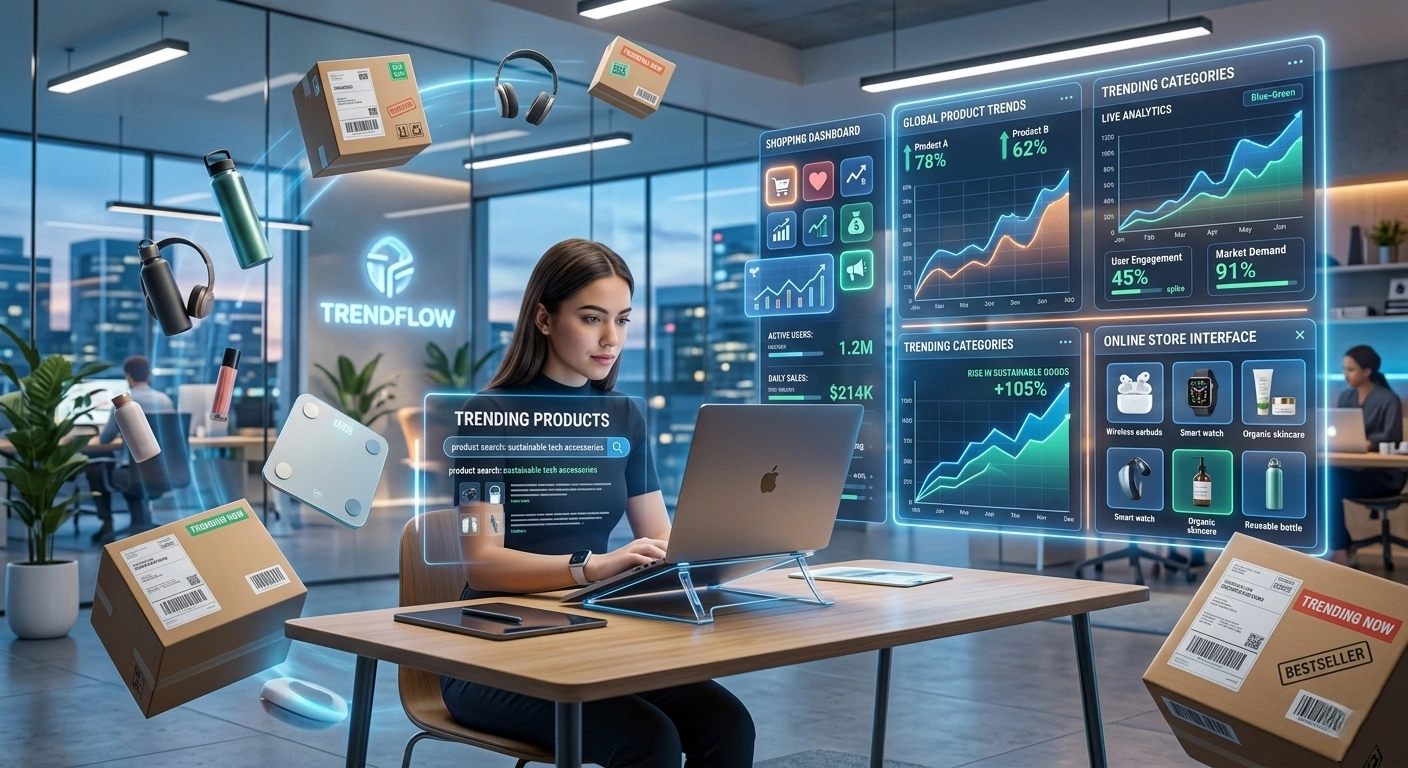
    The eCommerce industry is growing rapidly, and competition among online sellers is stronger than ever. For entrepreneurs and startups, choosing the right products can determine whether an online store succeeds or struggles. One of the most effective ways to increase sales and attract customers is by offering trending products that match current market demand.

    Consumers are constantly searching for innovative and useful items online. Businesses that identify these opportunities early can build profitable stores and establish a strong presence in the digital marketplace. Whether you are launching a new business or expanding an existing one, understanding product trends is essential for sustainable growth.

    Why Trending Products Matter for Online Stores

    Product trends reflect what customers are currently interested in purchasing. Selling trending products allows online sellers to capitalize on existing demand rather than trying to create demand from scratch.

    When products gain popularity through social media, online reviews, or influencer marketing, they often experience a surge in sales. Businesses that quickly adapt to these market shifts can generate higher revenue and attract a broader customer base.

    For entrepreneurs planning to launch an ecommerce store for startups in Noida, focusing on high-demand items can help create early traction and build customer trust.

    How to Discover the Right Products

    Finding profitable items requires research and a strong understanding of market behavior. Successful online sellers often use tools such as search trend platforms, marketplace analytics, and customer feedback to identify trending products.

    Online marketplaces provide valuable insights into best-selling categories and emerging niches. Social media platforms also play a huge role in shaping buying behavior, as viral content often turns ordinary items into popular products overnight.

    By regularly monitoring these sources, businesses can stay ahead of competitors and adapt their product offerings to changing consumer preferences.

    The Rise of Digital Products in eCommerce

    While physical items dominate many online stores, digital products are becoming increasingly popular. Products such as eBooks, templates, online courses, and software solutions provide additional revenue streams for online businesses.

    Many sellers combine physical trending products with digital products to diversify their offerings. Digital products have several advantages, including low production costs, easy distribution, and unlimited scalability.

    For startups building an ecommerce store for startups in Noida, integrating digital products alongside physical items can create a more flexible and profitable business model.

    Leveraging Data for Better Product Selection

    Data-driven decision-making is a key factor in successful eCommerce businesses. Instead of relying on guesswork, entrepreneurs can analyze market data to determine which trending products are gaining popularity.

    Analytics tools help businesses understand customer behavior, search patterns, and purchasing trends. This information allows store owners to optimize their product listings and focus on items that are more likely to generate sales.

    By using data insights effectively, businesses can reduce risks and make smarter inventory decisions.

    The Role of Social Media in Product Trends

    Social media platforms have a major influence on modern shopping behavior. Platforms like Instagram, TikTok, and YouTube frequently introduce new product trends through influencer marketing and viral content.

    Entrepreneurs who actively follow these platforms can discover trending products before they become widely available in the market. Early adoption often gives businesses a competitive advantage and helps them capture demand faster.

    In addition, engaging with audiences on social media helps build brand awareness and drive traffic to online stores.

    Building a Successful Ecommerce Strategy

    Selecting the right products is only one part of building a successful online store. A well-designed website, effective marketing campaigns, and excellent customer service are equally important.

    Businesses launching an ecommerce store for startups in Noida should focus on creating a smooth shopping experience for customers. This includes clear product descriptions, secure payment options, and fast delivery services.

    When high-demand trending products are combined with strong branding and marketing strategies, businesses can significantly increase their chances of success.

    Preparing for Future eCommerce Opportunities

    The future of online retail continues to evolve with advancements in technology and changing consumer expectations. Businesses that stay informed about industry trends and continuously research trending products will be better prepared to adapt to market changes.

    Entrepreneurs who focus on innovation, customer experience, and smart product selection can build sustainable online businesses. As competition increases, identifying the right trending products and delivering value to customers will remain key factors in long-term eCommerce success.


    FAQs

    1. What are trending products in eCommerce?
    Trending products are items that are currently popular among consumers due to market demand, social media influence, or seasonal trends.

    2. How can I find trending products for my online store?
    You can find trending products by analyzing marketplace best-seller lists, using keyword research tools, monitoring social media trends, and studying customer reviews.

    3. Can digital products be sold in an eCommerce store?
    Yes, digital products such as online courses, templates, eBooks, and software can be sold through an eCommerce store and often provide high profit margins with low production costs.

  • Searching for Trending Products That Boost Your Online Sales?

    Searching for Trending Products That Boost Your Online Sales?

    In the fast-growing world of online business, choosing the right products can make a huge difference in your success. Entrepreneurs and small businesses are constantly looking for ways to increase their sales and attract more customers. One of the most effective strategies is identifying trending products that customers are actively searching for and buying online.

    With the rapid expansion of eCommerce and digital marketplaces, understanding market trends has become essential for businesses that want to grow quickly. Whether you are launching a new online store or expanding an existing one, selecting the right products can help you stay competitive and increase profitability.

    Why Product Trends Matter in eCommerce

    The eCommerce market is highly dynamic, with consumer preferences changing frequently. Businesses that adapt quickly to new trends often gain a competitive advantage. Selling trending products allows online sellers to tap into high demand and attract more buyers without spending excessive amounts on marketing.

    Trending items often gain popularity through social media platforms, influencer recommendations, and viral marketing. When businesses recognize these opportunities early, they can position themselves as leaders in their niche.

    For startups planning to build a successful ecommerce store for startups in Noida, understanding market trends can significantly improve product selection and sales performance.

    How to Identify High-Demand Products

    Finding the right products requires careful research and analysis. Many successful entrepreneurs use tools such as keyword research platforms, online marketplaces, and social media insights to discover trending products.

    Platforms like online marketplaces and search engines reveal what customers are searching for most frequently. Additionally, monitoring customer reviews and feedback can help businesses identify gaps in the market and develop better offerings.

    Digital platforms have also made it easier for sellers to test different product categories before investing heavily in inventory.

    The Growing Demand for Digital Products

    In addition to physical goods, digital products have become a major opportunity for online entrepreneurs. Items such as online courses, design templates, software tools, and downloadable guides are gaining immense popularity.

    Many sellers combine physical trending products with digital products to diversify their revenue streams. Digital products have the advantage of low production costs and unlimited scalability, making them highly profitable for startups.

    Businesses that integrate both product types into their online store can build a more sustainable and flexible business model.

    Using Data to Select the Right Products

    Data-driven decision-making is one of the most powerful strategies for online success. Instead of guessing what customers might want, businesses can analyze market data to determine which trending products have the highest demand.

    Analytics tools provide insights into customer behavior, search trends, and buying patterns. These insights help businesses identify opportunities and make informed product decisions.

    For startups building an ecommerce store for startups in Noida, using data analytics can help optimize product offerings and improve overall store performance.

    Leveraging Social Media for Product Discovery

    Social media platforms play a major role in shaping consumer preferences. Platforms like Instagram, TikTok, and YouTube often drive product trends and influence buying behavior.

    Entrepreneurs who monitor social media trends can discover trending products before they become mainstream. Influencer collaborations, viral challenges, and product demonstrations can quickly turn ordinary items into best-selling products.

    By actively following social media conversations and customer interests, businesses can stay ahead of competitors and capture emerging opportunities.

    Building a Strong Online Store Strategy

    Choosing the right products is only one part of running a successful eCommerce business. A well-designed store, effective marketing strategies, and strong customer experience are equally important.

    Many entrepreneurs launching an ecommerce store for startups in Noida focus on building a clear brand identity and providing seamless shopping experiences. Combining high-demand trending products with strong marketing campaigns helps attract more traffic and convert visitors into loyal customers.

    Businesses that consistently analyze performance metrics and customer feedback can refine their strategies and maintain long-term growth.

    Future Opportunities in eCommerce

    The future of online retail looks extremely promising. As technology advances and consumer behavior continues to evolve, new product opportunities will constantly emerge.

    Entrepreneurs who stay updated with market insights and regularly research trending products will be better positioned to succeed in the competitive eCommerce environment. By combining innovative product ideas with effective marketing strategies, businesses can create sustainable online ventures.

    In a digital-first economy, the ability to identify and sell the right trending products can significantly boost online sales and open new growth opportunities for startups and established brands alike.


    FAQs

    1. What are trending products in eCommerce?
    Trending products are items that are currently in high demand due to market trends, social media influence, or changing consumer preferences.

    2. How can startups find trending products to sell online?
    Startups can use keyword research tools, marketplace insights, social media trends, and customer feedback to identify products that are gaining popularity.

    3. Are digital products profitable for online businesses?
    Yes, digital products can be highly profitable because they require minimal production costs and can be sold repeatedly without inventory limitations.

  • Why Do Customers Prefer Digital Products Over Physical Goods in Some E-Commerce Stores?

    Why Do Customers Prefer Digital Products Over Physical Goods in Some E-Commerce Stores?

    In the rapidly evolving world of e-commerce, digital products have become increasingly popular among customers and entrepreneurs alike. Unlike physical goods, digital products can be delivered instantly, require no shipping, and often provide immediate value to the buyer. This convenience, combined with low costs and scalability, has made them a preferred choice in many online stores.

    Understanding why customers prefer digital items over physical ones can help e-commerce entrepreneurs select the right offerings and grow their business successfully.

    Instant Access and Convenience

    One of the biggest advantages of digital products is instant access. Customers can download or access their purchase immediately after payment. There’s no waiting for shipping, no tracking numbers, and no risk of lost packages.

    For example, someone buying an online course or a graphic design template can start using it right away. This level of convenience makes digital products highly appealing, especially for busy individuals who value efficiency.

    Many trending products for ecommerce store owners capitalize on this convenience, offering products that provide immediate results or solutions to customer problems.

    Lower Costs for Customers and Sellers

    Digital products often cost less than their physical counterparts because there are no manufacturing, storage, or shipping expenses. This pricing advantage appeals to customers looking for affordable solutions while allowing sellers to maintain healthy profit margins.

    For entrepreneurs, this means that the best digital products to sell online can be highly lucrative. Products such as ebooks, templates, and software can be sold repeatedly without significant additional costs, making them a sustainable business model.

    Environmentally Friendly Choice

    More consumers are becoming conscious of their environmental impact. Digital products are eco-friendly since they do not require packaging, shipping, or physical resources.

    Choosing digital products aligns with the values of environmentally aware buyers, enhancing customer satisfaction and brand loyalty. E-commerce stores that offer digital goods can market themselves as sustainable alternatives, which is a growing trend in online shopping.

    Variety and Customization

    Digital products offer an unparalleled range of variety and customization. Customers can choose from multiple formats, themes, or versions tailored to their needs.

    For instance, graphic design templates, stock photos, and music files can be customized to match specific projects, giving customers more control over the final result. This flexibility is a key reason why many customers prefer digital products over physical goods.

    Moreover, e-commerce businesses often track trends to ensure they stock trending products that meet current customer demands, keeping their offerings fresh and relevant.

    Scalability and Accessibility

    Unlike physical goods, digital products can be distributed to an unlimited number of customers without additional inventory or production costs. This scalability allows e-commerce stores to serve a global audience, making it easier to reach more buyers.

    For the customer, this means access to a wide range of products anytime, anywhere. The ability to purchase and download from any device increases convenience, further driving preference for digital items.

    Entrepreneurs can leverage this to offer the best digital products to sell online, including online courses, digital art, and productivity tools, which continue to generate income long after creation.

    Reduced Risk of Returns

    Physical products come with the risk of damage, shipping errors, or dissatisfaction, often resulting in returns or refunds. Digital products minimize these risks because they are delivered directly to the customer in the intended format.

    This reliability makes digital products attractive to buyers and reduces operational headaches for sellers. Customers are more confident making online purchases when they know the product will work as intended without shipping complications.

    Enhancing Customer Experience

    Ultimately, the preference for digital products is tied to a better customer experience. Instant delivery, affordability, eco-friendliness, customization, and low risk all contribute to higher satisfaction.

    E-commerce stores that focus on offering high-quality digital products can build trust and loyalty, encouraging repeat purchases. Tracking trending products for ecommerce store ensures the store stays relevant and continues to meet customer expectations.

    Final Thoughts

    The rise of digital products in e-commerce is driven by customer demand for convenience, affordability, and flexibility. For entrepreneurs, understanding these preferences is key to selecting the right offerings and growing a successful online business.

    By focusing on high-value, trending, and customizable items, sellers can provide exceptional experiences while benefiting from the scalability and profitability that digital products offer. Ultimately, the digital model is not just a trend—it’s a shift in how customers perceive value and convenience in online shopping.


    FAQs

    1. Why do customers prefer digital products over physical goods?
    Customers enjoy instant access, convenience, lower costs, customization, and reduced environmental impact, making digital products more appealing.

    2. What are examples of popular digital products to sell online?
    Popular options include online courses, ebooks, templates, design assets, stock photos, music files, and productivity tools.

    3. Can digital products generate long-term income?
    Yes, because they can be sold repeatedly without additional production costs, digital products are ideal for passive and scalable income.