Tag: customer service

  • Top Trends in Logistics: Delivery Innovations in the Last Mile

    Top Trends in Logistics: Delivery Innovations in the Last Mile

    In today’s fast-paced e-commerce world, last‑mile delivery has become one of the most critical—and challenging—aspects of the supply chain. As consumer expectations for speed, transparency, and sustainability grow, logistics companies are pushing the boundaries of innovation. Here are some of the top trends transforming last‑mile logistics and delivery operations.

    The Rise of Autonomous Delivery Vehicles

    One of the most disruptive delivery innovations is the use of autonomous vehicles. Self-driving vans, delivery robots, and even small self-navigating pods are being deployed to handle the last leg of a package’s journey. These autonomous solutions can dramatically reduce labor costs, minimize delivery times, and operate during off-peak hours without human supervision. For logistics companies, investing in robotic delivery systems offers a scalable way to tackle urban congestion and improve overall route efficiency.

    Drones Flying for Faster Deliveries

    Drone delivery is no longer a vision of the future—it’s happening now. Unmanned aerial vehicles (UAVs) are being used to deliver small, lightweight parcels directly to customers’ doorsteps. This technology is especially useful in remote or hard-to-reach areas where traditional vehicle-based delivery is inefficient. With regulatory progress and improvements in battery life, drones are accelerating ultra-fast delivery options and pushing the envelope on how quickly goods can reach customers.

    Micro‑fulfillment and Urban Warehousing

    To shorten delivery distances and speed up order fulfillment, logistics companies are embracing micro‑fulfillment centers in urban areas. These miniature warehouses are often located inside cities and use automated storage and retrieval systems (AS/RS) to rapidly pick and dispatch goods. By bringing inventory closer to customers, micro‑fulfillment helps reduce delivery times, lower transportation costs, and cut greenhouse gas emissions.

    Crowd‑Shipping and Peer‑to‑Peer Delivery

    Another emerging trend is crowd‑shipping, where everyday people act as couriers. In this model, local individuals pick up and deliver packages during their regular commute. This peer-to-peer approach leverages the community to handle last‑mile delivery, reducing reliance on traditional courier networks. It’s efficient, flexible, and scalable—especially in densely populated areas where people are already traveling frequently.

    Smart Routing Powered by AI and Data Analytics

    Advanced route optimization tools powered by AI, machine learning, and big data are reshaping how deliveries are planned. Instead of fixed routes, logistics companies now use real-time traffic data, weather forecasts, and delivery density patterns to dynamically adjust routes. These intelligent systems not only reduce fuel consumption but also improve delivery speed and driver productivity.

    Real‑Time Tracking and Customer Transparency

    Today’s consumers demand full visibility into their shipments—where the package is, when it will arrive, and any potential delays. Logistics providers are responding with real-time tracking systems, mobile delivery apps, and push notifications. Using GPS, IoT sensors, and smart logistics platforms, companies can offer more transparent last‑mile delivery experiences, helping to boost customer satisfaction.

    Eco‑Friendly and Electric Delivery Fleets

    Sustainability is no longer optional. Many logistics firms are switching to electric delivery vehicles, e-bikes, and even cargo scooters to reduce their carbon footprint. These eco‑friendly vehicles are ideal for urban deliveries because they produce fewer emissions, help reduce noise pollution, and are more energy‑efficient in stop-and-go city traffic. Adopting green fleets is becoming a key competitive differentiator for companies focused on sustainable last‑mile logistics.

    Smart Lockers and Pickup Points

    Parcel lockers, parcel boxes, and pickup points are becoming widespread in residential complexes, convenience stores, and public spaces. These contactless delivery options allow customers to collect packages at their convenience, cutting down on failed delivery attempts and reducing the number of miles driven by couriers. Smart lockers with digital access codes or QR-based opening mechanisms improve security and offer a seamless experience.

    Delivery Robots and Sidewalk Couriers

    Ground-level delivery robots are gaining traction, particularly in urban environments. These small autonomous devices travel on sidewalks and pavements, carrying parcels from micro‑hubs to customers’ homes. Equipped with sensors and cameras, these robots can navigate pedestrian areas safely. Robotic couriers offer a cost-effective, last-mile option that complements traditional delivery vehicles.

    Predictive Delivery and Demand Forecasting

    Predictive analytics is playing a growing role in logistics. By analyzing historical order data, seasonal trends, and real-time demand signals, logistics companies can forecast where and when packages will be needed. This capacity to predict demand enables them to position inventory strategically, allocate delivery resources efficiently, and reduce delivery times—all while minimizing costs.

    Subscription-Based Delivery and Scheduled Drops

    Subscription models and scheduled delivery windows are becoming increasingly popular. Customers can choose weekly, monthly, or recurring deliveries for items they regularly need (groceries, personal care products, etc.). Scheduled drops—where customers pick a time slot for delivery—allow logistics providers to batch orders intelligently and optimize delivery routes. This system improves efficiency and greatly enhances the customer experience.

    Augmented Reality (AR) for Delivery Planning

    Augmented Reality (AR) is being experimented with for delivery planning and driver assistance. AR apps can help drivers navigate complex buildings, find apartment units, or identify drop-off locations more easily. In dense or unfamiliar urban areas, AR navigation tools can reduce delivery time, avoid misdeliveries, and improve first‑time delivery success rates.

    Blockchain for Verification & Transparency

    Blockchain technology is being leveraged to increase transparency and security in the supply chain. By using blockchain-powered ledgers, logistics companies can create immutable records of package handling, chain of custody, and delivery confirmation. This helps build trust, reduce fraud, and ensure accountability in the last mile—especially for high-value items or sensitive shipments.

    Robotics and Automation in Sorting

    Advanced automation is not limited to vehicles; it also affects the sorting process. Robotic sorting systems, conveyor belts, and automatic parcel scanners in micro‑fulfillment centers enhance throughput and accuracy. These robotics-driven sorting operations reduce human error and help expedite the movement of packages from warehouse to final delivery.

    Challenges and Considerations

    Even with all these innovations, last‑mile delivery faces significant challenges. Scaling autonomous vehicles and drones requires regulatory approvals and infrastructure investment. Crowd‑shipping raises questions about liability, insurance, and customer trust. Deploying electric fleets demands access to charging infrastructure. Logistics companies must balance innovation with cost management, safety, and operational reliability.

    Looking Ahead: What’s Next for Last‑Mile Innovation?

    The future of the last mile is likely to be even more technology-driven, connected, and sustainable. We can expect wider adoption of hybrid delivery models combining drones, robots, and traditional fleets. 5G-enabled logistics will power real-time data sharing and ultra-low-latency route updates. AI-driven decision-making will further optimize everything from resource allocation to customer communications. With consumer demands climbing—and environmental pressures increasing—next‑generation delivery innovations will continue to reshape the logistics landscape.

  • How Automation is Revolutionising Logistics Operations

    How Automation is Revolutionising Logistics Operations

    The logistics industry is undergoing a massive transformation thanks to automation technologies. From warehouses to last-mile delivery, automation in logistics is streamlining processes, reducing costs, and improving efficiency. Businesses worldwide are adopting automated logistics solutions to stay competitive in a fast-paced market.

    Benefits of Automation in Logistics

    Automation is reshaping logistics operations in several ways. Automated systems reduce human error, increase productivity, and enhance supply chain visibility. Some key benefits include:

    • Increased operational efficiency
    • Real-time tracking and monitoring
    • Optimized inventory management
    • Reduced labor costs
    • Faster order fulfillment

    By integrating automation technologies into their operations, logistics companies can respond faster to customer demands while maintaining accuracy and reliability.

    Types of Automation in Logistics

    There are various types of logistics automation technologies being implemented across the industry:

    Warehouse Automation

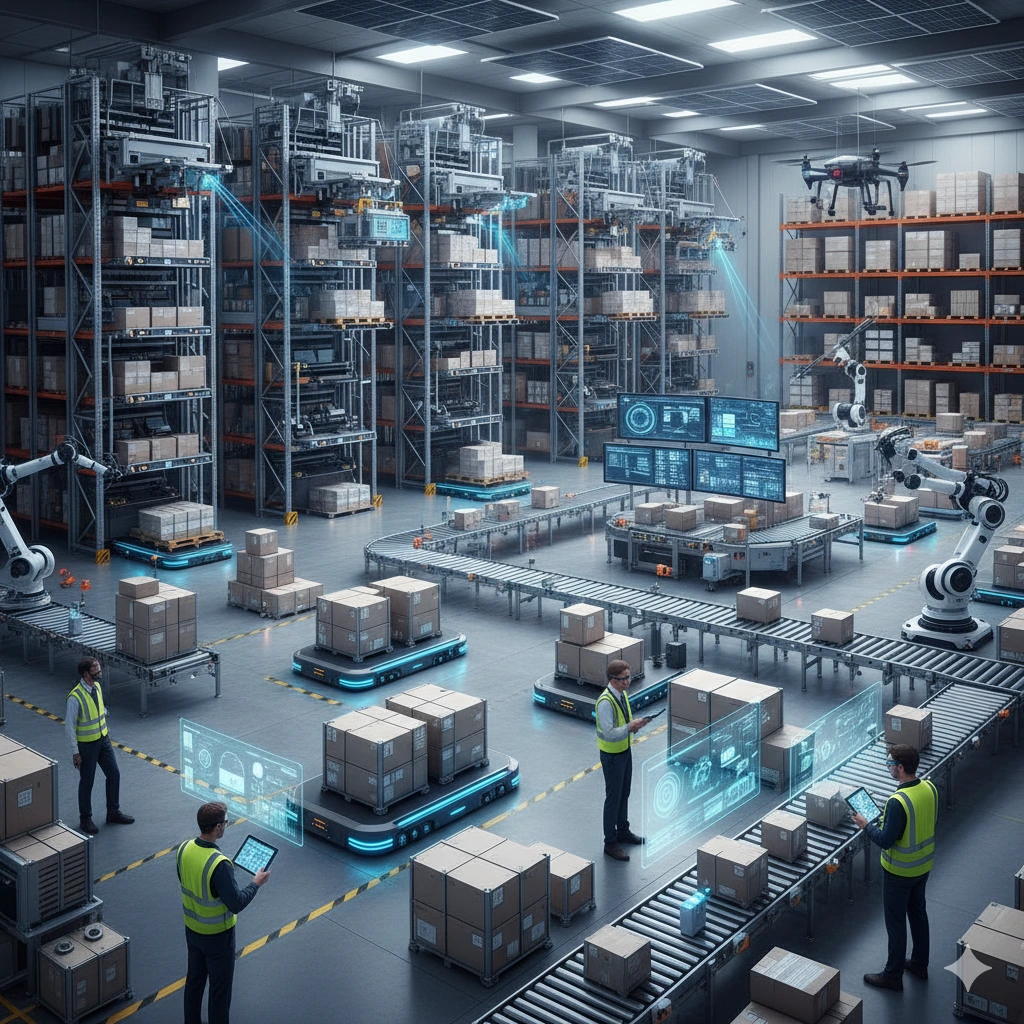
    Warehouse automation includes technologies like automated guided vehicles (AGVs), robotic picking systems, and automated sorting machines. These systems streamline inventory handling, reduce errors, and increase warehouse throughput. Smart warehouses leverage AI and IoT sensors to optimize storage and retrieval processes, improving overall efficiency.

    Transportation Automation

    Transportation automation focuses on optimizing fleet management and delivery processes. Autonomous delivery vehicles, route optimization software, and real-time tracking systems ensure timely and cost-effective deliveries. Companies are also using predictive analytics to anticipate delays and improve supply chain planning.

    Supply Chain Automation

    Supply chain automation integrates technology across procurement, inventory management, and distribution. ERP systems, AI-powered demand forecasting, and automated order processing allow businesses to maintain seamless operations. Automation in supply chains ensures better resource allocation, minimizes stockouts, and reduces operational bottlenecks.

    Impact of Automation on Workforce

    While automation in logistics improves efficiency, it also changes the workforce dynamics. Routine manual tasks are increasingly handled by machines, allowing employees to focus on strategic and analytical roles. Companies are investing in employee training programs to upskill workers for technology-driven logistics operations.

    Challenges in Implementing Logistics Automation

    Despite its benefits, logistics automation comes with challenges:

    • High initial investment costs
    • Integration with existing systems
    • Data security and privacy concerns
    • Maintenance and technical support requirements

    Businesses must carefully plan their automation strategy and choose scalable solutions that align with their operational goals.

    Future Trends in Logistics Automation

    The future of automated logistics looks promising. Emerging trends include:

    • AI-driven predictive logistics for smarter decision-making
    • Autonomous drones and vehicles for faster deliveries
    • IoT-enabled supply chain networks for real-time visibility
    • Robotic process automation (RPA) for administrative tasks

    These innovations are expected to revolutionize logistics operations, making them more agile, efficient, and customer-focused.

    Conclusion

    Automation is revolutionising logistics operations by improving efficiency, reducing costs, and enhancing customer satisfaction. Companies adopting automated logistics solutions gain a competitive advantage in today’s dynamic market. As technology continues to evolve, the integration of AI, robotics, and IoT will further transform logistics, creating smarter and more resilient supply chains.

  • What is Dead Stock in E-commerce Fulfilment

    What is Dead Stock in E-commerce Fulfilment

    Introduction to Dead Stock in E-commerce

    In the fast-paced world of e-commerce, inventory management plays a critical role in ensuring business efficiency and profitability. One term that frequently arises in discussions about inventory management is dead stock. Understanding what dead stock is, why it occurs, and how to manage it effectively is crucial for e-commerce businesses looking to optimize their fulfilment operations and reduce losses. This blog will provide an in-depth guide to dead stock in e-commerce fulfilment, exploring its causes, impact, and strategies to minimize its occurrence.

    Defining Dead Stock in E-commerce Fulfilment

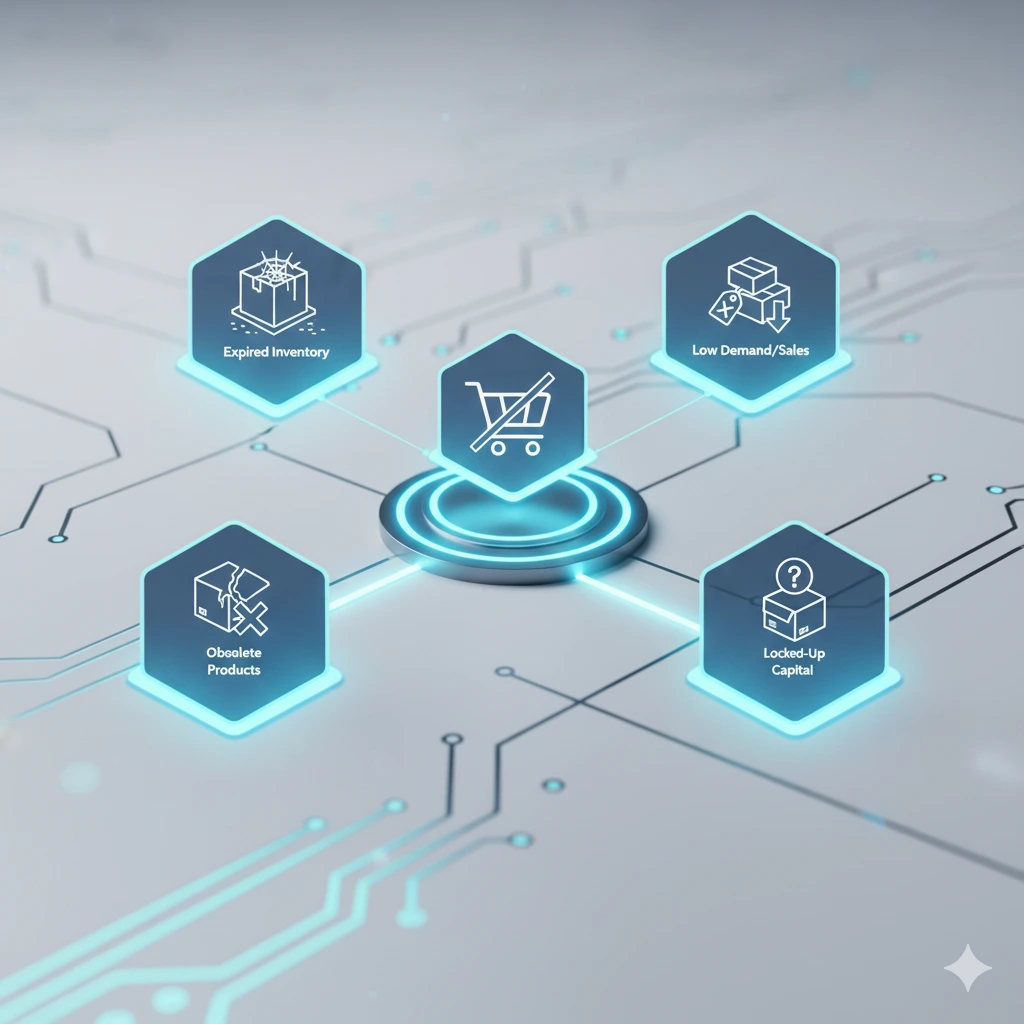
    Dead stock, also known as obsolete inventory, refers to products that remain unsold in a warehouse or storage facility for an extended period. These items are not moving due to lack of demand, seasonal changes, or overstocking. Dead stock ties up valuable storage space, affects cash flow, and can lead to increased operational costs if not managed effectively. In e-commerce, where fast inventory turnover is critical, dead stock can severely impact profitability and overall supply chain efficiency.

    Causes of Dead Stock in E-commerce

    Understanding the reasons behind dead stock is essential for preventing its accumulation. Several factors contribute to dead stock in e-commerce fulfilment:

    1. Poor Demand Forecasting

    Incorrect predictions about customer demand often result in overstocking items that may not sell. Without accurate data on market trends, businesses risk ordering excess inventory that ultimately becomes dead stock.

    2. Seasonal Products

    Products tied to specific seasons or events can become dead stock if not sold within the intended timeframe. For example, holiday-themed merchandise or summer apparel may remain unsold if demand is miscalculated.

    3. Product Obsolescence

    Technological advancements or changing consumer preferences can render certain products obsolete. Electronics, fashion items, and gadgets are particularly prone to becoming dead stock when newer models or trends emerge.

    4. Inefficient Inventory Management

    Lack of proper inventory tracking and warehouse management can lead to dead stock. Without real-time visibility into inventory levels, businesses may reorder products unnecessarily or fail to promote slow-moving items.

    5. Excessive Bulk Ordering

    E-commerce businesses often order in bulk to reduce per-unit costs. While cost-effective, bulk purchasing can result in surplus inventory if sales projections are not accurate, contributing to dead stock accumulation.

    Impact of Dead Stock on E-commerce Fulfilment

    Dead stock has several negative implications for e-commerce businesses, affecting both operational efficiency and financial performance.

    1. Increased Storage Costs

    Dead stock occupies warehouse space that could otherwise be used for faster-moving products. This leads to higher storage costs and reduces the efficiency of warehouse operations.

    2. Cash Flow Issues

    Investing in inventory that does not sell ties up capital, restricting the business’s ability to invest in new products or other growth opportunities.

    3. Reduced Profit Margins

    Dead stock often requires markdowns or clearance sales to move, which can significantly reduce profit margins.

    4. Operational Inefficiency

    Managing dead stock requires additional labor for tracking, moving, and sometimes disposing of unsold items. This can slow down warehouse operations and reduce overall fulfilment efficiency.

    5. Negative Environmental Impact

    In some cases, unsold inventory may be discarded, contributing to waste and environmental concerns. This is increasingly significant in industries where sustainability is a priority for consumers.

    Strategies to Manage Dead Stock in E-commerce Fulfilment

    Effectively managing dead stock involves a combination of proactive inventory planning, data-driven decision-making, and innovative fulfilment strategies.

    1. Implement Accurate Demand Forecasting

    Leveraging data analytics and historical sales data helps businesses predict customer demand more accurately. Predictive analytics can identify trends, seasonal fluctuations, and popular products, reducing the risk of dead stock accumulation.

    2. Use Inventory Management Software

    Modern inventory management systems provide real-time visibility into stock levels, sales trends, and warehouse operations. These tools allow businesses to monitor slow-moving items and make timely decisions about reordering or discounting products.

    3. Optimize Product Lifecycle Management

    Regularly review product performance and lifecycle to identify items that are becoming obsolete. Phasing out slow-selling or outdated products helps prevent dead stock from building up.

    4. Adopt Flexible Purchasing Strategies

    Rather than ordering in large bulk quantities, consider smaller, frequent orders that match current demand. This approach reduces the risk of overstocking and ensures that inventory aligns more closely with actual sales.

    5. Implement Promotions and Discounts

    Offering limited-time promotions, bundle deals, or seasonal discounts can help move slow-selling items before they become dead stock. This not only frees up warehouse space but also generates revenue from otherwise stagnant inventory.

    6. Partner with Third-Party Logistics (3PL) Providers

    3PL providers often offer advanced warehousing solutions, including inventory rotation, real-time tracking, and fulfillment optimization. Collaborating with a 3PL can help businesses manage inventory more efficiently and reduce the impact of dead stock.

    7. Explore Alternative Sales Channels

    Selling slow-moving products through alternative channels such as online marketplaces, outlet stores, or international markets can help reduce dead stock. Multi-channel selling increases product visibility and provides additional opportunities to clear inventory.

    8. Adopt a Returns Management Strategy

    Efficient returns management can help identify defective or unsellable products early, preventing them from becoming dead stock. Implementing processes for restocking, refurbishing, or recycling returned items minimizes inventory losses.

    Conclusion: Minimizing Dead Stock for E-commerce Success

    Dead stock in e-commerce fulfilment poses significant challenges, from increased costs to reduced profitability. Understanding the causes of dead stock and implementing proactive management strategies is essential for maintaining an efficient and profitable supply chain. By leveraging accurate demand forecasting, inventory management software, flexible purchasing strategies, and innovative sales channels, businesses can reduce the risk of dead stock accumulation.

    E-commerce companies that effectively manage dead stock not only improve operational efficiency but also enhance customer satisfaction, boost cash flow, and increase overall profitability. Staying vigilant and data-driven in inventory management ensures that your e-commerce business remains agile, competitive, and capable of meeting evolving market demands.

    Properly addressing dead stock transforms it from a costly liability into an opportunity for optimization and strategic growth within your e-commerce fulfilment operations.

  • How to Choose the Right 3PL Provider for Your Business

    How to Choose the Right 3PL Provider for Your Business

    Introduction to Choosing a 3PL Provider

    In today’s competitive business environment, supply chain efficiency plays a critical role in ensuring customer satisfaction and profitability. One of the most effective ways to optimize your supply chain is by partnering with a reliable third-party logistics (3PL) provider. However, choosing the right 3PL provider for your business can be challenging. The decision impacts not only your operational efficiency but also your brand reputation. This blog will guide you through the key considerations, benefits, and strategies to select the ideal 3PL provider that aligns with your business goals.

    Understanding the Role of a 3PL Provider

    A 3PL provider offers outsourced logistics services that include warehousing, transportation, order fulfillment, inventory management, and distribution. By leveraging a 3PL, businesses can focus on their core competencies while experts manage the complexities of logistics. Modern 3PL providers often incorporate advanced technologies such as warehouse management systems (WMS), transportation management systems (TMS), and real-time tracking to enhance supply chain visibility.

    Key Benefits of Partnering with a 3PL Provider

    1. Cost Efficiency: Outsourcing logistics can reduce overhead costs associated with warehousing, transportation, and labor.
    2. Scalability: 3PL providers allow businesses to scale operations up or down based on demand without significant capital investment.
    3. Expertise and Technology: 3PLs bring industry expertise and technology that small or mid-sized businesses may not have internally.
    4. Improved Customer Experience: Faster delivery, accurate order fulfillment, and reliable tracking improve customer satisfaction and loyalty.

    Factors to Consider When Choosing a 3PL Provider

    1. Evaluate Your Business Needs

    Before selecting a 3PL provider, clearly define your business requirements. Consider factors such as order volume, storage space needs, delivery regions, and product types. Are you looking for a full-service 3PL that handles end-to-end logistics or a specialized provider for warehousing or last-mile delivery? Understanding your business needs ensures you choose a provider that aligns with your operational goals.

    2. Assess Industry Experience and Expertise

    Not all 3PL providers have experience in every industry. When choosing a 3PL provider, look for one with expertise in your sector. For example, if you deal with perishable goods, a 3PL experienced in temperature-controlled logistics is essential. Providers with industry-specific knowledge are better equipped to handle unique challenges and regulatory requirements.

    3. Technology Capabilities

    In the age of e-commerce and data-driven operations, technology is a critical factor in selecting a 3PL provider. Evaluate their technology stack, including warehouse management systems, transportation management systems, and inventory tracking software. Real-time data visibility, analytics, and automation capabilities can significantly improve efficiency and decision-making.

    4. Geographic Coverage and Network

    The geographic reach of a 3PL provider is crucial for businesses looking to expand their distribution footprint. Consider whether the provider has strategically located warehouses and transportation networks to ensure fast delivery times. A strong logistics network helps reduce shipping costs and ensures timely fulfillment, especially for businesses operating nationally or internationally.

    5. Service Flexibility and Customization

    Every business has unique logistics needs. Choose a 3PL provider that offers flexible and customizable solutions rather than a one-size-fits-all approach. Services such as kitting, packaging, reverse logistics, and same-day delivery options can provide a competitive edge and enhance customer satisfaction.

    6. Reputation and References

    Research the reputation of potential 3PL providers by reading reviews, case studies, and industry testimonials. Ask for references and speak directly with their existing clients to understand their performance, reliability, and responsiveness. A trustworthy 3PL provider will have a proven track record of delivering consistent and high-quality logistics services.

    7. Cost Structure and Transparency

    While cost should not be the only deciding factor, it is critical to understand the provider’s pricing model. Evaluate how they charge for warehousing, transportation, fulfillment, and additional services. Transparent pricing and clear contract terms ensure there are no hidden fees, helping you make an informed decision while staying within budget.

    8. Risk Management and Compliance

    A reliable 3PL provider must adhere to industry regulations and safety standards. Assess their risk management practices, including insurance coverage, compliance certifications, and contingency planning for supply chain disruptions. Choosing a compliant and risk-aware provider reduces potential legal and operational issues for your business.

    Steps to Select the Right 3PL Provider

    Step 1: Define Your Goals and Expectations

    Start by outlining your business objectives, logistics challenges, and expected outcomes from partnering with a 3PL. Clear goals will help you communicate your requirements effectively and evaluate providers objectively.

    Step 2: Shortlist Potential Providers

    Research potential 3PL providers based on their services, industry experience, technology capabilities, and geographic reach. Create a shortlist of providers that best align with your business needs.

    Step 3: Conduct Detailed Evaluations

    Interview shortlisted providers, request proposals, and analyze their capabilities. Assess their technological infrastructure, operational processes, and ability to handle your product types and volumes. Pay attention to their flexibility and willingness to tailor solutions to your requirements.

    Step 4: Visit Facilities and Review Operations

    Whenever possible, visit the 3PL provider’s warehouses and distribution centers to understand their operational efficiency, security measures, and staff expertise. Observing operations firsthand provides valuable insight into their capabilities.

    Step 5: Negotiate Terms and Service Level Agreements (SLAs)

    Discuss pricing, service expectations, and key performance indicators (KPIs) with your chosen provider. Ensure the contract includes detailed SLAs covering order accuracy, delivery times, and response times for issues. A well-defined SLA ensures accountability and minimizes potential disputes.

    Step 6: Implement and Monitor Performance

    After selecting your 3PL provider, implement the partnership with clear communication and integration of technology systems. Continuously monitor performance against agreed KPIs to ensure the provider meets your expectations. Regular performance reviews help identify areas for improvement and strengthen the partnership.

    Conclusion: Making the Right 3PL Choice

    Choosing the right 3PL provider for your business is a strategic decision that can significantly impact your supply chain efficiency, operational costs, and customer satisfaction. By evaluating your business needs, assessing provider expertise, technology, geographic coverage, and reputation, you can select a partner that adds value to your logistics operations. A strong 3PL partnership not only helps streamline your supply chain but also provides flexibility, scalability, and a competitive edge in today’s dynamic market.

    Investing time in carefully selecting a 3PL provider ensures long-term success, enhances customer experience, and positions your business for growth in an increasingly complex logistics landscape.

  • The Role of Technology in Modern Warehousing

    The Role of Technology in Modern Warehousing

    Introduction to Technology in Modern Warehousing

    In today’s fast-paced global economy, modern warehousing has transformed into a highly advanced and technology-driven industry. Gone are the days when warehouses were simply storage spaces. The integration of technology has redefined the way businesses manage their inventories, streamline operations, and fulfill customer orders. From inventory management to automation, technology is playing a crucial role in optimizing warehousing processes, improving efficiency, and reducing operational costs.

    This blog explores the significant role of technology in modern warehousing, focusing on how innovations like automation, robotics, and artificial intelligence (AI) are revolutionizing the industry.

    Automation in Warehousing: Streamlining Operations

    One of the most significant advancements in modern warehousing is the automation of routine tasks. Automation involves the use of machines, robots, and software to handle repetitive tasks, thereby reducing human error, increasing speed, and improving accuracy. Automated guided vehicles (AGVs), conveyor systems, and robotic arms have made it possible to handle large volumes of goods with minimal human intervention.

    Benefits of Warehouse Automation

    • Increased Efficiency: Automation reduces the time required to move goods within the warehouse. Tasks like picking, packing, and sorting are completed faster and with greater precision.
    • Cost Reduction: By automating manual tasks, businesses can reduce labor costs and improve resource allocation. Automation also minimizes operational errors, leading to fewer costly mistakes.
    • Improved Accuracy: Automated systems are programmed to follow precise instructions, reducing the risk of picking errors and stock mismanagement.
    • Scalability: As businesses grow, automated systems can easily scale to meet increased demand without significant investments in additional labor.

    Robotics: Revolutionizing the Warehouse Environment

    Robotics technology is another key element driving innovation in modern warehousing. Robots are capable of performing a wide range of tasks, from sorting products to retrieving items from shelves. These machines can work alongside human workers, improving productivity and reducing strain on employees.

    Types of Warehouse Robotics

    1. Pick-and-Place Robots: These robots are designed to pick up products from one location and place them in another. They are especially useful in order fulfillment operations.
    2. Automated Storage and Retrieval Systems (ASRS): ASRS robots help store and retrieve items from high-bay racking systems, making them ideal for dense storage environments.
    3. Collaborative Robots (Cobots): These robots work directly with human operators to assist with tasks like picking and packing, allowing for more flexibility in workflows.

    Benefits of Robotics in Warehousing

    • Enhanced Speed: Robots can work continuously, reducing the time taken for various tasks, particularly order picking, which is one of the most time-consuming operations in a warehouse.
    • Greater Precision: Robots ensure a higher level of accuracy in order picking and inventory management, which ultimately reduces the risk of errors.
    • Safer Work Environment: By automating hazardous tasks such as lifting heavy objects, robots can help reduce the risk of injury to human workers.

    Artificial Intelligence and Machine Learning in Warehousing

    Artificial Intelligence (AI) and Machine Learning (ML) are reshaping how warehouses predict demand, manage inventory, and optimize operations. AI and ML algorithms are used to analyze data patterns, forecast trends, and make intelligent decisions based on real-time data.

    AI and ML Applications in Warehousing

    1. Demand Forecasting: AI-driven analytics tools help warehouses predict which products will be in high demand, allowing for smarter inventory management and better stock allocation.
    2. Inventory Optimization: AI can automatically adjust stock levels based on real-time sales data, reducing the chances of overstocking or understocking.
    3. Predictive Maintenance: AI can predict when warehouse equipment, such as conveyors or robotic arms, is likely to fail, allowing for proactive maintenance before a breakdown occurs.

    Benefits of AI and ML in Warehousing

    • Improved Decision-Making: AI and ML algorithms analyze large amounts of data to make more accurate predictions and data-driven decisions.
    • Inventory Control: By forecasting demand patterns and optimizing stock levels, AI helps businesses avoid stockouts and reduce excess inventory.
    • Reduced Downtime: AI’s predictive maintenance capabilities minimize the likelihood of equipment failure, ensuring the warehouse operates smoothly.

    Internet of Things (IoT): Enhancing Warehouse Connectivity

    The Internet of Things (IoT) is another transformative technology in modern warehousing. IoT involves embedding sensors and devices within warehouse equipment and products, enabling real-time tracking and monitoring. This network of connected devices provides valuable insights into the movement of goods, storage conditions, and overall warehouse performance.

    IoT Applications in Warehousing

    1. Real-Time Tracking: IoT sensors can track the movement of goods within the warehouse, ensuring that inventory levels are up-to-date and that products are in the right place at the right time.
    2. Environmental Monitoring: Sensors can monitor temperature, humidity, and other environmental factors in warehouses that store sensitive products, ensuring they remain in optimal conditions.
    3. Asset Management: IoT devices help track warehouse assets, such as pallets, trolleys, and forklifts, ensuring that these resources are efficiently used and not misplaced.

    Benefits of IoT in Warehousing

    • Enhanced Visibility: IoT enables real-time tracking of goods and equipment, which improves inventory management and reduces the likelihood of misplaced or lost items.
    • Better Resource Management: IoT devices help optimize the use of warehouse equipment, leading to more efficient workflows and reduced operational costs.
    • Improved Safety: IoT sensors can monitor warehouse conditions and alert managers to potential hazards, such as temperature changes or equipment malfunctions.

    Warehouse Management Systems (WMS): The Backbone of Efficient Operations

    A Warehouse Management System (WMS) is an essential software tool for modern warehouses. WMS allows businesses to manage inventory, track shipments, and optimize the flow of goods within the warehouse. Integrated with other technologies like IoT, AI, and robotics, a WMS provides real-time visibility into all aspects of warehouse operations.

    Features of a Modern WMS

    1. Inventory Management: A WMS tracks inventory levels, product locations, and order fulfillment in real-time, ensuring that the warehouse is always up to date.
    2. Order Fulfillment: A WMS automates the order picking process, ensuring that products are quickly retrieved and packed for shipment.
    3. Data Analytics: Many WMS solutions come with built-in analytics tools that provide insights into warehouse performance, helping managers make data-driven decisions.

    Benefits of a WMS

    • Improved Accuracy: A WMS reduces manual errors in inventory tracking and order fulfillment, increasing accuracy and customer satisfaction.
    • Optimized Operations: A WMS streamlines workflows, reducing bottlenecks and ensuring that goods are efficiently moved through the warehouse.
    • Real-Time Insights: A WMS provides managers with up-to-the-minute data, enabling them to make quick adjustments to improve performance.

    Conclusion: The Future of Technology in Warehousing

    Technology is undeniably transforming modern warehousing, enabling businesses to become more agile, efficient, and responsive to customer demands. As automation, robotics, AI, IoT, and WMS continue to evolve, warehouses will become even more interconnected, intelligent, and streamlined. The future of warehousing is undoubtedly high-tech, and businesses that embrace these technologies will be better positioned to thrive in an increasingly competitive landscape.

    By leveraging the power of technology, companies can not only optimize their warehousing operations but also deliver superior customer experiences, ultimately gaining a competitive edge in the marketplace.