Tag: customer service

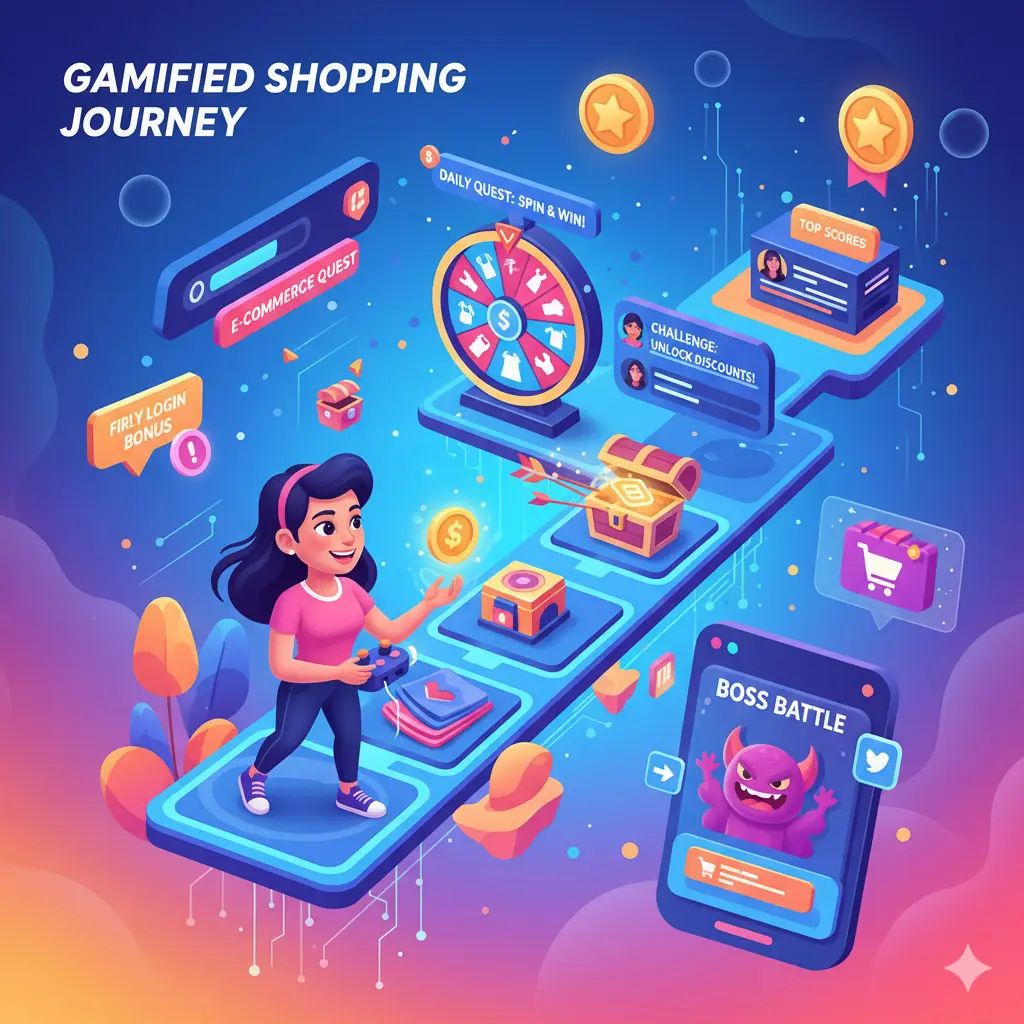
  • Gamified Shopping Journeys – Turning E-Commerce into Entertainment

    Gamified Shopping Journeys – Turning E-Commerce into Entertainment

    The Rise of Entertainment Commerce

    E-commerce is no longer just about convenience and transactions — it’s about creating experiences. In today’s digital world, where customers are bombarded with choices, gamified shopping journeys are emerging as one of the most powerful ways to engage, entertain, and retain consumers. Gamification transforms online shopping from a passive activity into an interactive adventure — making customers feel like players in a rewarding game rather than just shoppers.

    This new trend, often called “shoppertainment” or entertainment commerce, is reshaping the landscape of digital retail. By blending game mechanics such as rewards, levels, points, badges, and challenges into online shopping, brands are making the experience more immersive and emotionally engaging. It’s no longer about what customers buy, but how they feel while buying it.

    Understanding Gamified Shopping

    Gamification in e-commerce means applying elements from video games — like challenges, leaderboards, and achievements — to the shopping process. The goal is to trigger intrinsic motivation, such as curiosity, competition, and satisfaction. Instead of scrolling through endless product listings, customers participate in mini-games, spin virtual wheels, complete missions, or unlock discounts as they interact with the brand.

    This approach taps into psychology. Humans love goals, progress, and rewards. Gamified shopping triggers the brain’s dopamine system, making users more likely to stay longer, explore more, and return frequently. When done right, gamification transforms ordinary shopping into a memorable experience that drives sales and loyalty simultaneously.

    How Gamified E-Commerce Works

    At its core, gamified e-commerce combines three elements: engagement, progression, and reward. Here’s how it works:

    1. Engagement – Users are invited to interact with fun, game-like activities. Examples include spin-the-wheel offers, trivia quizzes, or virtual treasure hunts on websites.
    2. Progression – As customers engage, they earn points, badges, or levels that unlock new rewards or exclusive access. This creates a sense of achievement and anticipation.
    3. Reward – Players are rewarded with discounts, coupons, loyalty points, or early access to limited products. The satisfaction of “winning” drives repeat engagement.

    Many brands now integrate augmented reality (AR) and AI personalization to make these experiences even more interactive. For example, customers can play AR-based games to virtually “try on” products or complete digital challenges that align with their interests.

    Examples of Successful Gamified Shopping

    Leading global brands have already embraced the gamification wave:

    • Nike Run Club connects physical activity with rewards. Users earn badges, achievements, and product discounts based on their running goals — blending fitness, competition, and shopping seamlessly.
    • AliExpress and Shopee host in-app games like “Shake & Win” and “Daily Coins,” where users earn virtual currency by completing tasks or sharing promotions with friends.
    • Sephora’s Beauty Insider Program gamifies loyalty by assigning tiers (Insider, VIB, Rouge) that unlock different privileges based on spending and engagement.
    • Starbucks Rewards allows customers to collect “stars” for each purchase, which can be redeemed for drinks, merchandise, or experiences — an example of gamified loyalty at scale.

    These strategies have proven effective in boosting user engagement, encouraging repeat purchases, and enhancing brand loyalty.

    The Role of Technology in Gamification

    Modern technology is the driving force behind gamified shopping. AI, AR, and data analytics allow brands to design personalized experiences that feel unique to each user.

    • Artificial Intelligence (AI) analyzes customer behavior to tailor challenges and rewards. For instance, an AI system might suggest different games or achievements based on a shopper’s browsing history.
    • Augmented Reality (AR) turns shopping into an adventure. Customers can explore virtual stores, participate in scavenger hunts, or visualize products in real-life settings through their smartphones.
    • Mobile Apps and Progressive Web Apps (PWAs) offer smooth, game-like interactions — from instant feedback animations to progress tracking.
    • Blockchain and NFTs are introducing new layers of digital ownership. Customers can win collectible digital items or exclusive membership tokens through gameplay, merging e-commerce with Web3 experiences.

    As technology continues to evolve, the line between gaming, shopping, and social interaction is becoming increasingly blurred.

    Benefits of Gamified Shopping for Brands

    Gamification offers more than just entertainment; it delivers measurable business benefits:

    1. Higher Engagement – Interactive elements encourage users to spend more time on websites and apps. The longer customers engage, the higher the conversion rates.
    2. Stronger Loyalty – Rewards and progress systems foster a sense of connection and achievement, motivating customers to return.
    3. Viral Growth – Social sharing features built into games help brands reach new audiences organically.
    4. Enhanced Data Collection – Games provide valuable behavioral insights. Brands can analyze how customers interact, what rewards motivate them, and which products attract attention.
    5. Emotional Connection – Gamification makes shopping fun and memorable, building emotional ties that traditional e-commerce often lacks.

    The Psychology Behind Gamified Shopping

    Gamified e-commerce works because it leverages key psychological drivers of motivation:

    • Achievement – Customers love completing challenges and earning recognition.
    • Competition – Leaderboards or timed events stimulate excitement and urgency.
    • Curiosity – Mystery boxes, spin wheels, and surprise rewards trigger curiosity-driven behavior.
    • Reward Anticipation – The thrill of potentially winning something — even a small discount — creates dopamine-driven engagement.

    This combination of pleasure and anticipation keeps customers returning. It’s not about discounts alone; it’s about how those discounts are earned.

    Challenges and Risks

    Despite its benefits, gamified e-commerce requires balance. Poorly designed games or overly complex mechanics can frustrate users instead of engaging them. There’s also the risk of “reward fatigue,” where customers lose interest once the novelty wears off.

    To avoid this, brands must ensure that their gamified systems are authentic, relevant, and user-centered. Rewards should feel meaningful, not manipulative. Additionally, gamification must integrate naturally with the shopping experience rather than disrupt it.

    Data privacy is another consideration. As gamified platforms collect user data for personalization, transparency and ethical data use become critical for maintaining trust.

    The Future of Gamified Shopping

    As digital and physical retail merge, gamification will play an even bigger role in shaping the future of e-commerce. Emerging technologies like virtual reality (VR), metaverse platforms, and AI-powered personalization will allow brands to create immersive, game-like shopping universes.

    Imagine entering a virtual store in the metaverse, completing mini-missions to unlock exclusive drops, or competing with friends in live shopping tournaments. These experiences blend entertainment, community, and commerce in unprecedented ways.

    Moreover, social gamification — combining live streaming, influencer collaborations, and interactive shopping games — is set to dominate in the coming years. Platforms like TikTok Shop and YouTube Shopping are already integrating playful, community-based experiences that turn shopping into social entertainment.

    Conclusion

    Gamified shopping journeys represent the next evolution of e-commerce — a fusion of fun, engagement, and innovation. By transforming the act of shopping into an entertaining experience, brands can deepen emotional connections, boost loyalty, and stand out in a crowded market.

    As AI, AR, and immersive technologies continue to evolve, the boundary between gaming and shopping will disappear entirely. The future of e-commerce isn’t just transactional; it’s experiential. Gamified shopping is the bridge between consumer enjoyment and commercial success — turning every purchase into play and every shopper into a player.


  • How Eco-Friendly Practices Attract Conscious Shoppers

    How Eco-Friendly Practices Attract Conscious Shoppers

    In today’s world, consumers are more aware than ever about the environmental impact of their choices. From reducing plastic waste to supporting sustainable brands, eco-conscious shoppers are actively seeking products and companies that align with their values. For businesses, adopting eco-friendly practices is no longer just a moral choice—it’s a strategic advantage that can attract loyal, mindful customers.

    Why Sustainability Matters to Shoppers

    • Ethical Consumption: Consumers want to feel good about the products they buy, knowing they are supporting companies that prioritize the planet.
    • Brand Loyalty: Shoppers are more likely to return to brands that demonstrate commitment to sustainability.
    • Social Influence: People often share eco-friendly purchases with friends and on social media, amplifying brand visibility.
    • Long-Term Value: Eco-conscious practices often coincide with higher-quality products, enhancing customer satisfaction.

    Key Eco-Friendly Practices That Appeal to Shoppers

    1. Sustainable Packaging

    Packaging is often the first thing customers notice. Eco-friendly packaging can include:

    • Recyclable Materials: Cardboard, paper, or biodegradable plastics.
    • Minimal Packaging: Reducing unnecessary layers to cut down waste.
    • Reusable Options: Packaging that can be repurposed, such as jars or cloth bags.

    Sustainable packaging demonstrates that your brand cares about the environment, making it more appealing to conscious shoppers.

    2. Ethical Sourcing

    Consumers care about where and how products are made. Ethical sourcing involves:

    • Fair Labor Practices: Ensuring workers are paid fairly and work in safe conditions.
    • Sustainable Materials: Using organic, renewable, or recycled materials.
    • Local Sourcing: Supporting local communities and reducing carbon footprint from shipping.

    Highlighting your sourcing practices in product descriptions or marketing campaigns builds trust with environmentally aware buyers.

    3. Energy-Efficient Operations

    Eco-conscious shoppers appreciate brands that reduce their environmental impact in daily operations:

    • Using renewable energy in warehouses or offices.
    • Minimizing waste and water consumption.
    • Implementing energy-efficient lighting and machinery.

    Operational transparency can make your brand more credible and attractive to sustainability-focused customers.

    4. Carbon Offset and Shipping Practices

    Shipping is a major concern for online shoppers who care about the environment. Businesses can:

    • Offer carbon-neutral shipping options.
    • Use electric vehicles or eco-friendly delivery methods where possible.
    • Consolidate shipments to reduce trips and emissions.

    Communicating these efforts at checkout or in marketing materials can influence purchase decisions.

    5. Recycling and Take-Back Programs

    Customers love brands that make it easy to participate in sustainability efforts:

    • Offering product take-back programs for recycling old items.
    • Encouraging the return of packaging for reuse or recycling.
    • Providing incentives like discounts for participating in eco-friendly initiatives.

    Such programs enhance customer engagement while promoting circular economy practices.

    6. Transparency and Storytelling

    Shoppers are drawn to brands that share their sustainability journey:

    • Use social media to showcase eco-friendly initiatives.
    • Include sustainability reports or certifications on your website.
    • Share stories about sourcing, production, and community impact.

    Transparency not only builds trust but also creates a deeper connection with conscious consumers.

    7. Supporting Causes and Community Initiatives

    Eco-conscious shoppers often support brands that go beyond products to make a difference:

    • Partnering with environmental NGOs.
    • Running campaigns for tree planting, ocean cleanup, or wildlife protection.
    • Donating a portion of sales to sustainability causes.

    Aligning your brand with meaningful initiatives attracts shoppers who value purpose-driven businesses.

    Benefits of Attracting Eco-Conscious Shoppers

    • Higher Conversion Rates: Shoppers are more likely to buy from brands that reflect their values.
    • Increased Brand Loyalty: Customers stick with brands that demonstrate genuine commitment to sustainability.
    • Positive Brand Reputation: Eco-friendly practices enhance public perception and can generate media attention.
    • Social Sharing: Conscious consumers often become brand advocates, sharing their positive experiences online.

    Conclusion

    Eco-friendly practices are no longer just a “nice-to-have” for businesses—they are a strategic tool to attract and retain conscious shoppers. From sustainable packaging to ethical sourcing, energy-efficient operations, and transparent storytelling, brands that prioritize the planet resonate with a growing audience of mindful consumers.

    By committing to sustainable practices, you not only reduce your environmental impact but also create loyal customers who value your brand for more than just products. In today’s market, aligning your business with eco-conscious values is a win-win for both your brand and the planet.

  • E-Commerce SEO 101: Boost Your Online Store’s Visibility and Sales

    E-Commerce SEO 101: Boost Your Online Store’s Visibility and Sales

    Running an online store is exciting, but without visibility, even the best products can go unnoticed. That’s where E-Commerce SEO comes in. Optimizing your store for search engines not only drives traffic but also converts visitors into loyal customers. If you’re ready to grow your online business, it’s time to master the essentials of e-commerce SEO.

    What is E-Commerce SEO?

    E-Commerce SEO is the practice of optimizing your online store so it ranks higher on search engines like Google, Bing, and Yahoo. Unlike general SEO, e-commerce SEO focuses on product pages, category pages, and the overall shopping experience to attract potential buyers actively searching for products.

    The goal isn’t just traffic—it’s qualified traffic that’s more likely to purchase. In other words, it’s not just about being seen; it’s about being found by the right people at the right time.

    Why SEO Matters for Your Online Store

    • Higher Organic Traffic: Ranking on the first page of Google brings a steady stream of potential customers without paying for ads.
    • Better Conversion Rates: Visitors who find your store via search are often actively looking to buy, increasing chances of purchase.
    • Cost-Effective Marketing: SEO has long-term benefits, unlike paid ads that stop working the moment you pause the budget.
    • Brand Credibility: Ranking high signals authority and trustworthiness to customers.
    • Competitive Advantage: With proper optimization, small and medium businesses can compete with larger brands.

    Step 1: Keyword Research for E-Commerce

    Keywords are the foundation of SEO. For e-commerce, you need:

    • Product-Specific Keywords: Include exact product names and variations (e.g., “leather backpack for men”).
    • Long-Tail Keywords: Phrases with 3-5 words that indicate buying intent, like “best waterproof running shoes online.”
    • Category Keywords: Broad terms for collections (e.g., “summer dresses” or “smart home gadgets”).
    • LSI Keywords: Related terms that search engines associate with your main keyword, enhancing context.

    Use tools like Google Keyword Planner, Ahrefs, SEMrush, or Ubersuggest to find keywords with high search volume and low competition.

    Step 2: Optimize Product Pages

    Your product pages are your sales drivers. Key optimization tips include:

    • Title Tags: Include your primary keyword naturally. Keep it under 60 characters.
    • Meta Descriptions: Write compelling descriptions with keywords; keep them under 160 characters.
    • Product Descriptions: Avoid generic text from manufacturers. Focus on benefits, features, and keywords.
    • High-Quality Images: Include multiple images with descriptive alt tags. Google also indexes image search traffic.
    • User Reviews: Encourage reviews; fresh, authentic content improves rankings and conversions.
    • Structured Data: Use schema markup to display ratings, price, and availability in search results.

    Step 3: Optimize Category Pages

    Category pages often drive more traffic than individual products. To optimize them:

    • Use descriptive headings (H1, H2) that include category keywords.
    • Add a short SEO-friendly introduction highlighting the category benefits.
    • Include internal links to relevant product pages for better crawlability.
    • Avoid thin content—aim for 200-500 words that provide value to shoppers.

    Step 4: Technical SEO for E-Commerce

    A fast, crawlable, and secure website improves both rankings and user experience. Focus on:

    • Site Speed: Compress images, use caching, and a fast hosting provider.
    • Mobile Optimization: Over 70% of online shopping happens on mobile devices.
    • HTTPS Security: SSL certificates build trust and improve SEO rankings.
    • URL Structure: Keep URLs clean, descriptive, and keyword-rich (e.g., www.store.com/leather-backpack).
    • Sitemap and Robots.txt: Help search engines index your pages efficiently.

    Step 5: Content Marketing for E-Commerce

    Content isn’t just for blogs—it’s a key SEO strategy for online stores:

    • Blog Posts: Write about product guides, trends, how-tos, or FAQs to attract organic traffic.
    • Buying Guides: “Best Shoes for Hiking” or “Top 10 Kitchen Gadgets 2025” help shoppers and target keywords.
    • Video Content: Demonstrations, unboxing, and tutorials improve engagement and dwell time.
    • User-Generated Content: Showcase customer photos, reviews, and social media posts.

    Step 6: Link Building and Authority

    Backlinks signal credibility to search engines. Strategies include:

    • Guest posting on niche websites
    • Partnering with influencers
    • Sharing blog content to get featured naturally
    • Collaborating with industry blogs for product mentions

    Remember, quality beats quantity—relevant, authoritative links work best.

    Step 7: Monitor, Analyze, and Adjust

    SEO is ongoing. Use tools like Google Analytics, Google Search Console, Ahrefs, or SEMrush to track:

    • Organic traffic trends
    • Keyword rankings
    • Click-through rates (CTR)
    • Conversion rates from organic visitors

    Regularly update product descriptions, blog content, and technical aspects based on performance data.

    Trending SEO Tips for 2025

    • Voice Search Optimization: Include natural language queries in product descriptions.
    • AI-Generated Product Insights: Use AI tools to create optimized descriptions faster.
    • Core Web Vitals: Google prioritizes websites with excellent loading, interactivity, and visual stability.
    • Local SEO: If you have a physical store, optimize for “near me” searches.
    • Visual Search: Optimize images to appear in Google Lens and Pinterest searches.

    Conclusion

    E-Commerce SEO isn’t just about traffic—it’s about visibility, credibility, and sales. By combining keyword research, on-page optimization, technical SEO, content marketing, and link building, your online store can rank higher, attract quality visitors, and convert clicks into customers.

    Remember, SEO is a marathon, not a sprint. Start small, track your progress, and consistently optimize. With the right strategies, your e-commerce store won’t just be seen—it will thrive.

  • From Cart Abandonment to Loyal Customers: Personalization Tactics That Actually Work

    From Cart Abandonment to Loyal Customers: Personalization Tactics That Actually Work

    In today’s digital-first world, e-commerce brands face one of their biggest challenges: cart abandonment. Shoppers add items to their carts but leave without completing the purchase, costing businesses billions every year. The solution isn’t just better pricing or flashy ads; it’s personalization. By tailoring experiences to individual customers, brands can reduce cart abandonment, boost conversions, and transform first-time buyers into loyal customers.

    Understanding Cart Abandonment

    Cart abandonment happens when a shopper adds products to an online cart but exits before completing the purchase. The reasons vary — unexpected shipping costs, complicated checkout processes, or lack of trust. However, behind every abandoned cart lies an opportunity: the chance to re-engage customers through personalized strategies.

    Data shows that approximately 70% of online shopping carts are abandoned. The key question is: how can brands convert these missed opportunities into sales and long-term loyalty? The answer lies in personalization.

    Why Personalization Works

    Personalization is the practice of delivering tailored experiences to consumers based on their behavior, preferences, and past interactions. It works because consumers crave relevance. Generic emails, pop-ups, or ads often go unnoticed, but content that speaks to individual needs captures attention and drives action.

    Key benefits of personalization include:

    • Higher conversion rates
    • Improved customer engagement
    • Increased brand loyalty
    • Enhanced customer lifetime value

    When brands leverage personalization correctly, they don’t just recover lost sales — they create meaningful connections with customers.

    Personalization Tactics That Actually Work

    1. Abandoned Cart Emails

    One of the most effective ways to combat cart abandonment is through abandoned cart emails. But generic reminders aren’t enough. Personalization can take this tactic to the next level:

    • Include the customer’s name and specific items left in the cart
    • Offer personalized incentives, such as discounts or free shipping
    • Highlight related products based on browsing history

    Studies show that personalized abandoned cart emails can recover up to 10–30% of lost sales, turning missed opportunities into revenue.

    2. Dynamic Product Recommendations

    Using data-driven recommendations allows brands to show products that align with a shopper’s interests. For example:

    • “Customers who viewed this also bought…”
    • “Recommended for you based on your recent purchases”

    Dynamic recommendations create a curated shopping experience, making the consumer feel understood and valued. This not only boosts conversions but also increases average order value.

    3. Personalized On-Site Experiences

    Personalization isn’t limited to email. On-site tactics can also reduce abandonment:

    • Display recently viewed items on the homepage or product pages
    • Offer personalized pop-ups with discounts for items left in the cart
    • Tailor homepage banners based on user behavior or location

    When shoppers see a website that adapts to their interests, they are more likely to complete their purchase.

    4. Retargeting Ads with a Personal Touch

    Retargeting ads remind customers of products they previously explored. Personalization enhances this approach by:

    • Showing the exact product left in the cart
    • Highlighting limited-time offers or stock alerts
    • Featuring content aligned with the shopper’s browsing history

    Personalized retargeting bridges the gap between consideration and purchase, nudging customers toward checkout without feeling intrusive.

    5. Loyalty Programs and Personalized Rewards

    Turning one-time buyers into loyal customers requires thoughtful engagement. Personalized loyalty programs can include:

    • Customized reward points for frequently purchased items
    • Exclusive offers based on past purchases
    • Early access to products or sales tailored to customer preferences

    Personalized rewards make customers feel appreciated, fostering repeat purchases and long-term loyalty.

    The Role of Data in Personalization

    Effective personalization relies on data collection and analysis. Brands need to understand:

    • Customer behavior: browsing history, purchase patterns, and interactions
    • Preferences and interests: product categories, styles, or colors
    • Demographics and location: to tailor offers and content

    With this data, brands can implement AI-powered personalization tools that automate recommendations, emails, and on-site content, ensuring every interaction is relevant and timely.

    Measuring Success

    Personalization strategies should be monitored for impact. Key metrics include:

    • Cart recovery rates
    • Conversion rates
    • Average order value
    • Customer retention and repeat purchase rates

    Analyzing these metrics helps brands refine personalization tactics, identify high-performing strategies, and continuously improve the customer experience.

    Challenges and Best Practices

    While personalization offers enormous benefits, brands must navigate potential challenges:

    • Privacy concerns: Consumers value their data and expect transparency
    • Over-personalization: Too many targeted messages can feel intrusive
    • Integration complexity: Coordinating data across platforms requires robust systems

    Best practices include:

    • Being transparent about data collection and usage
    • Providing options for personalization instead of forcing it
    • Continuously testing and optimizing campaigns

    By balancing relevance and respect, brands can build trust while delivering highly effective personalized experiences.

    Conclusion: From Cart Abandonment to Customer Loyalty

    The journey from cart abandonment to loyal customers is no longer about generic strategies. In the age of digital shopping, personalization is the key differentiator. By leveraging abandoned cart emails, dynamic recommendations, personalized on-site experiences, retargeting ads, and loyalty programs, brands can convert lost sales into revenue while building lasting customer relationships.

    Personalization transforms the shopping experience from transactional to relational. Customers no longer feel like numbers on a sales report; they feel seen, understood, and valued. For brands willing to invest in data-driven, personalized strategies, the payoff is clear: higher conversions, increased loyalty, and a sustainable competitive advantage in a crowded marketplace.

  • How E-Commerce Brands Can Turn Festive Seasons into Storytelling Seasons

    How E-Commerce Brands Can Turn Festive Seasons into Storytelling Seasons

    Festive seasons are more than just periods of high sales and discounts; they are prime opportunities for e-commerce brands to connect with customers on an emotional level. In an age where consumers crave meaningful experiences, transforming marketing campaigns into compelling stories can create lasting brand loyalty, increase engagement, and boost conversions. Storytelling during festive seasons is not just about selling products — it’s about weaving a narrative that resonates with customers’ emotions, traditions, and aspirations.

    Why Storytelling Matters in E-Commerce

    Storytelling is a powerful marketing tool because humans are naturally drawn to narratives. Brands that craft stories during festive seasons can:

    • Differentiate themselves from competitors
    • Build emotional connections with consumers
    • Make promotions feel authentic rather than transactional

    During festivals, people are already in a celebratory and emotional mindset, making it the perfect time for brands to engage beyond discounts and deals. Instead of focusing solely on products, brands that focus on experiences, memories, and values create stronger, longer-lasting impressions.

    Emotional Connection Drives Conversions

    Consumers are more likely to purchase when they feel a personal connection to a brand. Storytelling taps into nostalgia, joy, family values, and festive traditions, turning ordinary transactions into memorable experiences. For example, a brand showcasing how its products enhance family celebrations or create meaningful moments can resonate deeply with shoppers.

    Tactics for Turning Festive Seasons into Storytelling Seasons

    1. Craft a Festive Narrative

    Begin by defining a storyline that aligns with both the brand’s identity and the festive spirit. A good narrative highlights:

    • The emotions associated with the festival
    • How the brand enhances the celebration
    • A clear call-to-action without sounding pushy

    For instance, a home décor brand can focus on the warmth and togetherness of family gatherings, showing how its products create memorable festive settings.

    2. Leverage Visual Storytelling

    Festive campaigns thrive on visual content. High-quality imagery, videos, and animations can convey narratives more effectively than words alone. Brands should:

    • Use festive colors, motifs, and designs
    • Showcase real-life usage scenarios of products
    • Incorporate UGC (user-generated content) to add authenticity

    Platforms like Instagram, TikTok, and Pinterest are ideal for visual storytelling, allowing brands to engage audiences with immersive and shareable content.

    3. Personalize Festive Experiences

    Personalization is key to making festive campaigns feel special. Brands can:

    • Send customized emails and messages featuring relevant products
    • Recommend gifts based on past purchases or browsing behavior
    • Highlight exclusive offers for loyal customers

    Personalized campaigns demonstrate that the brand understands and values the consumer, enhancing engagement and conversion rates.

    4. Use Story-Driven Product Bundles

    Festive seasons are perfect for curated product bundles that tell a story. Bundles can be themed around:

    • Family celebrations
    • Friendships and gifting
    • Festive rituals and traditions

    By presenting bundles as ready-made solutions for festive needs, brands simplify shopping while reinforcing their narrative.

    5. Engage Customers with Interactive Campaigns

    Festive storytelling can extend beyond ads and emails through interactive campaigns. Brands can:

    • Host contests and challenges that encourage users to share their festive stories
    • Use AR filters or gamified experiences related to the festival
    • Launch social media campaigns that highlight customer participation

    Interactive storytelling creates a community feeling, making customers feel part of the brand’s festive journey.

    Measuring the Impact of Festive Storytelling

    To ensure campaigns are effective, brands should track metrics such as:

    • Engagement rates on social media and emails
    • Conversion rates from storytelling-driven campaigns
    • UGC participation and shares
    • Customer sentiment and feedback

    Data from these metrics helps refine future storytelling campaigns, making them even more targeted and impactful.

    Challenges and Considerations

    While festive storytelling offers immense potential, brands should be mindful of:

    • Cultural sensitivity: Ensure campaigns respect diverse traditions and beliefs
    • Over-commercialization: Focus on stories and experiences, not just selling
    • Consistency: Maintain narrative consistency across all channels for maximum impact

    Balancing authenticity, relevance, and creativity ensures that festive campaigns resonate meaningfully with audiences.

    Conclusion: Transforming Festive Seasons into Storytelling Seasons

    For e-commerce brands, festive seasons are a golden opportunity to move beyond transactional marketing. By embracing storytelling, personalization, visual engagement, and interactive campaigns, brands can turn ordinary promotions into memorable experiences that strengthen emotional connections with consumers.

    The ultimate goal is to make shoppers feel that the brand is part of their festive moments, not just a source of products. In doing so, brands can drive higher engagement, boost sales, and cultivate long-term loyalty. In the world of e-commerce, festive storytelling is more than marketing — it’s a way to celebrate, connect, and create lasting memories.