Tag: E-Commerce SEO

  • Why Mobile Commerce Is Dominating E-commerce Growth

    Why Mobile Commerce Is Dominating E-commerce Growth

    Mobile commerce, also known as m-commerce, is reshaping the way people shop online. As smartphones become more powerful and internet access becomes more ubiquitous, mobile commerce is dominating e-commerce growth around the world. In this post, we explore the key reasons behind this rapid shift, the trends shaping mobile shopping behavior, and what it means for businesses looking to thrive in the digital marketplace.

    What Is Mobile Commerce?

    Mobile commerce refers to buying and selling goods and services through mobile devices such as smartphones and tablets. While traditional e-commerce includes shopping via desktop computers, m-commerce prioritizes the mobile experience — from browsing and purchasing to payment and delivery tracking.

    The Rise of Mobile Shopping Trends

    Convenience and On-the-Go Access

    One of the primary reasons mobile commerce is dominating e-commerce growth is convenience. Consumers carry smartphones everywhere, allowing them to browse products and make purchases anytime and anywhere. Whether someone is commuting to work, waiting in line, or relaxing at home, mobile shopping fits easily into daily life.

    Increasing Smartphone Penetration

    Global smartphone adoption continues to climb. With more people owning mobile devices than ever before, the potential audience for mobile commerce grows every year. Affordable smartphones and improved mobile networks — including 4G and 5G — have made mobile shopping faster and more accessible.

    Improvements in Mobile Technology and UX

    Mobile apps and mobile-optimized websites have drastically improved the shopping experience. Fast loading speeds, intuitive navigation, and secure payment gateways make mobile shopping simple and stress-free. Retailers that invest in mobile-first design often see higher conversion rates, reinforcing why mobile commerce is dominating e-commerce growth.

    Key Drivers Fueling Mobile Commerce Growth

    Social Commerce and Influencer Marketing

    Social media platforms like Instagram, TikTok, and Pinterest have made it easier than ever for users to shop directly from posts, reels, and ads. Influencers promote products seamlessly via mobile feeds, driving traffic and conversions. Features like shoppable tags and in-app checkout blur the line between browsing and buying.

    Mobile Payments and Wallets

    Mobile wallets and one-tap payment solutions such as Apple Pay, Google Wallet, and regional alternatives have simplified the checkout process. These secure and fast payment options reduce friction, making users more likely to complete purchases on mobile devices. The convenience of mobile payments is a major reason why mobile commerce is dominating e-commerce growth.

    Personalized Shopping Experiences

    Mobile devices collect valuable data about shopping habits and preferences. Retailers use this insight to personalize recommendations, push notifications, and special offers. Personalized experiences lead to higher engagement and repeat purchases — a powerful growth driver for m-commerce.

    Faster Internet and Better Connectivity

    Advancements in mobile network technology, especially 5G, provide lightning-fast internet speeds and more reliable connections. Faster loading times reduce bounce rates and enhance user experience, encouraging mobile users to shop more frequently and confidently.

    Challenges and Future of Mobile Commerce

    Balancing Security and Convenience

    While mobile commerce offers unmatched convenience, concerns about data security and privacy remain. Retailers must implement robust security measures like encryption, two-factor authentication, and transparent user consent policies to build trust and protect customer information.

    Continued Innovation Is Essential

    To stay ahead, businesses must continue innovating. Technologies like augmented reality (AR), voice search, and mobile chatbots are already enhancing mobile shopping experiences. Brands that adopt these trends early will benefit as mobile commerce continues to grow.

    Final Thoughts: The Future Is Mobile

    Mobile commerce is dominating e-commerce growth for good reason. A combination of consumer behavior shifts, technological advancements, and improved mobile experiences has created an environment where purchasing on a smartphone is often easier than on a desktop. As digital ecosystems continue to evolve, mobile commerce is poised to remain at the forefront of the global e-commerce revolution.


  • Using AI Chatbots to Improve Customer Service and Increase Sales

    Using AI Chatbots to Improve Customer Service and Increase Sales

    In today’s fast-paced digital marketplace, businesses must deliver instant, personalized, and efficient customer experiences. Using AI chatbots to improve customer service and increase sales has become a powerful strategy for companies looking to stay competitive. AI chatbots not only streamline customer support but also play a critical role in driving conversions and revenue growth.

    What Are AI Chatbots?

    AI chatbots are software applications powered by artificial intelligence and natural language processing that can simulate human-like conversations. They interact with customers through websites, mobile apps, and social media platforms to answer questions, provide recommendations, and guide users through the buying process.

    How AI Chatbots Improve Customer Service

    24/7 Instant Support

    One of the biggest advantages of AI chatbots is round-the-clock availability. Customers no longer have to wait for business hours to get help. AI chatbots provide instant responses to common questions, improving customer satisfaction and reducing frustration.

    Faster Response Times and Reduced Workload

    AI chatbots can handle thousands of customer queries simultaneously. This reduces the burden on human support teams and allows them to focus on more complex issues. Faster response times lead to better customer experiences and stronger brand loyalty.

    Consistent and Accurate Information

    Unlike human agents, AI chatbots deliver consistent responses every time. They are programmed with accurate information about products, policies, and services, minimizing errors and ensuring customers receive reliable support.

    Using AI Chatbots to Increase Sales

    Personalized Product Recommendations

    AI chatbots analyze customer behavior, preferences, and browsing history to deliver personalized product recommendations. This level of customization increases engagement and encourages customers to make purchasing decisions more quickly.

    Guiding Customers Through the Sales Funnel

    Chatbots act as virtual sales assistants, guiding users from product discovery to checkout. They can answer questions, highlight benefits, and address objections in real time, reducing cart abandonment and improving conversion rates.

    Upselling and Cross-Selling Opportunities

    AI chatbots are highly effective at upselling and cross-selling. By suggesting complementary products or premium upgrades during conversations, chatbots help businesses increase average order value without being intrusive.

    Business Benefits of AI Chatbots

    Cost Efficiency and Scalability

    Implementing AI chatbots is more cost-effective than expanding human support teams. Chatbots scale easily as your business grows, handling increased customer interactions without significantly increasing operational costs.

    Data Collection and Customer Insights

    AI chatbots collect valuable data from customer interactions, including frequently asked questions, purchasing behavior, and pain points. Businesses can use this data to improve products, refine marketing strategies, and enhance customer journeys.

    Improved Customer Retention

    Quick support, personalized communication, and seamless experiences lead to higher customer satisfaction. Satisfied customers are more likely to return, boosting long-term sales and brand loyalty.

    Best Practices for Implementing AI Chatbots

    Balance Automation With Human Support

    While AI chatbots are powerful, they should not completely replace human interaction. Offering an easy transition from chatbot to live agent ensures complex issues are handled effectively and maintains trust.

    Continuously Train and Optimize Chatbots

    Regularly updating chatbot knowledge and training AI models improves accuracy and relevance. Monitoring chatbot performance helps businesses identify gaps and optimize conversations for better results.

    Final Thoughts on AI Chatbots for Business Growth

    Using AI chatbots to improve customer service and increase sales is no longer optional—it’s a strategic necessity. From providing instant support to driving personalized sales experiences, AI chatbots empower businesses to operate more efficiently while meeting rising customer expectations. Companies that embrace AI-driven customer engagement today are positioning themselves for sustainable growth in the future.

  • YouTube SEO for eCommerce Product Videos to Drive More Sales

    YouTube SEO for eCommerce Product Videos to Drive More Sales

    YouTube is the second-largest search engine in the world, making it a powerful platform for online stores. When optimized correctly, YouTube SEO for eCommerce product videos can significantly increase visibility, traffic, and conversions. In 2026, video-first shopping behavior continues to grow, and brands that master YouTube optimization gain a strong competitive edge.

    Why YouTube SEO Matters for eCommerce Businesses

    YouTube videos often appear on the first page of Google search results. This means your product videos can reach buyers who are actively searching for reviews, demos, and comparisons.

    Higher Purchase Intent Through Video Content

    Shoppers trust videos more than static images. Product demonstrations, unboxings, and tutorials build confidence and reduce buyer hesitation. Optimizing these videos with eCommerce YouTube SEO strategies ensures your products are discovered by the right audience at the right time.

    Keyword Research for eCommerce Product Videos

    Keyword research is the foundation of successful YouTube SEO. Without it, even high-quality videos may never be found.

    Find Buyer-Intent YouTube Keywords

    Focus on keywords with commercial intent such as “best wireless headphones,” “product name review,” or “how to use product name.” Use YouTube search suggestions, competitor analysis, and keyword tools to identify high-volume, low-competition phrases related to your products.

    Optimize Video Titles for Clicks and Rankings

    Your title is one of the most important ranking factors on YouTube.

    Write SEO-Optimized and Compelling Titles

    Include your primary keyword near the beginning of the title while keeping it natural and engaging. For example, instead of a generic title, use something like “Product Name Review Best Choice for Online Shoppers.” Strong titles improve both rankings and click-through rates, which boosts overall performance.

    Create Keyword-Rich Descriptions for eCommerce Videos

    Video descriptions help YouTube understand your content and improve search visibility.

    Structure Descriptions for Maximum SEO Impact

    Start with a keyword-rich summary in the first two lines, as this appears in search previews. Add detailed product information, benefits, specifications, and use cases. Naturally include secondary YouTube SEO keywords for eCommerce and add a clear call to action linking to your product page.

    Use Tags, Categories, and Hashtags Effectively

    Although tags are less influential than before, they still support discoverability.

    Reinforce Keywords Across Metadata

    Use relevant tags, select the correct product category, and include 3–5 targeted hashtags in your description. This reinforces topical relevance and helps YouTube associate your video with similar content.

    Optimize Thumbnails to Increase Click-Through Rate

    Thumbnails play a crucial role in YouTube SEO success.

    Design High-Converting Product Thumbnails

    Use high-contrast colors, clear product images, and minimal text. A compelling thumbnail increases clicks, which signals value to the algorithm. Consistent branding across thumbnails also builds recognition and trust.

    Increase Watch Time and Audience Retention

    YouTube favors videos that keep viewers engaged.

    Create Engaging Product Demonstrations

    Start with a strong hook in the first 5 seconds to show the product in action. Avoid long intros and focus on solving a specific customer problem. The longer viewers watch, the better your eCommerce product videos will rank.

    Leverage YouTube Features to Boost SEO

    YouTube provides built-in tools that support visibility and engagement.

    Use Chapters, Cards, and End Screens

    Chapters improve user experience and help videos appear for specific search queries. Cards and end screens guide viewers to related videos or product pages, increasing session time and conversions.

    Track Performance and Optimize Continuously

    YouTube SEO is an ongoing process.

    Analyze Metrics and Improve Strategy

    Monitor impressions, watch time, click-through rate, and conversions. Testing different titles, thumbnails, and video lengths helps refine your YouTube SEO for eCommerce strategy over time.

    Final Thoughts on YouTube SEO for eCommerce

    Mastering YouTube SEO for eCommerce product videos allows online stores to attract high-intent buyers and generate consistent sales. By combining keyword optimization, engaging content, and data-driven improvements, eCommerce brands can turn YouTube into a powerful long-term revenue channel.

  • AI Tools Every eCommerce Owner Should Use to Scale Faster in 2026

    AI Tools Every eCommerce Owner Should Use to Scale Faster in 2026

    Artificial intelligence is transforming online retail at an unprecedented pace. From personalized shopping experiences to automated marketing, AI tools for eCommerce are helping store owners increase sales, reduce costs, and scale efficiently. In 2026, leveraging the right AI solutions is no longer optional; it is essential for staying competitive.

    Why AI Tools Are Essential for eCommerce Growth

    Modern eCommerce businesses generate massive amounts of data. AI tools analyze this data in real time, allowing owners to make smarter decisions and deliver better customer experiences.

    Automation and Personalization at Scale

    With AI-driven automation, tasks like customer support, inventory management, and marketing campaigns run efficiently. Personalized product recommendations and targeted messaging improve conversion rates and customer retention, making AI-powered eCommerce tools a major growth driver.

    AI Tools for Product Research and Market Analysis

    Understanding what to sell and how to position it is critical for success.

    Predictive Analytics and Trend Forecasting

    AI-powered product research tools analyze market trends, competitor pricing, and customer demand. These insights help eCommerce owners launch the right products at the right time, reducing risk and increasing profitability.

    AI Tools for eCommerce Marketing and Advertising

    Marketing is one of the biggest beneficiaries of artificial intelligence.

    AI-Powered Ad Optimization

    AI tools automatically optimize ad creatives, targeting, and budgets across platforms like Google, Meta, and TikTok. By analyzing performance data, these tools improve return on ad spend and eliminate guesswork, making AI marketing tools for eCommerce highly effective.

    Email and SMS Marketing Automation

    AI-driven email and SMS platforms personalize messages based on user behavior. Automated flows such as abandoned cart reminders and post-purchase follow-ups significantly boost conversions and customer lifetime value.

    AI Tools for Customer Support and Experience

    Customer experience plays a major role in brand loyalty.

    AI Chatbots and Virtual Assistants

    AI chatbots provide instant, 24/7 support by answering product questions, tracking orders, and resolving common issues. This improves response time while reducing support costs, making AI chatbots for eCommerce a must-have solution.

    AI Tools for Content Creation and SEO

    Content marketing remains a powerful traffic source for online stores.

    AI for Product Descriptions and SEO Content

    AI writing tools generate SEO-optimized product descriptions, blog posts, and ad copy at scale. By naturally integrating eCommerce SEO keywords, these tools help improve search rankings and organic traffic without sacrificing quality.

    AI Tools for Pricing and Revenue Optimization

    Dynamic pricing is becoming increasingly popular in eCommerce.

    Smart Pricing and Revenue Management

    AI tools analyze competitor pricing, demand fluctuations, and customer behavior to adjust prices automatically. This ensures maximum profitability while remaining competitive, making AI pricing tools for eCommerce highly valuable.

    AI Tools for Inventory and Supply Chain Management

    Inventory issues can severely impact customer satisfaction and revenue.

    Demand Forecasting and Stock Optimization

    AI-driven inventory tools predict demand accurately, helping store owners avoid overstocking or stockouts. Optimized supply chains reduce storage costs and improve order fulfillment efficiency.

    AI Tools for Fraud Detection and Security

    Online fraud continues to grow, posing serious risks for eCommerce businesses.

    AI-Powered Fraud Prevention

    AI security tools detect suspicious transactions in real time, protecting both the business and customers. These tools reduce chargebacks and increase trust, which is essential for long-term growth.

    Final Thoughts on AI Tools for eCommerce Owners

    Using the right AI tools every eCommerce owner should use can transform how online stores operate and scale. From marketing and customer support to pricing and inventory management, artificial intelligence enables smarter decisions and better customer experiences. In 2026 and beyond, eCommerce businesses that embrace AI will outperform competitors and build sustainable, future-ready brands.

  • Influencer Seeding vs Paid Influencers: Which Strategy Delivers Better Results?

    Influencer Seeding vs Paid Influencers: Which Strategy Delivers Better Results?

    Influencer marketing has become a powerful growth channel for brands, but choosing the right approach can be challenging. Two popular strategies dominate the space: influencer seeding and paid influencers. While both can drive awareness and conversions, they work very differently. Understanding the strengths, limitations, and best-use cases of each approach helps brands build smarter and more cost-effective campaigns.

    What Is Influencer Seeding?

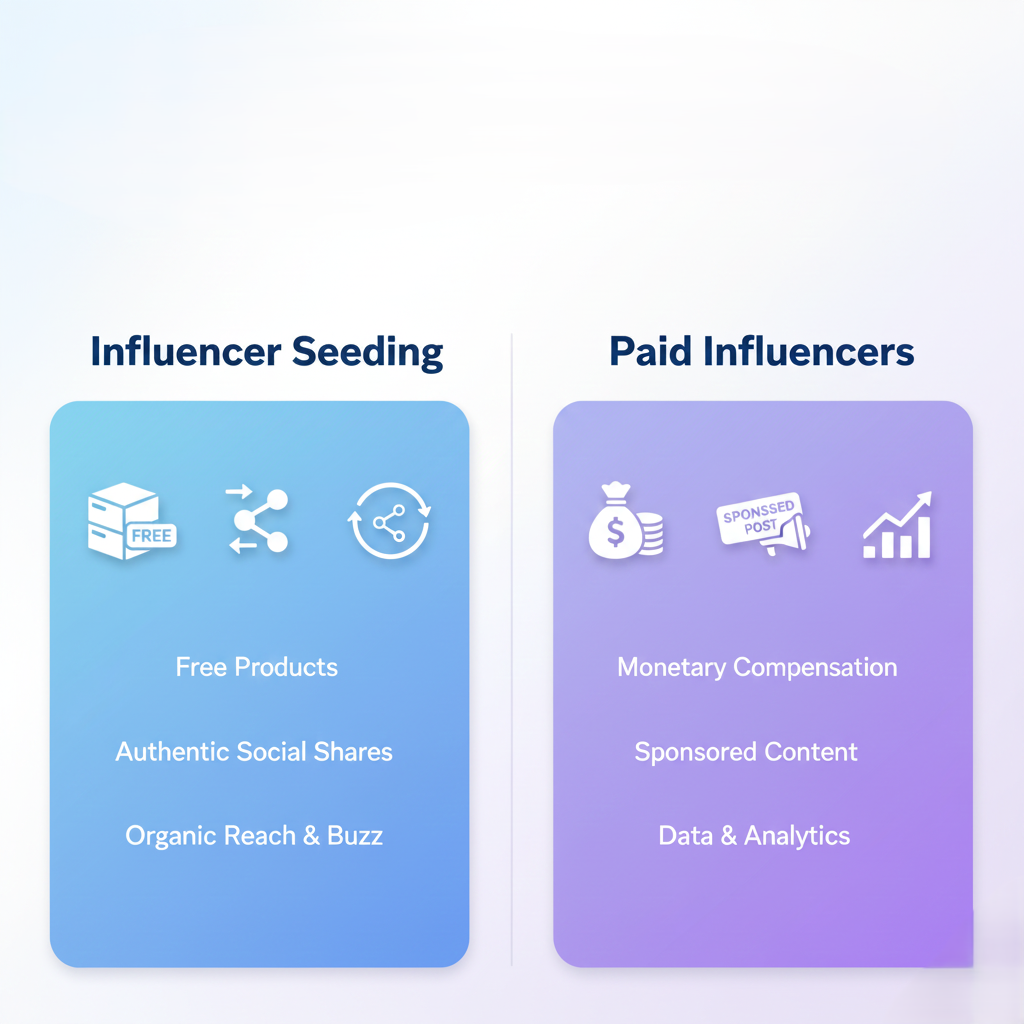
    Influencer seeding is a strategy where brands send free products to influencers without guaranteed posting requirements. The goal is to encourage authentic content creation and organic brand mentions.

    How Influencer Seeding Works

    Brands identify creators who align with their values and audience, then ship products hoping influencers genuinely enjoy and share them. There is no formal contract or payment involved.

    Key Benefits of Influencer Seeding

    Influencer seeding is cost-effective, especially for startups and small brands. Because content is voluntary, it often feels more authentic and trustworthy. This approach also helps brands build long-term relationships with creators.

    What Are Paid Influencers?

    Paid influencers are creators who receive monetary compensation in exchange for agreed-upon deliverables, such as posts, reels, or stories.

    How Paid Influencer Campaigns Work

    Brands negotiate contracts outlining content format, posting timelines, usage rights, and performance expectations. Paid campaigns are structured and results-driven.

    Key Benefits of Paid Influencers

    Paid influencer marketing offers predictability and scale. Brands can control messaging, timelines, and campaign objectives, making it ideal for product launches and performance-focused goals.

    Influencer Seeding vs Paid Influencers: Key Differences

    Cost and Budget Flexibility

    Influencer seeding requires minimal financial investment, making it ideal for brands with limited budgets. Paid influencers, on the other hand, can be expensive but offer measurable reach and guaranteed exposure.

    Content Authenticity and Trust

    Seeded content often feels more genuine because influencers are not obligated to post. In contrast, paid collaborations may appear more promotional, though high-quality creators can still deliver authentic messaging.

    Reach and Scalability

    Paid influencer campaigns provide immediate reach and scalability. Influencer seeding delivers slower, organic growth that builds over time.

    When to Choose Influencer Seeding

    Ideal Use Cases for Influencer Seeding

    Influencer seeding works best for brand awareness, community building, and product feedback. It is especially effective for beauty, fashion, lifestyle, and consumer brands looking to generate organic buzz.

    When to Choose Paid Influencers

    Ideal Use Cases for Paid Influencer Marketing

    Paid influencers are better suited for sales-driven campaigns, new product launches, and time-sensitive promotions. Brands seeking guaranteed impressions and ROI often rely on paid collaborations.

    Combining Influencer Seeding and Paid Influencers

    Many successful brands use a hybrid approach. Influencer seeding helps identify high-performing creators, while paid influencer partnerships amplify results.

    Building a Balanced Influencer Marketing Strategy

    Start with seeding to test creator alignment, then invest in paid campaigns with influencers who already love your product. This reduces risk and improves campaign performance.

    Final Thoughts on Influencer Seeding vs Paid Influencers

    There is no one-size-fits-all answer in the debate between influencer seeding vs paid influencers. Seeding delivers authenticity and long-term brand value, while paid influencers provide control and scalability. The most effective strategy depends on your goals, budget, and timeline. Brands that understand how to leverage both approaches strategically will gain a stronger competitive edge in influencer marketing.